Santorini volcano sounds the alarm: Are Turkish coasts also at risk?
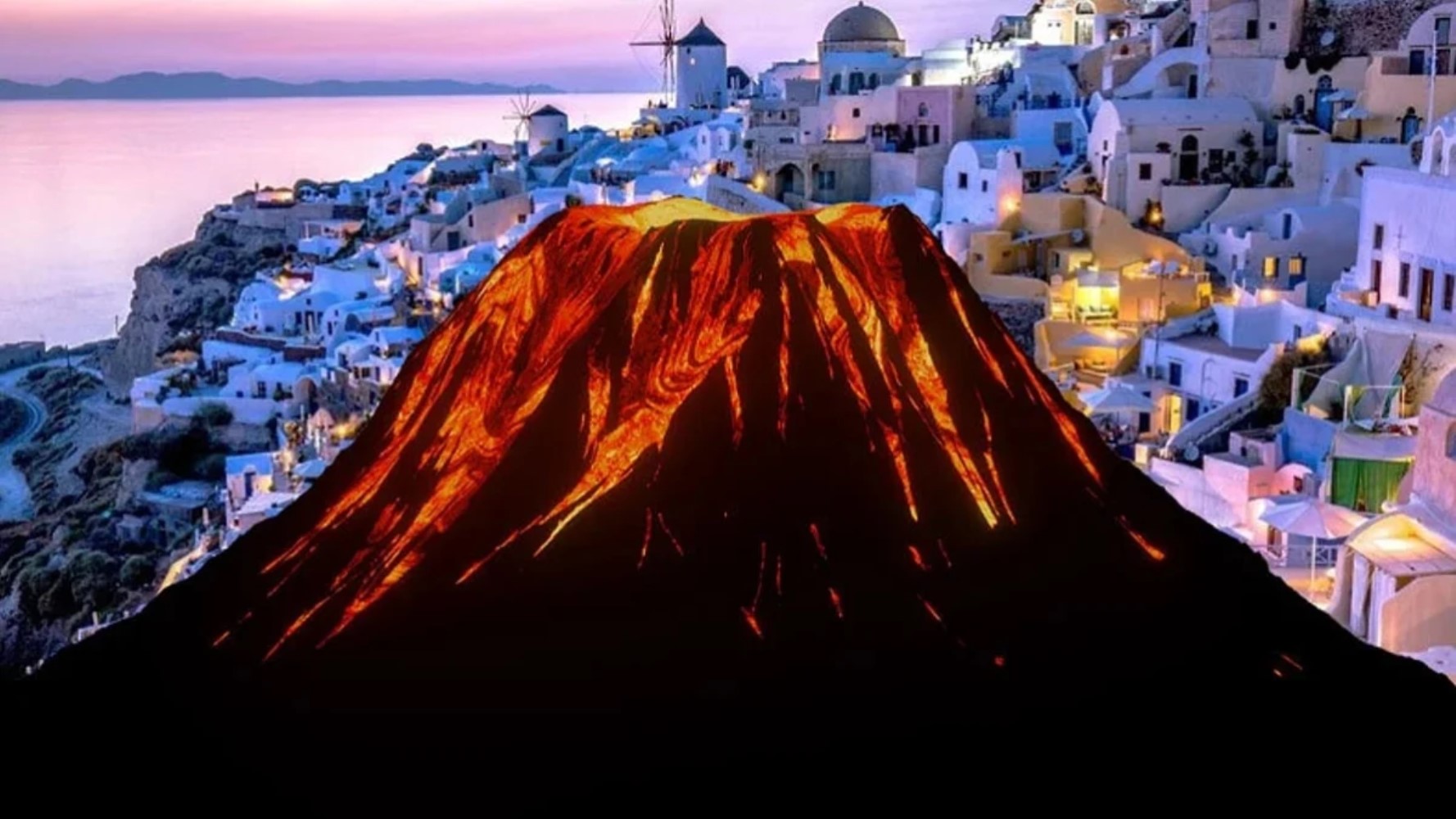
Increased seismic activity in the Aegean Sea has brought the possibility of a Santorini volcano eruption to the agenda. Geophysical experts warn that a potential eruption could affect the Turkish coast as much as it would Greece. Are threats such as tsunamis, earthquakes, and ashfall on the horizon?
12punto
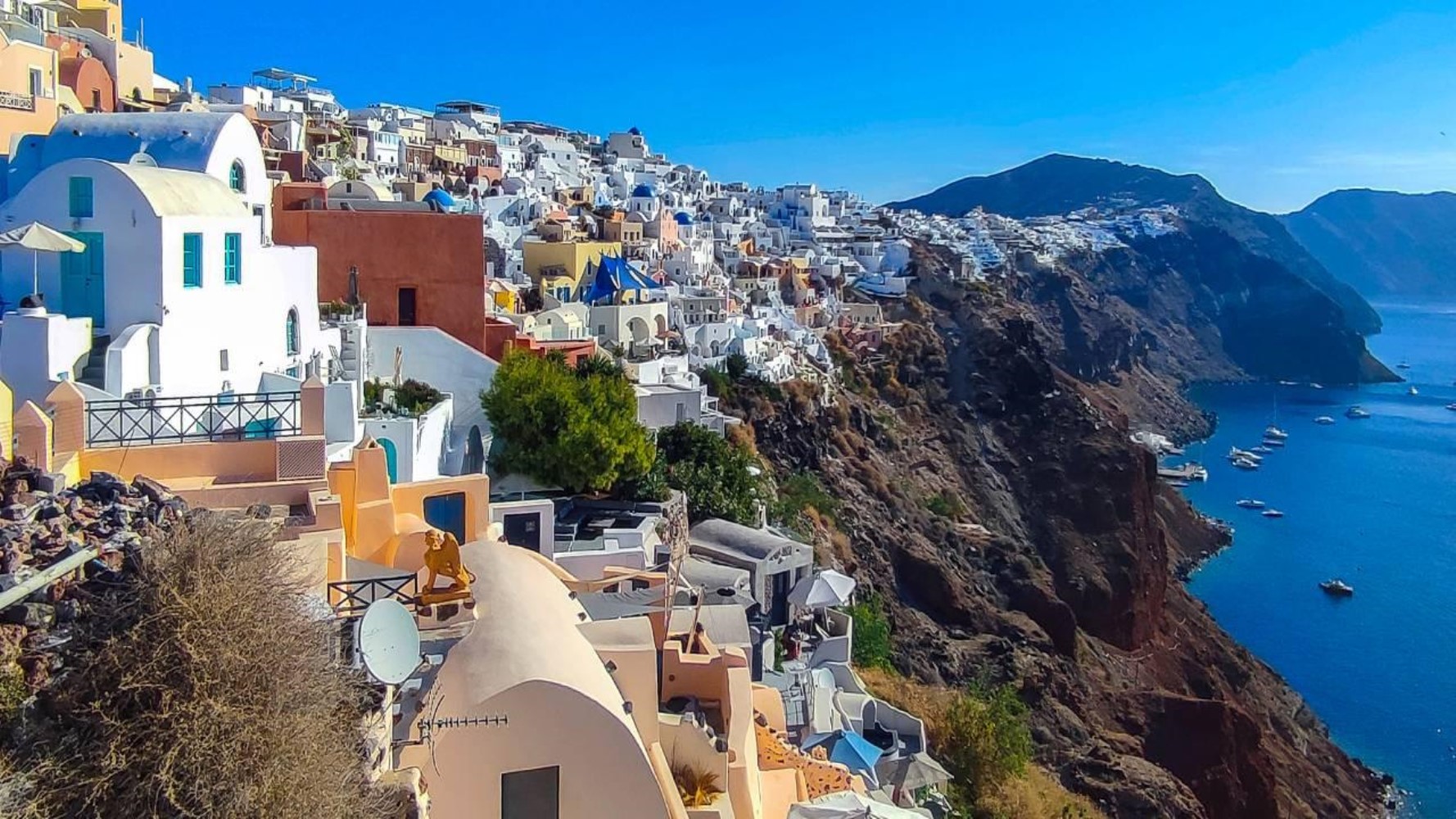
Greece's world-famous tourist island of Santorini is experiencing anxious days due to increasing seismic activity.
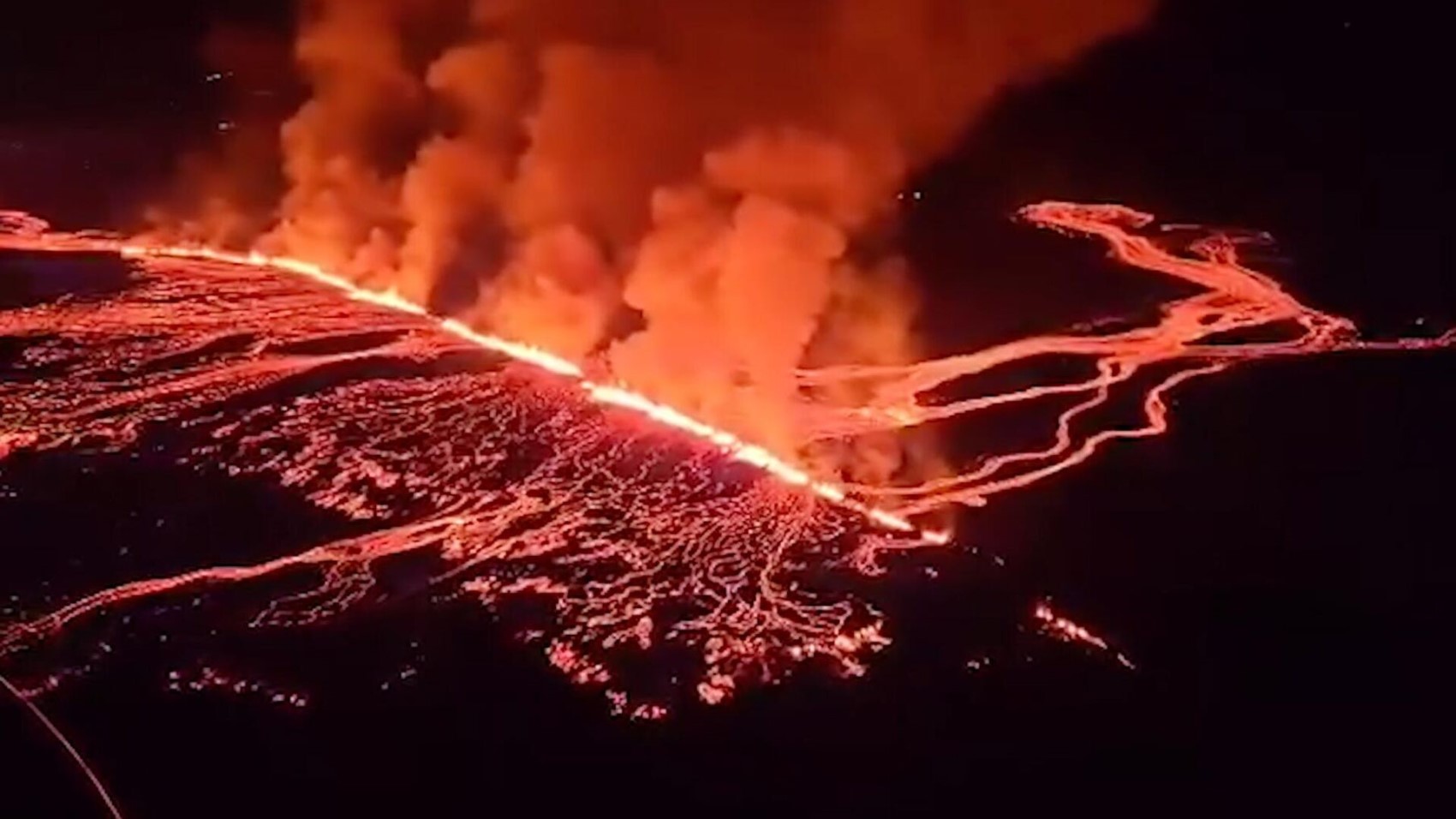
The possibility of a Santorini volcano eruption has caused great panic among both the island's residents and the surrounding regions. Many people have flocked to the Port of Santorini to flee a potential disaster and have set off for Athens.
Authorities have dispatched search-and-rescue teams and unmanned aerial vehicles to the island in case of a potential emergency. Additionally, tents have been set up for search-and-rescue personnel, and schools have been closed.
IS HISTORY REPEATING ITSELF?
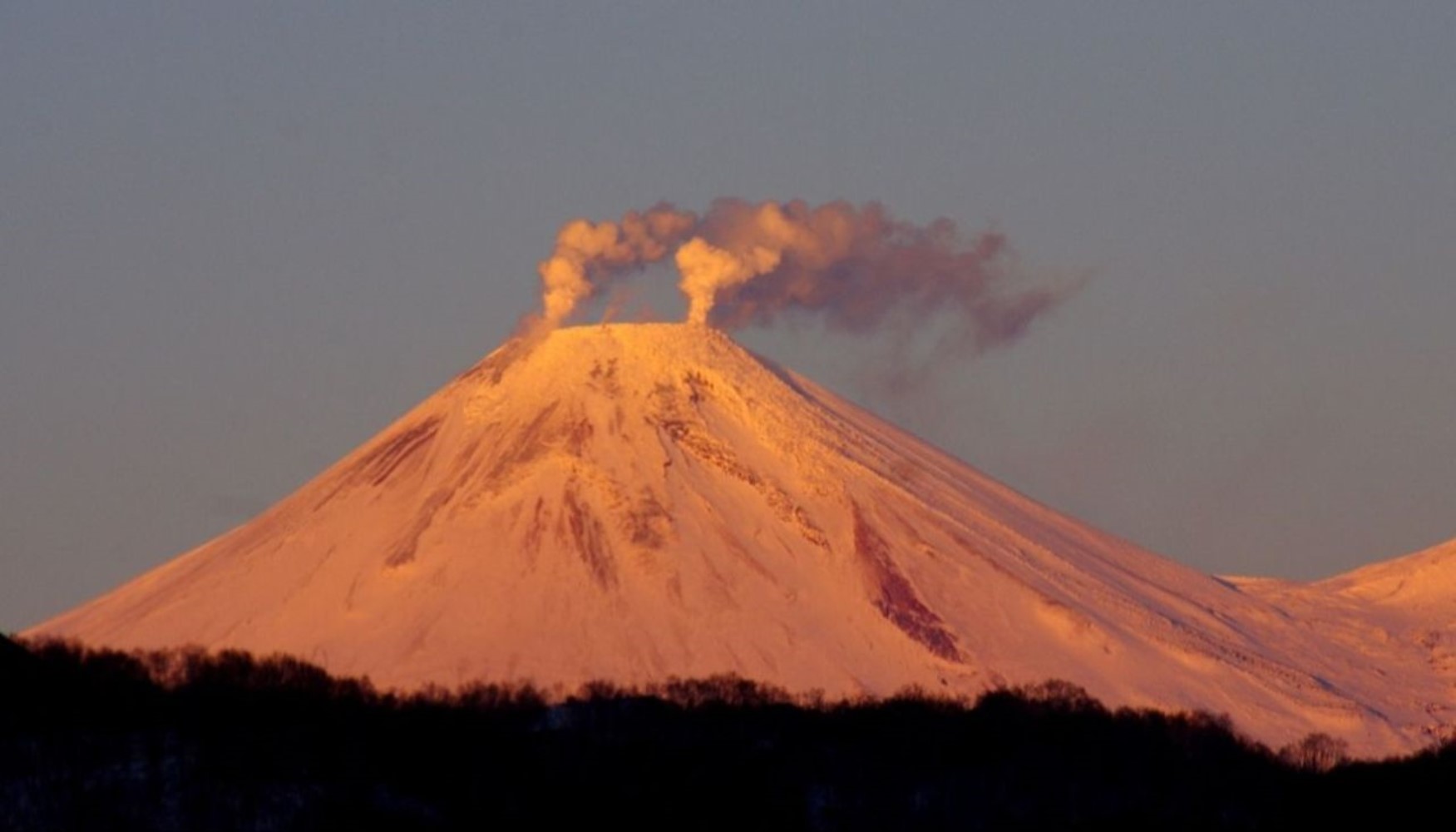
Historians recall that the Santorini eruption, which occurred around 1600 BC, caused the collapse of the Minoan Civilization. Today, the accumulation of magma around the volcano and a series of earthquakes ranging from 3 to 4.9 in magnitude are strengthening disaster scenarios.
OUR COASTS COULD BE AFFECTED
Geophysical Engineer Prof. Dr. Övgün Ahmet Ercan stated that the earthquakes around Santorini are caused by magma at temperatures of 1200-2200 degrees Celsius rising in the depths of the sea.
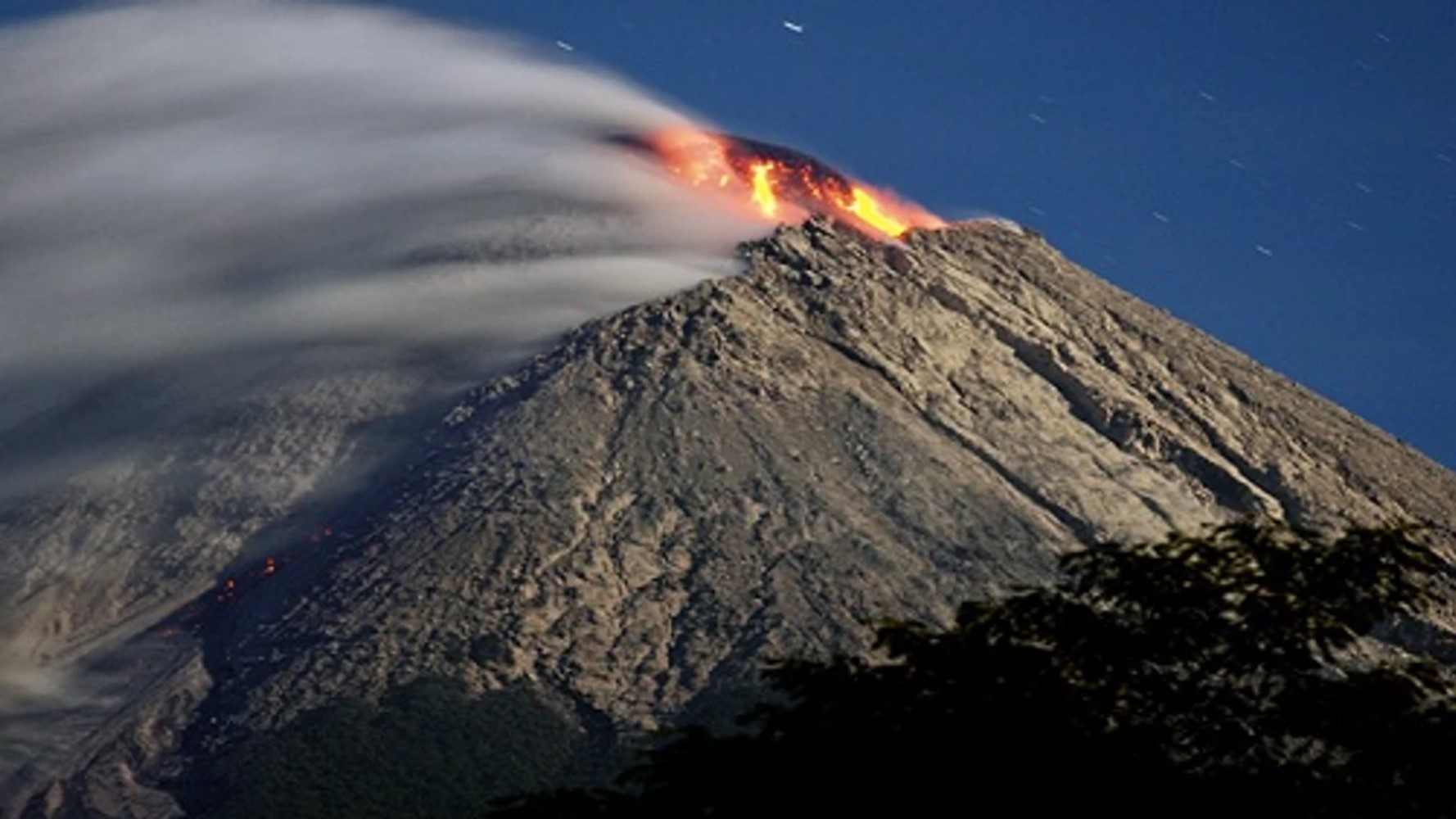
Prof. Dr. Ercan said, "This situation causes the region to reach an eruption threshold due to high pressure. A potential eruption could create earthquakes in the Aegean ranging from 5 to 7 in magnitude. Along with these earthquakes, tsunami waves could form. Not only Greece, but the Turkish coasts could also be affected by these waves."
SANTORINI'S FUTURE IS UNCERTAIN
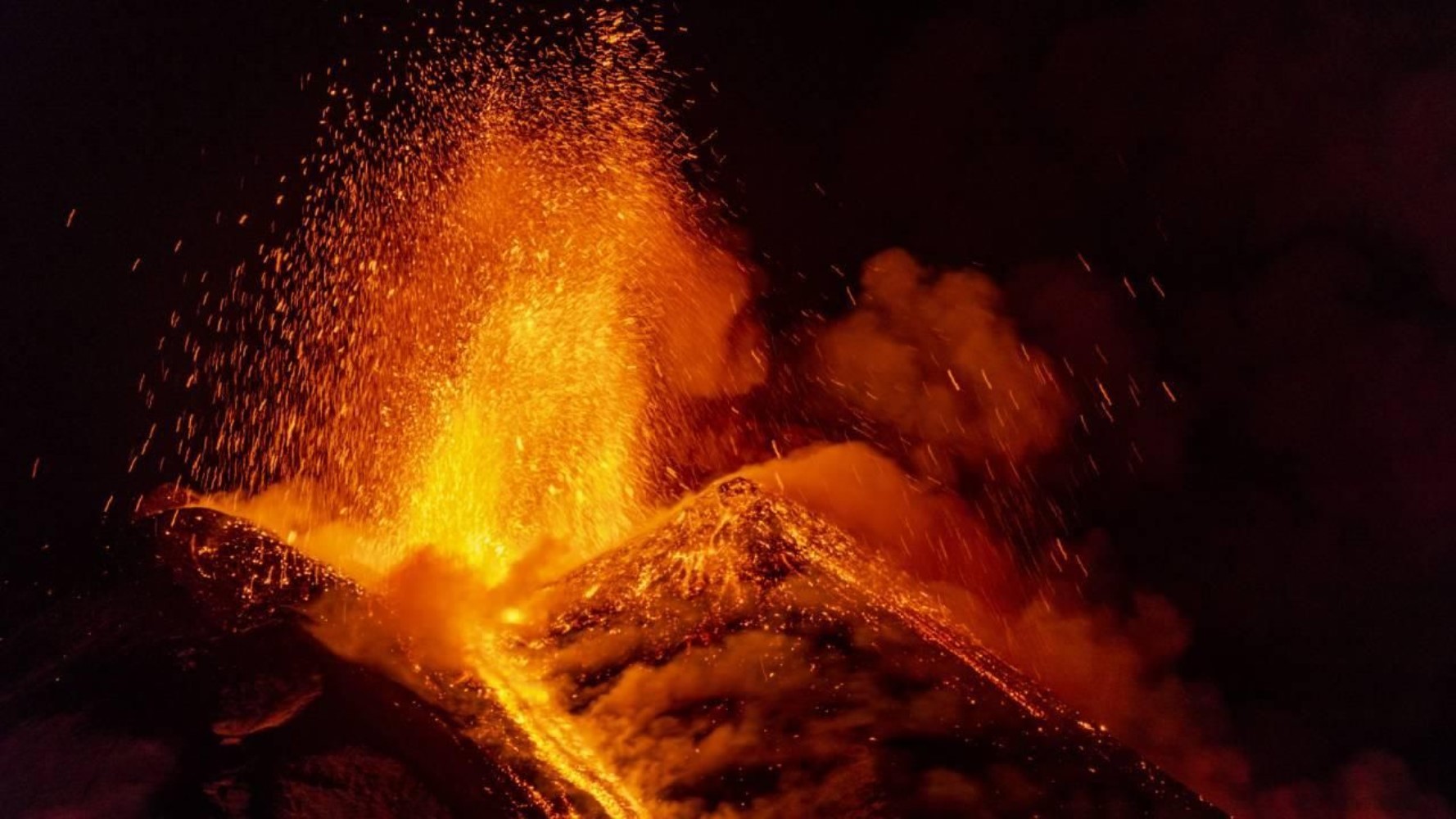
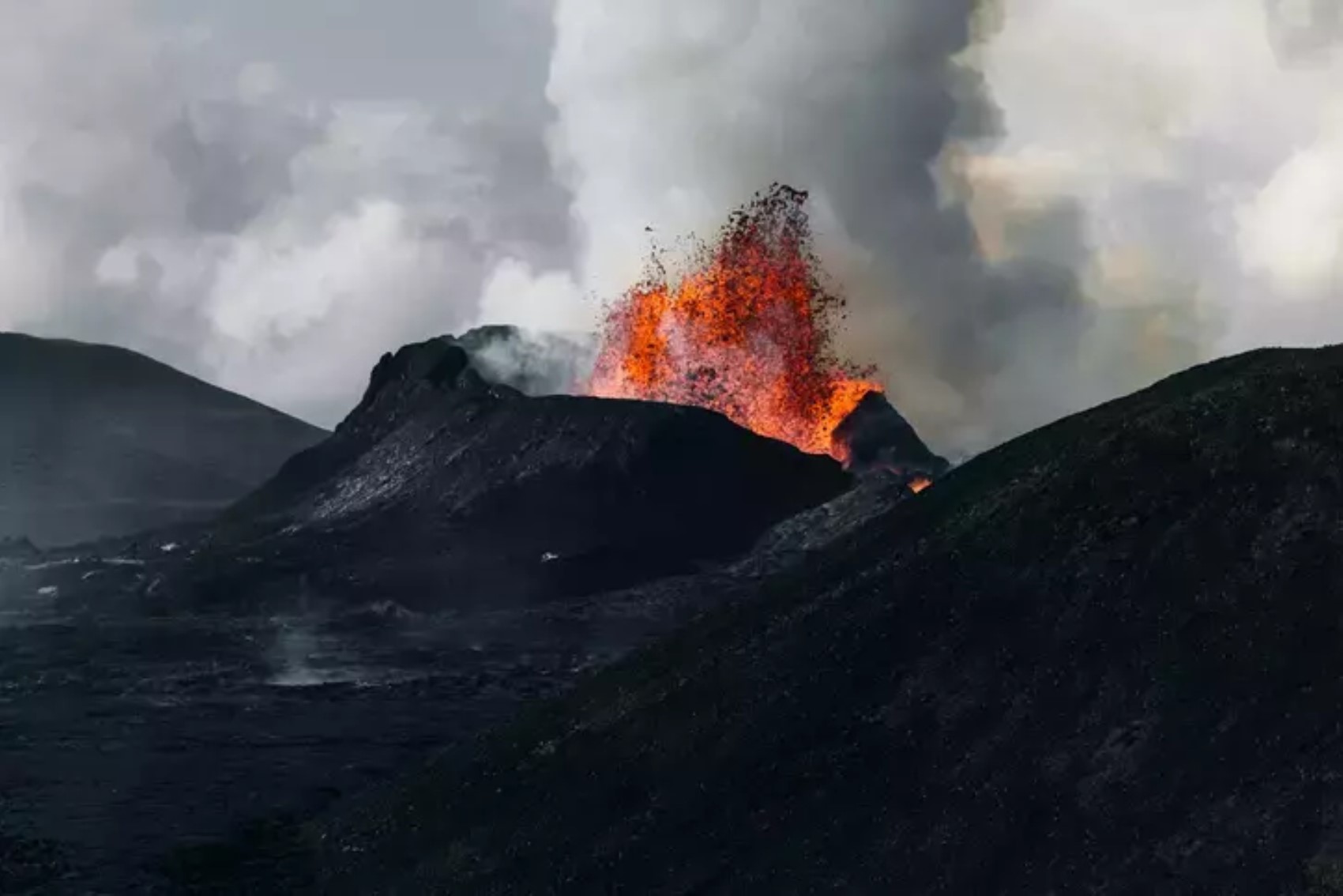
Prof. Dr. Ercan stated, "If the volcano overcomes the resistance of the crust, a major eruption is inevitable. Lava flows, volcanic bombs, and the ejection of rocks and debris could be seen. This eruption could last for months, or even years."