Scenes from the Great Offensive and the Battle of Dumlupınar: 'Armies, your first target is the Mediterranean'
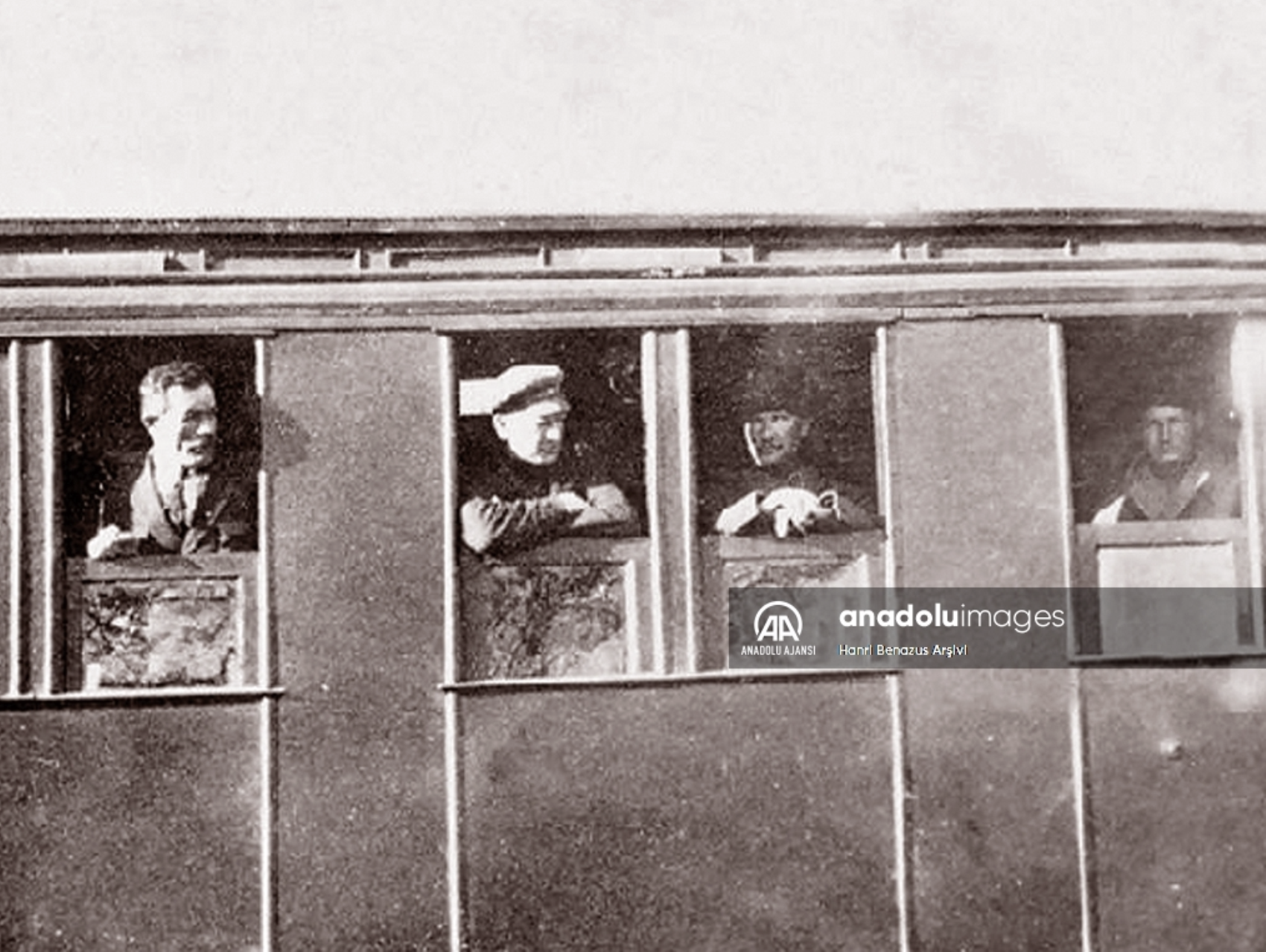
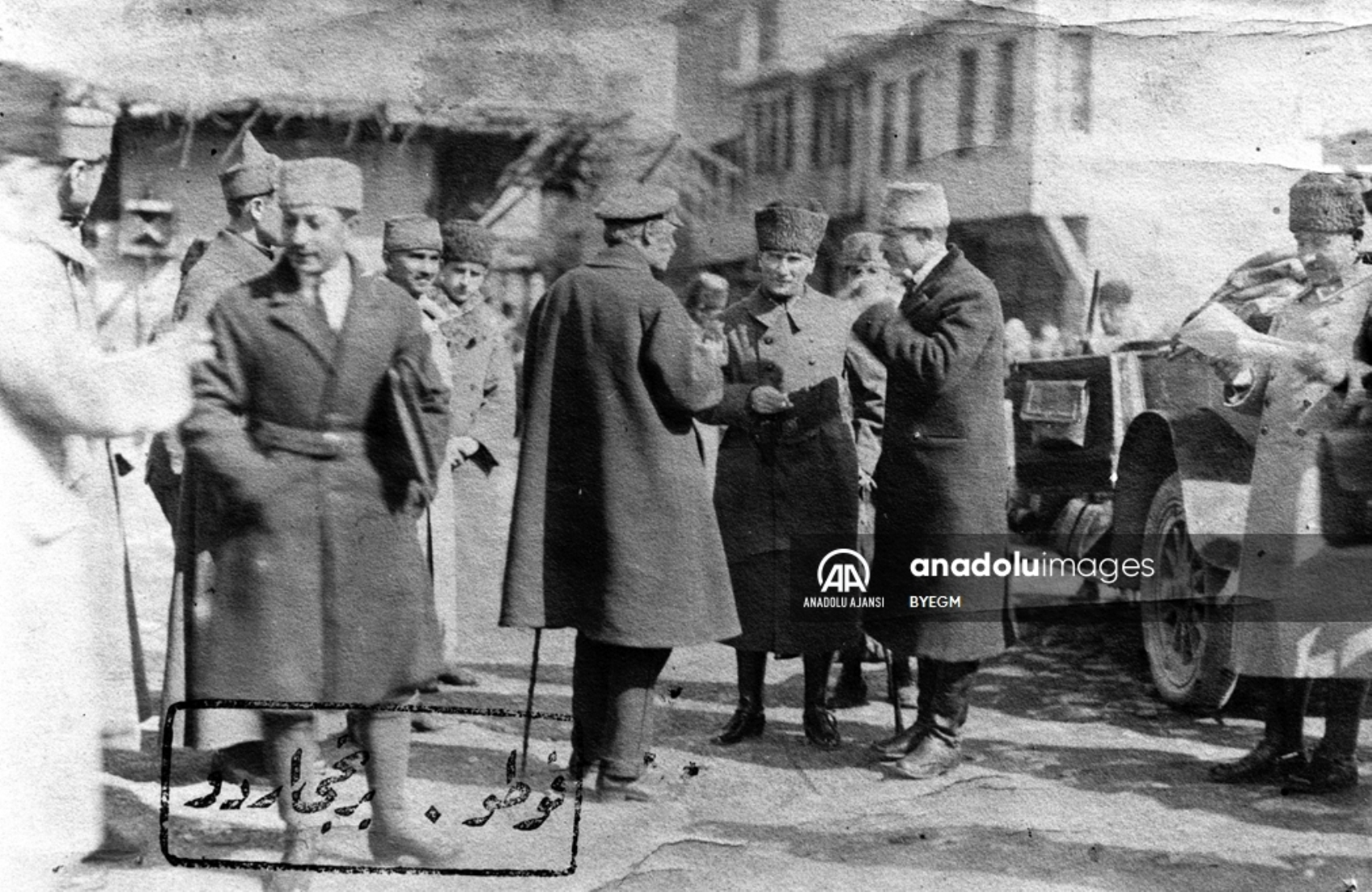
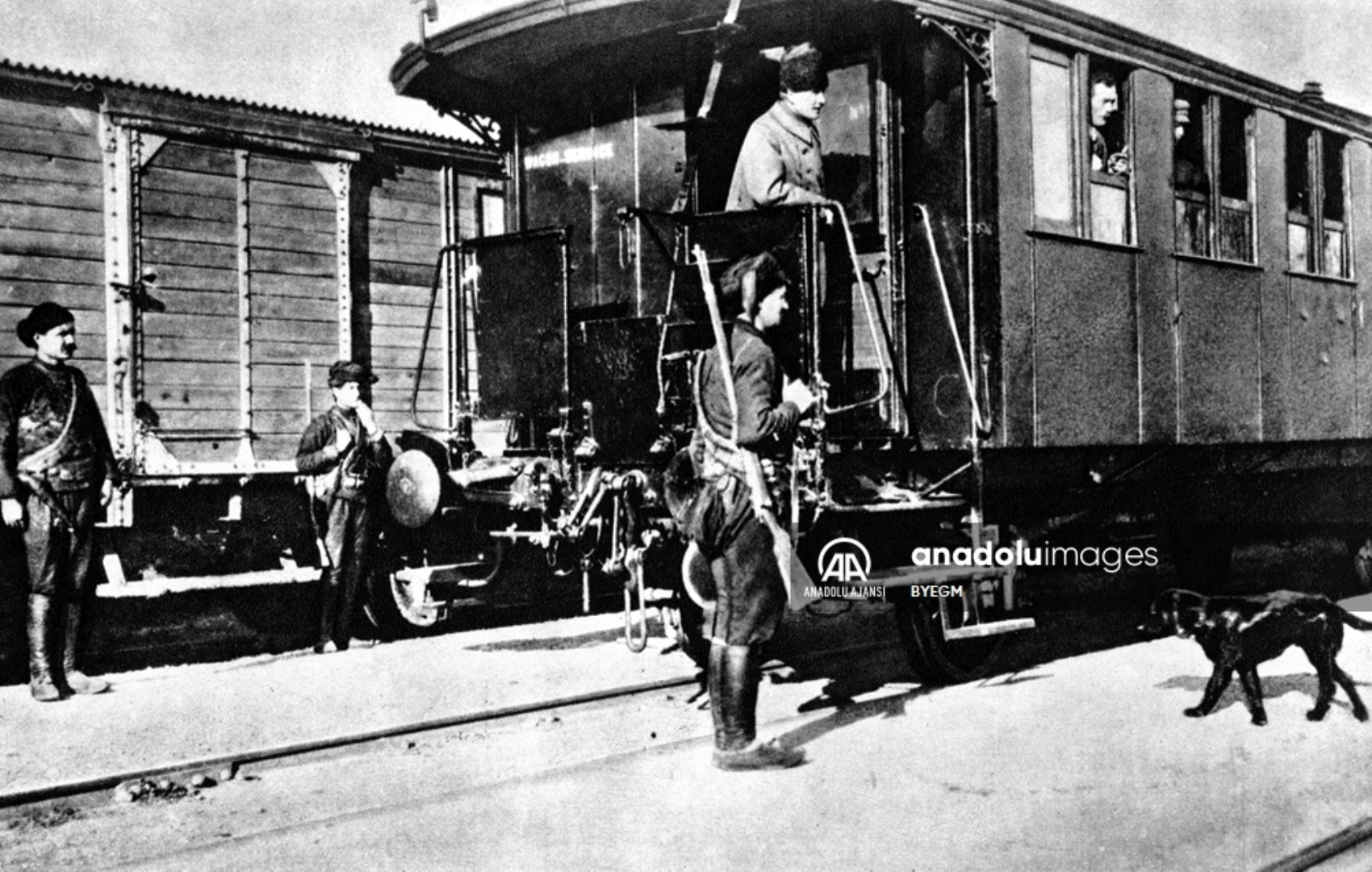
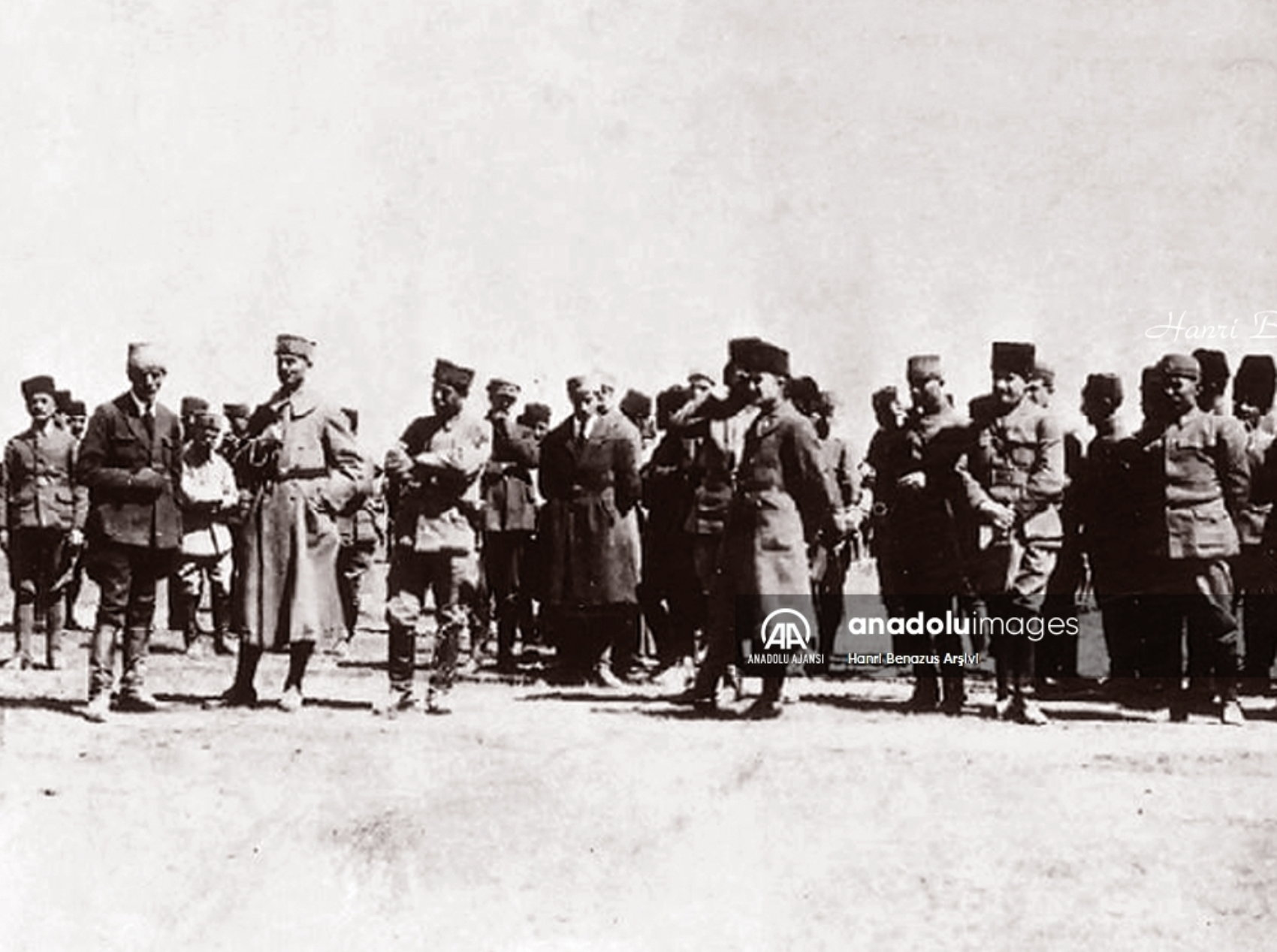
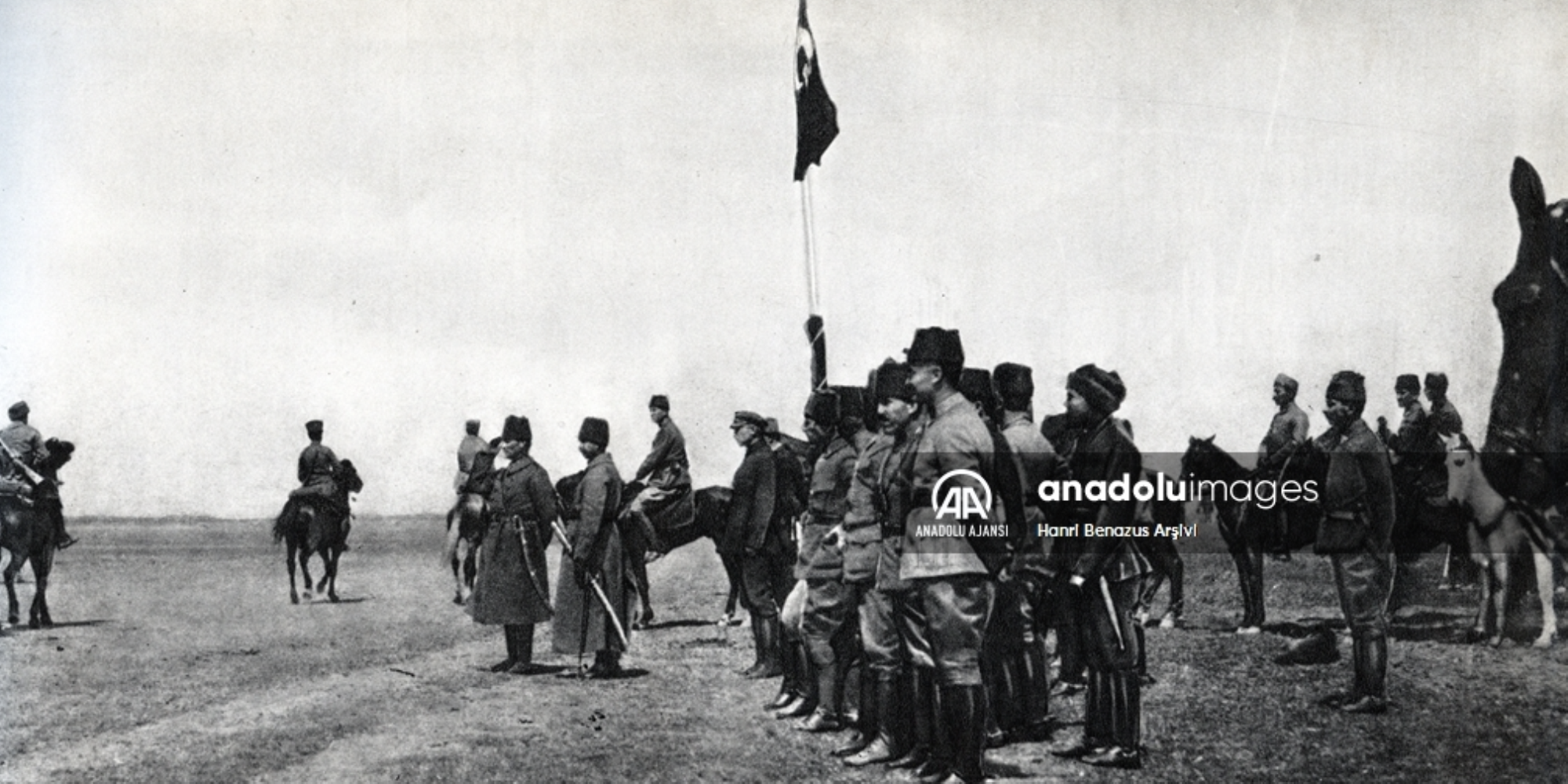
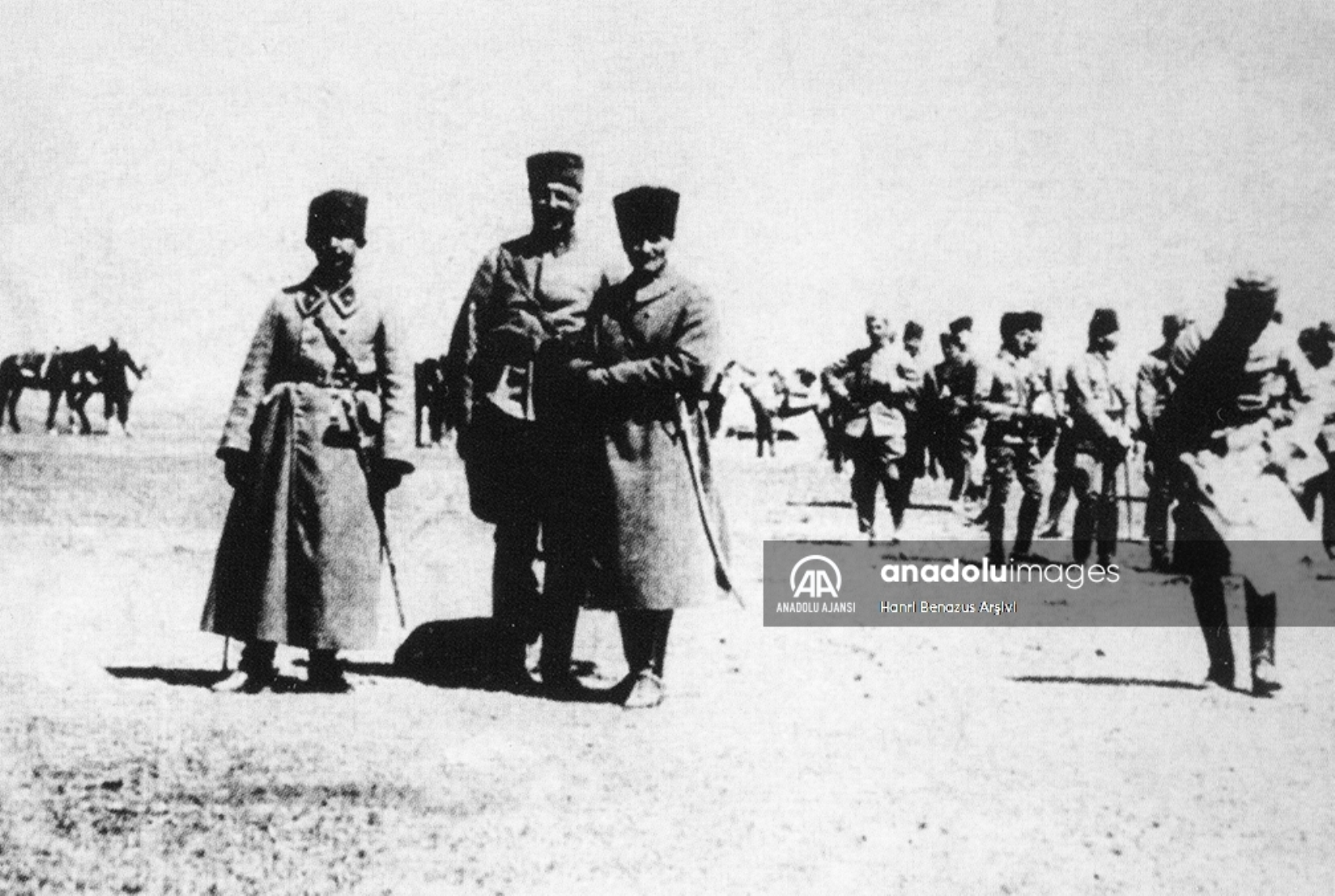
Under the command of the Great Leader Mustafa Kemal Atatürk, the Turkish army wrote one of the greatest heroic epics in world history during the Great Offensive and the Battle of Dumlupınar, which began on August 26, 1922, and concluded with a great victory on August 30. On the 102nd anniversary of the victory, photographs from the Great Offensive and the Battle of Dumlupınar have emerged from the Anadolu Agency archives.
12punto
In 1919, following World War I, the Allied Powers began the occupation of Anatolia under various pretexts, citing the provisions of the Armistice of Mudros, while the Turkish nation, stripped of its military ammunition, was being forced into a difficult position.
During the days of occupation described in Halide Edip Adıvar's book "The Turkish Ordeal," the Allied fleet settled in Istanbul, the French in Adana, the British in Urfa, Maraş, Samsun, and Merzifon, and the Italians in Antalya and the southwest of Anatolia.
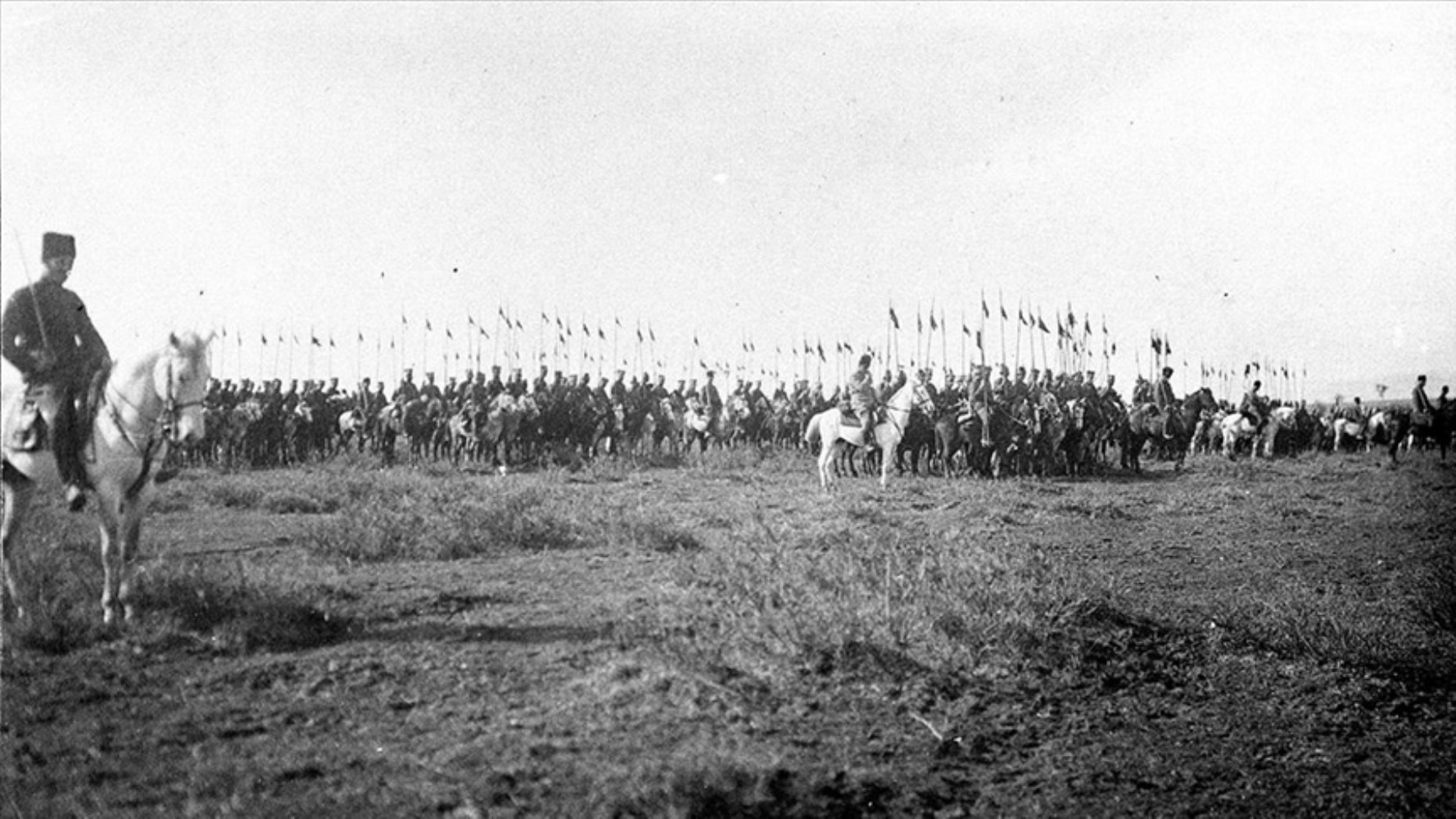
On May 15, 1919, the Greek Army landed in İzmir with the permission of the Allied powers.
Faced with this situation, the Turkish nation, with the "consciousness of being a nation" it has demonstrated throughout history, launched the Kuvayımilliye movement against the occupations. There were two options: either surrender to the occupying forces or a country that had been destroyed and burned would stand up again and be reborn from its ashes.
Upon the opening of the Grand National Assembly of Turkey (TBMM) in 1920, the occupying forces intensified all their oppressive policies on Atatürk and his comrades-in-arms, and activity began, especially on the Western Front. The Greek army reached as far as Polatlı in 1921. Preparations were being made in Polatlı for what would be the longest field battle in the world.
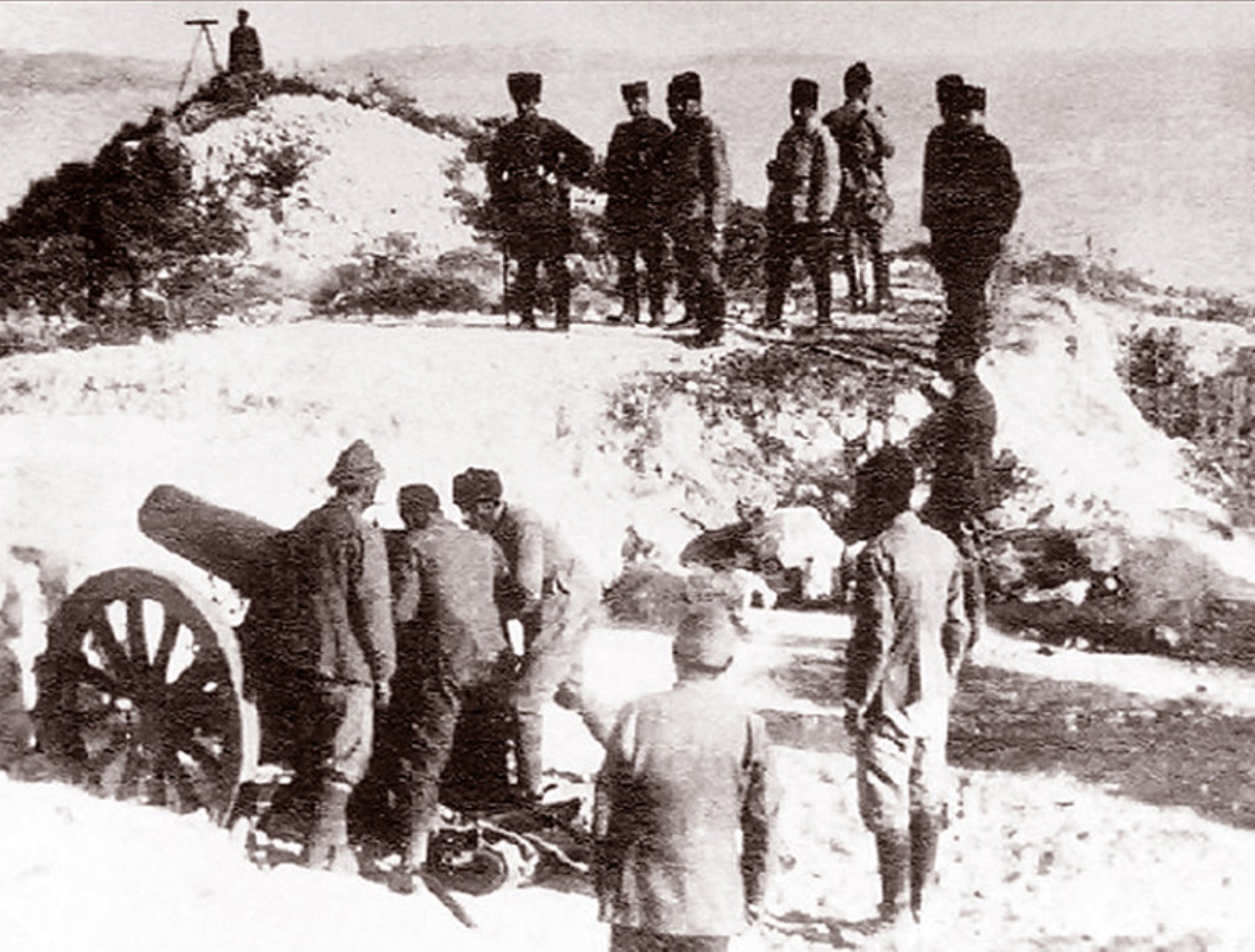
"THERE IS NO LINE OF DEFENSE, THERE IS A SURFACE OF DEFENSE"
The Battle of the Sakarya, a pitched battle fought by the Turkish army against the Greek army along the banks of the Sakarya River, began on August 23. In the battle that continued uninterrupted day and night from this date on, Mustafa Kemal Pasha implemented a new war strategy and gave his armies the order: "There is no line of defense, there is a surface of defense. That surface is the entire homeland. Not a single inch of the homeland can be abandoned unless it is soaked with the blood of the citizens."
The Turkish soldiers, following this order, defended their homeland with all their might. This relentless struggle continued with all its intensity for 22 days and 22 nights. The Turkish army, which maintained its offensive along the entire front, cleared the Greek forces from the east of the Sakarya River on September 13, 1921.
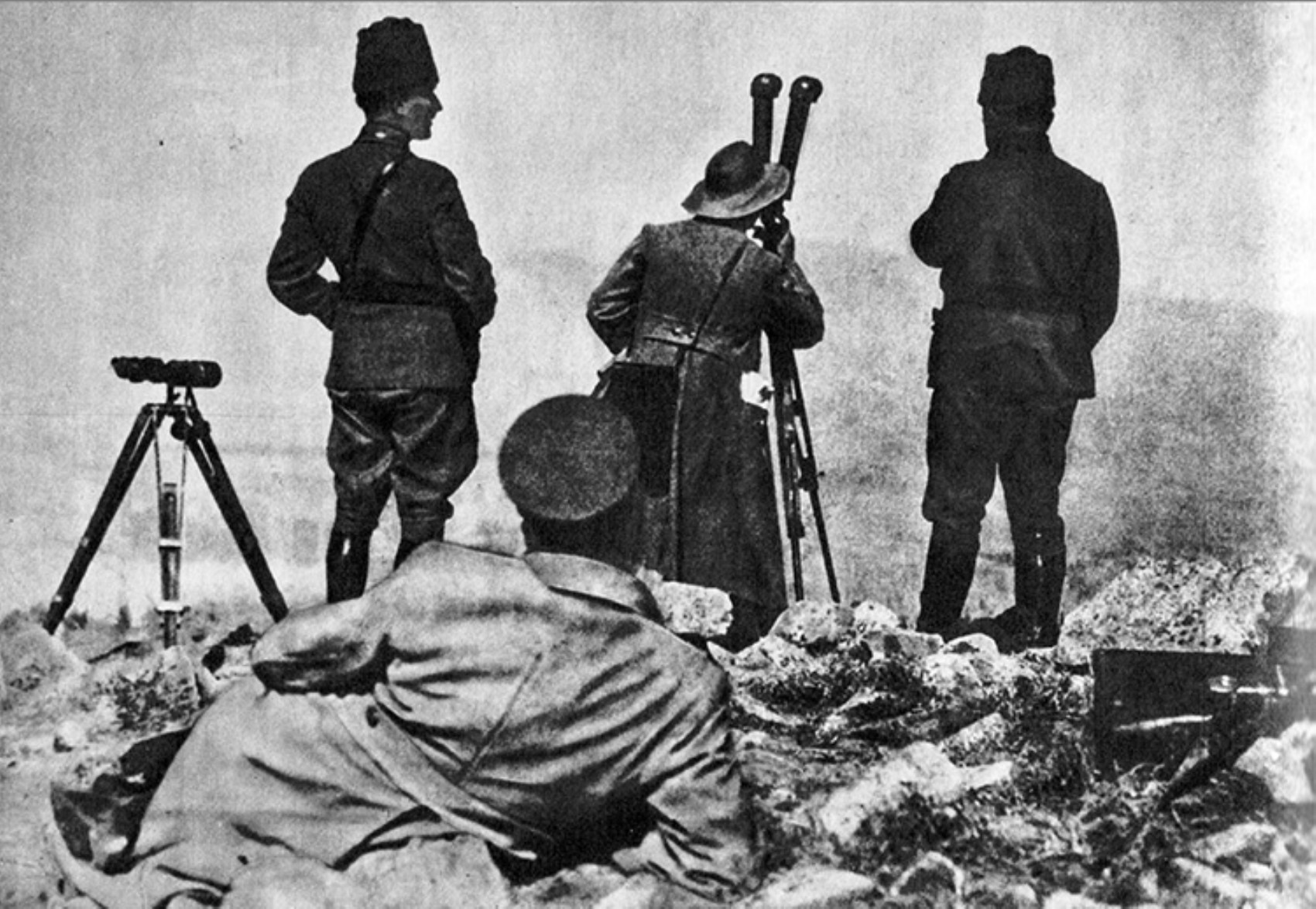
The Battle of the Sakarya took its place in history as one of the turning points where the Turkish nation transitioned from a defensive position to an offensive one.
Following a preparation period that lasted about a year with the aim of completely expelling the enemy army from the homeland, Commander-in-Chief Mustafa Kemal Pasha issued the operational order that launched the Great Offensive on August 26, 1922.
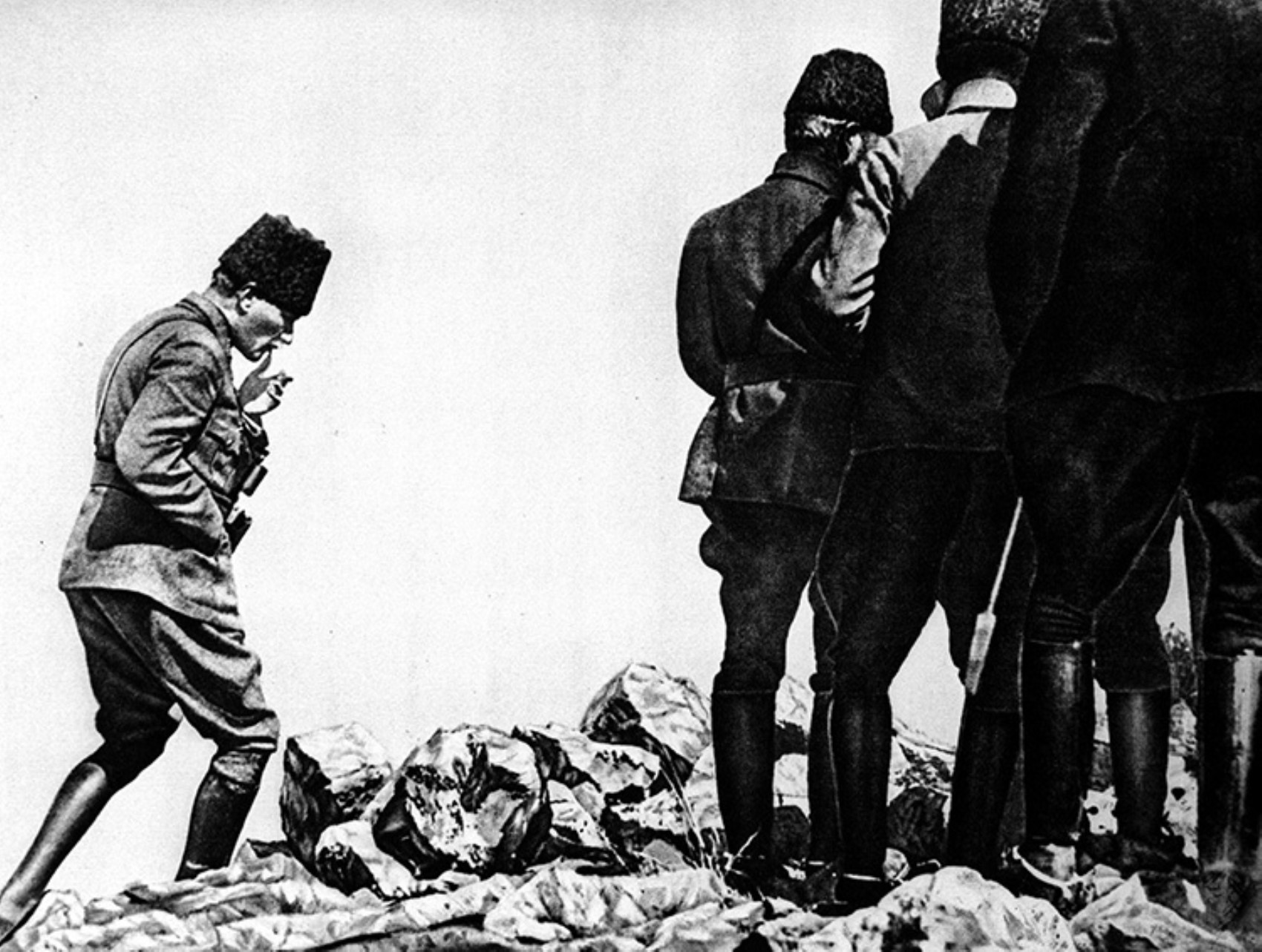
AS DAWN BREAKS AT KOCATEPE ON AUGUST 26...
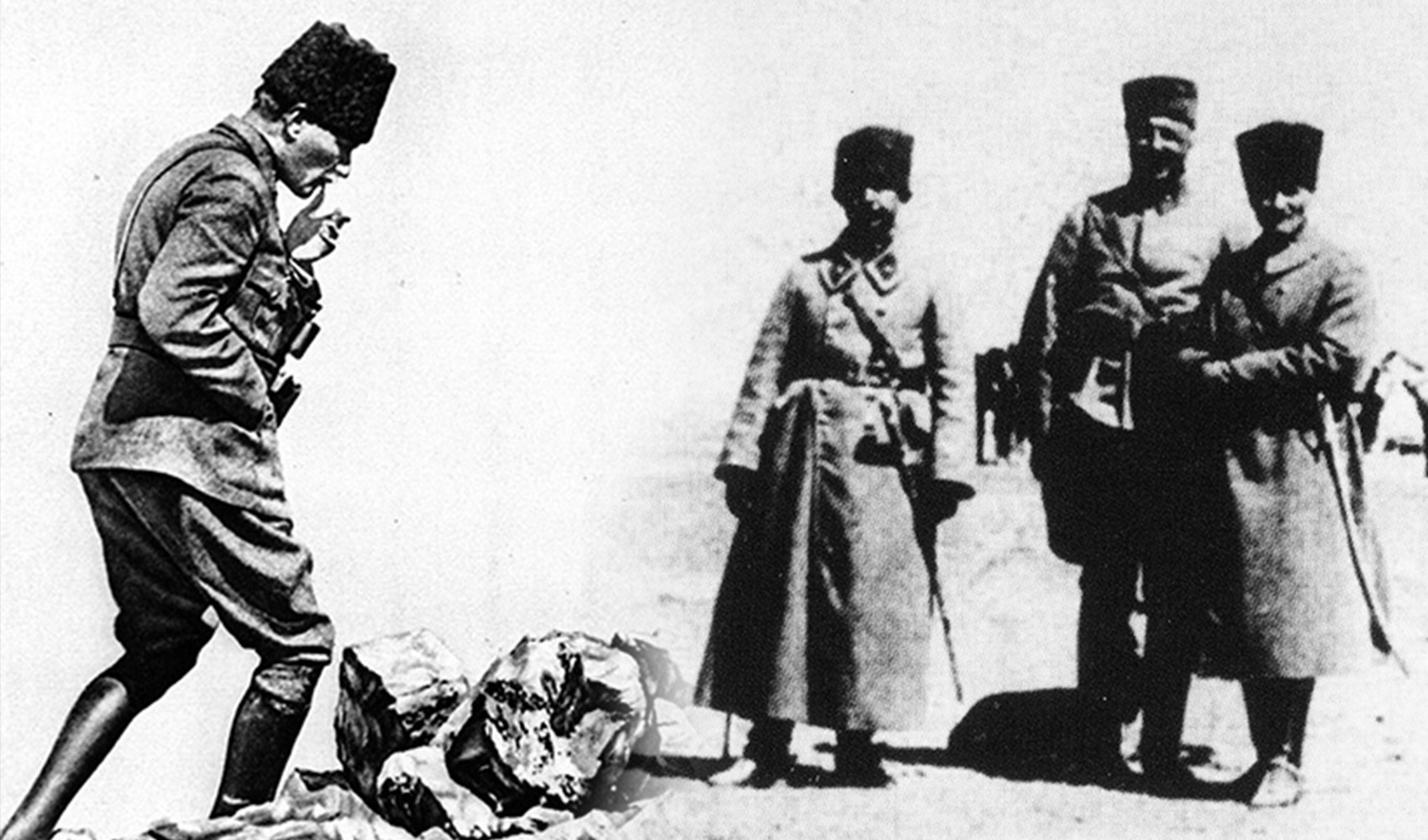
Commander-in-Chief Mustafa Kemal took his position at Kocatepe, within the borders of Afyonkarahisar, on the morning of August 26, alongside Chief of General Staff Fevzi Pasha (Çakmak) and Western Front Commander İsmet Pasha (İnönü) to direct the battle.
Following the operation, which began at dawn with artillery fire, Turkish troops launched an assault with the first light of morning, capturing Tınaztepe and driving the enemy away from Belentepe and Kalecik Sivrisi.
On the first day of the offensive, the 1st Army units captured the enemy's first-line positions across a 15-kilometer area between Büyük Kaleciktepe and Çiğiltepe. The 5th Cavalry Corps carried out successful attacks on enemy supply lines in the rear, while the 2nd Army continued its pinning mission on the front without interruption.
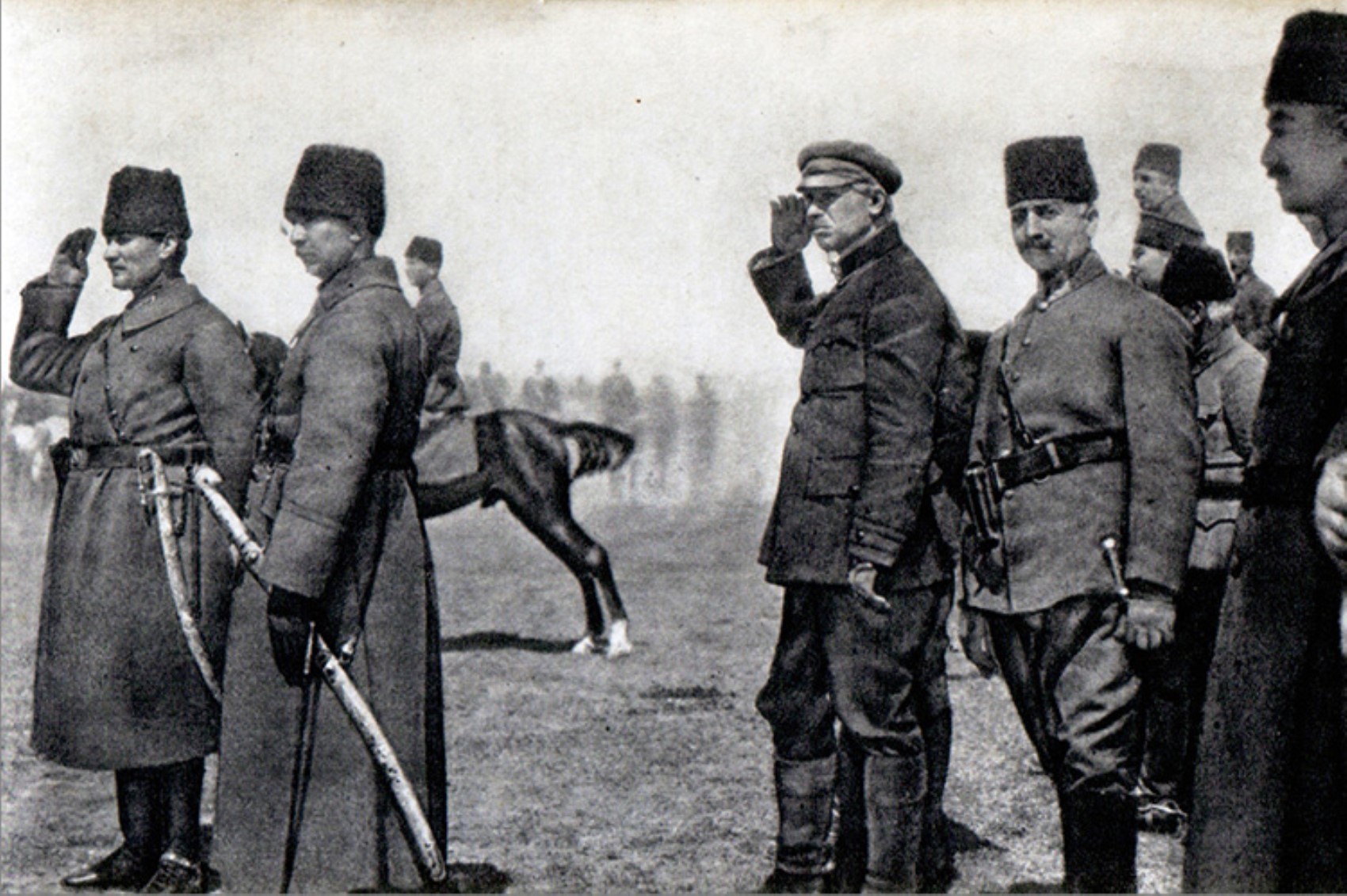
The Turkish army launched a renewed offensive on all fronts on the morning of August 27, and on the same day, Afyonkarahisar was liberated from enemy occupation by the 8th Division. The offensive, which was successfully continued on August 28 and 29, resulted in the neutralization of the enemy's 5th Division.
Commanders, who conducted a situation assessment on the night of August 29, agreed that immediate action should be taken to conclude the offensive in a short time, and the necessary measures were taken to ensure the plan was implemented without disruption on August 30.
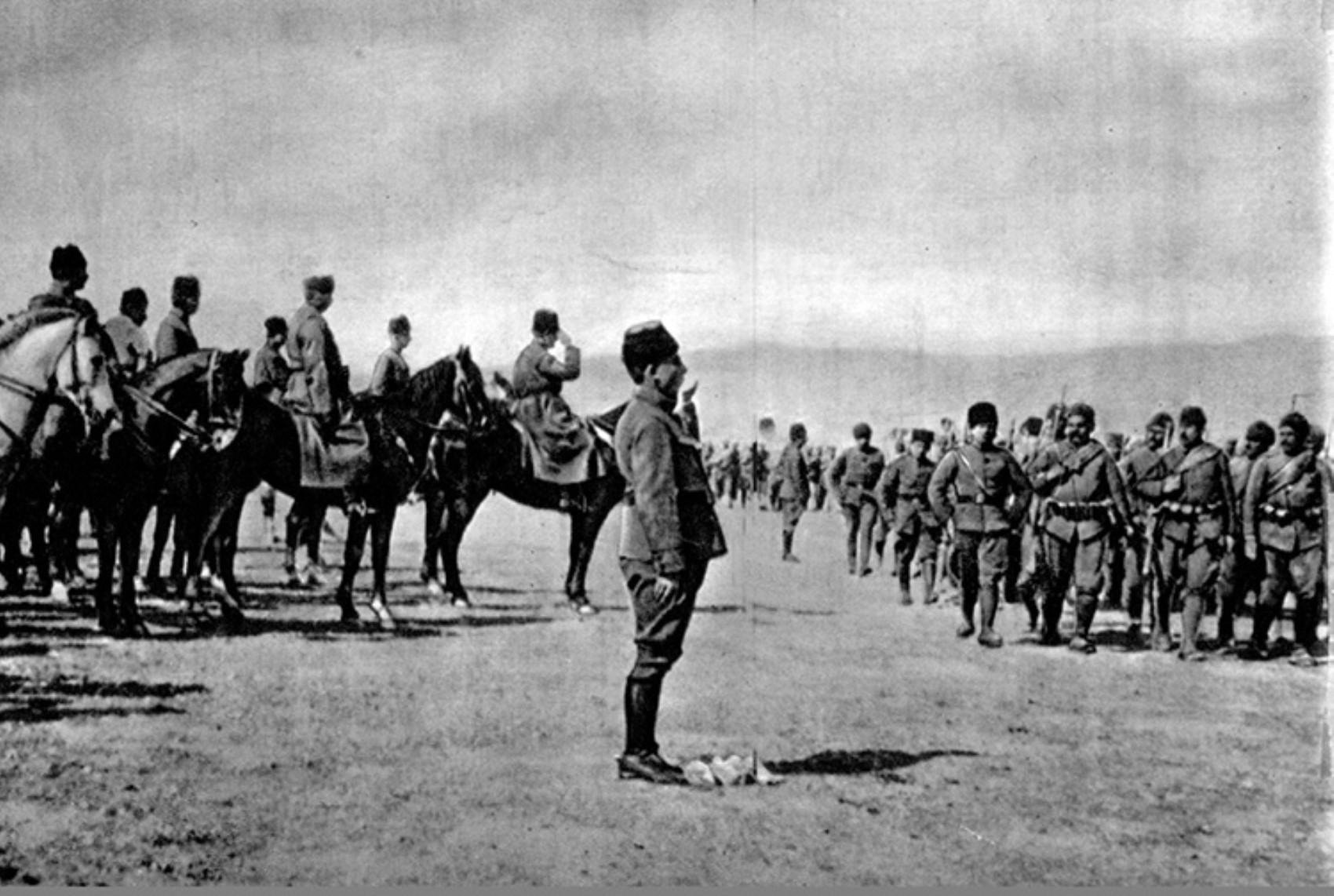
THE GREAT VICTORY AND A BROKEN OX CART
On the morning of August 30, on the eve of the most significant victory won by the Turkish army in the War of Independence, Commander-in-Chief Mustafa Kemal Pasha issued the order to attack to the troops in Zafertepe Çalköy, located in the Altıntaş district of Kütahya, which is now a town.
The Turkish army, under the command of the Great Leader Mustafa Kemal Atatürk, achieved victory in the Field Battle that began on August 26, by completely surrounding and destroying Greek forces in Dumlupınar on both sides of the Allıören, Keçiler, and Kızıltaş Creek road. Some Greek units, including General Trikoupis, General Digenis, and many other Greek commanders, fled through an area that remained open in the Kızıltaş Creek region.
On August 31, the day after the Great Victory, Commander-in-Chief Mustafa Kemal placed a map of the battlefields on a broken ox cart in the garden of a house in Zafertepe Çalköy. Together with Fevzi Pasha and İsmet Pasha, he assessed the situation and they reached a consensus on entering İzmir to prevent the Greeks from reorganizing their defense and to defeat them.
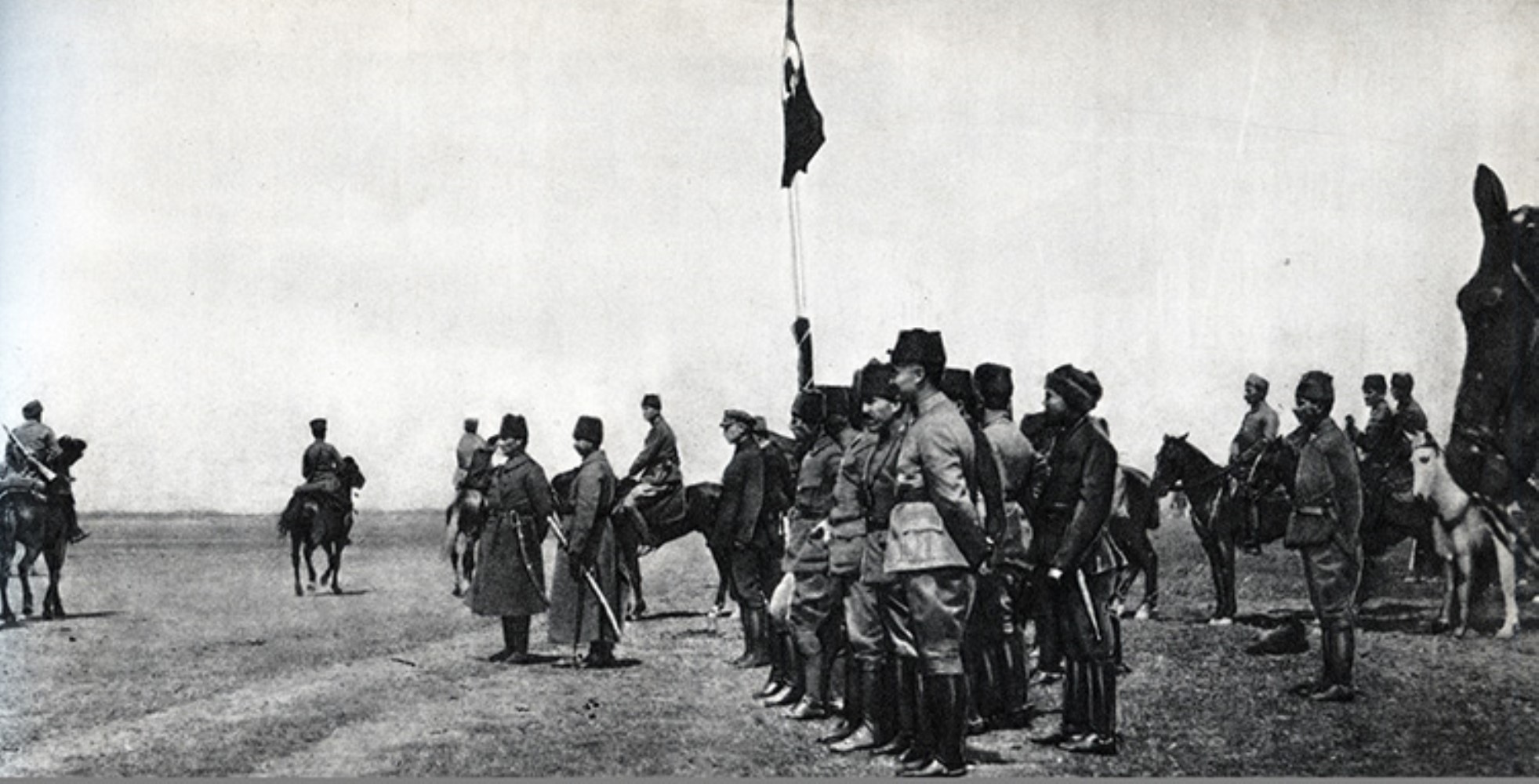
"ARMIES, YOUR FIRST TARGET IS THE MEDITERRANEAN, FORWARD!"
Following the Great Victory, Mustafa Kemal Pasha issued a declaration on September 1 in Dumlupınar to be read to all officers and soldiers on the Western Front, which included the following statements:
"Armies of the Grand National Assembly of Turkey, in the Great Battle of Afyonkarahisar-Dumlupınar, you destroyed the fundamental existence of a cruel and arrogant army in an unbelievably short time. You have proven that you are worthy of the sacrifices of our great and distinguished nation. The great Turkish nation, which is our master, is right to trust in its future. I am closely observing and following your successes and sacrifices on the battlefields.
I will not neglect the duty of conveying our nation's praise for you, and I will fulfill it continuously. I have ordered the Front Command to submit recommendations for rewards to the Commander-in-Chief. I request that all my comrades, keeping in mind that there will be other field battles in Anatolia, continue to advance and that everyone uses their intellectual power and the resources of their patriotism to continue the struggle with all their might. Armies, your first target is the Mediterranean, forward!"
In line with this order, the Turkish army, advancing in three columns, recaptured Gediz and Uşak on September 1, Eskişehir on September 2, Balıkesir and Bilecik on September 6, Aydın on September 7, and Manisa on September 8. On September 9, the Turkish army, which drove the Greek army into the sea in İzmir, fulfilled Mustafa Kemal Pasha's order with great success.
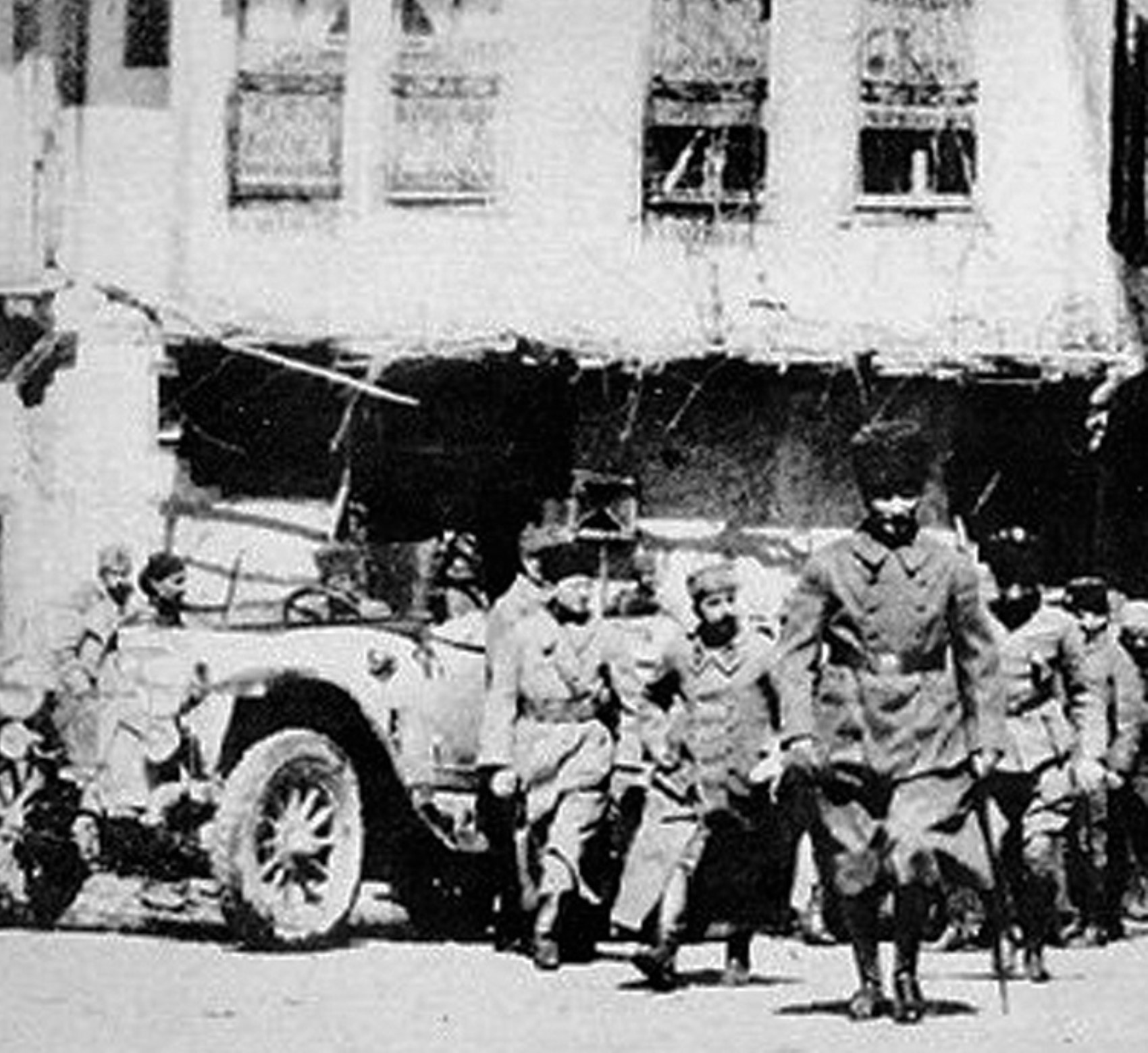
WITH THE SORROW OF FAILING TO FULFILL HIS DUTY...
One of the most memorable events from the Great Offensive was when Colonel Reşat Bey, Commander of the 57th Division, took his own life on August 27th, overcome with the sorrow of failing to fulfill his duty after the capture of Çiğiltepe was delayed by half an hour.
When Mustafa Kemal Pasha called the 57th Division Command, which was fighting on the ridges of Çiğiltepe, he was told that Colonel Reşat Bey had committed suicide, and the note he had written was read to him: "Although I promised you that I would take that position within half an hour, I cannot live because I have failed to keep my word."
Çiğiltepe was liberated from enemy soldiers 15 minutes after the death of Colonel Reşat Bey.
"THE FOUNDATION OF THE REPUBLIC OF TURKEY WAS STRENGTHENED HERE"
Two years after the Great Victory, on August 30, 1924, the Great Leader Atatürk arrived in Zafertepe Çalköy to attend the groundbreaking ceremony for the Martyr Standard-Bearer Mehmetçik Monument.
Reminding those attending the ceremony of the events from two years prior, Atatürk described the Great Victory with the following sentences:
"The Battle of Afyonkarahisar-Dumlupınar and the Victory of August 30, which is its final part, is the most important turning point in Turkish history. Our national history is full of great and brilliant victories, but I do not recall any other pitched battle that was as decisive in its outcome as the victory won here by the Turkish nation, and which had such a definitive impact not only on our own history but in giving a new direction to world history. It is evident that the foundation of the new Turkish state, the young Republic of Turkey, was solidified here, and its immortal existence was crowned here. The Turkish blood shed on this field and the spirits of the martyrs flying in these skies are the immortal guardians of our state and our Republic. With the victory it won here, and with the power and will it revealed, the Turkish nation has once again inscribed this clear truth into the heart of history with a pen of steel."
August 30, which began to be celebrated as Victory Day for the first time in 1926, is commemorated every year with various events across the country and in the TRNC.