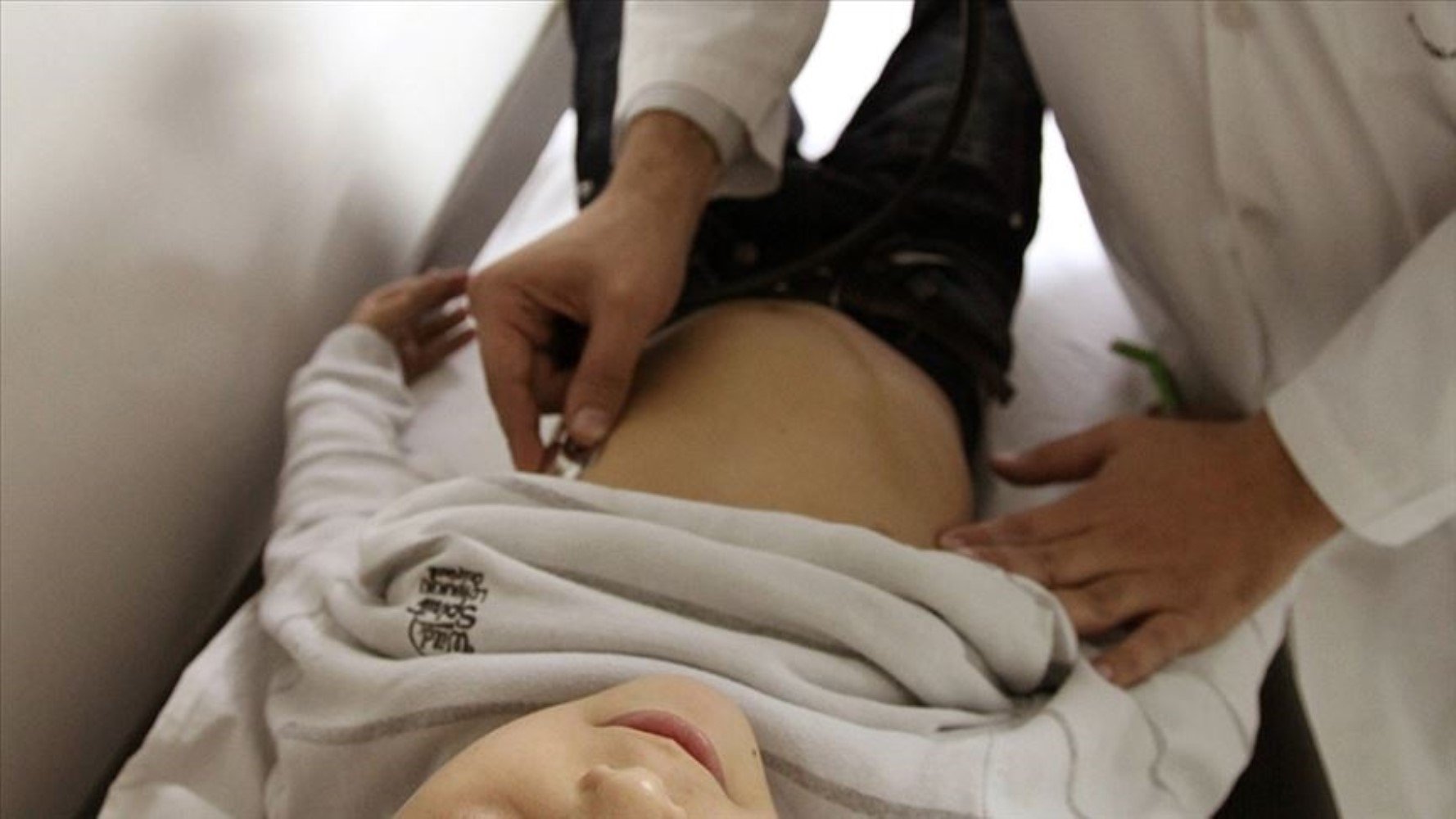
Schools have opened and an expert has issued a warning! 'Emergency rooms are crowded'
With the drop in temperatures, respiratory infections in children have increased. Experts, noting an rise in COVID-19 cases as well, have warned families not to send sick children to school.
12punto
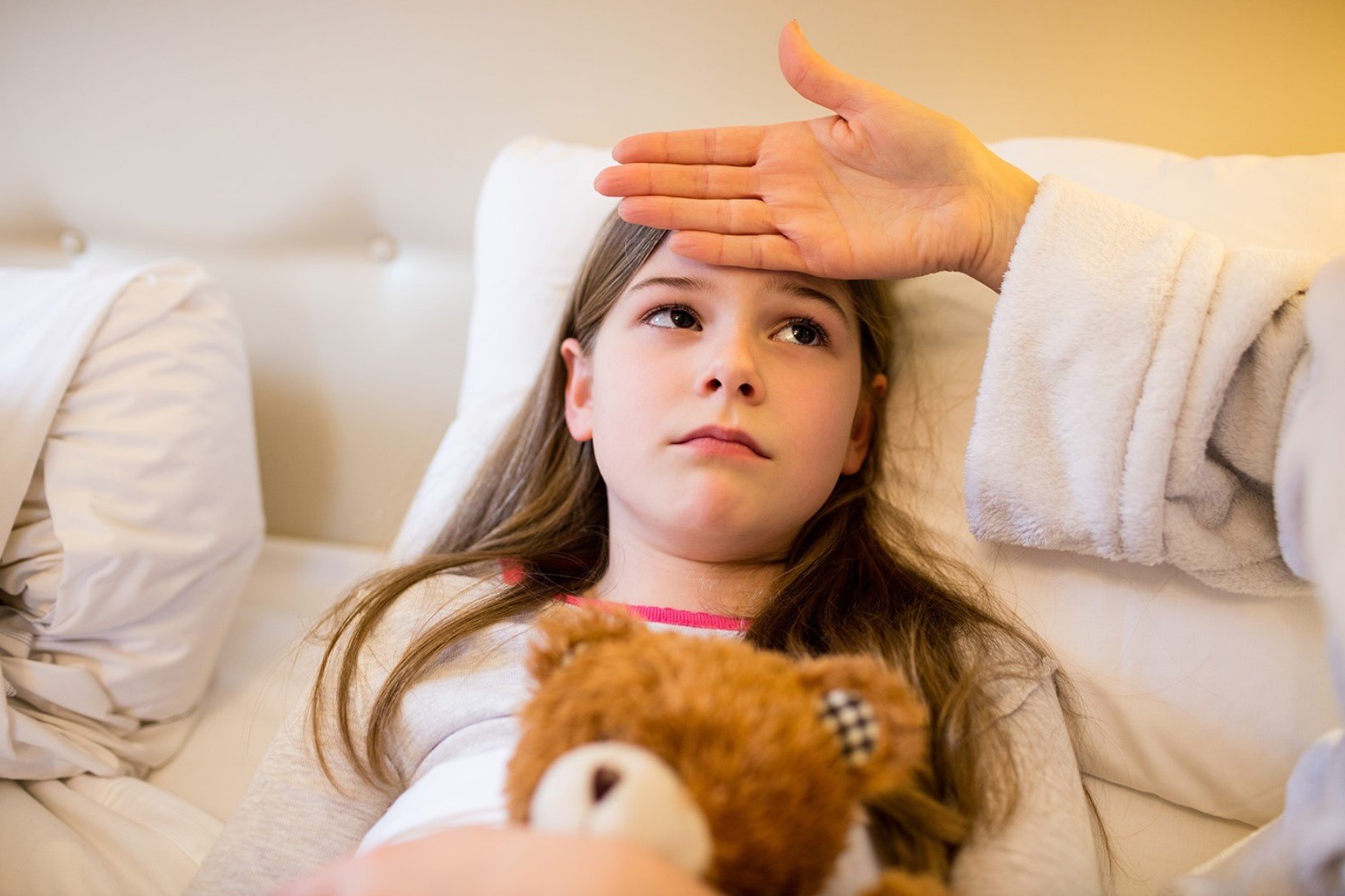
With the approach of the winter season and the reopening of schools, Assoc. Prof. Dr. Deniz Aygün, a Pediatric Infectious Diseases Specialist at Istanbul University-Cerrahpaşa, Cerrahpaşa Faculty of Medicine, has warned families, drawing attention to the rise in COVID-19 and other respiratory tract infections in children.
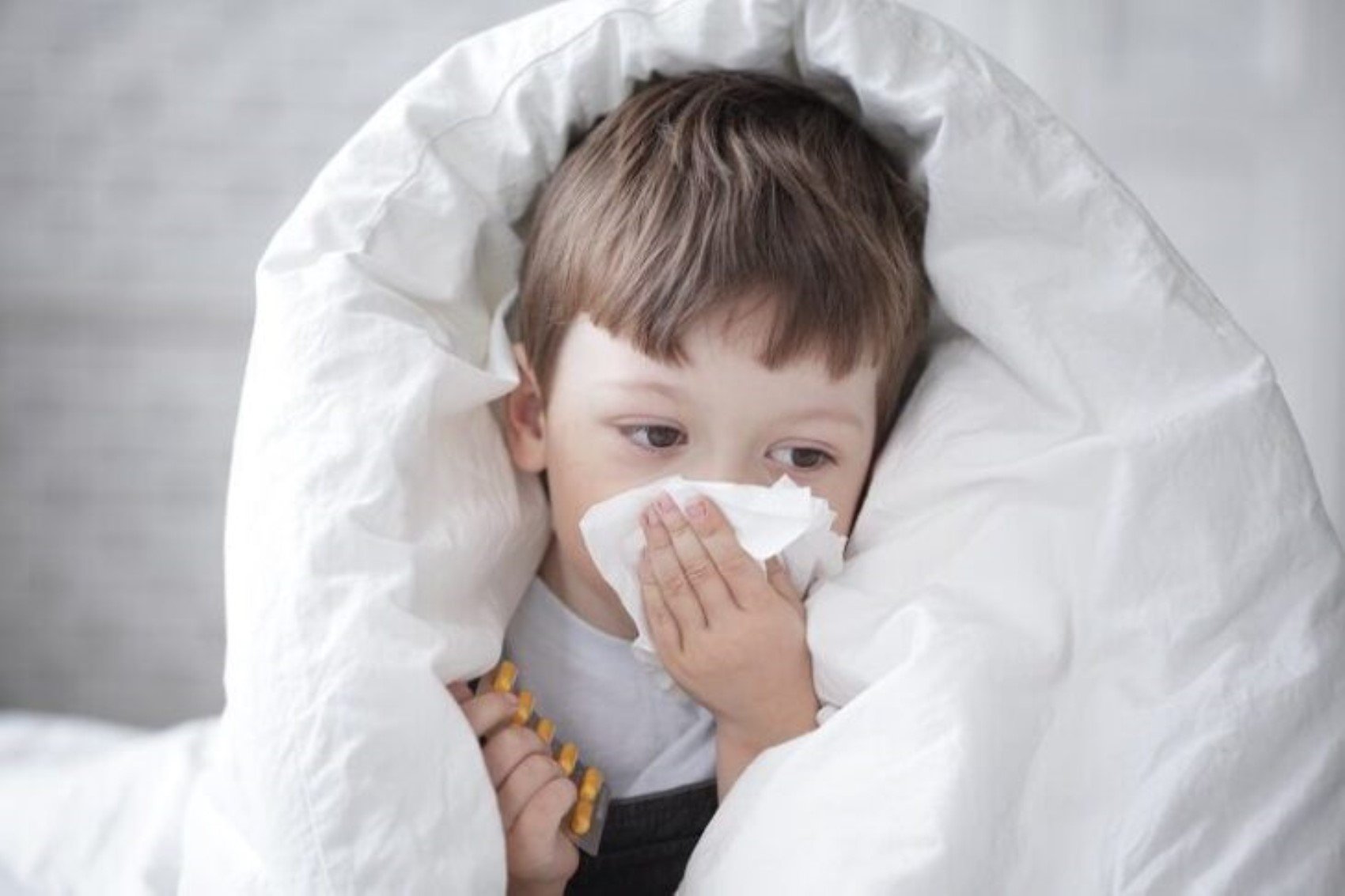
"THERE IS AN INCREASE IN EMERGENCY ROOM VISITS"
Assoc. Prof. Dr. Deniz Aygün stated, "With the arrival of autumn and winter, and the reopening of schools, there is an increase in emergency room visits for children, particularly due to respiratory viruses, as we expected. Symptoms include fever, cough, fatigue, malaise, and sometimes eye discharge or runny nose; however, even though these are respiratory viruses, they can also present with systemic involvement, such as diarrhea."

Dr. Aygün continued his remarks as follows:
"We are seeing COVID cases, but it is not just COVID; there are some respiratory viruses we expect during this season, such as rhinovirus and influenza, or the flu. We do not have as high a volume of COVID-19 cases as we did during the pandemic, but we have recently observed an increase in COVID positivity among patients presenting with the complaints I mentioned. Aside from COVID-19, we also expect an increase in the influenza virus, or the flu, with the arrival of the season."
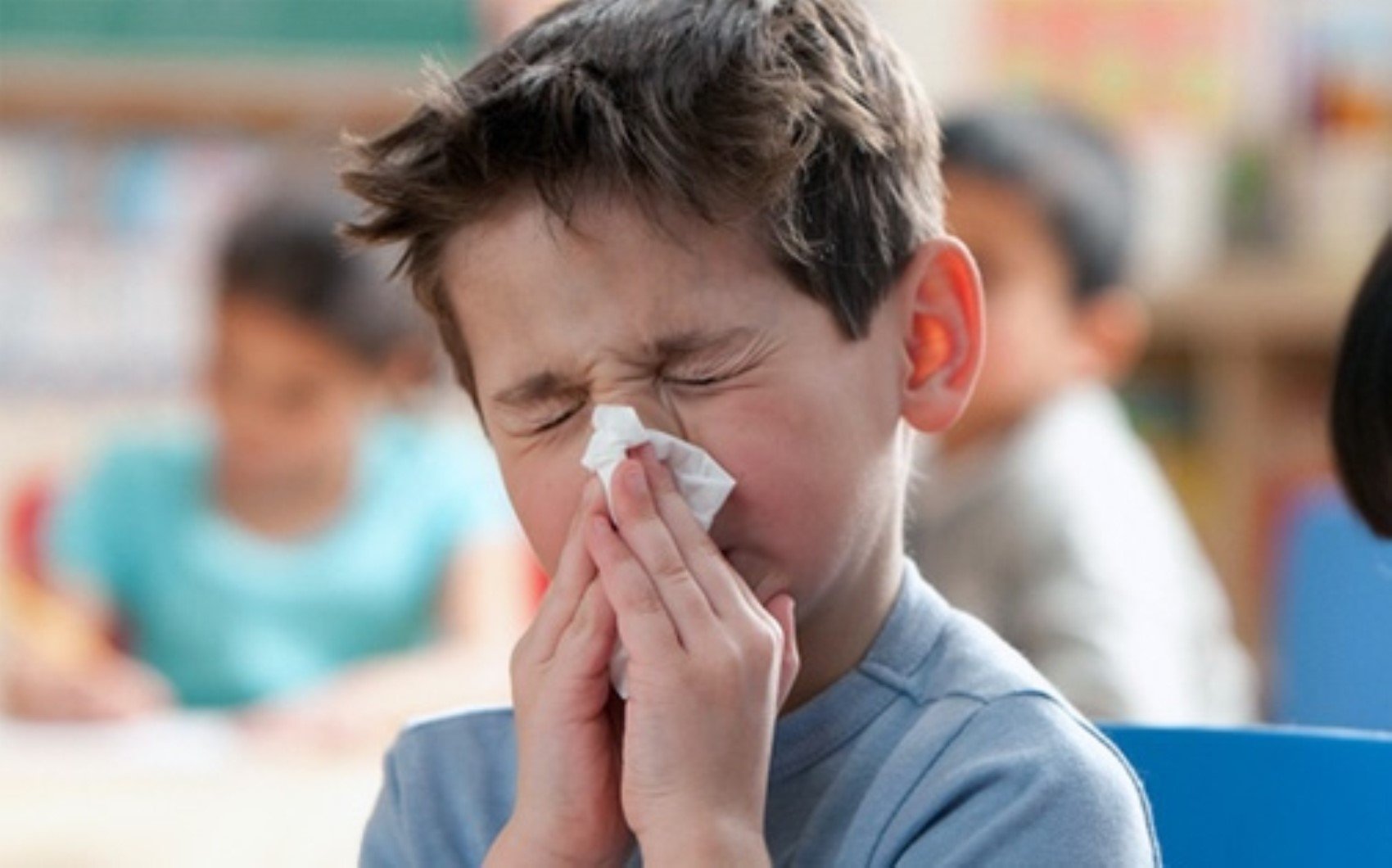
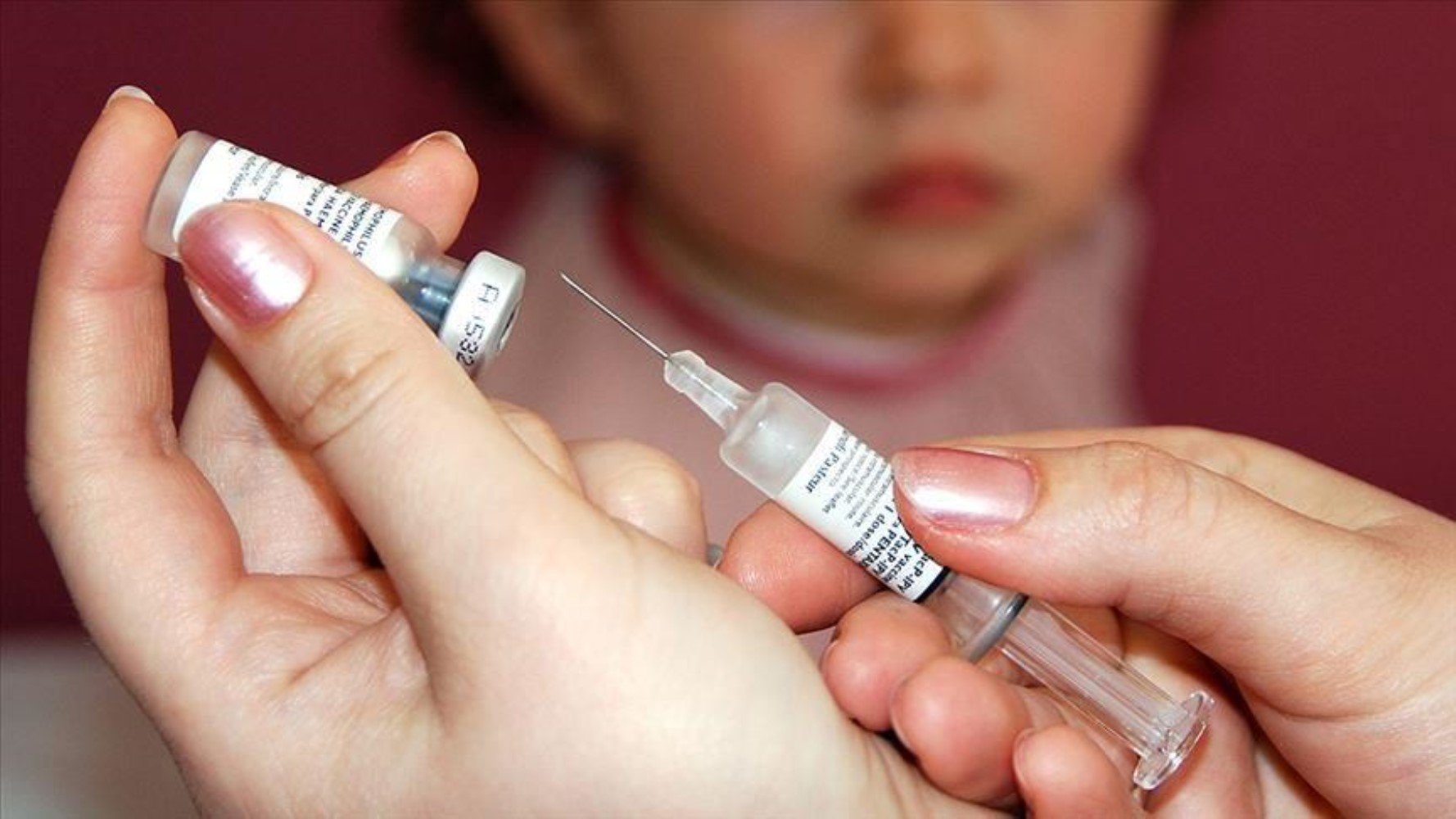
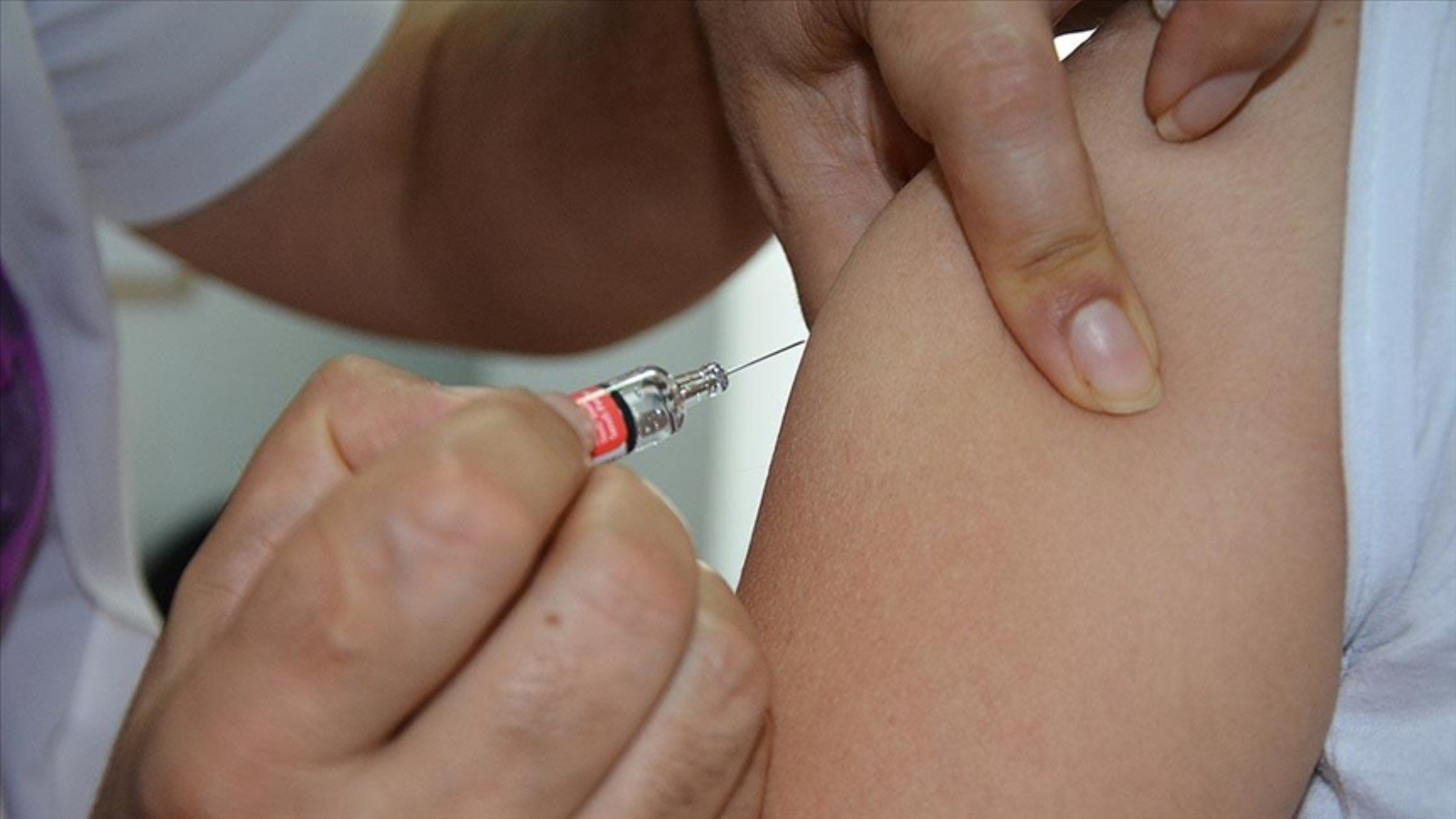
"We have an influenza vaccine, and we believe that by getting vaccinated and taking general respiratory precautions, we can overcome the cases. There is no specific food supplement we recommend; it would be appropriate for a child to have a balanced, healthy diet, to consume the foods that should be in the normal food pyramid, and to eat seasonally. My primary recommendation to families as a pediatric infectious diseases specialist and pediatrician is to follow our national vaccination schedule. Sick children should not be sent to school, and one should stay away from sick individuals and crowded environments."
COVID INTENSITY IS INCREASING
Stating that being together in crowded environments has an impact on cases, Pediatric Health and Diseases Specialist Dr. Abdullah Sert said, “With the start of schools, we are seeing an increase in the frequency of all kinds of viral and bacterial infections because children are now together in crowded environments. Because COVID recently caused a pandemic, it has become a more feared virus. However, as the effect of the pandemic has waned, it has turned into a condition that causes flu-like infections, just like other viruses. The beginning of everything is essentially a high fever; a high fever generally indicates the onset of an infection for us. This could be a viral infection or an infection caused by bacteria. We recommend that families definitely consult a pediatrician in cases of persistent, non-decreasing high fever that impairs the child's general condition.”
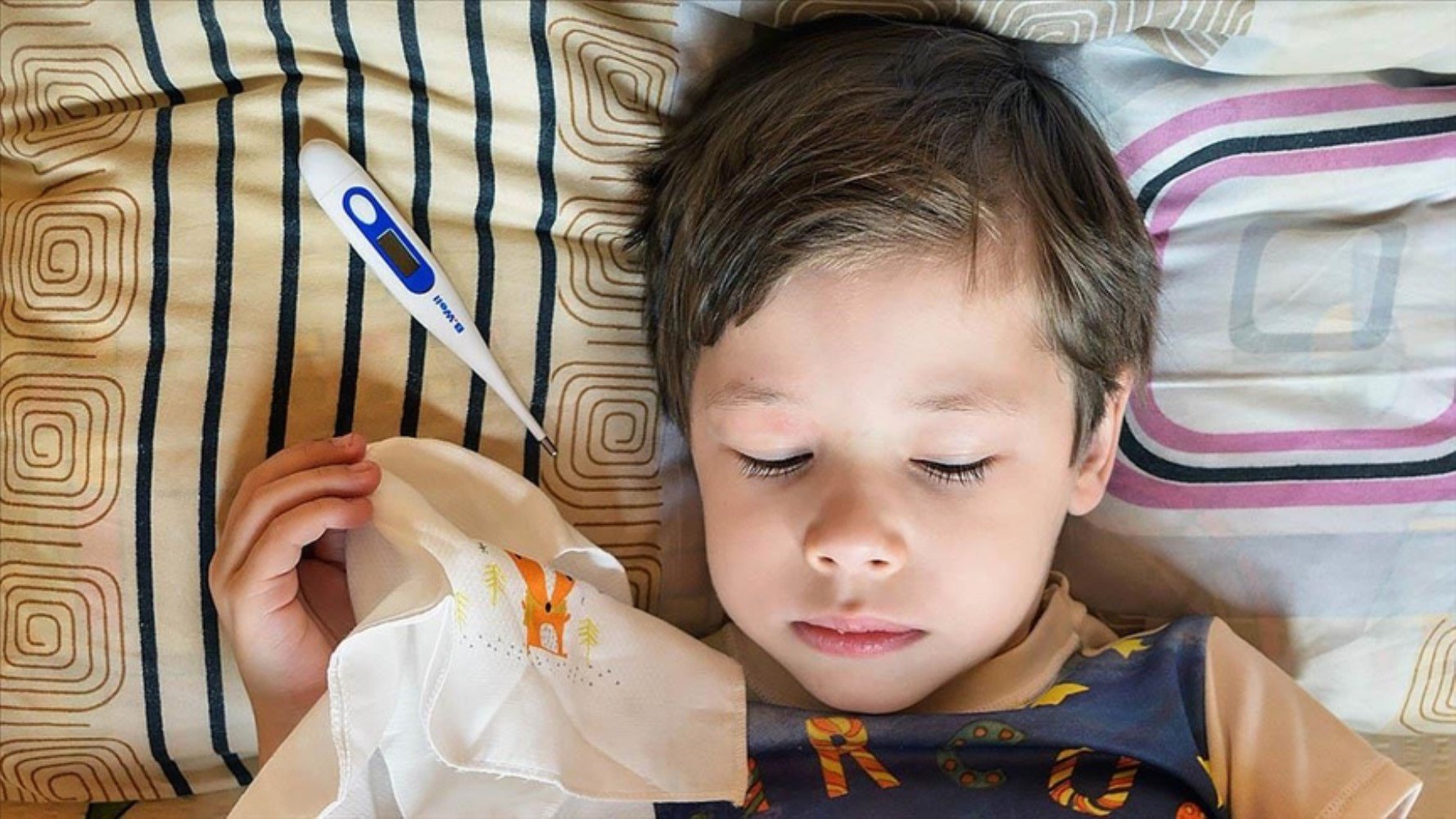
In terms of contagiousness, we can say that it increases in children because they are constantly together in crowded environments and schools. In such cases, if a child has a fever, it is extremely important for reducing contagiousness that they are not sent to school until the fever subsides or until they have been examined by a physician. We are already seeing an increase in the intensity of COVID and the positivity rate in children over the last 2-3 weeks," they said.
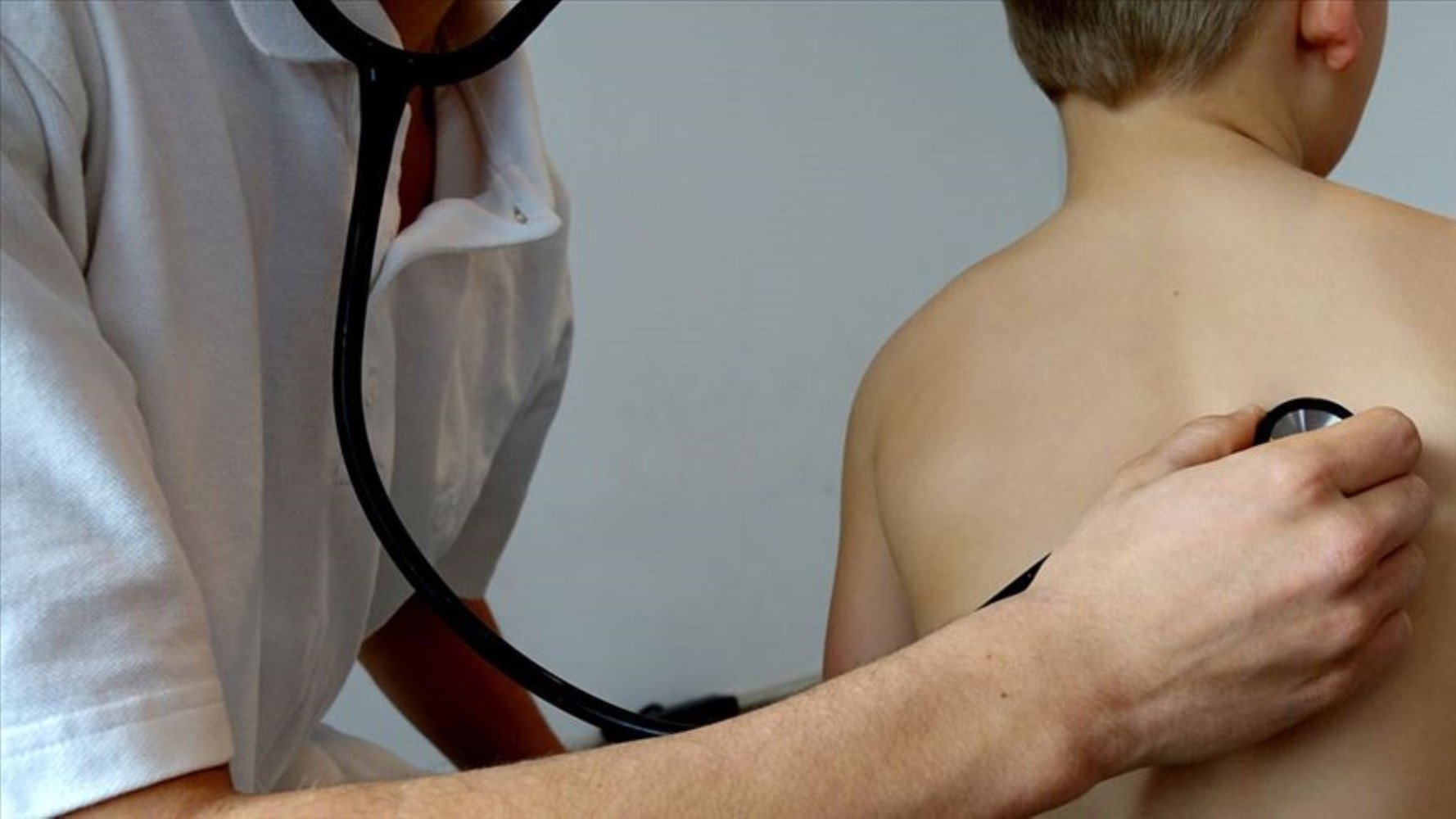
"We anticipate seeing frequent infections," said Specialist Dr. Sert, emphasizing the need for conscious behavior in schools and at home, and added the following:
"It is essential to isolate the child and wear masks at home to prevent other family members from being affected. We recommend that the child does not go to school until the fever subsides and symptoms improve, for at least 3-4 days. In severe infections, we see life-threatening conditions that can cause lung damage, as we have seen before, but we frequently encounter symptoms such as flu-like infections, high fever, sore throat, cough, and runny nose."
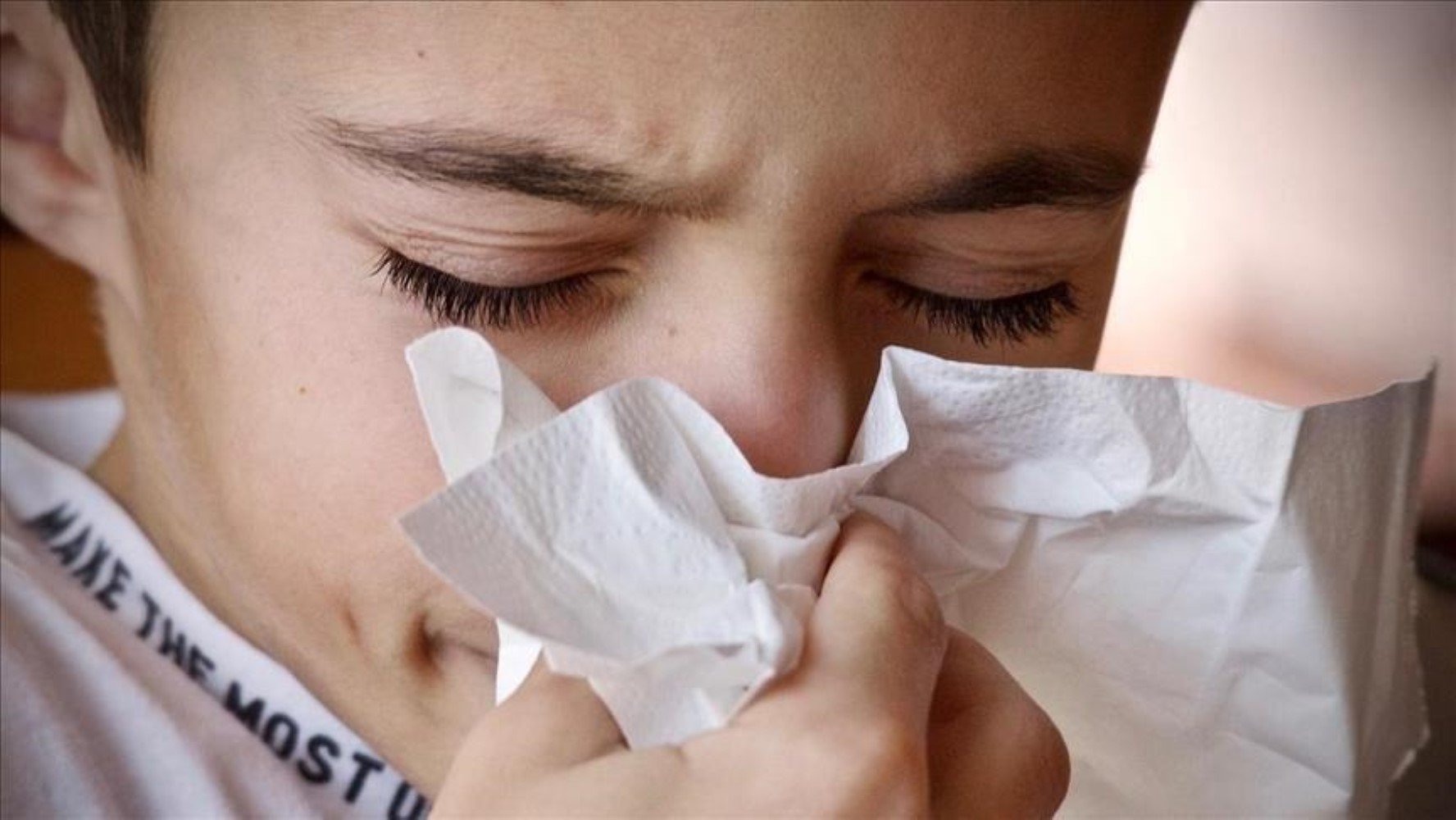
We can say that infections follow a more severe course in children with chronic illnesses, compromised immune systems, or those who are not fed adequately and in a balanced manner. Preventing them from falling ill depends on proper hygiene and good isolation.
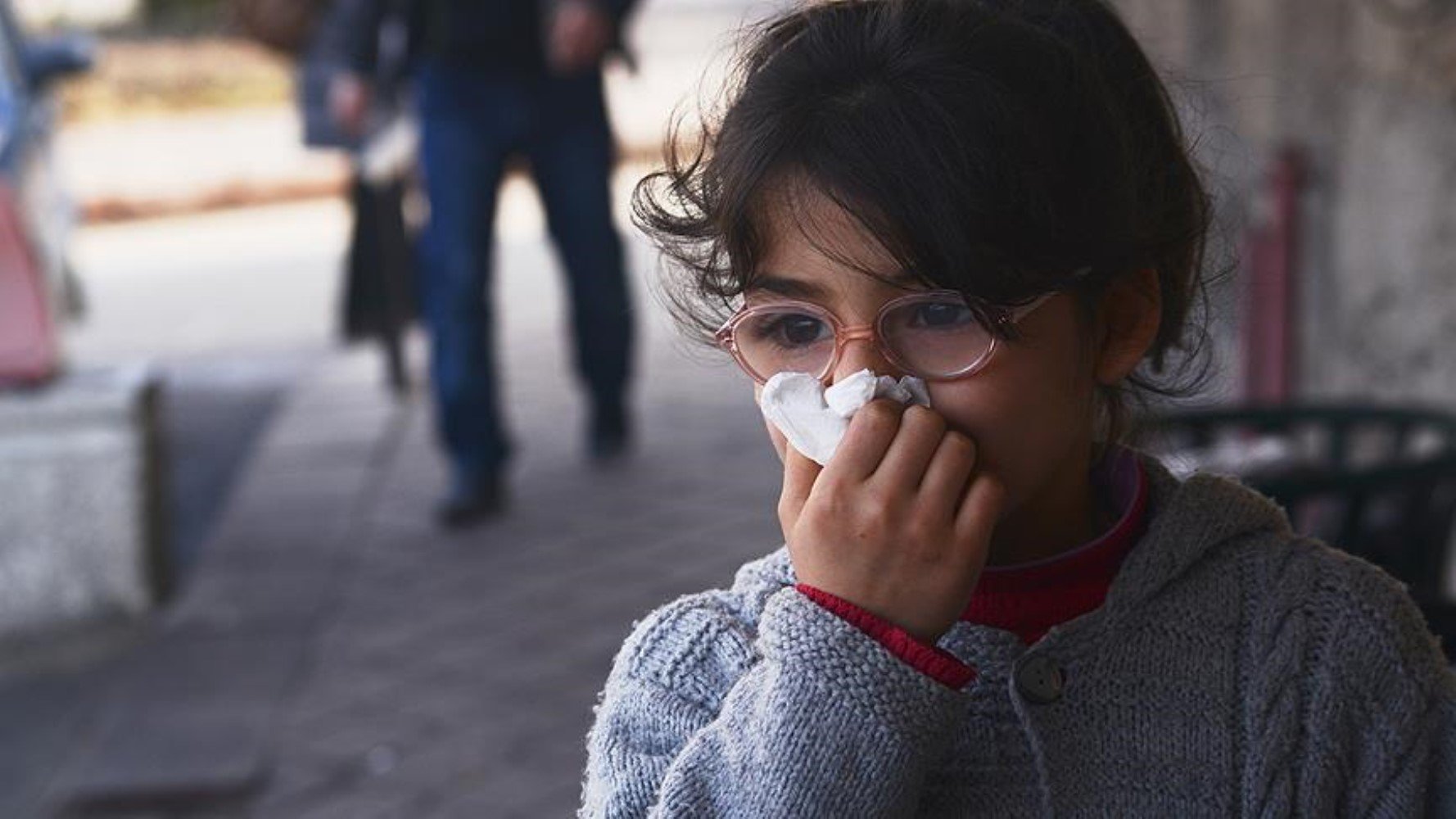
We never recommend the use of any food supplements or medications without medical supervision and advice. If antibiotics or any other treatment are to be started, it is essential to make that decision only after a medical examination.
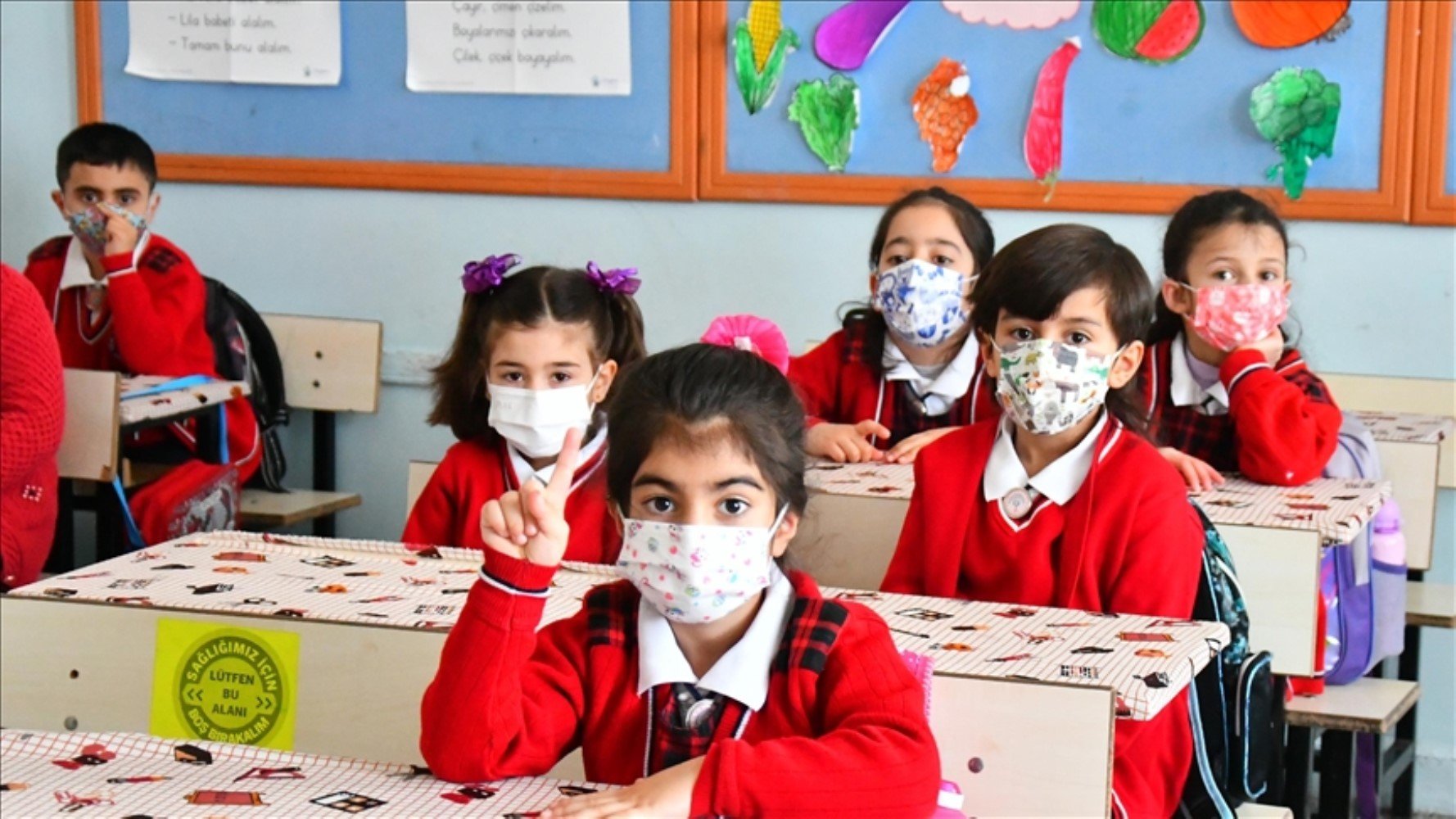
"Adequate and balanced nutrition, along with a strong immune system, protects our children against diseases; we need to be conscious in this regard."