Selected as Europe's most toxic food: The product turned back at the border is coming to our tables!
Harmful chemical residues (pesticides) found in fruits and vegetables produced in Turkey have caused great concern in recent days. Coldiretti, Italy's largest agricultural and farmers' organization, has added dried figs sent from Turkey to the top of its 'most dangerous foods' list, while warning consumers to be careful.
12punto

As the European Union (EU) updates its RASFF list, which includes products deemed unsuitable for consumption detected at borders, the toxic residues found in fruits and vegetables sent from Turkey—often resulting from post-harvest treatment—continue to cause public debate.
"STATEMENT FROM THE MINISTRY OF AGRICULTURE REGARDING THE ISSUE"
While allegations that products turned back at the border would be put into circulation in Turkey have caused panic, officials from the Ministry of Agriculture and Forestry stated that such a situation is impossible and that the returned products are destroyed.
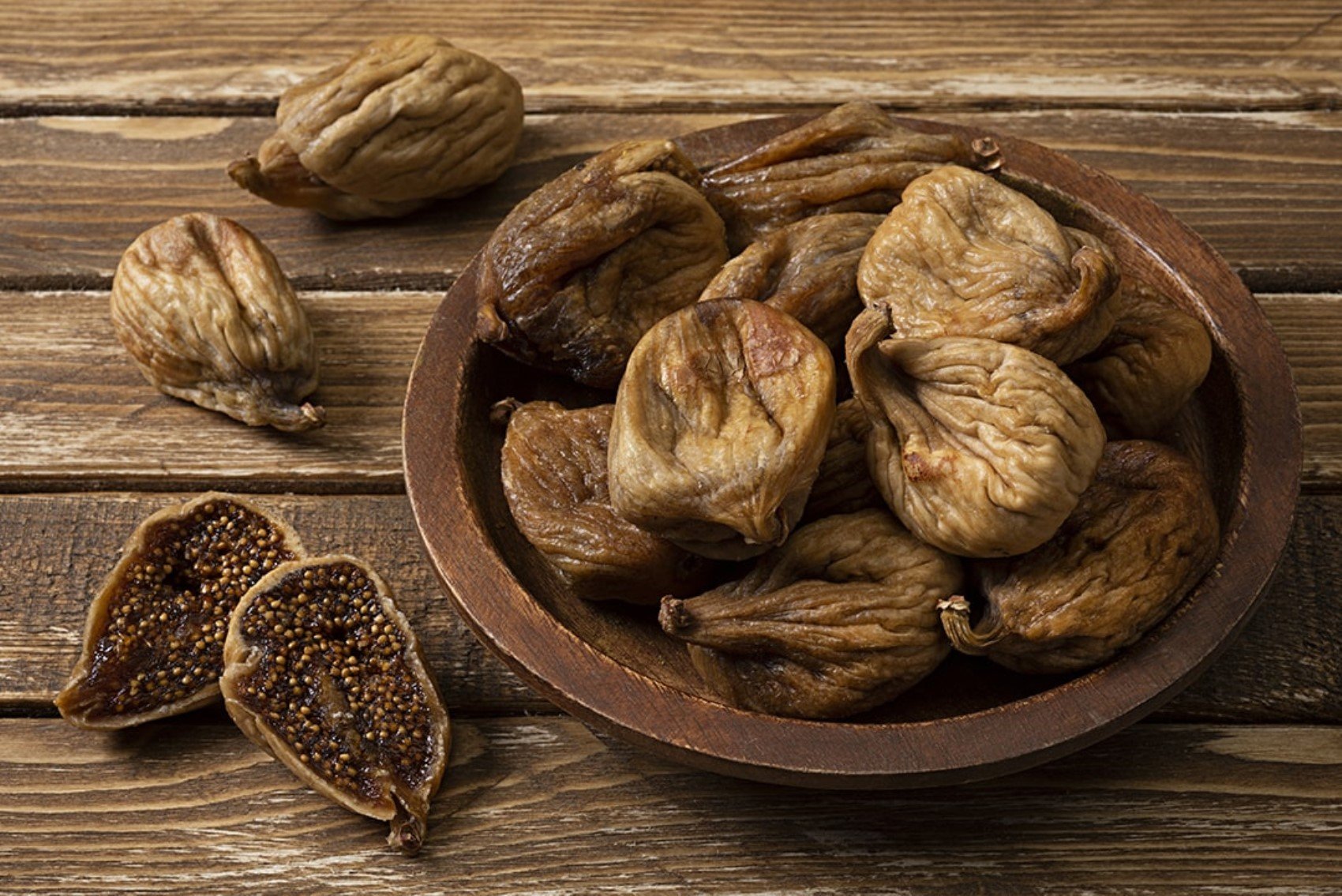
"THE MOST TOXIC PRODUCT: DRIED FIGS SENT FROM TURKEY"
Following these developments, a frightening warning was issued by Coldiretti, Italy's largest agricultural and farmers' organization. Sharing the most dangerous agricultural products and creating a blacklist, Coldiretti placed dried figs sent from Turkey at number one.
The warning from Coldiretti pointed out that dried figs sourced from Turkey contain high amounts of aflatoxin.
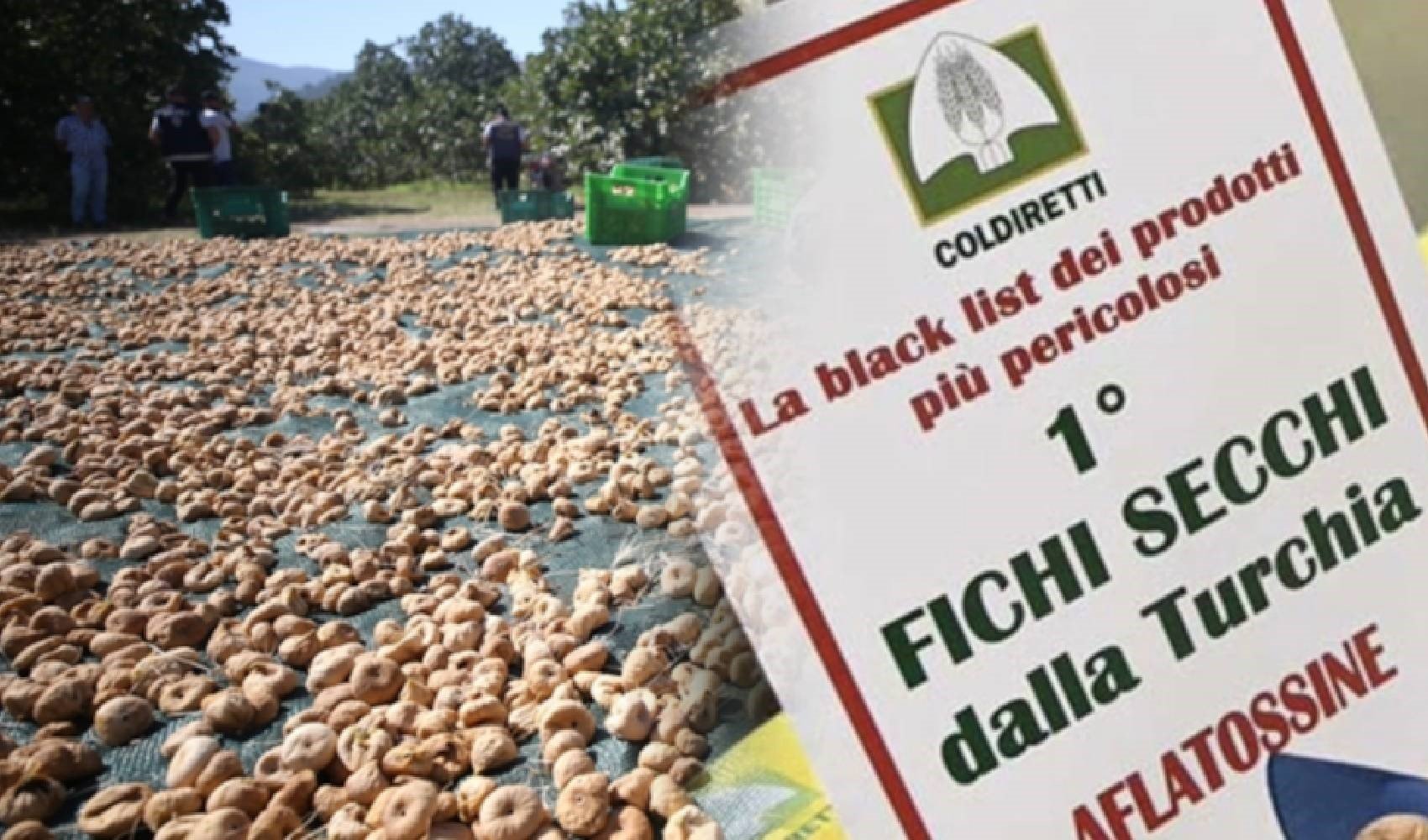
"WHAT IS 'AFLATOXIN', WHICH CAUSES CANCER WHEN CONSUMED IN HIGH DOSES?"
Due to exposure to high doses, it can cause HCC-type liver cancer. No living species has resistance to this poison; however, sudden poisoning in humans is rare. Long-term exposure to the poison has a better prognosis than sudden poisoning.
This toxic substance can alter genetic structure and lead to various types of cancer, primarily lung cancer.
"PENALTIES IMPOSED ON BUSINESSES SENDING TOXIC PRODUCTS"
According to information provided by the Ministry, inspections to detect pesticide residues continue to be carried out frequently in production areas before harvest, at wholesale entry points after harvest, in packaging facilities, and at wholesale and retail sales points.
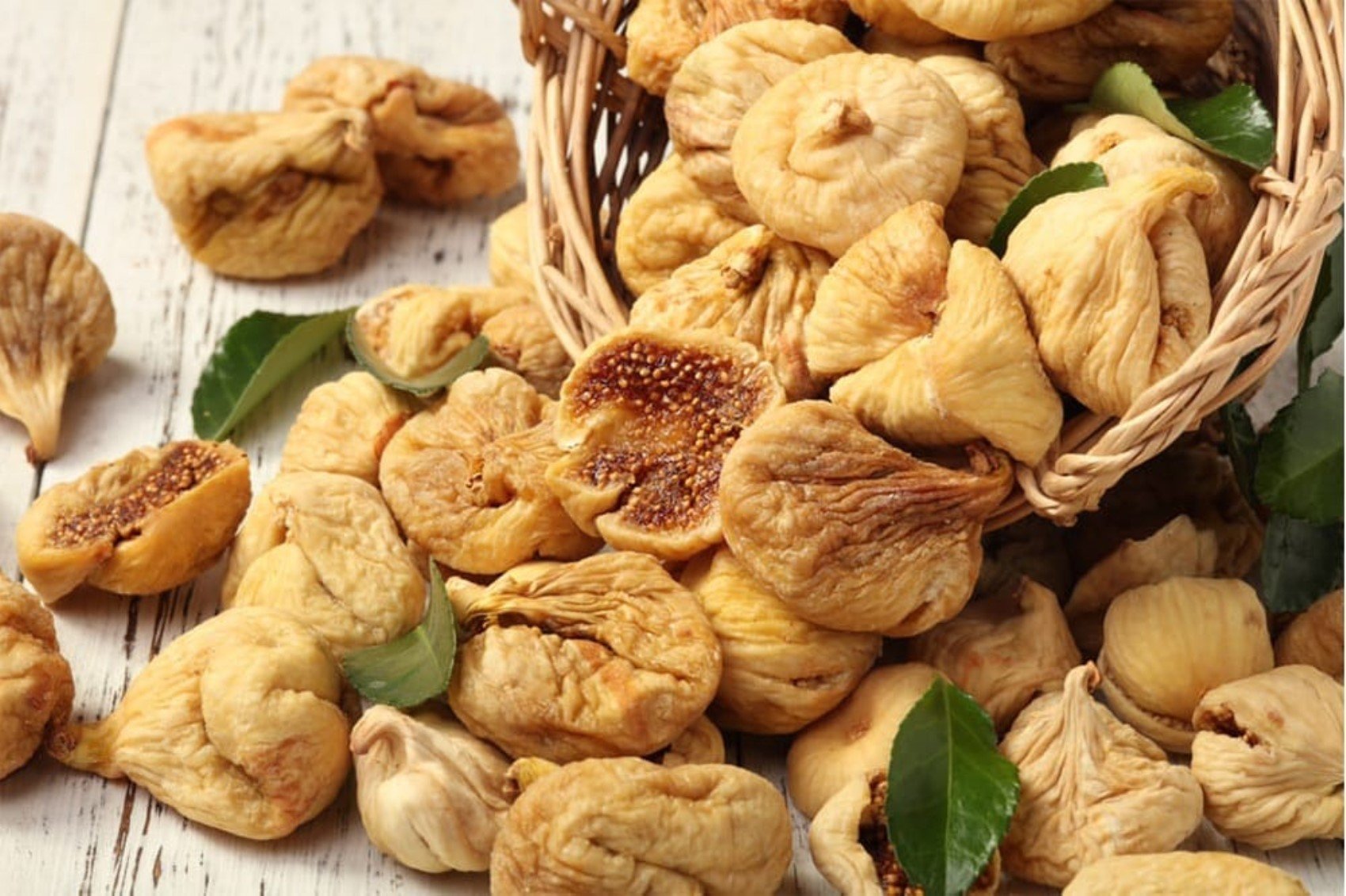
Pre-export pesticide inspections are also continuing for products subject to export.
The analysis of samples taken for pesticide residue is carried out by searching for all active ingredients that the device can detect in the sample.
Residues are sought by analyzing between 400 and 800 active ingredients in a single sample. Following the analyses, administrative sanctions are applied to producers and food business operators if pesticide residue levels are found to be non-compliant with regulations or if unauthorized use is determined.