Shocking Dubai chocolate claim: Was it made with toxin-containing pistachios returned by Italy?
The price and production method of the 'Dubai chocolate,' which has become famous and entered food businesses of all sizes, have sparked controversy. Recently, the drop in pistachio prices in markets has raised questions about whether these are the products containing aflatoxin that were returned from Italy. Furthermore, many people are wondering if places selling at low prices are using these aflatoxin-contaminated pistachios.
12punto

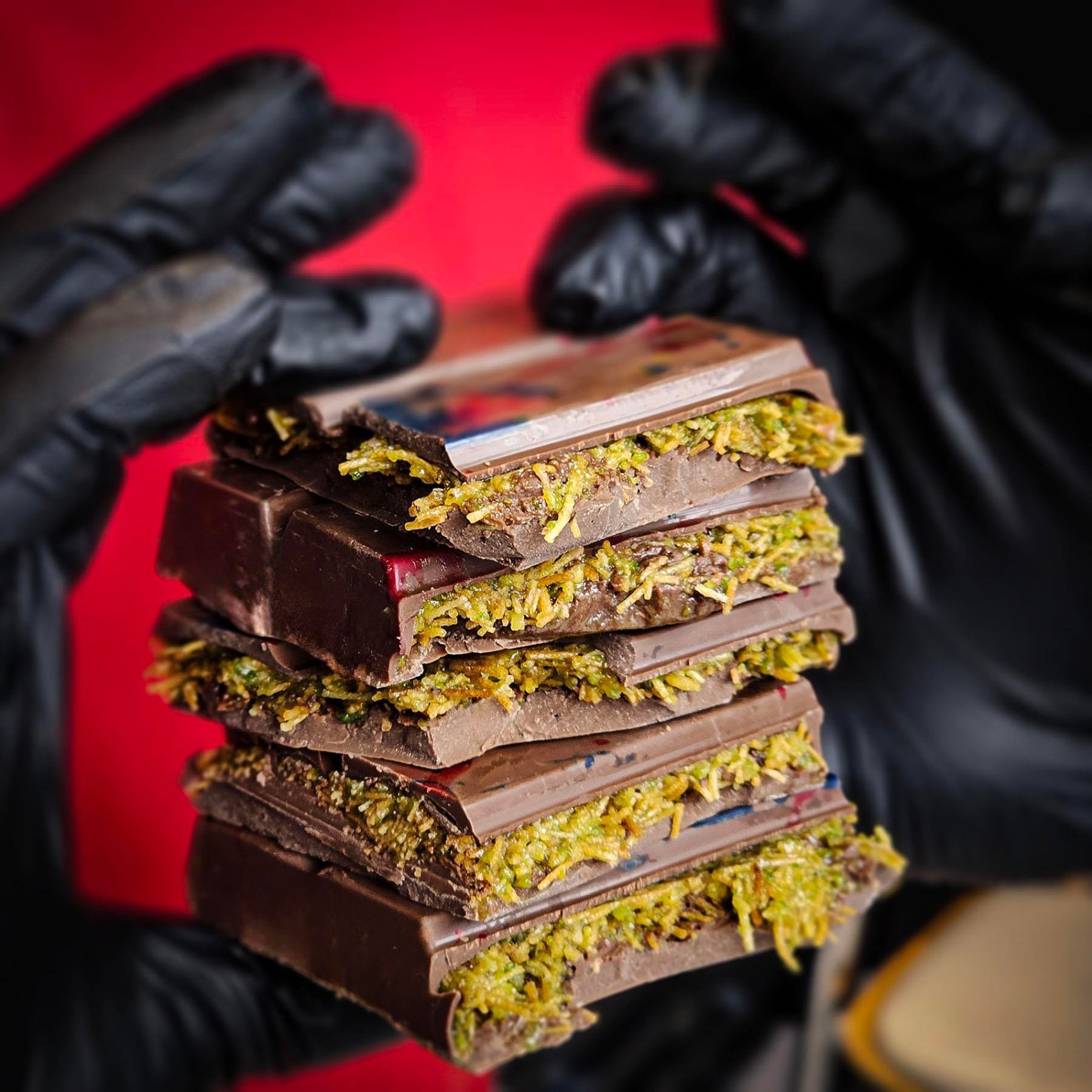
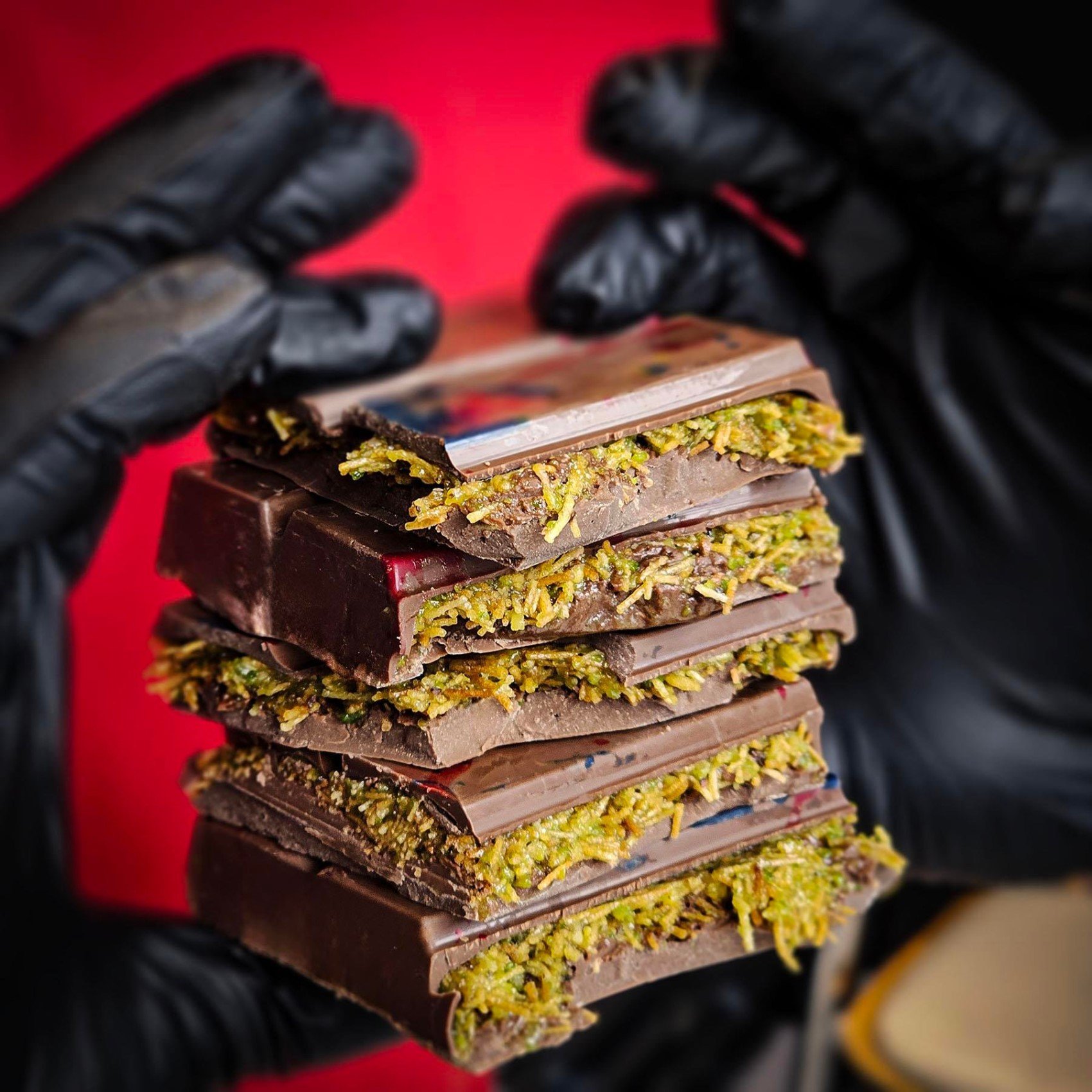
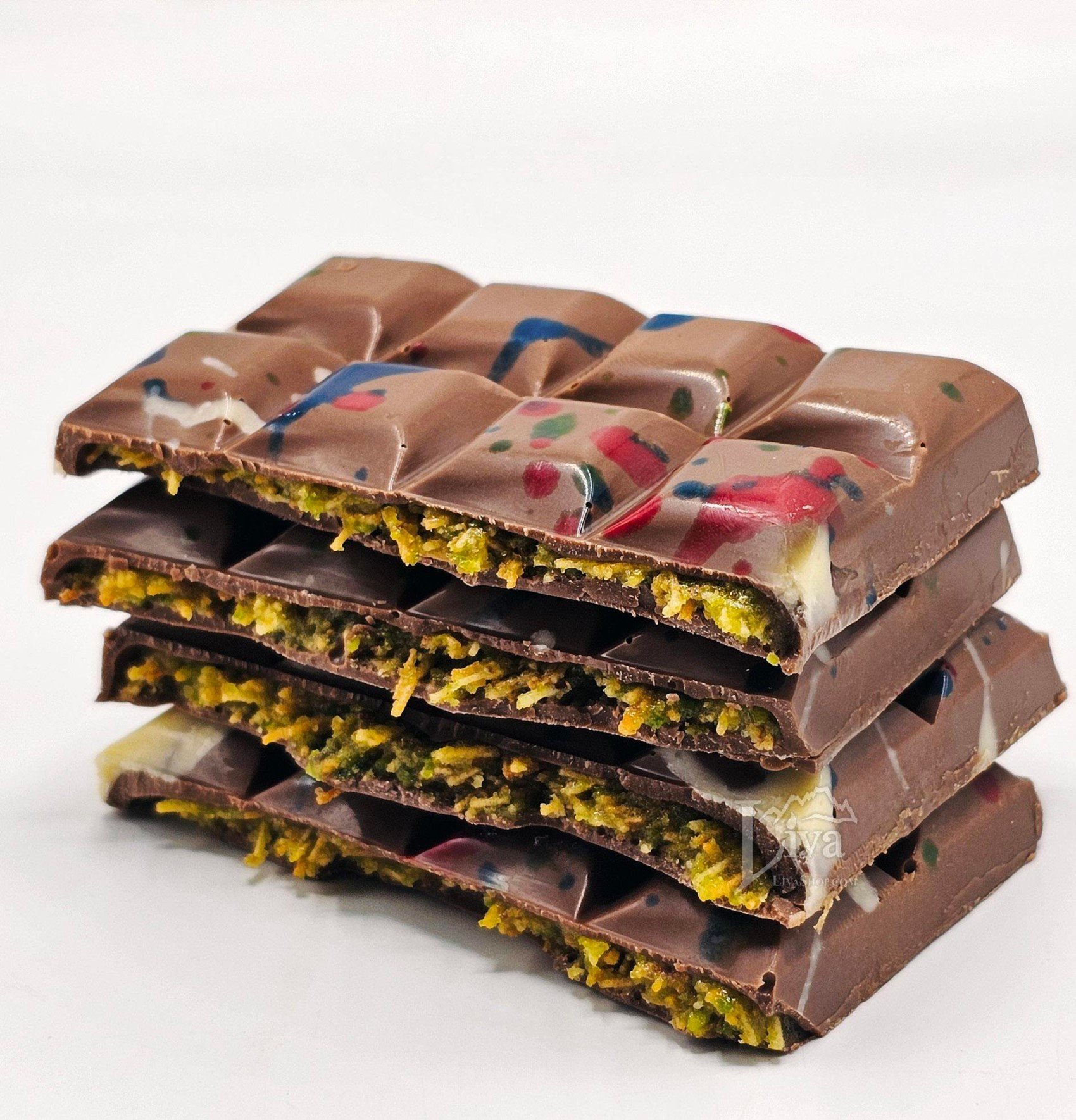
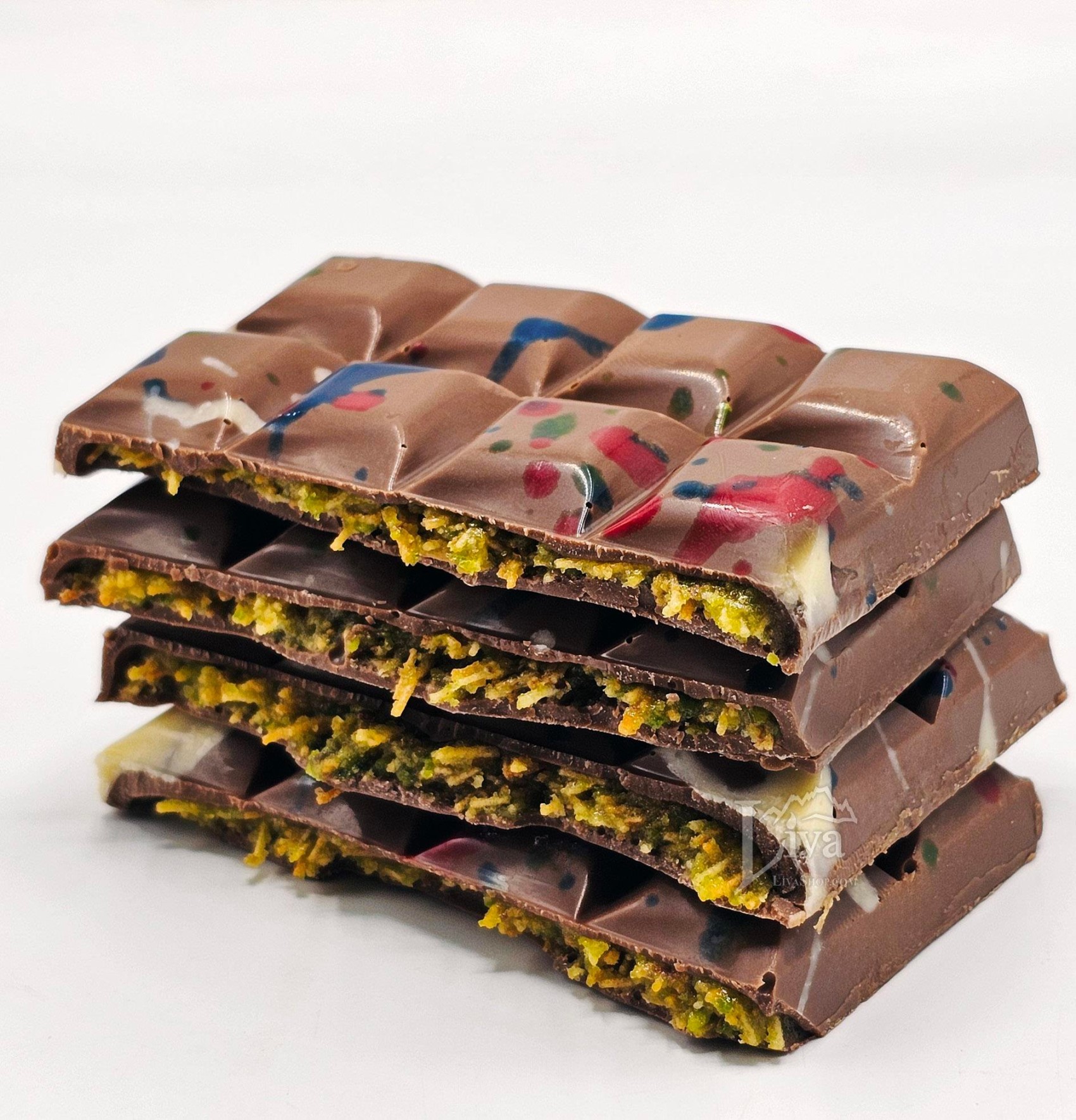
Immediately after becoming a trending topic on social media at the beginning of October, a striking claim has emerged regarding the pistachios used in Dubai chocolate, which has gone on sale in almost all chocolate shops and patisseries.

It has raised the question: Do the pistachios used in Dubai chocolate, which is also sold in chain supermarkets, contain aflatoxin?
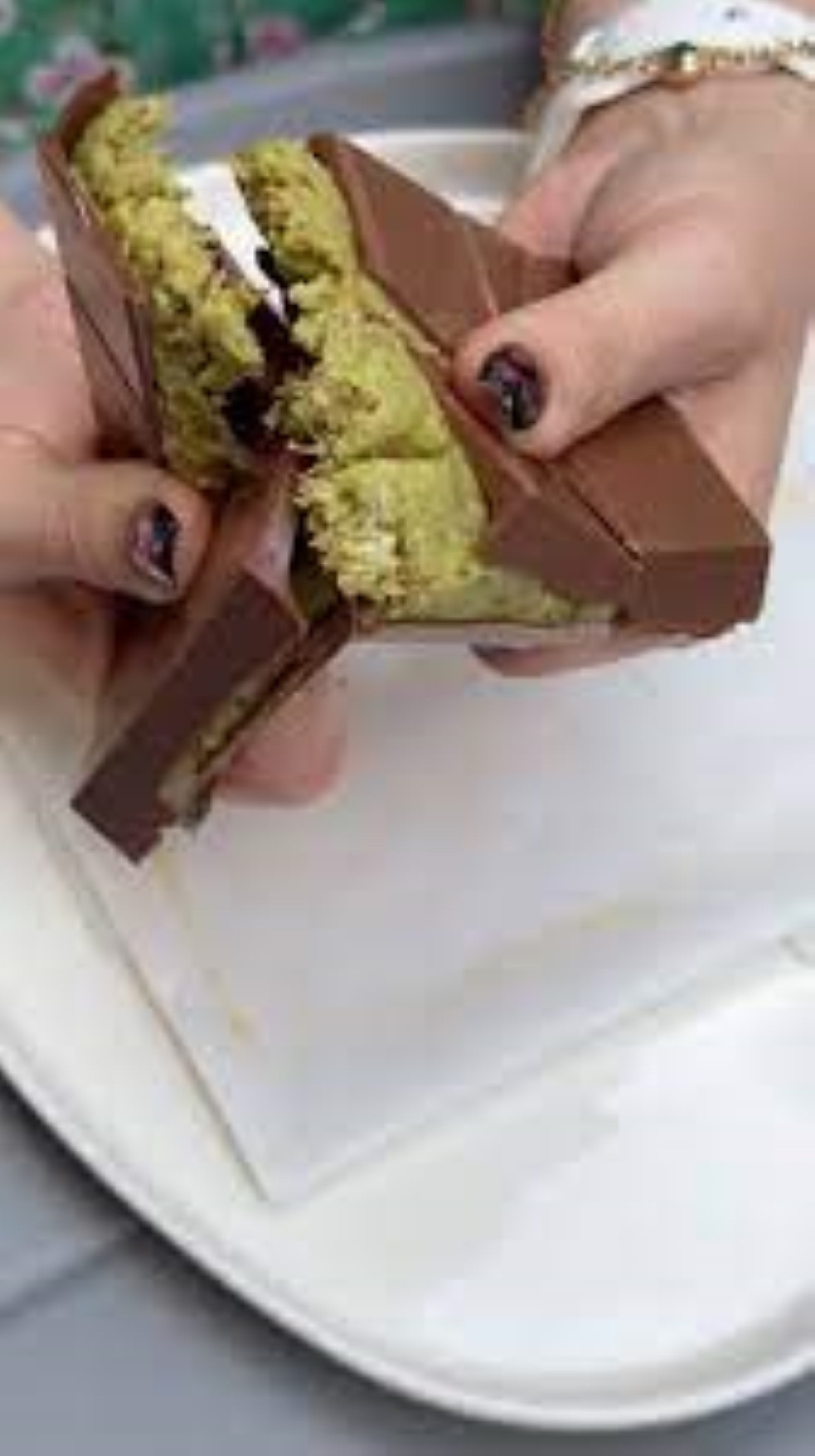
Concerns have grown that pistachios returned from Italy on the grounds that they contained 7 to 9 times more aflatoxin than allowed have been released into the domestic market.
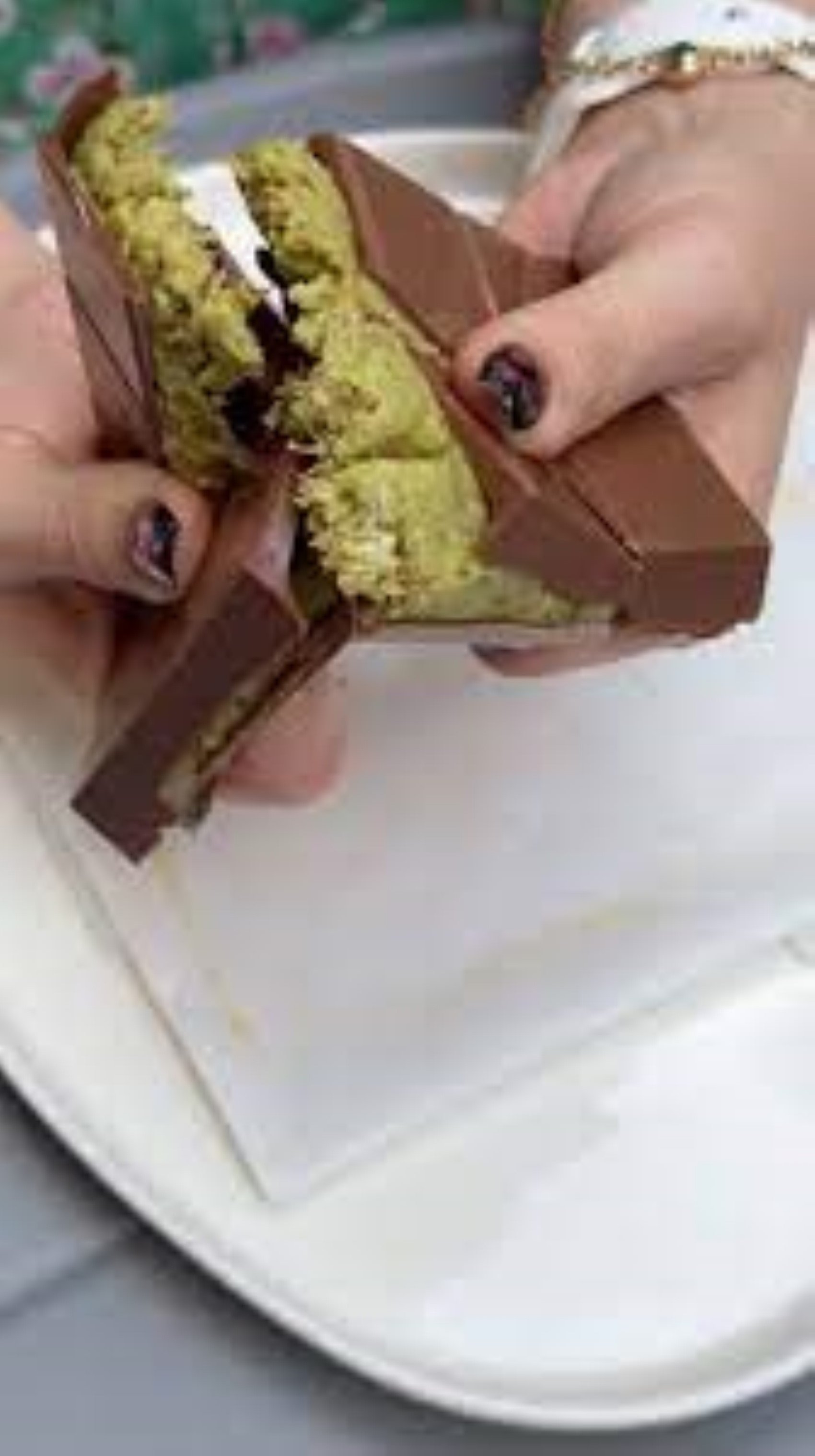
Aflatoxin, found in moldy foods and especially in pistachios, poses many health threats, primarily to the liver.
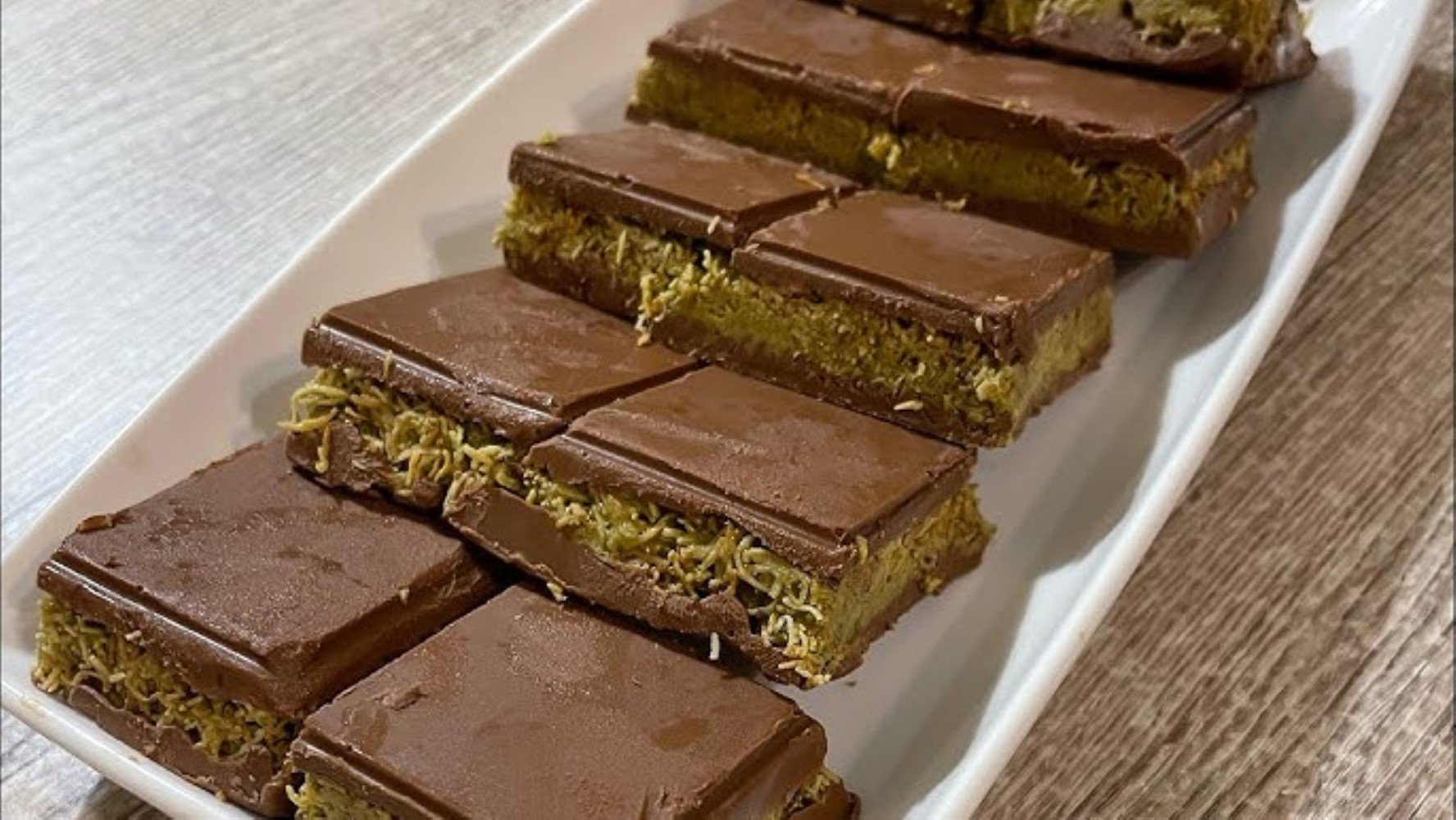
Recently, a decrease has been observed in the kilogram price of pistachios sold in markets.
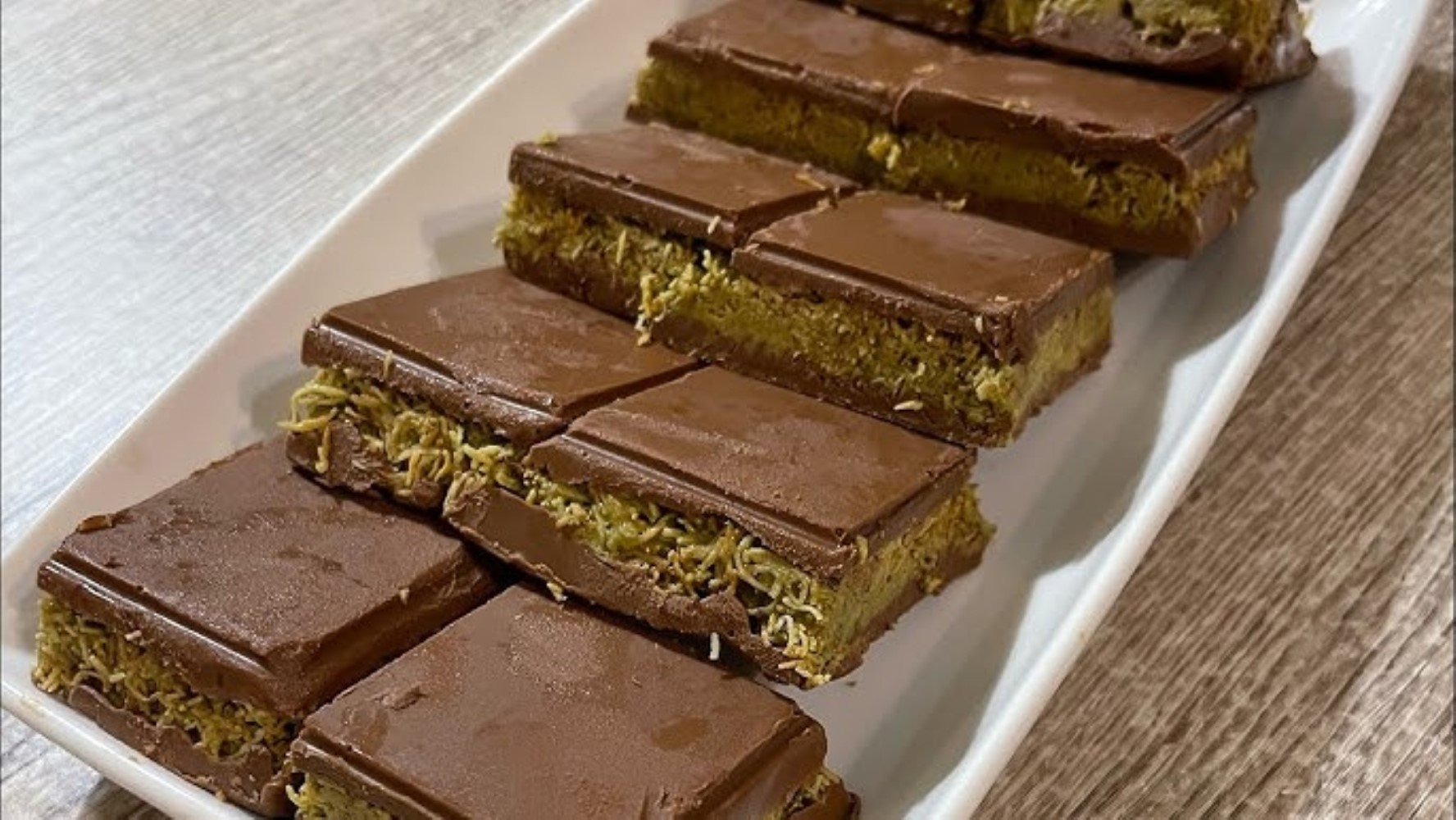
Many citizens have begun to worry whether it is present in the pistachios found in Dubai chocolate.
Some user comments on social media are as follows:
"They are palming it off on people as Dubai chocolate."
"Everyone and their dog is producing Dubai chocolate; it's unclear what's inside, and there is zero oversight."
"In my beautiful country, nothing goes to waste. Especially things returned from exports."
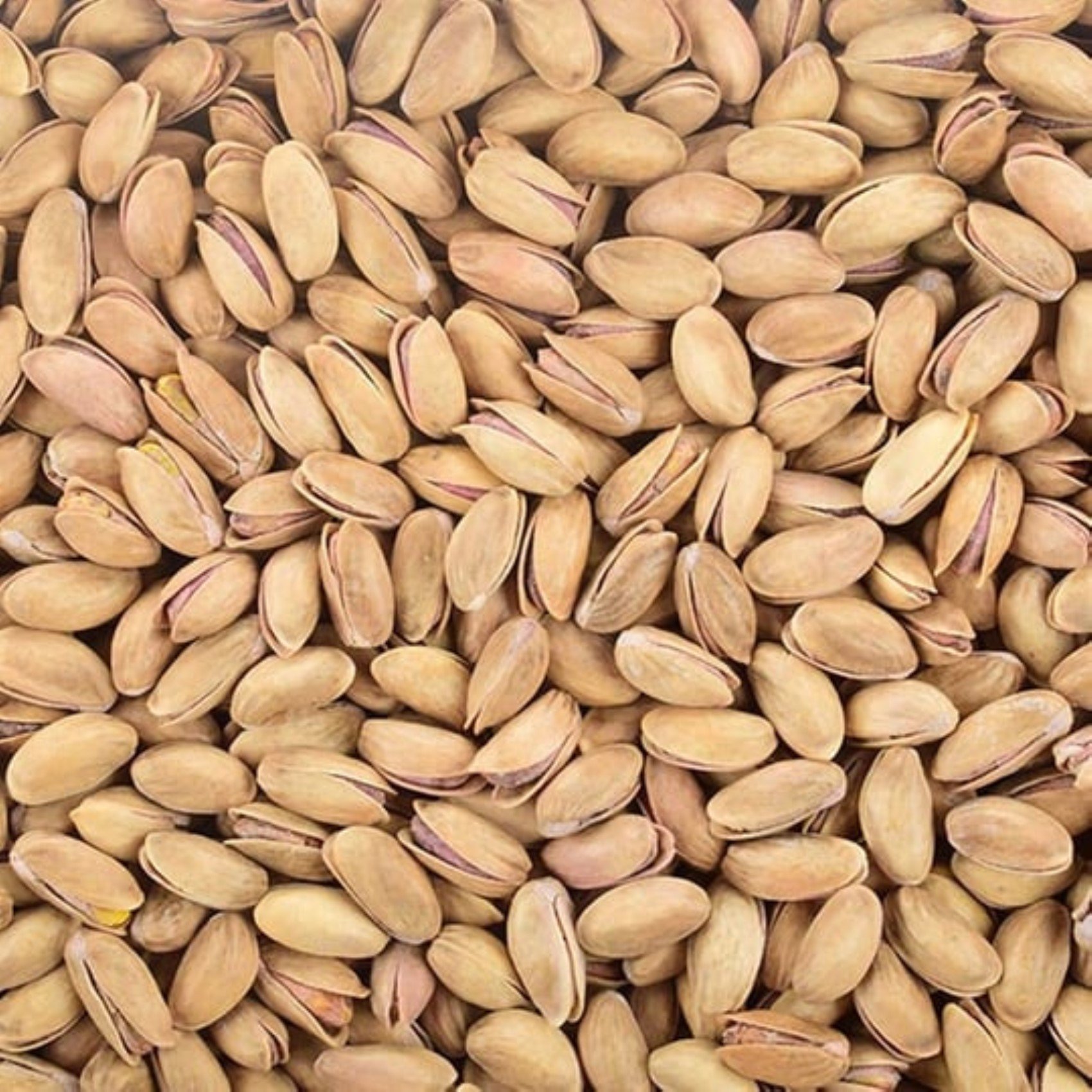
WHAT IS AFLATOXIN?
In human food, grains, animal feed, and all kinds of dry foods, fungal species multiply rapidly depending on increased humidity and temperature, producing a harmful toxin (mold poison) called mycotoxin.
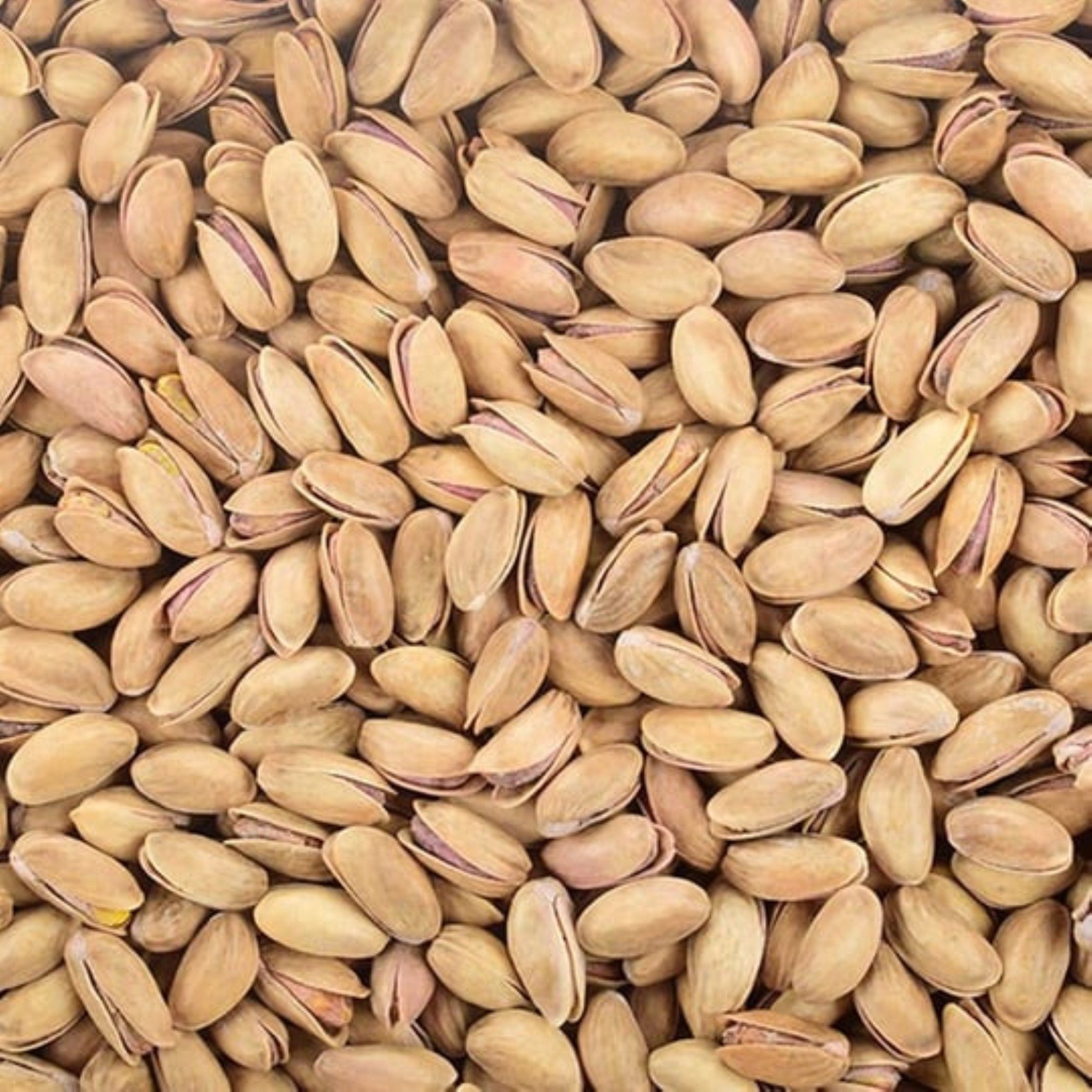
The most important of these is “Aflatoxin,” produced by Aspergillus flavus and Aspergillus parasiticus molds. Aflatoxins are potent poisons and carcinogenic substances. The most toxic is Aflatoxin B1, which is both carcinogenic and capable of altering genetic structure.
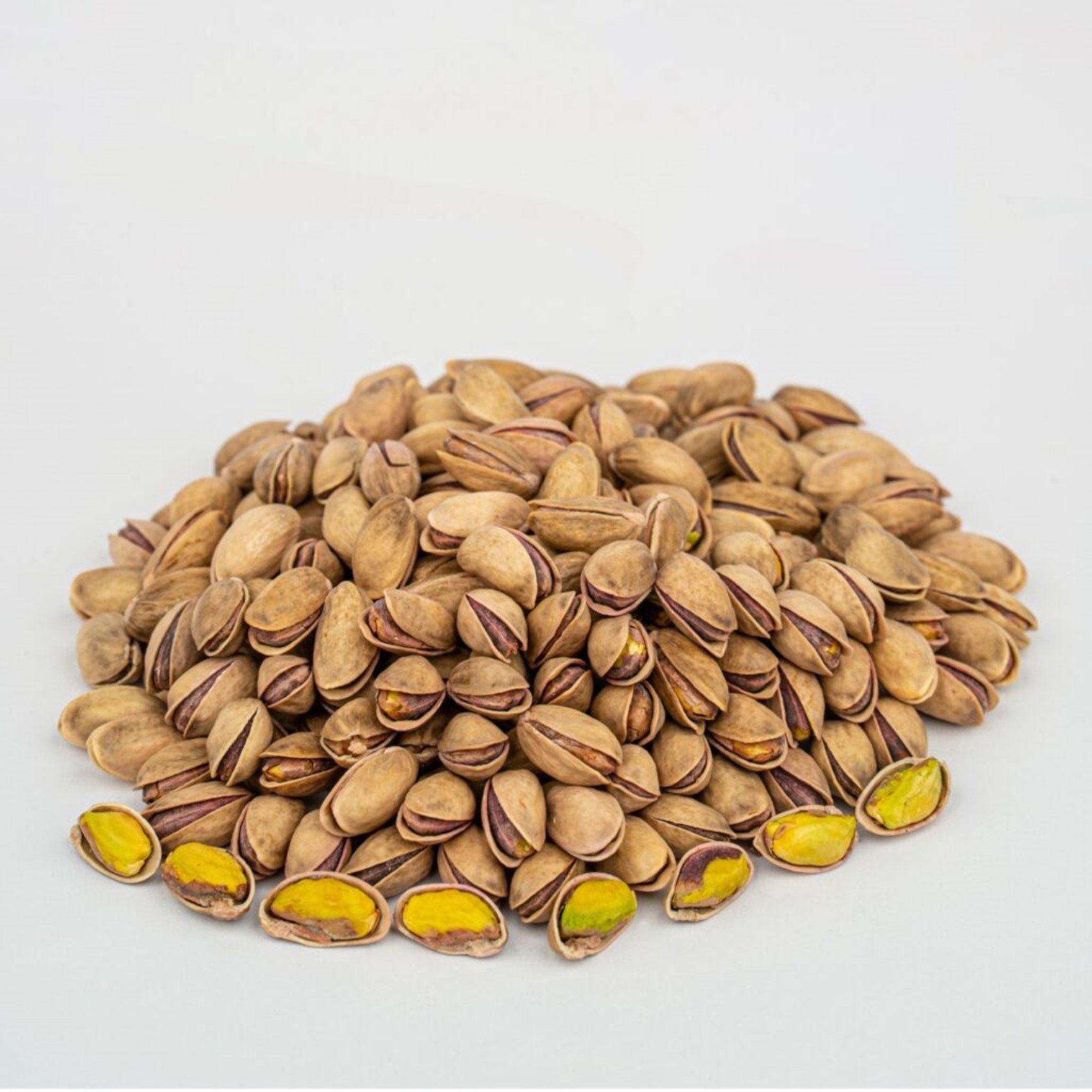
Aflatoxin contamination can occur during the product's development in the field, harvesting, storage, or processing into a final product. Aflatoxins are found especially in nuts such as pistachios, peanuts, almonds, and hazelnuts; dried fruits such as dried figs; grains such as wheat, barley, and rice; corn; and spices such as red pepper.
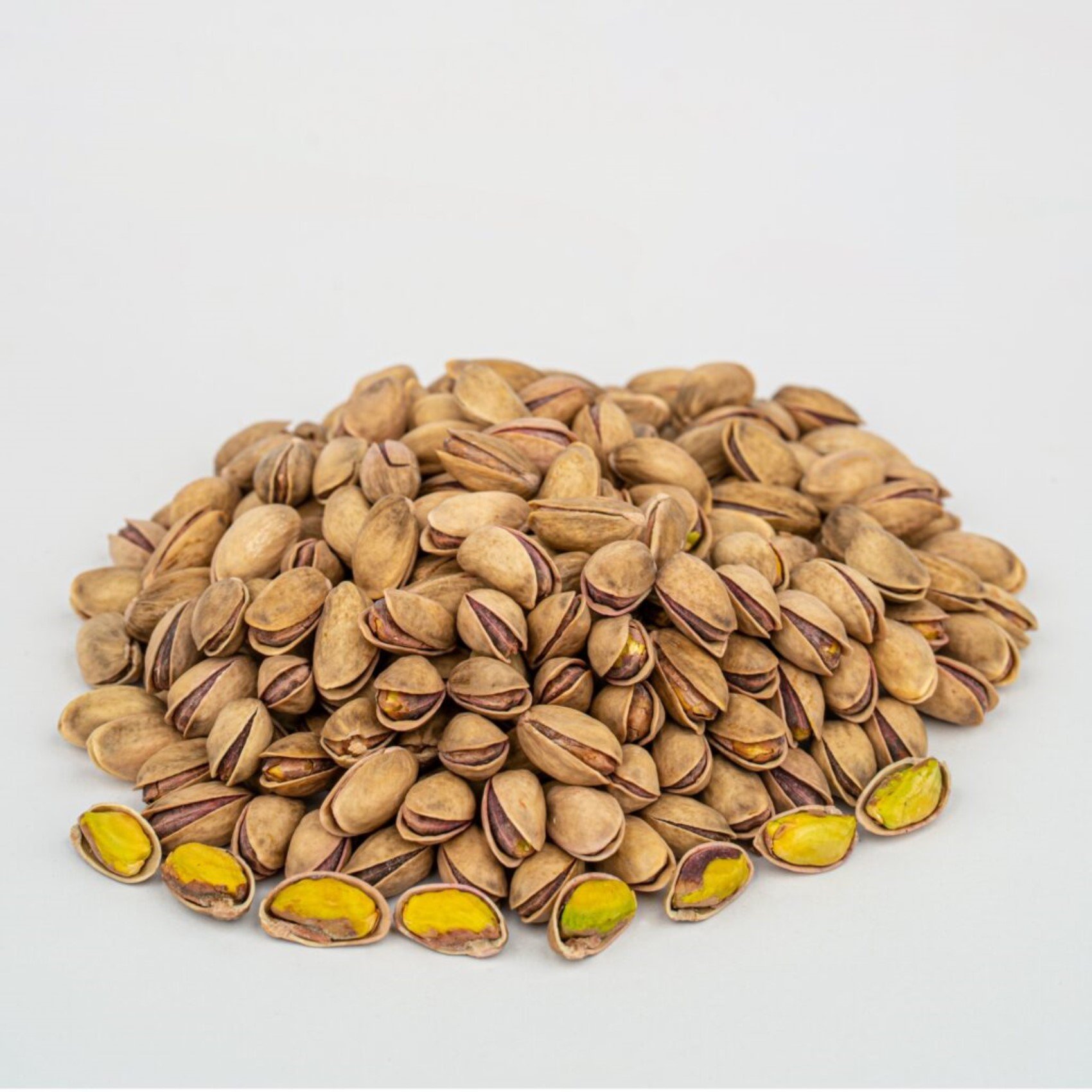
It can also be found in the milk of animals that consume aflatoxin-contaminated feed and in products made from this milk. Aflatoxin cannot be removed from food by any process.
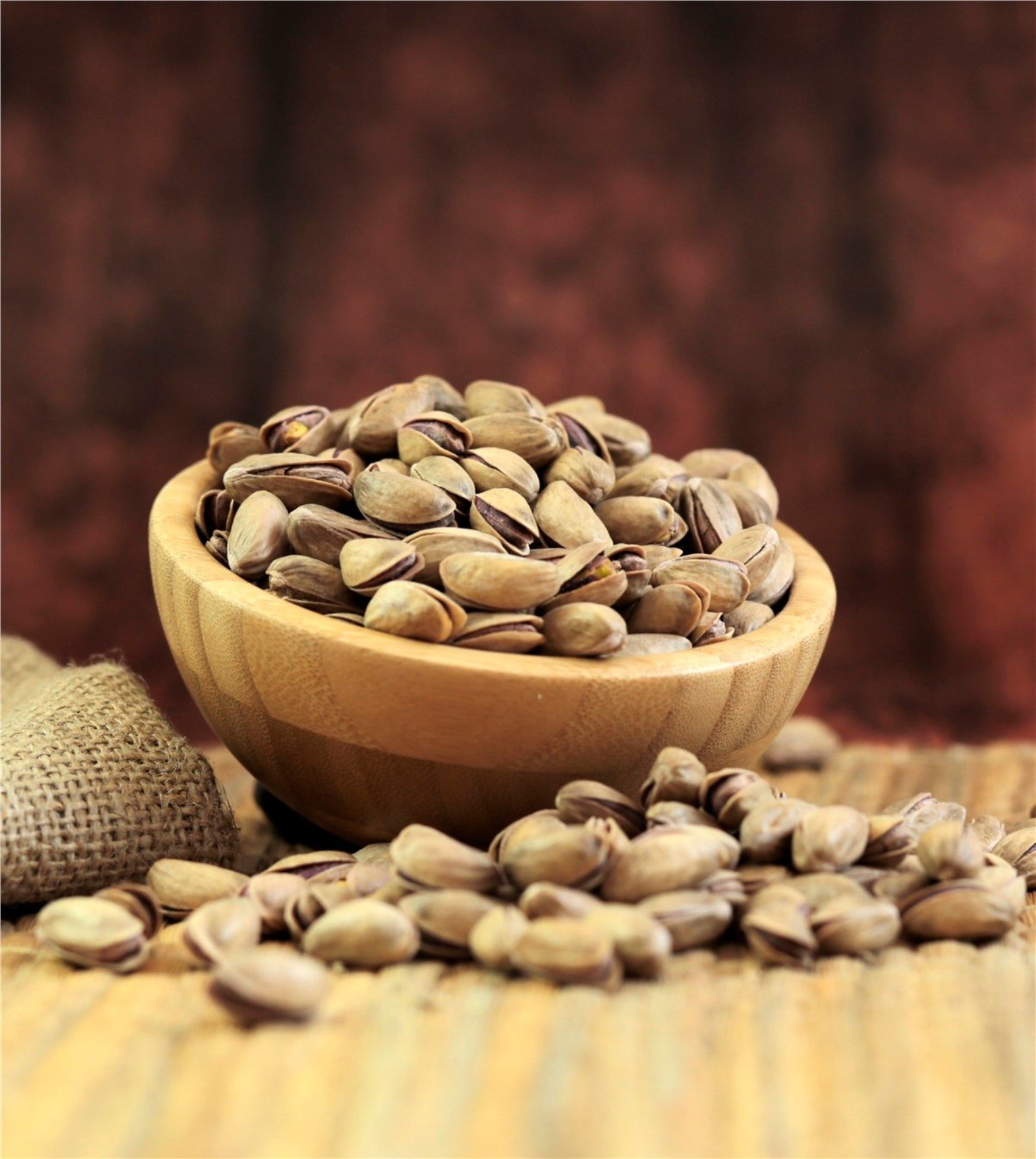
Aflatoxins exhibit a toxic effect when consumed in high doses. To protect consumers, samples are taken during import, export, and routine checks and analyzed in laboratories affiliated with the Ministry. Food and feed containing harmful amounts of aflatoxin are not offered for consumption.
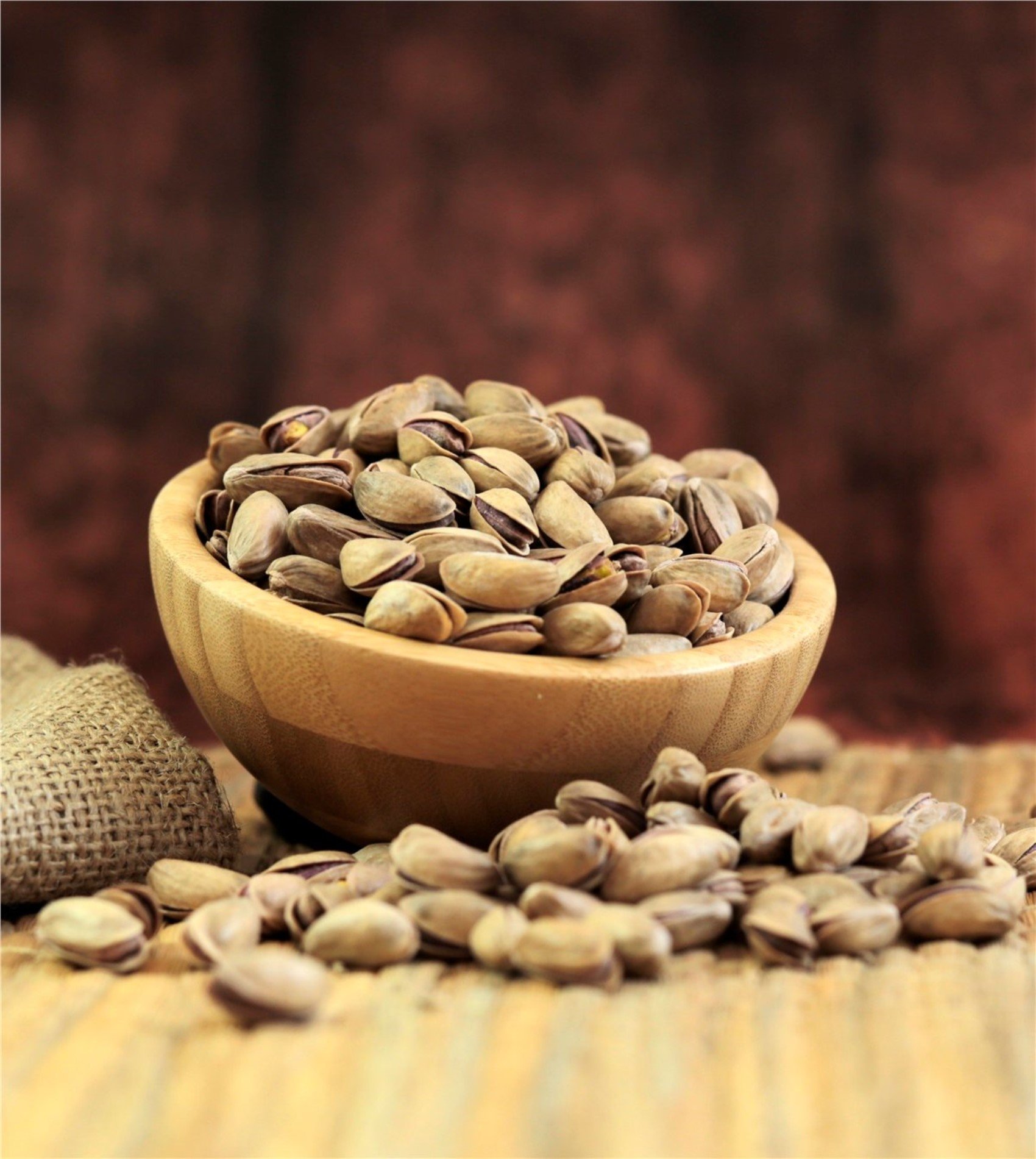
The most ideal conditions for mold growth are humid and warm environments. For this reason, foods at risk of aflatoxin should be stored in dry and cool environments in suitable packaging.