Sleep: The most democratic and cheapest health system
Numerous studies have been conducted in recent years on the mystery of sleep, which has yet to be fully solved. Research shows that sleep problems affect between 2% and 40% of the population. So, what should be done for quality sleep? What is sleep hygiene? Here are the details...
12punto

Sleep is a process of rest and, in a way, bodily repair for living organisms. The most important element for maintaining physical and mental health is getting quality sleep. When people sleep regularly, repairs and organizational changes occur in the cardiovascular, respiratory, nervous, endocrine, gastrointestinal, and immune systems.
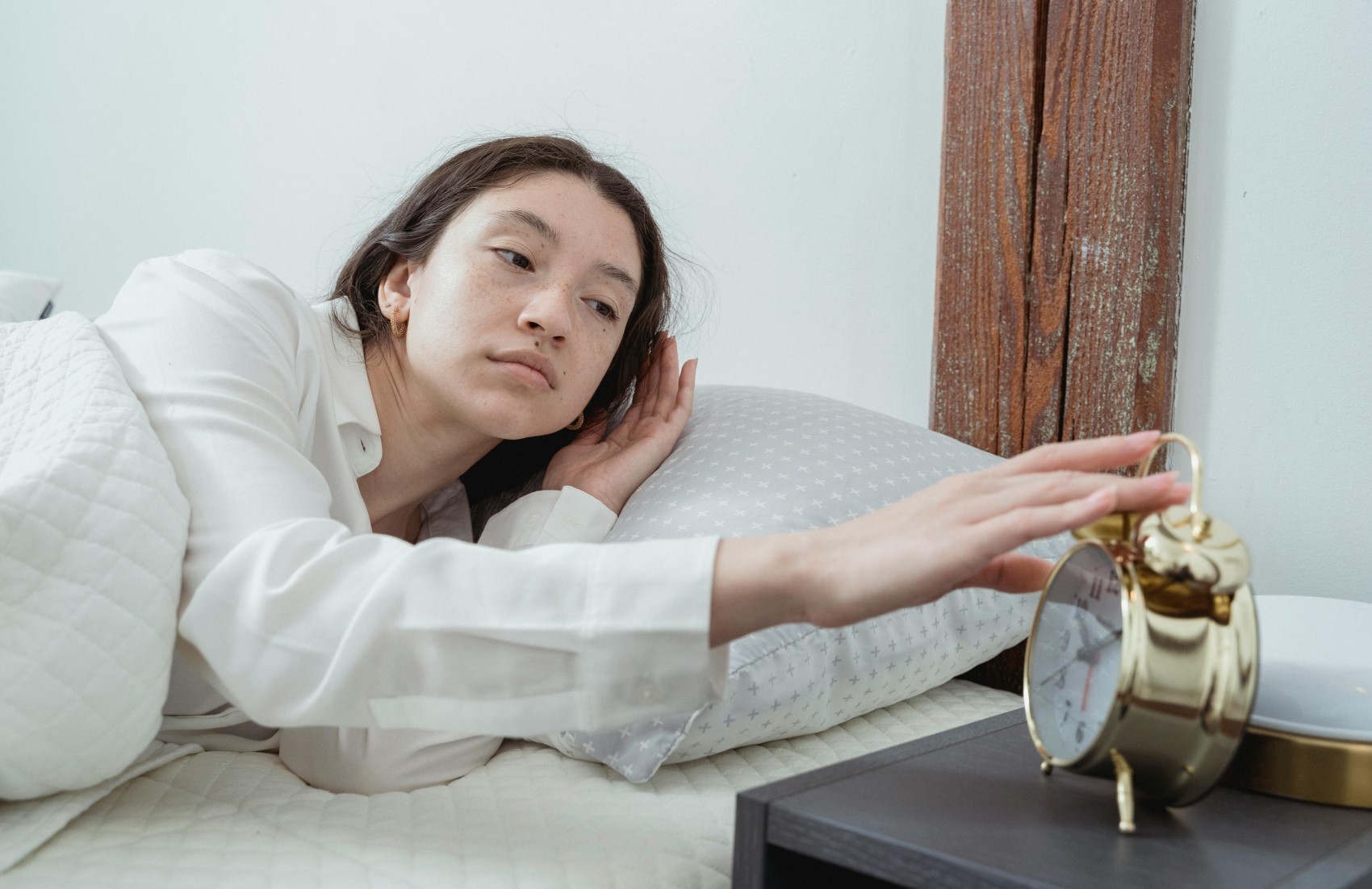
WHAT IS SLEEP HYGIENE?
According to scientific research, under normal conditions, a person needs to spend approximately 7-8 hours sleeping to recover their daily energy and lead a healthy life. Sleep duration may vary depending on age, occupation, and gender. For a healthy life, quality sleep is just as important as the duration of sleep. Just as we need cleaning supplies to maintain a healthy life in our living environments, we need sleep hygiene for quality sleep. At the same time, sleep is a necessity not only to rest our bodies but also to rest our brains.
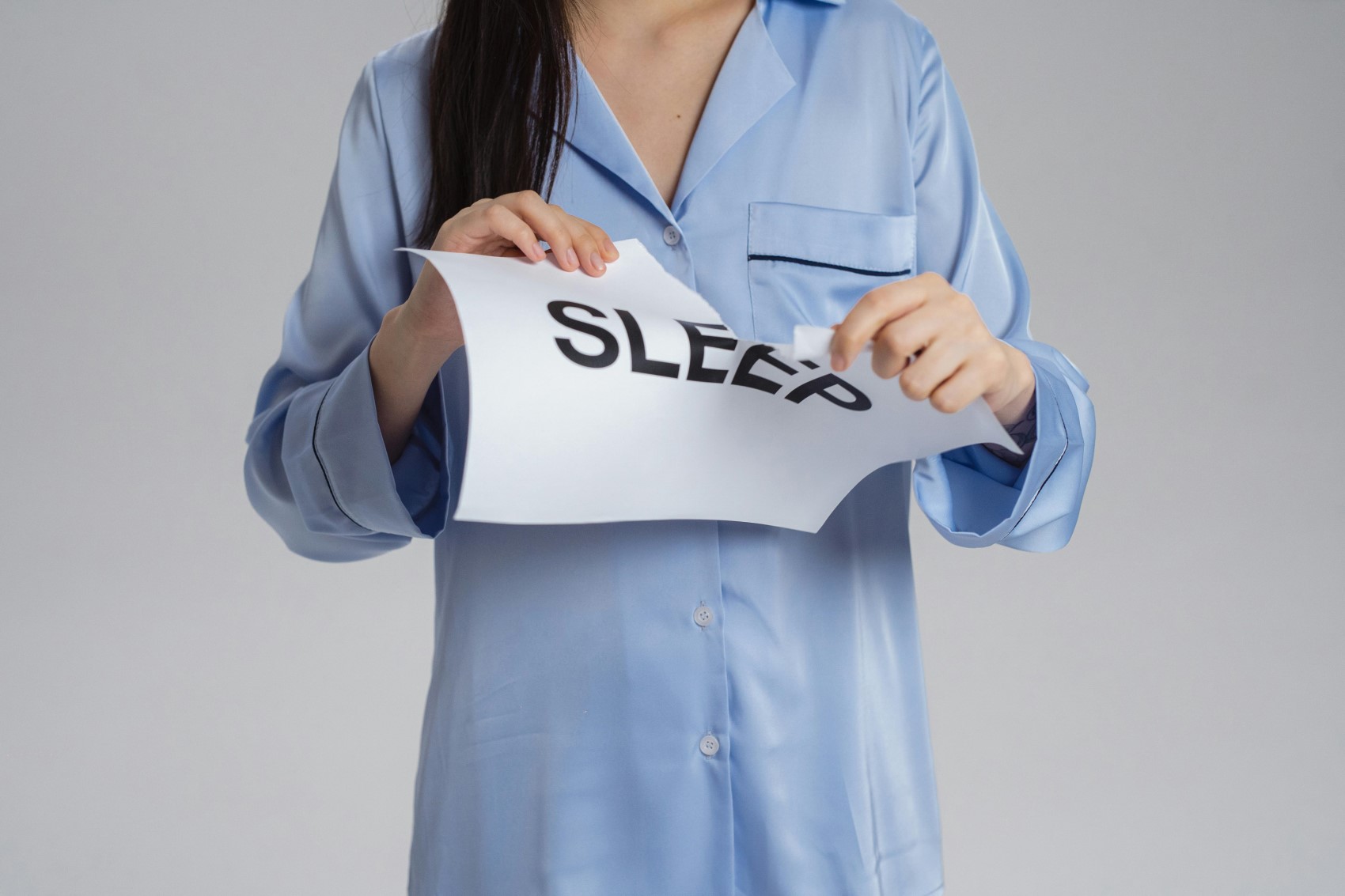
WHY IS SLEEP HYGIENE DISRUPTED?
The root of your insomnia may be psychological symptoms such as "depression and anxiety." However, even if you do not have any health problems, you may still encounter disruptions in your sleep hygiene.
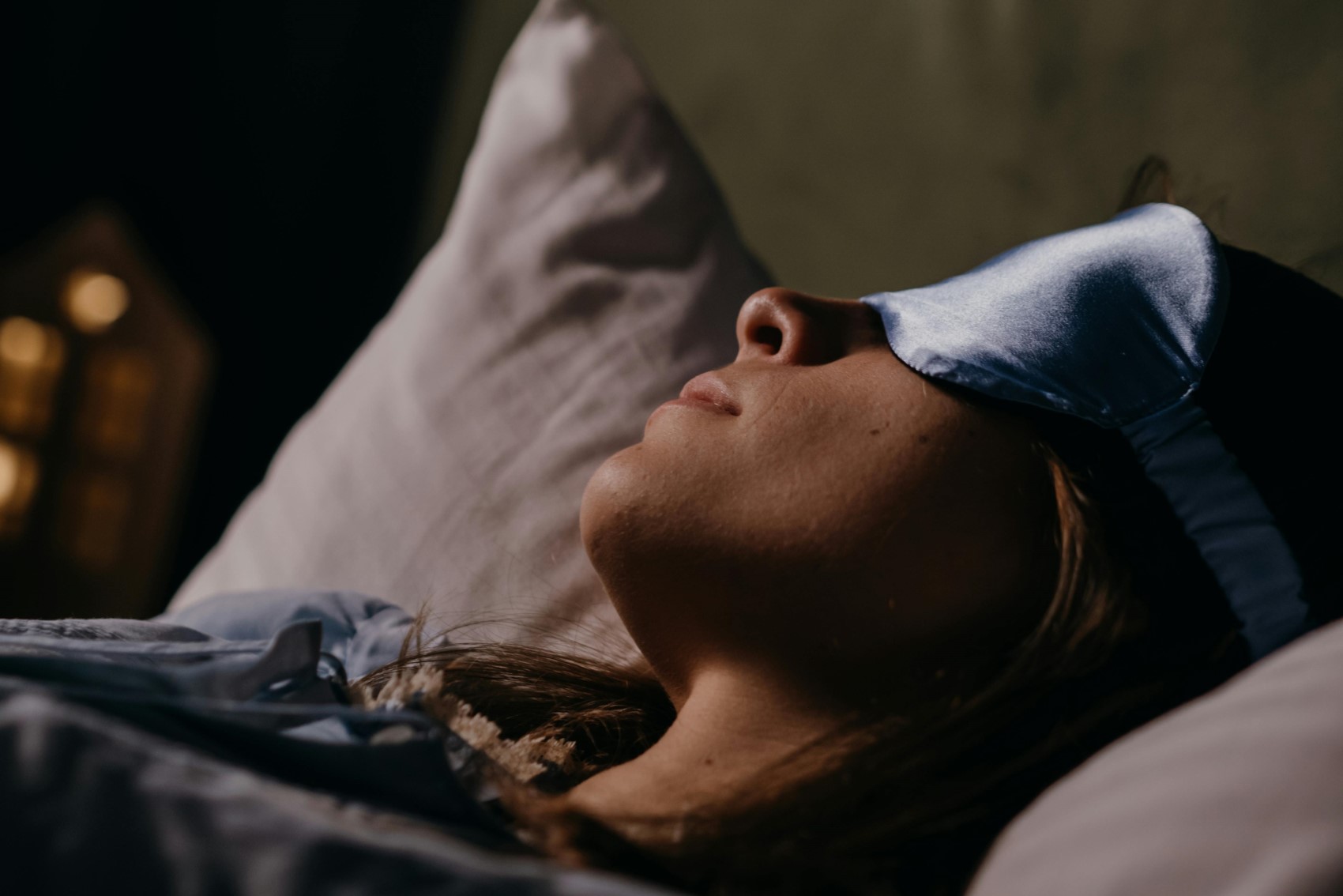
HOW IS SLEEP HYGIENE ACHIEVED?
Wait until you are truly sleepy
If you are not yet sleepy at your regular bedtime, try to relax and engage in calming activities such as reading a book or listening to music. In this way, you can relax your body and prepare yourself for sleep.
Habits can make it easier to fall asleep
Short habits you perform before bed, such as reading or listening to music, will make it easier to fall asleep. You should avoid activities that require effort and activate your body, such as exercise.

If you cannot sleep after getting into bed, get out of bed
If you still haven't fallen asleep within 20 minutes of getting into bed, it means you won't be able to. When you experience this, get out of bed and engage in relaxation activities.
Definitely avoid daytime naps
Because the short naps you take during the day are time stolen from your night's sleep. In this case, falling asleep at night may be delayed, which disrupts your sleep pattern.
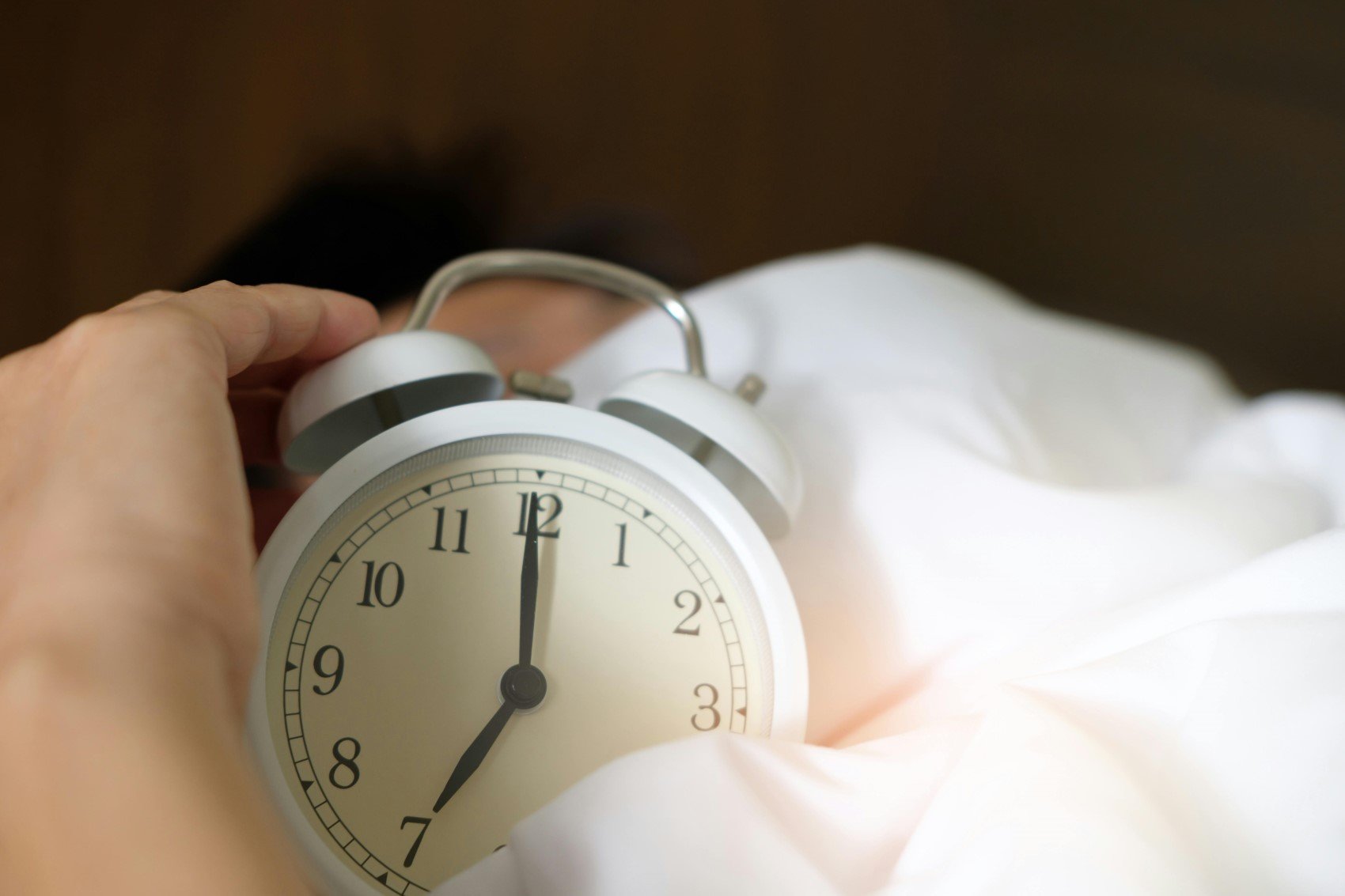
Regulate your sleep and wake times
Try not to change your sleep and wake times on weekends or holidays. Go to bed and wake up at your usual time even on such days. It should be known that it is night sleep that rests a person and prepares them for the day. Once you lose your sleep rhythm, it can be difficult to regain it. Therefore, you should take care not to disrupt your routine.
Use the bed only for sleeping
Avoid behaviors such as watching television, reading books or newspapers, playing computer games, or eating in bed. This way, your body will prepare itself only for sleep when you get into bed.

Do not consume caffeine after dinner
You should know that the caffeine in one cup of coffee remains effective for 6-8 hours. For this reason, take care not to consume foods containing caffeine after 6:00 PM.
Stay away from stress, do not think too much before sleep
Remember, the bed is not the place to settle the day's accounts. If you do this, falling asleep will become a problem. Also, do not engage in activities that make your brain work intensely, such as puzzles.
The environment where you sleep should be quiet, calm, and cool
Your bedroom should be simply furnished, quiet, dark, and cool. Light and heat are factors that drive away sleep. If you want light, illuminate your hallway, not your bedroom. If you absolutely must have sound, you can listen to light, soft music.

WHAT SHOULD BE CONSIDERED FOR QUALITY SLEEP?
- You should have a sleep routine, and sleep hours should not be changed.
- The bedroom should be preferred for sleeping, and yellow light should be used instead of white light.
- Exercise should be done before sleep. Consistent activity improves sleep quality.
- Attention should be paid to nutrition. Proper nutrition supports quality sleep.
- Alcohol and nicotine should be avoided. The stimulating effect of nicotine in tobacco products disrupts sleep comfort.
- In addition to these, going outside during the day, being in bright environments, and engaging in activities are very important for hygienic sleep.