Technology addiction can cause various eye disorders
Phones, computers, and tablets, which are a part of our lives, can lead to many ailments with prolonged use due to the blue light emitted from their screens.
12punto
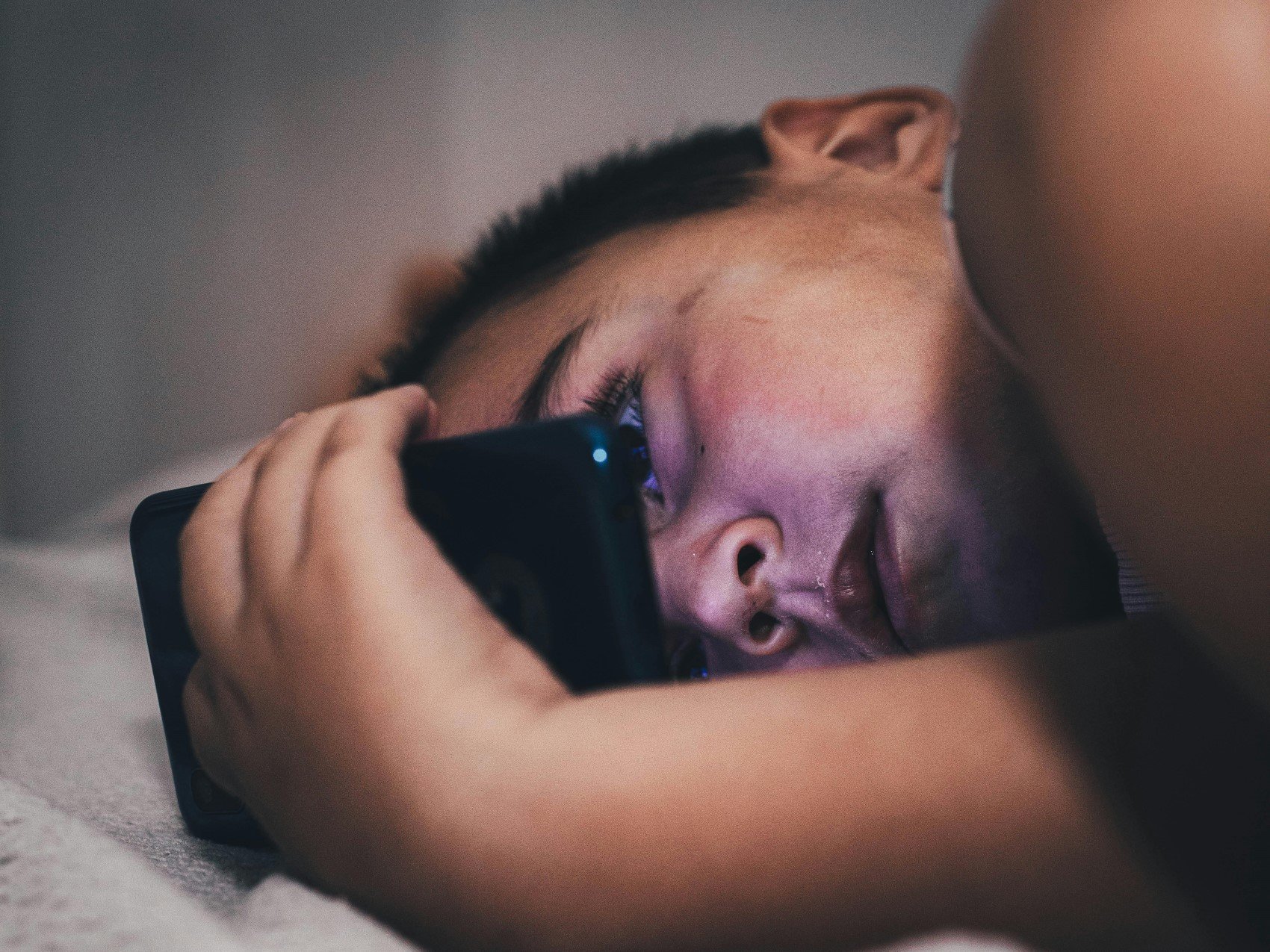
The screen we look at has a fundamentally flat structure. However, the shapes, videos, and games that appear on the screen are designed to be 3-dimensional. Seeing shapes with depth within a flat form also significantly negatively affects our 3D perception.
Staring at a screen for a long time in a fixed position not only reduces our sensations and reactions but also makes it increasingly difficult for us to distinguish between distance and proximity.
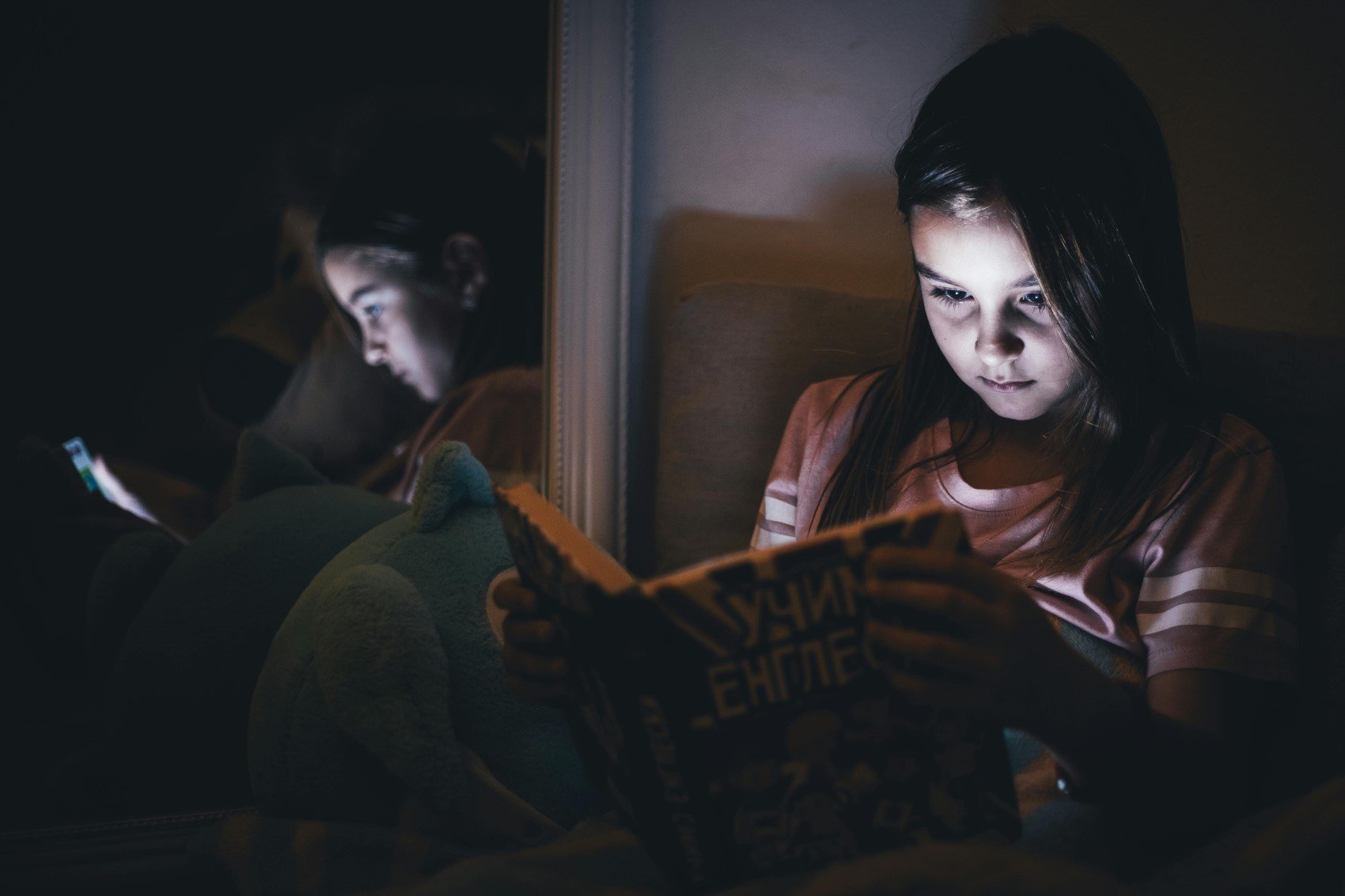
THE HARMS OF LOOKING AT A SCREEN FOR A LONG TIME
Dryness in the eyes is among the common ailments because our blinking reflex decreases while looking at screens. This eye dryness leads to our eyes being unable to clean themselves, regenerate, and stay moisturized.
The screen we look at has a fundamentally flat structure. However, the shapes, videos, and games that appear on the screen are designed to be 3-dimensional. Seeing shapes with depth within a flat form also significantly negatively affects our 3D perception.
Staring at a screen for a long time in a fixed position not only reduces our sensations and reactions but also makes it increasingly difficult for us to distinguish between distance and proximity.
WHAT CAN BE DONE TO PREVENT THESE HARMS?
Don't forget to blink
While we normally blink about 15 times a minute, this number drops to 5-7 times per minute when using computers and other digital screen devices. Your eyes provide the moisture they need through blinking. Therefore, make a conscious effort to blink as often as possible. You can even place small notes in your immediate surroundings to remind yourself to blink.
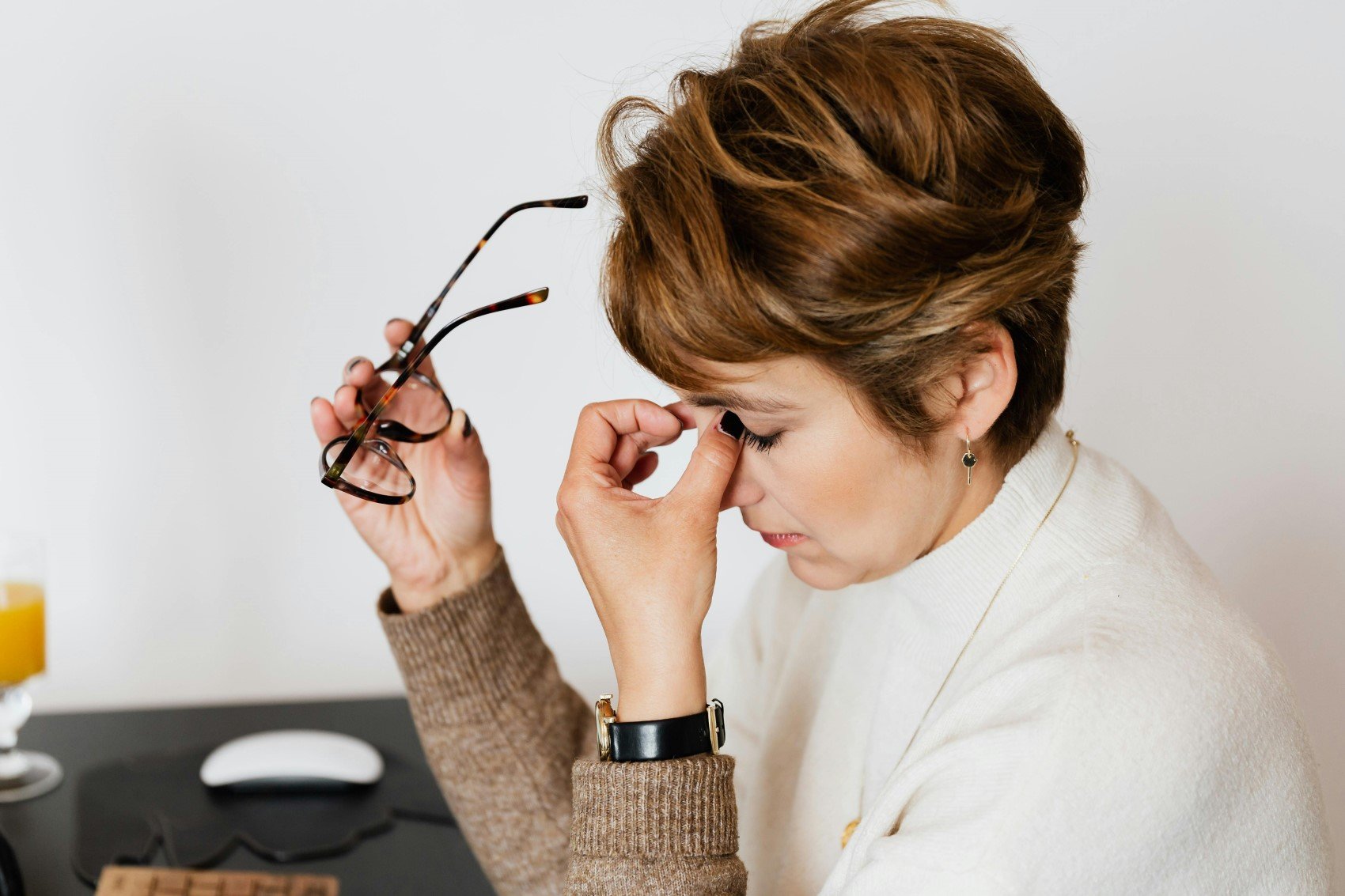
Moisturize your eyes
When you feel dryness, you can use artificial eye drops to refresh your eyes. If you are constantly in a dry and hot room, it might also be a good idea to humidify the air.
Follow the "20-20-20" rule
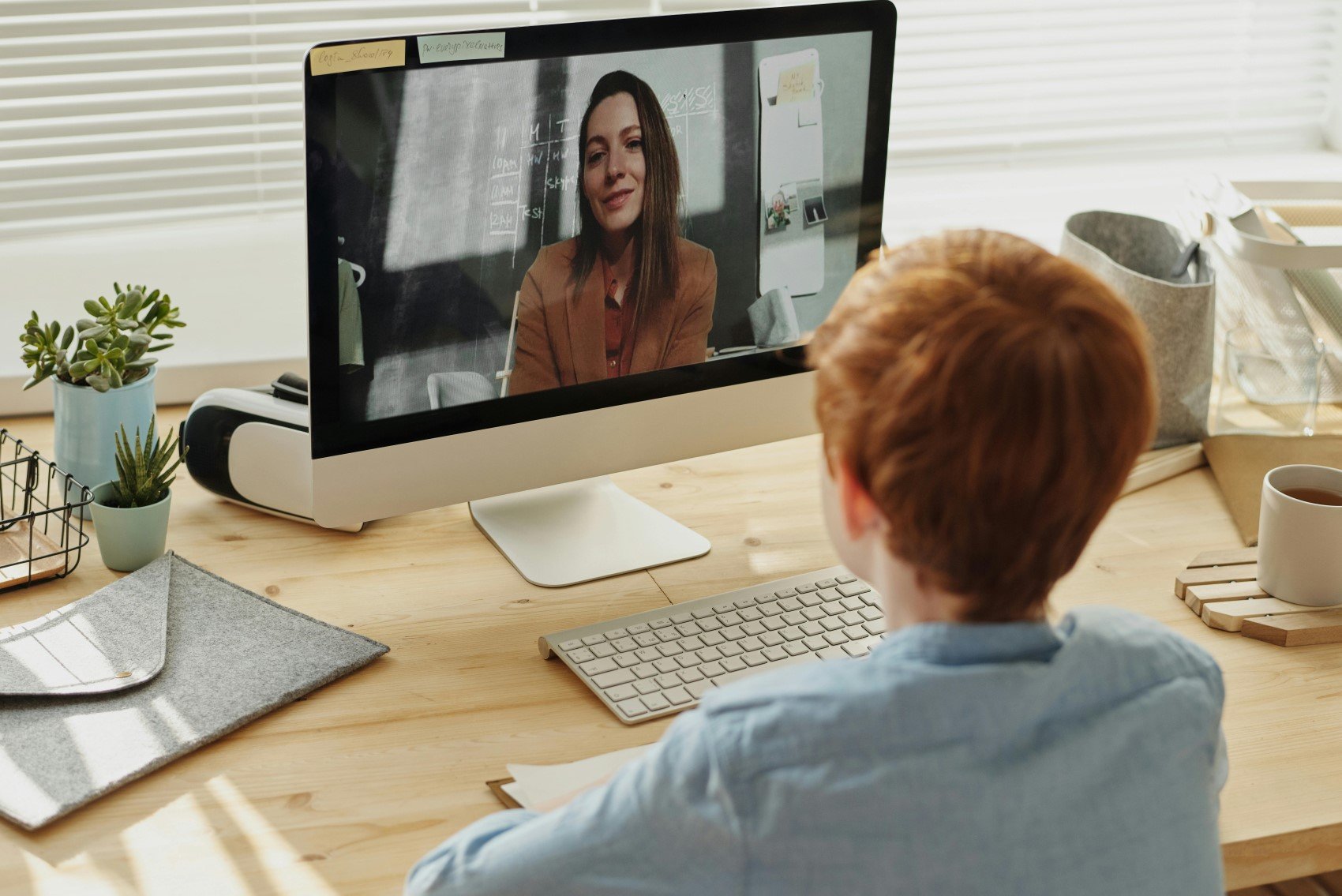
Take regular breaks by applying the "20-20-20" rule. Every 20 minutes, focus your eyes on an object at least 6 meters (20 feet) away for at least 20 seconds. Considering that online classes average 30 minutes, this practice will also be beneficial for your child.
Use computer glasses
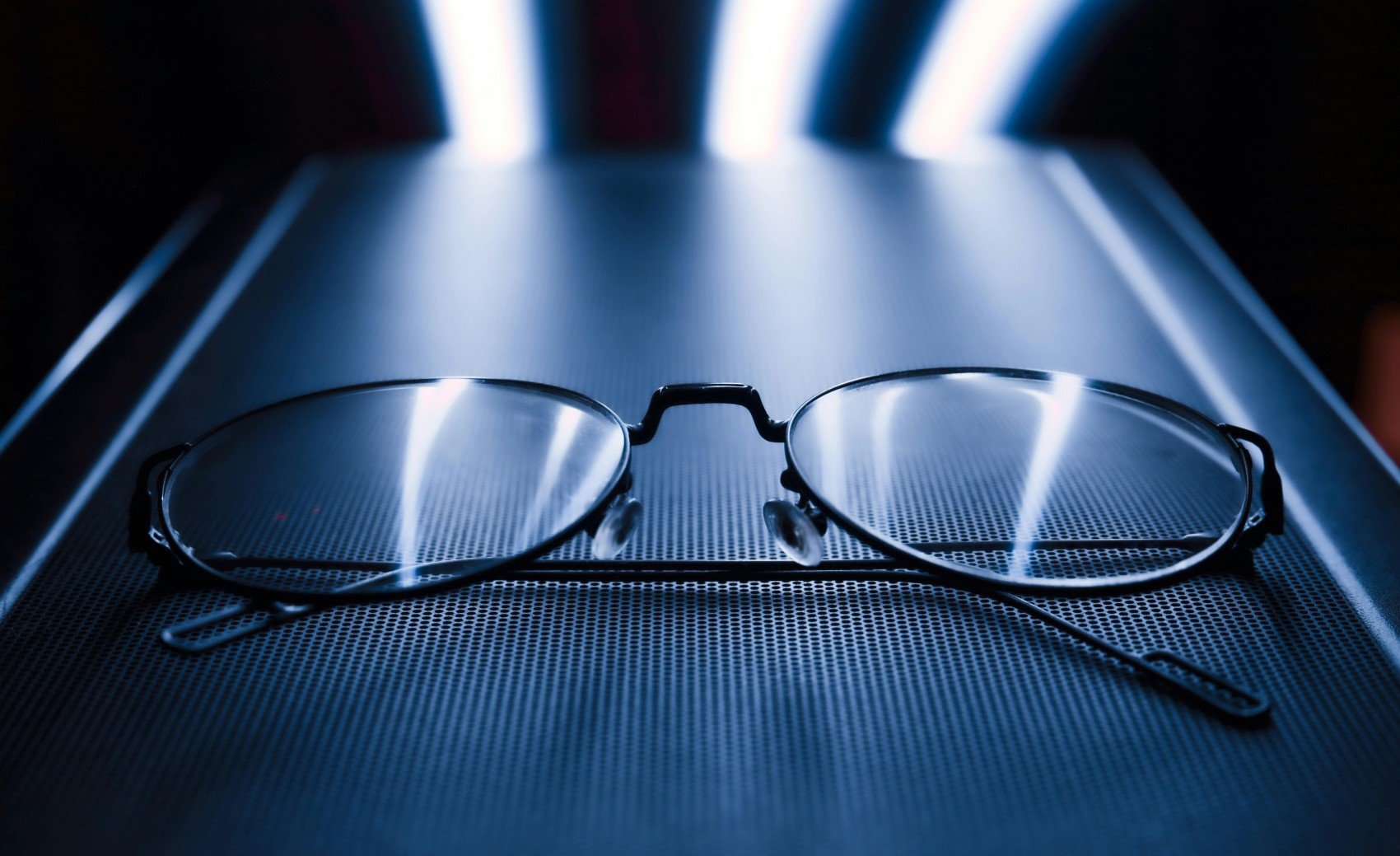
If you have difficulty seeing near objects and spend hours in front of a computer, you can reduce your eye strain by using computer glasses suitable for your working distance. You can measure your screen viewing distance beforehand and tell your ophthalmologist. The ideal distance is approximately 50 – 60 cm.
Adjust your screen's brightness and contrast
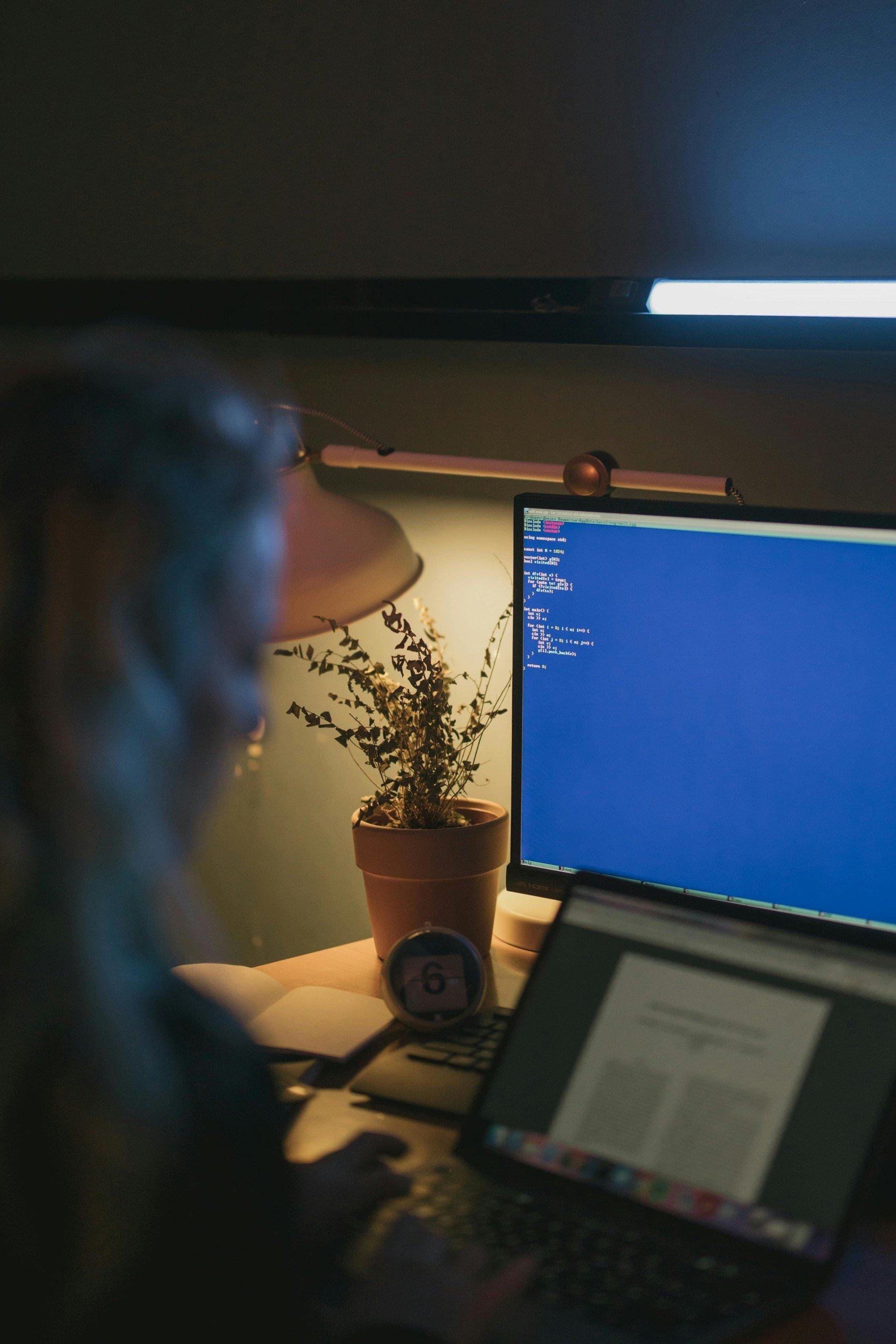
If your screen is brighter than your surroundings, your eyes will work harder to adapt to the different light and will tire more quickly. Adjust your screen's brightness to match the light level in your environment. Also, try increasing the contrast on your screen to reduce eye strain.
Go for a doctor's check-up
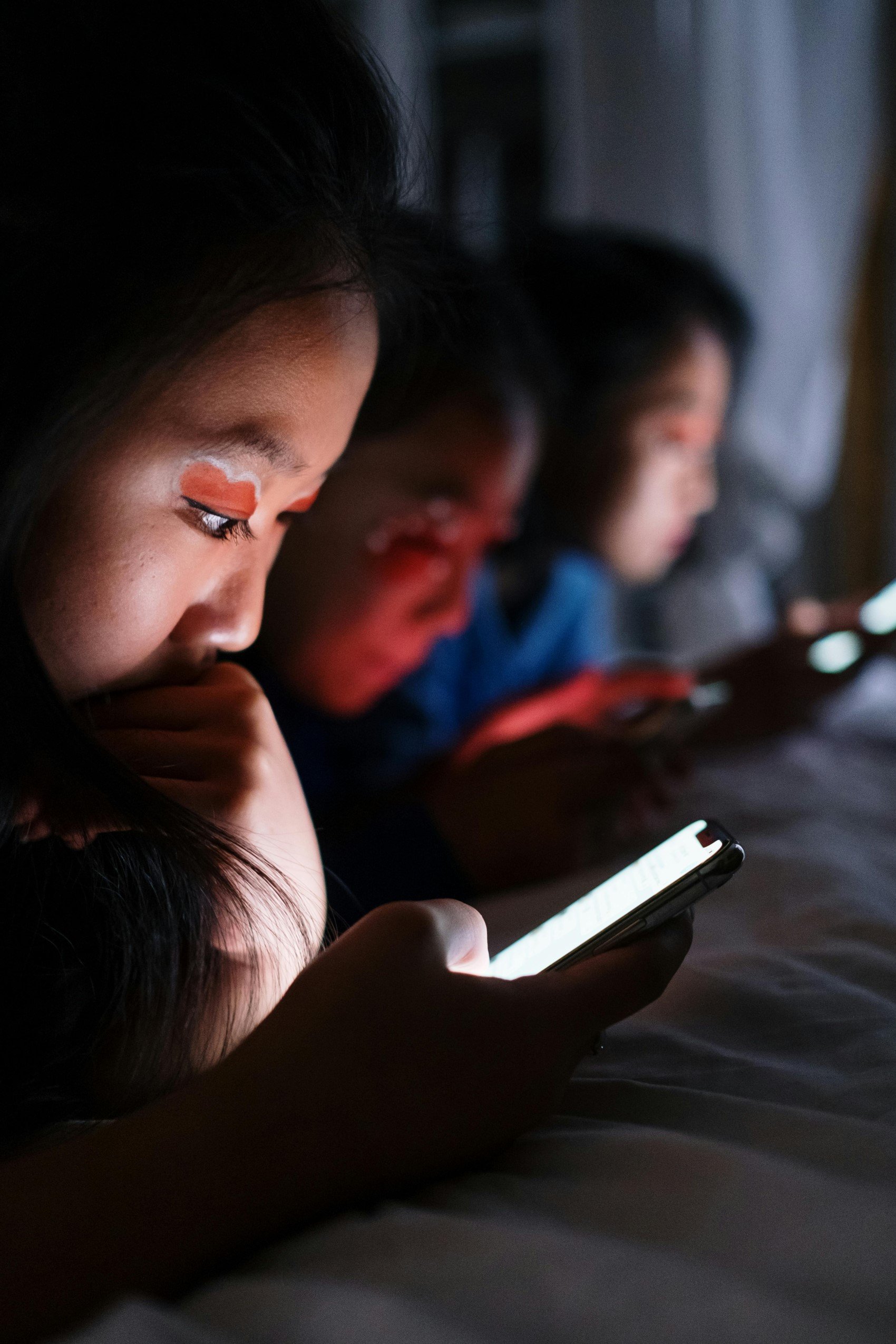
If your eyes are red, sensitive to light, painful, watering, or blurry, be sure to consult your ophthalmologist. When you look at a screen for hours, you are exposed to the blue light emitted by this device. Although there is no scientific evidence that this blue light from digital devices damages your eyes, blue light filter screen glasses may reduce these ailments you are experiencing.
Blue light affects the body's circadian rhythm, that is, the natural wake and sleep cycle. The blue light we are exposed to throughout the day wakes us up and stimulates us. Therefore, being exposed to blue light by focusing on your phone, tablet, or computer until late at night can also make it difficult for you to fall asleep. If you have sleep problems, it would be beneficial to step away from the screen two or three hours before going to bed. Let us also note that many devices today have night settings that minimize exposure to blue light in the evenings. You can also adjust your digital screens in this way.