Teeth clenching is raising alarms among young people: What causes bruxism? How can it be prevented?
With many different underlying causes, teeth clenching (bruxism) and teeth grinding have become a significant and increasingly common health issue today. While encountered in every age group, the age group where teeth clenching is most frequently seen is young adults between 20 and 40 years old. So, what are the main causes of teeth clenching? Here are the details...
12punto
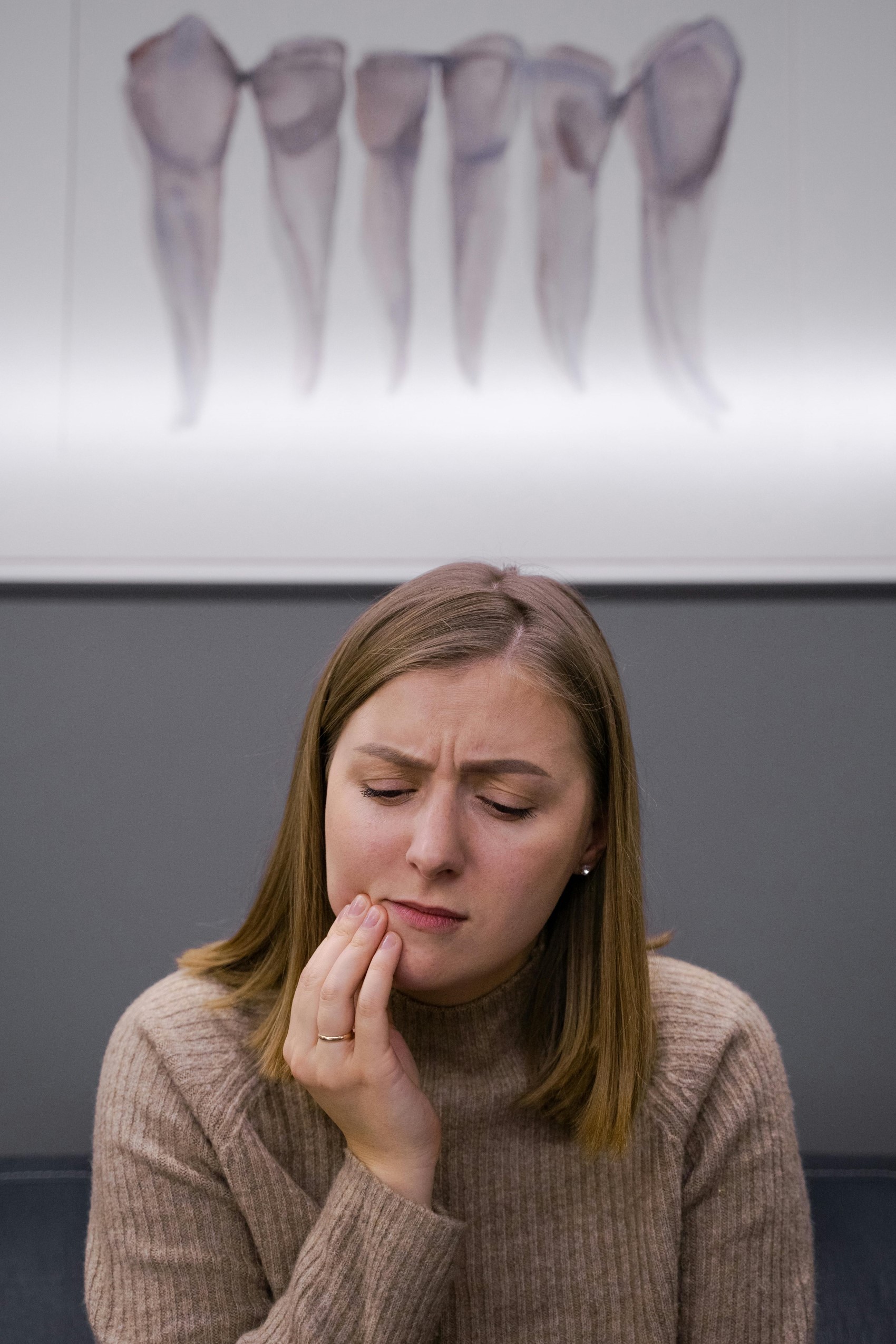
While exam periods, stressful work environments, and intense psychological pressures increase the risk of teeth clenching in young people, short-term teeth clenching behaviors can also be seen in children during periods of tooth transition. There are other factors that are effective in the development of bruxism. Anxiety, sleep disorders, dental problems (such as malocclusion), certain antidepressants, and neurological diseases are among the primary factors.

TEETH CLENCHING CAN BE DANGEROUS IN THE LONG TERM
When teeth clenching and grinding occur unconsciously during sleep, they lead to tooth wear, sensitivity, jaw joint pain, and problems in the head and neck muscles in the long term. If left untreated for a long time, it causes permanent damage to the tooth structure and serious functional losses in the jaw joint.
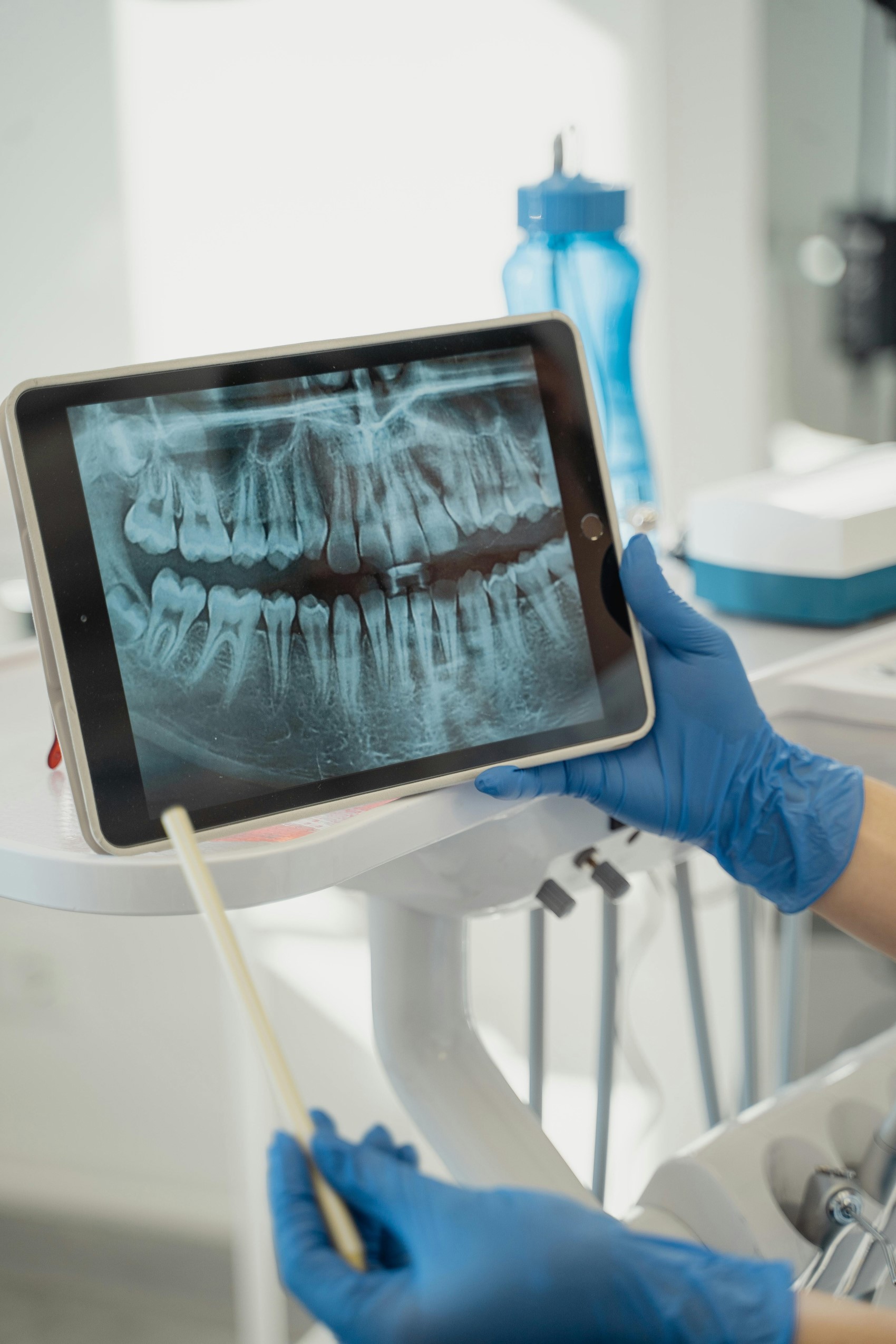
IT CAN BE PREVENTED WITH EARLY DIAGNOSIS
Stating that the problems caused by teeth clenching can be prevented with early diagnosis and correct intervention, Merve Çakır, a faculty member at İstanbul Okan University Faculty of Dentistry, Department of Oral, Dental and Maxillofacial Surgery, also has a few suggestions to reduce the effects of teeth clenching:

Reduce: Develop methods to reduce your stress (exercise, meditation, hobbies).
Change: Change your sleep routine. Acquire a habit of regular and quality sleep.
Relax: Perform exercises that relax the jaw muscles.
Set limits: Limit your caffeine and alcohol consumption.
Do not neglect: Do not neglect your dental check-ups.