The 10 biggest archaeological discoveries made in Turkey in 2024
The end of 2024 is approaching, and throughout the year, archaeologists have conducted significant work in many parts of Anatolia. Following these efforts, major archaeological discoveries were made. Here are the most important archaeological discoveries made in Turkey in 2024...
12punto
Archaeologists have continued to bring the traces of the past to light this year, working with great dedication in the field, in laboratories, and at their desks. Excavations and surface surveys carried out across Anatolia were full of fascinating discoveries that take us back thousands of years. Here are the most important archaeological discoveries made in Turkey in 2024...
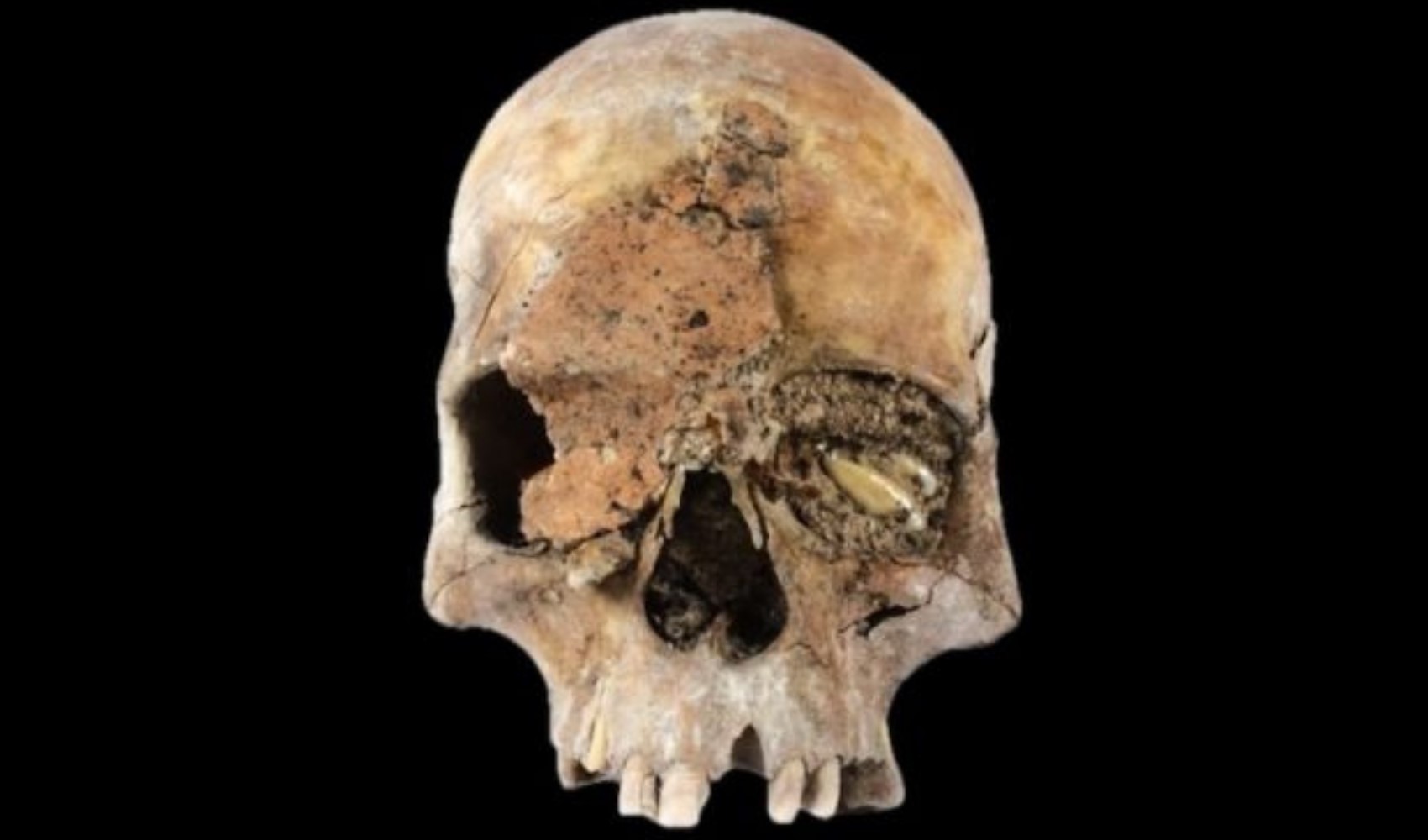
10- Skulls plastered and painted 9,000 years ago (Niğde)
People living 9,000 years ago at the Tepecik-Çiftlik mound in Niğde decorated the skulls of seven individuals by plastering them with clay and lime.
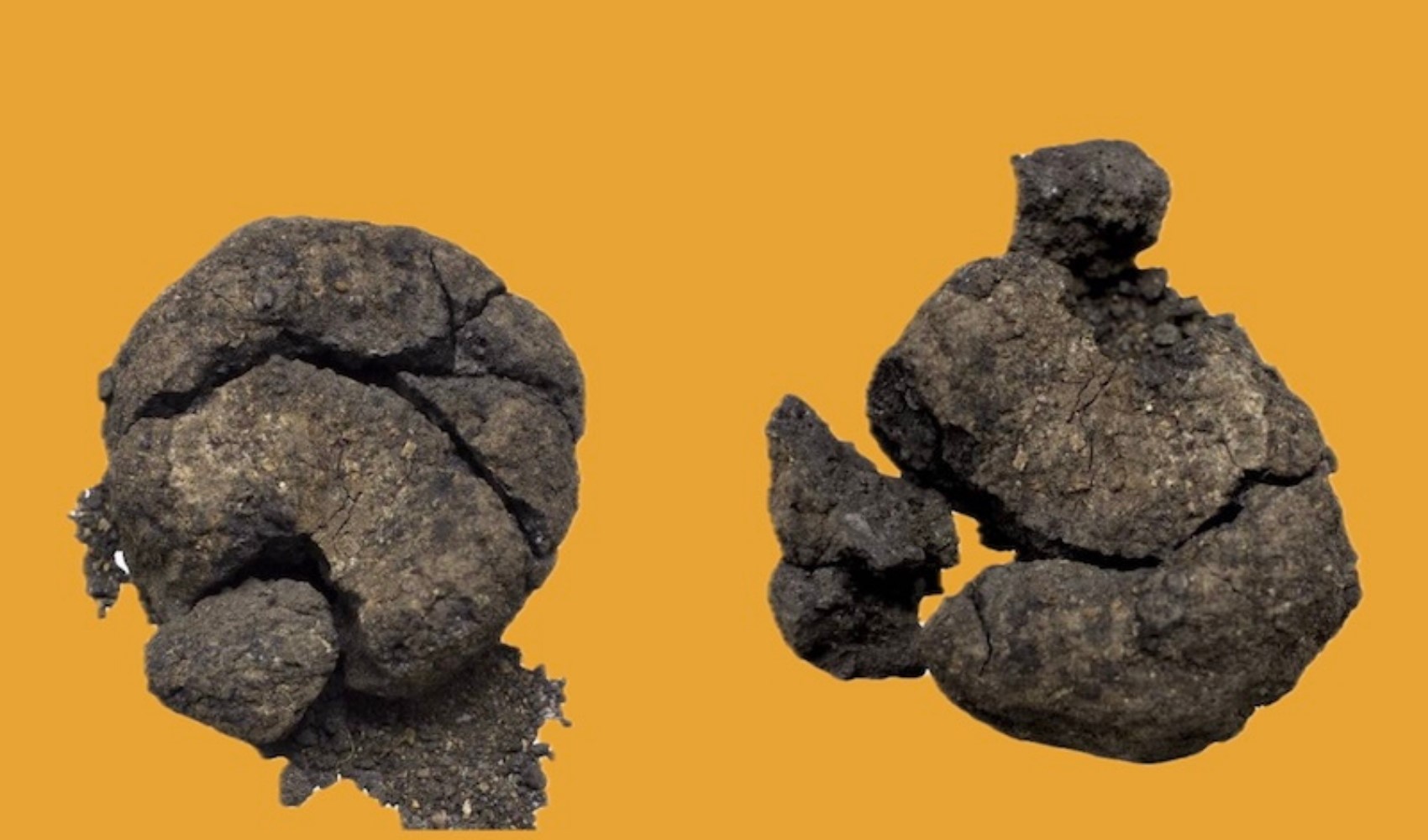
9- 8,600-year-old bread found next to an oven in Çatalhöyük (Konya)
During excavations this year at Çatalhöyük in Konya, a palm-sized remnant, which was evaluated as potentially being food, was found around a largely destroyed oven, along with wheat, barley, and pea seeds. Analyses determined that the remnant in question was fermented "bread."
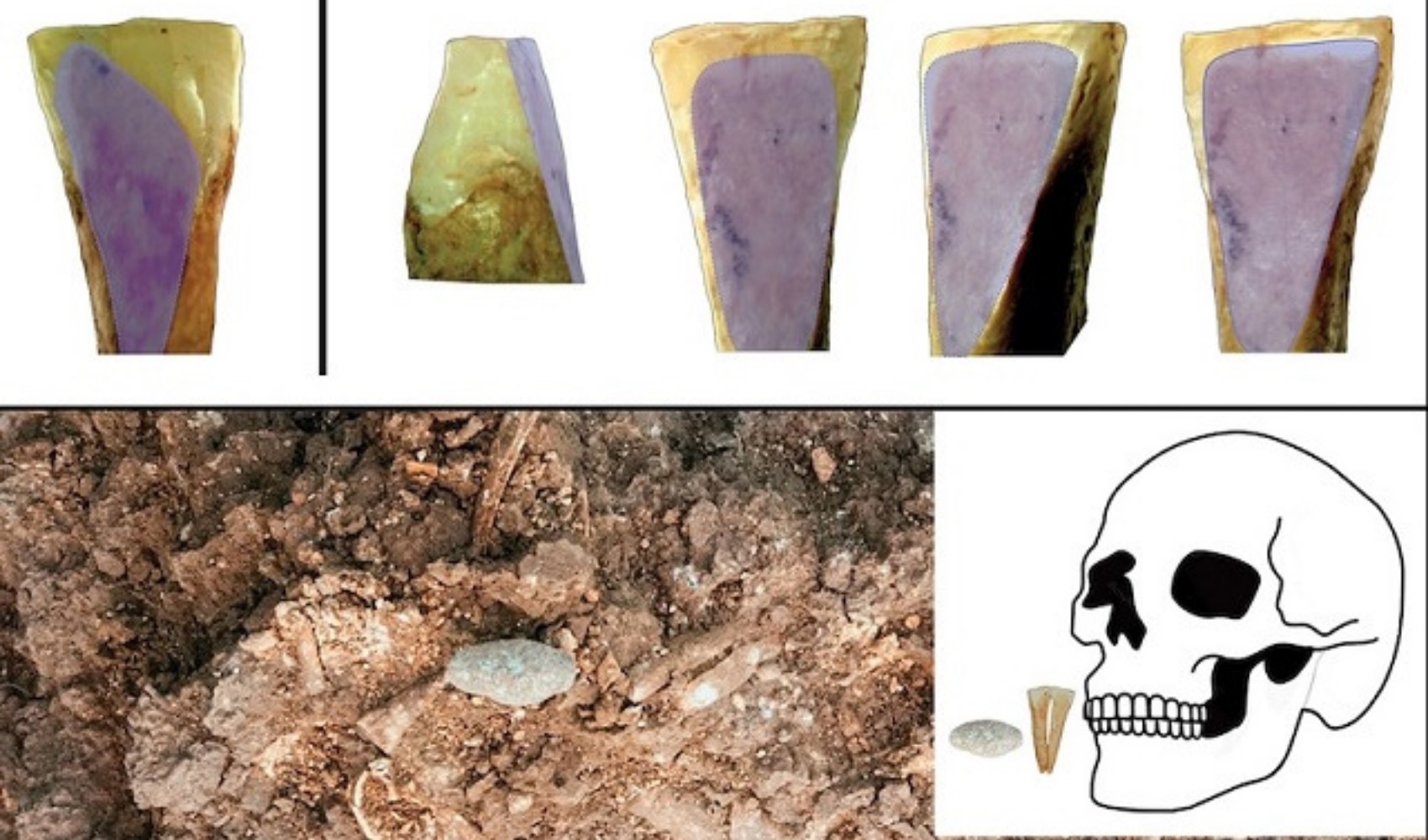
8- Lip piercings in Anatolia 11,000 years ago (Mardin)
Archaeologists discovered more than 100 ornaments used as piercings in adult graves dating back approximately 11,000 years in Mardin.
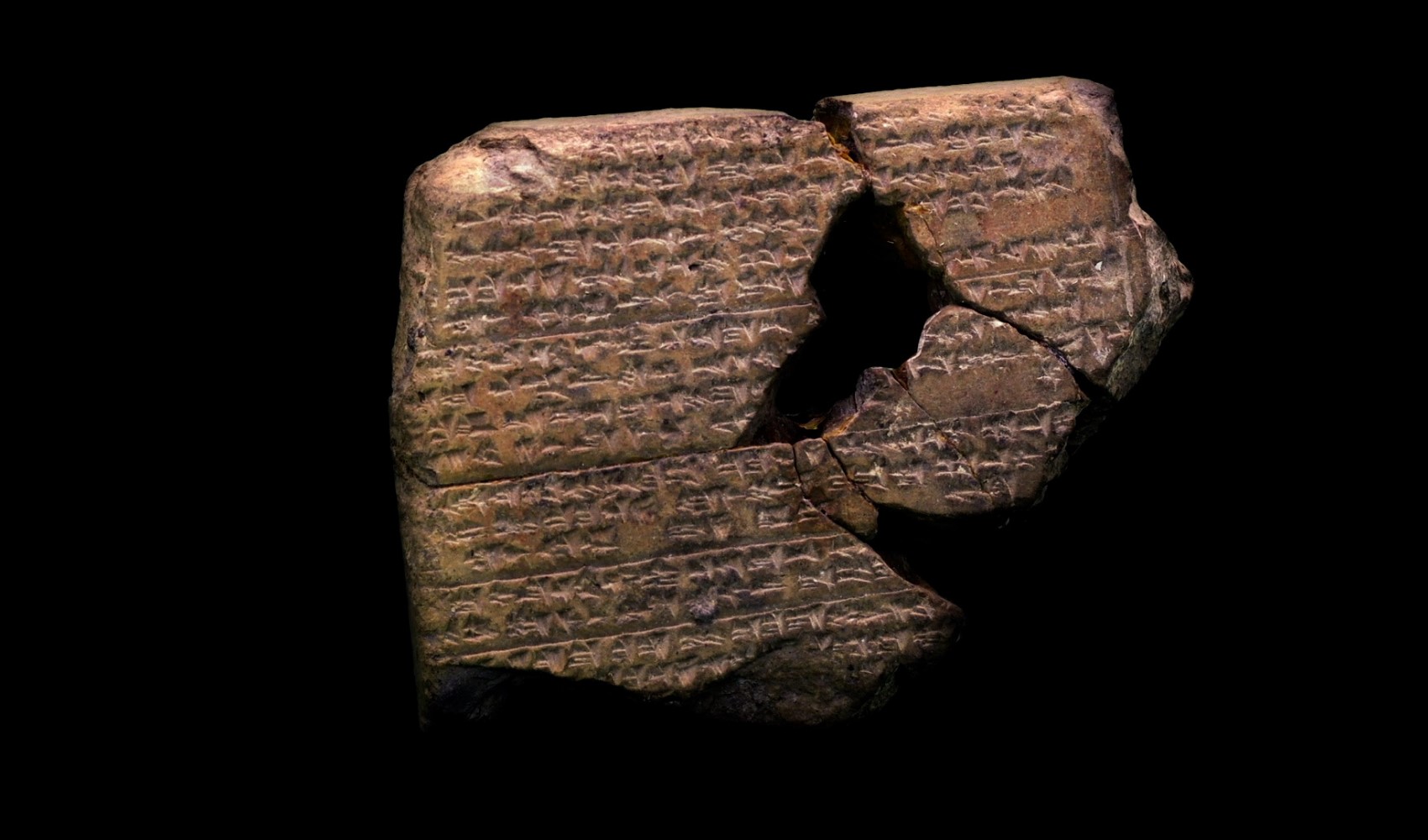
7- A Hittite tablet describing an invasion 3,300 years ago (Kırıkkale)
The approximately 3,300-year-old clay tablet describes a foreign invasion that resulted in disaster for the Hittite Empire, a Bronze Age state. A sacred language written in cuneiform on the tablet suggests that the Hittite king visited or lived in the place where the tablet was found. According to the translation of the tablet's cuneiform text, the invasion took place during a Hittite civil war, apparently in an attempt to assist one of the warring factions.
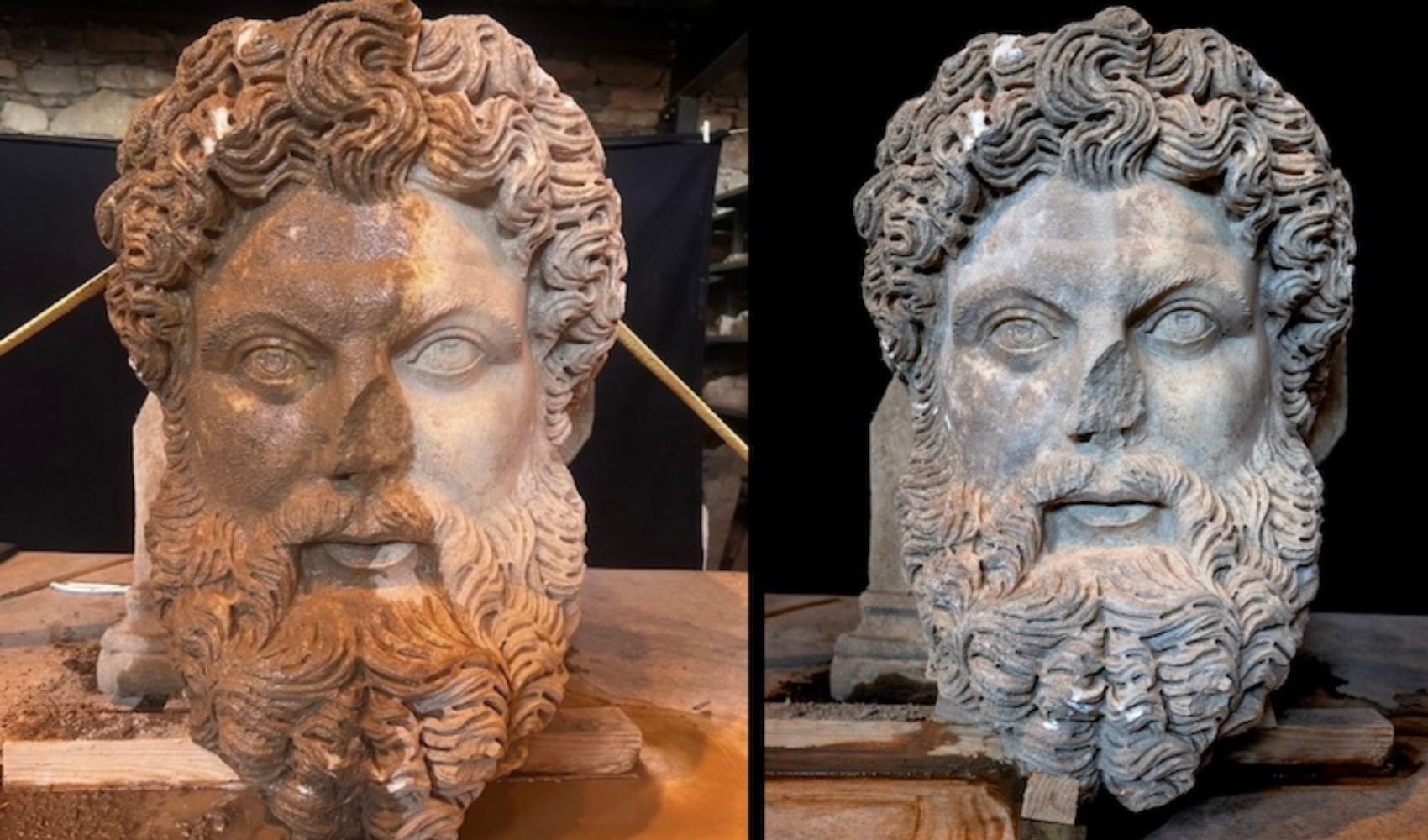
6- An 1,800-year-old monumental head of Zeus in Aphrodisias (Aydın)
In the ancient city of Aphrodisias in the Karacasu district of Aydın, a 66 cm high marble head of Zeus, known as the king of the gods in Greek mythology, was discovered. The marble head, dated to the 2nd to 3rd century AD, was found in an area close to the surface, about 50 meters west of the Temple of Aphrodite, while vegetation around the temple was being cleared to reduce fire risk.
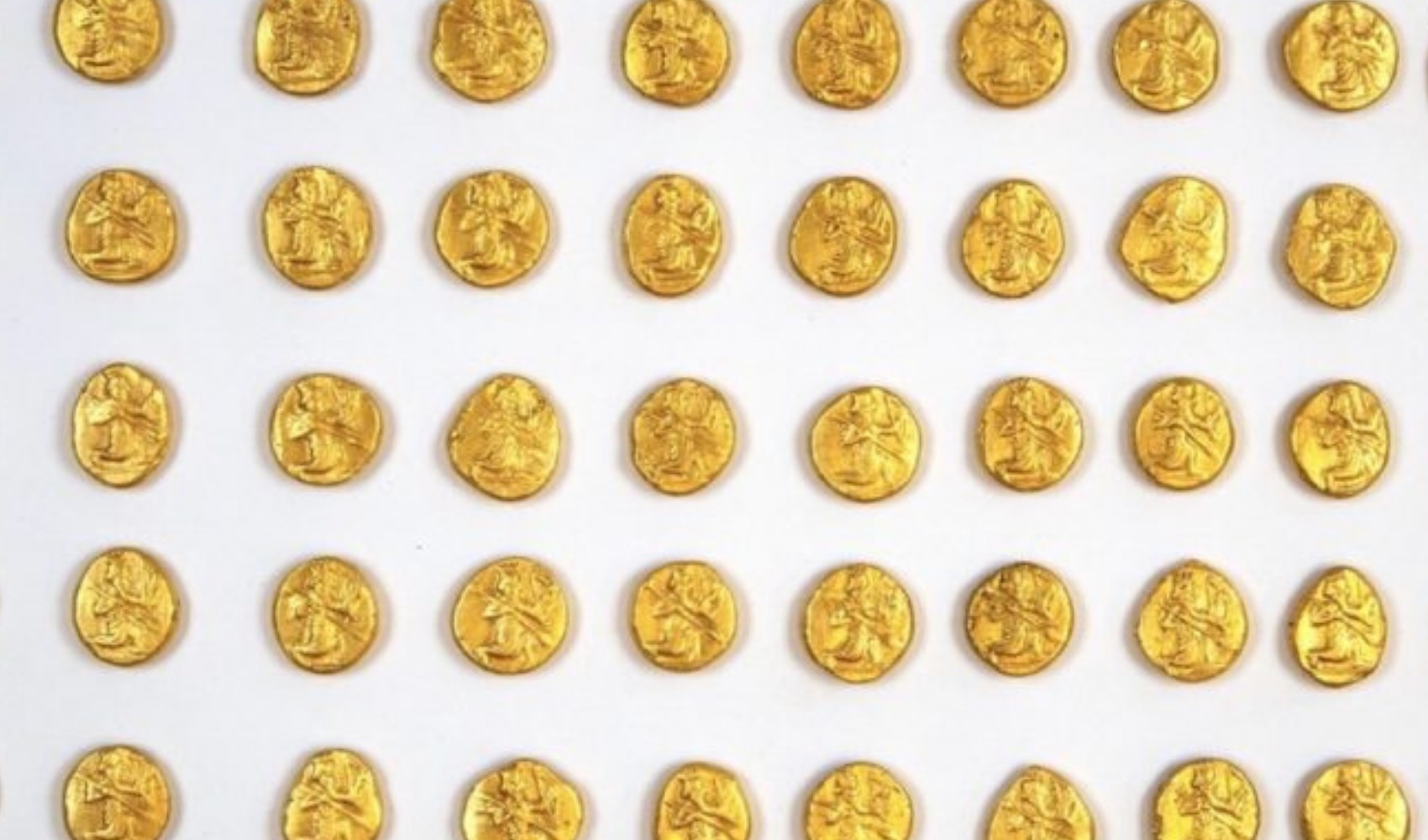
5- Coins hidden in a pot 2,500 years ago (İzmir)
Archaeologists discovered a pot full of gold coins in Notion, a port city 50 km from İzmir and 15 km from Kolophon. These coins bear a kneeling archer figure, which is a design element of the Persian Daric, a gold coin minted by the Persian Empire.
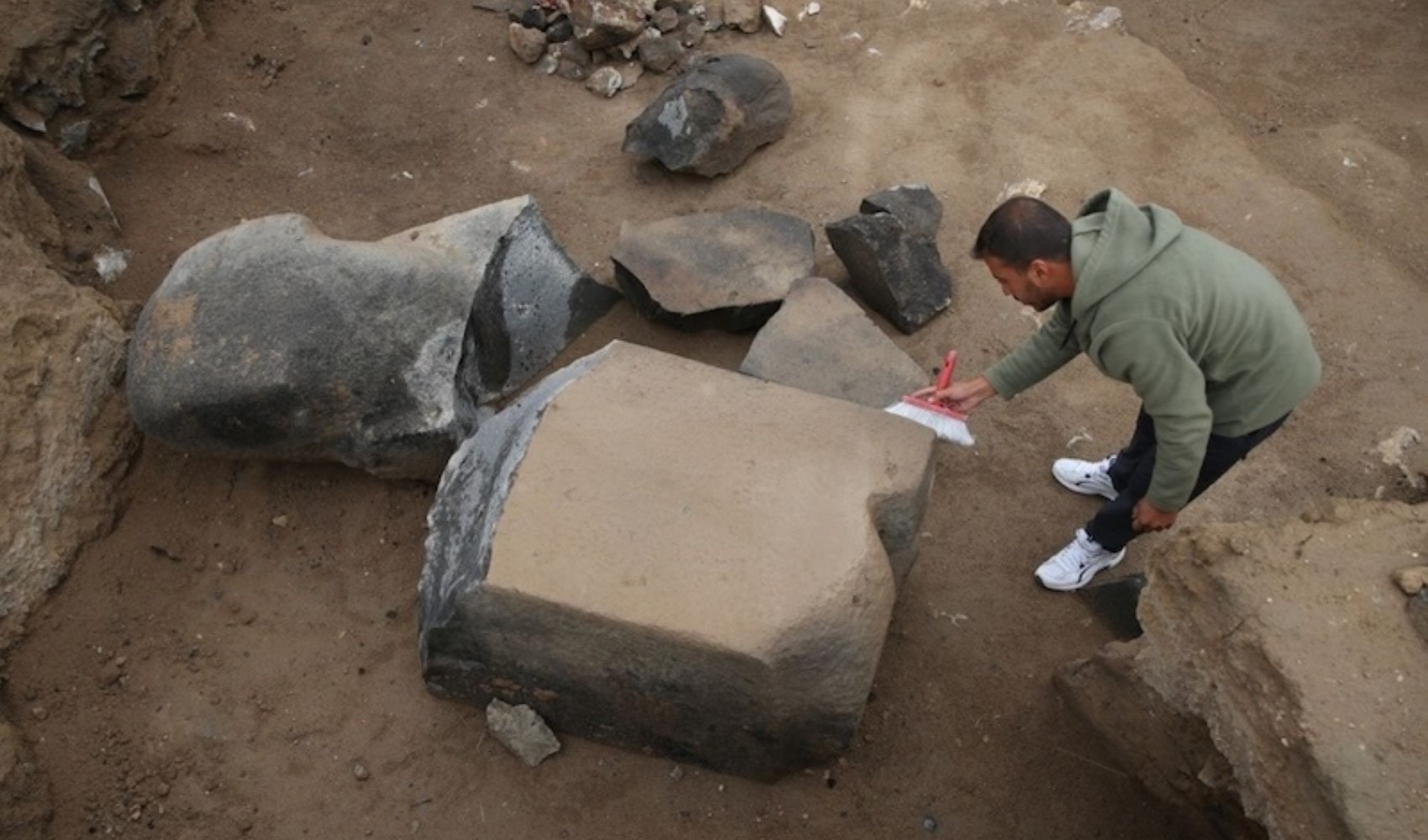
4- A giant basalt statue belonging to the Urartians (Van)
During archaeological excavations carried out at Garibin Tepe in Van, a massive basalt statue weighing approximately one ton belonging to the Urartians was discovered. This monumental statue, approximately two meters long and one meter wide, offers an important example of Urartian plastic arts.
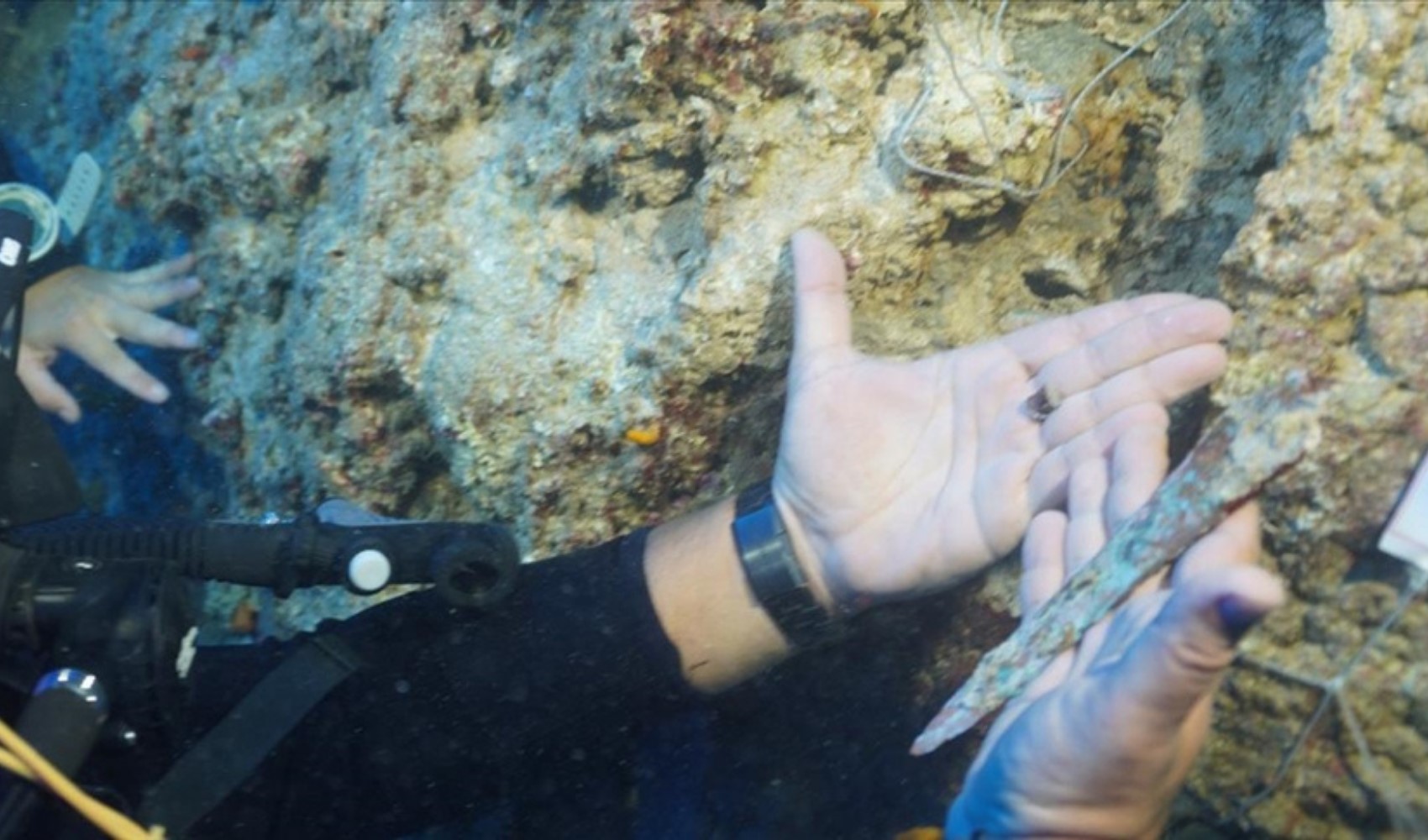
3- 3,600-year-old Minoan dagger off the coast of Kumluca (Antalya)
A 3,600-year-old bronze dagger belonging to the Cretan-Minoan Civilization was discovered during underwater excavations off the coast of the Kumluca district of Antalya. The dagger features silver rivets that showcase the impressive craftsmanship of the Cretan-Minoan Civilization. Researchers estimate that the ship on which the dagger was found sank while traveling toward Crete.
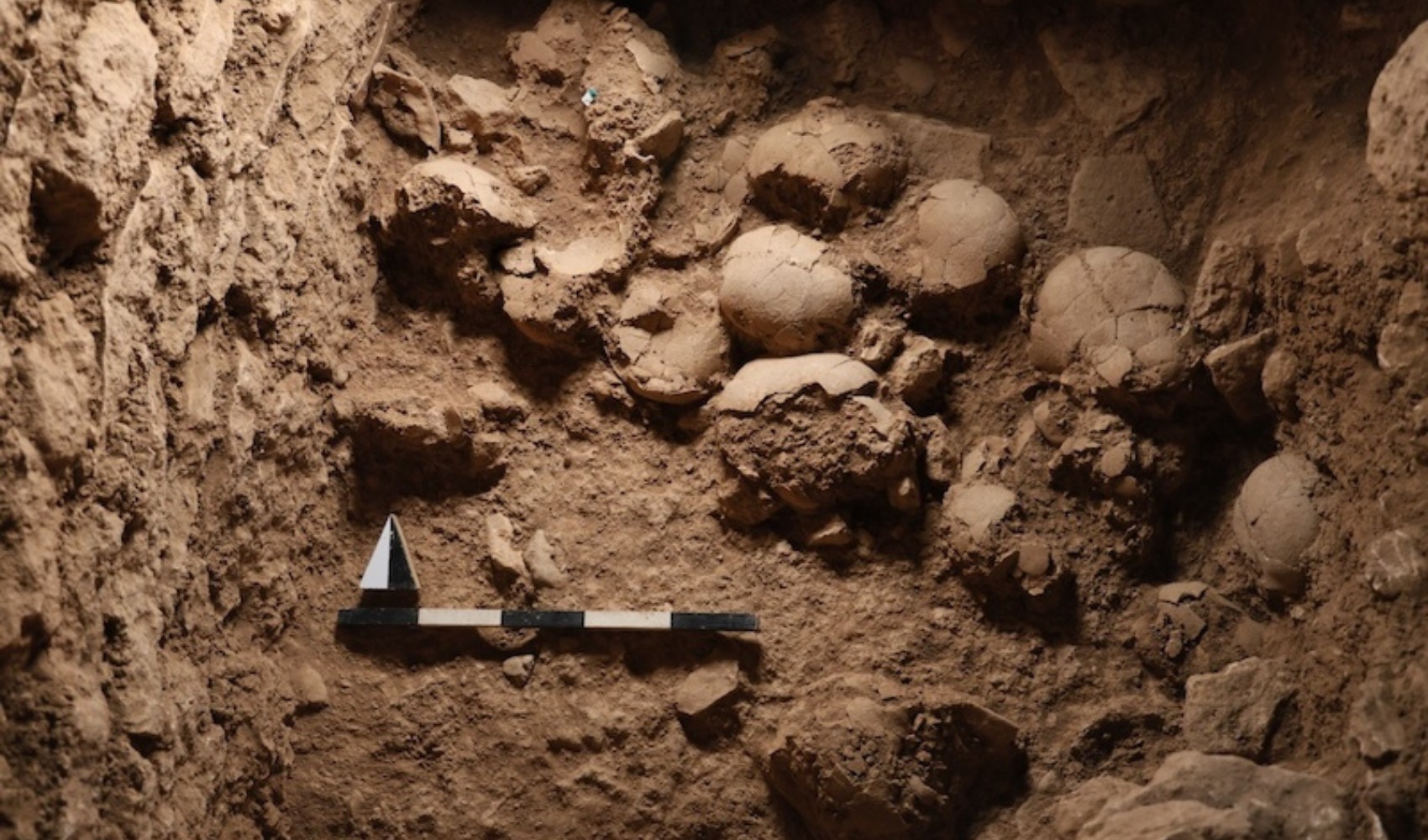
2- A room full of skulls in Sefertepe (Şanlıurfa)
Interesting findings regarding a skull cult were encountered at Sefertepe, a Pre-Pottery Neolithic settlement that is one of the Taş Tepeler sites, which also includes Göbeklitepe. Here, in a special structure, there was a single skull carefully placed inside a niche. This skull indicates that it was part of a ritual to bring the deceased to the settlement and display them after the flesh had decayed. However, another surprising event at Sefertepe was the discovery of 22 skulls arranged in an orderly fashion inside a room. This structure, called the "skull room," is thought to be a precursor to the "Skull Building" found at Çayönü in previous years.
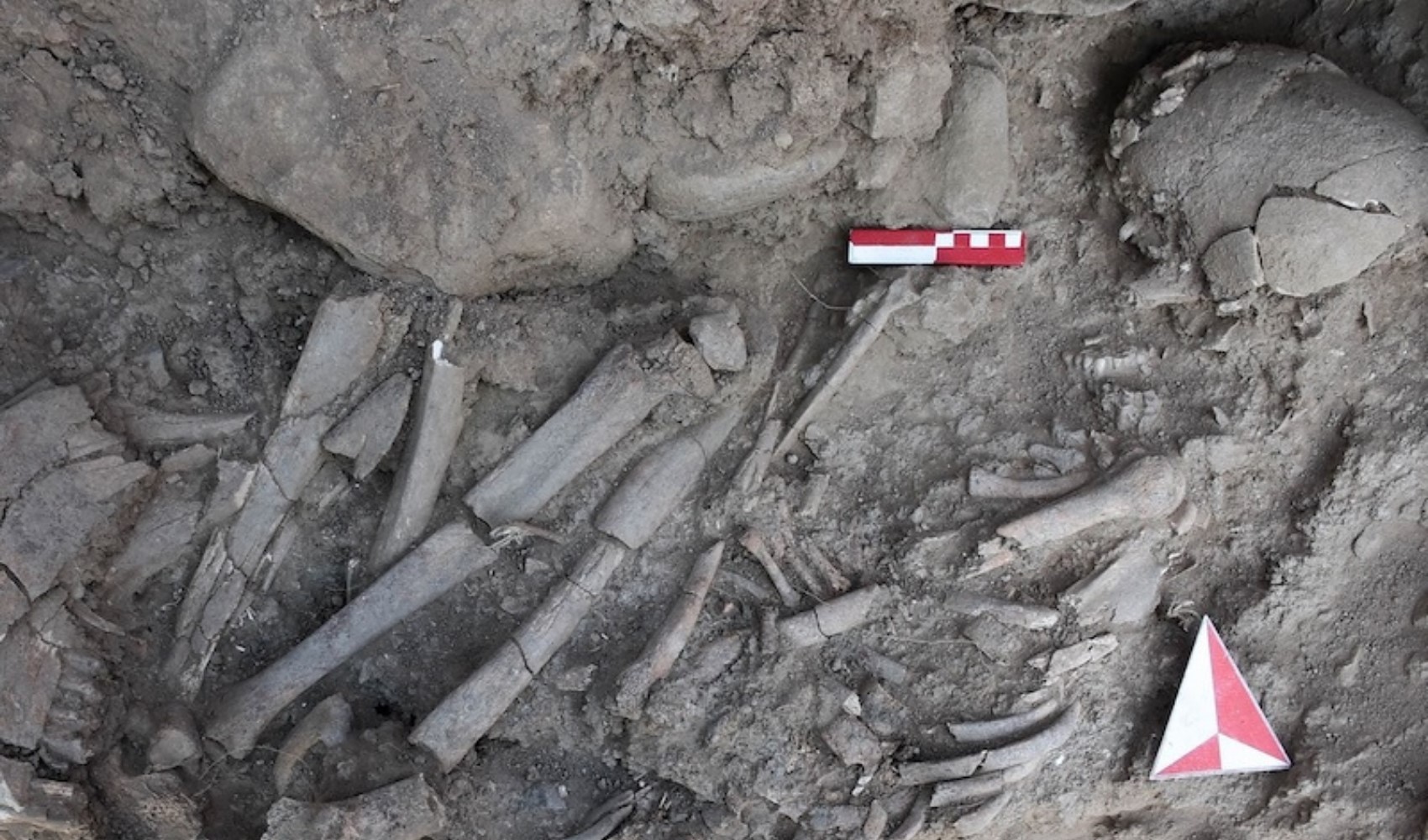
1- A female Shaman 12,000 years ago in Mardin (Mardin)
The extraordinary burial practice found at Çemka Höyük took place during the transition phase just before the development of agriculture, between 10,000 and 8,800 BC, which archaeologists call the Pre-Pottery Neolithic A (PPNA). The woman, who died of natural causes between the ages of 25 and 30, was buried under the floor of a mud-brick building at Çemka Höyük. Another 14 people were buried under other nearby structures. Burying the dead under the floors of houses was common in the PPNA period, but it is surprising that the woman's grave was covered with a large limestone block. This is unusual, especially for this period. There were more surprises inside her grave: an aurochs skull was found on the woman's body, with its jaw detached and placed at the tips of her feet. Additionally, a partridge wing, a marten leg, and the remains of a sheep or goat were scattered in the burial pit. Researchers suggest that the extraordinary burial process at Çemka Höyük may be a sign that the woman was a "shaman" who was believed to have access to the spirits thought to exist in animals.