The dark side of electronic devices: What you need to know about the e-waste crisis
It is widely known that there is too much trash that needs to be disposed of globally. However, today, something very different has become a major source of concern: E-waste. So, what could be the best solutions to e-waste problems?
12punto
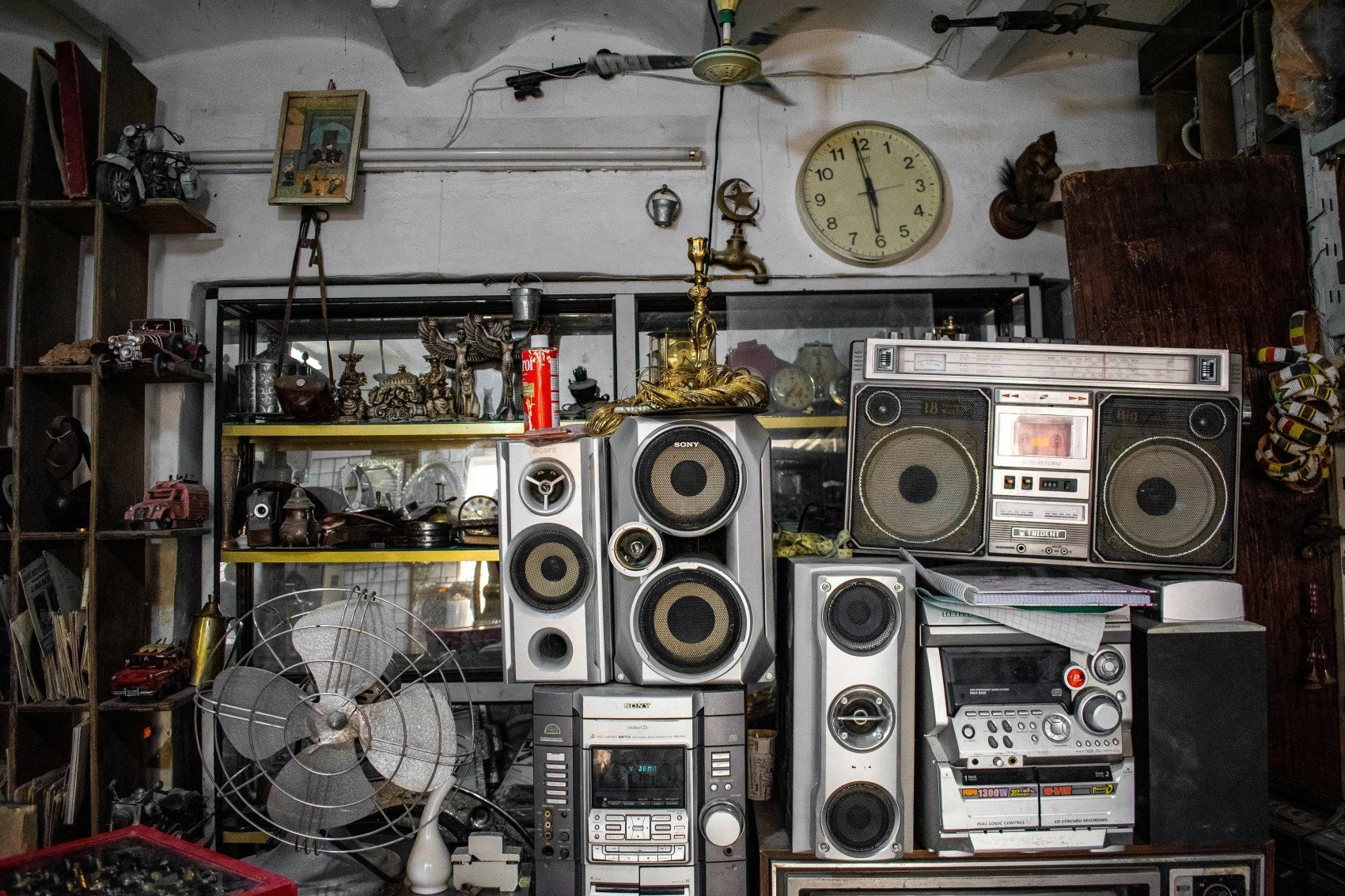
Electrical and electronic devices have become an indispensable part of our daily lives. However, these devices eventually become unusable. With the development of digital technology, consumption habits are also changing rapidly. As new models are released, electronic waste (e-waste) increases accordingly.
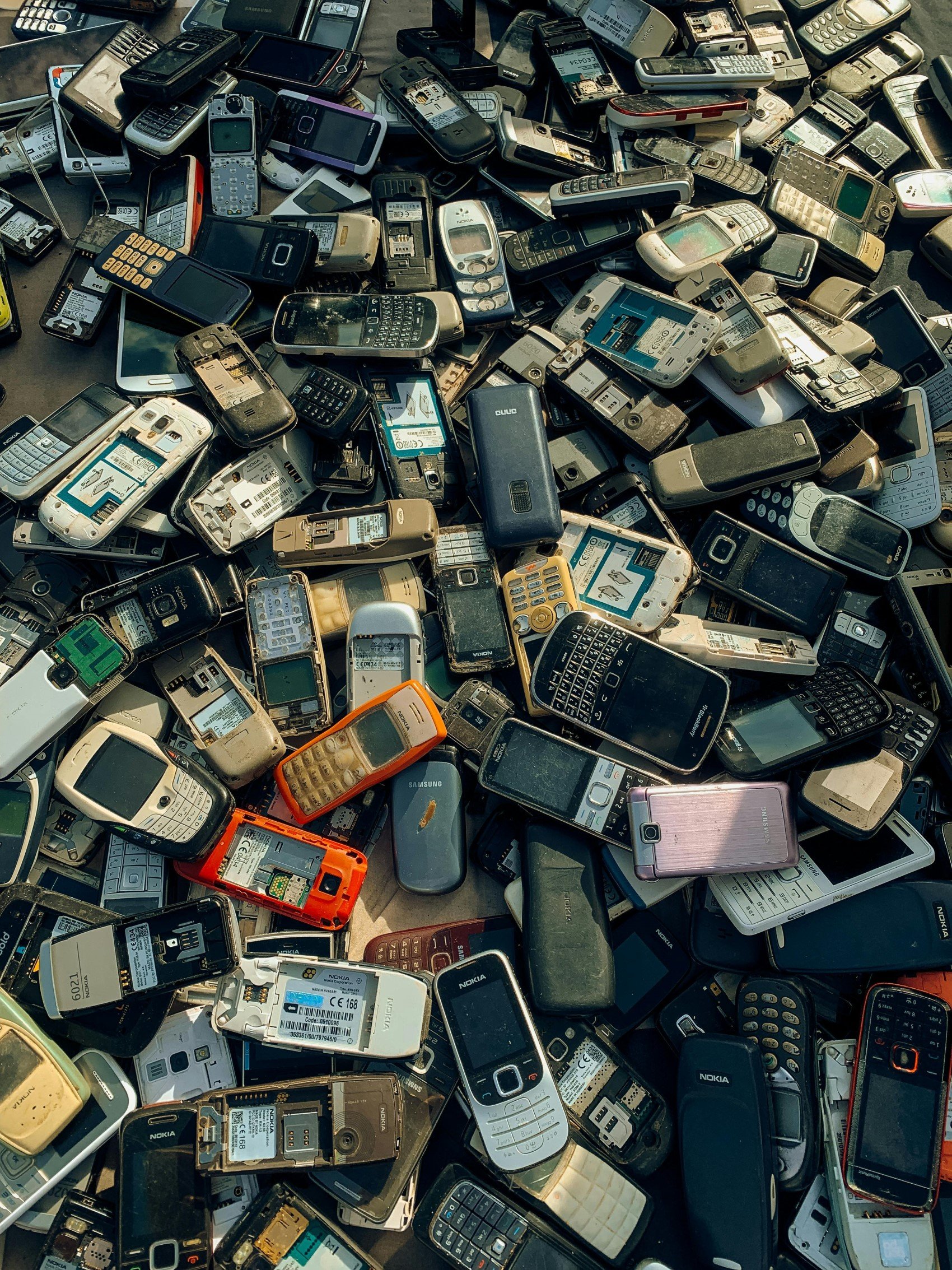
Old or broken electrical and electronic devices can cause environmental pollution if not processed correctly. For this reason, it is of great importance to understand and implement Electronic Waste Management processes. Otherwise, both nature is harmed and recycling opportunities are missed.
Electrical and electronic devices contain certain harmful substances, and it is necessary to limit the type of trash called electronic waste (e-waste) to protect the environment and human health.

Electrical and electronic devices considered as e-waste:
- Smartphones
- Laptops
- Monitors
- Printers
- Other computer equipment
- Home appliances
- Televisions
- Medical devices
- And more
E-waste contains potentially dangerous substances such as lead, beryllium, mercury, and cadmium, and these substances can lead to significant environmental damage and health hazards.
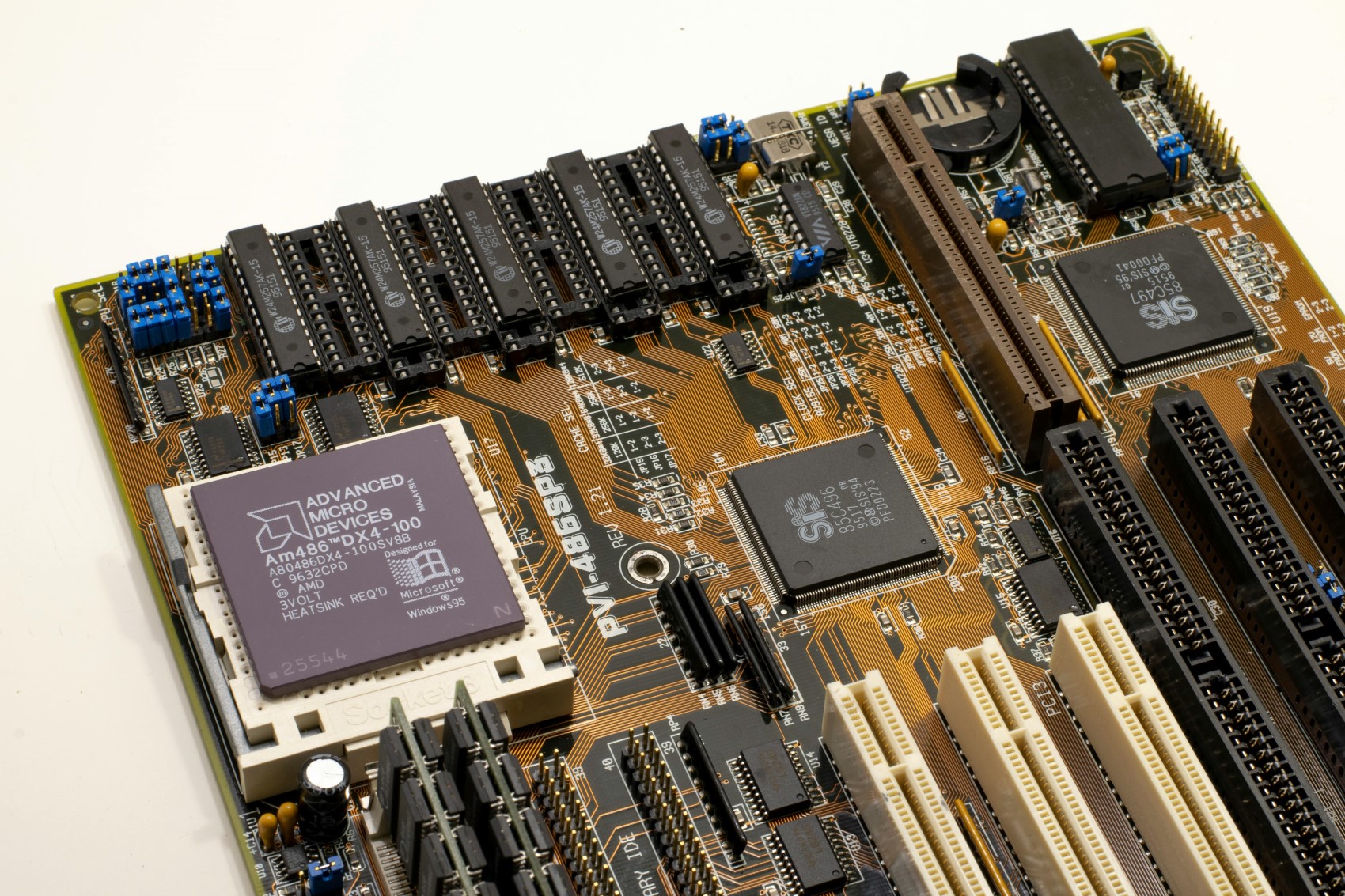
Recycling Technologies: Recovery of E-Waste
With Electronic Waste Management, old devices can be made reusable by going through specific processes. This is where the latest technologies come into play. The importance of Electronic Waste Management is significant. However, it also has a legal dimension. Laws form the foundation of this process. Electronic Waste Management laws ensure that processes are operated properly and effectively. Therefore, we should spend more time understanding how our old electronic goods are made eco-friendly again.
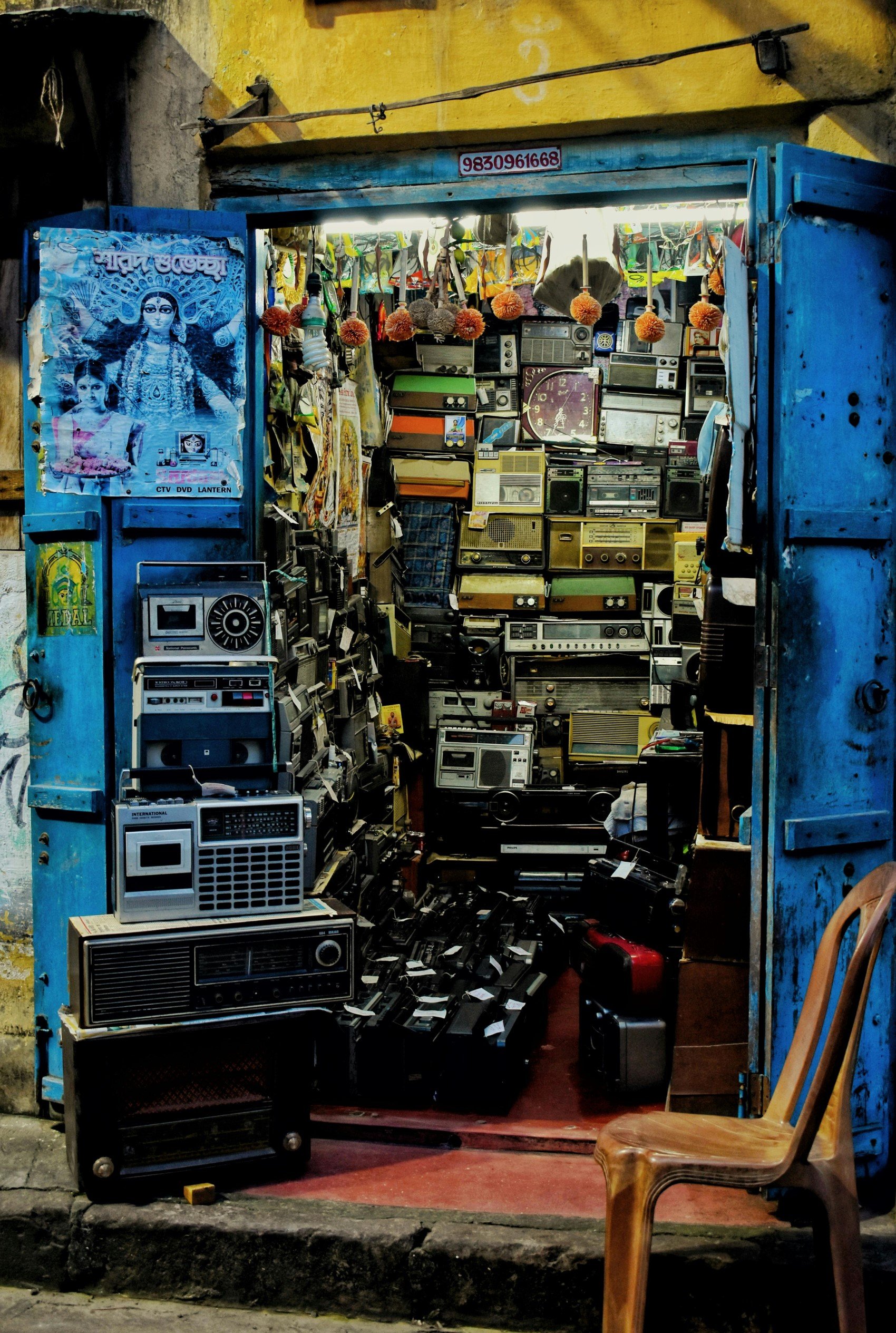
The Importance of Extending the Life of Electrical and Electronic Devices
One of the problems frequently encountered with electrical and electronic devices is their short lifespan. Especially for these devices, material plays a critical role in long-term efficiency. This is because electronic goods are used constantly in our homes and workplaces. To use our electronic goods for a long time, we must perform their maintenance correctly. In addition, we must also consider environmental factors. Extending the life of devices such as computers and phones is always economically beneficial. For example, ensuring clean airflow prevents devices from overheating. As a result, we must take good care of these devices for healthy and longer-term use.

Sustainability Solutions in Electronic Waste Management for Businesses
Finding sustainable solutions in electronic waste management as a business is of great importance both environmentally and economically. Our usage habits should be reviewed to extend the life of technological devices. In particular, regular checks should be carried out for the maintenance and repair of devices. For this reason, it is important to participate in recycling processes and establish collaborations for the reuse of waste.
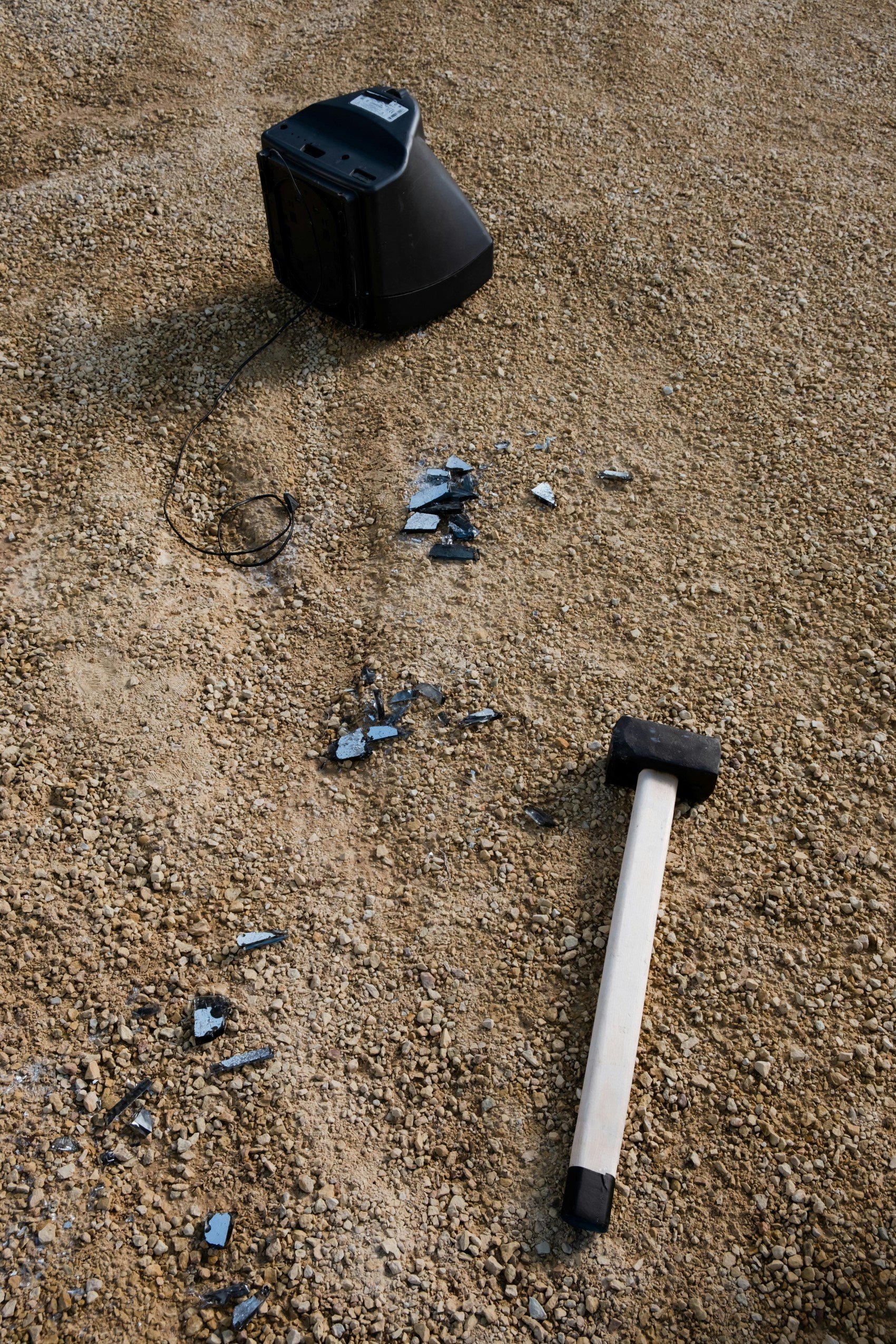
WHERE DOES E-WASTE GO?
E-waste often goes to landfills, incinerators, or e-recycling facilities. Sometimes these places are unauthorized and operated by untrained workers. Processing e-waste without taking appropriate protective measures can lead to exposure to dangerous chemicals and cause serious health problems for workers, the surrounding community, and the world in general. Disposing of e-waste inappropriately causes air pollution and environmental damage, highlighting the importance of finding alternative methods.
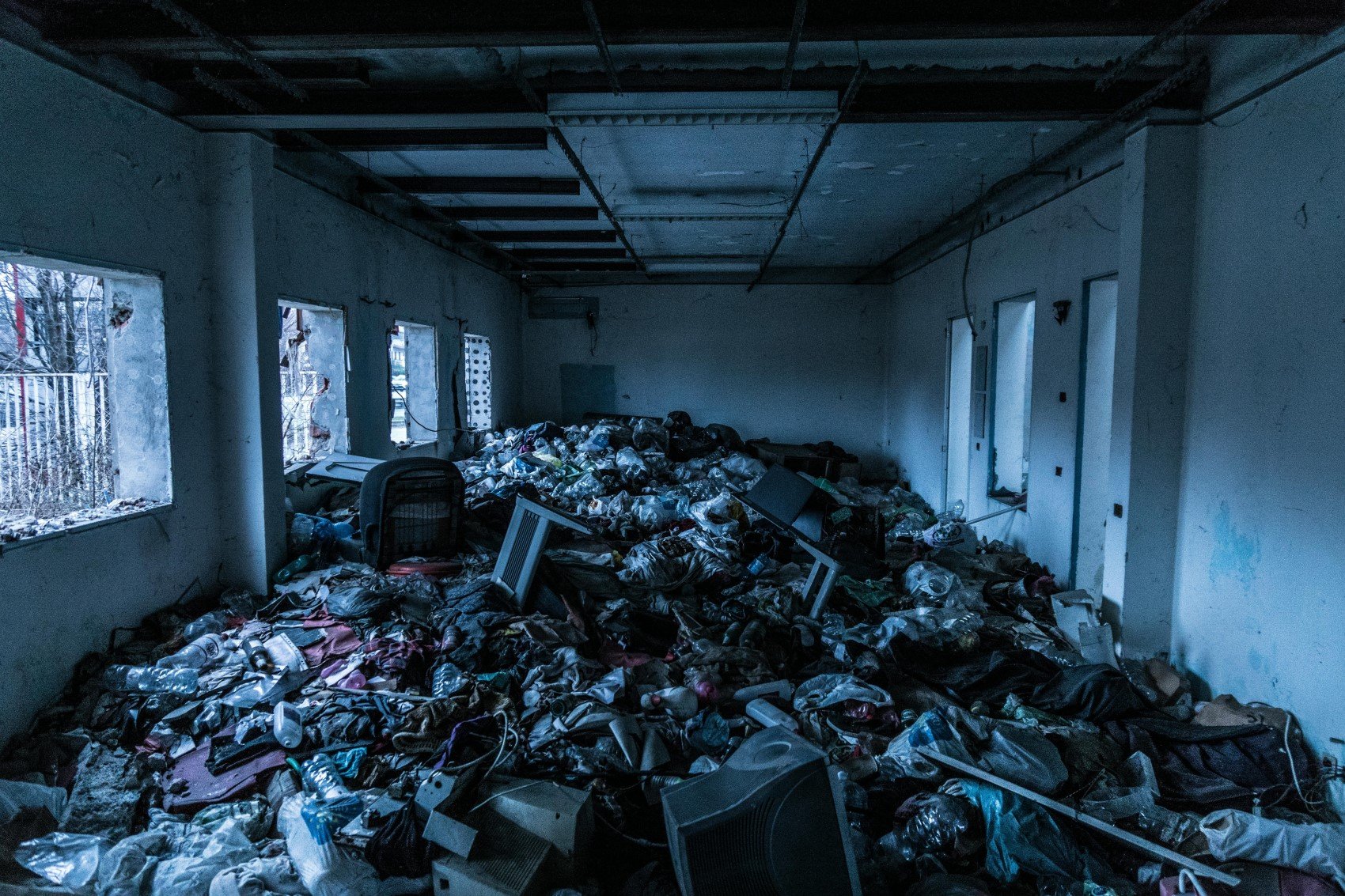
ALTERNATIVE METHODS TO ELIMINATE ELECTRONIC WASTE
- Ensuring that e-waste is sent to a certified e-recycling facility where it is properly dismantled and valuable materials can be recovered for reuse.
- Repairing used equipment. The more you repair equipment, the less equipment you need to produce and use. In this way, you prevent e-waste from going to landfills.
- Donating old but functional electronic devices to schools, shelters, non-profit organizations, or other institutions.
- Take-back and trade-in programs where customers can return their old devices to relevant institutions and receive a discount on a new device.