The distant doors of the universe are opening: 44 new stars discovered in a distant galaxy with the James Webb Telescope
Astronomers have discovered 44 new stars in a galaxy 6.5 billion light-years away from Earth using the James Webb Space Telescope.
12punto
WHAT DO WE KNOW ABOUT THE DISCOVERED STARS?
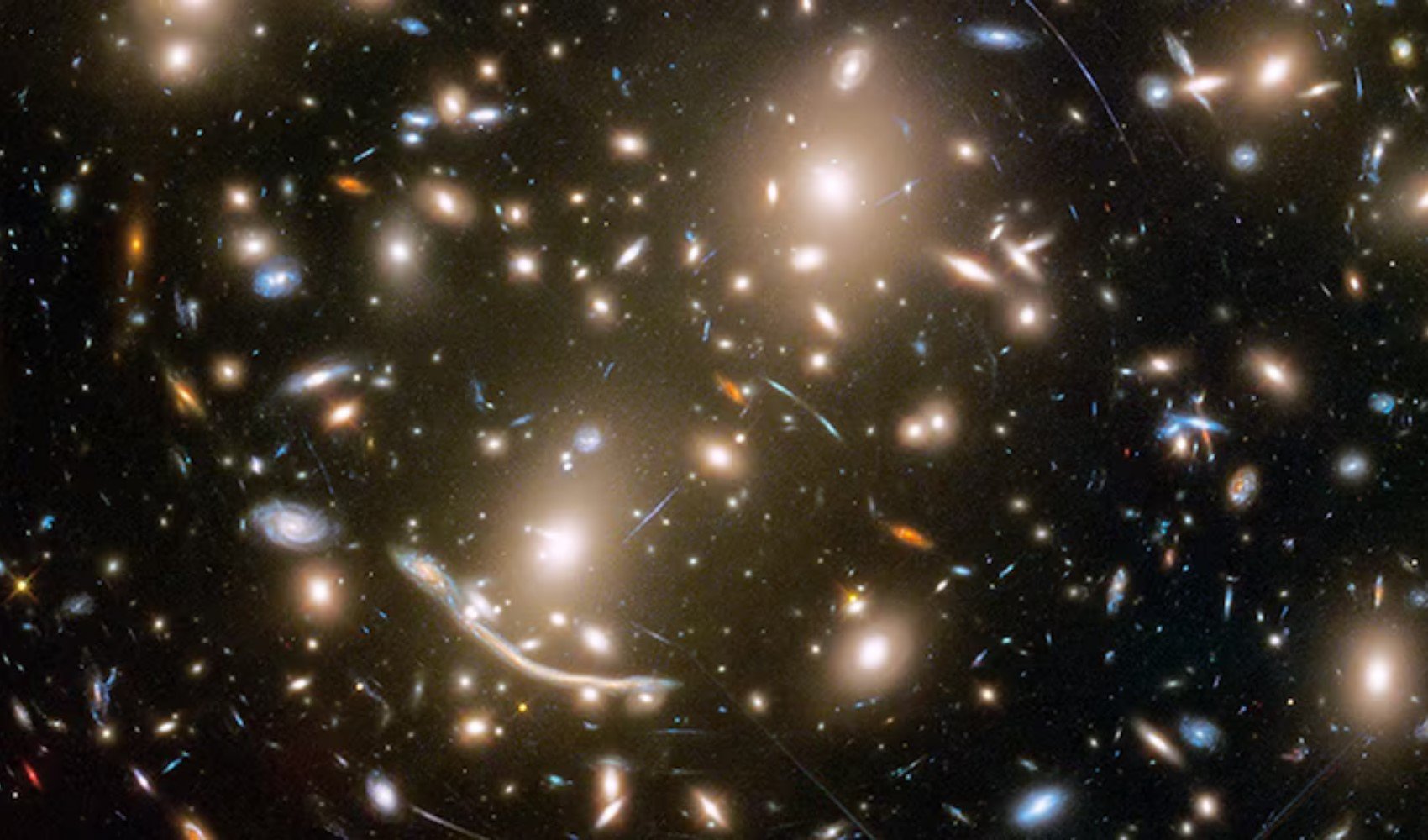
Analyses reveal that the majority of the discovered stars are red supergiants. Red supergiants are massive, giant stars that have reached the final stage of their life cycles. These stars produce energy by burning heavier elements instead of hydrogen in their cores and appear quite bright despite very low surface temperatures. Sharing similar characteristics with well-known red supergiants like Betelgeuse, these stars offer a unique window into understanding the contributions of dying stars to the general structure of the universe. Furthermore, this finding contrasts with stellar populations dominated by blue supergiants identified in previous observations, pointing to a more complex picture regarding the evolution and distribution of stars.
HOW WERE THE STARS DISCOVERED?
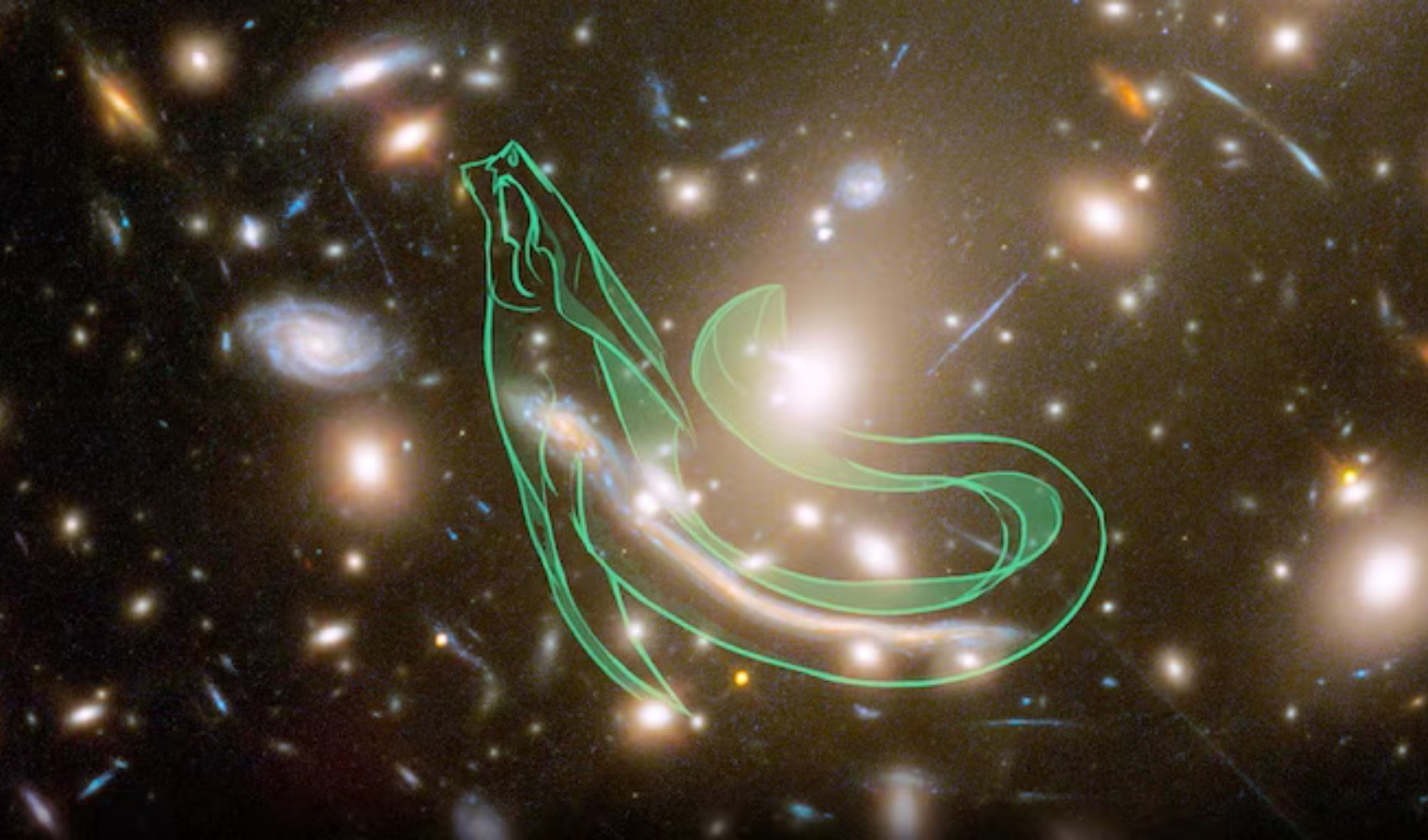
The Dragon Arc is an image of a background spiral galaxy that has been stretched and magnified by the powerful gravitational lensing effect of the Abell 370 galaxy cluster. This effect bent the galaxy's light, causing it to appear from Earth as a long arc of light resembling a Chinese dragon.
Astronomers discovered 44 new stars in a galaxy located exactly 6.5 billion light-years from Earth using the extraordinary sensitivity of the James Webb Space Telescope. The discovery of these stars was made possible through advanced technologies such as gravitational lensing and creative observation methods used to uncover secrets in the deepest points of the universe.
WHAT IS GRAVITATIONAL LENSING AND WHAT ROLE DID IT PLAY IN THIS DISCOVERY?
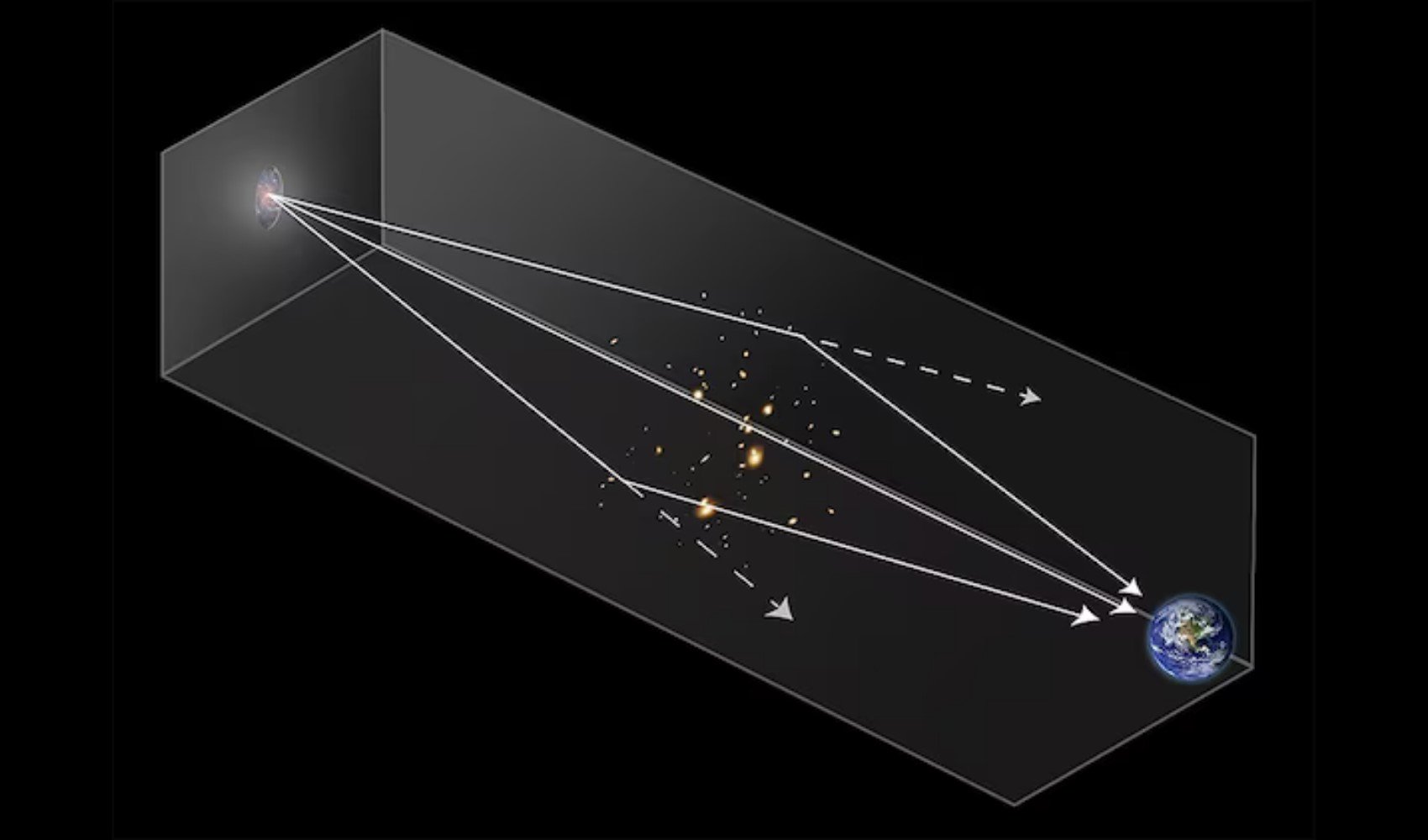
Gravitational lensing is an effect predicted by Albert Einstein's general theory of relativity, which occurs when light changes direction as a result of large masses bending spacetime. This phenomenon causes light coming from distant galaxies to be bent and magnified as it reaches Earth. In this discovery, the galaxy cluster named Abell 370 bent the light coming from the galaxy behind it, creating an image called the "Dragon Arc," which made the detection of 44 new stars possible.
WHY IS THIS DISCOVERY IMPORTANT FOR THE WORLD OF ASTRONOMY?
This discovery demonstrates that it is possible to study individual stars in distant galaxies, which will allow us to gain deeper knowledge about star formation and evolution in the early periods of the universe. Additionally, such observations made using gravitational lensing may also contribute to the understanding of mysterious components of the universe, such as dark matter.