The fear in the Sea of Marmara has come true: Is mucilage returning?
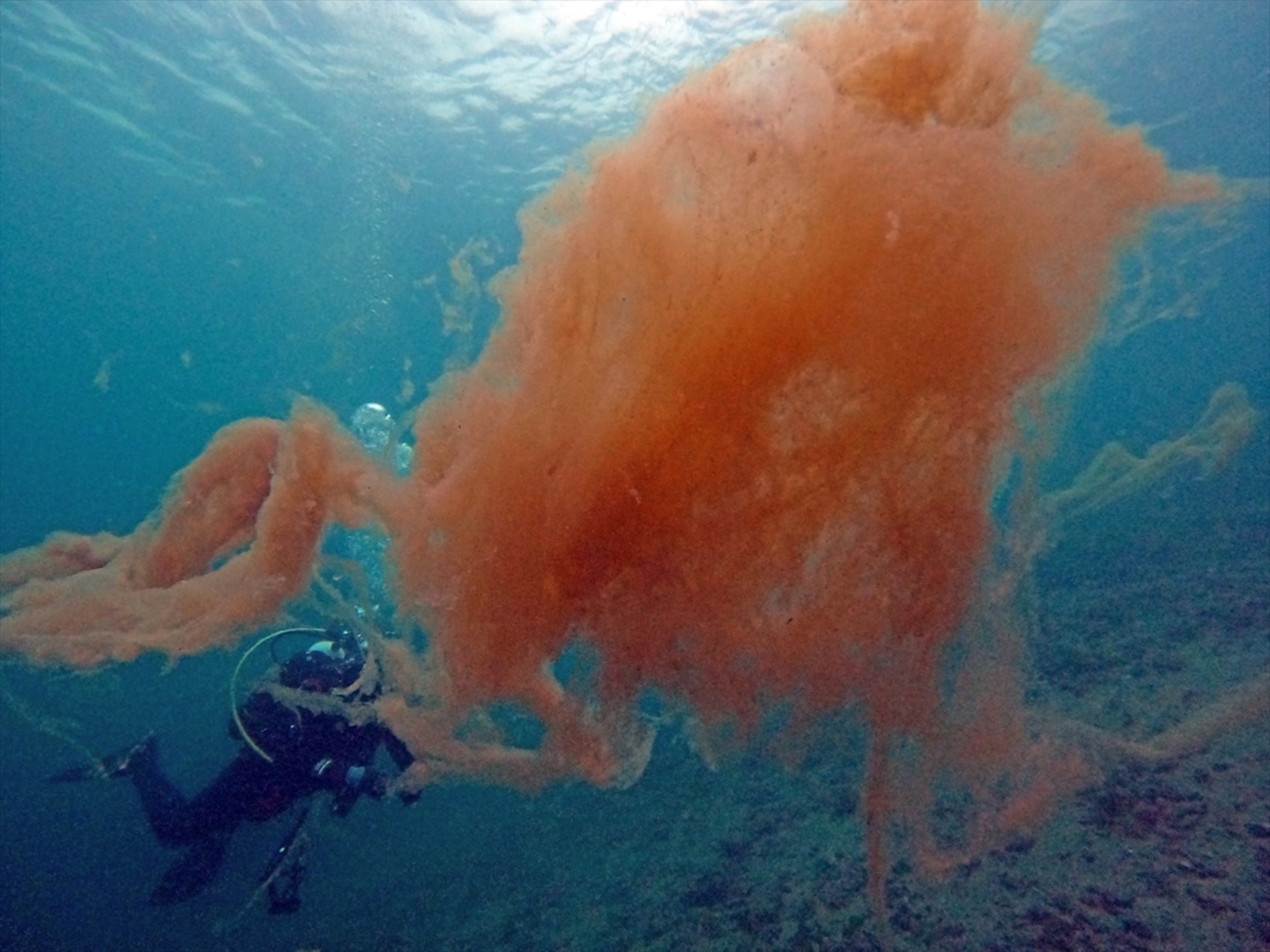
The extent of the major danger in the Sea of Marmara, which is invisible from the surface, has been revealed underwater. Bacteria showing similar characteristics to the mucilage that affected the Sea of Marmara in previous years have been detected.
12punto
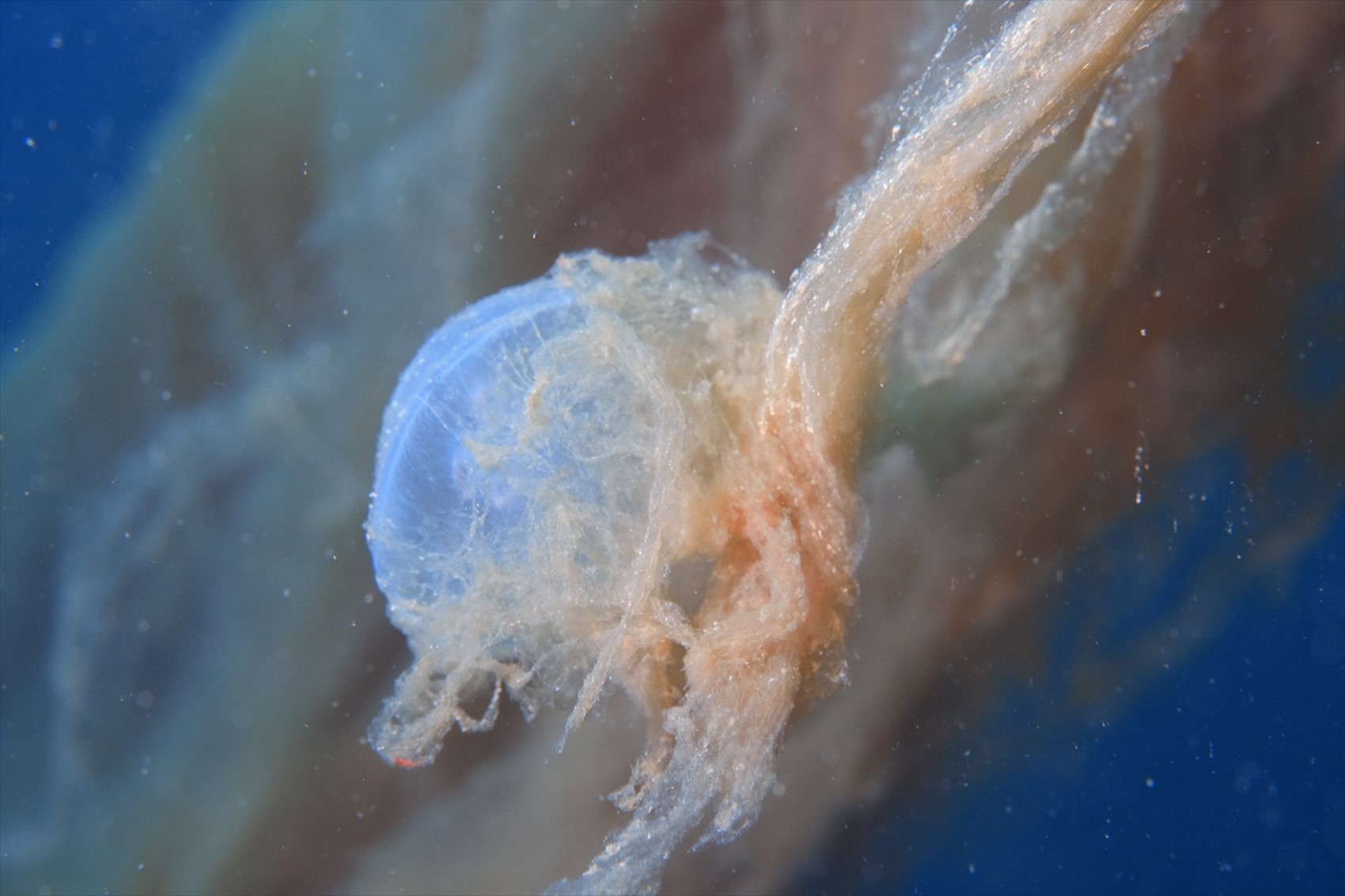
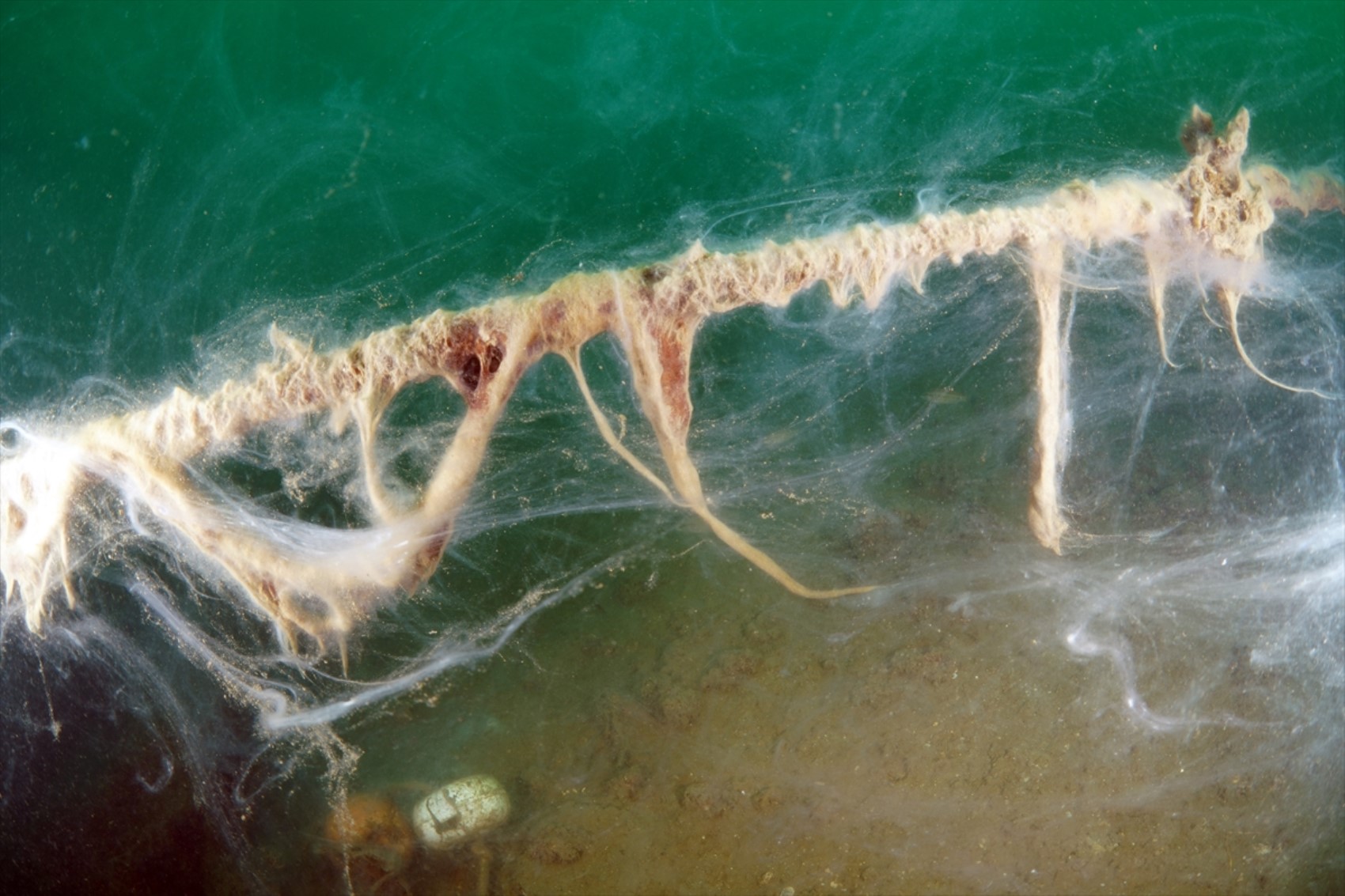
In Değirmendere, Gölcük, it was observed that a dangerous development, invisible from the water's surface, is spreading step by step underwater.
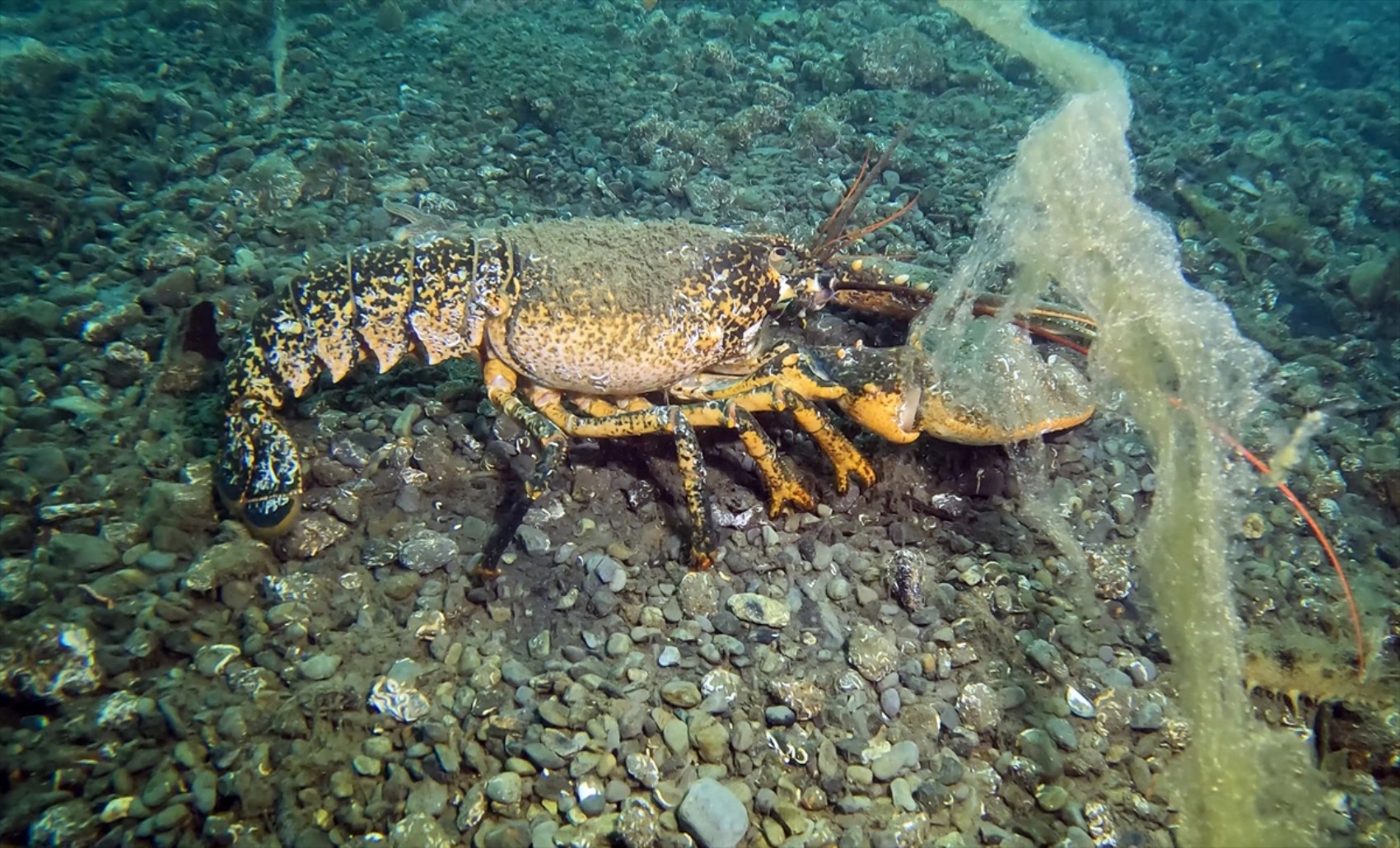
It was noted that the mucilage, which is observed intensely, especially in the 0-20 meter depth range and harms many marine creatures, has trapped jellyfish in the pelagic zone and covered mussels.
THE SYMBOL OF GÖLCÜK IS DYING!
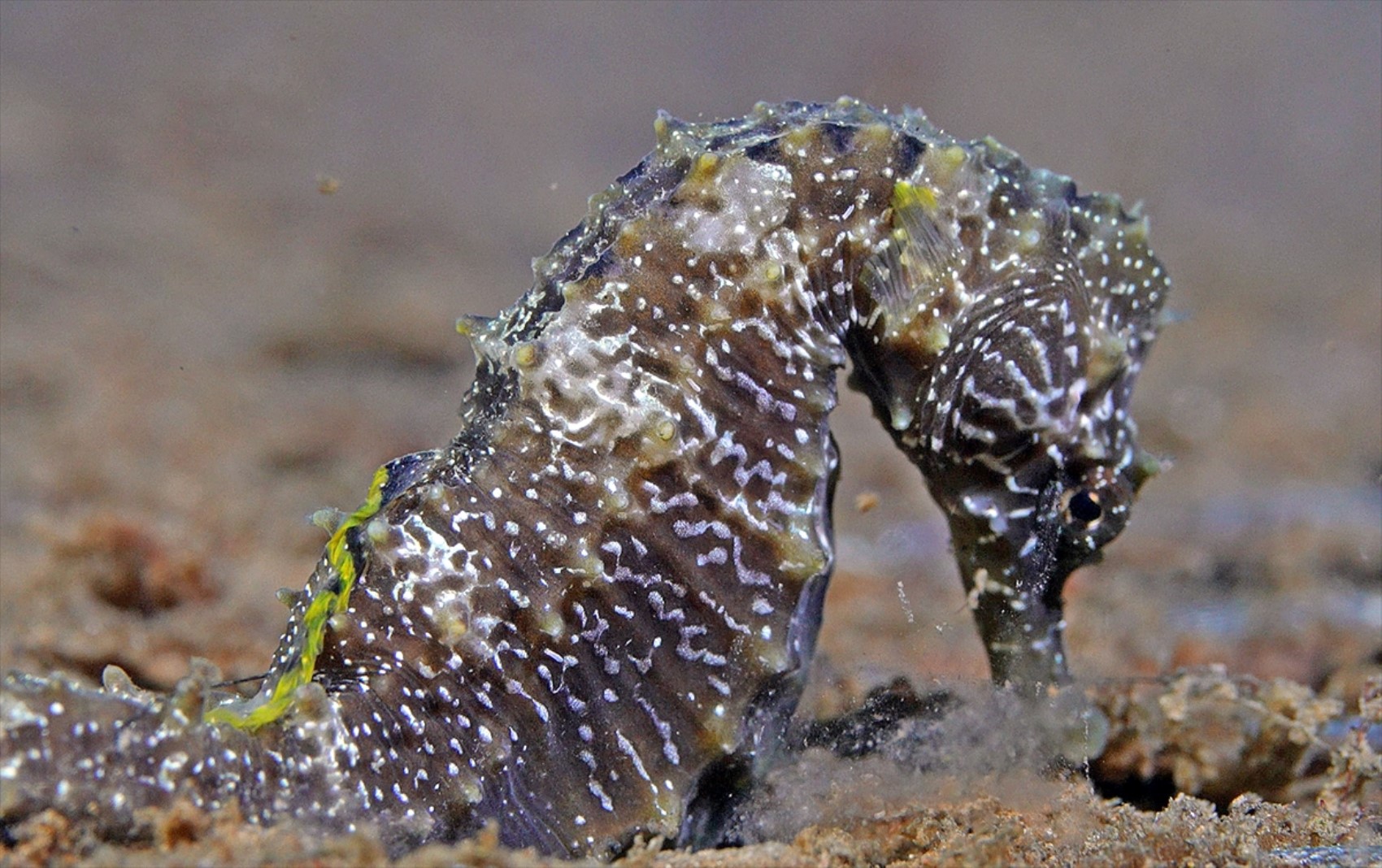
Underwater examinations conducted in the region showed that seahorses, considered symbolic creatures of the area, are being negatively affected and are struggling to survive due to pollution.
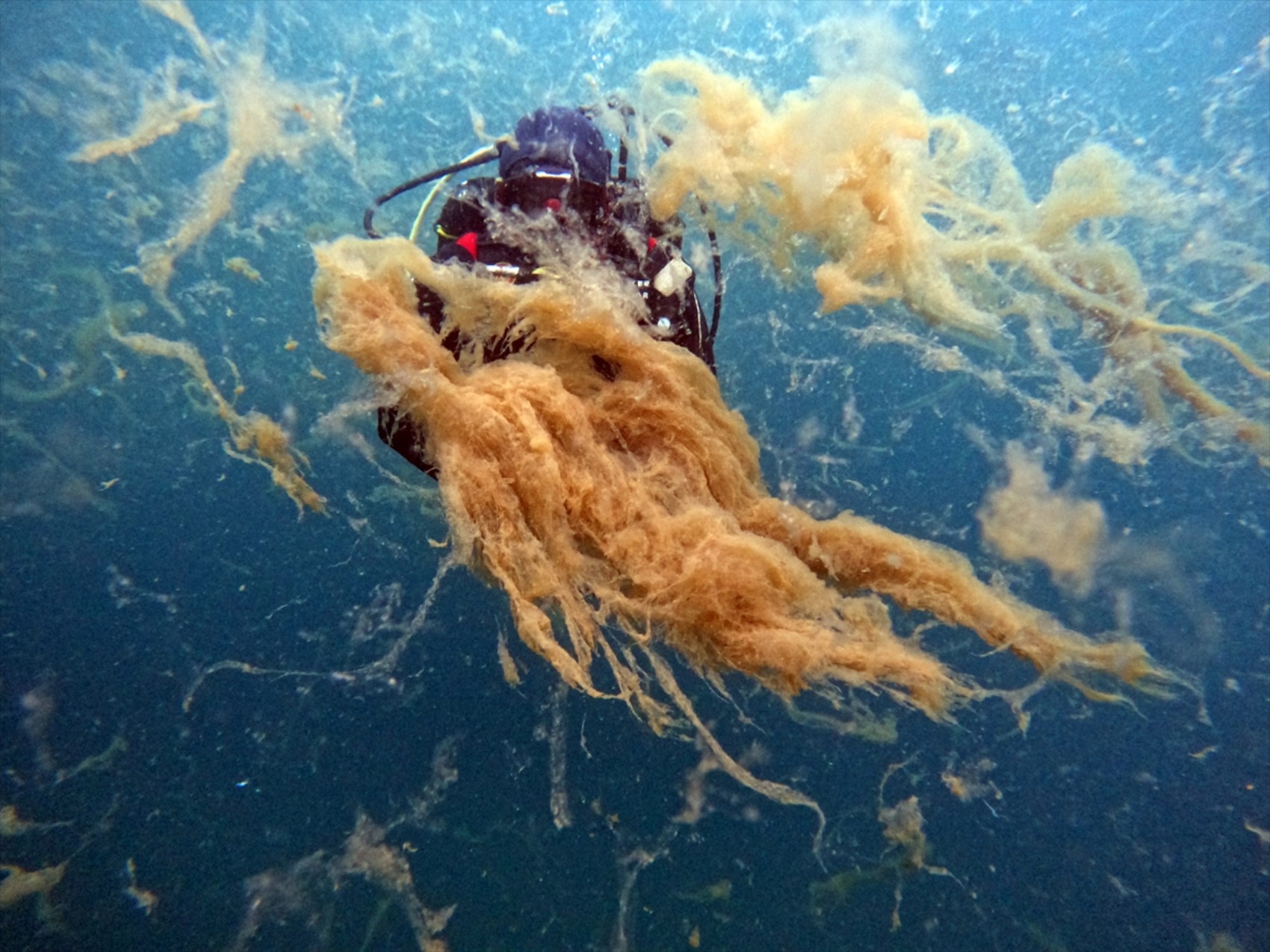
The images revealed by the mucilage, which wraps around underwater animals like a spider web, brought the question "Is the mucilage nightmare returning?" to mind.
REPORTS HAVE INCREASED
The Mucilage Science and Technical Board, established within the scope of the Sea of Marmara Action Plan, met last week under the chairmanship of Deputy Minister of Environment, Urbanization and Climate Change Fatma Varank.
Speaking at the opening of the meeting, Deputy Minister Varank stated that they have received reports of mucilage from the Sea of Marmara and said the following:
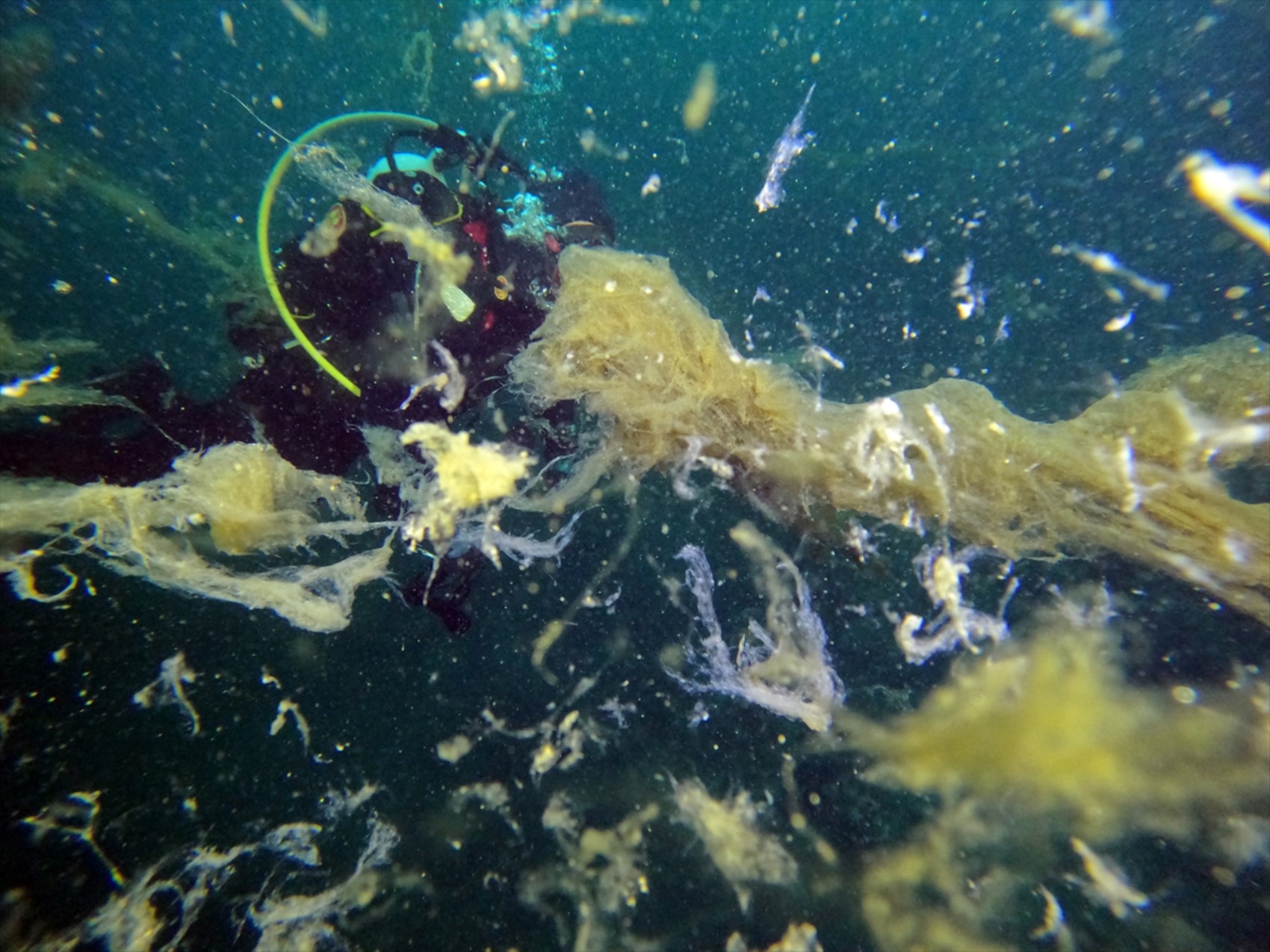
In recent days, reports have been coming to the Ministry from scientists and fishermen regarding the formation of mucilage at depths ranging from 5 to 25 meters below the sea surface throughout the Sea of Marmara.
"ACTION MUST BE TAKEN QUICKLY"
We are here together with you, our Science Board members, to evaluate the issue because we need to take action quickly.
It is observed that the advanced biological wastewater treatment plants that should have been built to date have not been constructed, the conversion rate to advanced treatment has remained at the limit, and there has been a very limited reduction in the nitrogen-phosphorus pollution load discharged into the Sea of Marmara.