The golden age of fraud: Emails, malicious links, fake websites! How can we protect ourselves from fraud?
As we approach the new year, we have entered a period where our spending increases, discounts are abundant, holiday reservations for Christmas and the new year begin, and shopping frenzies intensify. Along with this, the risk of online fraud has also increased significantly. Cybersecurity company ESET has listed the points to pay attention to during this long shopping season that continues until the end of the year and shared the precautions that should be taken against fraud.
12punto

We are in a time period where opportunities abound for scammers who profit unfairly.
More people are shopping online across many categories, which means more potential victims when we are targeted 'correctly'.
More online shopping also means more opportunities for scammers to hide their fraudulent transactions among legitimate ones.
During this period, online retailers may focus on profit rather than security, and therefore it may become easier for scammers to exploit sellers.

"RISK INCREASES DURING SHOPPING PERIODS"
Most of us are looking for special deals, and for this reason, we may notice scams advertising big discounts too late. During this period, more spam emails come from businesses, and this provides a perfect cover for malicious messages.
Because we are always in a hurry during the holiday season, we become more prone to making wrong decisions.
"THE MOST POPULAR FRAUD METHODS OF THE NEW YEAR SEASON"
Since scammers are skilled, determined, and have ready access to cybercrime services, they can carry out their fraud campaigns relatively cheaply, on a large scale, and with little effort.
The main channels for these efforts include phishing emails, texts and social media messages, malicious advertisements, and marketplace listings.
So, through which ways do scammers reach their potential victims?
GIFT CARDS
Since they are a popular new year gift, gift cards are in higher demand at this time of year. Scammers know this and may try to sell you fake or stolen ones at discounted prices or present them as a 'reward' as part of another scam.
FAKE WEBSITES
Phishing sites that mimic legitimate retail or brand sites are a common vector for holiday fraud. These sites are set up either to collect personal and financial information or to deposit money into a bank account controlled by the scammer.
DEALS TOO GOOD TO BE TRUE
Scammers may put in-demand products on sale at a discounted price by advertising them through social media or marketplace listings.
FAKE E-CARDS
Digital cards have become a beloved tradition and offer a fast, creative, and eco-friendly way to send seasonal greetings.
However, these cards can also be compromised by malware or used to collect your personal information, and all of this is done using convincing logos and email formats to persuade you that the e-card is real.

PHONE/VISHING FRAUD
Throughout the holiday season, scammers may call you, posing as representatives of retailers, delivery companies, or other organizations, to trick you into giving your personal/financial information.
FAKE DELIVERY
Before the new year, we buy gifts for our friends and family in the rush of online orders. This makes it difficult to track subsequent deliveries.
Scammers know this and send fake emails or SMS messages from popular delivery providers, asking you to enter your personal information to confirm the delivery, and sometimes the link may contain hidden malware.
HOLIDAY SEASON PRIZE DRAWS
Scammers advertise gift draws and raffles on the internet. All you have to do is fill in your personal information, which they will sell to other cybercriminals or use in later scams.
FAKE CHARITIES
Instead of buying a gift for someone you love, you might consider making a donation to a charity in their name.
Scammers, this time by imitating a charity, may try to trick you into giving your card details, personal information, or cash in response to your request for help.
They may also organize phishing or social media campaigns to direct victims to a phishing site that looks legitimate.
FAKE SEASONAL JOBS
Fake job postings promise large salaries for little work. They may tout "work from home" opportunities where you can earn money by performing tasks such as data entry, mystery shopping, or simple online surveys.
These roles are often advertised without requiring any experience or minimum qualifications, which makes them look especially attractive to job seekers.
However, there is no job, and all the bad guys want to do is again seize your personal information or charge you a 'fee' for signing up.
HOLIDAY-TRAVEL FRAUD
The new year season is also a popular time to plan a getaway. Criminals take advantage of this by advertising fake flights, accommodation, car rentals, and other services that do not actually exist.
Most of the time, the victim learns this first when they go to the airport, hotel, or car rental shop.
"WHAT PRECAUTIONS CAN BE TAKEN AGAINST NEW YEAR FRAUD?"
As long as scammers continue to make money from their campaigns, they will repeat the same tried and tested tactics. To keep your personal and financial information out of their hands, consider the following tips:
Use strong passwords: Use strong, unique passwords and turn on multi-factor authentication (MFA) or passkeys on all online accounts.
Approach everything with suspicion: Approach everything you read on the internet with suspicion, including offers that seem too good to be true.
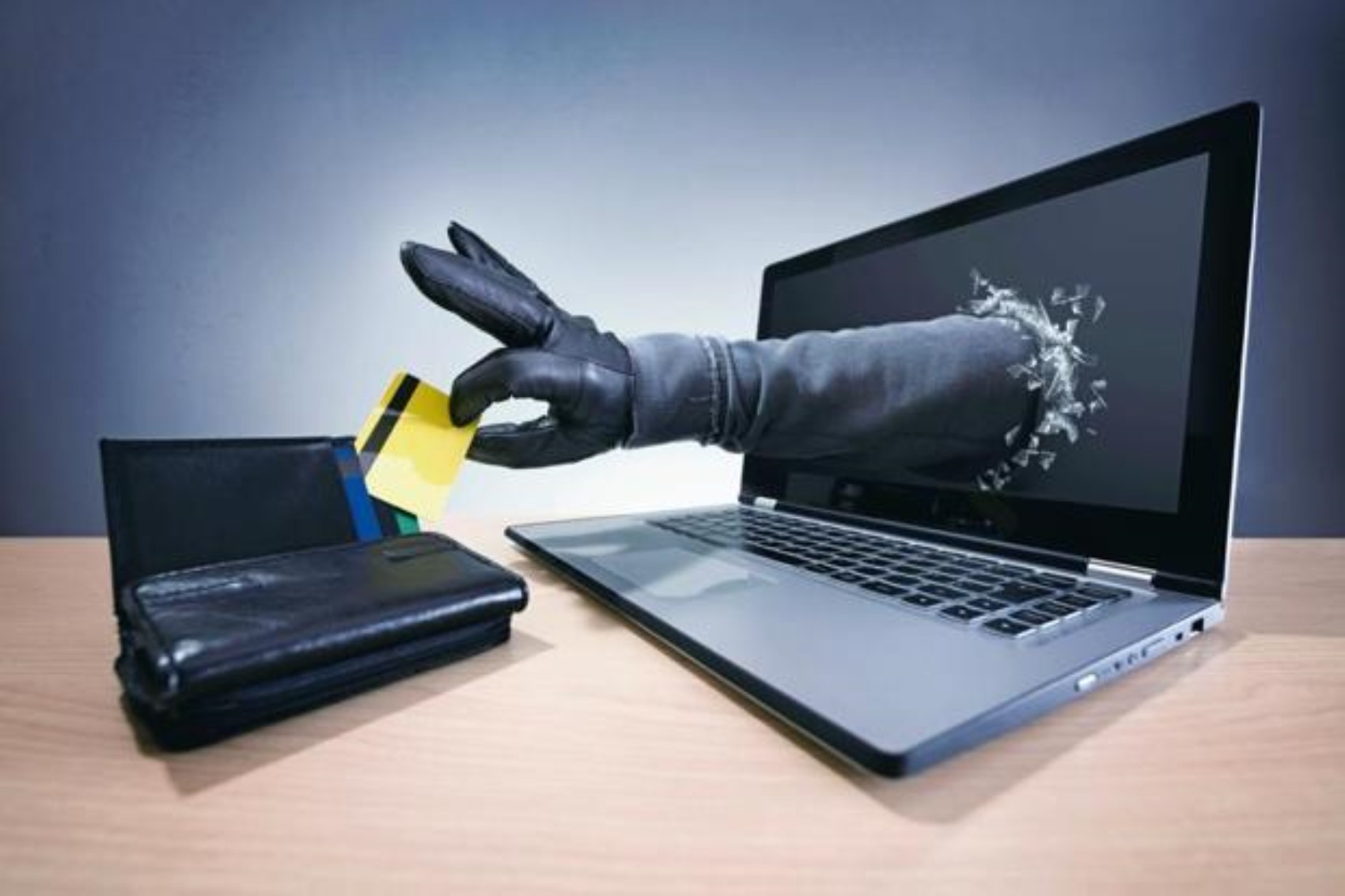
Do not share your personal information: Never give personal or financial information after being contacted via an unsolicited message or phone call.
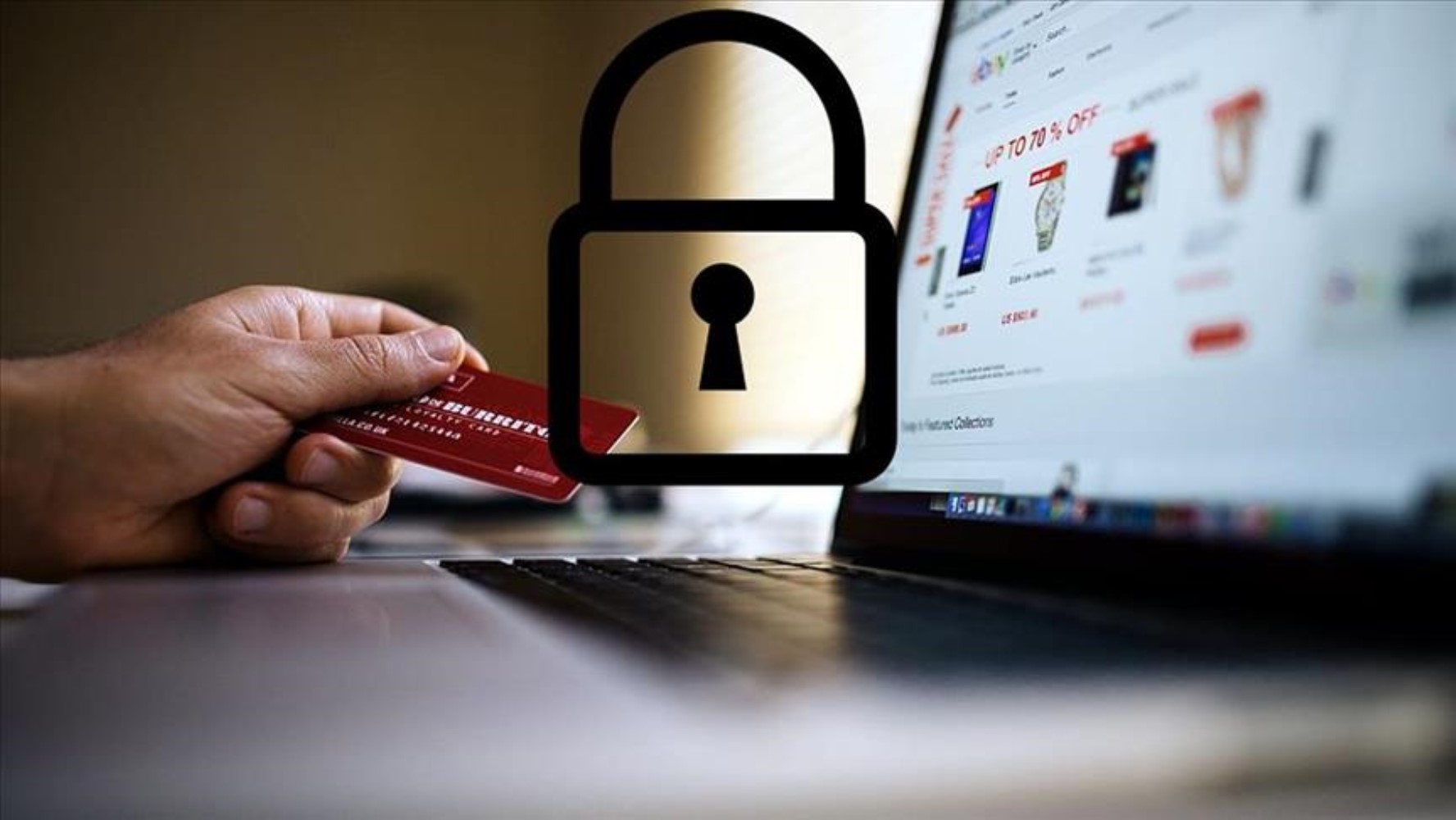
Prefer secure sites: Use secure websites that start with "HTTPS" or show a locked padlock.
Update regularly: Regularly update your software and operating system to keep them as safe as possible against malicious exploits.
Use protective software: Install anti-malware from a trusted provider on all devices.
Avoid wire transfers for payments: Do not pay by bank transfer or instant cash app. Use your credit card if possible for extra protection.
Ignore emails that do not use official language: Double-check the content as well as the website and email sender URLs for spelling and grammar errors that could indicate they are fake.
Do not click on delivery links, use tracking apps: Double-check delivery notifications directly with the logistics company, but do not contact them using the details in your message or email.