The most powerful weapon against breast cancer: Mammography
Highlighting the vital importance of early diagnosis in breast cancer, one of the most common types of cancer in women, Dr. Aresh Soudmand, a Diagnostic Radiology Specialist at Batıgöz Health Group Balçova Surgical Medical Center, emphasizes that mammography is one of the most powerful diagnostic tools in this process.
12punto
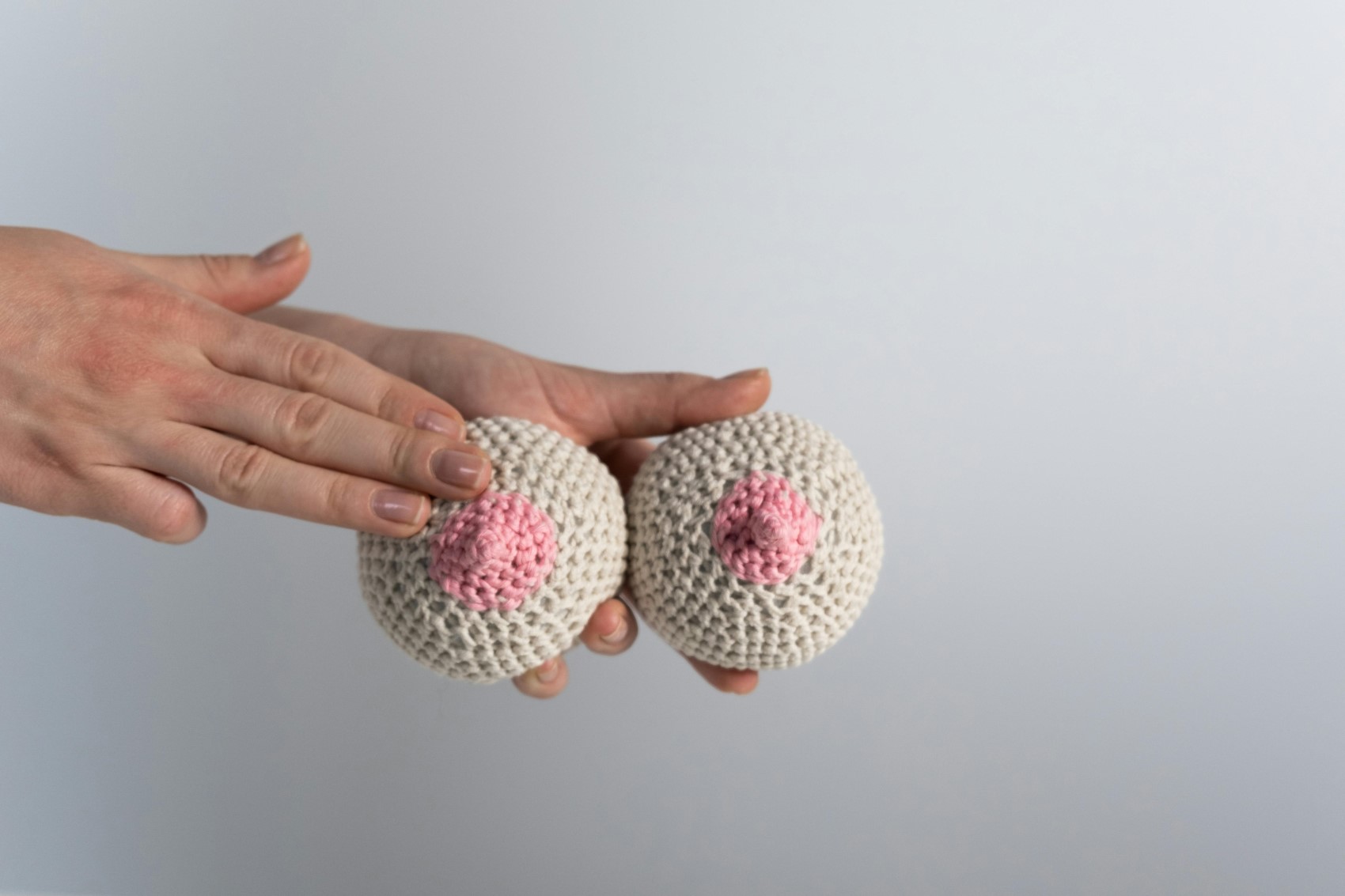
“Every year, approximately 2 million women worldwide are diagnosed with breast cancer, and this number continues to rise. However, thanks to regular screenings with mammography, this disease can be caught before it even shows symptoms,” says Dr. Soudmand, noting that early diagnosis significantly increases treatment success.
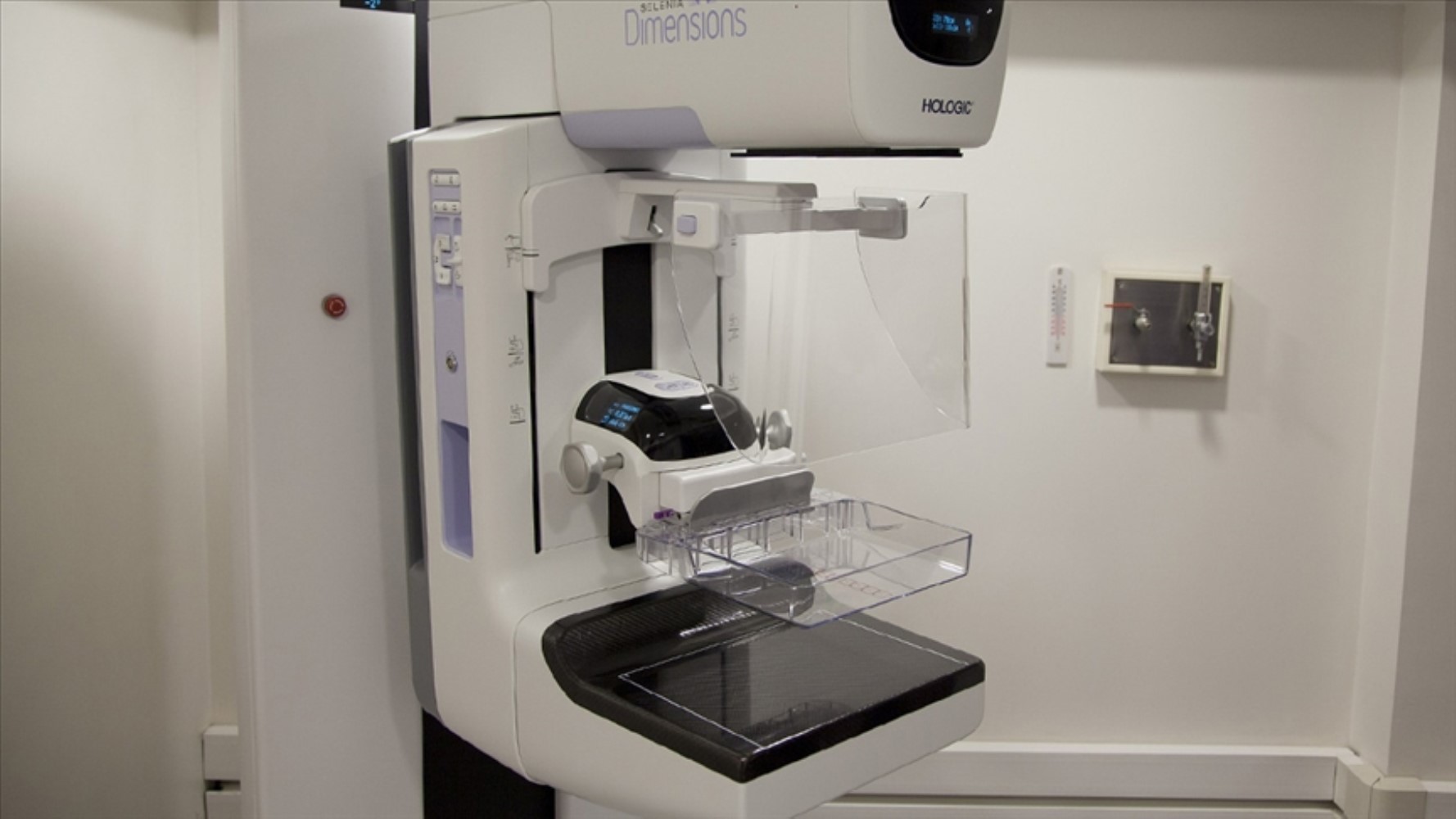
WHAT IS MAMMOGRAPHY?
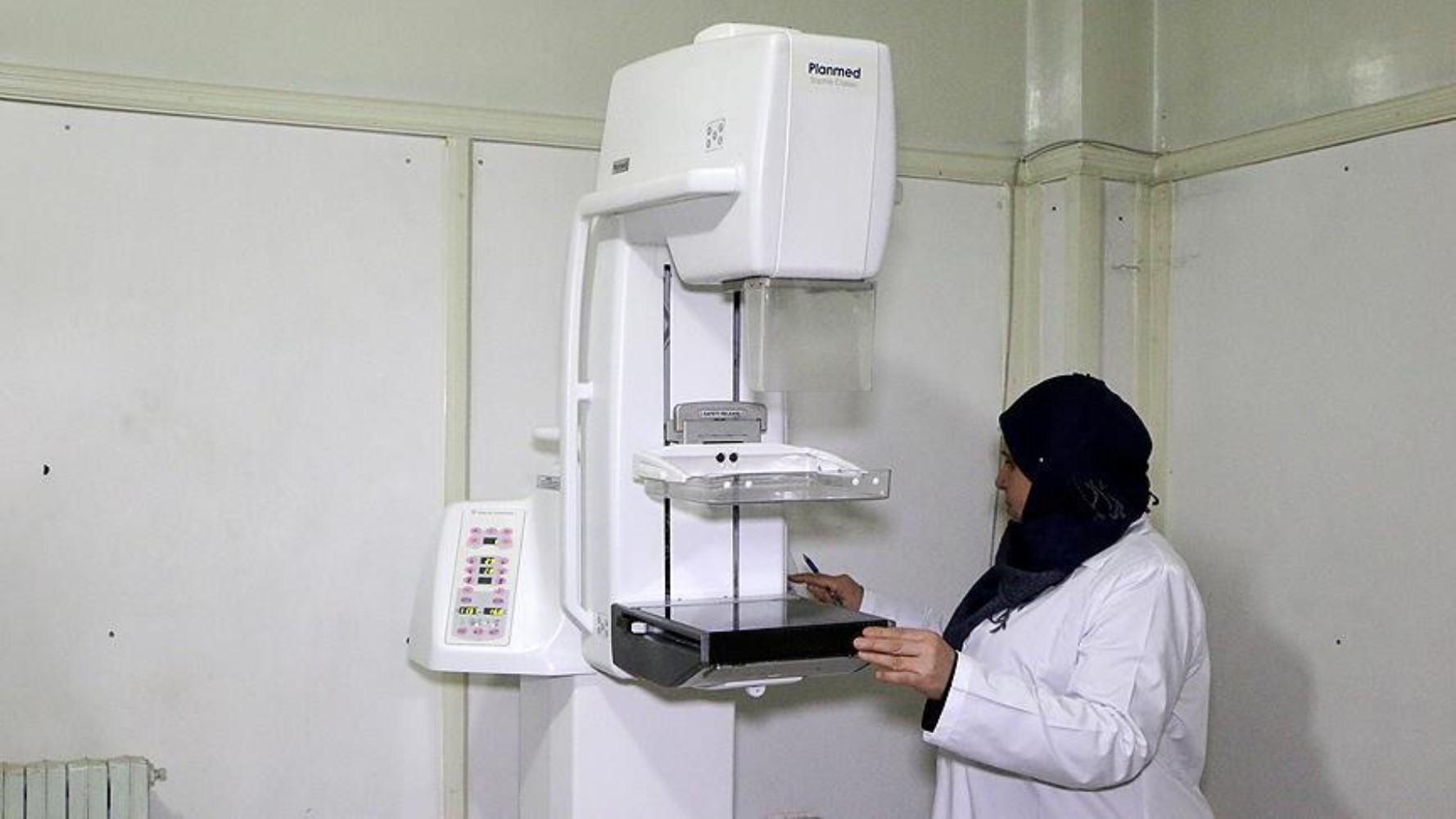
Mammography is the process of imaging the breast using low-dose X-rays. Thanks to this method, which we can think of as a detailed photograph of the internal tissue of the breast, masses and calcification foci can be detected at very early stages.
“Thanks to mammography, many breast cancer cases can be detected while they are still impalpable or asymptomatic. This saves time for the patient and significantly increases the chances of treatment,” says Dr. Soudmand, pointing out that treatment is simpler and more effective in cases diagnosed at an early stage.
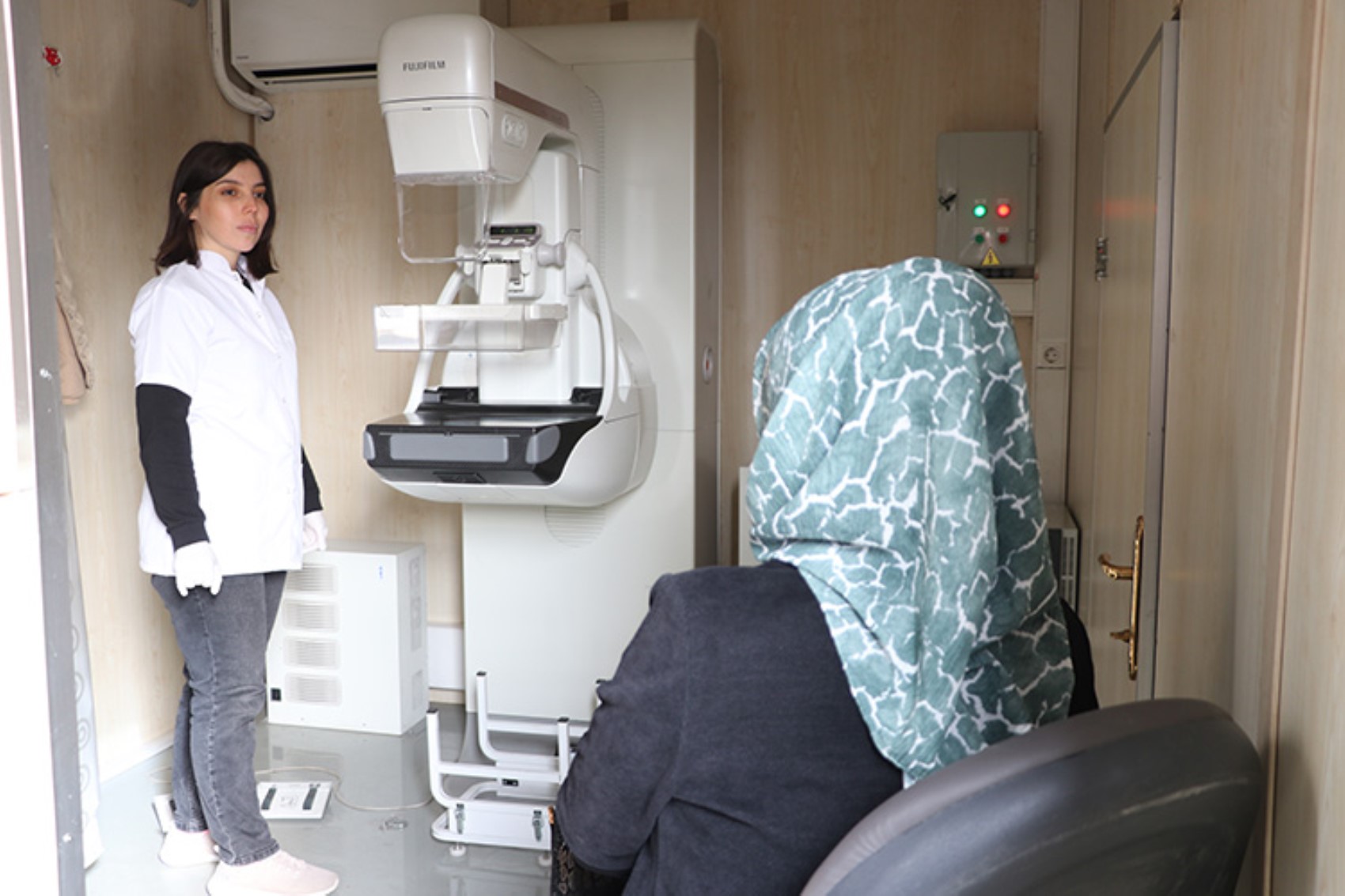
WHY DOES MAMMOGRAPHY SAVE LIVES?
Breast cancer is often silent in its early stages. That is, it does not cause pain, does not cause discharge, and is not noticeable by touch. This is where mammography comes into play. It can image even a mass too small to be noticed by sight or touch.
Research shows that if mammography is used with regular screening, it can reduce breast cancer-related mortality rates by up to 30%. This rate is a very significant achievement in the medical world.
Breast cancer diagnosed early can usually be removed with simpler surgery, the need for chemotherapy may be less, and the patient's quality of life is preserved.
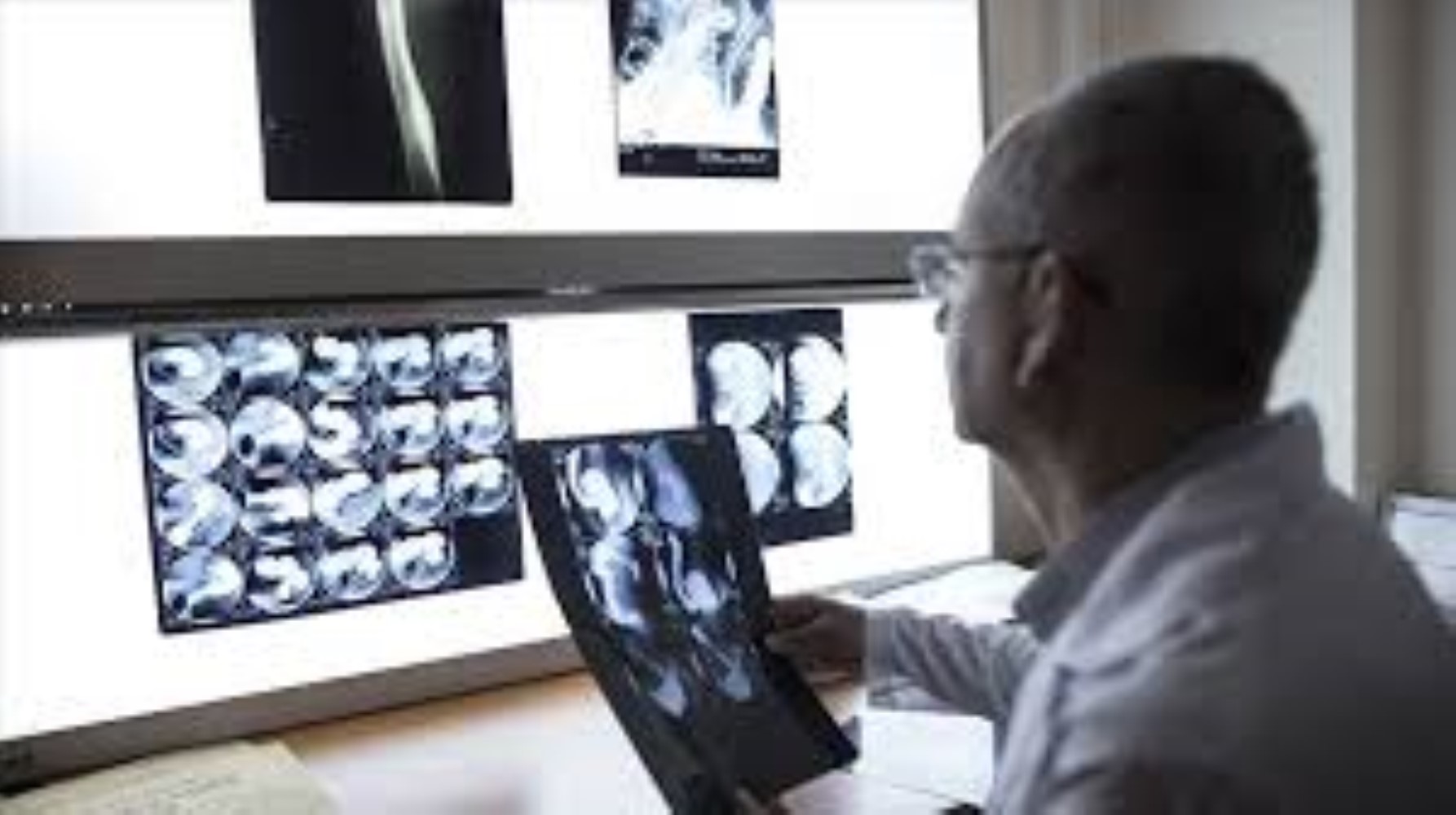
WHEN SHOULD A MAMMOGRAM BE TAKEN?
Although mammography timing varies according to individual risk factors, general recommendations are as follows:
- It is recommended that every healthy woman aged 40 and over have a mammogram once a year.
- In women with a family history (mother, aunt, sister) of early-onset breast cancer, mammography screening can be started at age 35 or earlier.
- Screenings should definitely not be neglected in the post-menopausal period. Breast cancer is a disease not only of young women but also of the older age group.

IS MAMMOGRAPHY PAINFUL OR HARMFUL?
One of the biggest concerns women have about mammography is the compression of the breast during the procedure. Yes, the breast is compressed to a certain level during mammography. This compression is necessary for the clarity of the image and the reduction of the radiation dose. During this time, some women may feel a few seconds of discomfort, but this feeling is usually mild and temporary.
The fear of radiation is also quite common. However, the amount of X-ray used in modern digital mammography devices is very low.
THE DIFFERENCE BETWEEN MAMMOGRAPHY AND ULTRASOUND
Some patients ask, “I had an ultrasound, is a mammogram necessary?” Dr. Soudmand makes an important distinction on this subject:
“Breast ultrasound is not a substitute for mammography, but a complementary method. Especially in younger women, breast tissue is denser and ultrasound can be more helpful. However, for women over 40, mammography is definitely the priority method. The healthiest results are obtained by using both methods together.”
Dr. Soudmand makes the following call to all women:
“Every woman or man reading this article should give a reminder to their mother, wife, sister, or friend: Have you had your mammogram this year?
Because a photograph can sometimes save a life.”