The seed vault in Norway: Humanity's backup plan
The world is facing major threats such as climate change, natural disasters, and wars. But what if these threats completely destroy our agricultural systems? What kind of backup plan do we have to guarantee the future of humanity? Located on an island in the Arctic region of Norway, the Svalbard Global Seed Vault is a project that could provide answers to these questions. But how reliable is it really? Here are the details to discover the secrets of this extraordinary vault.
12punto
WHAT IS THE SEED VAULT AND WHY WAS IT ESTABLISHED?
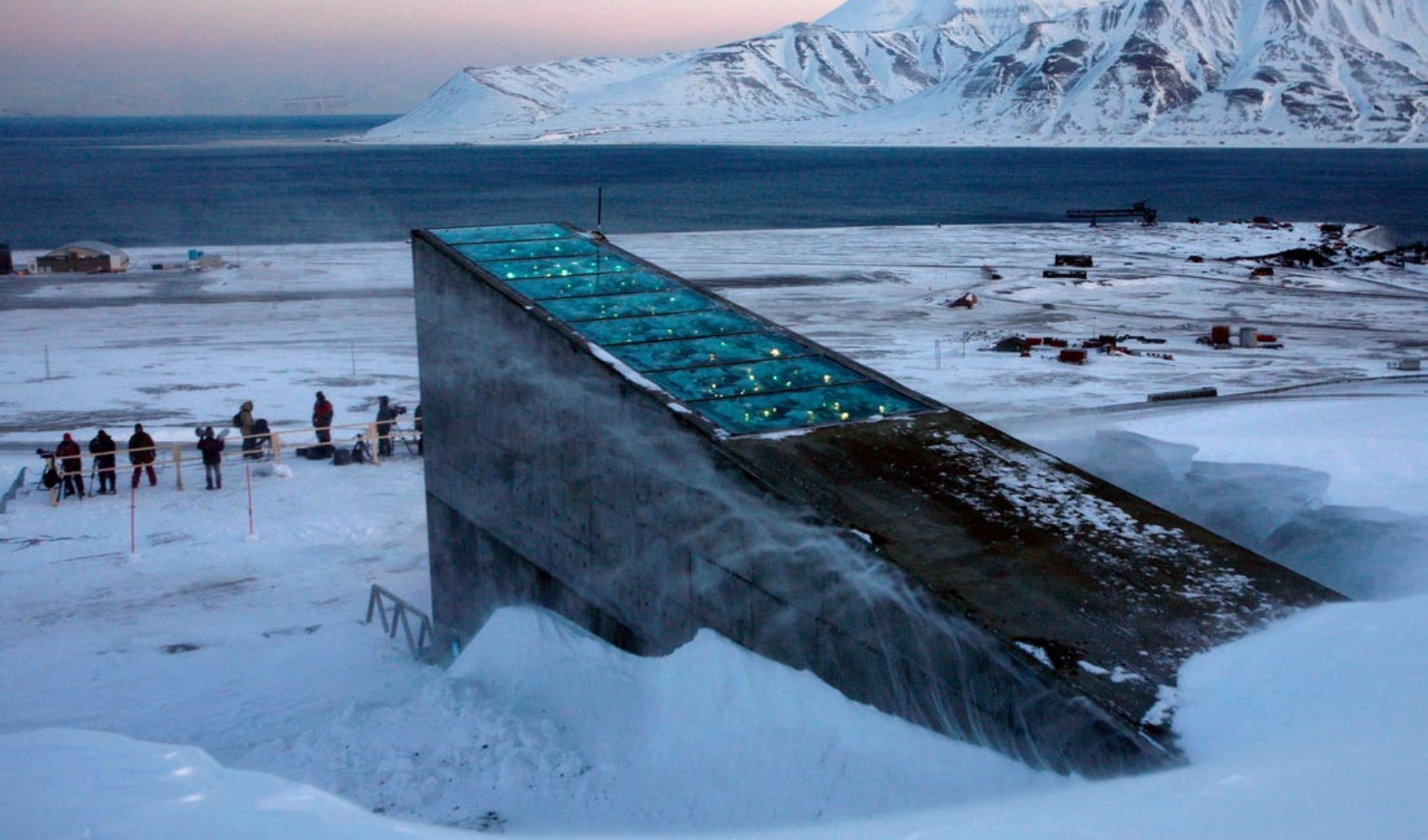
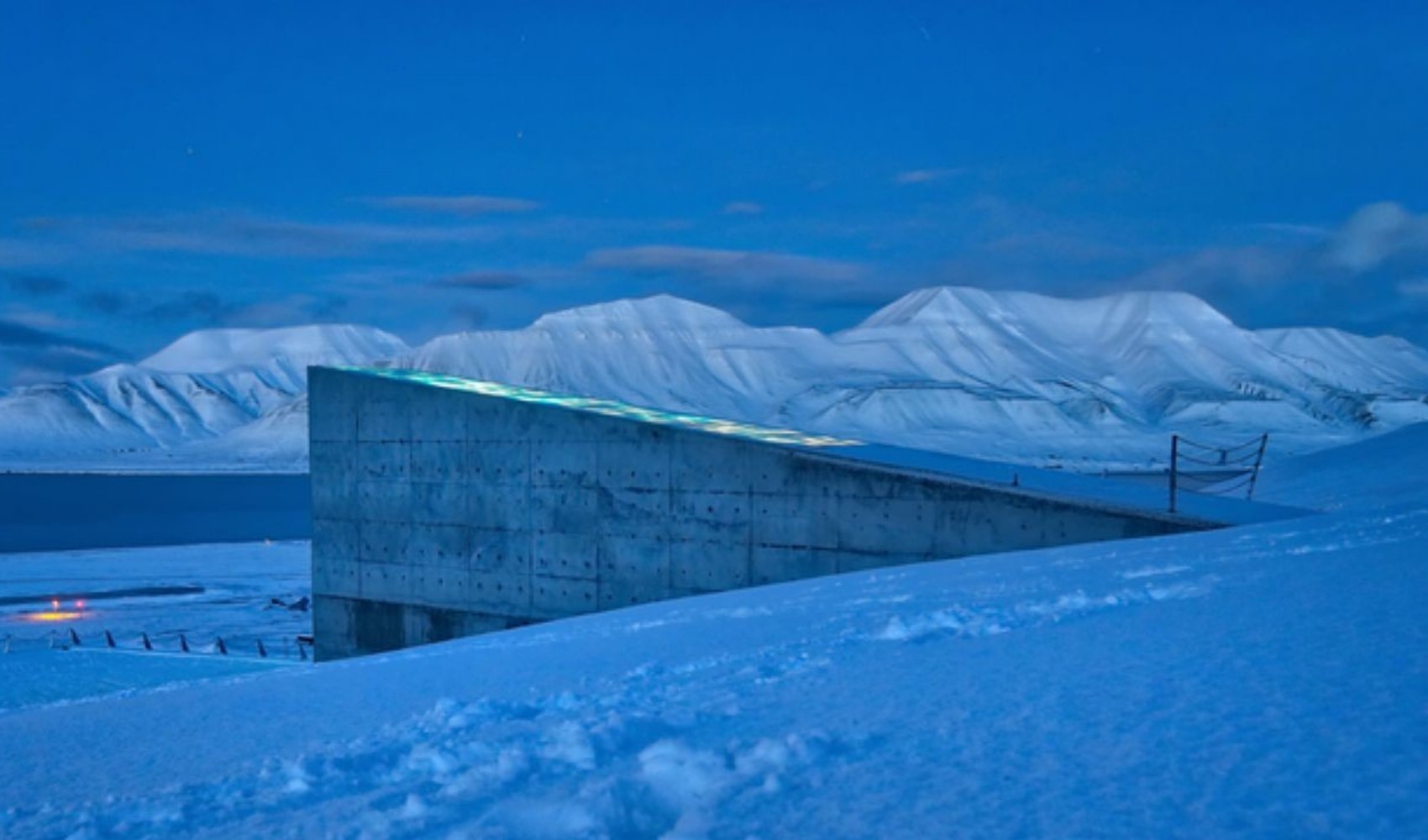
The Seed Vault, located on the island of Svalbard in Norway, was established in 2008 to protect the world's agricultural crop seeds in the long term. The goal is to ensure food security in the face of disasters such as natural disasters, wars, or climate change. The vault was designed as a massive underground storage facility where seeds are kept frozen.
WHY WAS SVALBARD ISLAND CHOSEN?
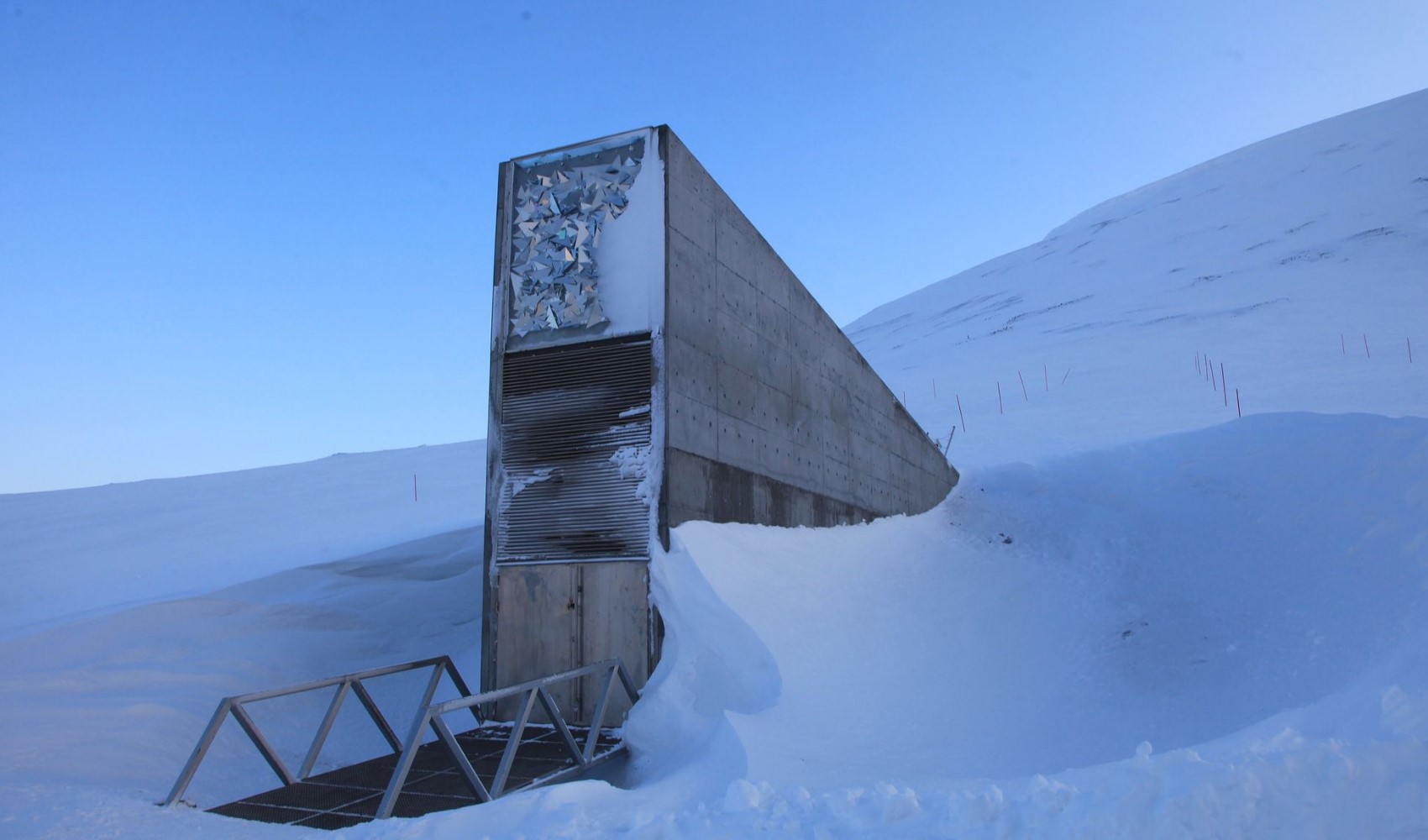
Svalbard Island has consistently low temperatures due to its location near the poles. This natural cold environment allows seeds to be preserved for a long time without the need for energy. Furthermore, the island is located well above sea level and in a politically stable region, which protects the project from both natural and human-made dangers.
HOW MANY SEEDS ARE STORED IN THE DEPOT?
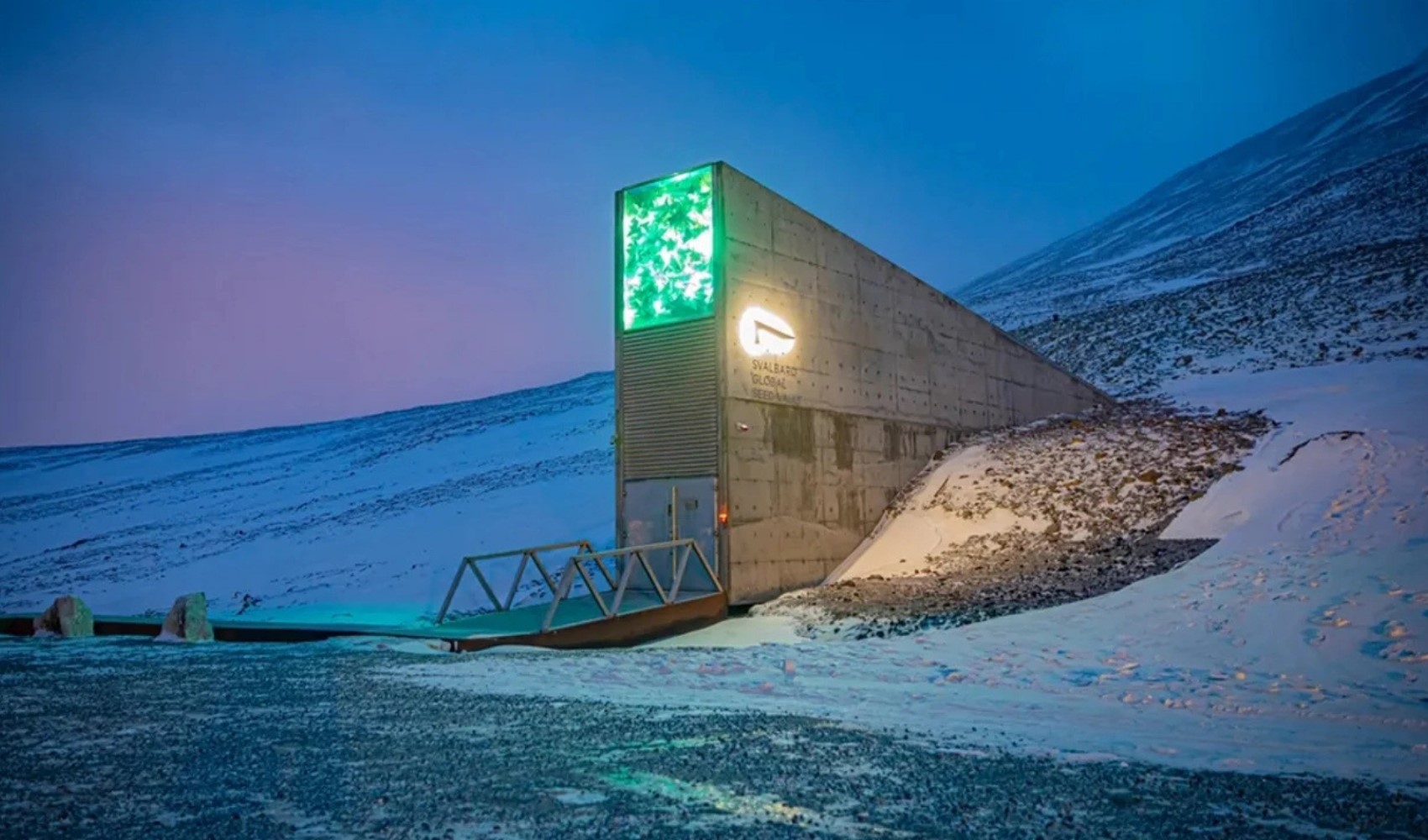
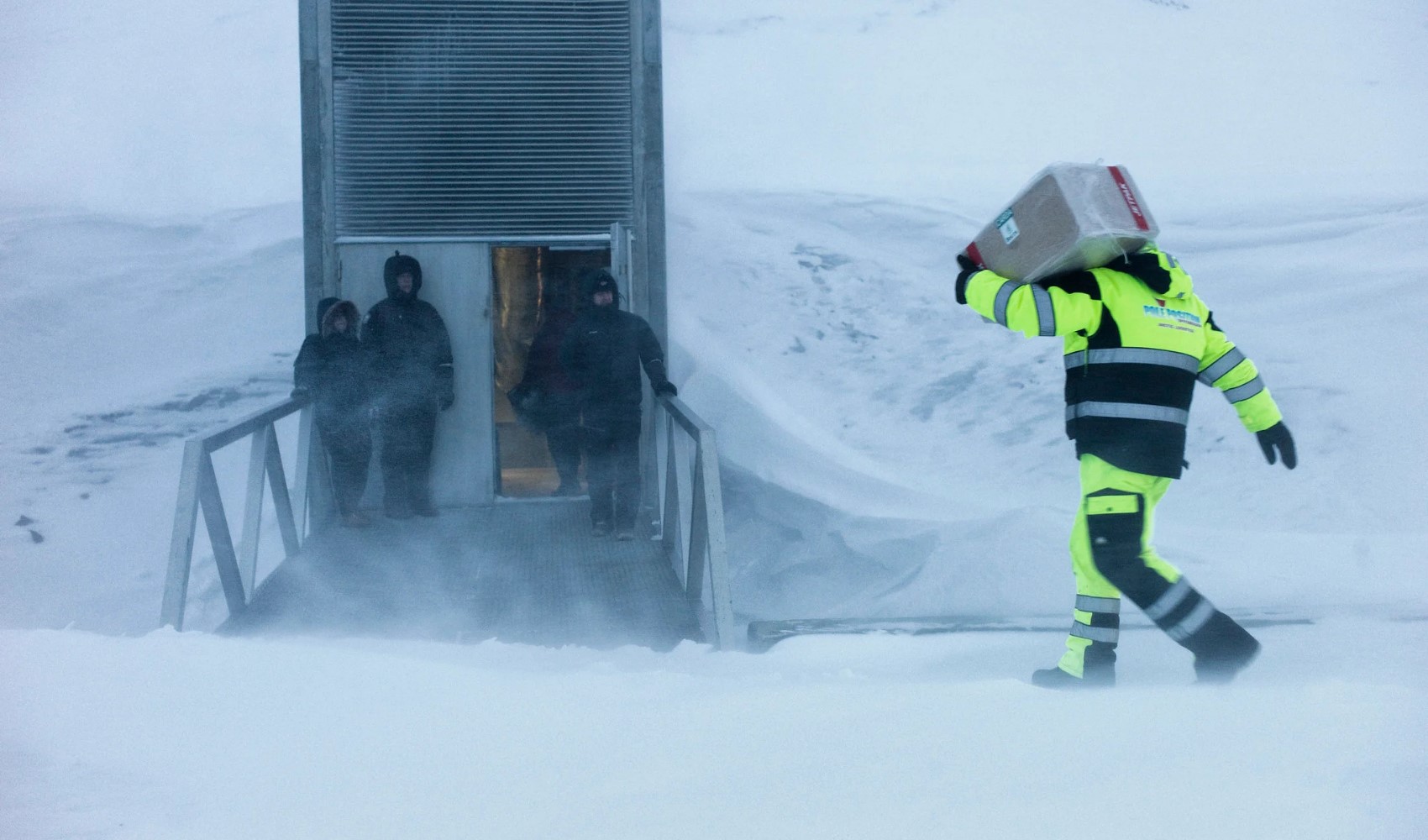
There are more than 5 million seed samples from over 100 countries in the seed vault. This depot stores seeds representing the genetic diversity of every species and has a total capacity to house 4.5 million seed varieties. In this way, it aims to protect biodiversity and pass it on to future generations.
DOES THE VAULT REALLY WORK DURING MAJOR CRISES?
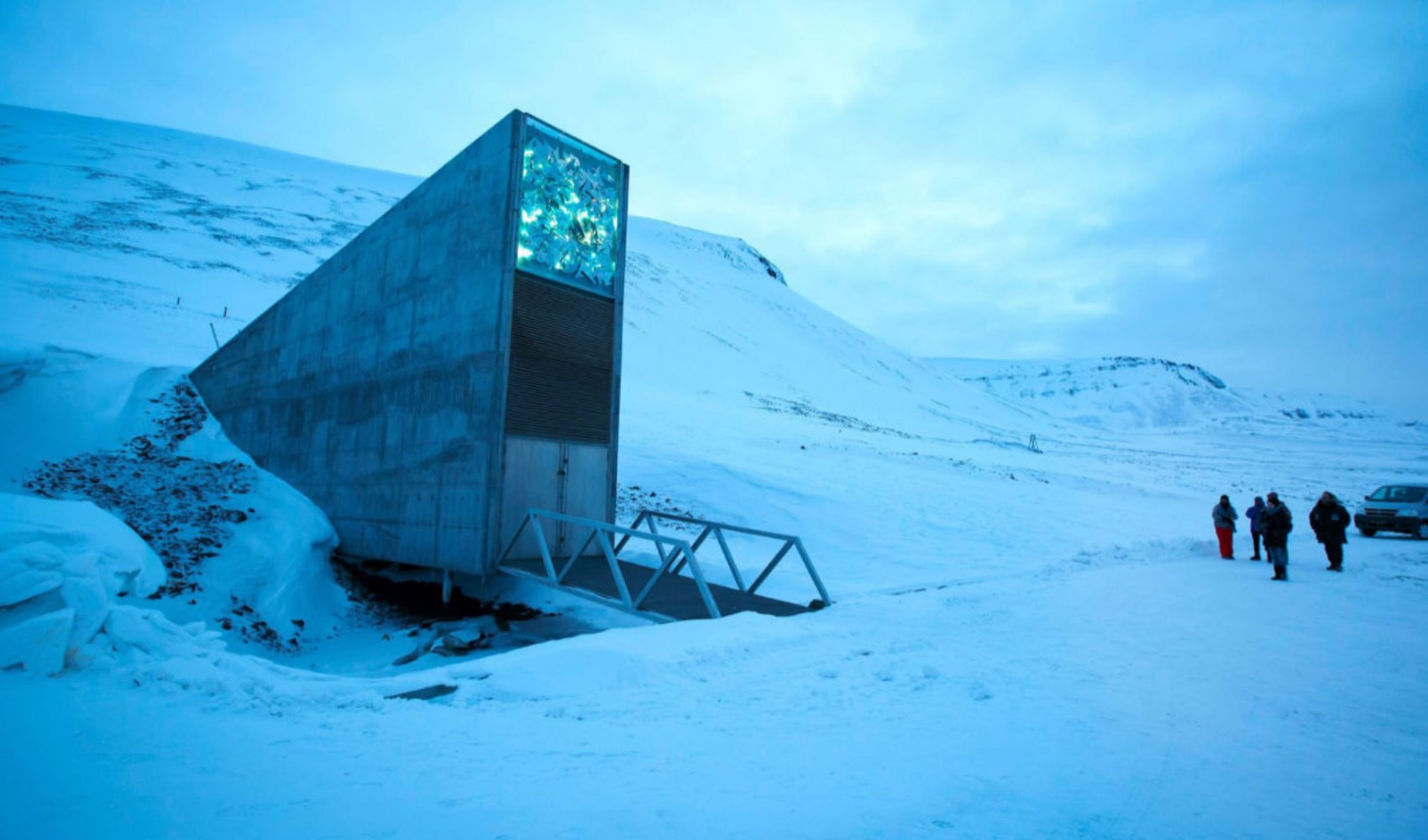
The project aims to help rebuild agricultural systems during global crises. For the first time in 2015, seeds were withdrawn from here due to the civil war in Syria, and these seeds were used to restart agricultural production. This event was an important example showing that the vault can function as intended.
IS THE VAULT AFFECTED BY CLIMATE CHANGE?
In 2017, melting occurred in the permafrost layer due to global warming, and the depot faced a risk of flooding. Although the depot itself was not damaged, this situation showed that it is difficult to completely escape the effects of climate change. For this reason, the security of the vault is constantly being updated.
WILL IT BE ABLE TO SAVE THE FUTURE OF HUMANITY?
The Svalbard Global Seed Vault plays an important role in food security and the protection of biodiversity. However, such projects are not limited to being just a precaution against crises; they also form a foundation for sustainable agricultural practices. While it is seen as an insurance policy for the future of humanity, the success of the vault depends on its ability to work in harmony with other global initiatives.