The 'White Building' inside Syria's Sednaya Prison has been filmed: Where the 'disloyal' are held
In Syria's Sednaya Prison, known as a center of torture during the now-toppled Bashar al-Assad regime, prisoners were subjected to torture as soon as they arrived at the complex, while the bodies of those killed through extrajudicial executions were buried in mass graves.
12punto
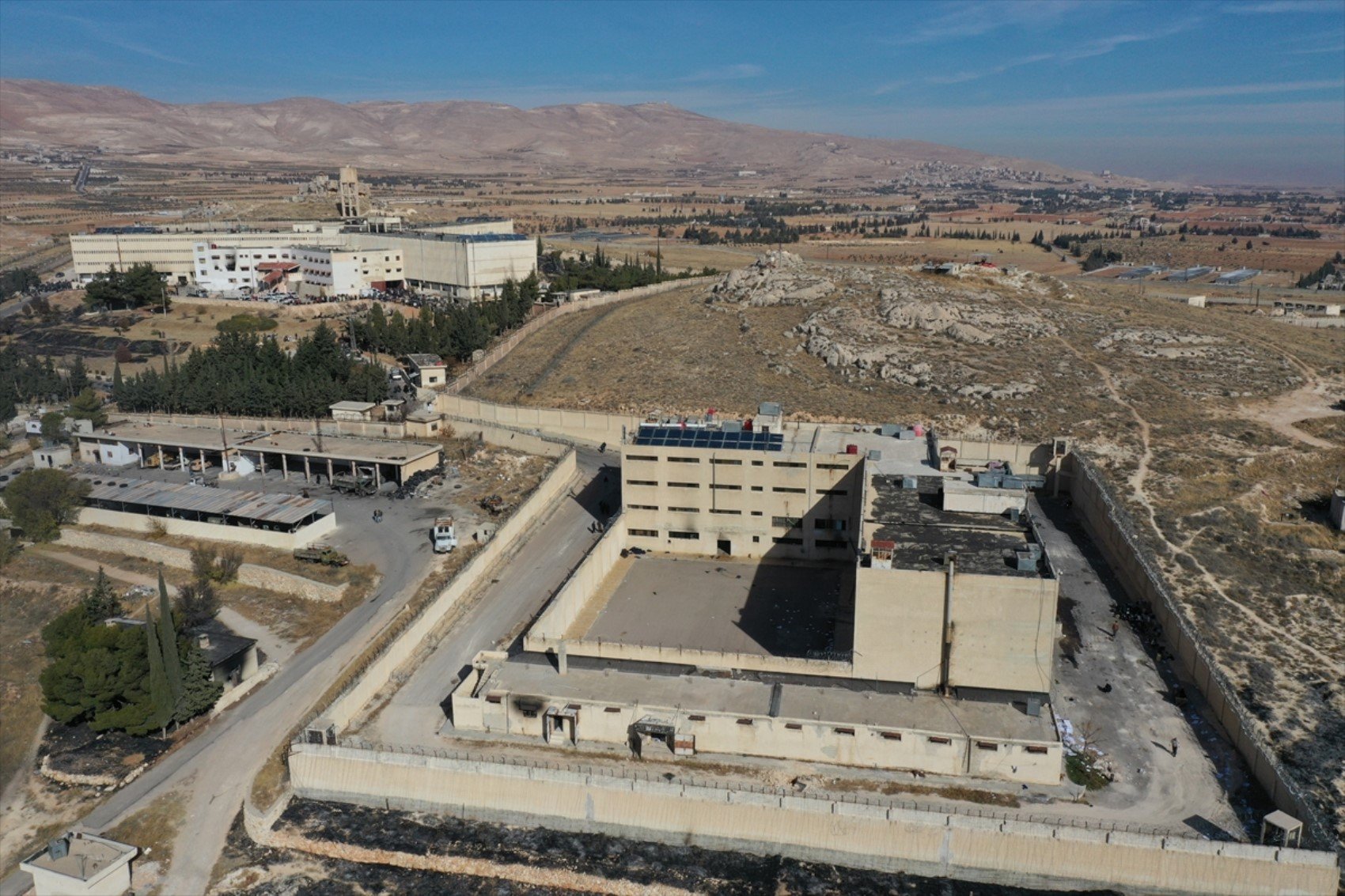
Saydnaya Military Prison, which was under the authority of the Ministry of Defense during the Assad era, is known as a place where anti-Assad protesters were detained and tortured following the events that unfolded with the start of the Syrian civil war in 2011.
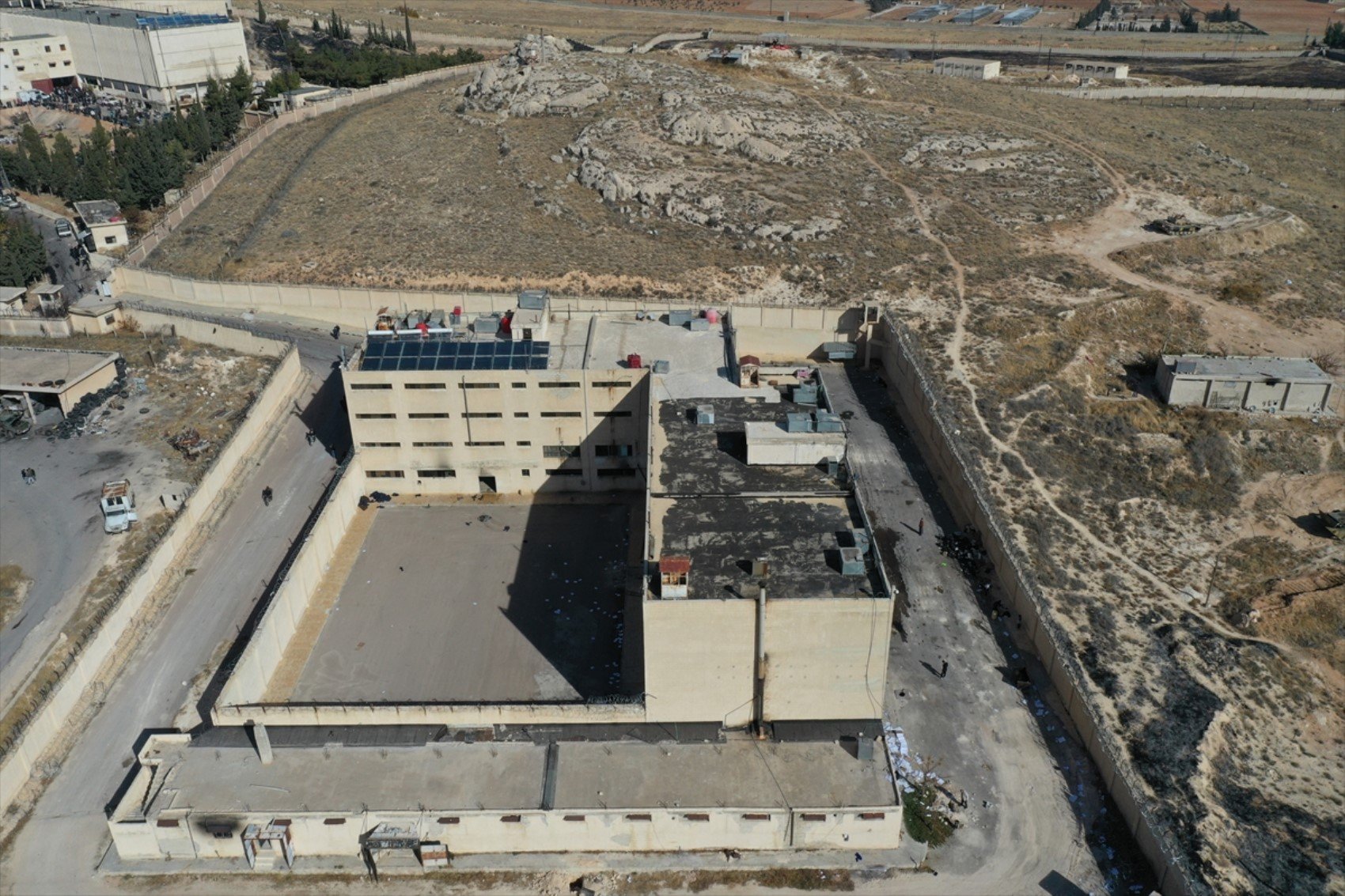
Thousands of people detained at the prison, located approximately 30 kilometers from the capital Damascus, were killed silently and systematically by Assad's forces.
Reports from international organizations show that the regime carried out extrajudicial executions in Saydnaya through "mass hangings," deliberately kept detainees in inhumane conditions, subjected them to repeated torture, and systematically deprived them of food, water, medicine, and medical care.
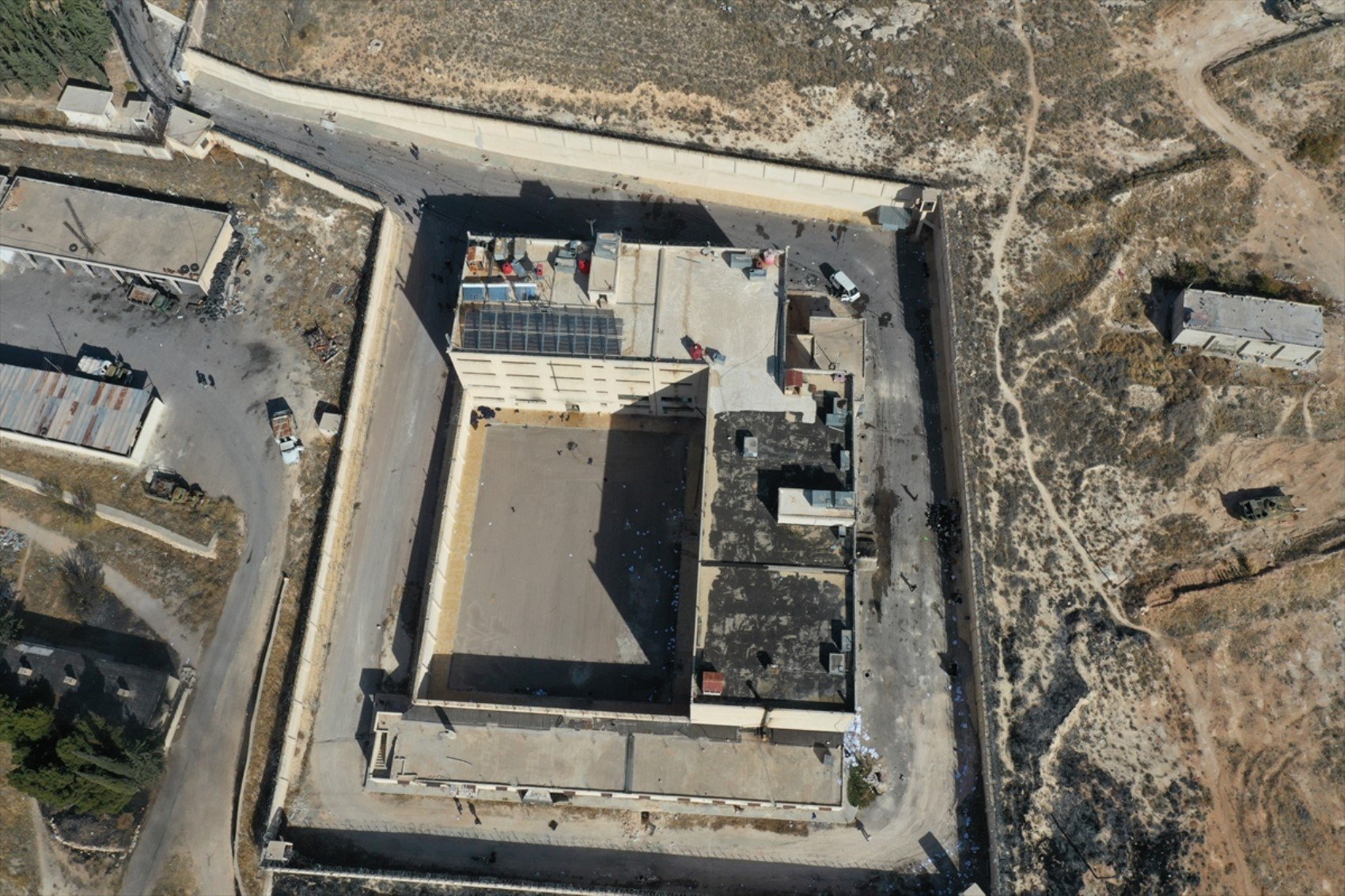
THE WHITE BUILDING AND THE RED BUILDING
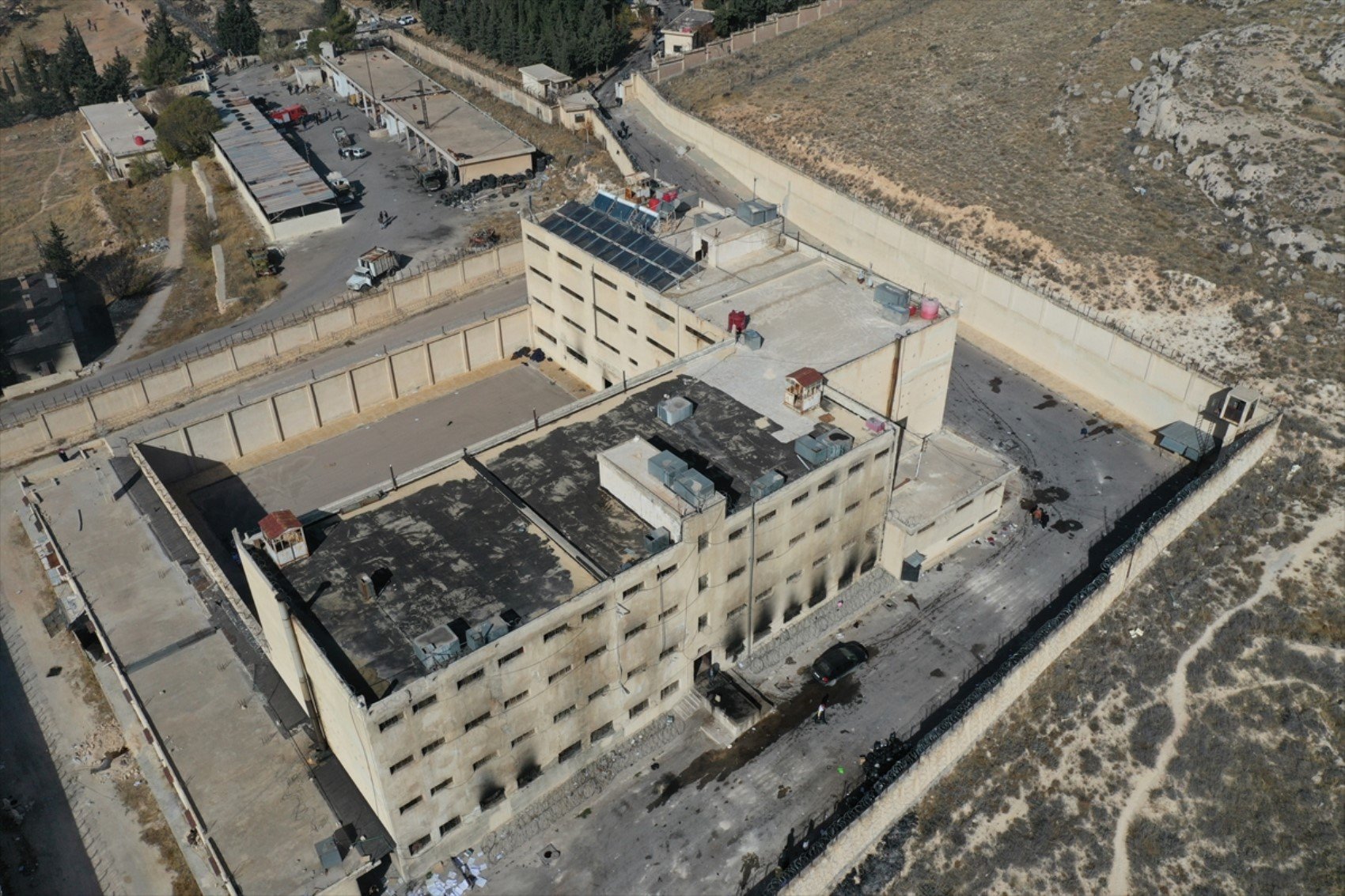
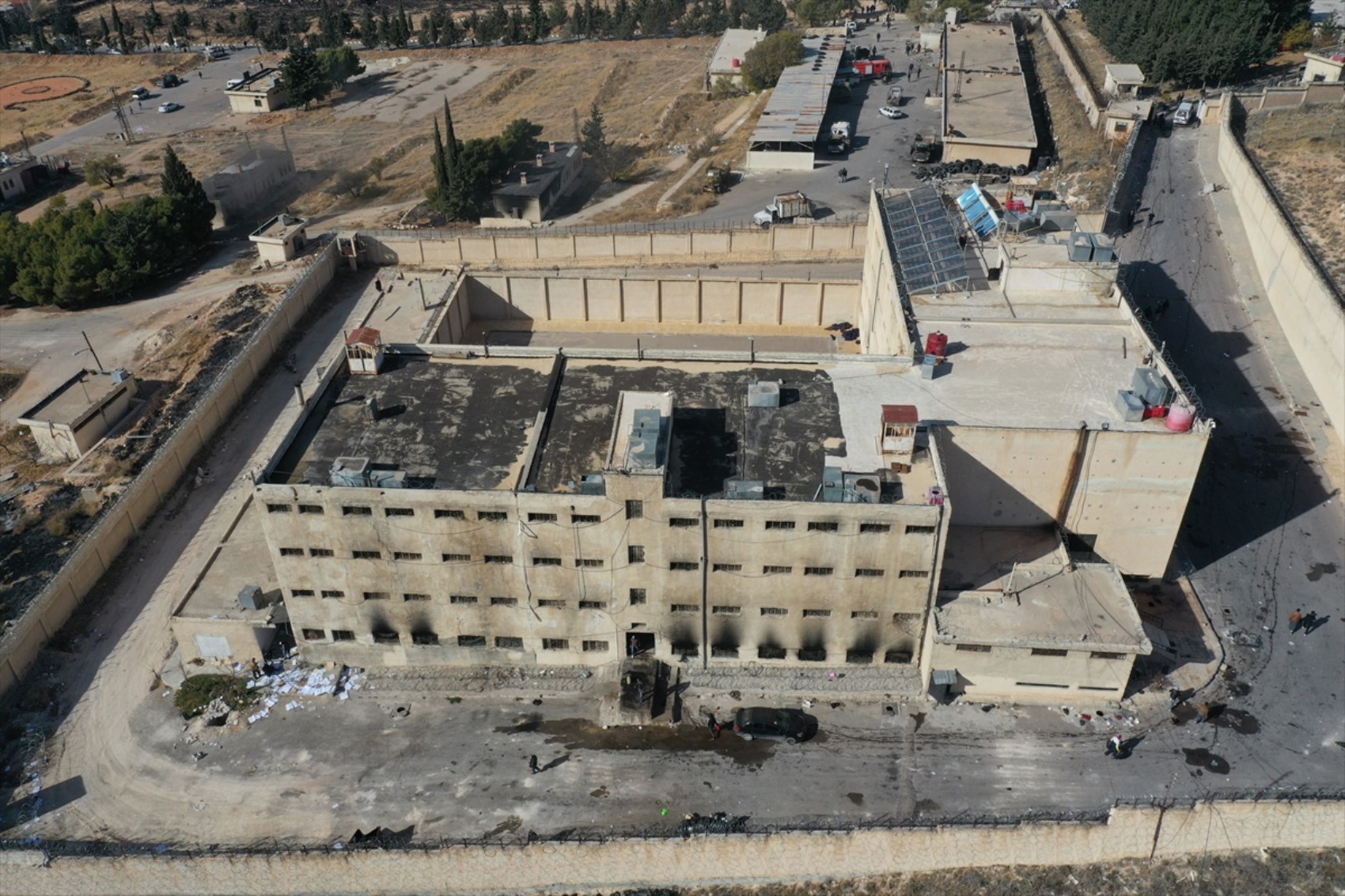
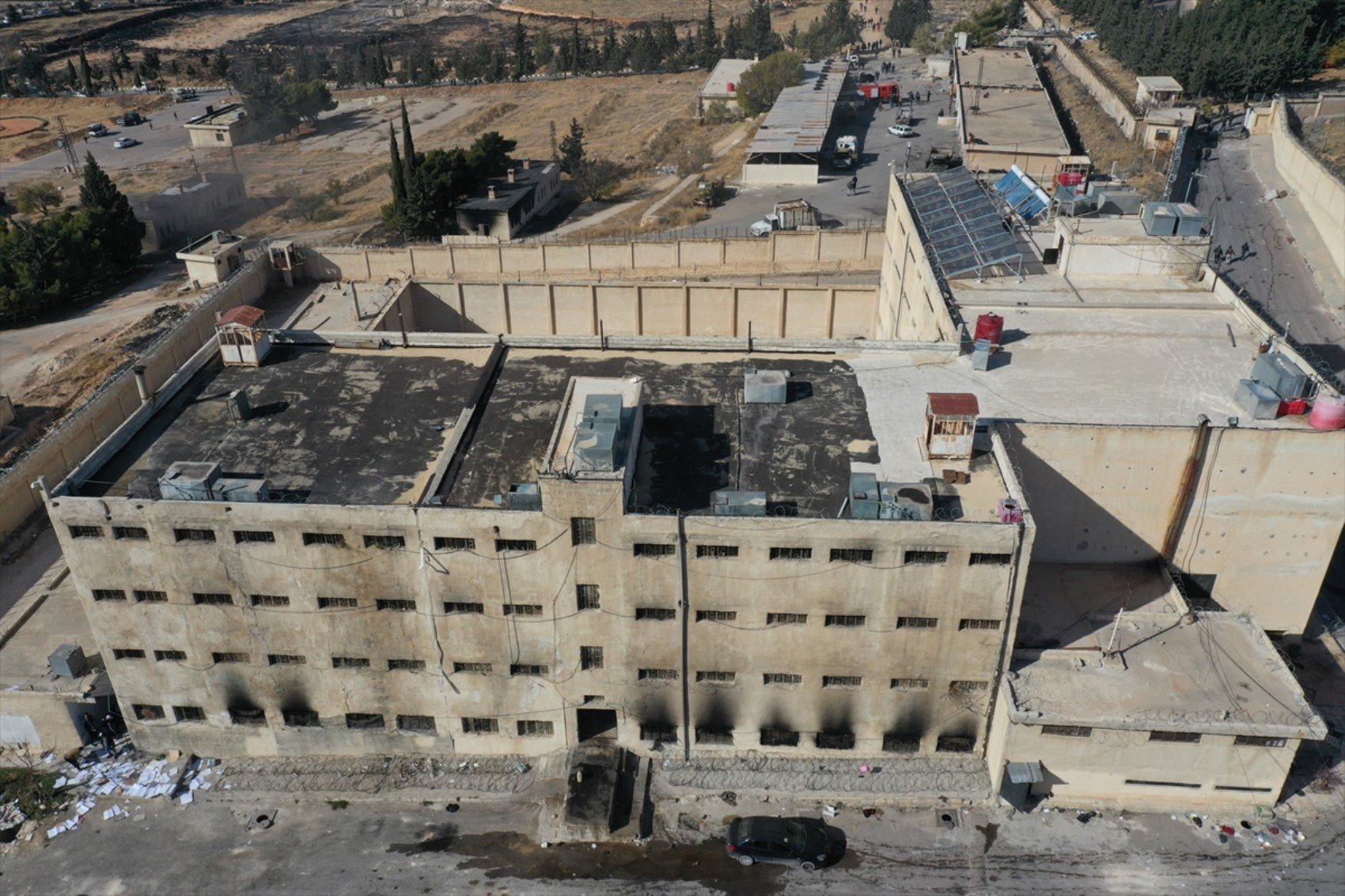
According to information compiled from open sources regarding the torture and executions in Saydnaya, there are two detention facilities within the prison complex known as the "white building" and the "red building."
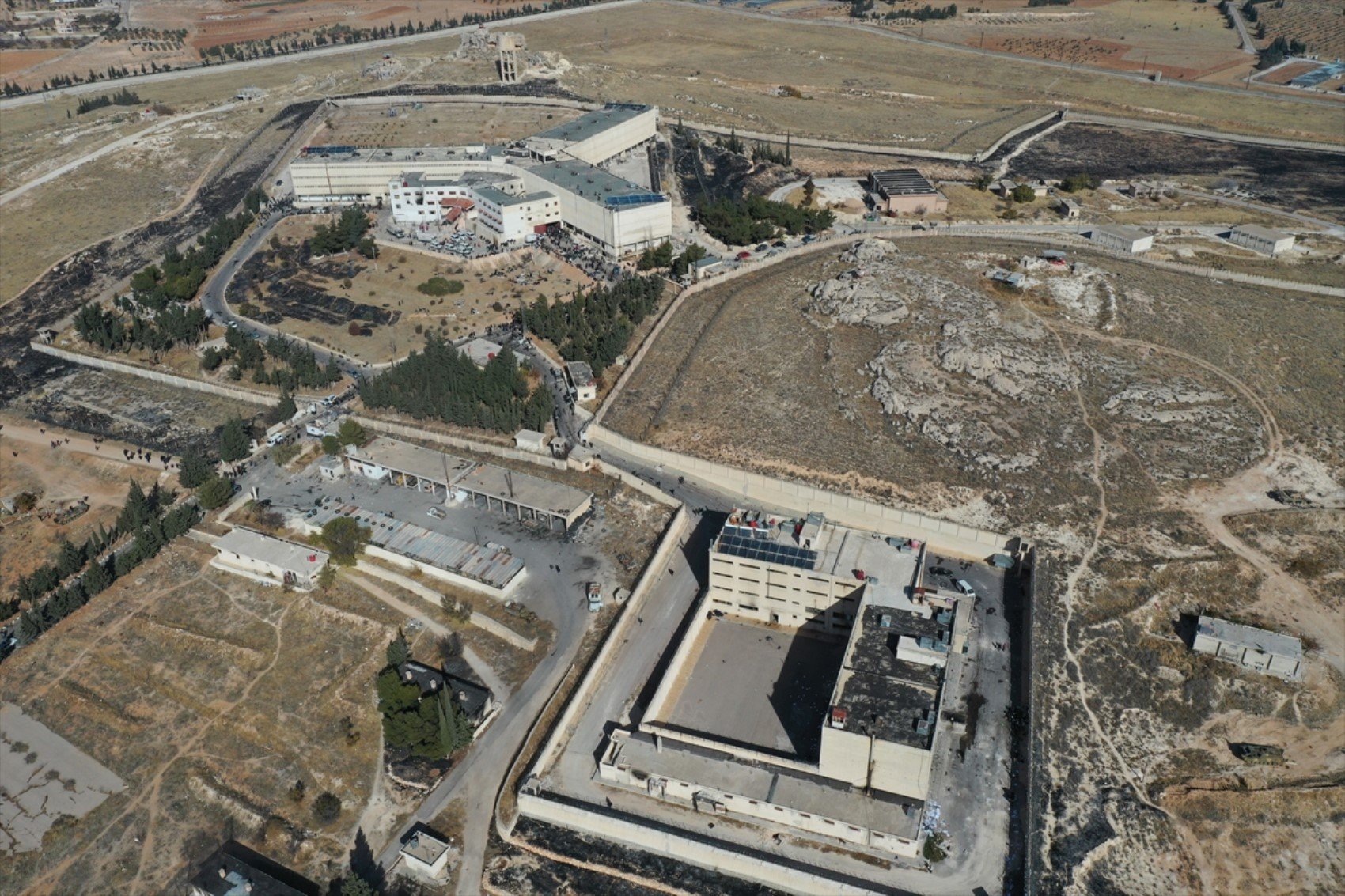
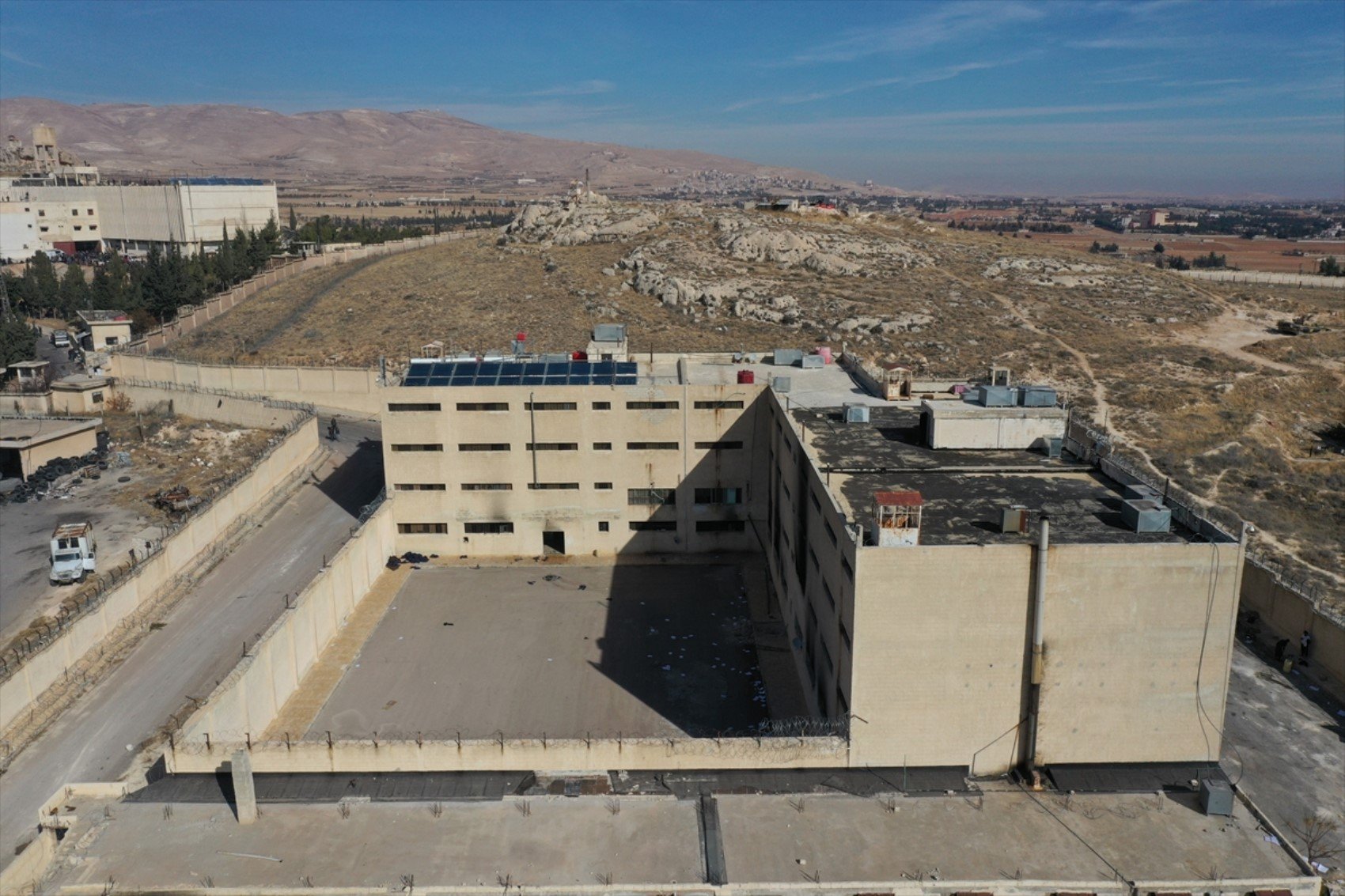
While the majority of those held in the "red building" are civilians detained since 2011, the "white building" housed officers and soldiers detained on the grounds of being "disloyal" to Assad. Prisoners were usually transferred to these buildings after facing unfair trials in one of the military courts located in the Mezzeh district of Damascus.
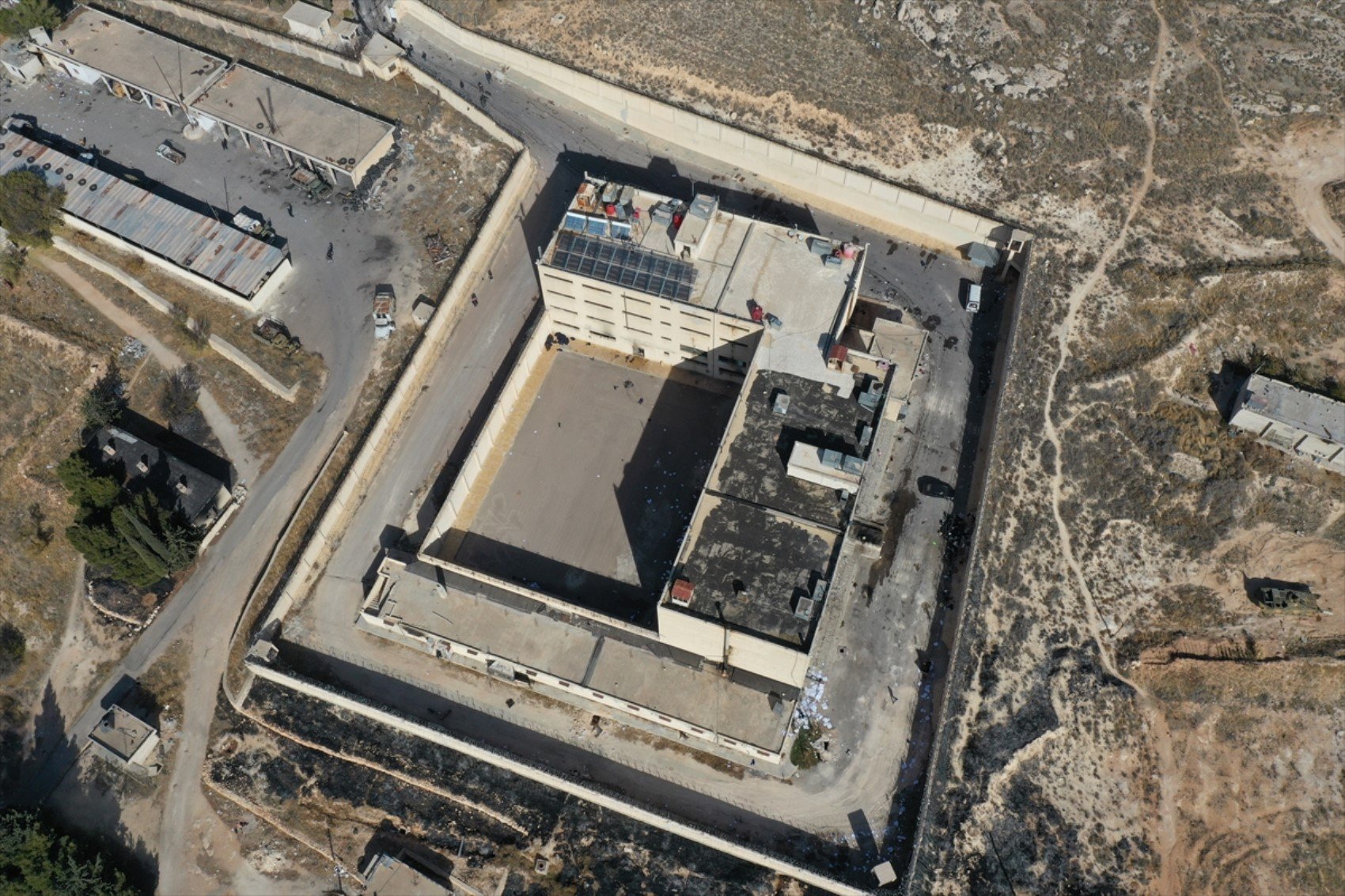
According to statements from former prison officials and inmates, the majority of those held in the red building since 2011 have been civilians from all walks of life whom the Syrian administration viewed as opponents.
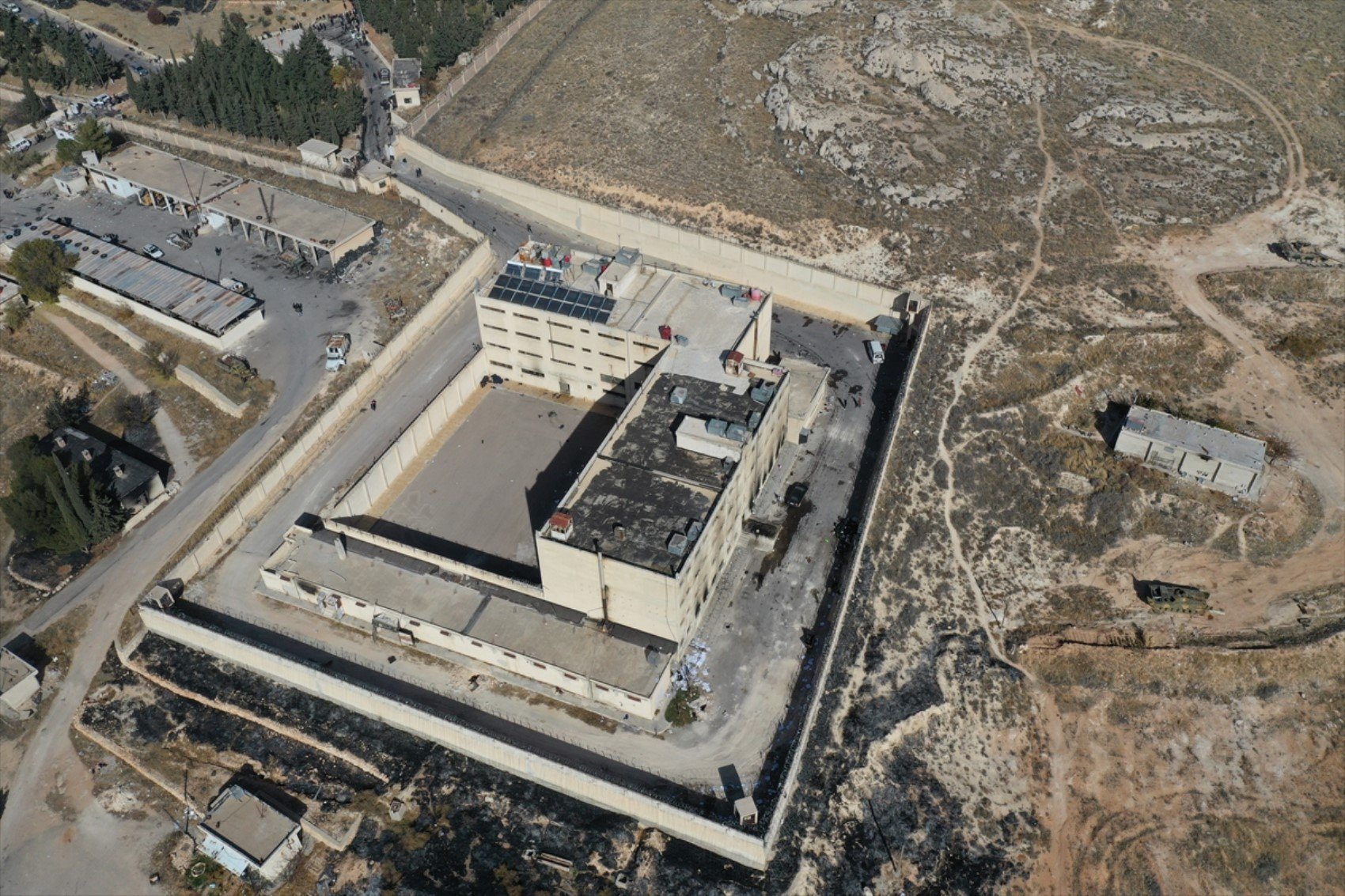
TORTURE BEGINS AS SOON AS THEY ARRIVE AT THE COMPLEX
Former prisoners recounted being transported to Saydnaya from various units of the ousted Assad's security forces in white trucks referred to as "meat lockers."
Stating that they were subjected to severe beatings and torture upon arrival, which prison officials called a "welcome party," the prisoners noted that they were usually struck on the head during these beatings and that some of their friends died as a result.
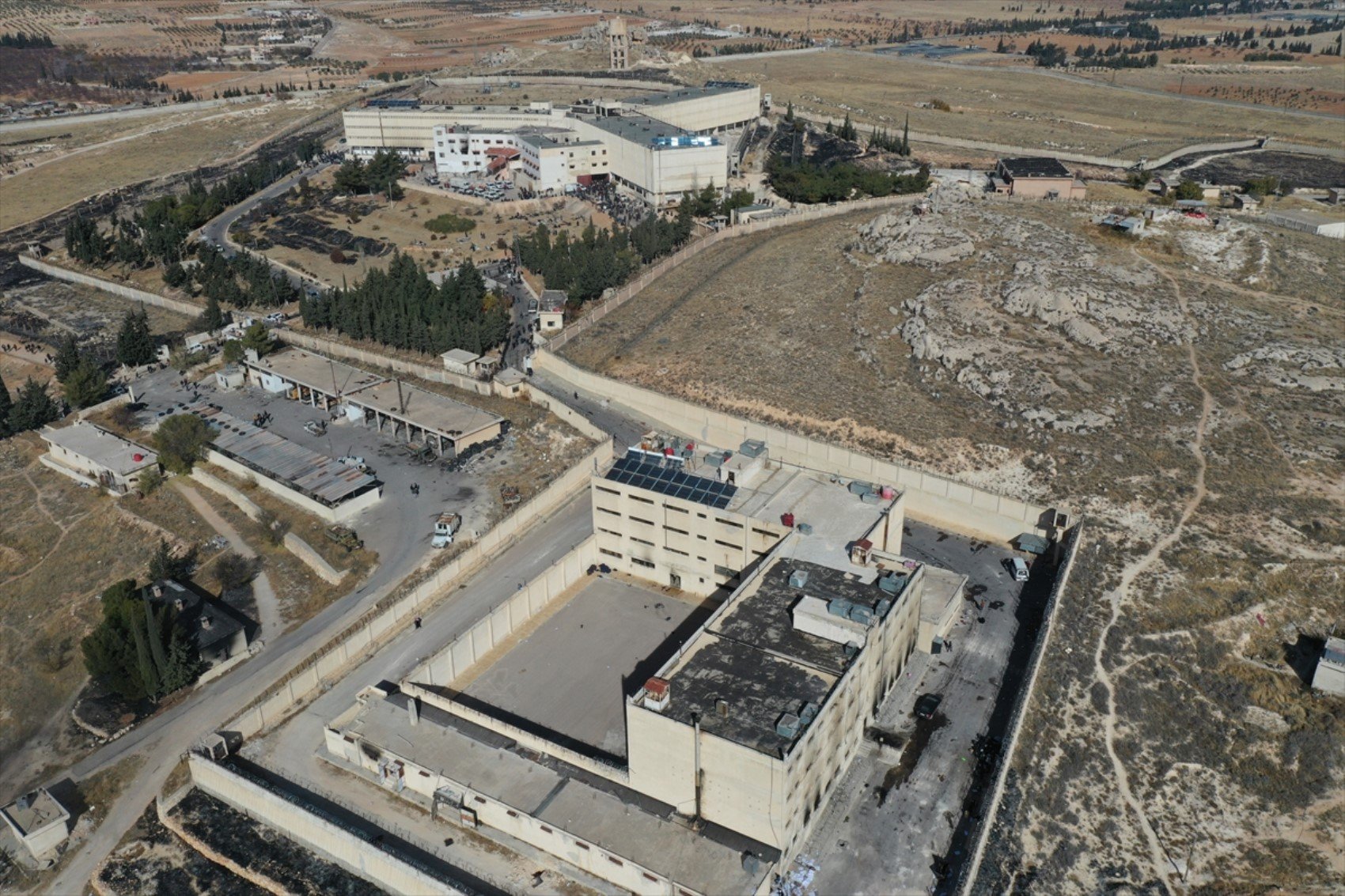
A former prison official who confirmed this practice stated, "The white truck that arrived usually contained 50 to 60 people. These people would be blindfolded. Two guards would go to the vehicle and start throwing them out of the truck. They would take their rings, watches, everything. While the guards recorded their names, they would kick and beat them."
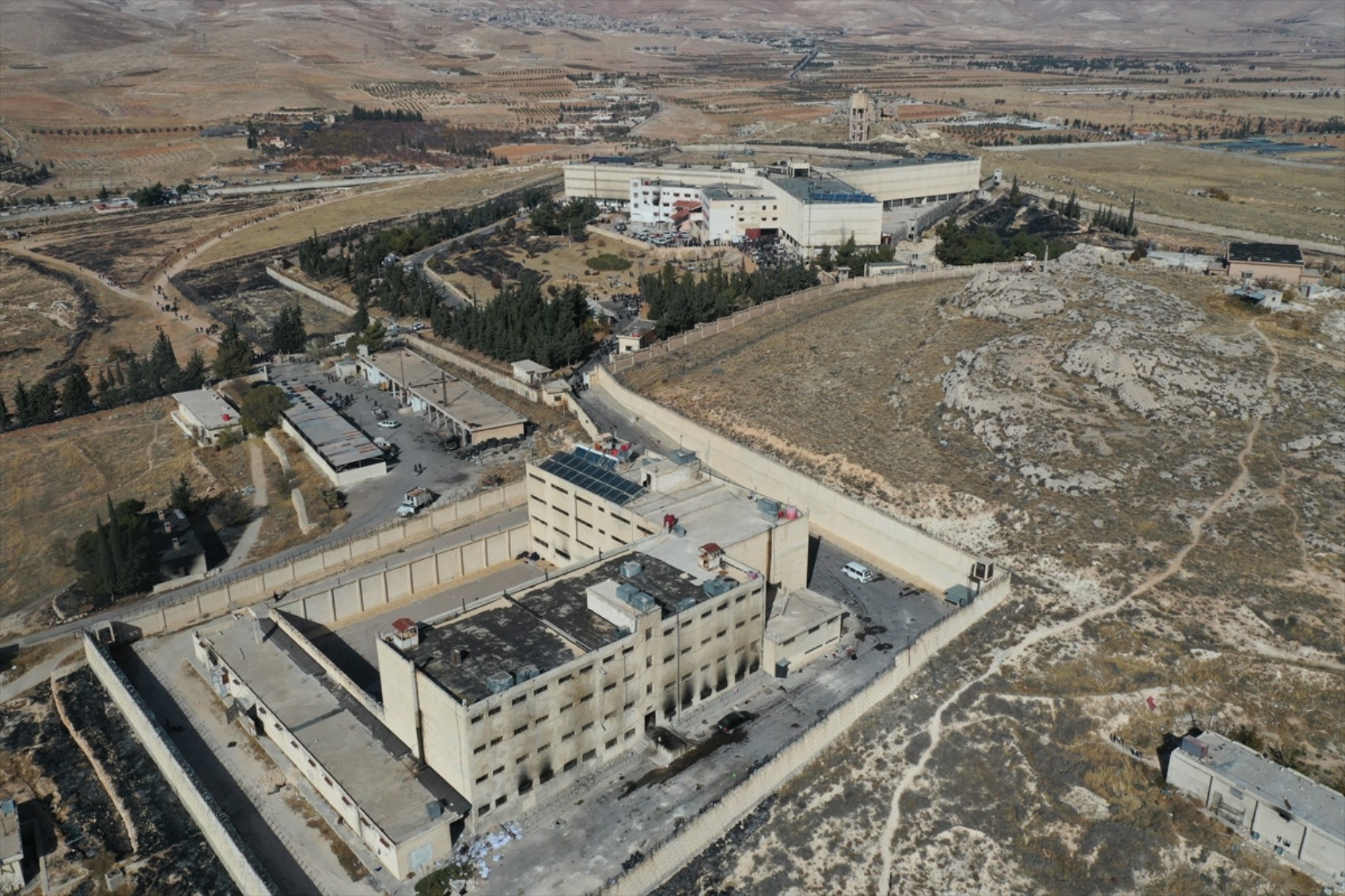
It was noted that the detainees were then taken in groups of 5 to 15 by guards to underground cells referred to as "the lonelies."
TORTURE METHODS
Regular and intense physical violence was used as the most common method of torture in Saydnaya. Prisoners said the violence they were subjected to sometimes led to lifelong damage and disability.
Reports showed that Assad deliberately kept those detained in Saydnaya in inhumane conditions and systematically deprived them of food, water, medicine, and medical care.
Pointing out that prisoners were not given sufficient food, which led to malnutrition and starvation, the reports noted that diseases such as infections and scabies spread frequently as a result of these individuals being denied access to personal and medical care.
According to a report by the Syrian Network for Human Rights (SNHR), the Baath regime employed 72 different types of torture, including physical, psychological, and sexual violence.
Physical torture methods used by Assad's forces included inhumane practices such as pouring boiling water on different parts of the victim's body, submerging their head in water to create a sensation of drowning, applying electric shocks to the body with an electric baton, forcing the victim to sit naked on a metal chair and electrifying the chair, burning plastic bags and dripping them onto the body, extinguishing cigarettes on their skin, burning the victim's fingers, hair, and ears with a lighter, touching heated metal to different parts of the body to burn the skin, dripping hot oil onto the body, and burning them by pouring flammable insecticides over them.
EXECUTION ROOM
Thousands of people in the red building were killed through secret extrajudicial executions after being held in inhumane conditions.
Prisoners were usually sentenced to death in "hearings" lasting 1 to 3 minutes at the Military Field Court located in the Al-Qaboun neighborhood of Damascus before the executions, which generally took place in the form of "mass hangings."
On the days Saydnaya officials carried out the executions, which they called a "party," they would gather the prisoners by telling them they were being transferred to a civilian prison. Instead, the prisoners were brought to a cell in the basement of the red building, where they were subjected to physical violence for 2 or 3 hours.
The prisoners were taken in the middle of the night, blindfolded, by trucks and minibuses to the "execution room" located in the southeast corner of the white building.
Throughout the process, the victims remained blindfolded and were only told they had been sentenced to death a few minutes before the execution was carried out.
Reports noted that between 2011 and 2015, approximately 50 people were hanged every week, and sometimes every two weeks.