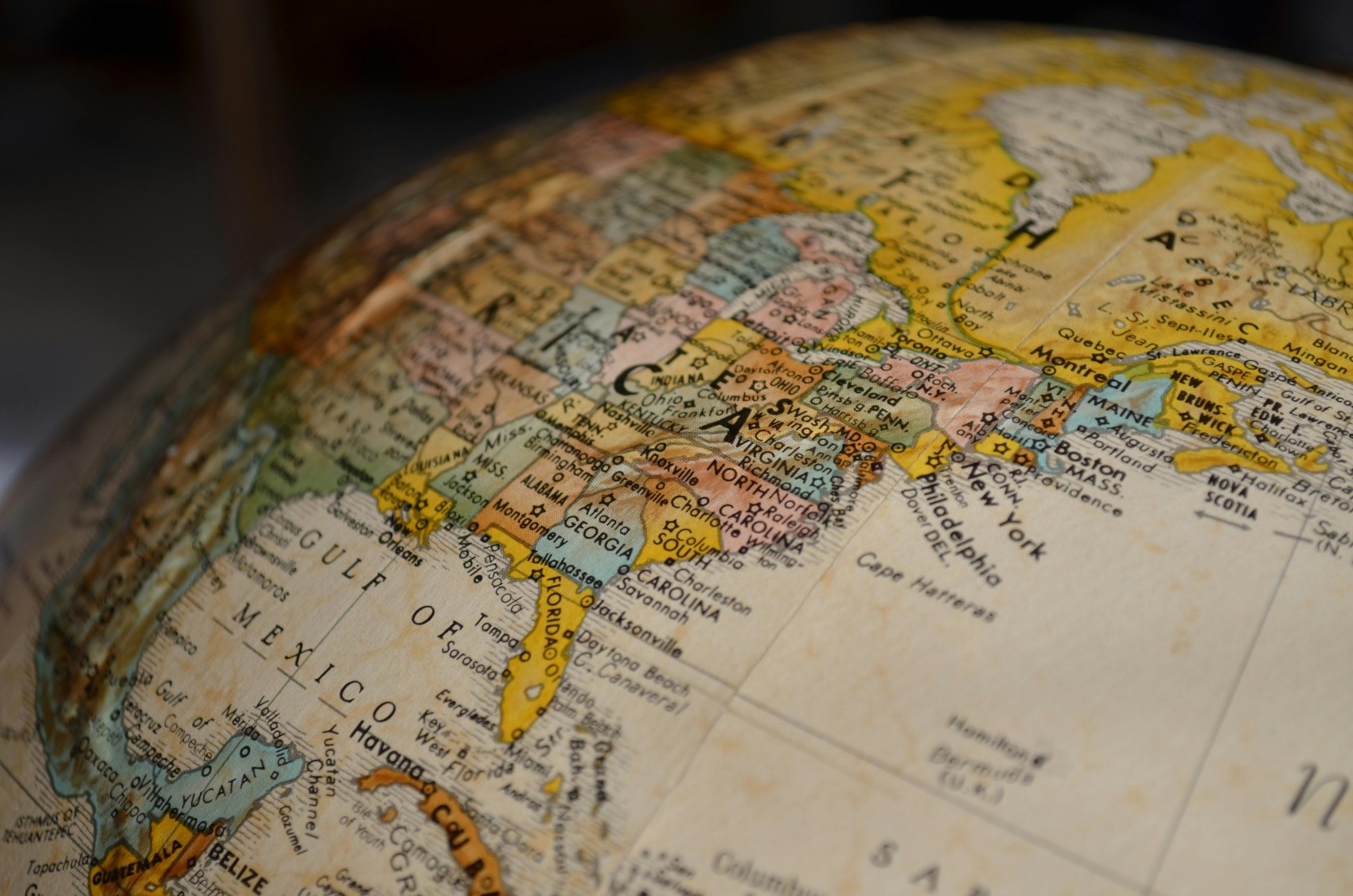
The world may have been shaken: Are there actually 6 continents instead of 7? This study challenges the traditional 7-continent theory!
Scientific facts can change from time to time. A new study in the scientific world has served as a reminder that all unproven information can actually be questioned. The research challenges the traditional seven-continent model, suggesting that the tectonic plates of North America and Europe may still be connected. These groundbreaking findings have raised the possibility that our knowledge of Earth's continents may need to be reconsidered.
12punto
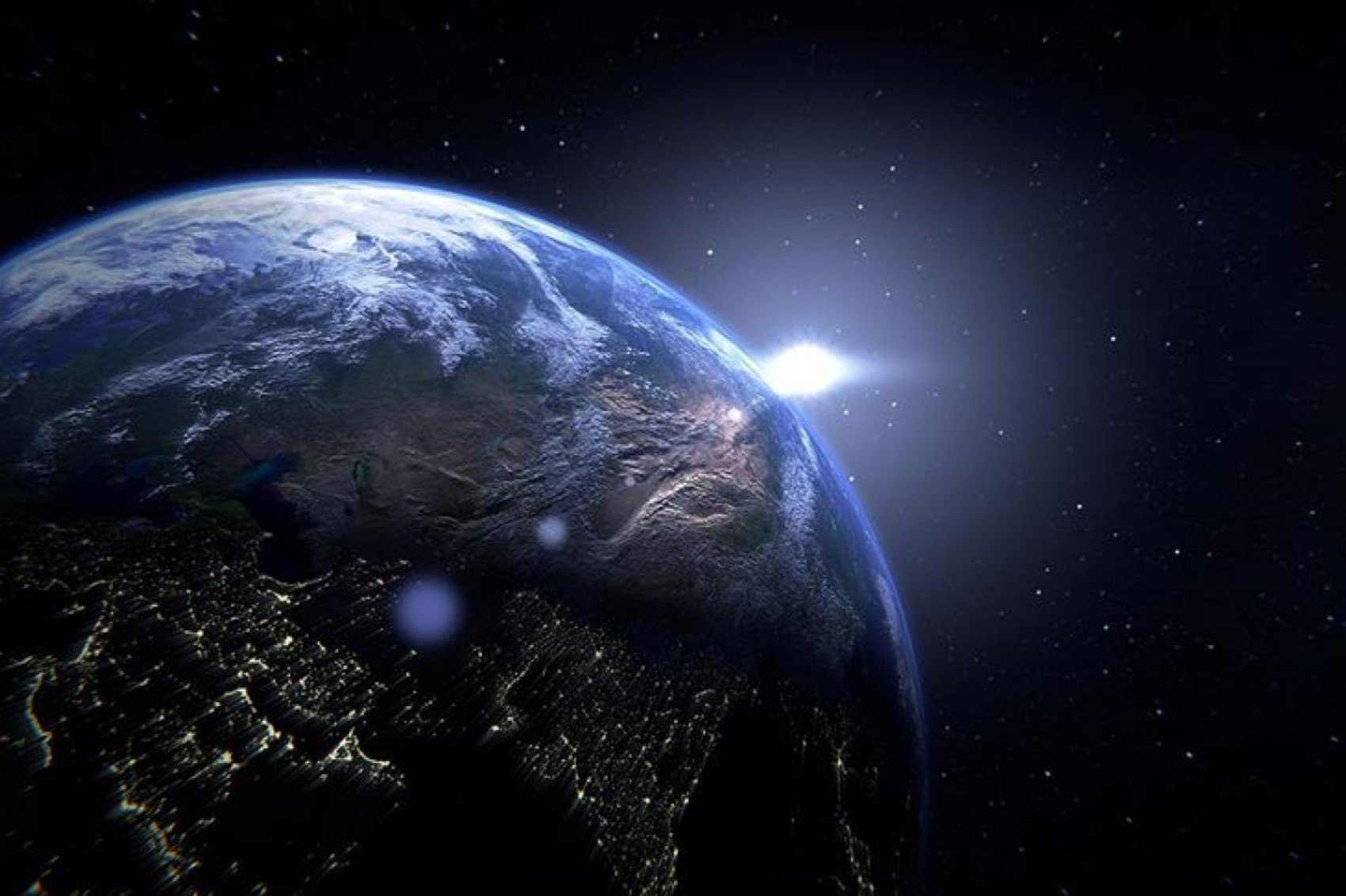
Since primary school, we have been reciting that there are seven continents in the world: Africa, Antarctica, Asia, Oceania, Europe, North America, and South America. However, a pioneering study published in the journal Gondwana Research is questioning this traditional view.
IT IS ACTUALLY NOT THAT CLEAR
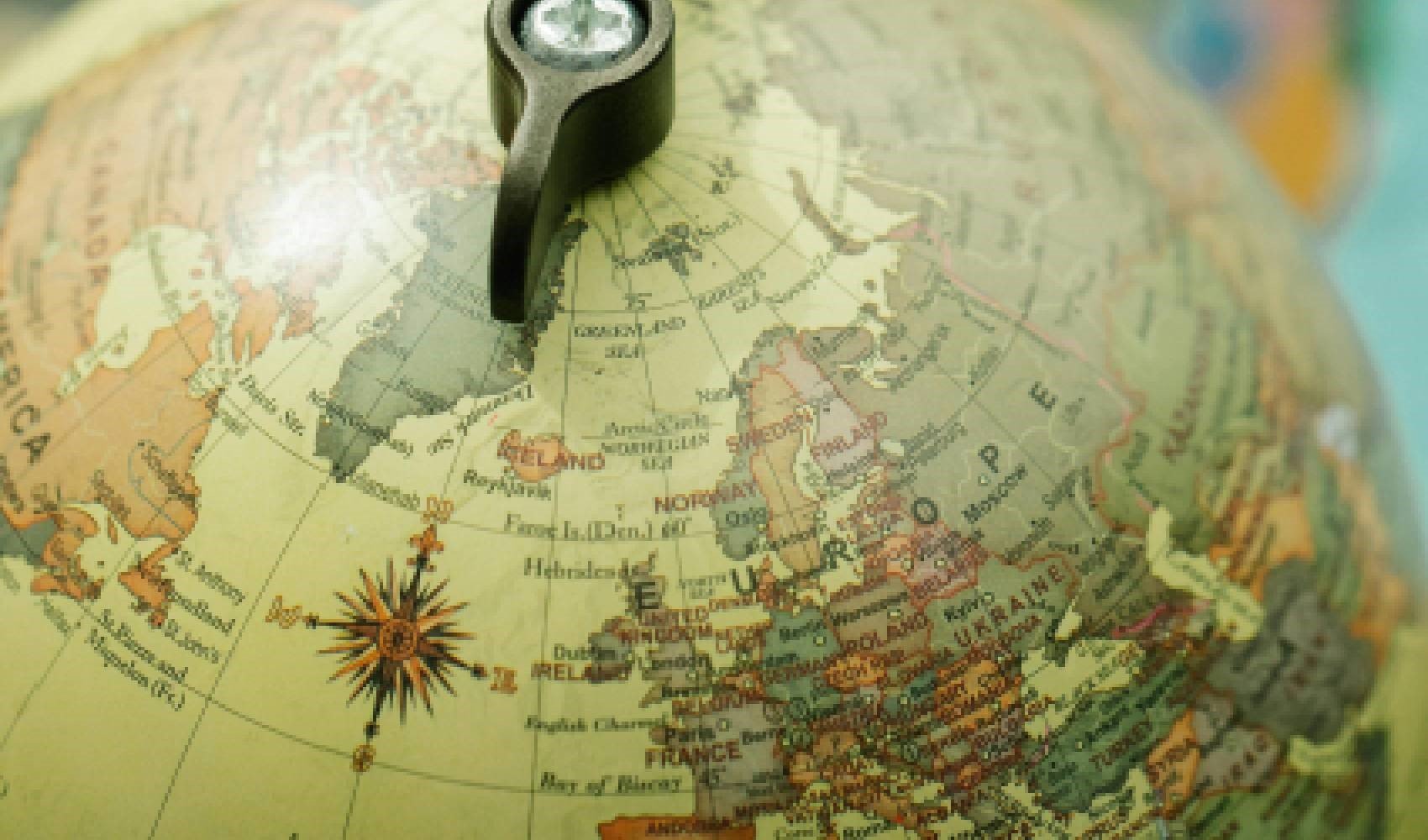
The research, led by Dr. Jordan Phethean from the University of Derby, reveals that the traditional division of continents is not as clear as we think. The study suggests that despite being separated by the Atlantic Ocean, North America and Europe may still be geologically connected.
"The North American and Eurasian tectonic plates are actually still undergoing the process that was traditionally thought to have been completed 52 million years ago," said Dr. Phethean, noting that these plates are still stretching and slowly moving away from each other.
This indicates that North America and Europe might be parts of a single landmass rather than two separate continents.
THE KEY POINT IS 'ICELAND'
At the center of this research is Iceland, a volcanic island long believed to have formed about 60 million years ago on the Mid-Atlantic Ridge, which is the tectonic boundary between the North American and Eurasian plates.
Historically, scientists thought that this ridge triggered a hot mantle plume, eventually leading to the formation of Iceland.
However, the new study offers a deeper look into this geological process, revealing that North America and Europe may not have fully separated yet.
A DISCOVERY THAT COULD CHANGE THE DEFINITION OF CONTINENTS
This new interpretation of the Earth's geological history challenges the traditional definition of a continent and could change our perspective on the evolution of our planet.
Dr. Phethean and his team questioned this theory by closely examining tectonic movements in Africa and put forward a bold hypothesis. The researchers suggest that, in addition to Iceland, the Greenland-Iceland-Faroe Ridge (GIFR) carries geological fragments from both the European and North American tectonic plates.
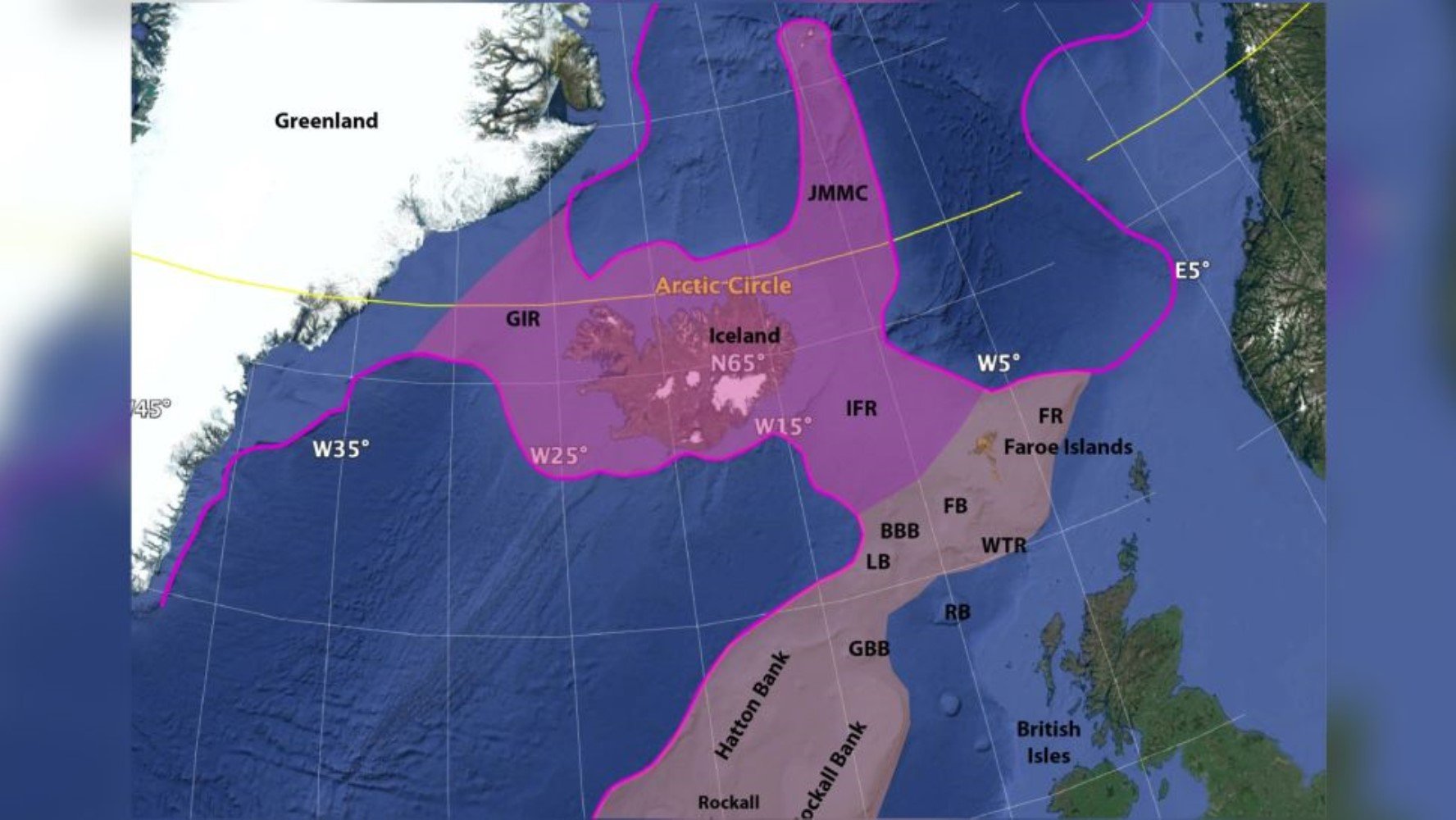
This shows that these regions are not isolated landmasses as previously thought, but connected segments of a larger continental structure.
Scientists have begun using the term “Rifted Oceanic Magmatic Plateau” (ROMP) to describe this new geological formation. This term could significantly change our understanding of how Earth's continents formed and separated.
COMPARED TO THE LOST CONTINENT OF ATLANTIS
Comparing this discovery to "finding the Lost City of Atlantis," Phethean stated that his team discovered "continental fragments buried beneath the sea, covered by kilometers of thin lava flows."
Furthermore, the researchers found remarkable similarities between Iceland and the volcanic Afar region in Africa. If these findings are correct, it indicates that the European and North American continents are still in the process of separating and that their connections persist.
While Dr. Phethean acknowledges that the research results may be surprising to many, he emphasizes that they are based on comprehensive scientific data.
RESEARCH CONTINUES
Nevertheless, this study is still in its early stages, and the team plans to collect more robust evidence of the ancient continental crust by conducting additional tests on volcanic rocks in Iceland.
They are also trying to better understand how ROMP formed by using computer simulations and plate tectonic modeling.