Those who eat grapes for luck, those who sleep in cemeteries, those who smell of onions... Here are the interesting New Year's traditions from countries around the world!
A new year corresponds to a shared joy and new hopes all over the world. However, of course, everyone's way of welcoming the new year is very different. New Year's traditions practiced all around the globe also lead to colorful scenes. Some call for love in the new year, some for luck, and others for money...
12punto
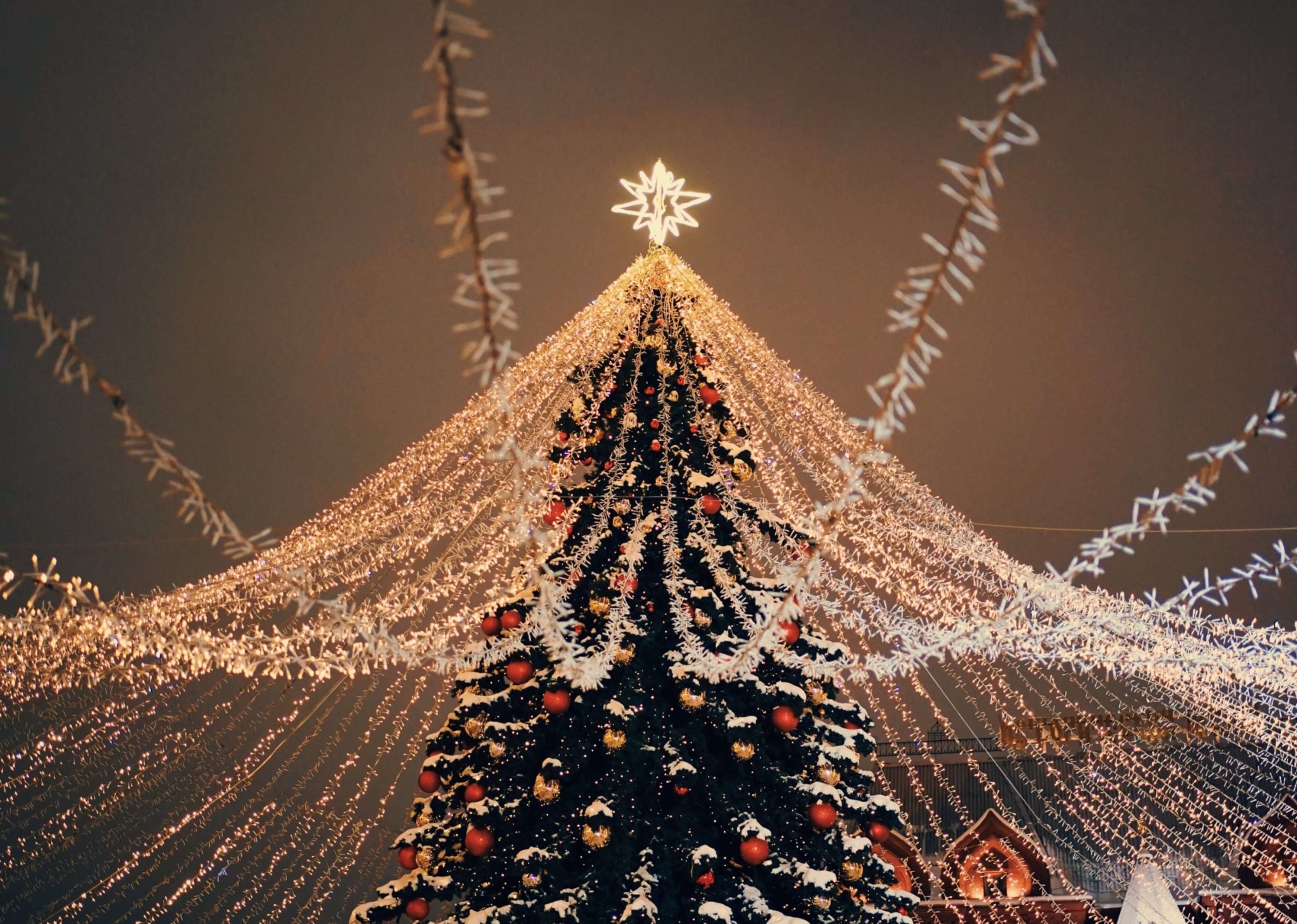
The arrival of the new year continues to be celebrated with enthusiasm all over the world. People from different nations, who spend New Year's Eve with various rituals while saying "new year, new hopes and possibilities," both have a lot of fun and keep their own traditions alive.
The Spanish tradition that became popular all over the world last year, where they try to eat 12 grapes in 12 seconds, the "first-footing" races in Scotland, and the laughter of the Japanese ring in our ears. While all this is happening, the smell of onions rises from Greece. Here are some fun and funny New Year's traditions...
THE SPANISH 12 GRAPES, 12 WISHES RITUAL
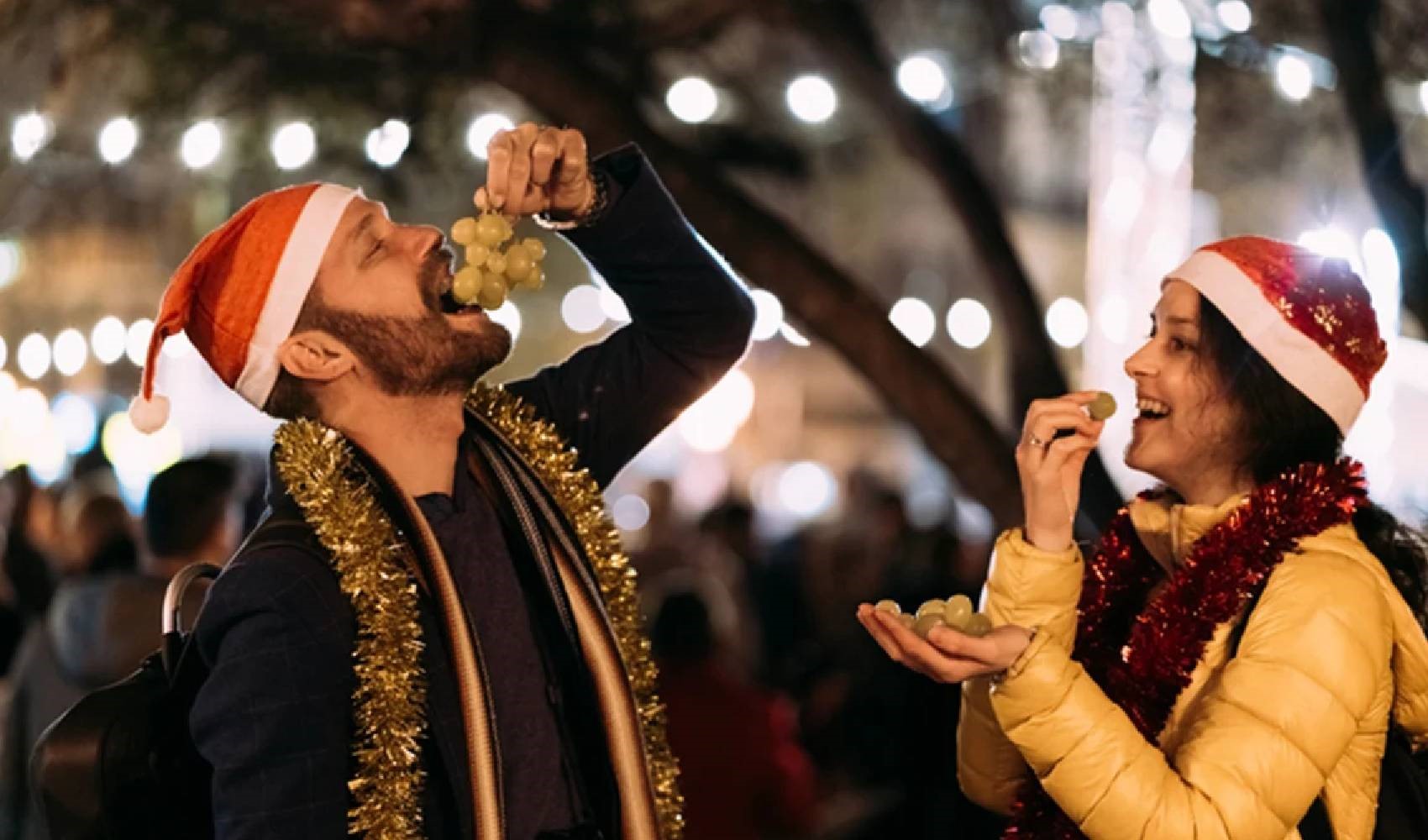
In Spain, grapes, which are a must-have on large and crowded tables laden with delicious food, gain great importance in the new year. If you are spending New Year's Eve in Spain, you can join this tradition by eating one grape every time the bell tolls before midnight.
All you have to do is manage to do this 12 times and keep the grapes in your mouth until the clock strikes 00.00. If you do this, you can be sure that your year will be lucky.
Let us also note that each of the 12 grapes consumed represents one month of the year.
WHO WILL TAKE THE FIRST STEP?
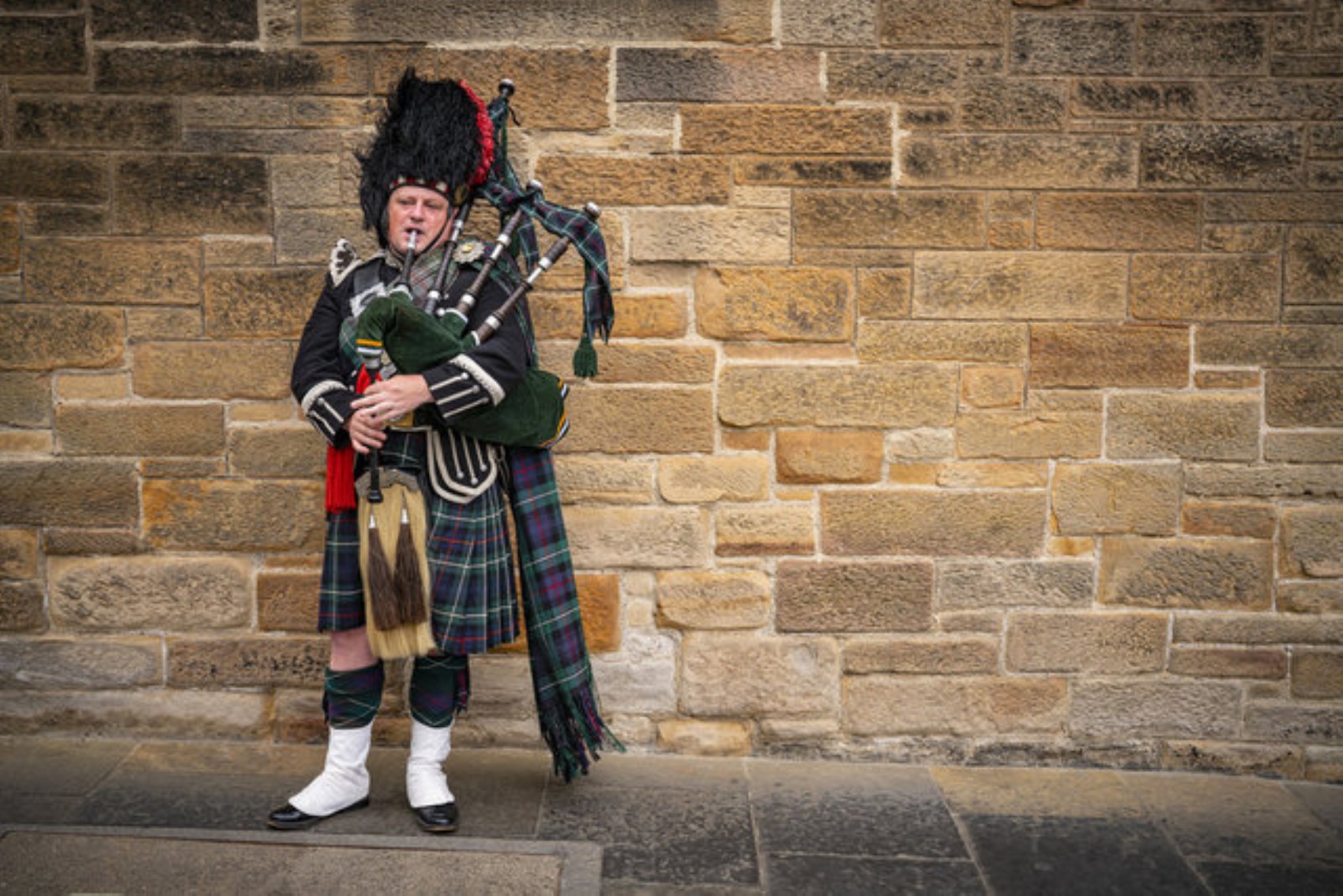
One of the places where you will feel the New Year's enthusiasm to your bones is Scotland, a fairytale medieval country famous for its gardens and neo-classical structures! The day before January 1st is so important in the country that the Scots have even given it an official name: Hogmanay!
During Hogmanay, one of the most exciting celebrations in the world, a "first-footing" race begins across the country. As soon as the clock strikes midnight, they race to be the first to set foot in the homes of friends and family. They bring cultural symbols of luck and abundance such as money, bread, salt, and whiskey to the houses they visit.
NOT 12 MEALS, BUT A TURN TO LUCK
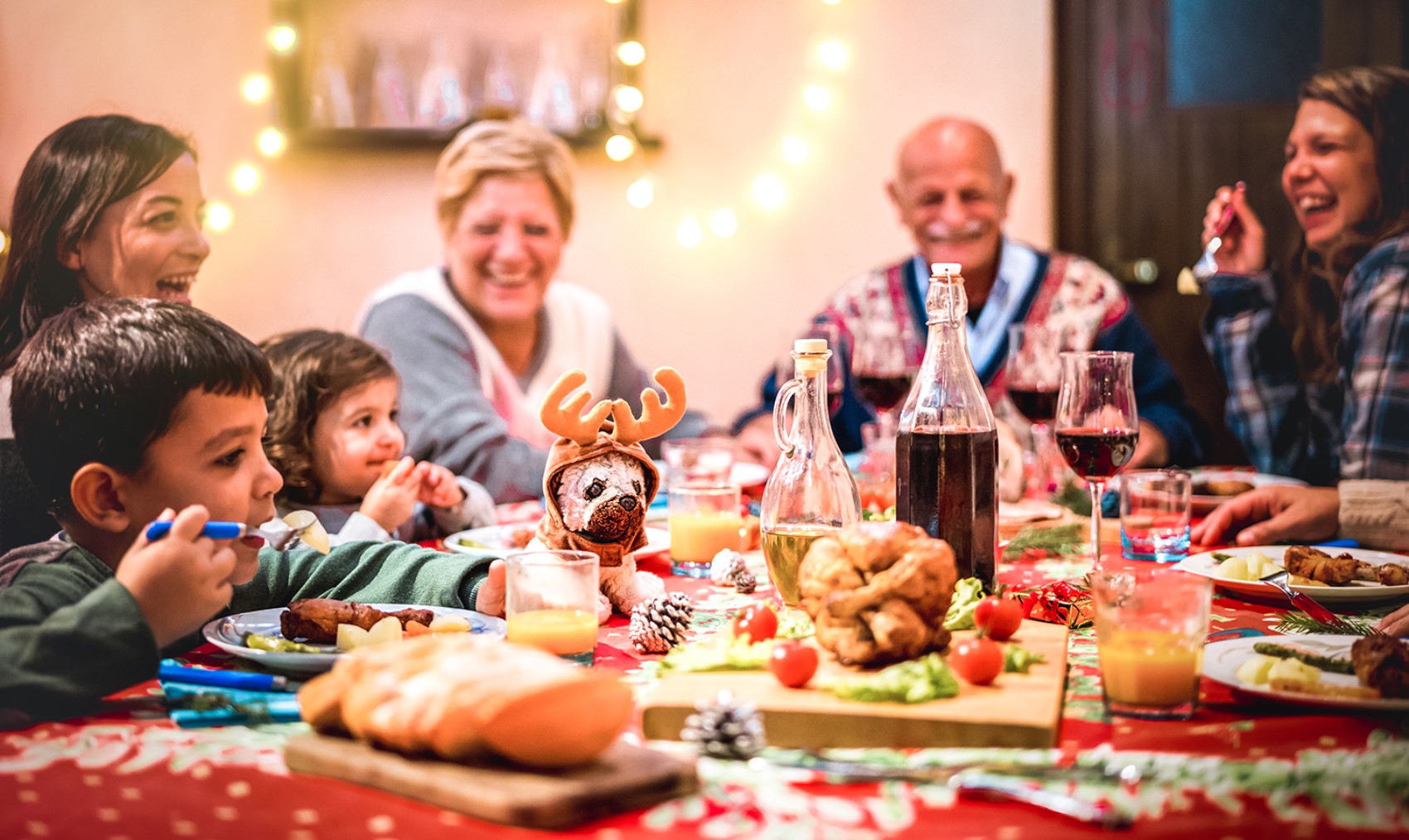
If you love to eat, it is guaranteed that you will be happy to celebrate New Year's Eve in Estonia.
On New Year's Day, Estonians take care to eat 7, 9, or 12 meals, which are considered lucky numbers. They believe that if they manage to eat these many meals, the more they eat, the more abundance and prosperity it will bring them in the new year.
ITALIANS WEAR THE COLOR OF LUCK: 'RED'

How could we forget red underwear, a belief that has spread from Italy to the whole world? Italians, who believe that a never-before-worn pair of red underwear will bring luck and love in the new year, dress in red—the color of love—on the last night of the year because they associate the color red with fertility.
GREECE SMELLS OF ONIONS ON NEW YEAR'S EVE
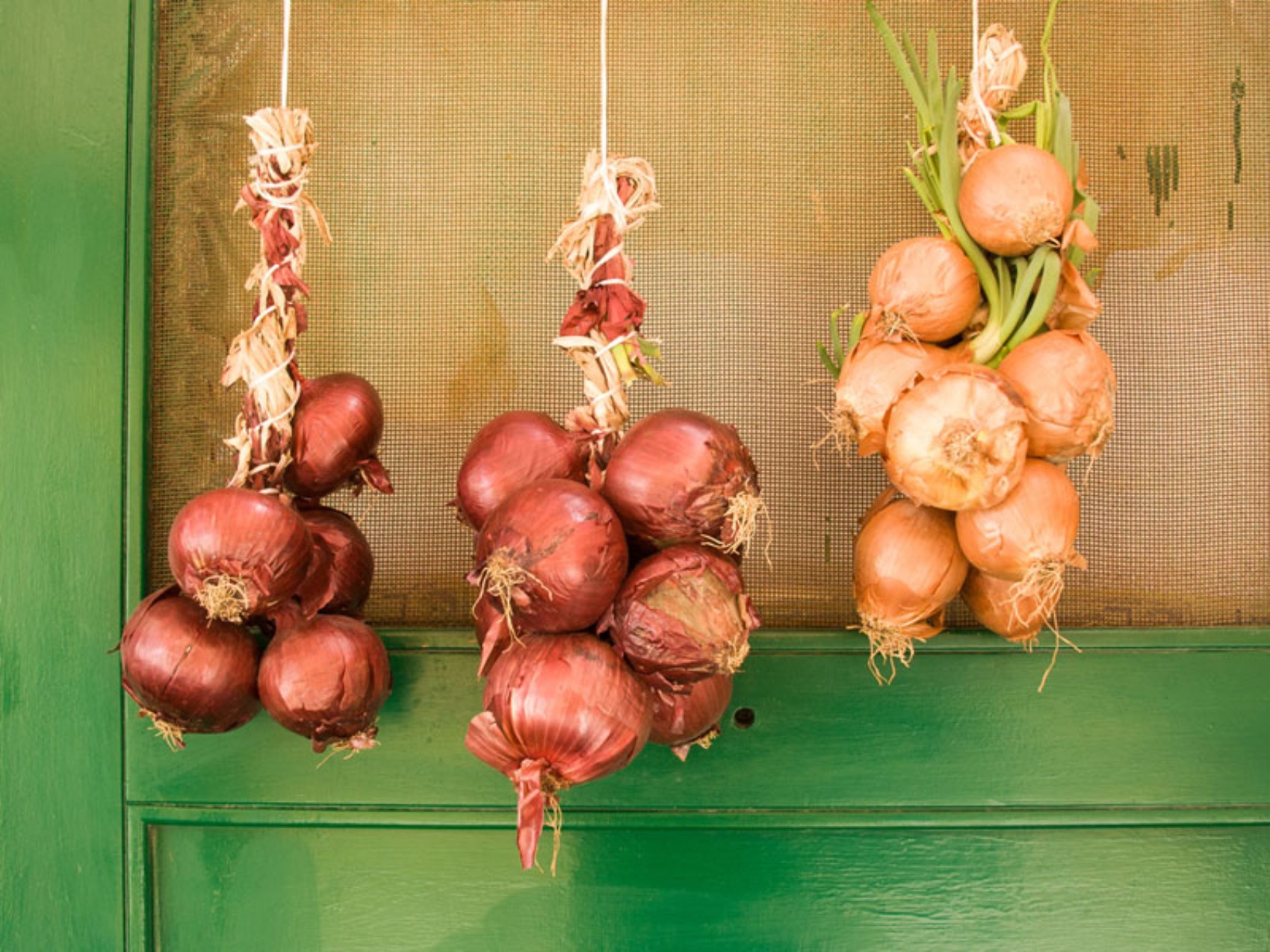
Believing that it is a symbol of rebirth, the Greeks traditionally choose to hang onions in front of their doors on New Year's Eve.
They believe that the onion will protect them from evil spirits and that they will spend the new year in peace.
GERMANS POUR LEAD
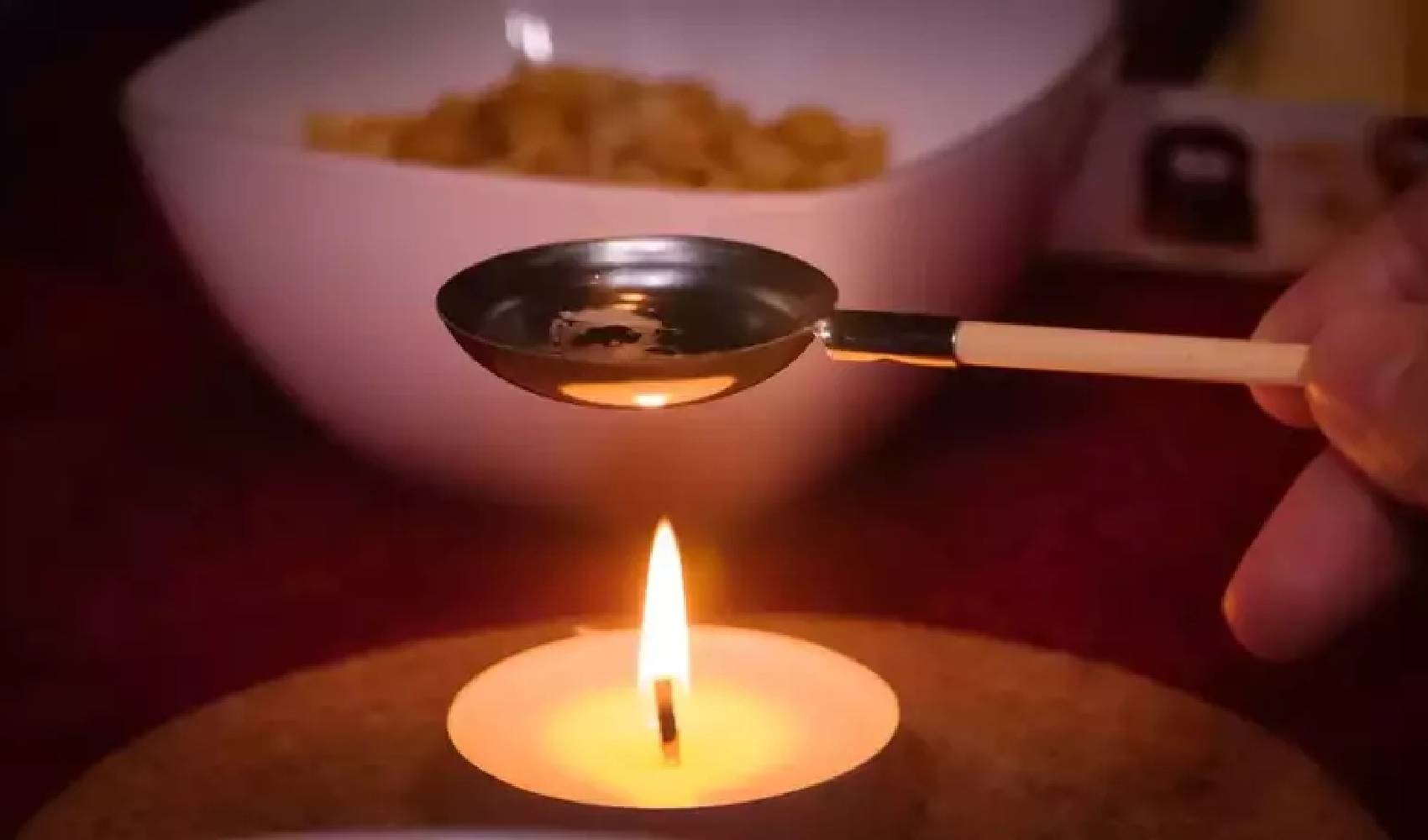
In Germany, New Year's festivities center around an activity known as Bleigießen, or what is known as "pouring lead" in Turkish culture.
Using the flames from a candle, each person melts a small piece of lead or tin and pours it into a container of cold water. It is said that the shape formed by the lead or tin reveals that person's fate for the coming year, unlike tasseography.
THE NEW YEAR'S LAUGHTER OF THE JAPANESE
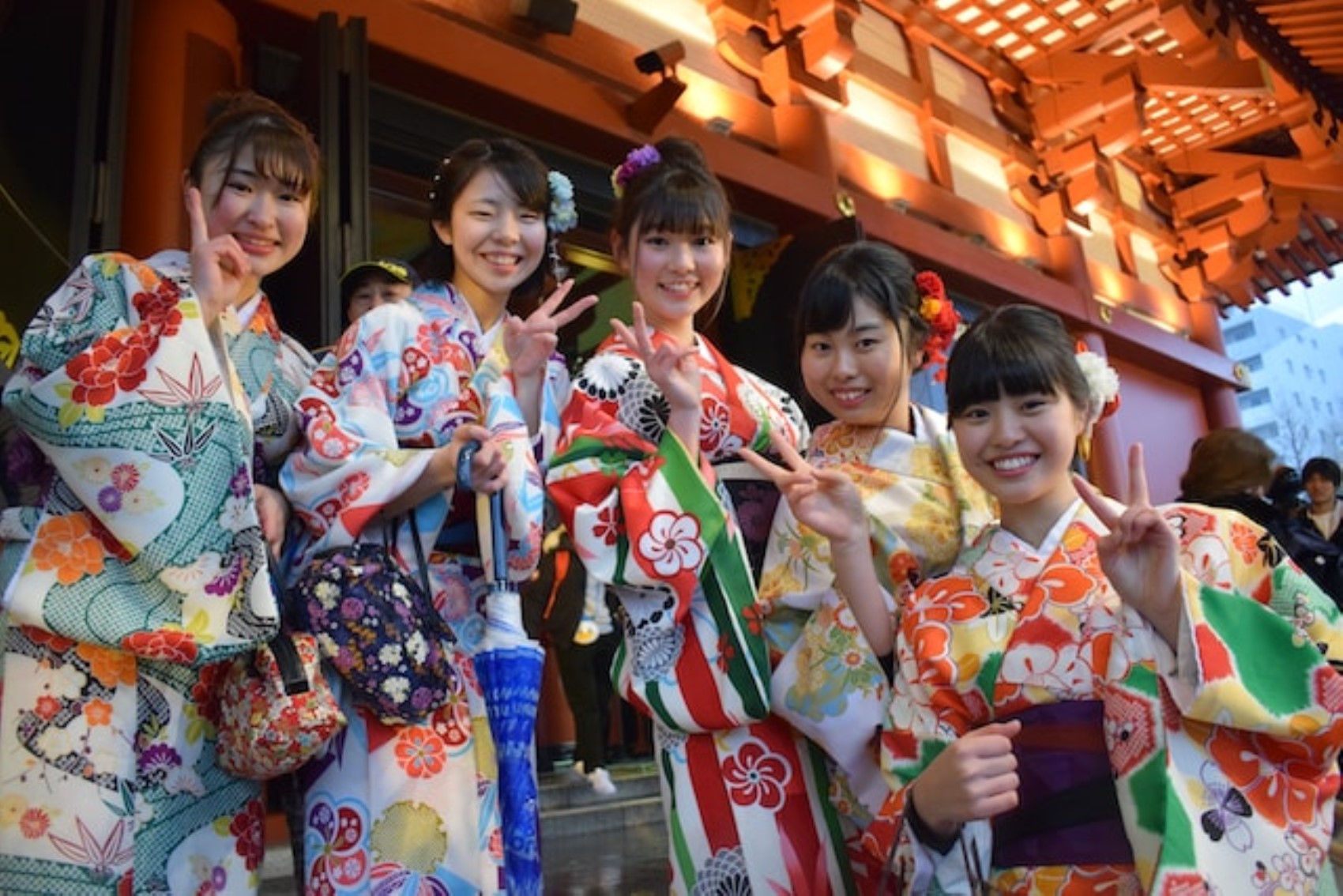
Did you know that according to beliefs stemming from Buddhism in Japan, bells are rung 108 times simultaneously in all temples to bring cleansing and healing?
In addition to this, they hang ropes in front of their doors to both ward off evil spirits and bring happiness and good luck while welcoming the new year. And when the clock strikes 00.00, they start laughing to ensure a cheerful and lucky year.
THOSE WHO SLEEP IN CEMETERIES IN CHILE

There is a very wide range of New Year's rituals in Chile. For example, it is believed that those who eat a spoonful of lentils exactly at midnight will have a year full of work and money.
If you sweep your house from the inside out in Chile, you sweep away the evil spirits of the previous year along with it. Also, although it is a tradition that seems creepy to many, camping in a cemetery at night is one of the rituals preferred by the Chilean people on New Year's Eve.
The Chilean people, who want to spend the new year with their deceased relatives, go to the Talca Cemetery in the central town of the country at midnight under the leadership of the mayor, and sit by the graves with candles lit, accompanied by classical music.
WHOSE CORN POPS FIRST IN BELARUS!
On New Year's Eve in Russia, people write their wishes on small pieces of paper, burn these papers, then drop the burnt paper into their champagne glasses and drink the champagne.
In Belarus, however, New Year's celebrations based on marriage are more prominent than others. This tradition, which is aimed more at single women, is more like a game people play than a celebration.
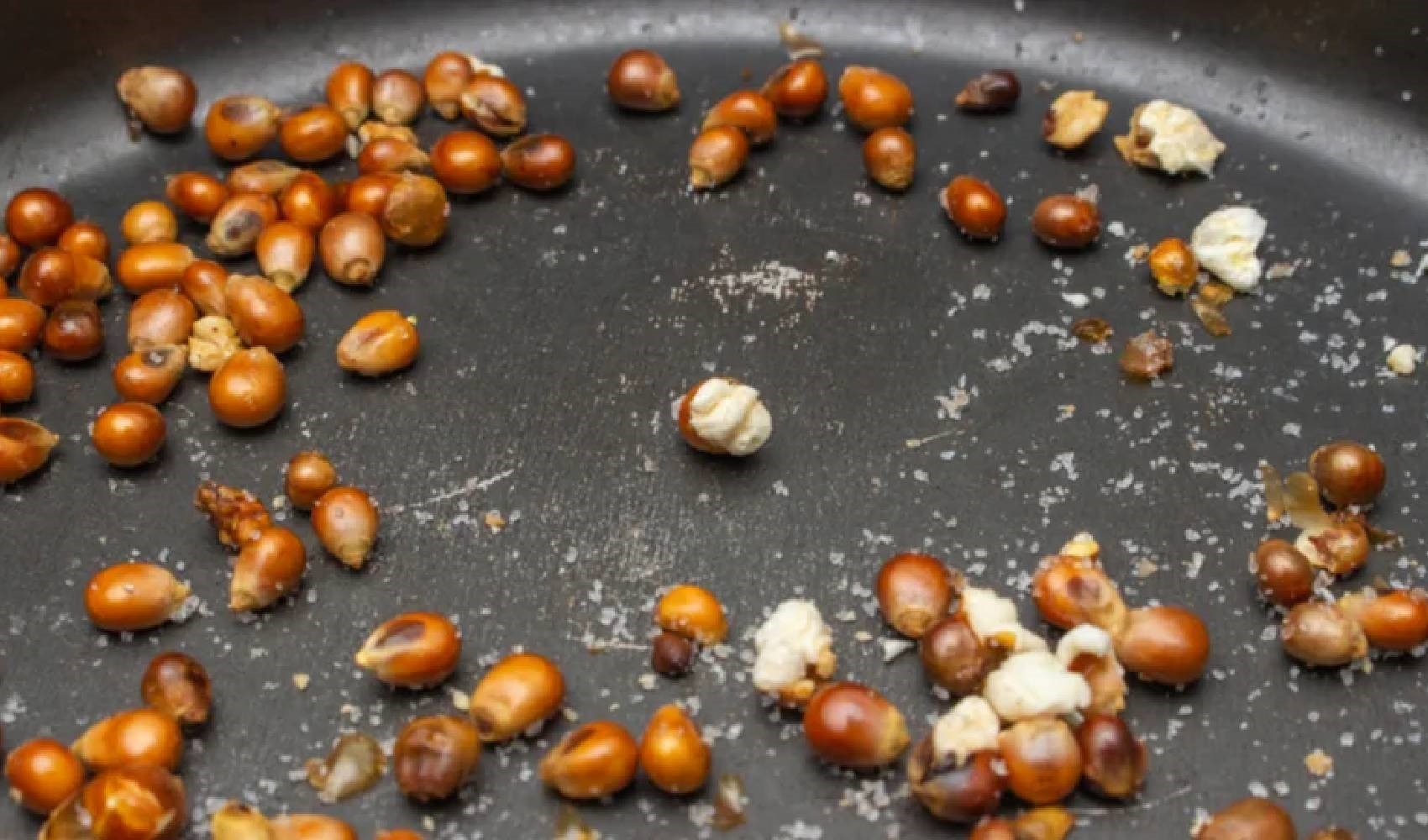
On New Year's Eve, women who are not yet married take a kernel of corn in their hands and place them on a pan at the same time. It is believed that the person whose corn pops first will get married within the year.
THE MARRIAGE DREAM OF IRISH SINGLES

Another New Year's ritual based on marriage takes place in Ireland. Thanks to mistletoe, a traditional method, it is thought that women see the people they will marry in their dreams. Single women put mistletoe leaves under their pillows and sleep to both bring good luck in the new year and meet their future husbands.
Also, it is believed that if the first person to enter the house at the end of the night on December 31st is a tall, dark, and handsome man, you will be rich in the new year; if a red-haired woman enters, it is believed that the new year will be bad.
COLOMBIANS HIT THE STREETS WITH SUITCASES IN HAND
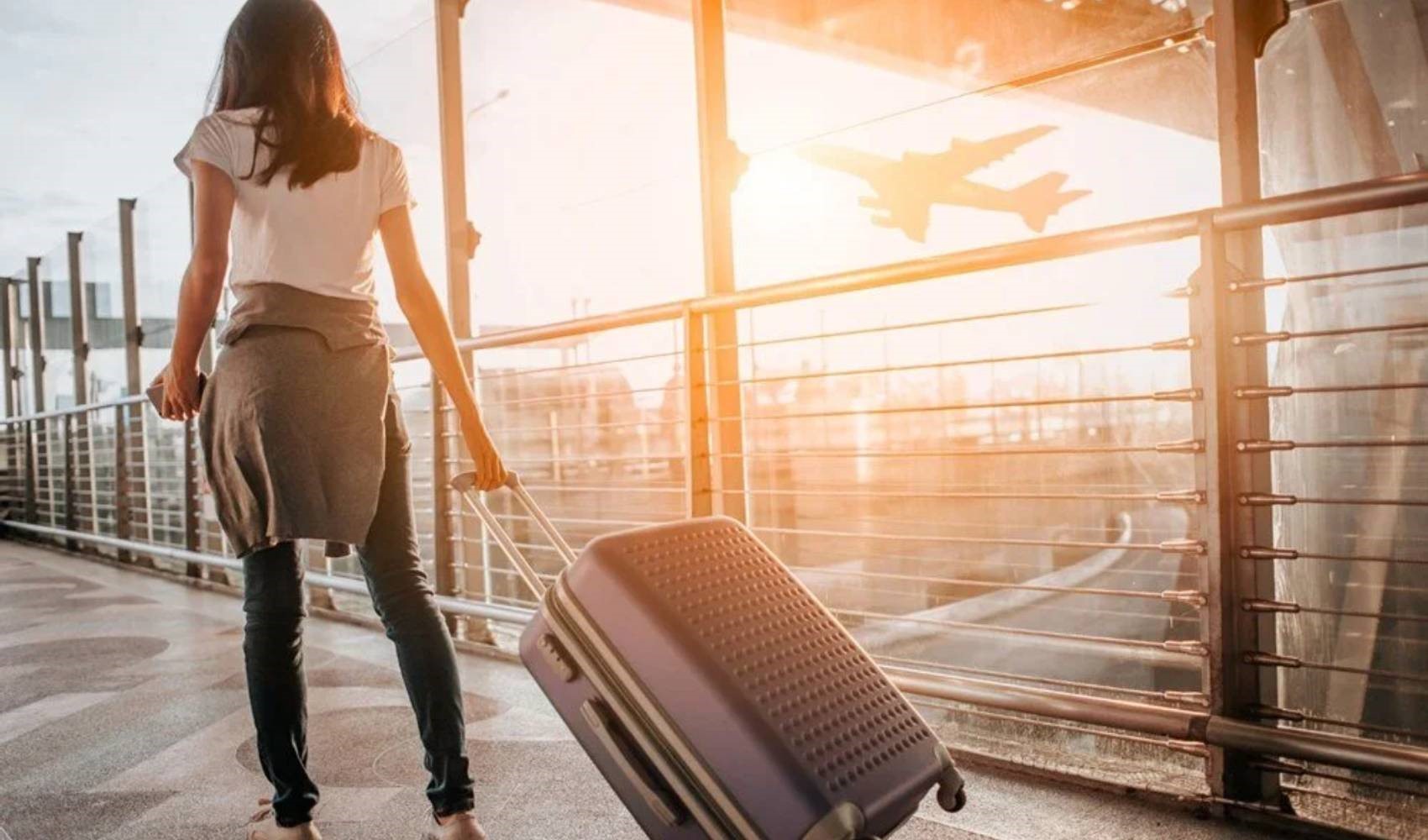
If your time in Colombia coincides with the new year, it is possible to see countless people walking on the streets with suitcases in their hands. Don't worry, the people of Colombia are not migrating! They are just welcoming the new year.
As a New Year's tradition in Colombia, walking the streets with empty suitcases means that they will spend the whole year traveling.