Two different viruses: What are the differences between Covid-19 and mpox?
There are some differences between the mpox virus, which the World Health Organization has declared an 'international emergency,' and Covid-19, which brought about widespread lockdowns globally.
12punto
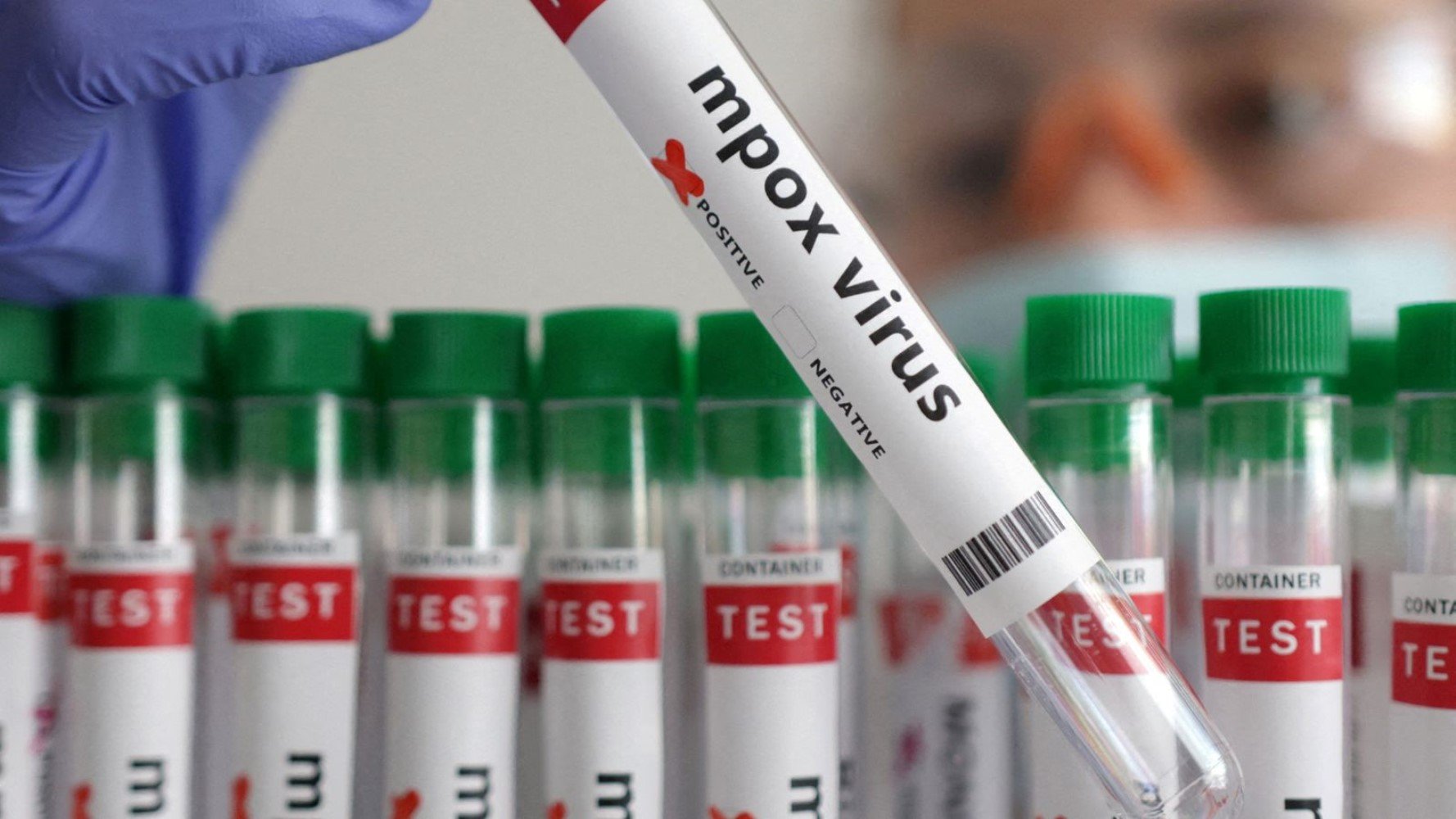
When the World Health Organization (WHO) declared a global emergency for the second time in two years regarding the mpox virus, formerly known as monkeypox, many people asked, "Is this the new Covid-19?" Scientists and experts say that while it is reasonable to ask this question, the answer is "No."
Dr. Hans Kluge, the WHO Regional Director for Europe, stated, "Mpox is not the new Covid. The risk to the general population is low. We know how to control mpox. We know what steps we need to take to completely prevent its spread in the European region."
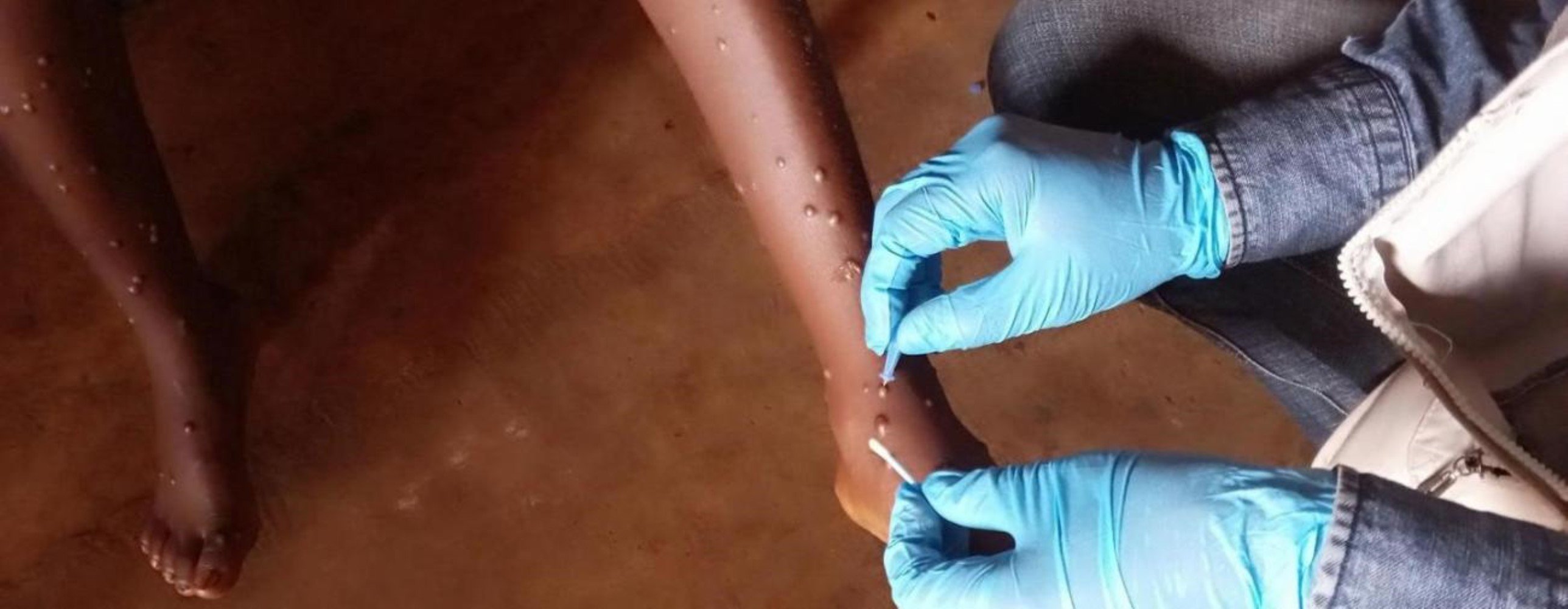
Both the mpox and Covid-19 outbreaks are driven by viruses, but these viruses spread in different ways and cause very different symptoms. Professor Rodney Adam from the Aga Khan University Hospital in Kenya stated, "The differences (between the two viruses) are greater than the similarities." Here are five of the differences between the two viruses...
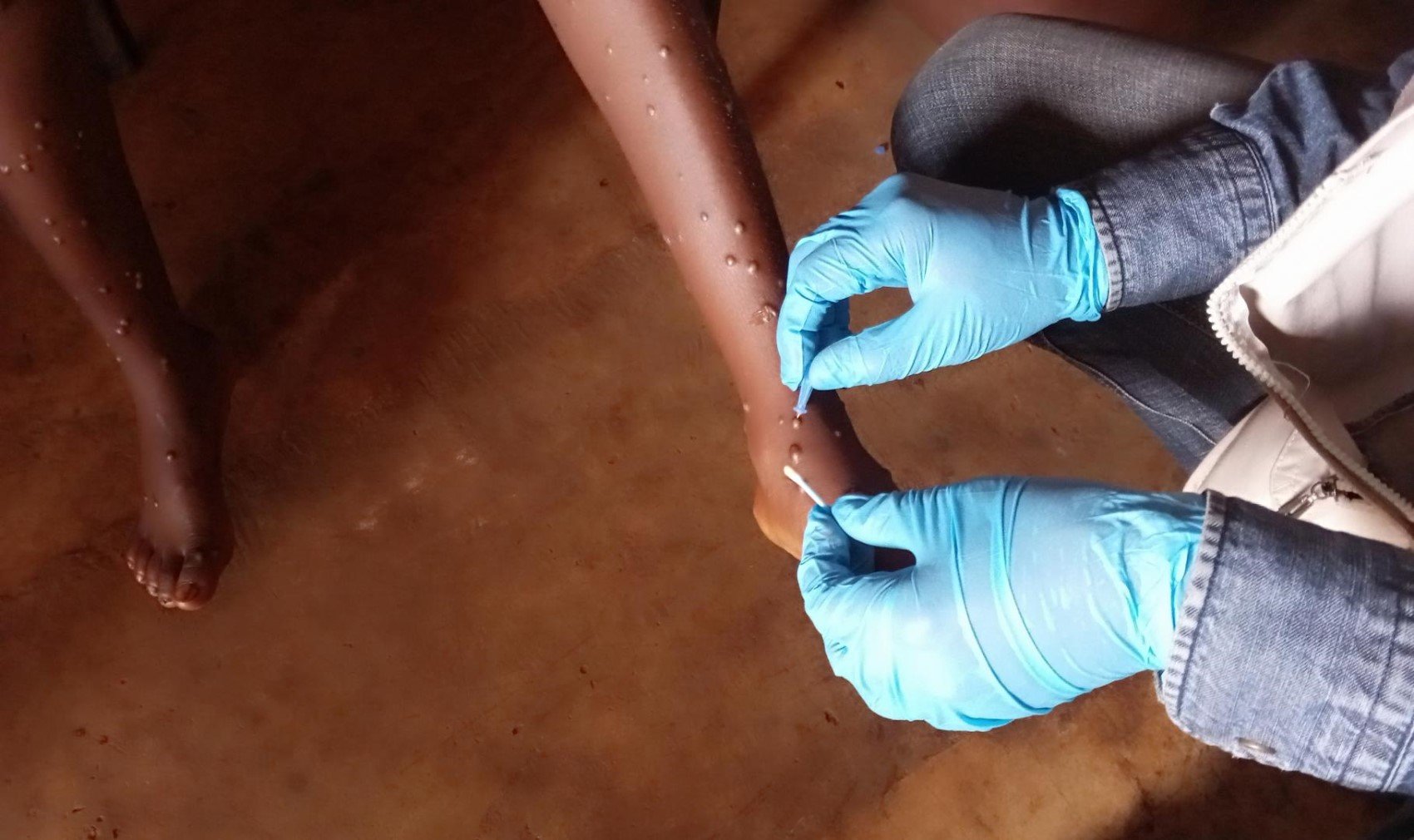
According to BBC Turkish, mpox, previously known as monkeypox, was first observed in 1958 in some monkeys kept in Denmark. The first human transmission case was recorded in 1970 in the Democratic Republic of the Congo. Following this, outbreaks were seen in West and Central Africa. By the time the first global emergency was declared for the virus in 2022, it had spread to more than 70 countries.
In contrast, Covid-19, which emerged in the Chinese city of Wuhan in 2019 and rapidly turned into a global pandemic, was caused by the SARS-CoV-2 virus, which had not been seen in humans before. According to scientists, we currently know more about the mpox virus than we knew about Covid-19 during the early stages of the coronavirus pandemic.
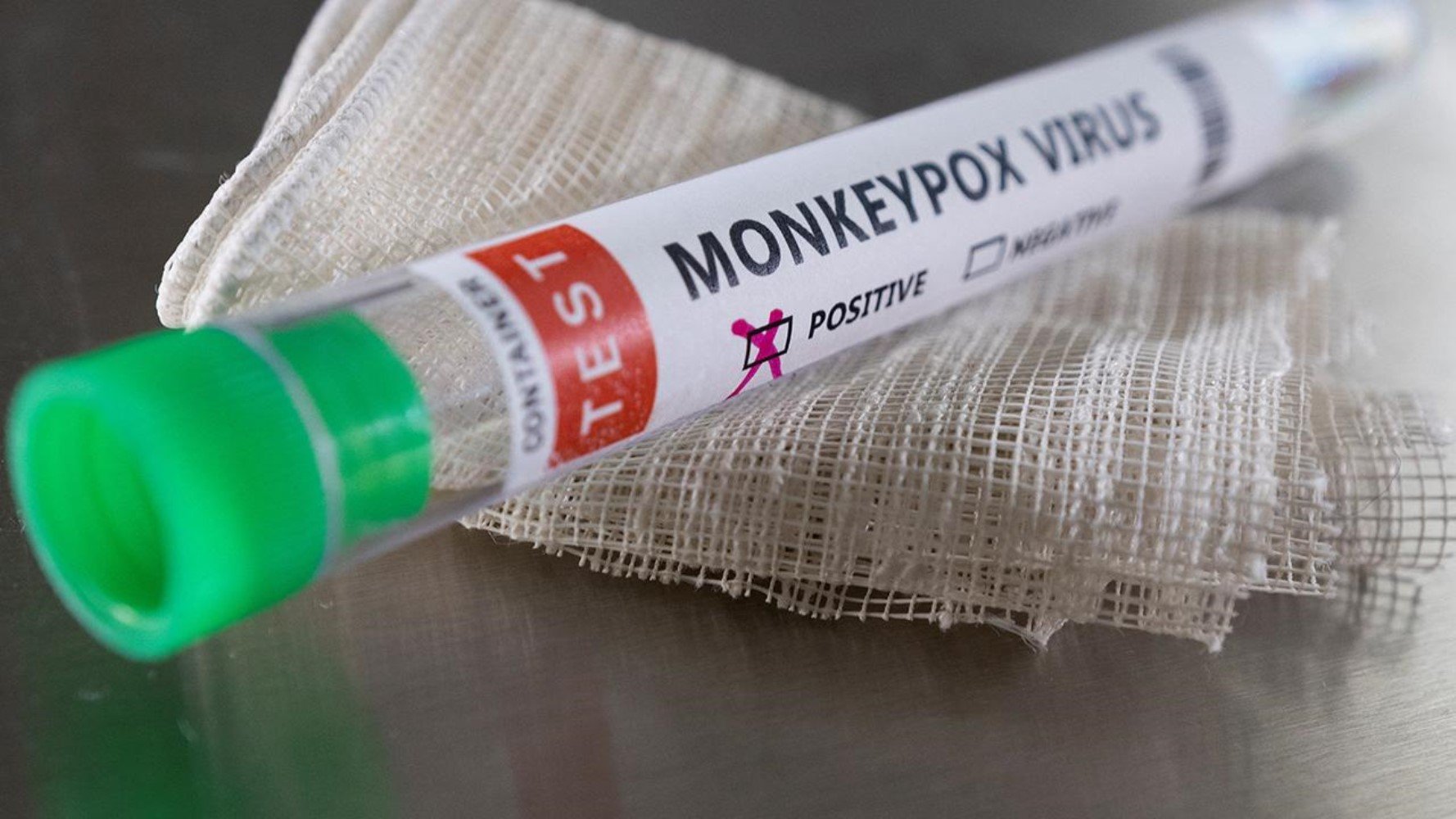
Although both diseases spread through close contact, Covid-19 is transmitted via respiration and therefore spreads more rapidly compared to mpox. According to the WHO, Covid-19 is transmitted by inhaling small droplets released when an infected person coughs, sneezes, talks, sings, or breathes.
For someone to contract mpox, they need to have very close and prolonged contact with an infected person, such as skin-to-skin contact, sexual activity, contact with contaminated bedding or clothing, or prolonged face-to-face interaction.
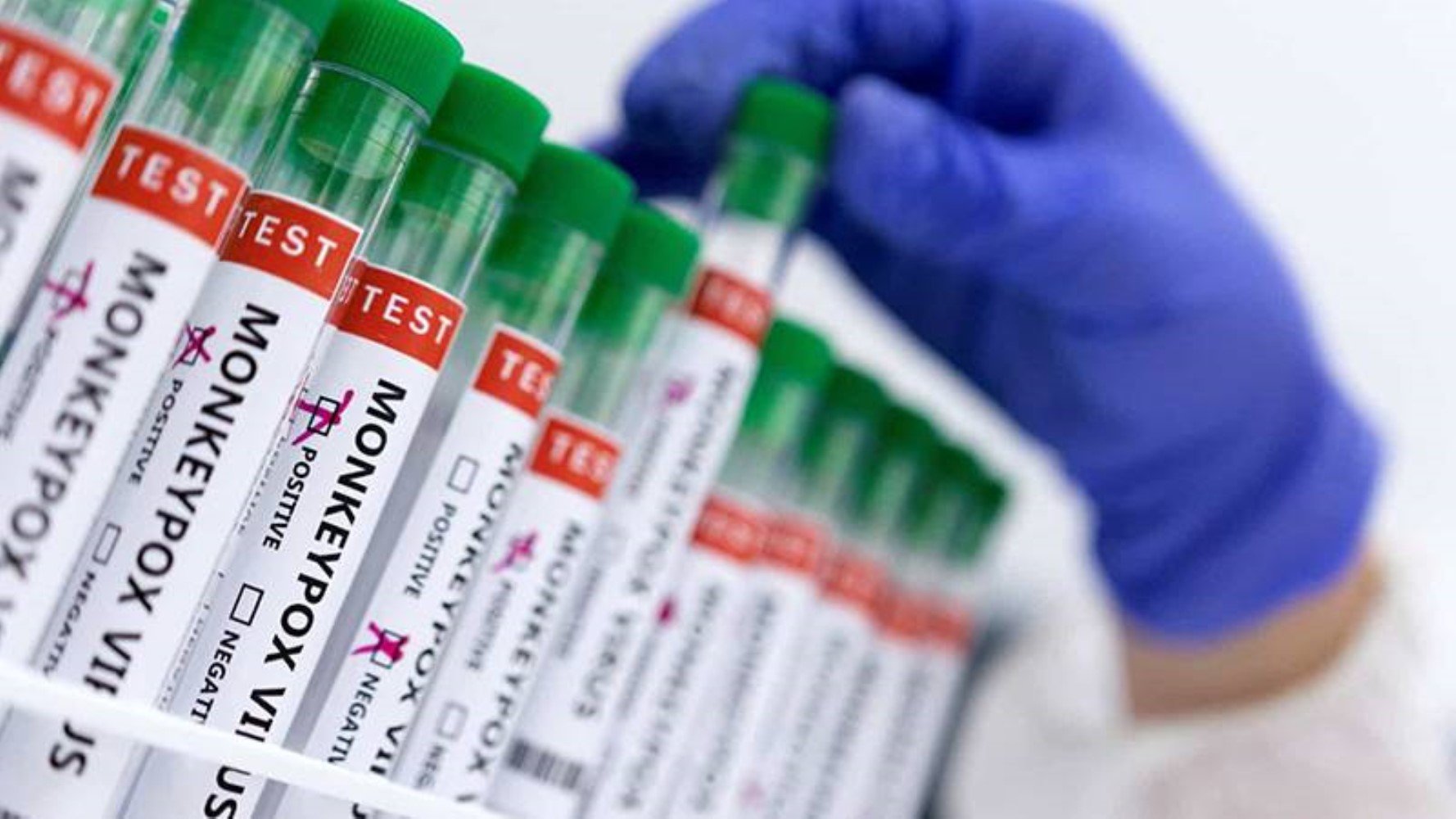
According to the WHO, more than 760 million Covid-19 cases were recorded worldwide between December 2019 and August 2023. However, the mpox virus only crossed the 100,000 case threshold worldwide two years later. The Africa Centres for Disease Control and Prevention recorded 18,900 mpox cases and 600 deaths in 2024.
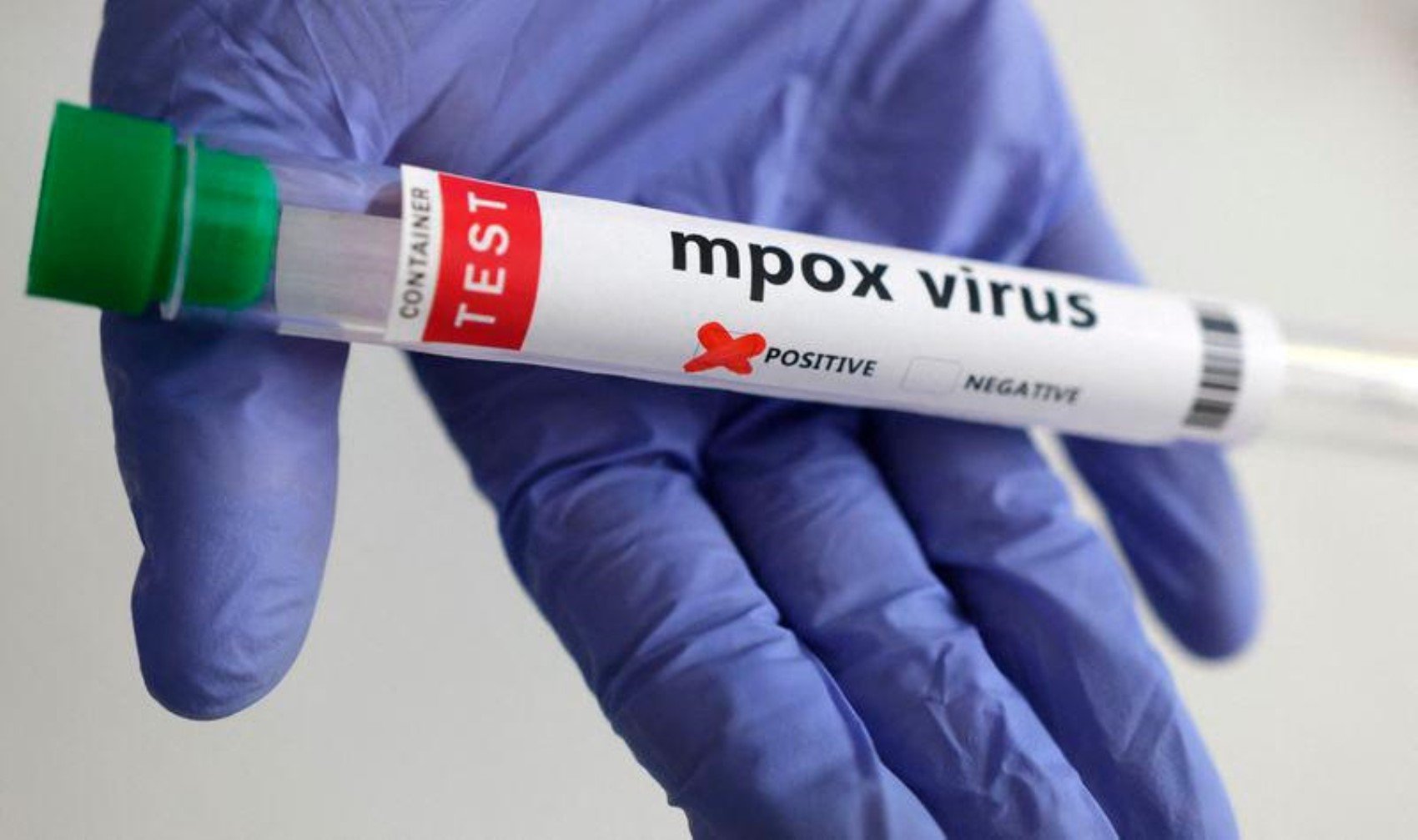
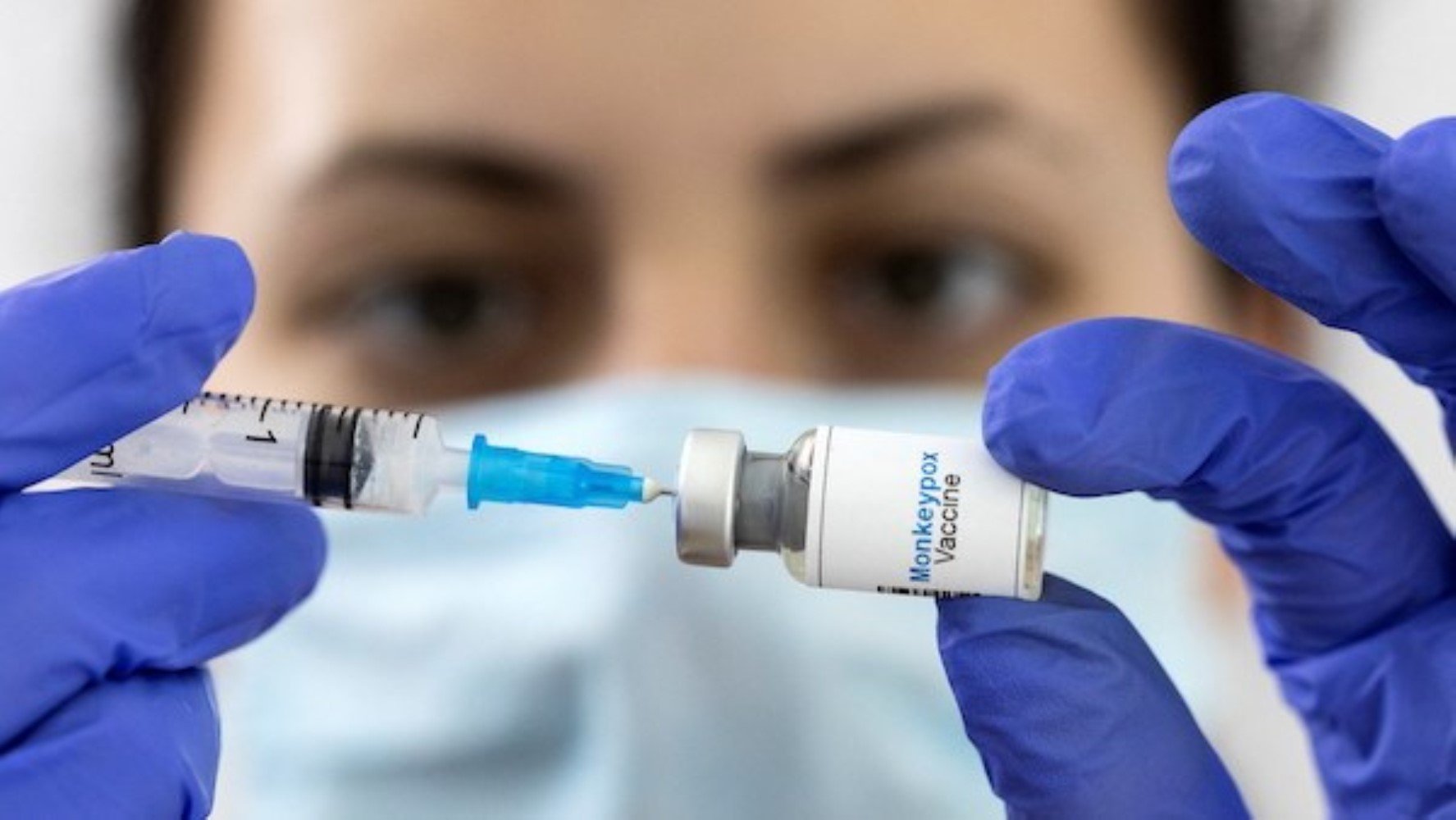
When the Covid-19 pandemic first began, a race to develop a vaccine against the virus also started. However, vaccines that provide protection against mpox are already available. Mpox is related to smallpox, which was eradicated worldwide in 1980 with the help of vaccines. Vaccines that provide protection against smallpox also provide protection against the mpox variant that spread particularly in 2022.
Prof. Adam stated, "(The vaccines) do not provide 100 percent protection, but the risk to the elderly was lower during the major outbreak seen in Europe and North America in 2022, and it is thought that this is due to them being protected thanks to the smallpox vaccine." During the 2022 outbreak, the Denmark-based biotechnology firm Bavarian Nordic supplied more than 15 million doses of the "MVA-BN" vaccine, which is based on the smallpox vaccine, to more than 76 countries.
Viruses evolve over time, but some change faster than others. Because mpox is a DNA virus, it takes longer to mutate compared to Covid-19, which is an RNA virus. According to the American Society for Microbiology, DNA viruses do not mutate as much as RNA viruses.
There are two types of mpox identified so far: clade 1 and clade 2. SARS-CoV-2, which causes coronavirus, has more than 20 known variants. The current mpox outbreak is primarily caused by a sub-variant of the clade 1 virus known as "clade 1b".

Trudie Lang, a professor of global health research at the University of Oxford, said, "We are seeing that clade 1b is frequently transmitted sexually, but there is also human-to-human transmission within the household: from mother to child, child to child, and caregiver to child."
Scientists working at the WHO stated that they do not know whether the 1b variant is spreading faster than others. However, according to the WHO, patients in the recent mpox outbreak are showing more severe symptoms by the time they report being ill.
Many people are concerned that, just like the Covid-19 pandemic, mpox could lead to lockdowns that bring the world to a standstill. However, despite the disease spreading to 16 African countries over the last two years, officials are not recommending the closure of borders.
Dr. Jean Kaseya, Director-General of the Africa Centres for Disease Control and Prevention, stated, "The Africa CDC will never recommend the disruption of the movement of people and goods based on the current evidence. As we equip ourselves with the tools needed to fight this outbreak, the flow of people and goods will continue as it has in the past."