Warning from METU scientists on the "Sea of Marmara": 'The critical threshold has been crossed, the Marmara is in a coma'
Prof. Dr. Mustafa Yücel, Deputy Director of the METU Institute of Marine Sciences, stated that the Sea of Marmara is suffering from a severe lack of oxygen, except for the first 30 meters. Explaining that the Sea of Marmara is in a coma, Yücel said, "Oxygen levels, especially after the first 30 meters, are below the hypoxia threshold, at a level where a fish cannot even enter."
12punto
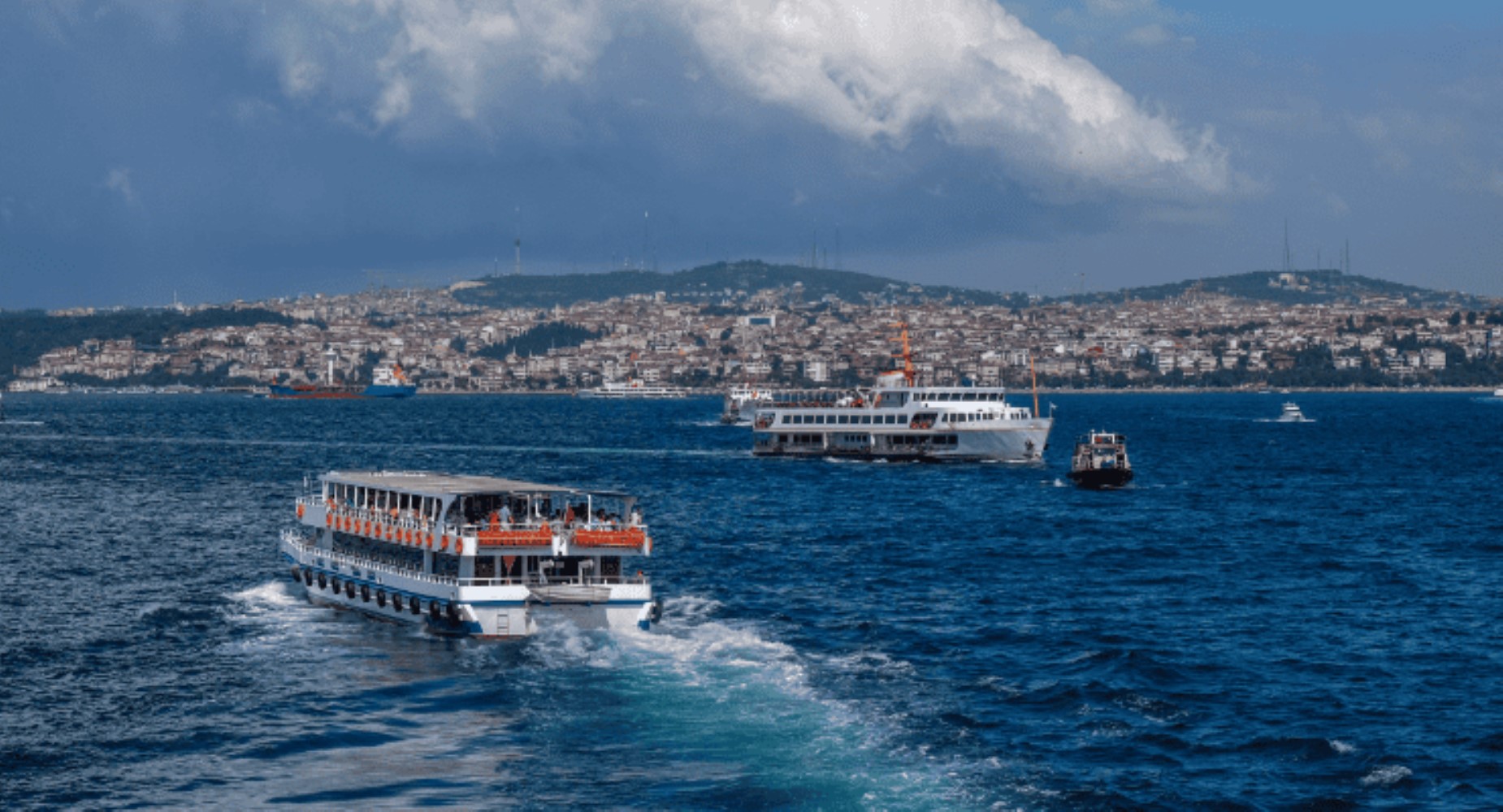
The METU Institute of Marine Sciences recently completed the first part of its 2024 Sea of Marmara expeditions, which lasted 4 days and involved 8 scientists aboard the Bilim 2 research vessel.
Responding to questions on the ship following the expedition, where many parameters such as warming, pollution, oxygen levels, and current directions were examined, Yücel stated that they are monitoring the oceanographic state of the Sea of Marmara through sea expeditions that have increased in frequency, especially since the mucilage crisis, as part of the Marmara Sea Integrated Modeling System (MARMOD) project they are conducting with the Ministry of Environment, Urbanization and Climate Change.
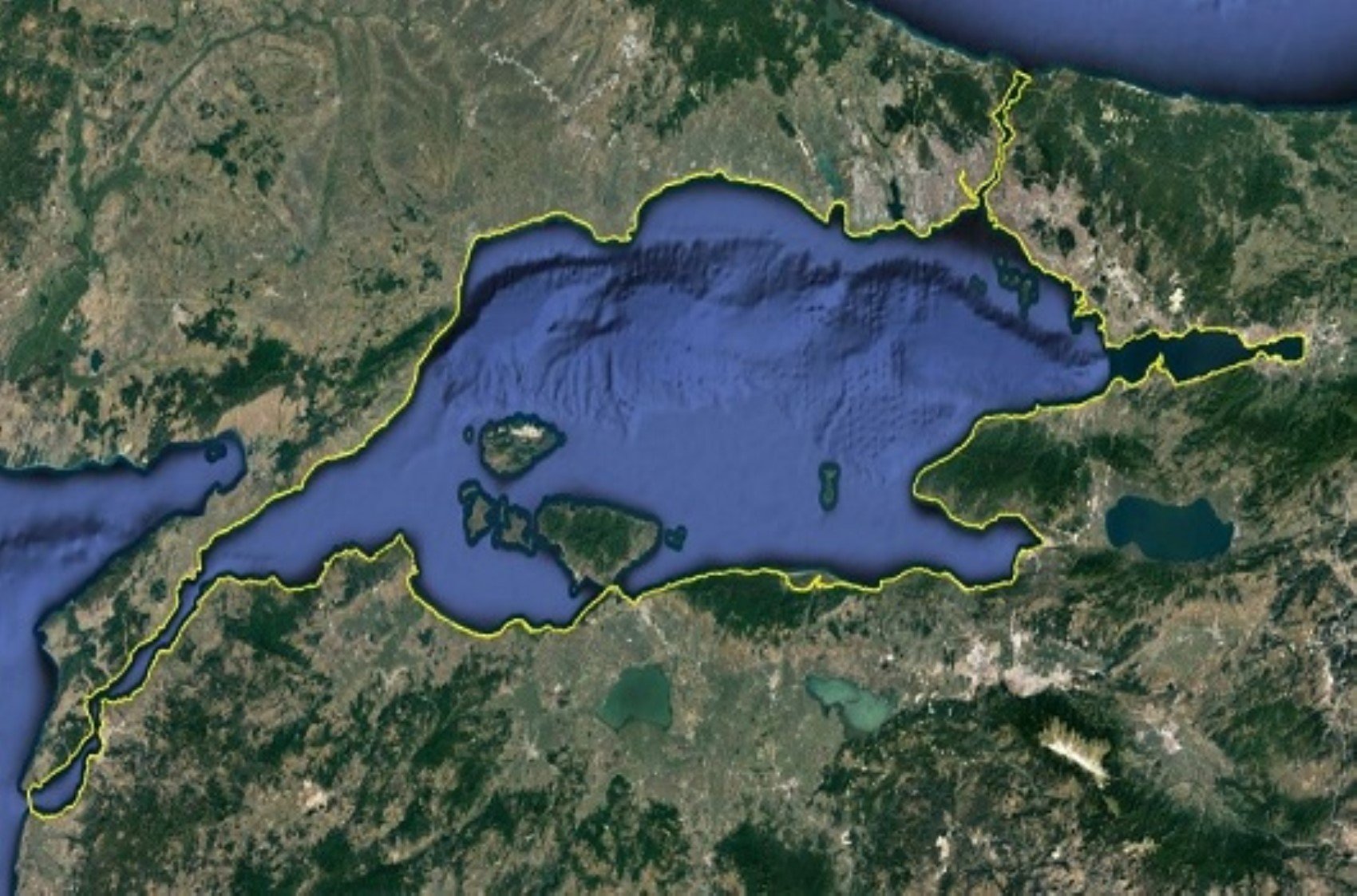
Stating that they focused particularly on the Eastern Marmara during their latest expedition, Yücel said, "Our initial findings show that the situation, especially regarding oxygen, is not encouraging at all; except for the first 30 meters, the Marmara is still a place in a coma, suffering from a severe lack of oxygen.
Oxygen levels, especially after the first 30 meters, are below the hypoxia threshold, at a level where a fish cannot enter. Then, when you reach 150-200 meters, there is very, very little oxygen, to the point where we have difficulty measuring it," he said.
Noting that previously, Mediterranean water in the 600 to 800-meter band, especially in the Eastern Marmara, provided at least a little breath to the Marmara and increased oxygen levels to some extent, Yücel stated that they did not encounter this during their last expedition and that warming in the seas might have caused this result.
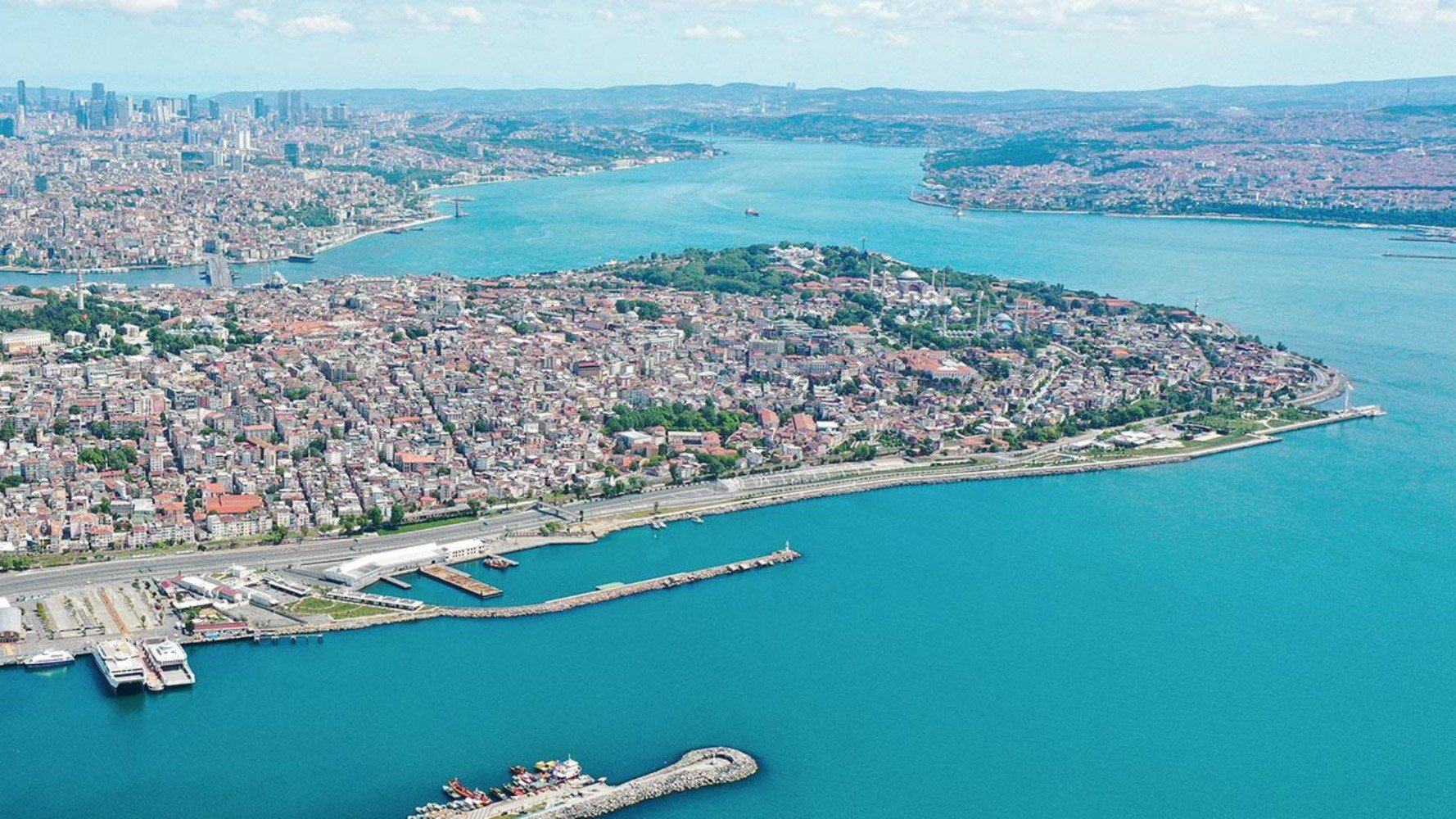
Stating that the Sea of Marmara has warmed up and become exhausted much more than in previous years, and that the system has been battered by algal blooms as of the end of May, Yücel said, "In our expedition last year, we had already measured and even surpassed the late-summer values we recorded in September. We expect this to increase throughout the summer. Sea water temperatures have broken records this year. It is likely that these records will be renewed in July, August, and September. We have already measured the sea water temperature at 26 degrees in the Eastern Marmara and 27 degrees in the Gulf of İzmit, whereas the average for these regions over the last 40 years has been 24-25 degrees."
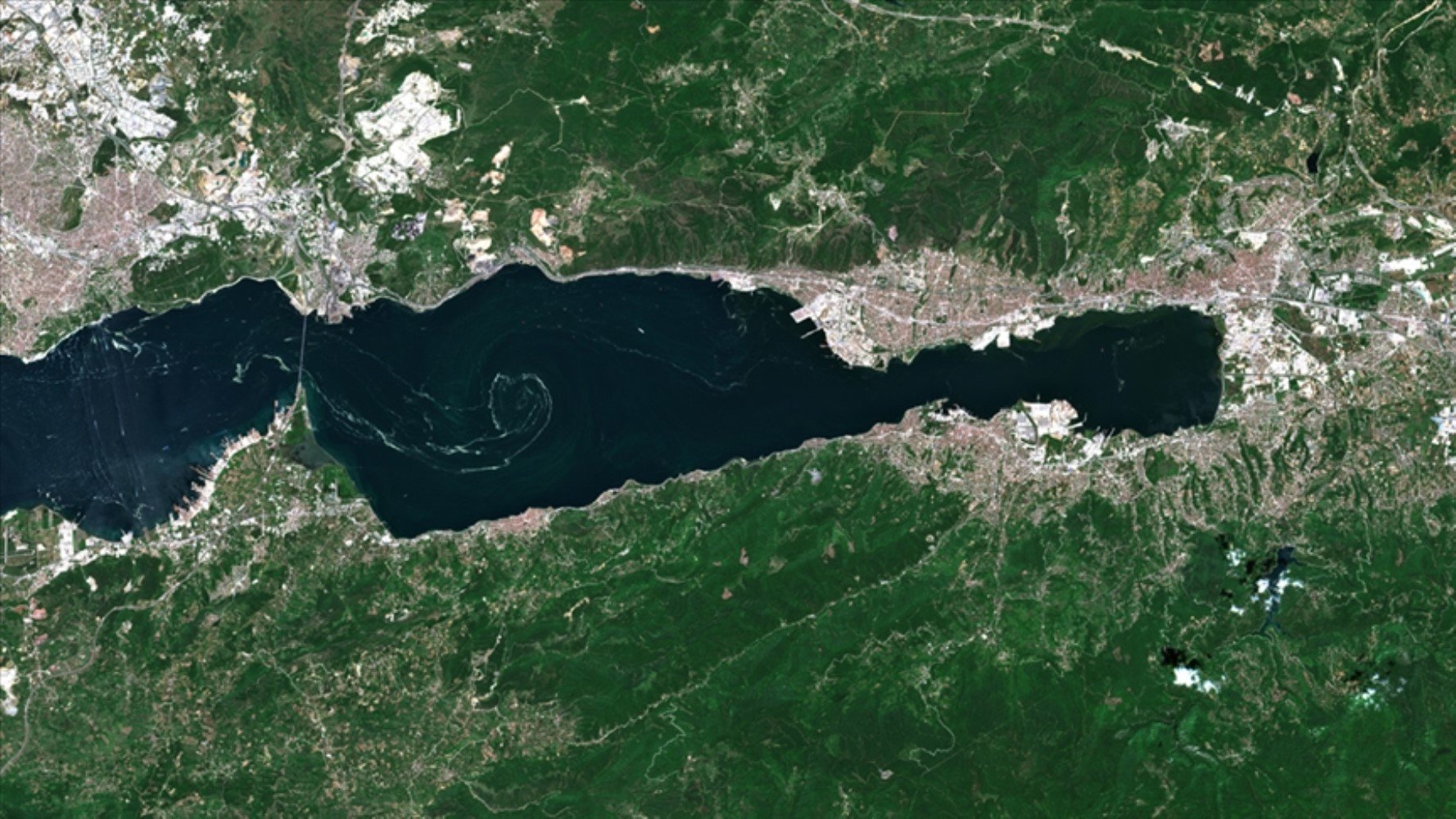
Stating that the rise in seawater temperature leads to less oxygen dissolution and an increase in pollution, Yücel shared the finding that temperature, deoxygenation, and pollution feed into each other in a vicious cycle.
Regarding the scale of the pollution, Yücel said the following:
“I can speak very clearly because we have been collecting very intensive data, especially in recent years. Nitrogen and phosphorus pollution in the Marmara Sea continues to increase, the accumulation continues, and we have not observed any stabilization, let alone a decrease in the trends. A very serious state of biological production is ongoing in the Marmara. Production values are 3-4 times higher than those of the Black Sea. We have left behind the main biological production explosion from 3-4 weeks ago, and now the system has reached a relatively balanced state regarding the summer. The Marmara is very productive and heavily loaded with nitrogen and phosphorus.”
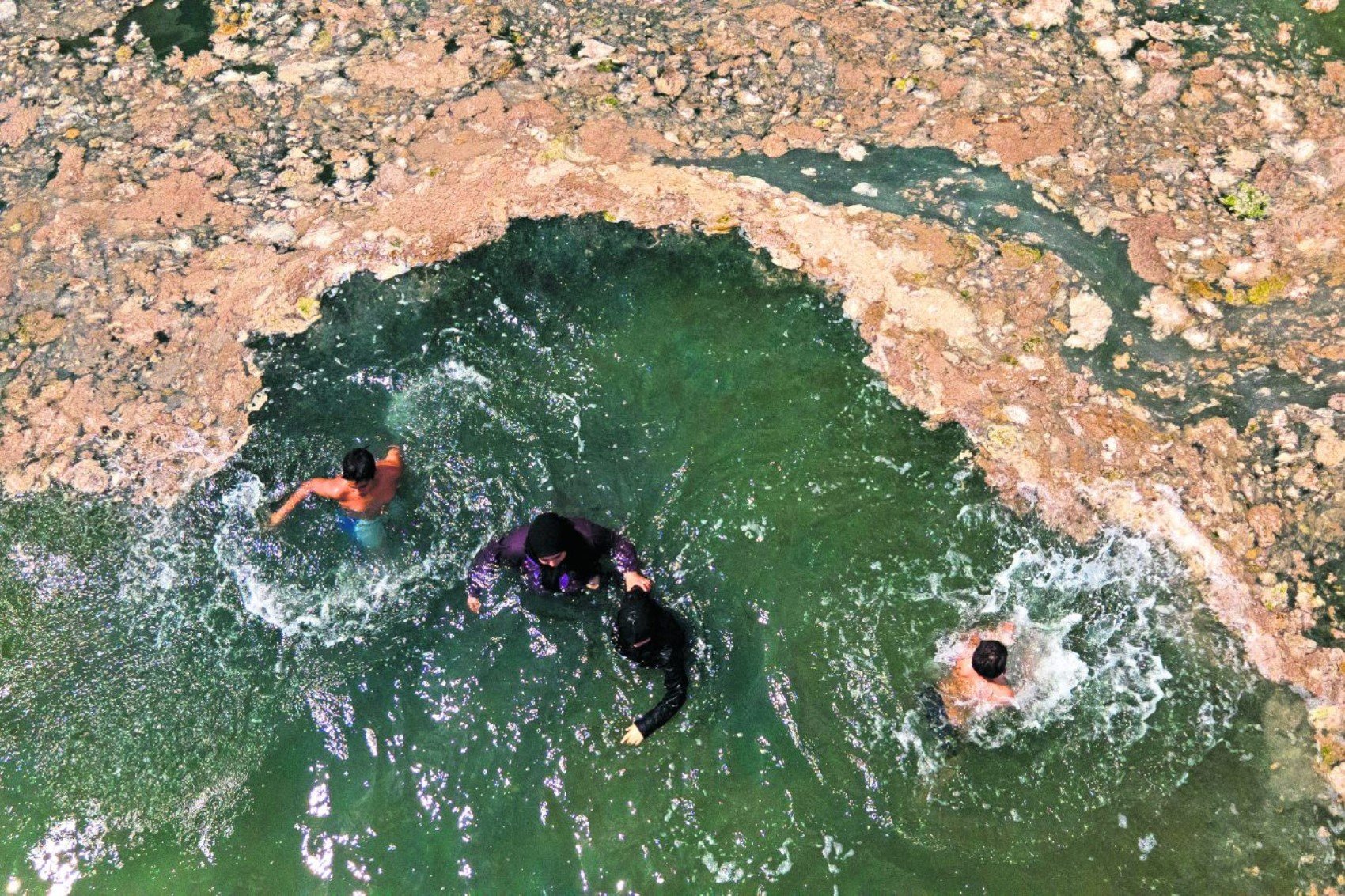
Explaining that while there is a perception that life ends at the point where oxygen decreases in the sea, single-celled life persists and microbial organisms continue to respire, Yücel provided information that these organisms perform this respiration using nitrate, a form of nitrogen bound to oxygen.
Noting that nitrate levels in the Eastern Marmara also drop after 200 meters and that nitrate begins to decrease as oxygen levels fall, Yücel pointed out that according to thermodynamic theory, when oxygen and nitrate are depleted, microbial life will respire sulfate, producing hydrogen sulfide gas.
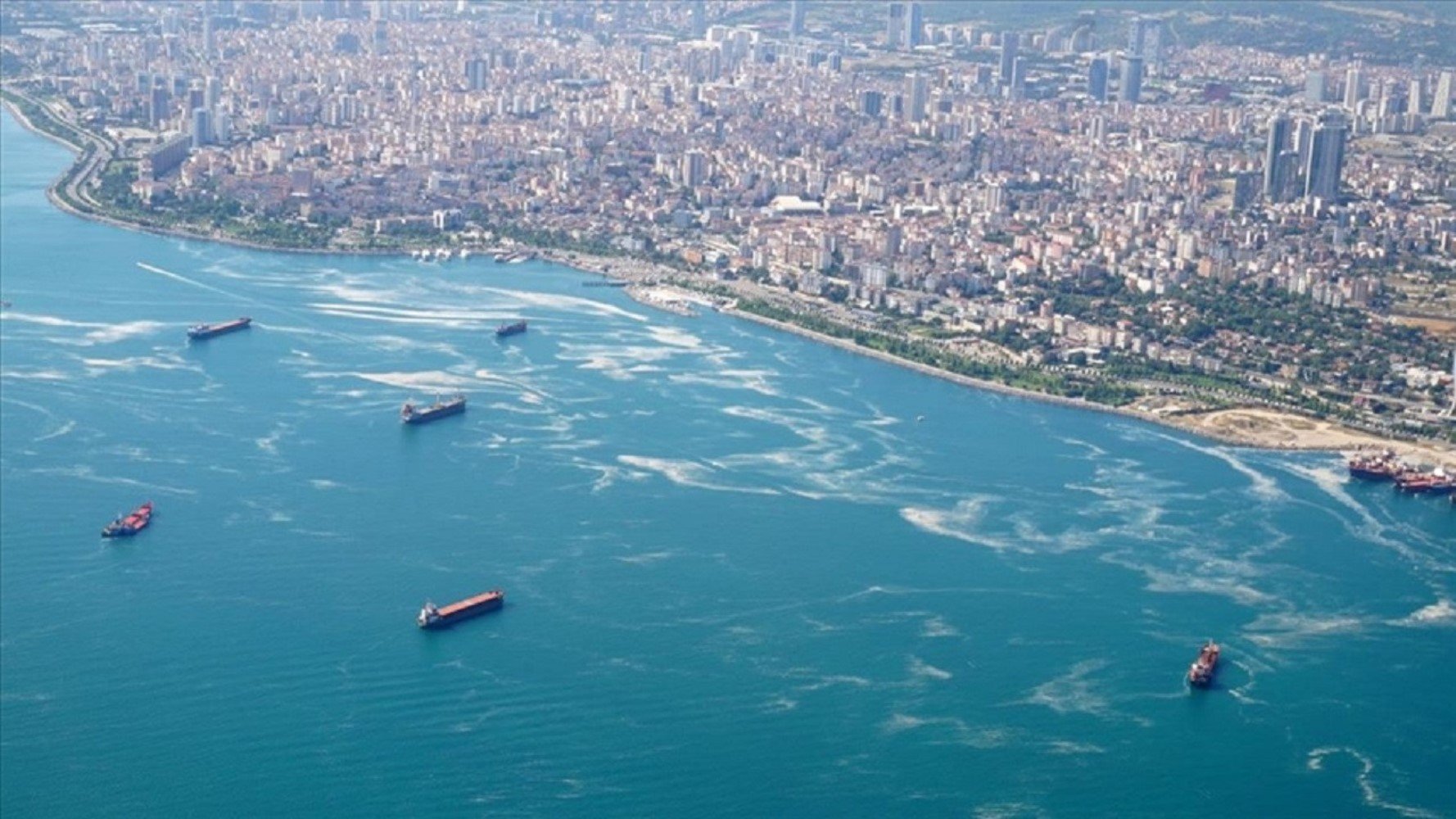
Emphasizing that they have identified such a trend in the Eastern Marmara region thanks to the MARMOD project, Yücel issued the following warnings:
“This means a disaster. This means the collapse of the entire food system, the food web. The moment hydrogen sulfide-rich waters begin to accumulate at the bottom, if no measures are taken, they will gradually rise toward the surface along with the worsening conditions. This means foul odors and hydrogen sulfide-rich waters washing up on the shore.
When it combines with the oxygenated water in the top 30 meters, it will become a phenomenon that is mucilage-like, unsightly, poses a tremendous threat to public health, creates entirely different threats for fishing, and will collapse tourism. Hydrogen sulfide does not yet exist in the Marmara Sea outside the Gulf of İzmit, and its formation has not yet begun, but if the trend of the last 3 years continues, we see through MARMOD data that the nitrate in the Eastern Marmara will be depleted within the next 4 or 5 years.”