Watch out for symptoms of sudden fever, allergic reactions, and vomiting! Expert doctor warns families: Keep these in homes with children!
Parents must be vigilant at all times and in all places. Families who observe hyperactive traits in their children, in particular, do their best to avoid situations that invite accidents. Dr. Ayşe Sokullu, a Pediatric Health and Diseases Specialist at Anadolu Medical Center Hospital, who shared that rapid intervention may be required for feverish conditions, household accidents, and allergies that can frequently occur in homes with children, warned families about this issue. She addressed families by saying, 'Keep these in your home to be prepared for sudden situations and accidents.'
12punto
FEVER-REDUCING MEDICATIONS
The most common emergency in children is a high fever. For this reason, it is very important to keep fever-reducing medications in homes with children. Parents who have knowledge of home treatment can consider the steps below.
-In cases of fever of 38 degrees Celsius or higher under the arm, or 38.5 degrees Celsius or higher in the ear, first, the child's clothes should be removed to ensure they cool down, and the ambient temperature should be lowered.
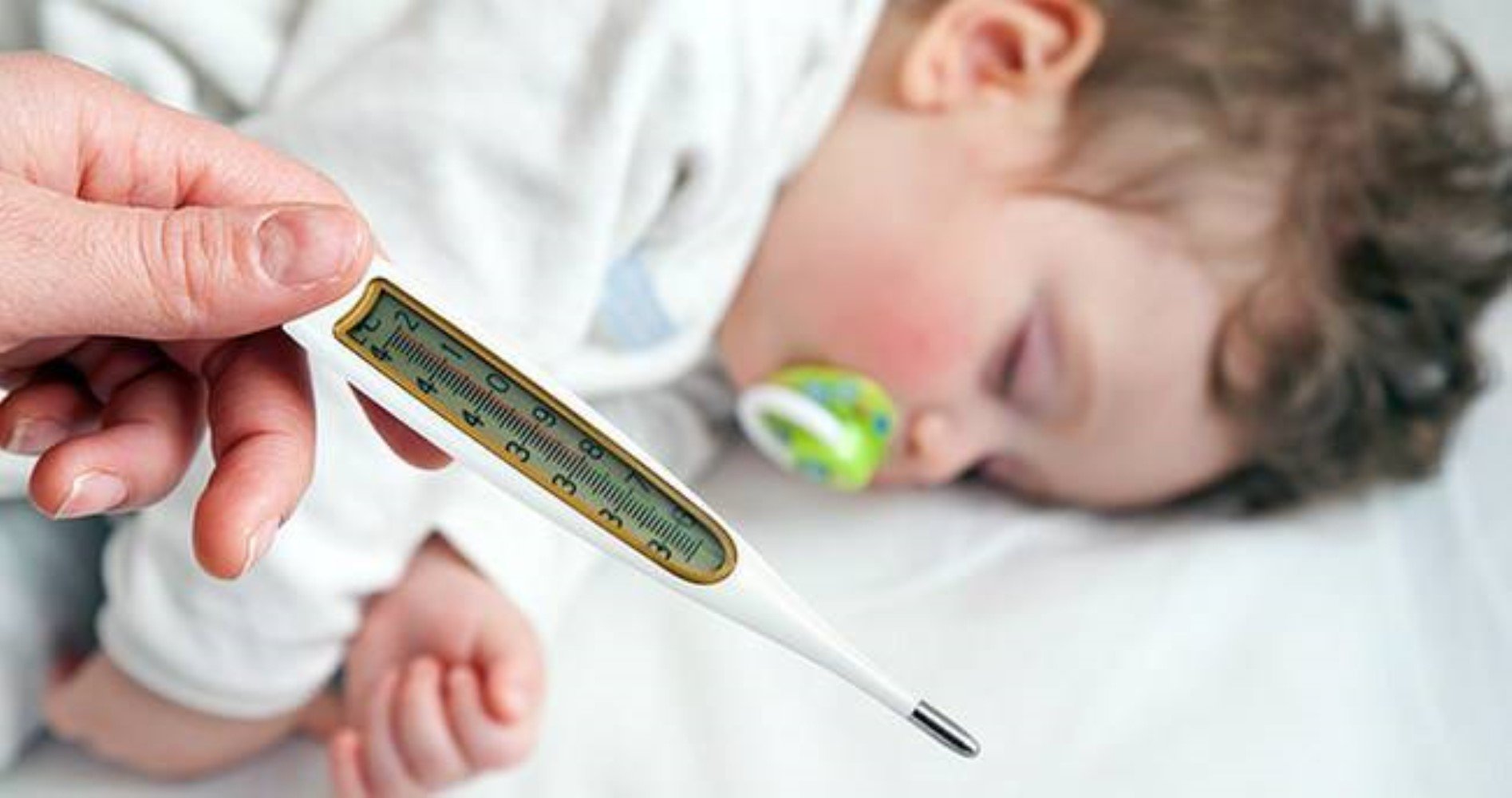
-If the fever persists, syrups or tablets containing paracetamol can be used as the first treatment option.
-If this treatment is not sufficient or cannot be used, syrups containing ibuprofen can be preferred as a second option for children older than 6 months.
-In cases of vomiting, inability to take medication orally, or very high fever, a paracetamol suppository can be used every four hours. Ibuprofen should be given at 6-hour intervals.
However, medication combinations should never be made without a doctor's recommendation.
COLD WATER-ICE APPARATUS
Children want to play everywhere at any time. This can sometimes lead to unexpected accidents and injuries.

In cases of severe bumps and injuries, the first thing to do is to apply cold water or ice. In burns, cold water or ice treatment can also positively affect the healing process in the long term.
In serious burns, the child's clothes should be removed carefully, and you should go to the hospital's emergency department without applying any substances.
For mild burns such as sunburns, moisturizing and epithelializing creams can be used.
It is important to have hydrogen peroxide, iodine antiseptics, and sterile gauze in your first aid kit for cleaning open wounds.
ALLERGY MEDICATIONS
If your child has had an allergic reaction before, it is necessary to keep allergy syrups or creams recommended by the doctor at home.
If there is redness and swelling after food allergies, fly and insect bites, or bee stings, performing the first intervention at home until you reach a doctor will save you time.
If there are severe allergies that are life-threatening, can cause respiratory distress, or require regular medication use, you must obtain a prescription from your doctor so that the necessary medications are with the child during travels.
BRONCHODILATORS
Cough syrups are not actually among emergency medications.
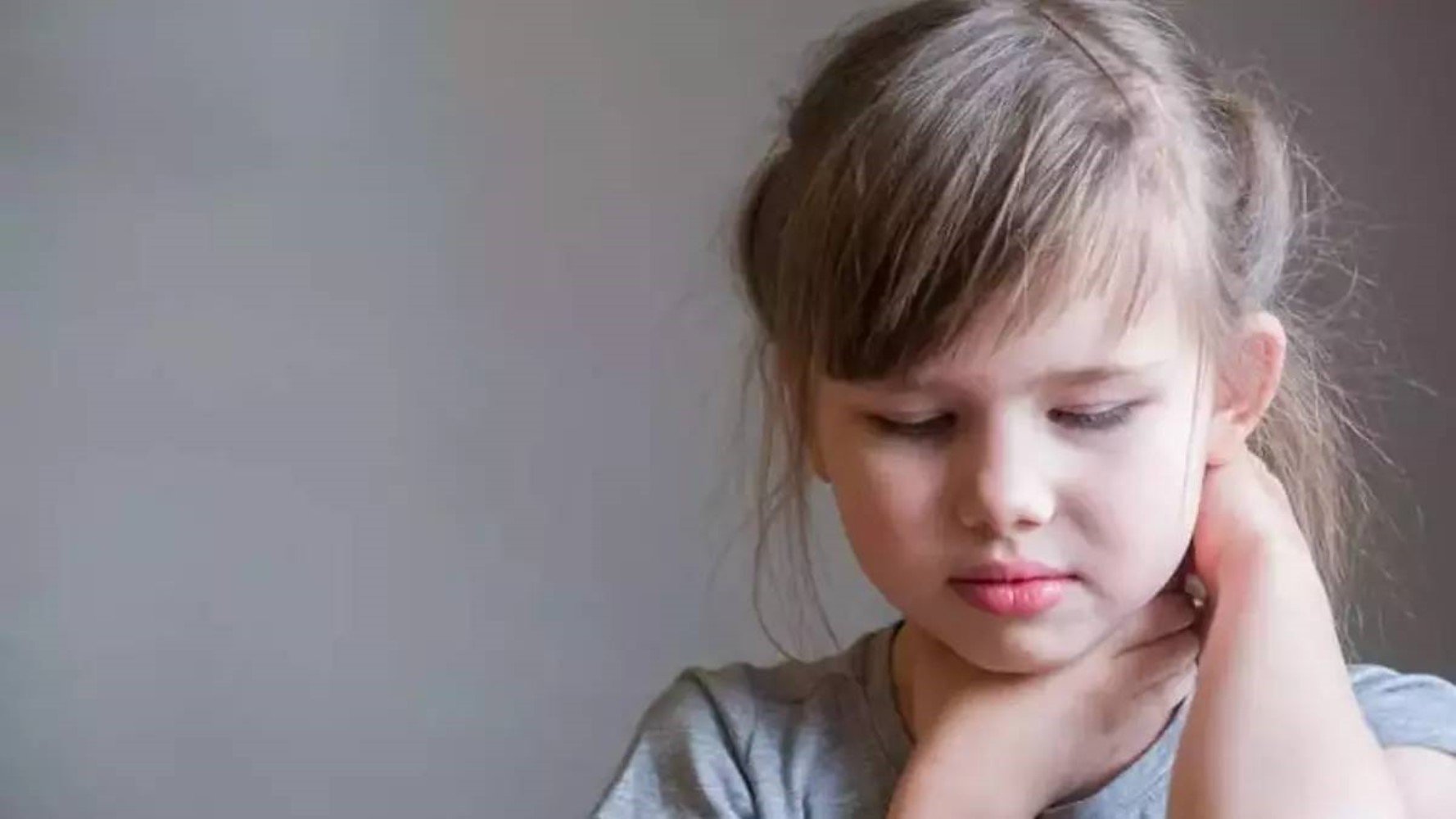
However, if the child has airway sensitivity and experiences shortness of breath from time to time, it may be useful to have bronchodilators recommended by the doctor at home.
DIARRHEA-VOMITING MEDICATIONS
Syrups containing zinc and probiotics are among the medications that can be kept at home for diarrhea. These medications can be purchased in advance with a doctor's recommendation in line with the child's age and condition, but they should not be given to the child without a doctor's recommendation.
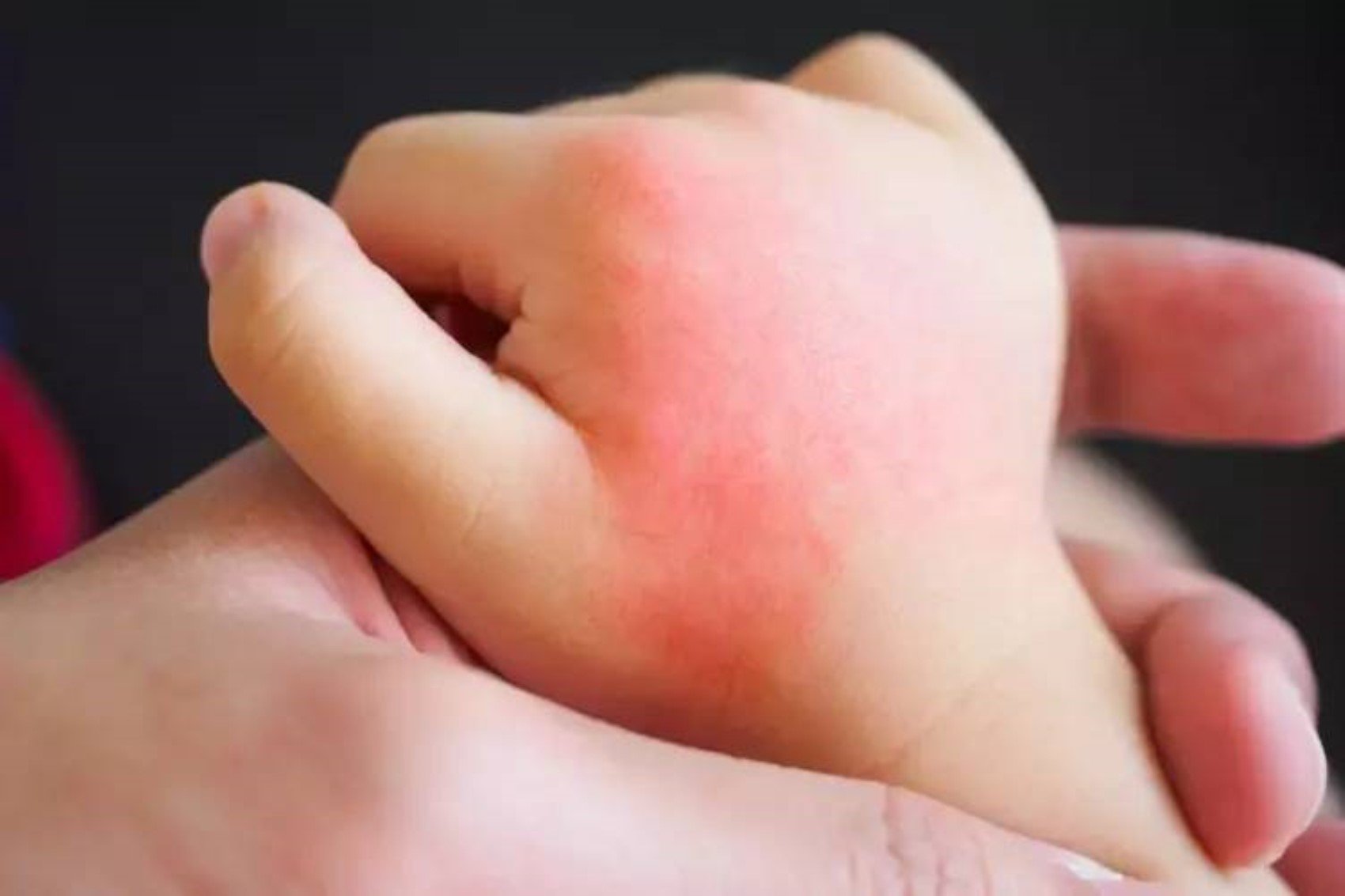
Since vomiting can be a symptom of many serious illnesses, in case of persistent vomiting, you must consult an expert by going to the emergency room.
CREAMS AND LOTIONS
Excessive sweating and heat rash-type skin rashes are among the common ailments, especially in the summer months.

For your child's comfort, you can keep zinc-based creams and lotions at home.
NASAL DROPS
Situations such as nasal congestion and colds experienced in every season can lead to aggressive reactions and respiratory problems in children.
To prevent this situation, nasal drops containing saline solution should also be among the medications that should be kept at home.