Water begins to flow from the ancient Kestros fountain in Perge after 1800 years
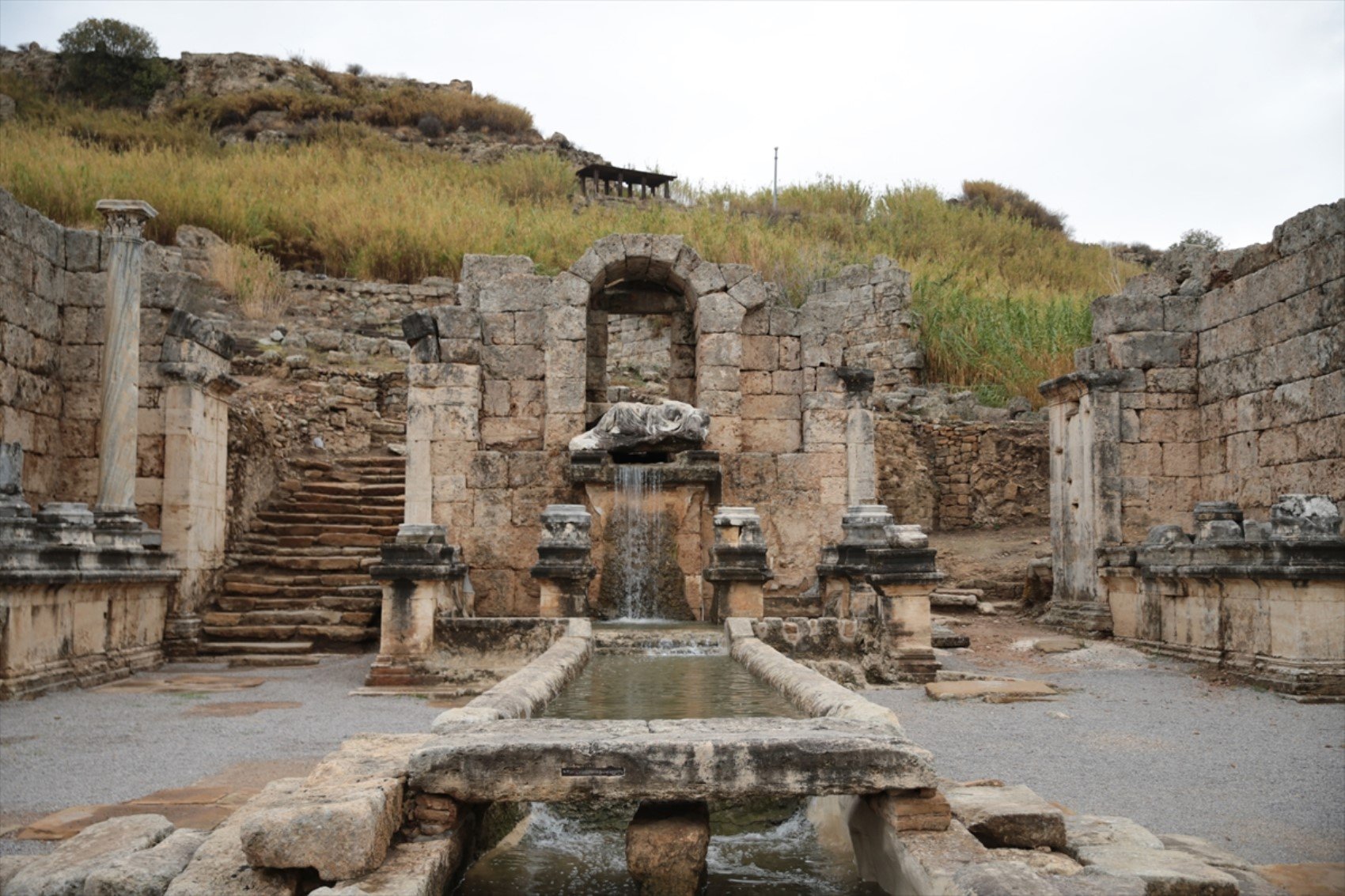
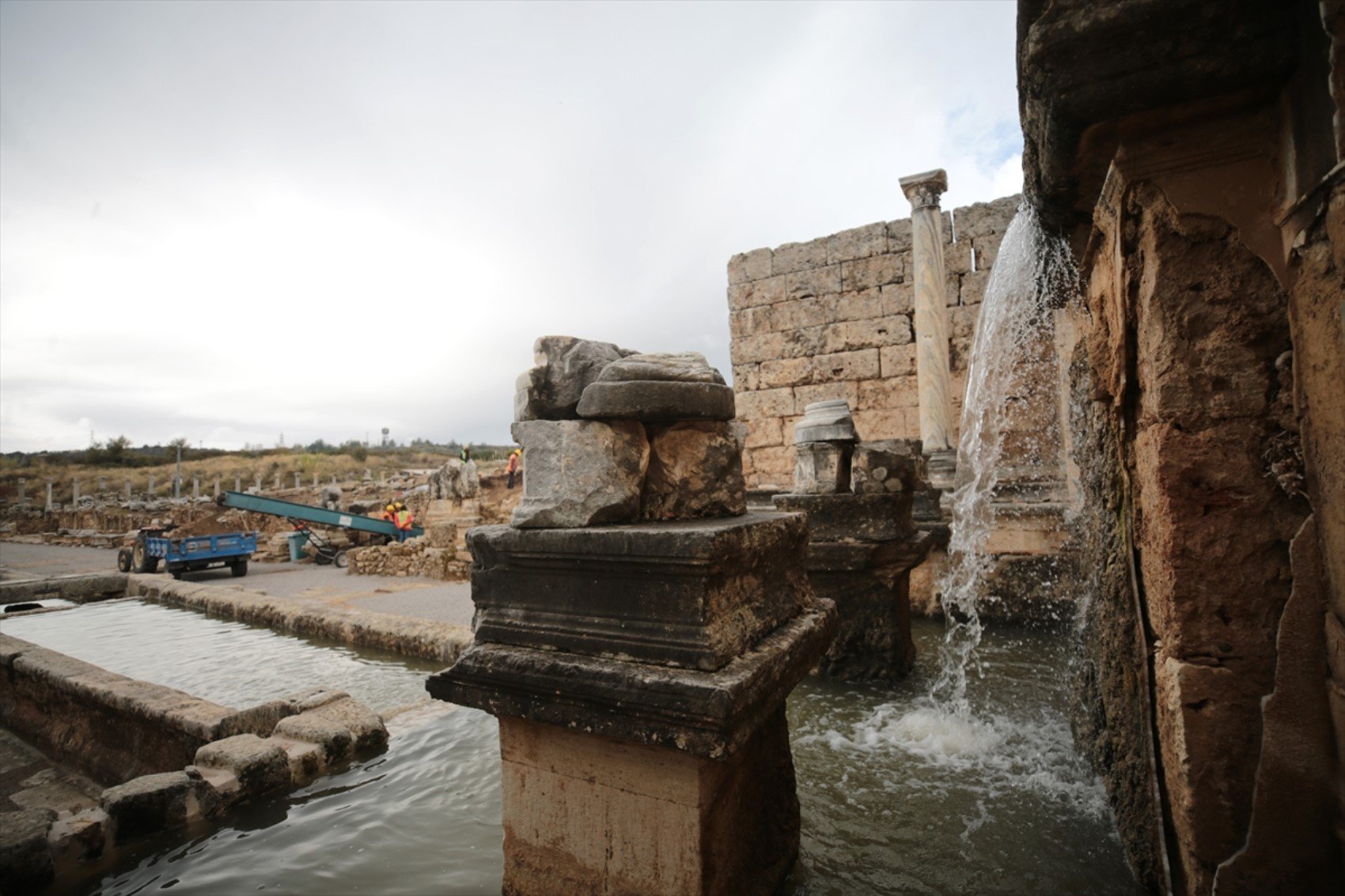
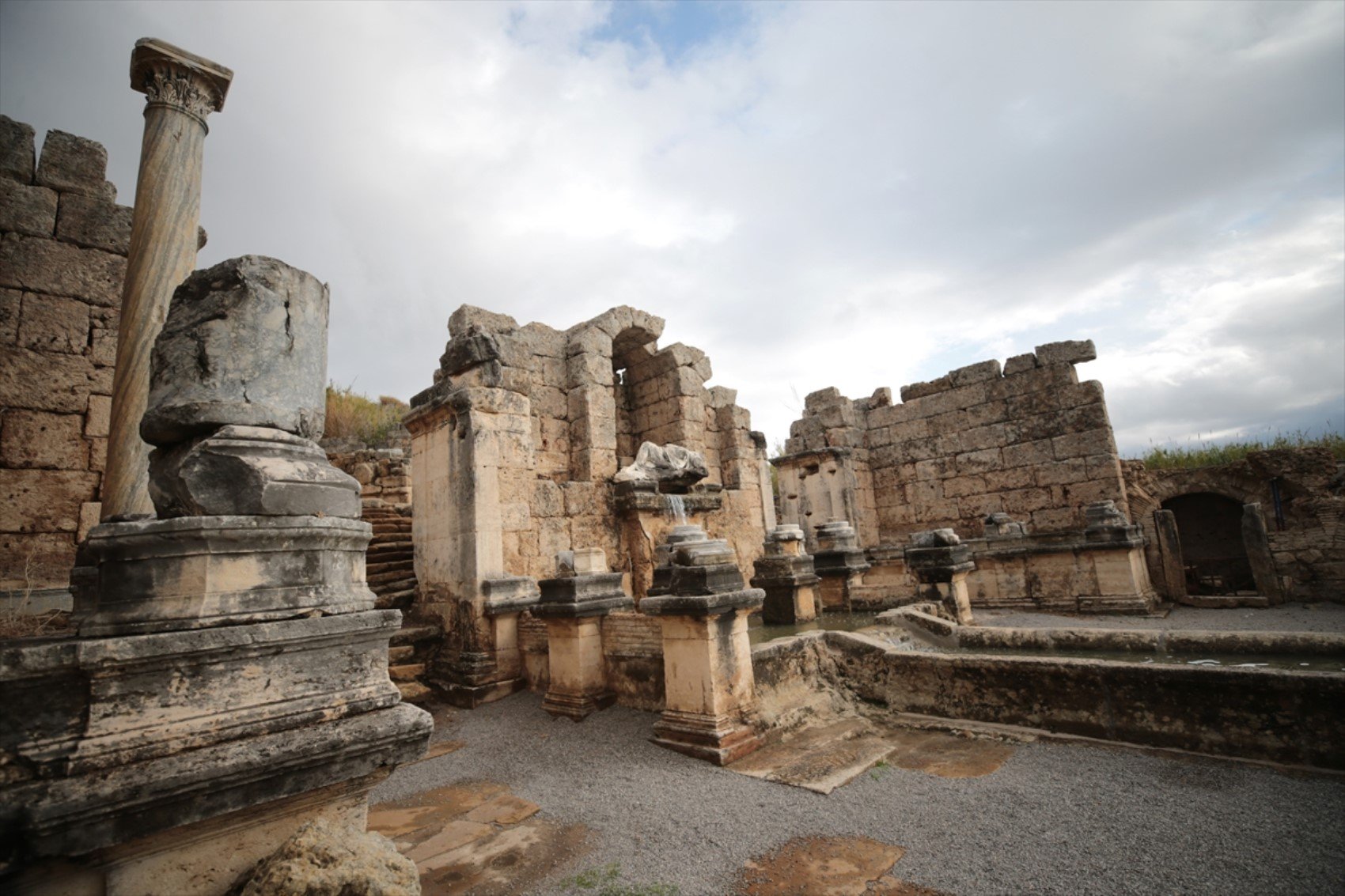
The ancient "Kestros Fountain" in the ancient city of Perge, located within the borders of the Aksu district in central Antalya and known to have been built by Emperor Hadrian in the 2nd century AD, has become operational again following restoration work.
12punto
"SINCE 1946"
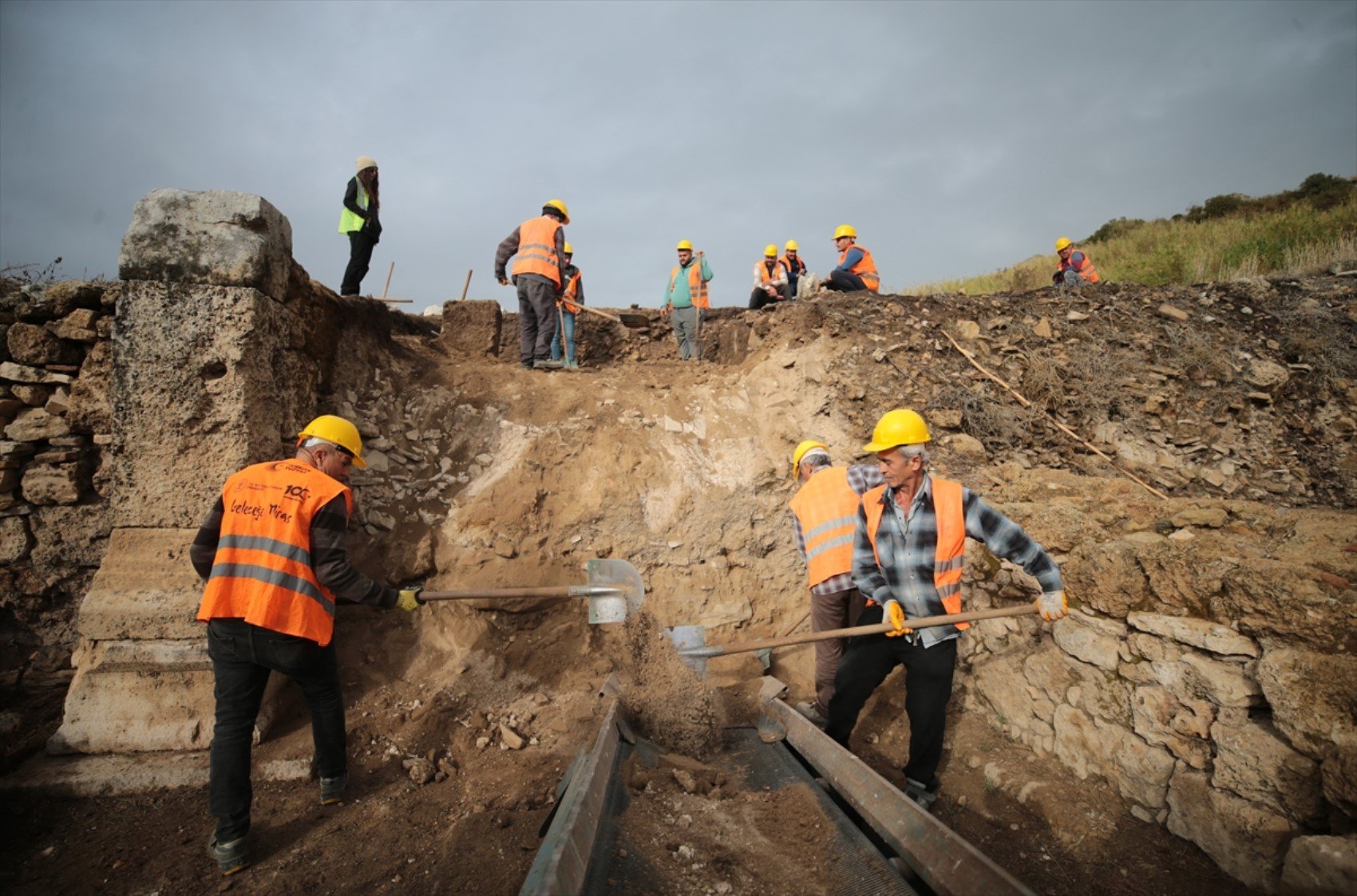
Excavation work has been carried out since 1946 in the city, which is known to have served as the capital of the Pamphylia region for a period and is famous for its marble sculpture as well as being one of the most well-organized Roman-era cities in Anatolia.
"THE REGION HAS BEEN ON THE UNESCO LIST SINCE 2009"
The ancient city, which opens the doors to the past with its towers, theater, stadium, baths, monumental fountains, and colonnaded street where important monumental structures in the city center have been brought to light, has been on the UNESCO World Heritage Tentative List since 2009.
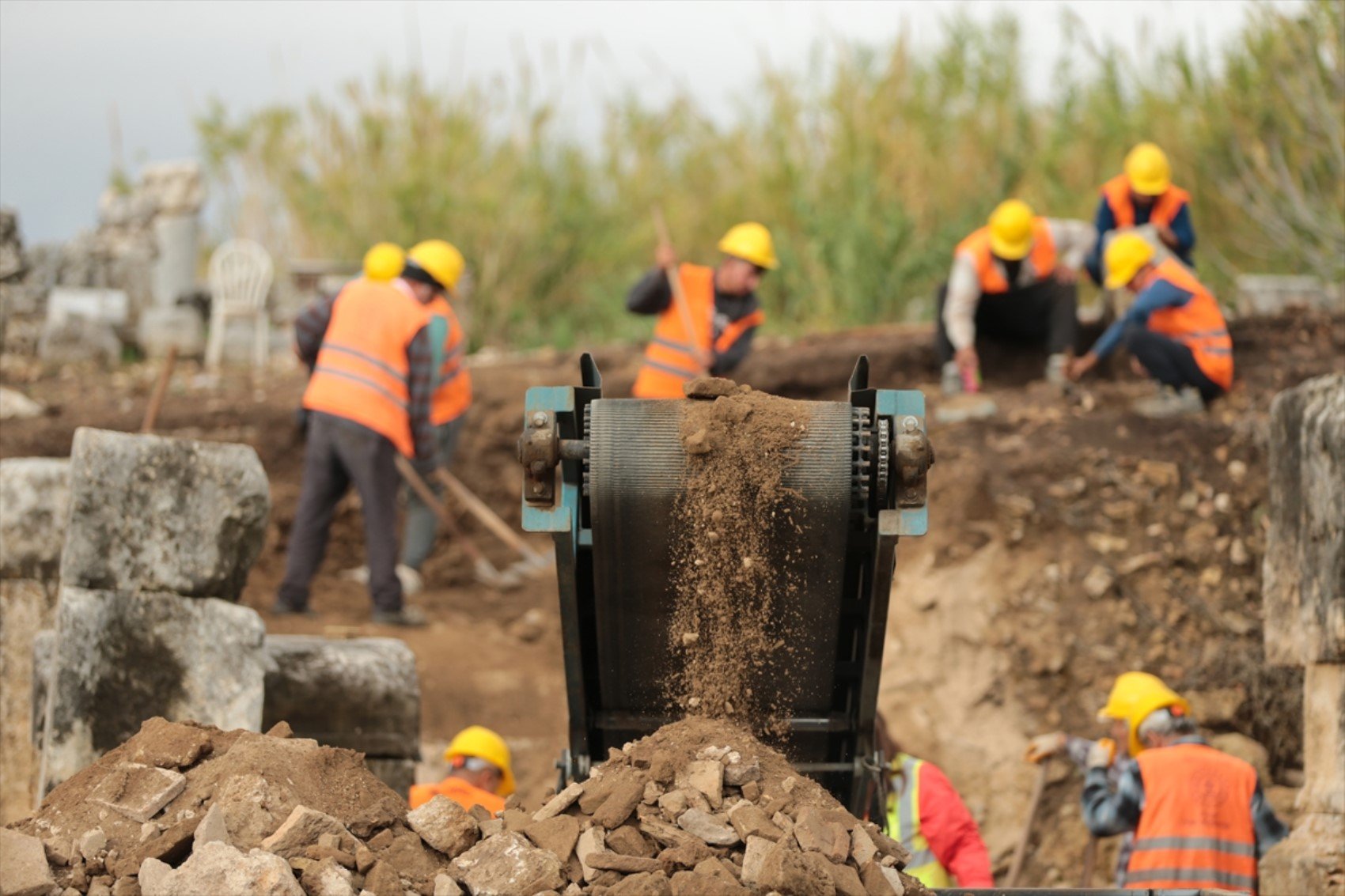
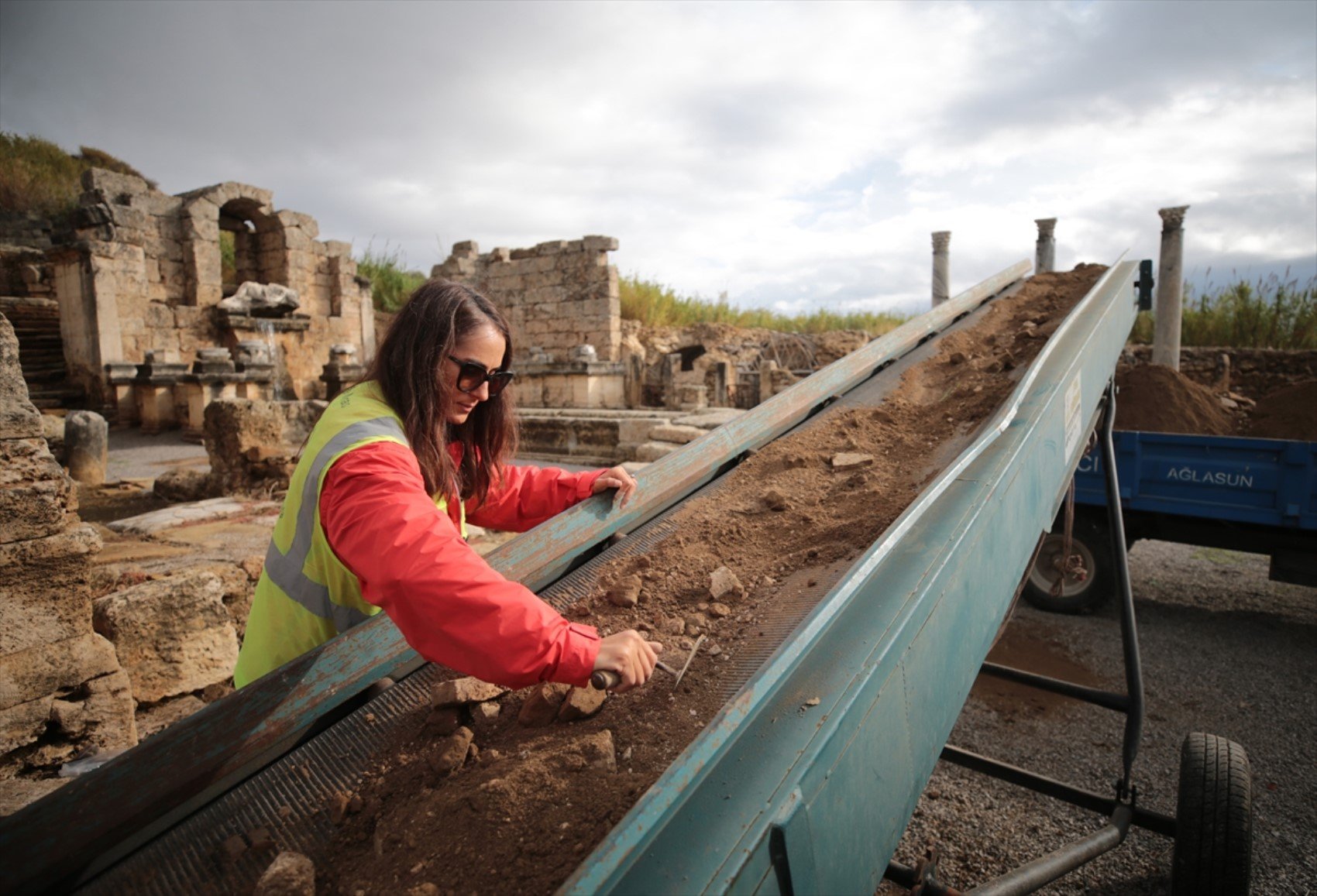
In Perge, where excavation, repair, and restoration work continues to restore it to its former glory, the water flow project at the ancient "Kestros Fountain," which was initiated about 2 years ago with the support of the Ministry of Culture and Tourism, has been completed.
Water has begun to flow again from the fountain, which is known to have been built during the reign of Emperor Hadrian in the 2nd century AD, after 1800 years.
"IT COMES FROM THE RIVER GOD KESTROS"
In the ancient period, the Kestros Fountain carried water taken from the Kestros River, known today as the Aksu Stream, which passed three kilometers east of the city, to the center of the city. The reclining god figure on the fountain also symbolizes this river god, Kestros.
"WORK LASTED 80 YEARS"
Dr. Aytaç Dönmez, Deputy Head of the Perge Ancient City Excavations and a faculty member at Istanbul University's Department of Archaeology, stated that excavation work has been carried out in the city since 1946 and that many parts of the city have been archaeologically uncovered during the work that lasted approximately 80 years.
"THE KESTROS FOUNTAIN HAS REGAINED ITS WATER AFTER 1800 YEARS"
Stating that many important findings were reached in the excavations carried out in the eastern street, stadium, amphitheater, and macellum areas of Perge as part of the work continuing under the Ministry of Culture and Tourism's "Heritage for the Future Project," Dönmez said, "In this context, the water flow work at the Kestros Fountain, which we started in 2022 with the support and encouragement of our Provincial Directorate of Culture and the Antalya Museum, finally reached its conclusion thanks to the funds provided to us by our Ministry this year, and the Kestros Fountain has regained its water after 1800 years."
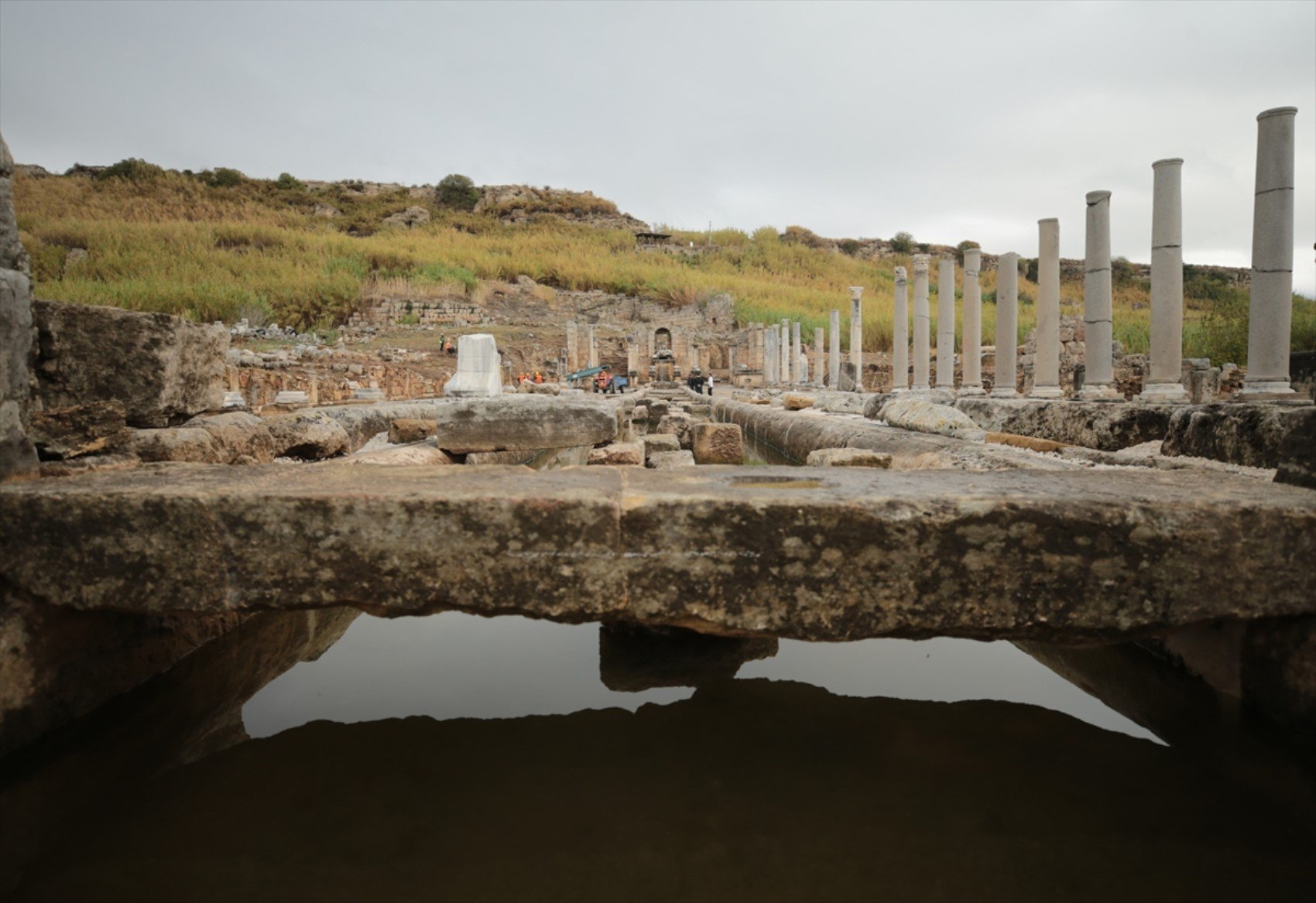
Reminding that the ancient fountain received its water source from the Kestros River, also known as the river god, 3 kilometers away at that time, Dönmez explained that the water from the fountain flowed through a pool that could be considered luxurious, consisting of a 700-meter channel.
"WE PLAN TO EXHIBIT THIS AREA IN ITS ENTIRETY"
Stating that they have completed the restoration and conservation work on only a 100-meter section of the fountain as part of the project, Dönmez spoke as follows:
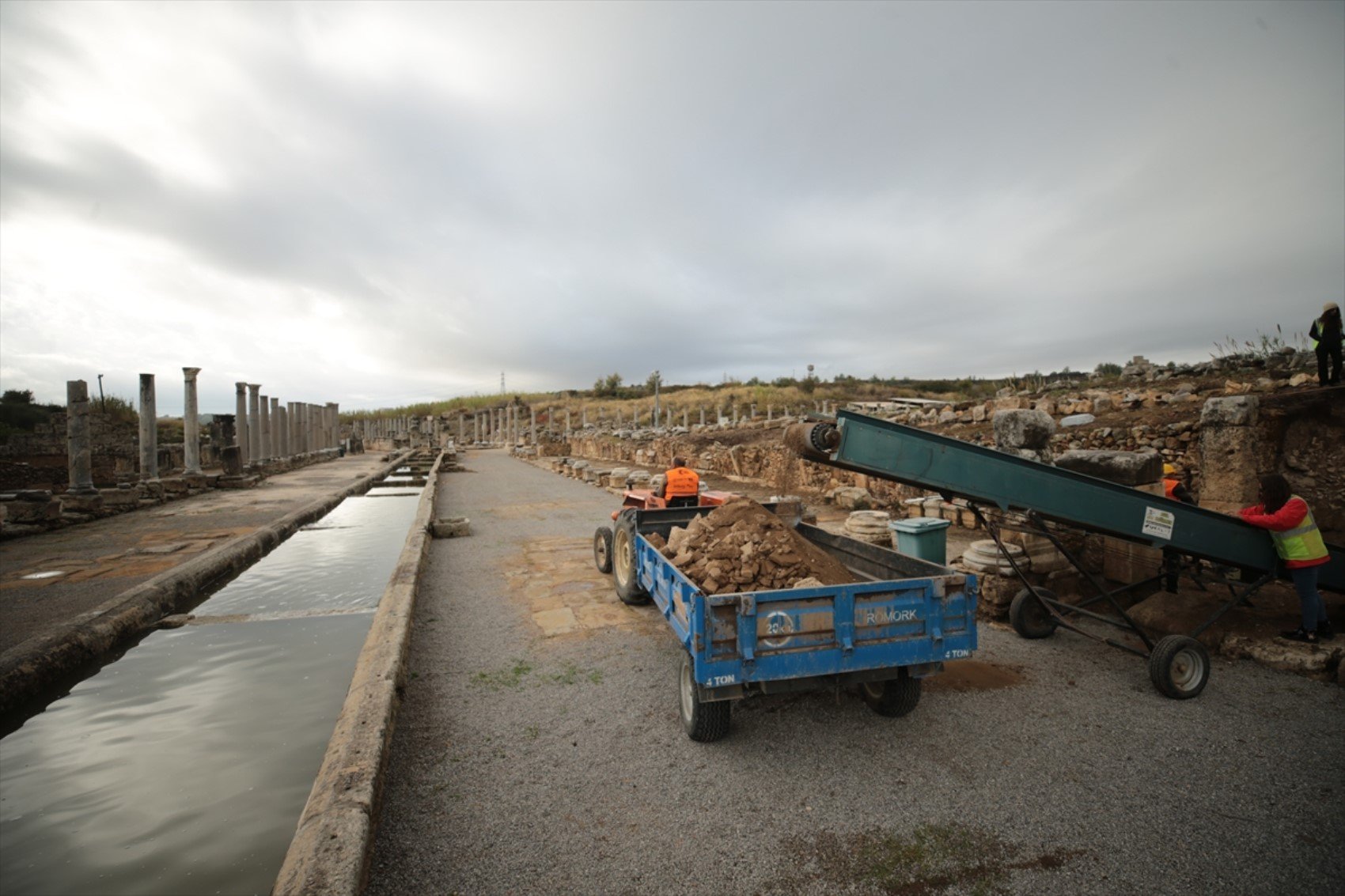
"The most important feature of the fountain, as you can see, is that the water flowing from the fountain's spout is first collected in a pool. Then it flows south through a channel approximately 700 meters long.
Today, of course, in the first stage of the work, we rebuilt only the section up to the intersection, a 100-meter section, and reinforced it with repair and conservation work. We managed to make the fountain flow in that direction.
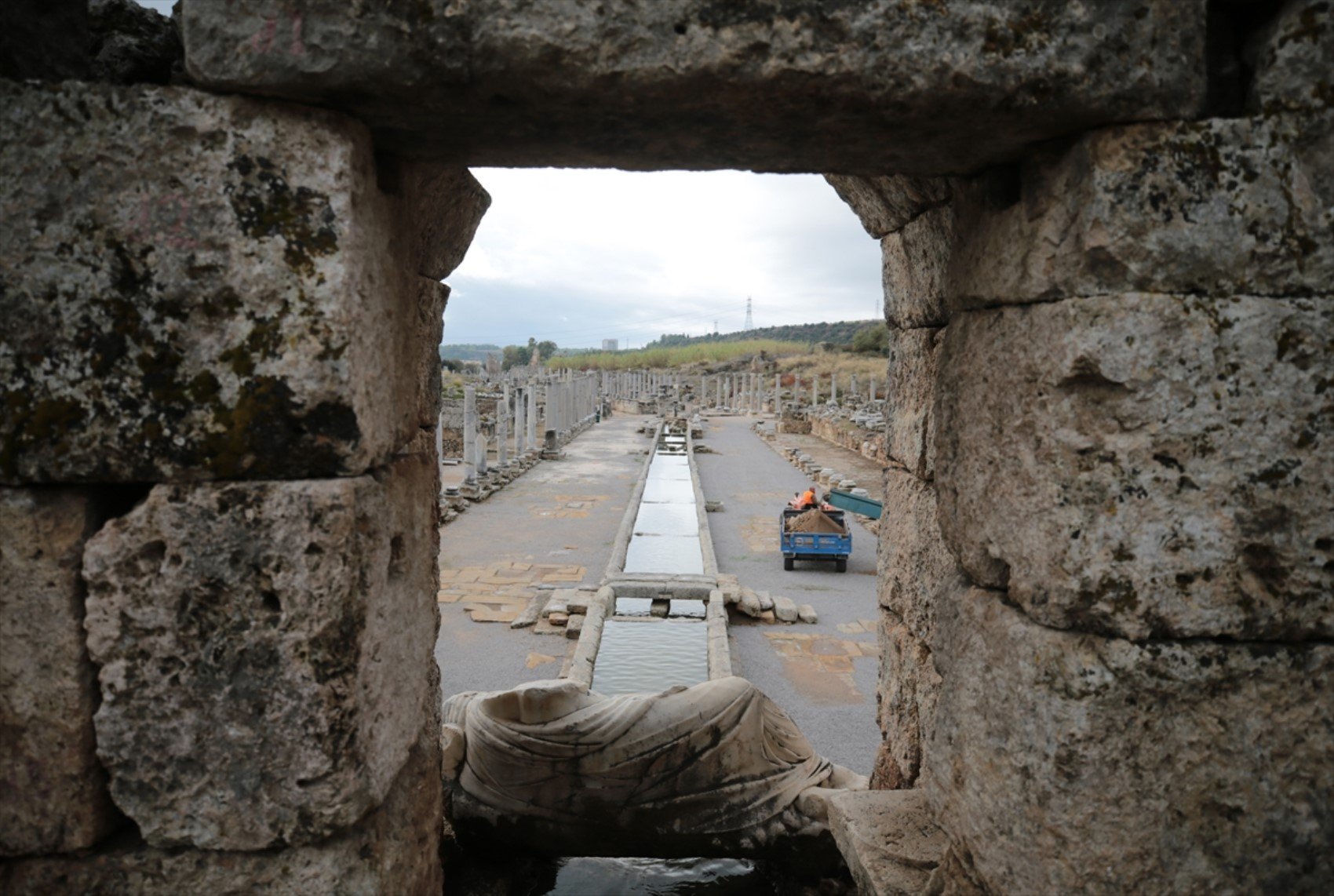
"THE FOUNTAIN'S WATER COMES FROM ITS ORIGINAL SOURCE"
Our initial work on the fountain proceeded using original materials. We only performed maintenance and repair work on the existing materials. At the end of this work, the fountain began to flow. We are taking the water from the same source as it was in its period. Our goal in the second stage here is to carry out a holistic restoration of the fountain. We plan to carry out the third phase of the fountain's restoration with new architectural findings that we will uncover in the excavations and to exhibit this area in its entirety."
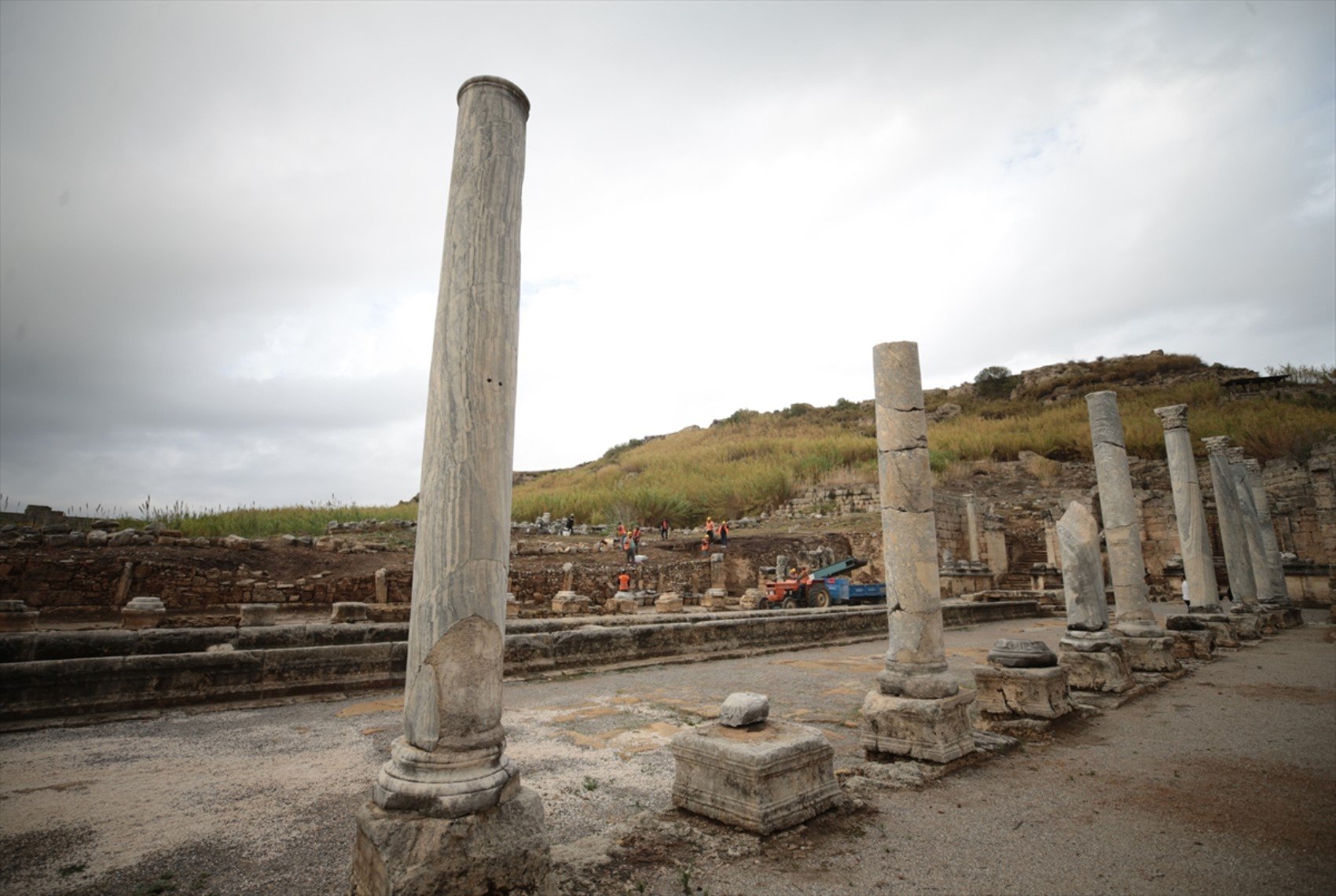
INCREASE IN TOURIST VISITS EXPECTED
Dönmez noted that they expect tourist visits to the region to increase with the revival of the Kestros Fountain.