Ways to eat healthy while fasting: Don't make these mistakes at iftar and suhoor!
Ramadan has arrived, and our eating habits have changed. Dietitian Hande Selin Ok highlighted the importance of balanced nutrition at iftar and suhoor tables while fasting. Stating that eating quickly and excessively can lead to problems such as indigestion, Ok offered recommendations for a healthy fasting process.
12punto
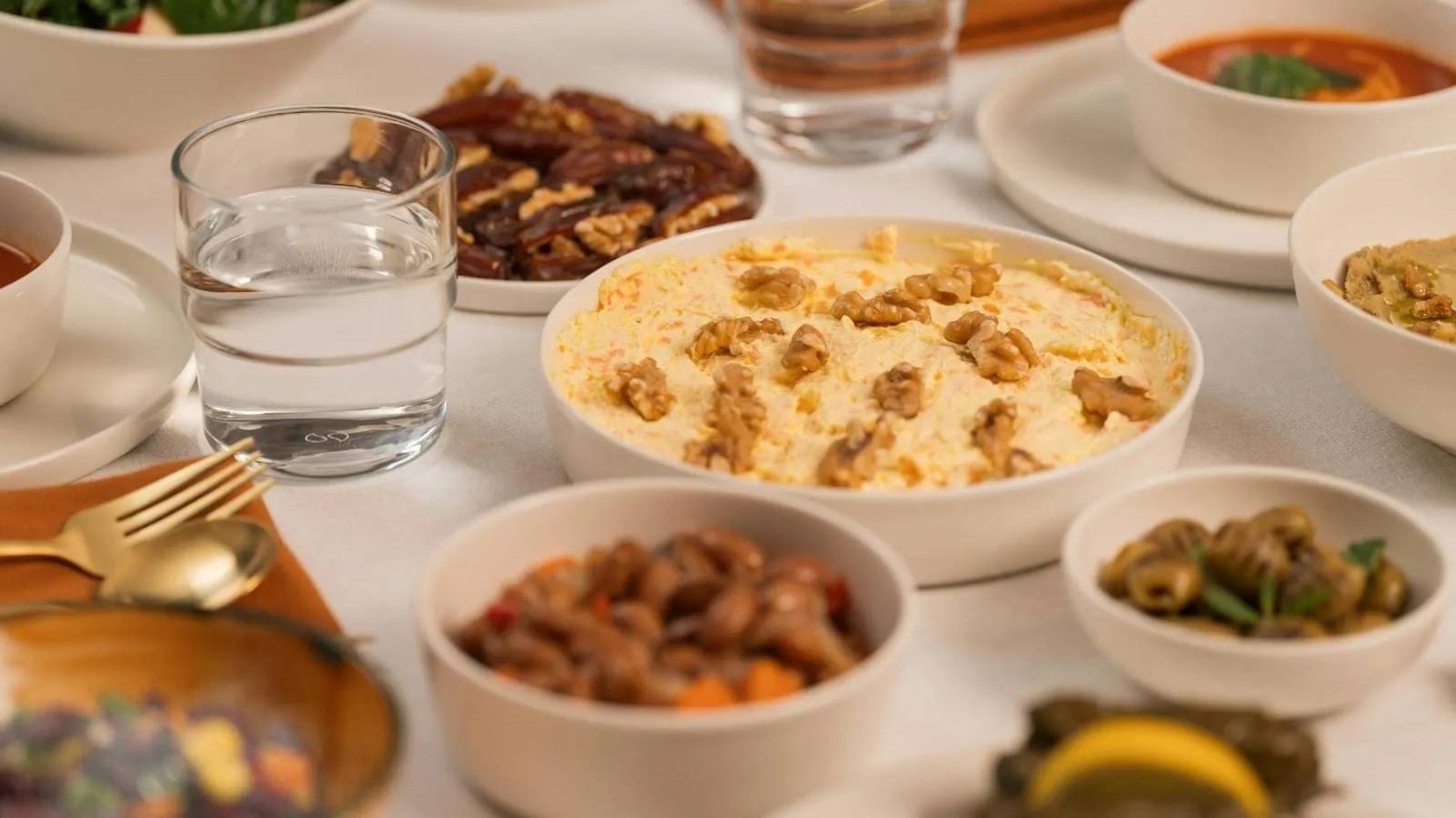
Nutrition and Diet Specialist Hande Selin Ok reminded that, in addition to providing inner peace, the health benefits of fasting have been demonstrated by numerous studies.
IT HAS MANY BENEFITS FOR THE BODY
Emphasizing that fasting has benefits such as strengthening immunity, weight loss, blood sugar control, resting the digestive system while reducing inflammation in the body, and improving mental functions, Ok offered nutritional recommendations that citizens can apply throughout the month of Ramadan.

A BALANCED NUTRITION PLAN SHOULD BE ESTABLISHED
It is important to properly manage the process of breaking the fast at iftar and starting a new fast after suhoor, as fasting has many positive effects on health both physically and spiritually.
To manage this process correctly, we must establish a balanced nutrition plan between iftar and suhoor.
When we do not maintain such a routine, we may experience many health problems ranging from indigestion to fatigue, migraines, dehydration, irritability, hypoglycemia, weight gain, and constipation.
CHEW THOROUGHLY
We must show the same patience we show while fasting when we are eating. We should eat calmly, slowly, and by chewing our food very well.
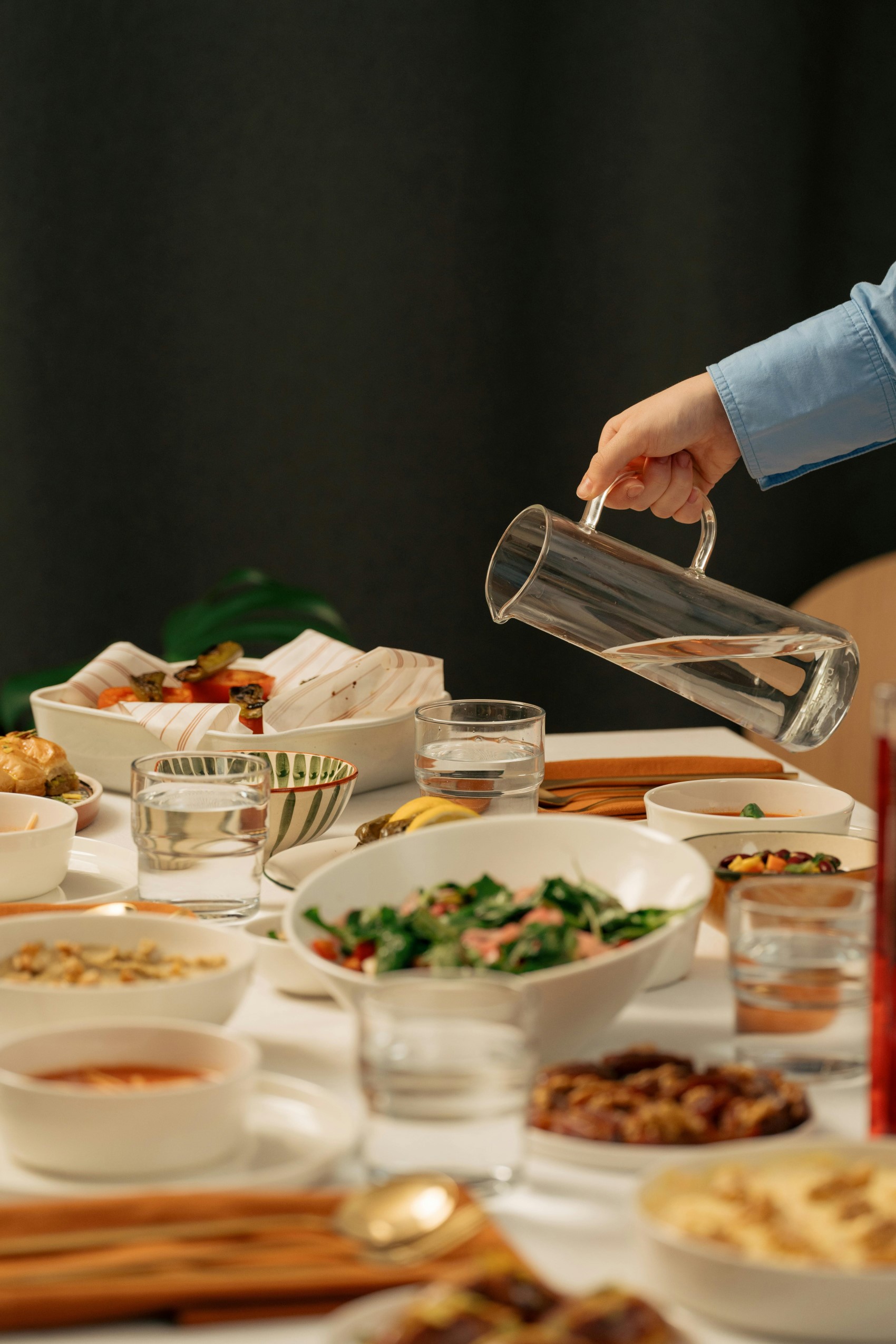
It is wrong to suddenly overload the stomach with food when it has been empty all day.
BREAK YOUR FAST WITH WATER
You can break your fast with a glass of water and 2 dates. Filling your stomach directly with food after it has been empty all day can lead to indigestion and bloating problems.
AVOID HEAVY AND GREASY FOODS
Starting your iftar by drinking a soup that is not too hot will not strain your stomach after a long period of hunger.
Afterward, instead of heavy, greasy foods, you can prefer boiled, grilled, or oven-baked meat dishes, or vegetable dishes cooked in their own juices with little oil.
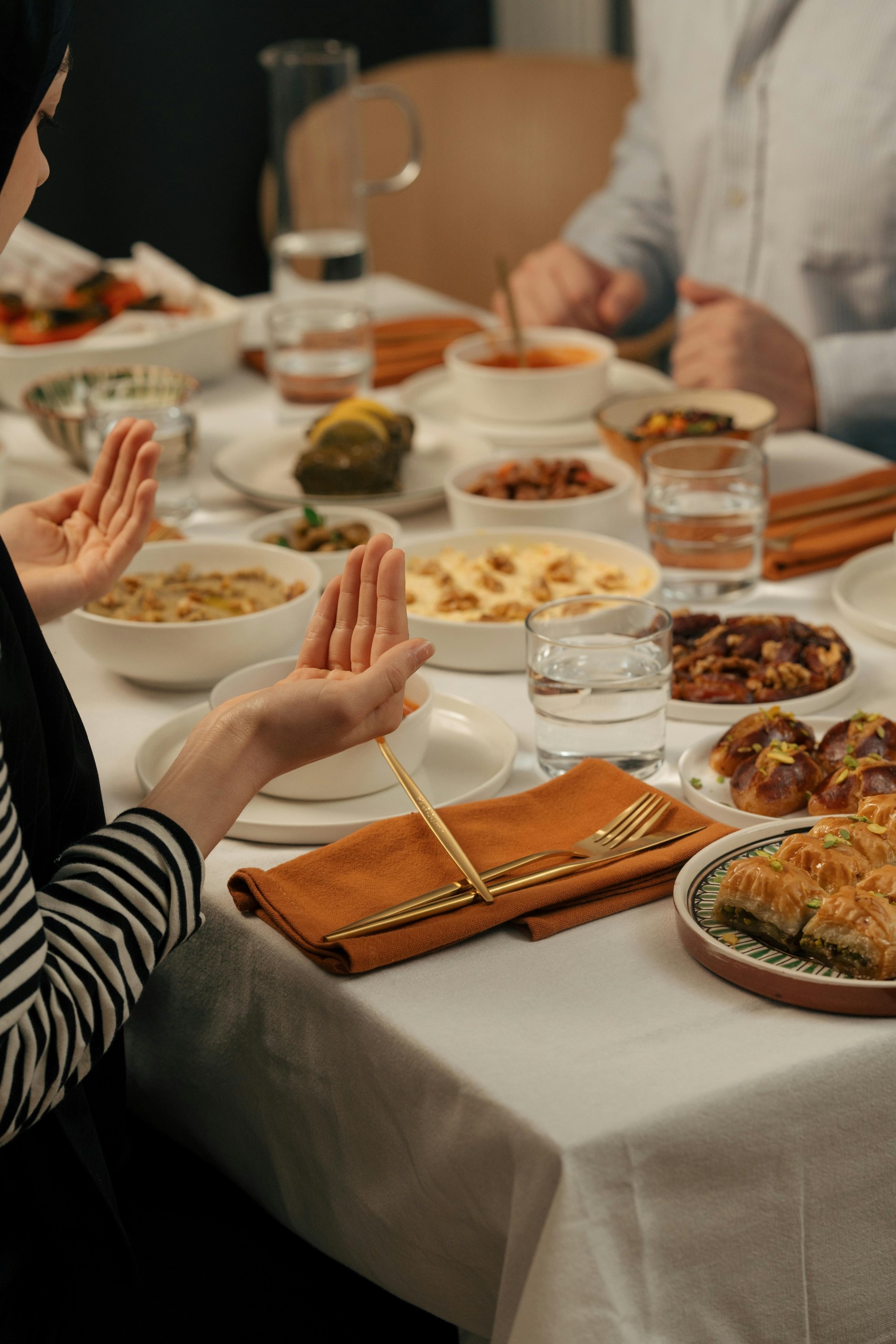
It is beneficial to avoid foods with heavy tomato paste and spices. Instead, you can add grain-based foods or salads to your iftar menu.
LEAVE THE TABLE BEFORE YOU ARE FULL
If possible, leave the table before you are completely full. If you get hungry again, you can consume your meals at certain intervals without overloading your stomach.
DO NOT NEGLECT YOUR FLUID INTAKE
Do not neglect fluid intake. Try to drink 2-3 liters of water between iftar and suhoor; this will help speed up the metabolism that has slowed down due to long-term hunger.
PREFER LIGHT AND MILK-BASED DESSERTS
Desserts are indispensable for iftar tables. Your dessert preference should be milk-based desserts.
GO FOR A WALK
If you can, a half-hour walk after iftar will be good for both digesting what you have eaten and for your general health.
DEFINITELY HAVE SUHOOR
Stating that complaints of indigestion, bloating, and gas are seen after iftar, mostly due to consuming greasy, high-calorie foods, Dietitian Ok said that having suhoor is important and necessary for fasting.
Emphasizing that it is important for obtaining nutrients such as protein, carbohydrates, fats, vitamins, and minerals that the body needs, Ok said, "At suhoor, you can follow a diet that will keep you full during the day and will not cause fluctuations in your blood sugar.
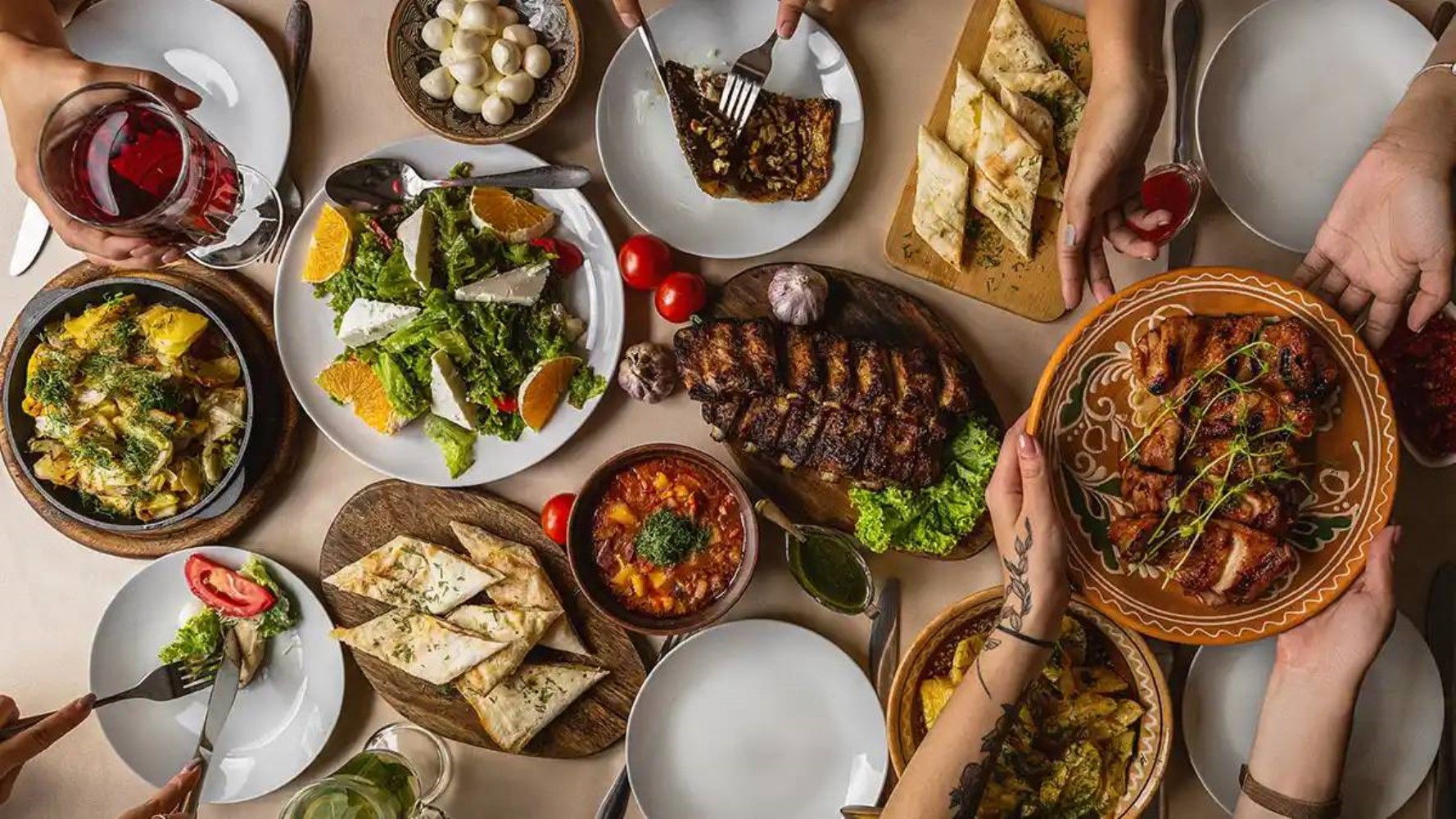
A breakfast heavy on eggs, milk, and dairy products will both ensure you get the protein you need and keep you full.
If you eat salty olives or processed products like salami, sausage, or pepperoni at the suhoor breakfast, this will make you very thirsty; it is better not to consume them. Additionally, it is necessary to avoid excessively greasy and salty foods for sleep after suhoor," she said.