What are Mossad's famous operations? 'Stories like movies'
The Israeli intelligence agency Mossad has carried out numerous operations since its establishment. Mossad's operations have been decisive in terms of Israel's military and political activities from the past to the present. As Israeli Prime Minister Benjamin Netanyahu put it, these operations, which have 'stories like movies,' have shaped Israel's relations with other countries.
12punto
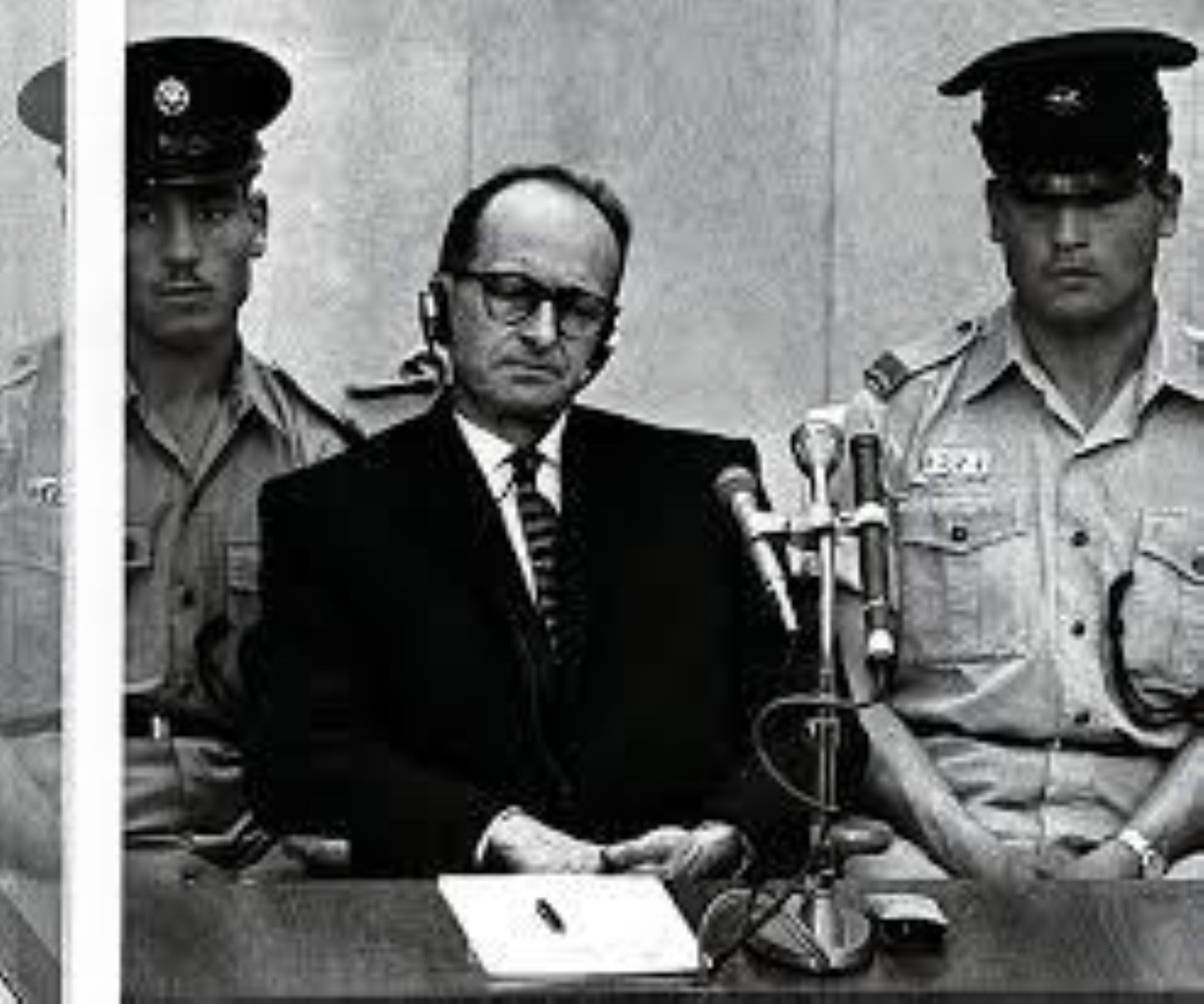
MOSSAD'S HUNT FOR EICHMANN (1960)
In 1957, Dr. Fritz Bauer, a German Jew serving as the attorney general of the West German state of Hesse, contacted Mossad with information that Adolf Eichmann was alive and well in Argentina.
Eichmann, an SS officer responsible for the Gestapo's Jewish section, was one of the chief architects of the Final Solution, which facilitated the deportation and murder of hundreds of thousands of European Jews during the Holocaust.
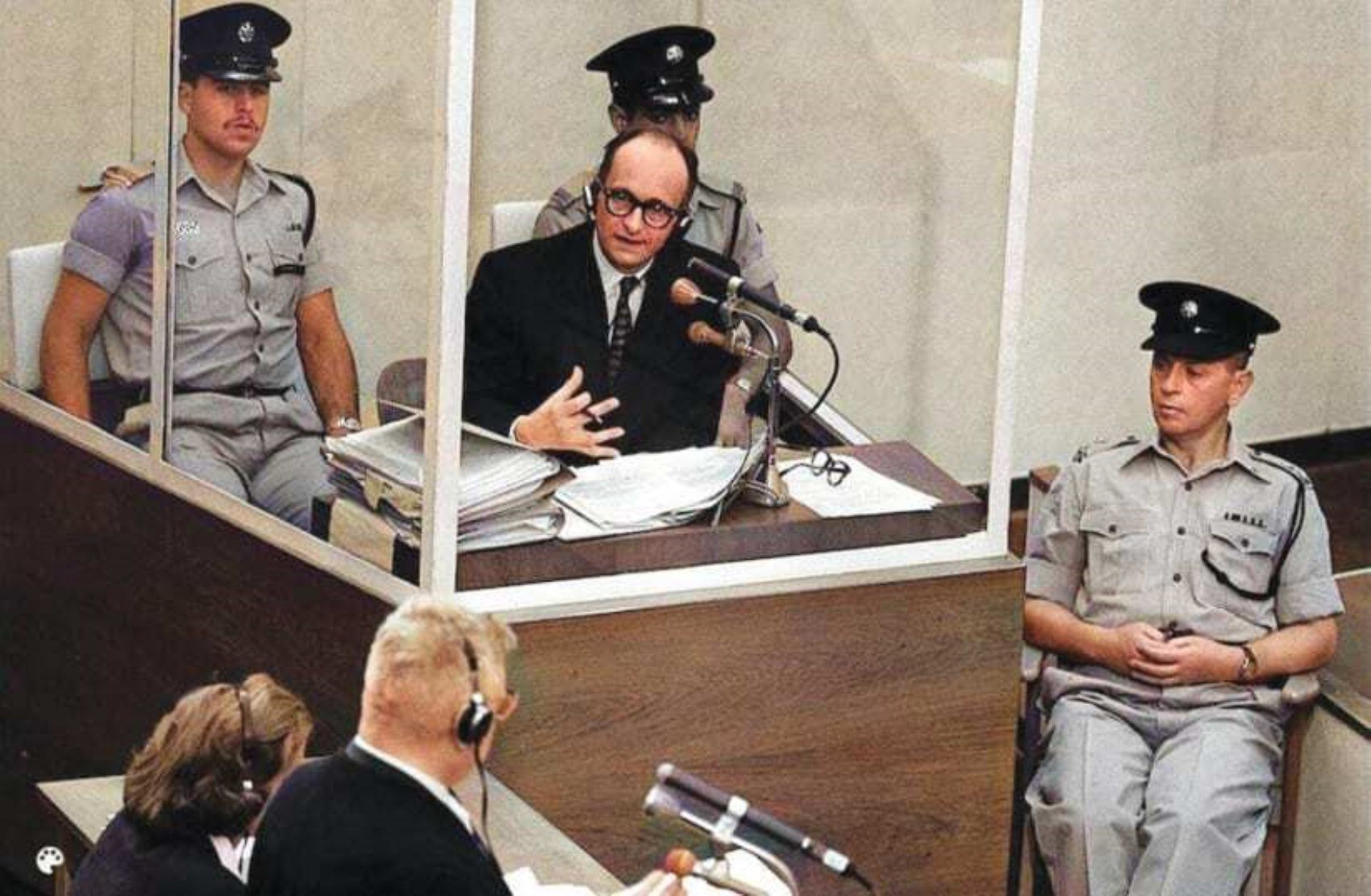
On the night of May 11, 1960, as Eichmann was returning home from work, he was neutralized by a police officer; Mossad agents first took Eichmann to a 'safe house.' Subsequently, members of the Mossad team and Eichmann donned flight crew uniforms and boarded a plane that took them back to Israel.
Eichmann was later tried in Jerusalem, found guilty of 15 charges, and was ultimately executed by hanging.
THE RESCUE OF MOROCCAN JEWS: OPERATIONS MURAL AND YACHIN (1961-1964)
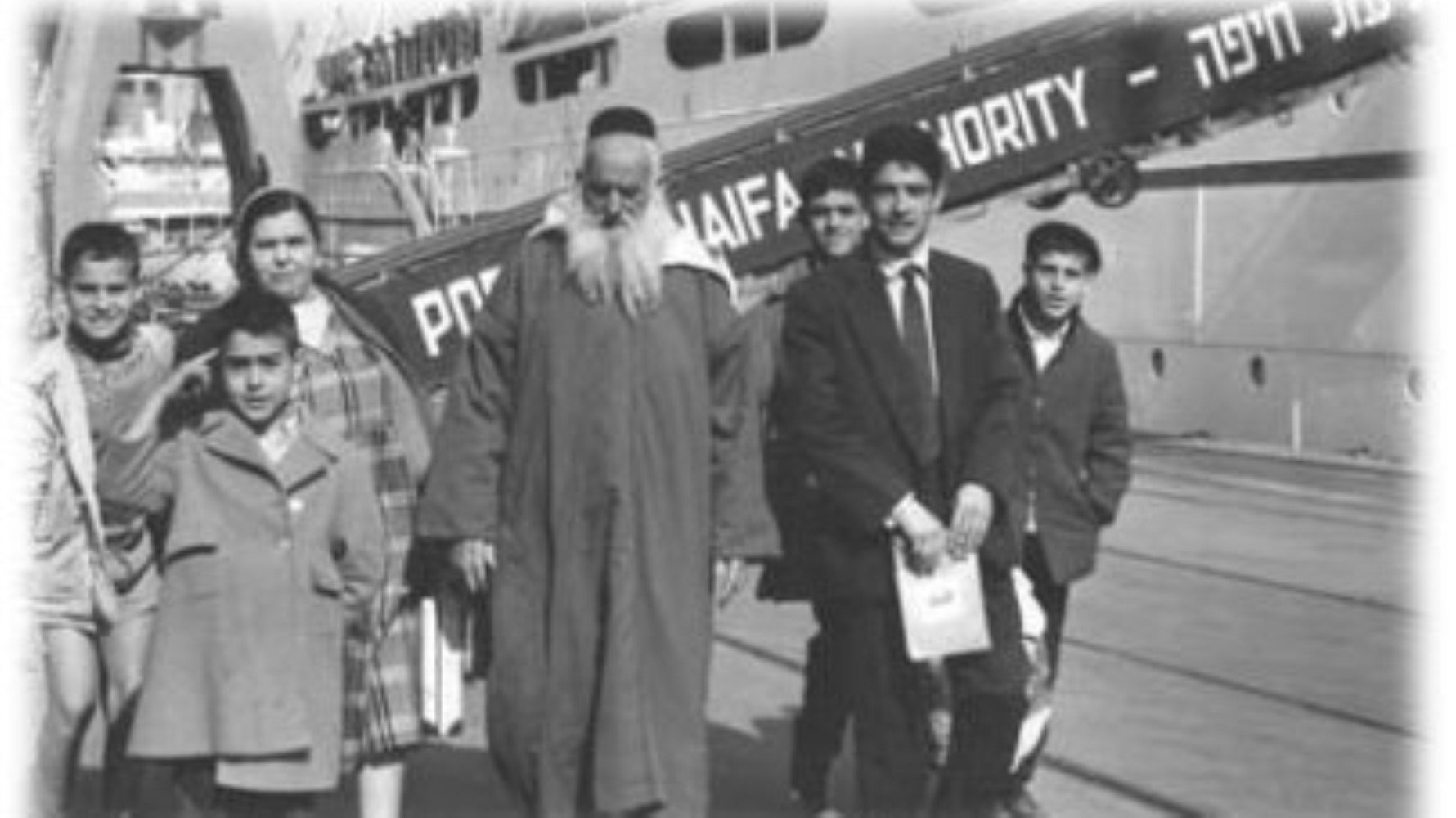
When Morocco declared its independence from France in 1956, it granted full citizenship rights to its Jewish population. However, Moroccan Jews were prohibited from emigrating to other countries.
Although the emigration ban was lifted in 1961, many Moroccan Jews wished to emigrate to Israel and other countries due to concerns over their precarious situation.
The Mossad prepared a plan to secretly smuggle more than 600 Jewish children to Israel.
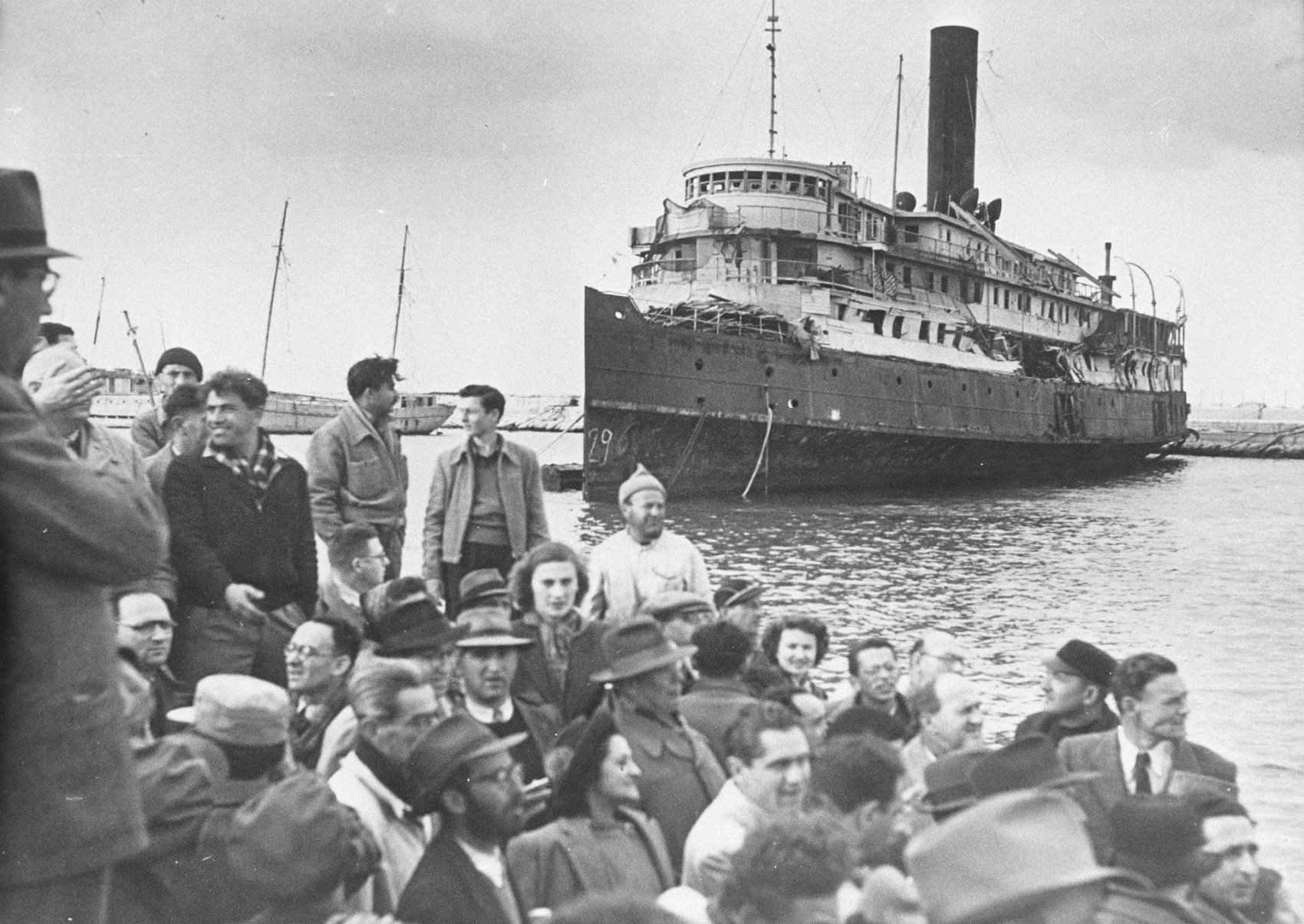
The operation, known as Mural, was carried out by David Littman, a 28-year-old British Jew living in Switzerland.
Shortly after Operation Mural ended in 1961, Mossad launched Operation Yachin.
Operation Yachin enabled the migration of approximately 100,000 Jews from Morocco between 1961 and 1964.
MOSSAD'S STRUGGLE AGAINST NAZI SCIENTISTS: OPERATION DAMOCLES
In July 1962, Egyptian President Gamal Abdel Nasser shocked Israelis by announcing that the Egyptian army had successfully conducted four missile tests capable of striking any point in the Jewish state.
Immediately following the announcement, Israeli officials discovered that these rockets had been secretly developed in the Egyptian desert by a team of German scientists. These scientists had also developed the V1 and V2 rockets that Nazi Germany launched at England during the Second World War.
In response to this revelation, Prime Minister Ben-Gurion tasked the Mossad with ending Egypt's missile program. The result was Operation Damocles.
When it proved impossible to intimidate or pay off those involved in the project, the Mossad resorted to violence.
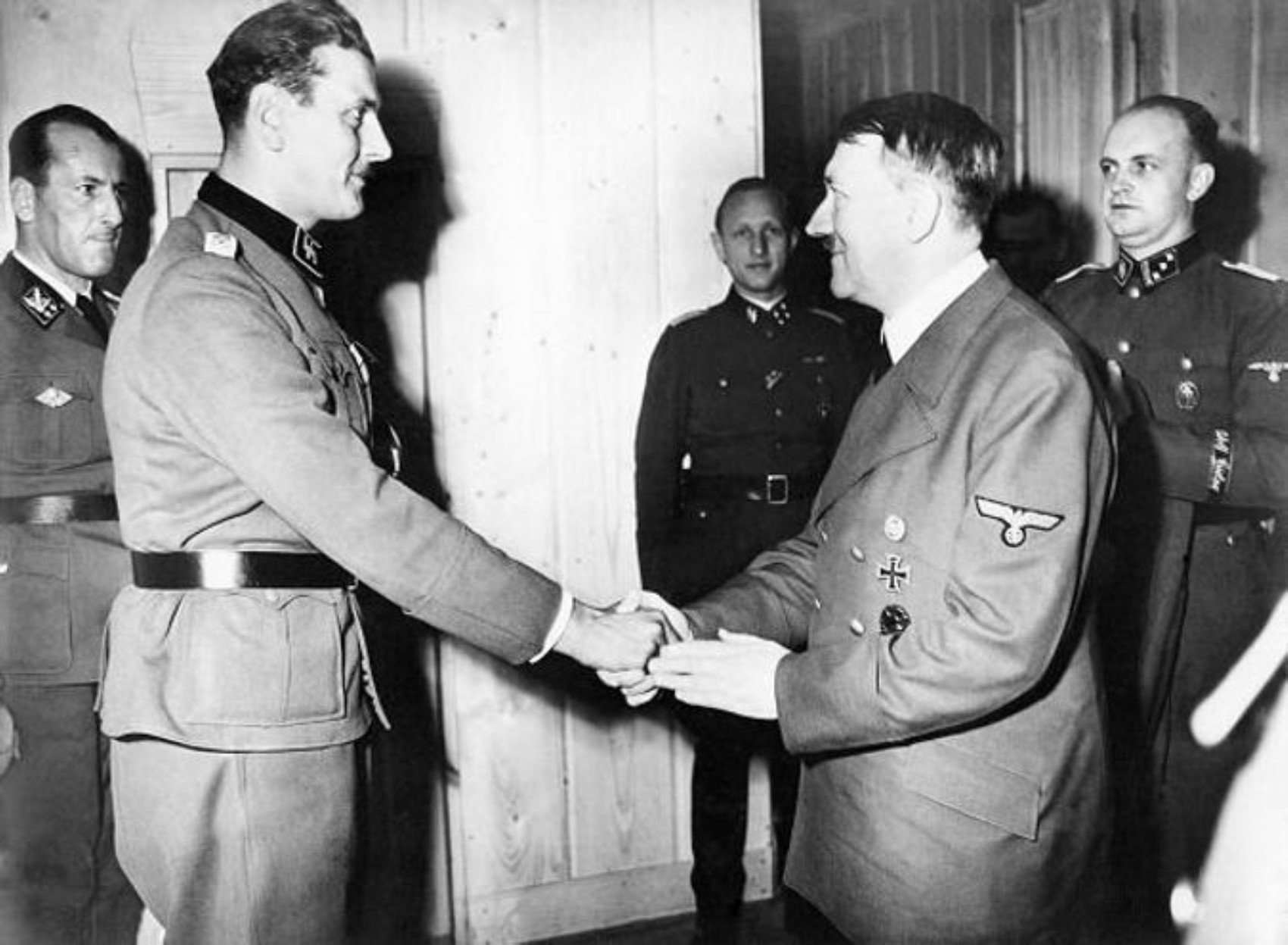
In one of the incidents reported in the press, the Mossad played a role in the disappearance and murder of Heinz Krug, the manager of a front company that helped finance the Egyptian missile program. Krug was killed by Otto Skorzeny, a former Nazi who was photographed shaking hands with Hitler.
Although Operation Damocles resulted in the arrest of numerous Mossad agents in Switzerland and the injury of many individuals who were not scientists, Israel succeeded in ending Egypt's missile program.
MOSSAD'S AGENT IN DAMASCUS: ELI COHEN (1962-1965)
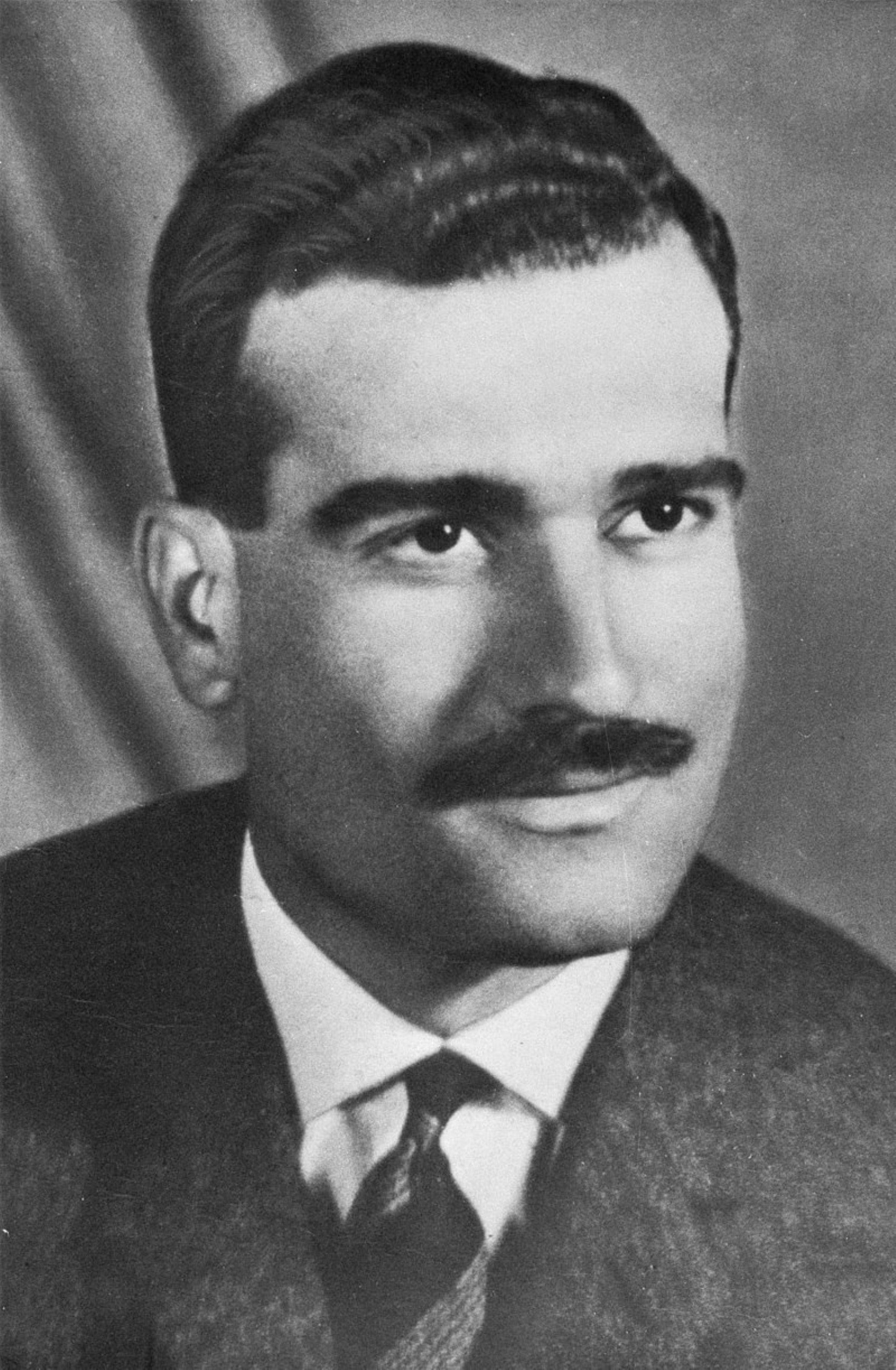
In the 1960s, one of the greatest threats to Israel came from its northern neighbor, Syria. Israel needed an agent to report on the latest diplomatic and military developments in Syria, and they found Eli Cohen to be the right man for the job.
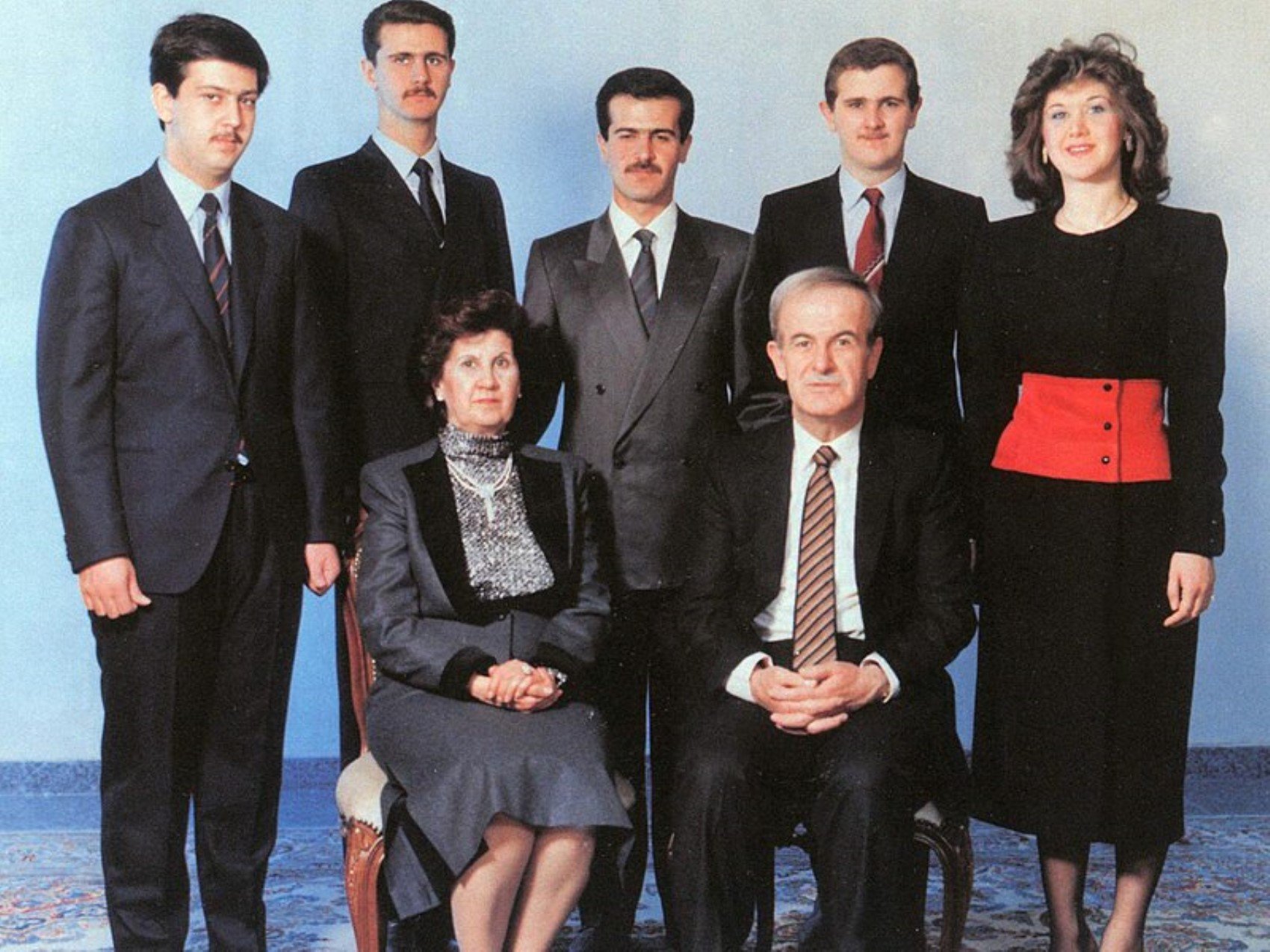
Cohen was sent to Argentina to conceal his identity by posing as a successful businessman born to Syrian parents. There, he entered the social circles of Syrian immigrants and befriended diplomats, politicians, and military officials. One of his closest friends, Syrian military attaché Hafez al-Assad (seated on the right in the photo), would later become the president of Syria.
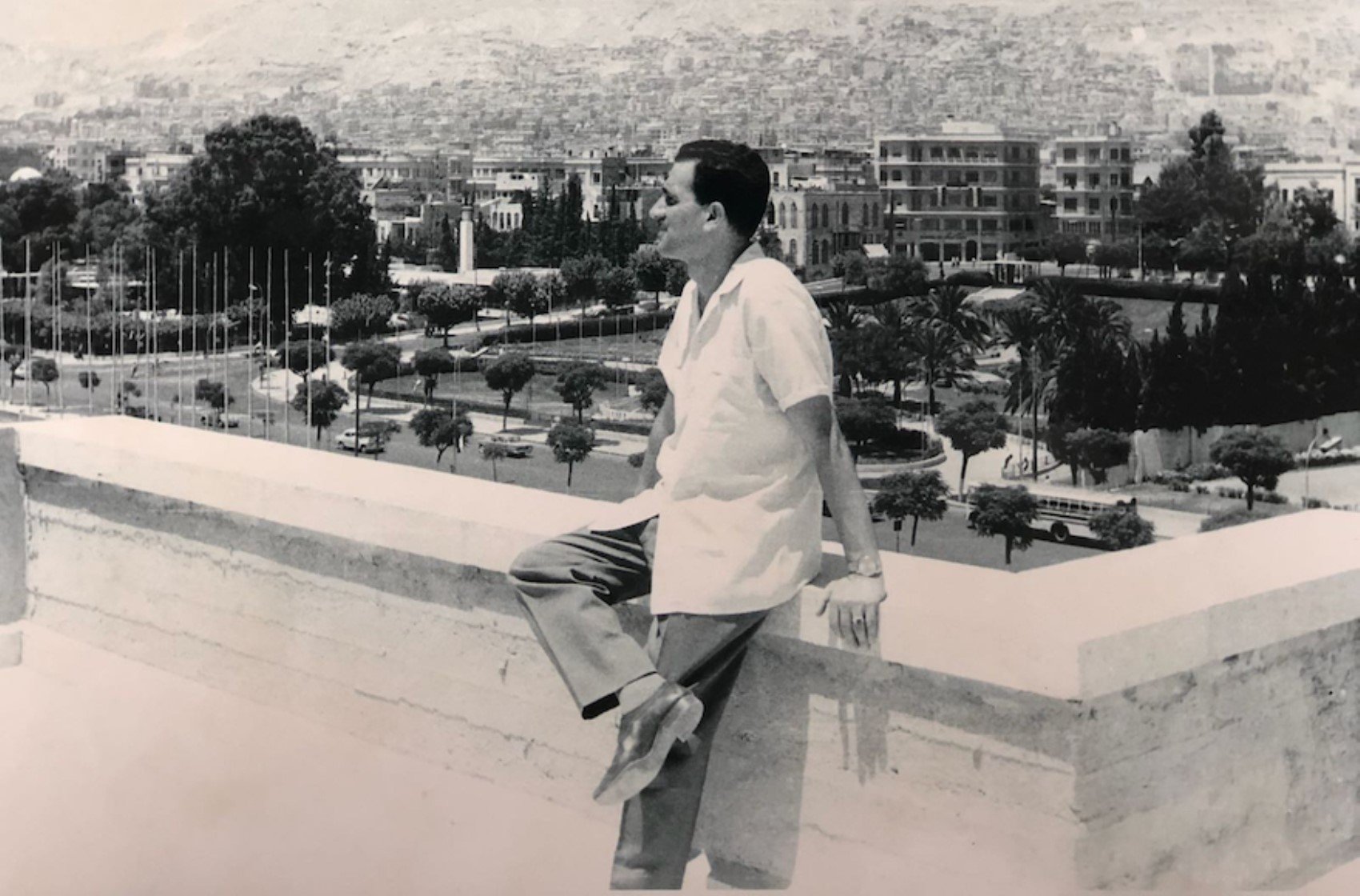
Later, Eli Cohen crossed into Syria and spent three years working as a spy. Cohen succeeded in transmitting intelligence that was vital to Israel's security and prosperity.
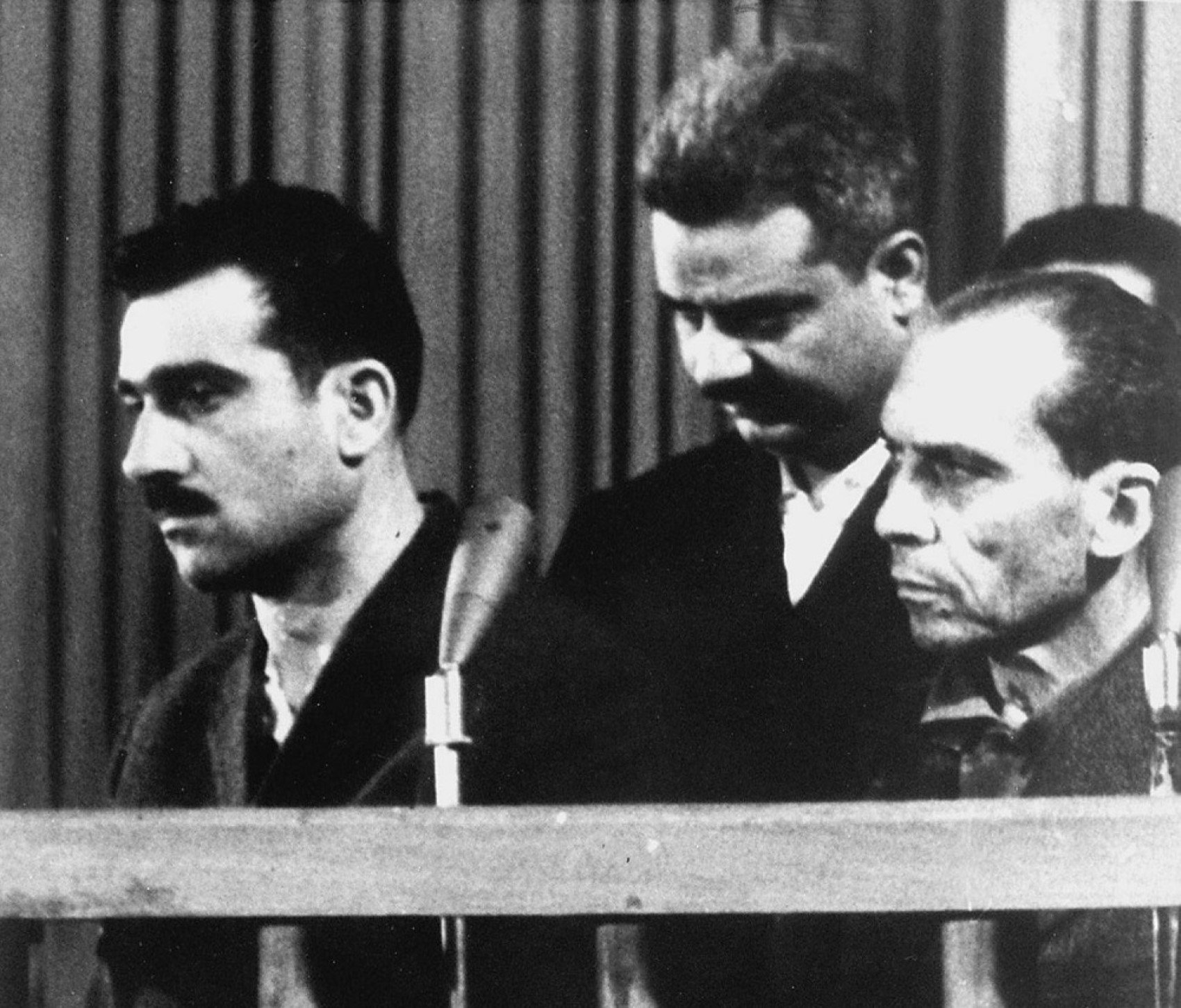
In 1965, while transmitting a message to Israel, Eli Cohen was captured by Syrian and Soviet officials using highly sensitive detection equipment.
Brought to trial in Damascus, Eli Cohen was sentenced to death. Before being taken to the center of Damascus and hanged in front of 10,000 people, he was permitted to write a letter to his wife and was visited by a local rabbi.
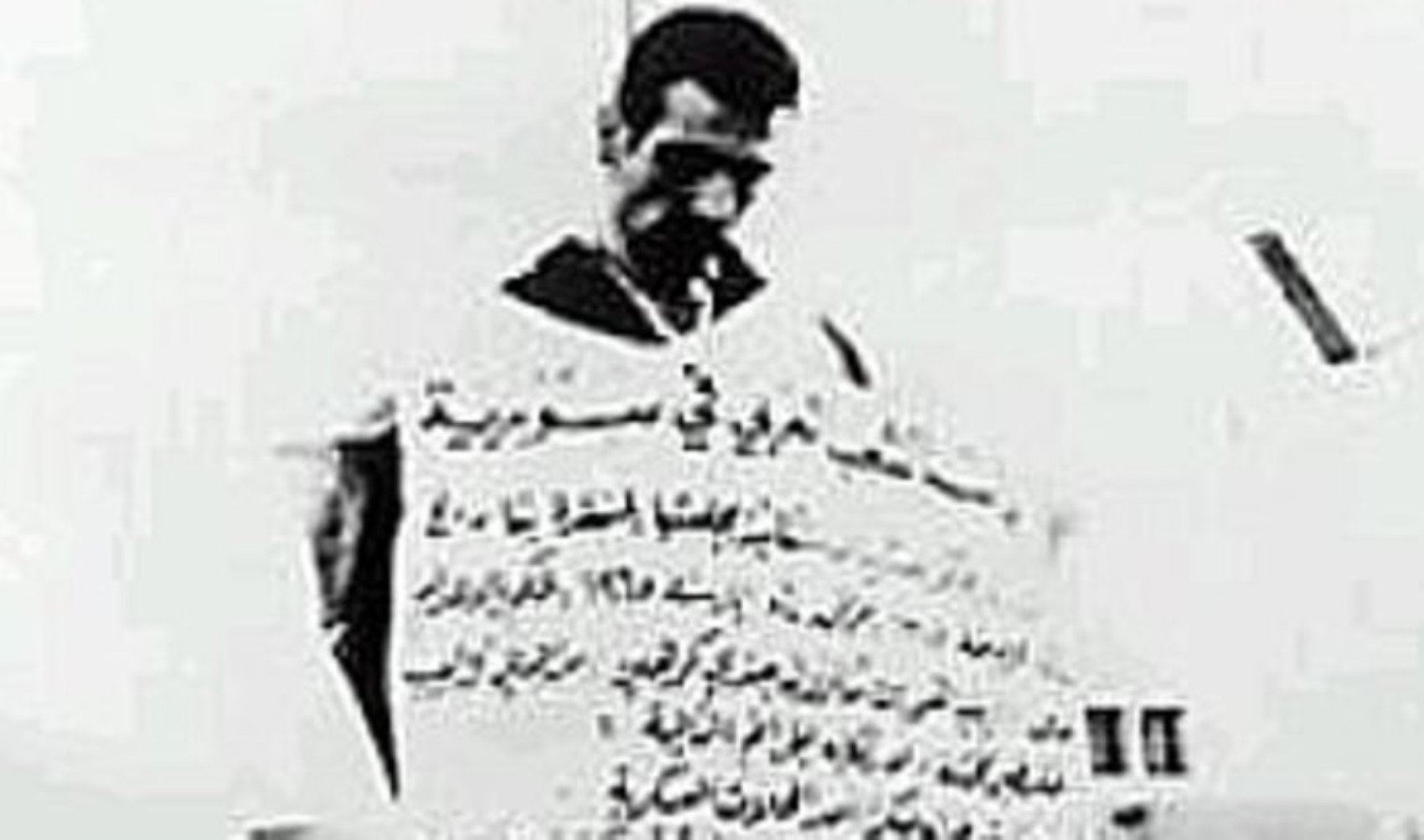
The location of Eli Cohen's grave has not been found to this day, despite efforts by Israelis to locate the grave and bring his body back to the country.