What are we eating? Now a deadly danger in nuts: Products brought from Turkey have been returned
In recent years, the food safety crisis in Turkey continues where it left off. Most recently, the chemicals Pyriproxyfen and DINOCAP were detected in a product exported from Turkey to France. Here are the details...
12punto
The issue of food safety has frequently come to the agenda in Turkey in recent years. While the lists of imitation and adulteration prepared by the Ministry of Agriculture and Forestry reveal the risks in the domestic market, similar dangers continue to be seen in export products.
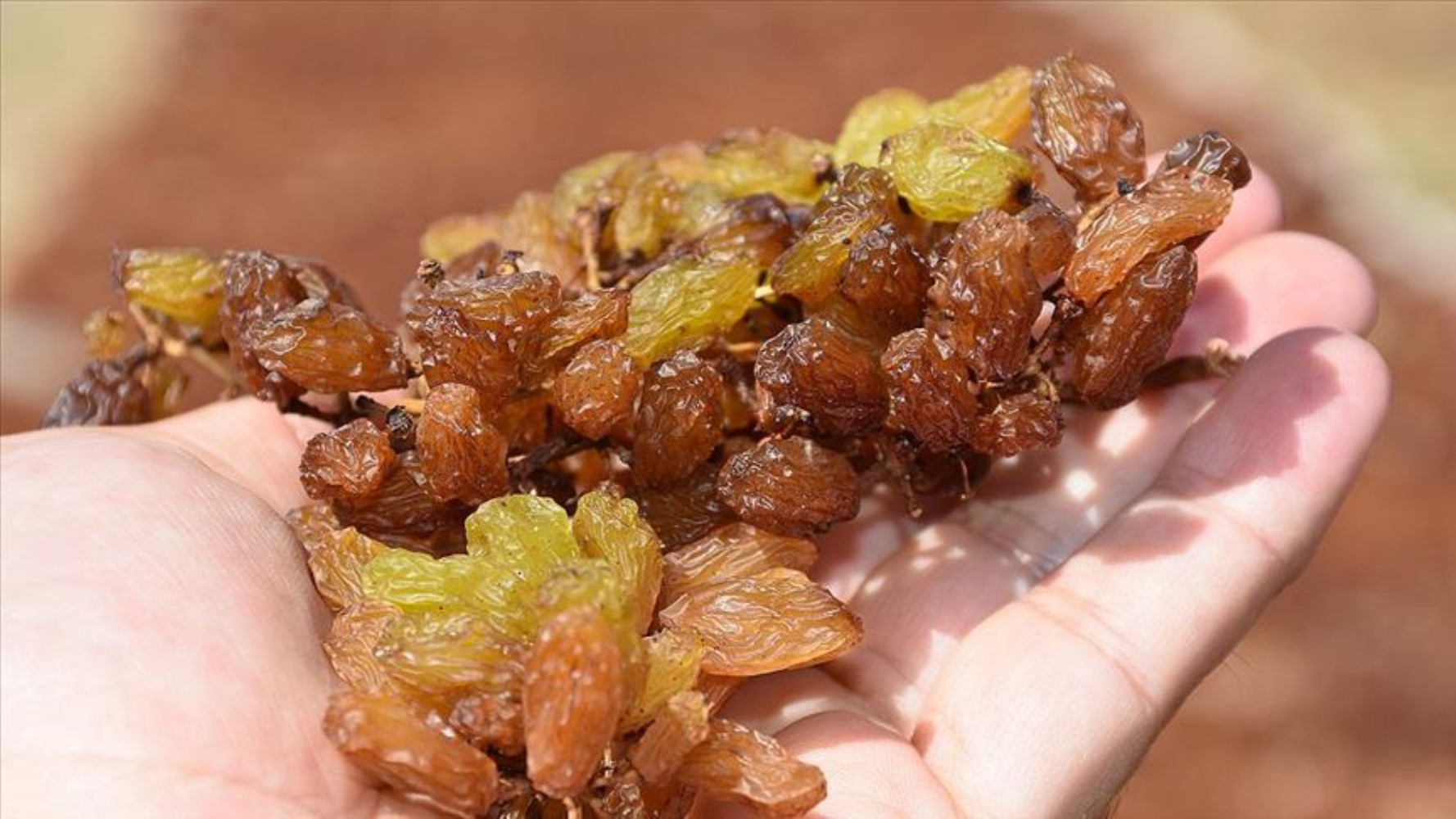
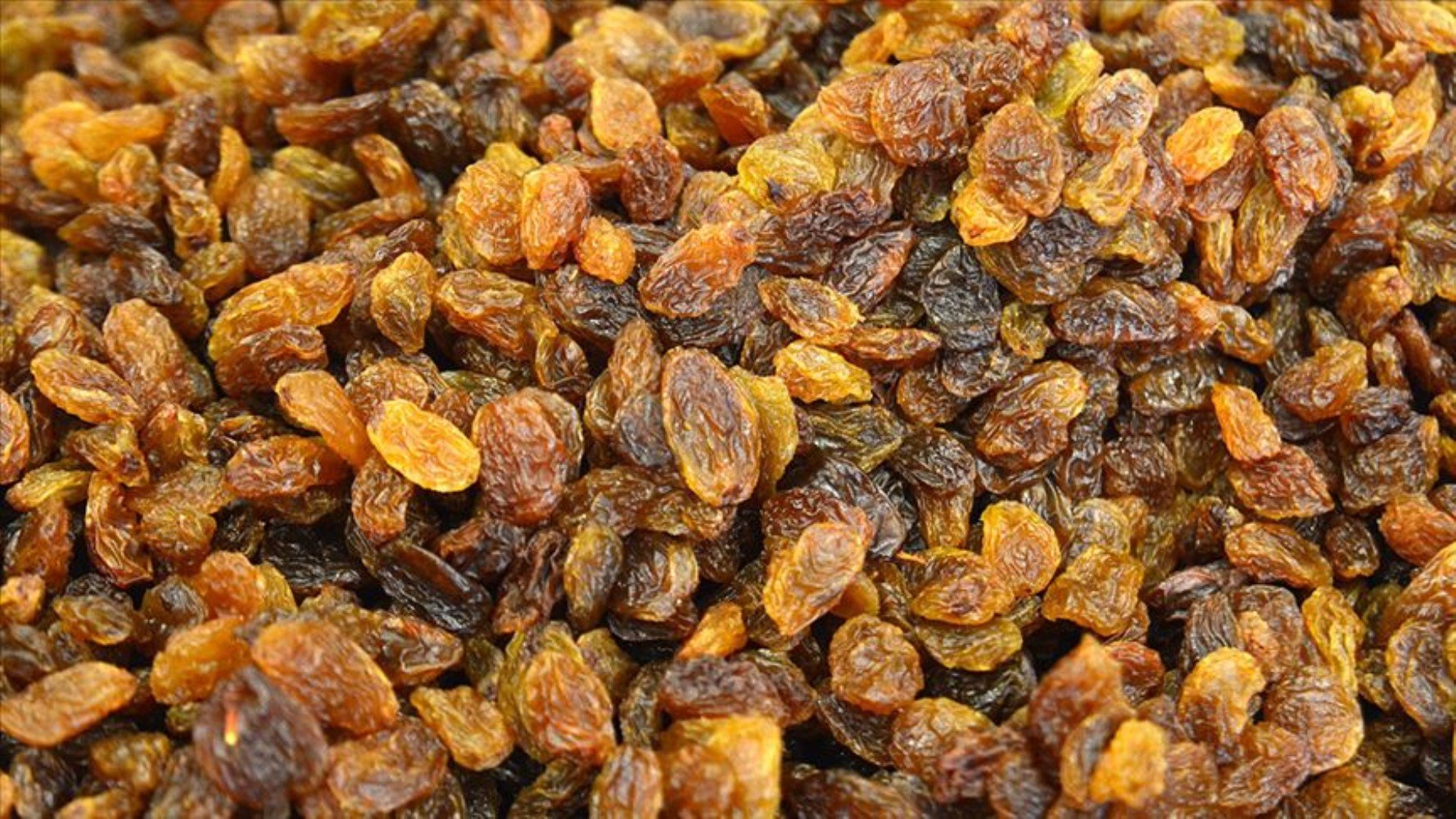
Raisins exported from Turkey to France have caused a serious warning in the European Union's (EU) food safety system. According to information published in the EU Commission's Rapid Alert System for Food and Feed (RASFF), Pyriproxyfen and DINOCAP chemicals, which are dangerous to human health, were detected in the product.
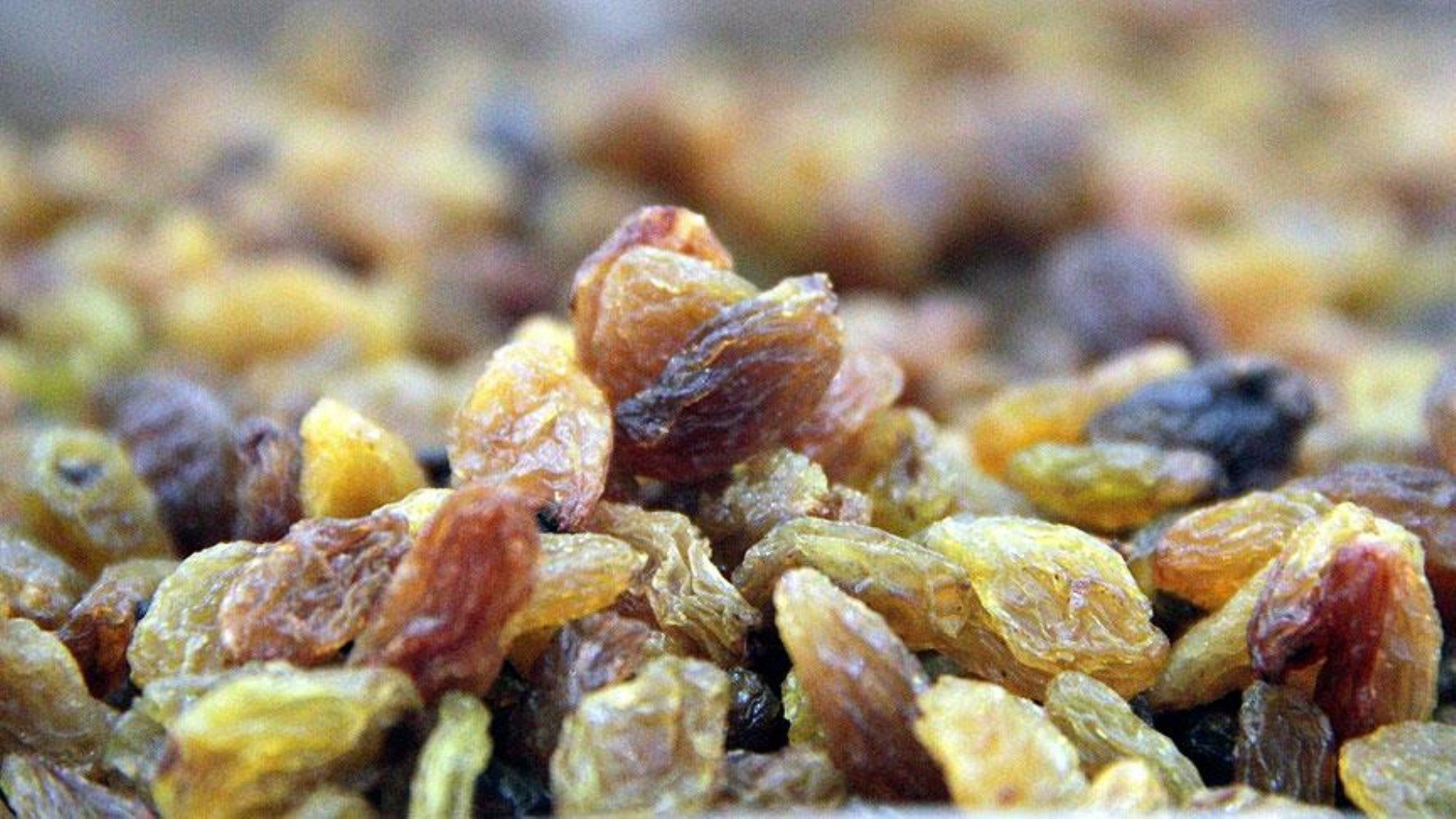
WARNING FROM THE EUROPEAN UNION
The RASFF report stated that the residues of Pyriproxyfen and DINOCAP in the raisins were well above the limit values set by the EU. The situation was evaluated in the "serious risk" category, and an alarm was raised in Europe.
WHAT IS PYRIPROXYFEN?
It is an insecticide used in agriculture to prevent the reproduction of harmful insects. However, its presence in high amounts as a residue in food can create negative effects on the hormonal system and threaten human health.
WHAT IS DINOCAP?
DINOCAP, a fungicide, is used in agricultural production to protect plants from fungal infections. However, it is risky for the environment and human health. It can cause irritation to the skin and respiratory tract and can show toxic effects when exposed to excessively.