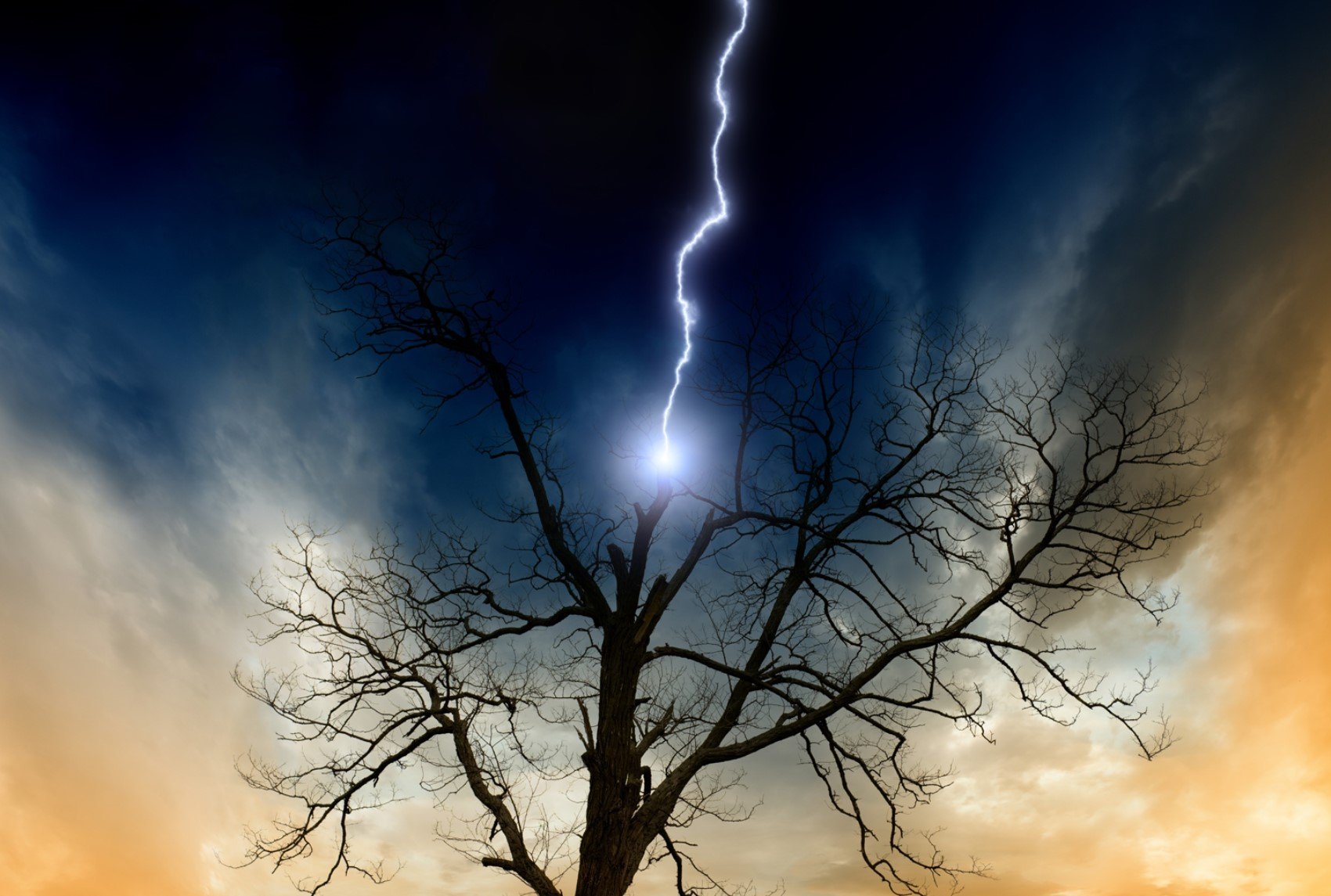
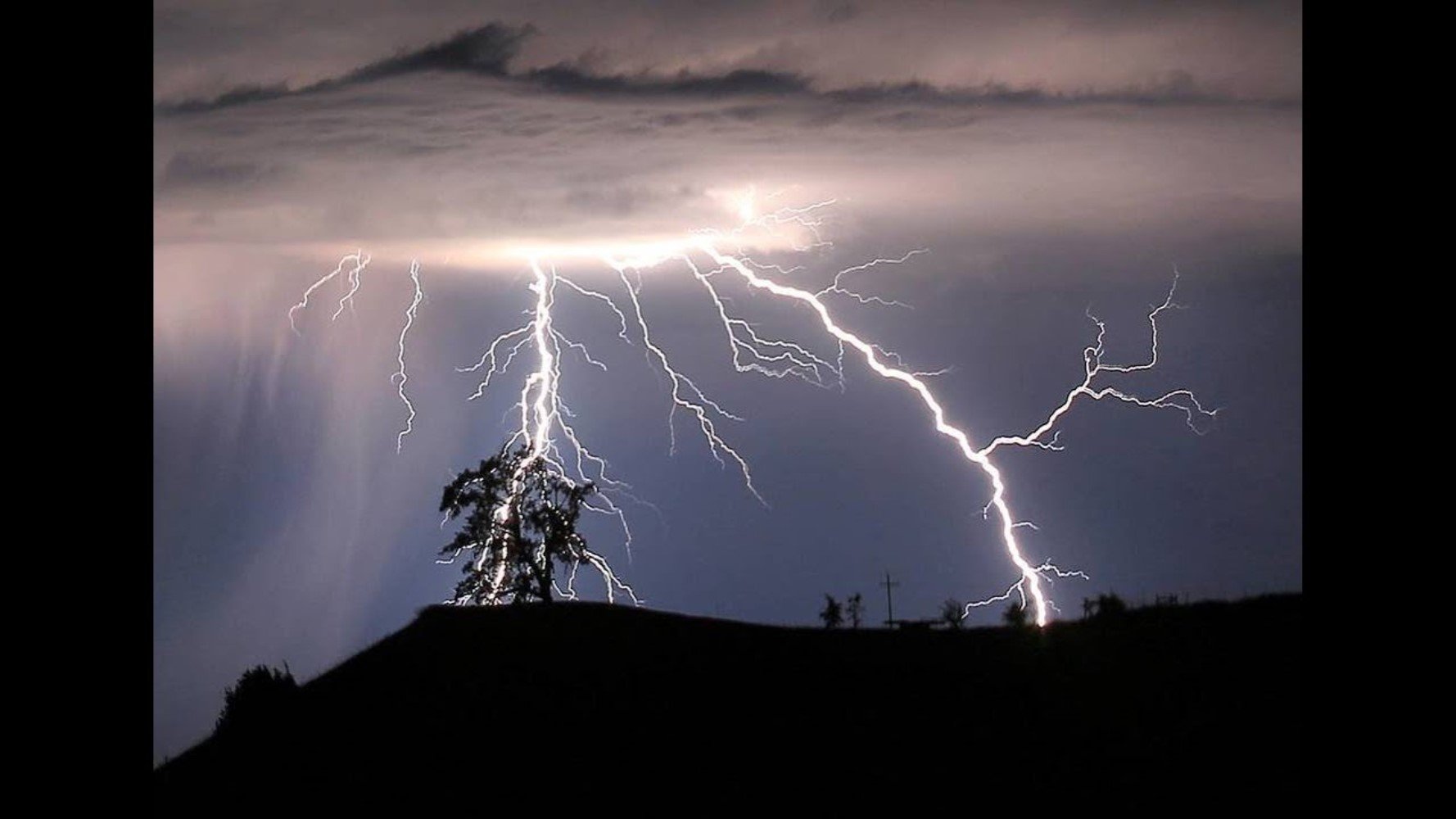
What happens if lightning strikes a tree?
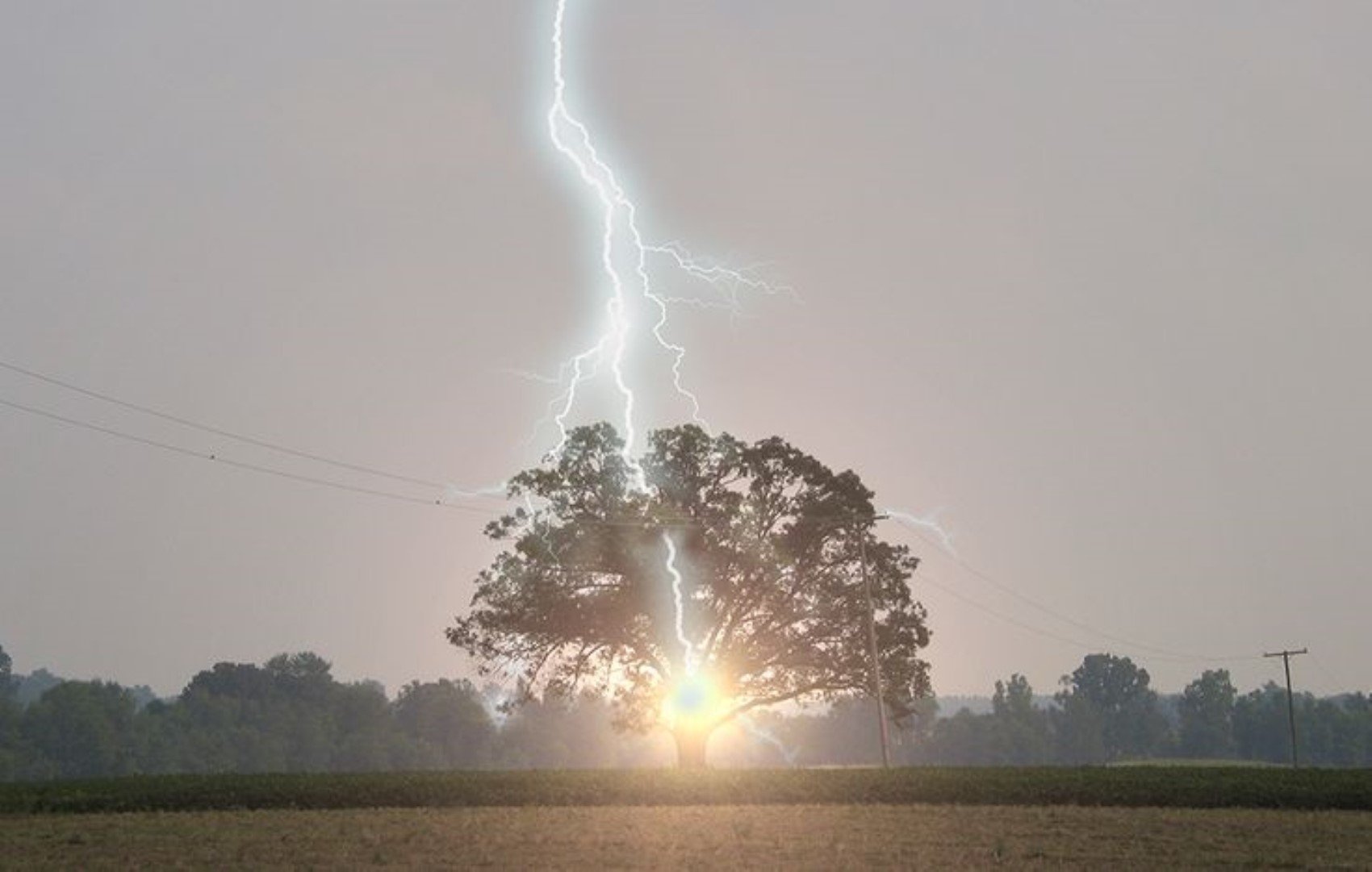
When lightning strikes trees, it can cause serious damage. A lightning strike can cause the bark of trees to explode and threaten their structural integrity.
12punto
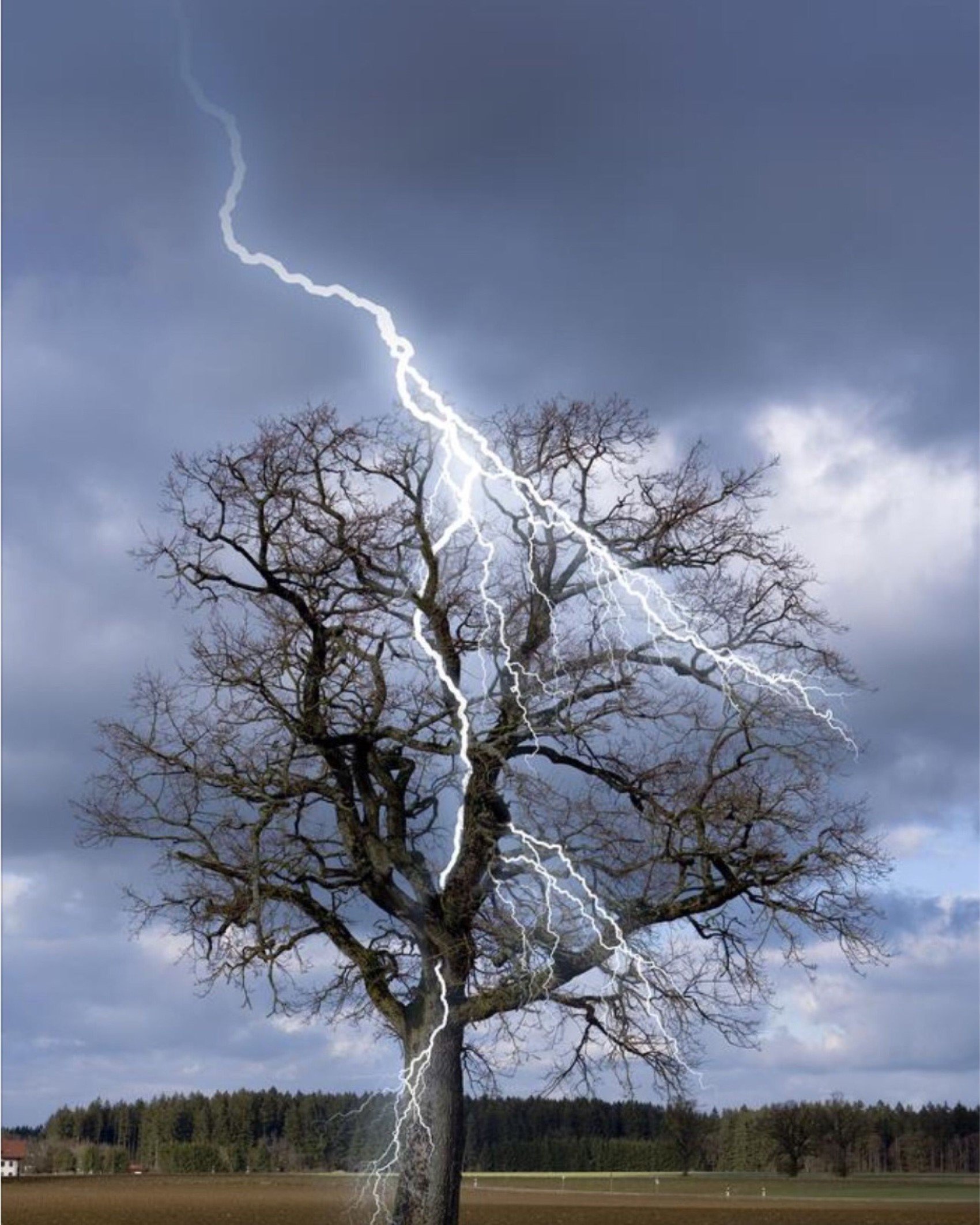
One of the things we fear most when it rains and thunders is a lightning strike. We usually hide in enclosed spaces and wait for the danger to pass. Why does lightning strike trees?
DOES LIGHTNING STRIKE TREES?
Trees attract lightning strikes because they contain high amounts of water, and standing under a tree during a lightning storm poses a serious risk. You can be struck due to step voltage. For this reason, it is dangerous to take shelter under trees during stormy weather.
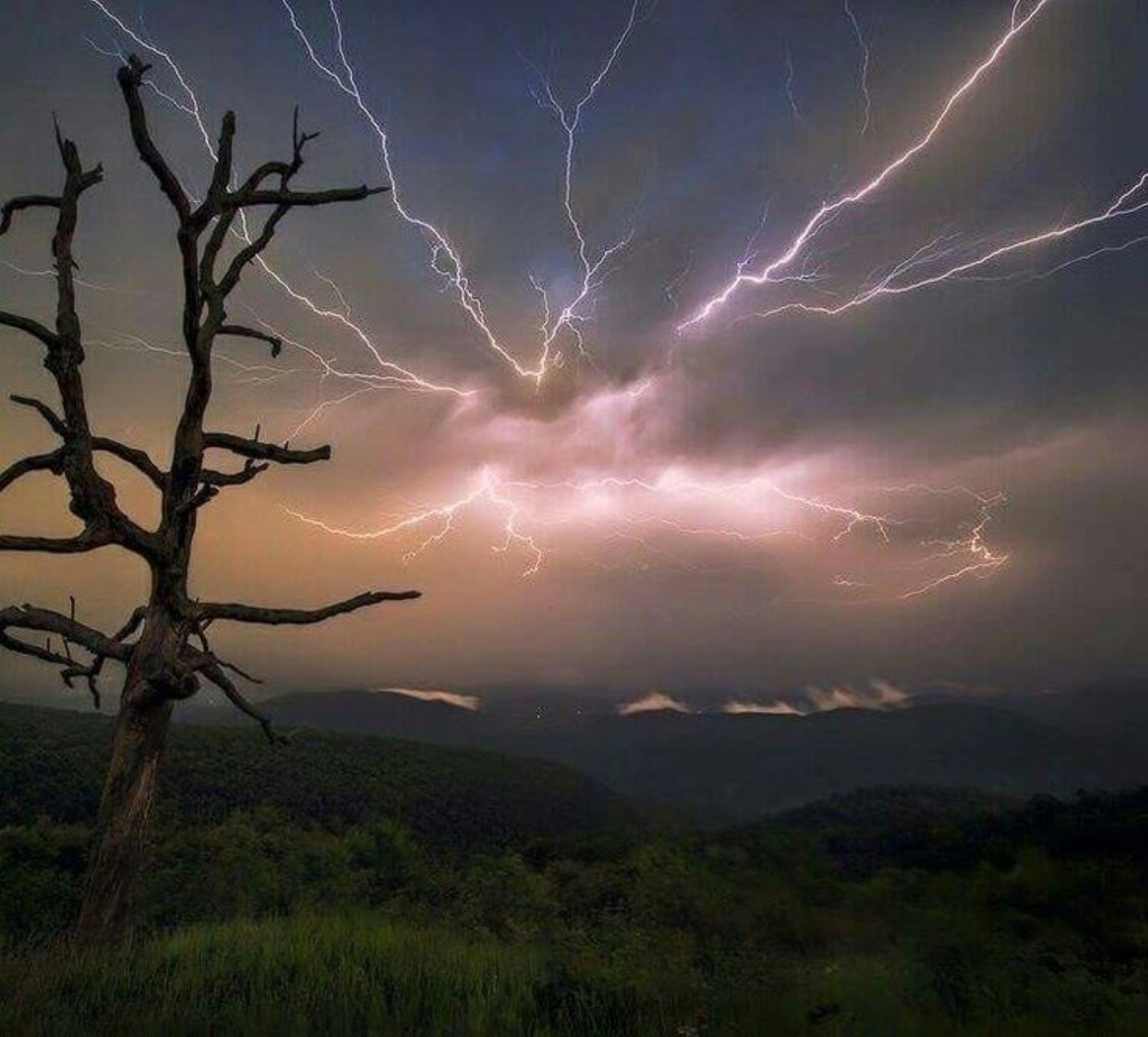
ELECTRICAL SIGNALS AND BODY REACTIONS
Our own body uses electrical signals to transmit information from our nerves to our muscles. With a sudden electric shock, our nerves begin to register false positives.
In this situation, our muscles are forced to contract or expand. A person who is electrocuted is pushed to pull back and falls far from the point where they received the shock; this is the natural reaction of their muscles.
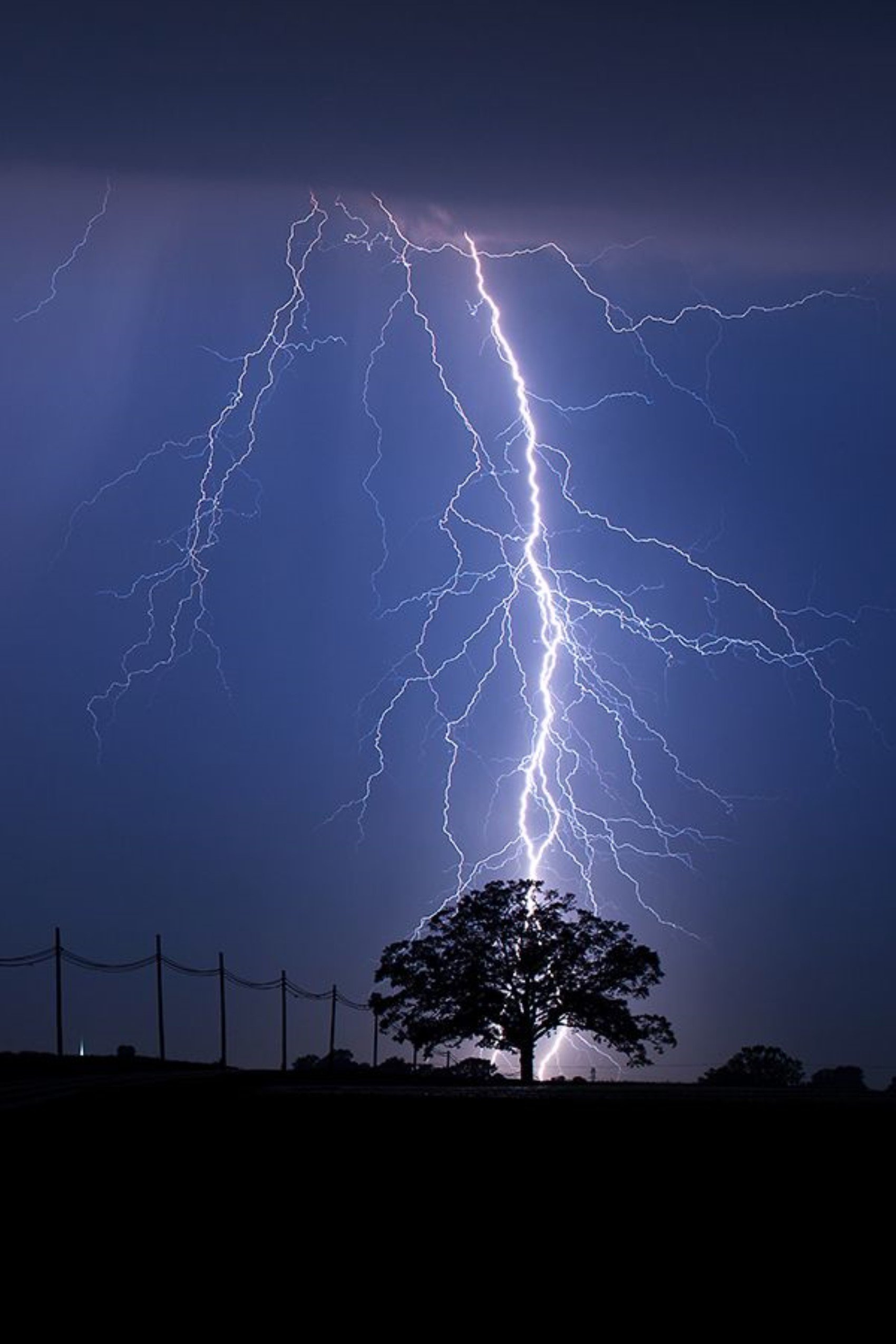
CONSEQUENCES OF LIGHTNING STRIKES
In the U.S., out of approximately 500 people struck by lightning each year, an average of 50 lose their lives as a result of this event. Furthermore, lightning also causes serious damage to trees. Lightning follows the path of least resistance to the ground by passing through the bark of trees that protrude from the Earth's surface.
TREES DURING A LIGHTNING STRIKE
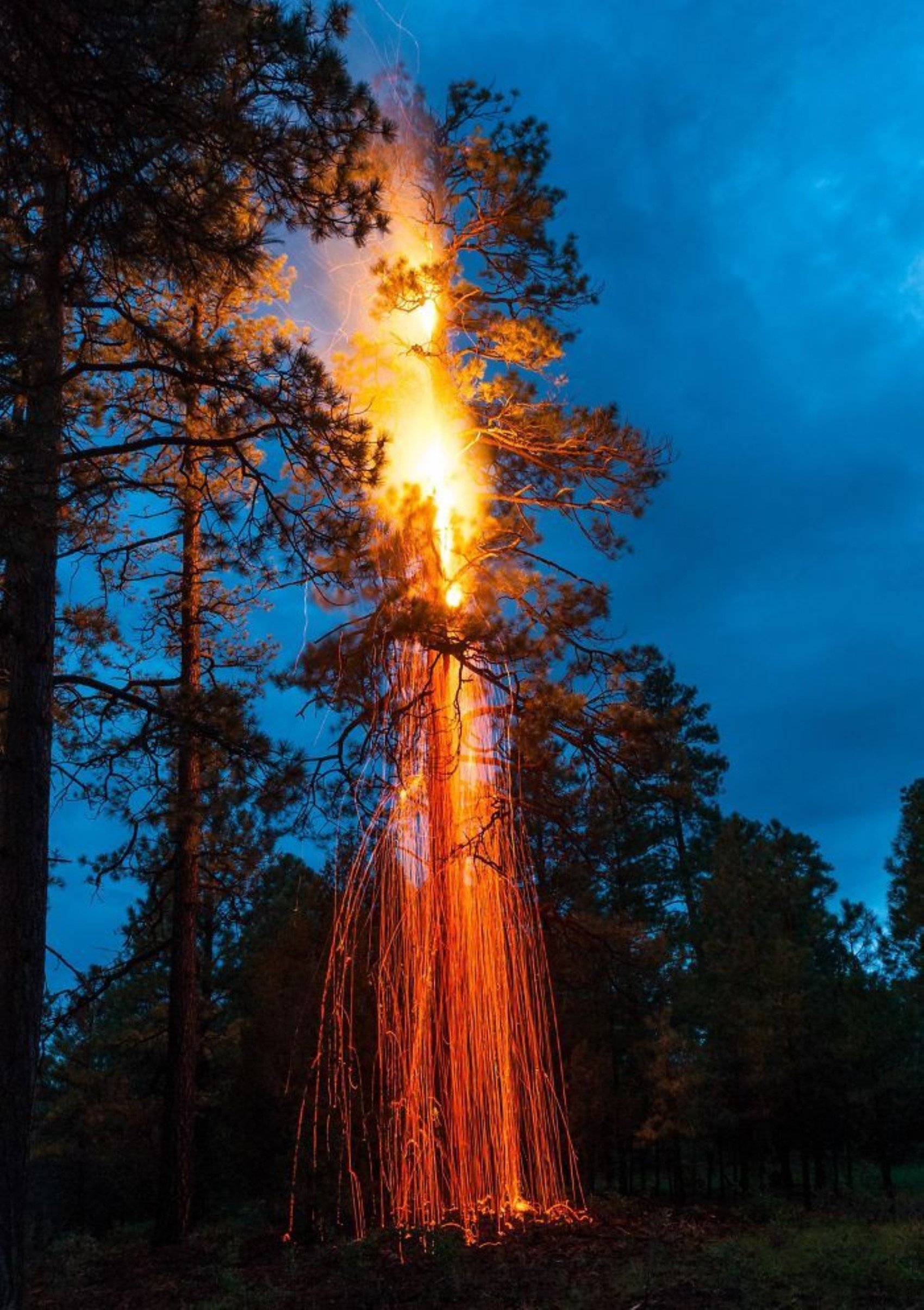
When lightning strikes, the sap in the tree's bark is subjected to extreme temperatures, many times hotter than the surface of the Sun, due to electrical resistance. Electrical resistance causes the sap to heat up and turn into steam, which can lead to explosions within the tree. For this reason, some trees explode violently when struck by lightning.
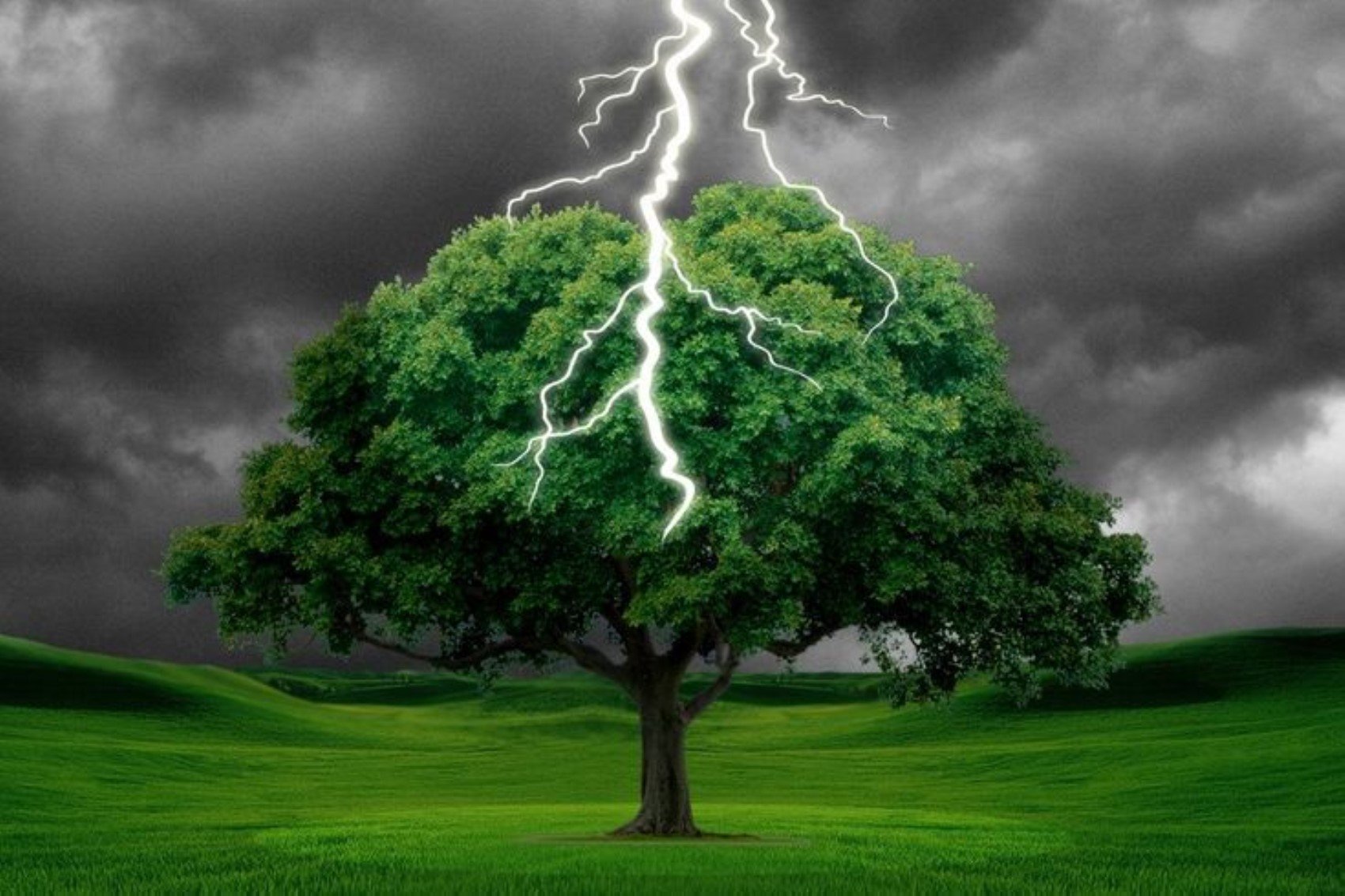
THE EFFECT OF LIGHTNING ON TREES
Lightning typically travels down to the ground along the inner bark of trees, causing the outer bark to expand and tear off in strips. This can seriously affect the structural integrity of the trees.
TREE EXPLOSIONS
When lightning strikes, you may sometimes observe trees 'exploding.' This phenomenon occurs when the trunk or several branches break off and fall to the ground due to violent expansion. The extent of such damage can vary depending on the tree's durability.
THE EFFECT OF RAIN
If it is raining and the outside of the tree is soaked with water, the damage caused by lightning to the tree is generally less. In this case, the electricity is conducted through the wet outer layer of the tree rather than its inner bark. This can be a factor that prevents the tree from being damaged.
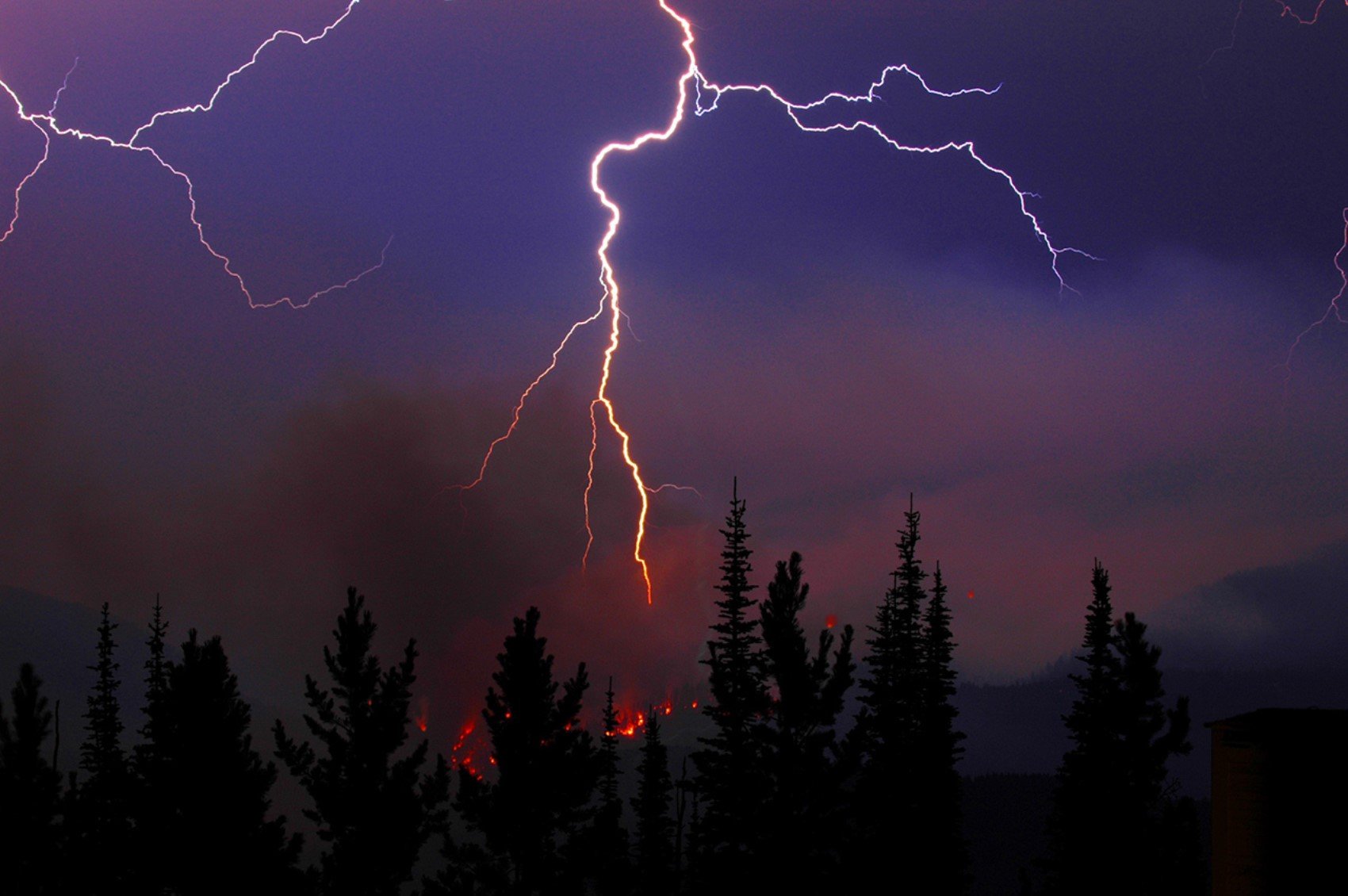
COMBUSTION STATUS
It may seem natural for a tree to burn when struck by lightning, but this depends on many factors. Factors such as the moisture content of the bark, the leaves on the branches, and which part of the tree the lightning strikes determine whether combustion will occur.
When a tree catches fire, it can burn down to its roots or only suffer partial damage. These variables are important elements that affect the outcome of every lightning event.
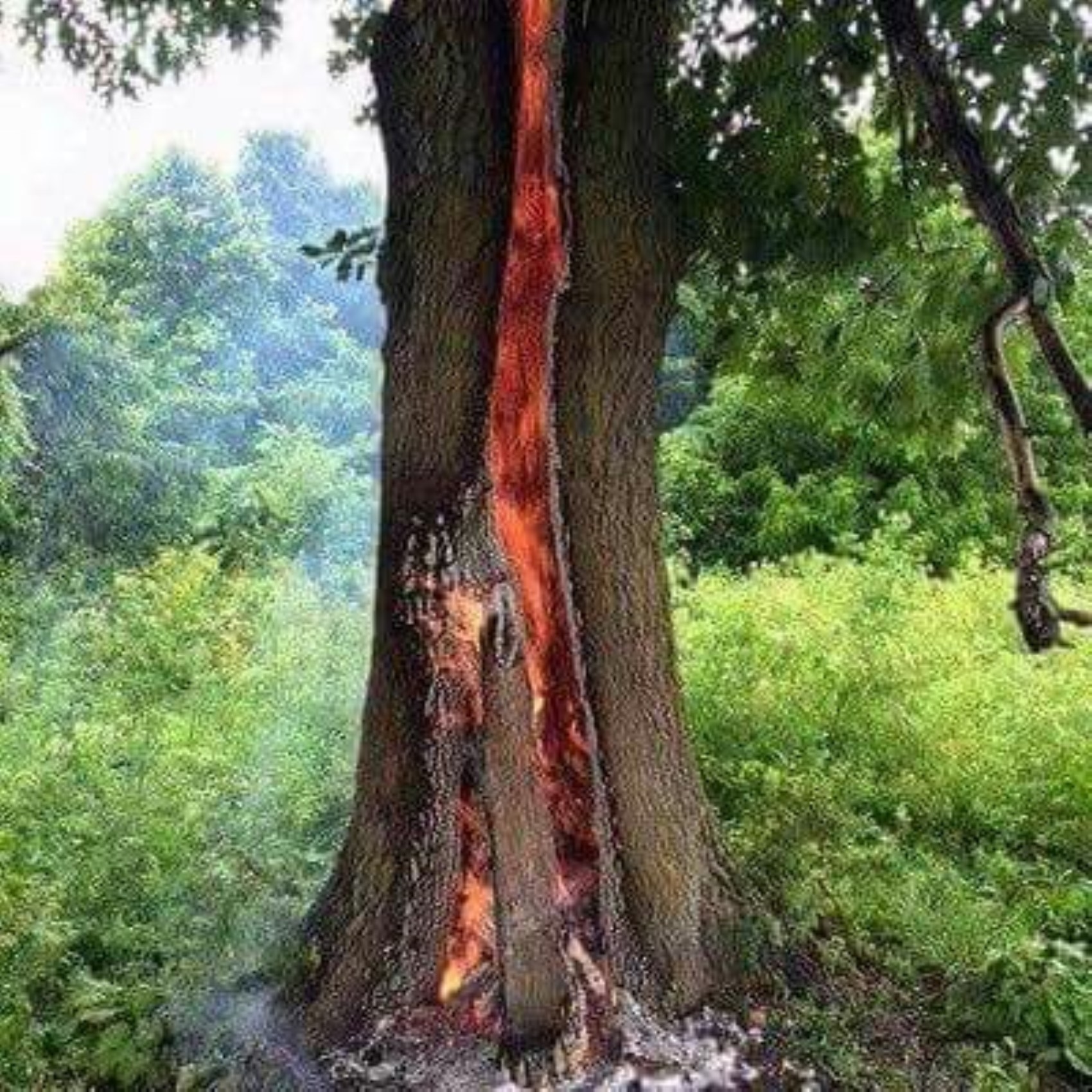
WHY SHOULD YOU NOT STAND UNDER A TREE STRUCK BY LIGHTNING?
Surprisingly, a tree struck by lightning does not necessarily die as a direct result of the current; it may live for some time even if it sustains severe injuries. However, trees damaged by lightning can die due to secondary causes such as insect infestation or decay.
They can undergo any kind of transformation that naturally weakens the shell.