What happens if the Santorini volcano erupts? When did it last erupt?
Santorini Island has been experiencing extraordinary days recently. Successive earthquakes in the Aegean Sea are causing fear among the island's residents and people all along the Aegean coast. There are concerns that the earthquakes might trigger an eruption of the Santorini volcano. So, when did the Santorini volcano last erupt? What would happen if the Santorini volcano were to erupt? We have examined the answers to these questions.
12punto
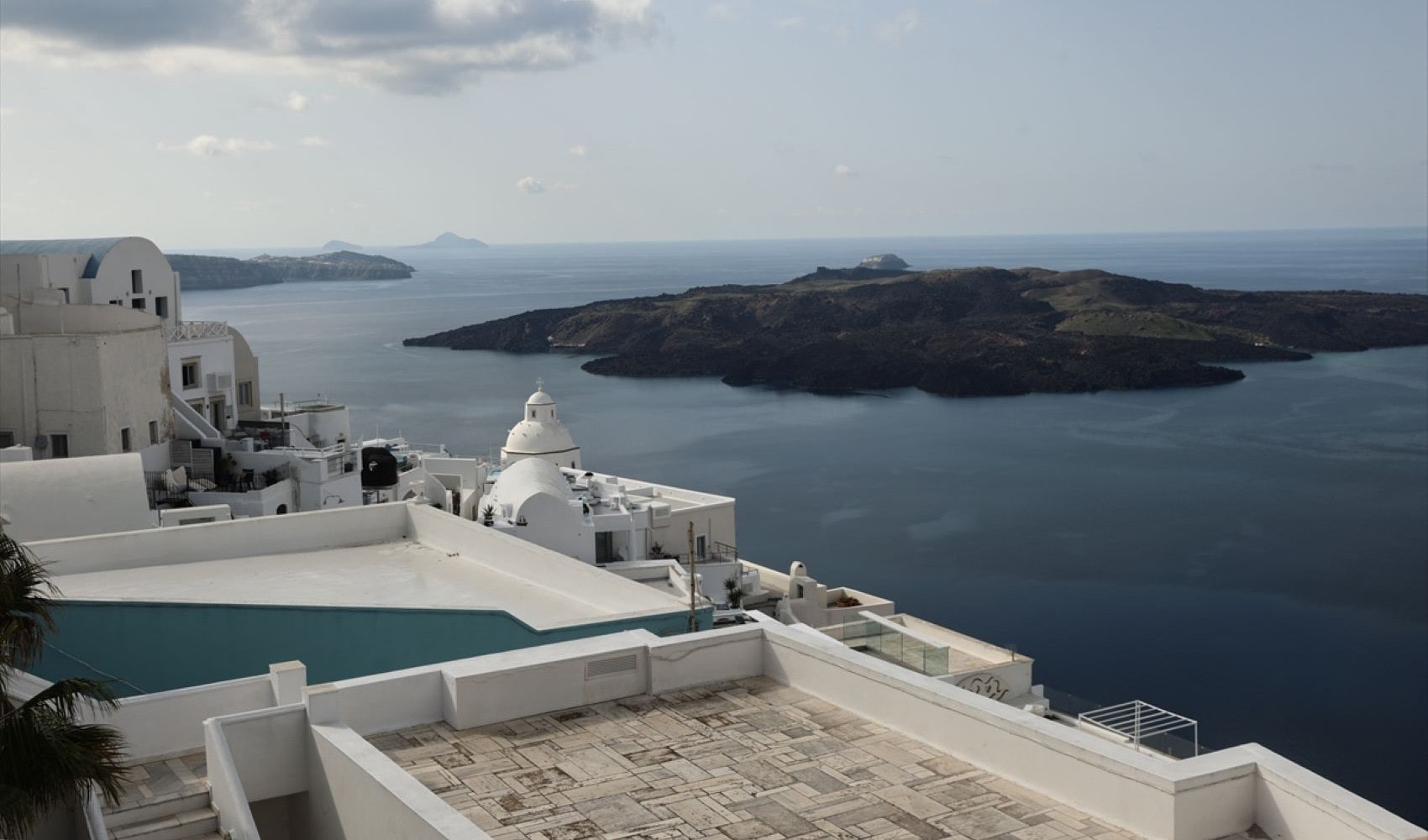
The entire Aegean, especially Santorini Island, is on alert! A series of earthquakes are occurring in the Aegean Sea. Since January 26, there have been 57 earthquakes with magnitudes between 4 and 5, totaling 754 tremors. The seismic activity typically observed in the Aegean Sea over a 7.5-year period has occurred in just one day.
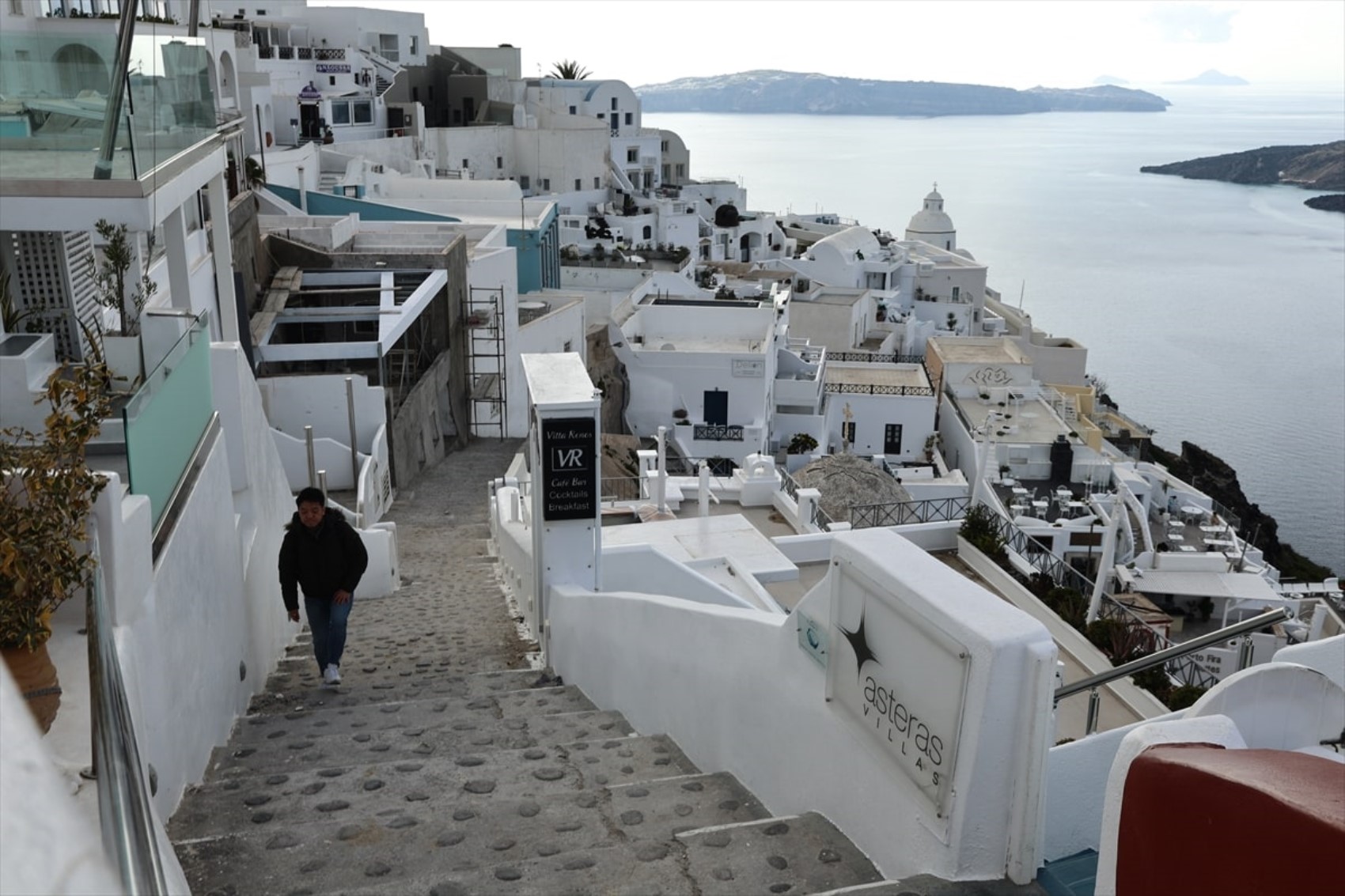
The earthquakes have mostly increased in intensity about 25 kilometers northeast of Santorini Island. Although the tremors have not caused severe shaking, there is fear that the Santorini volcano might become active again.
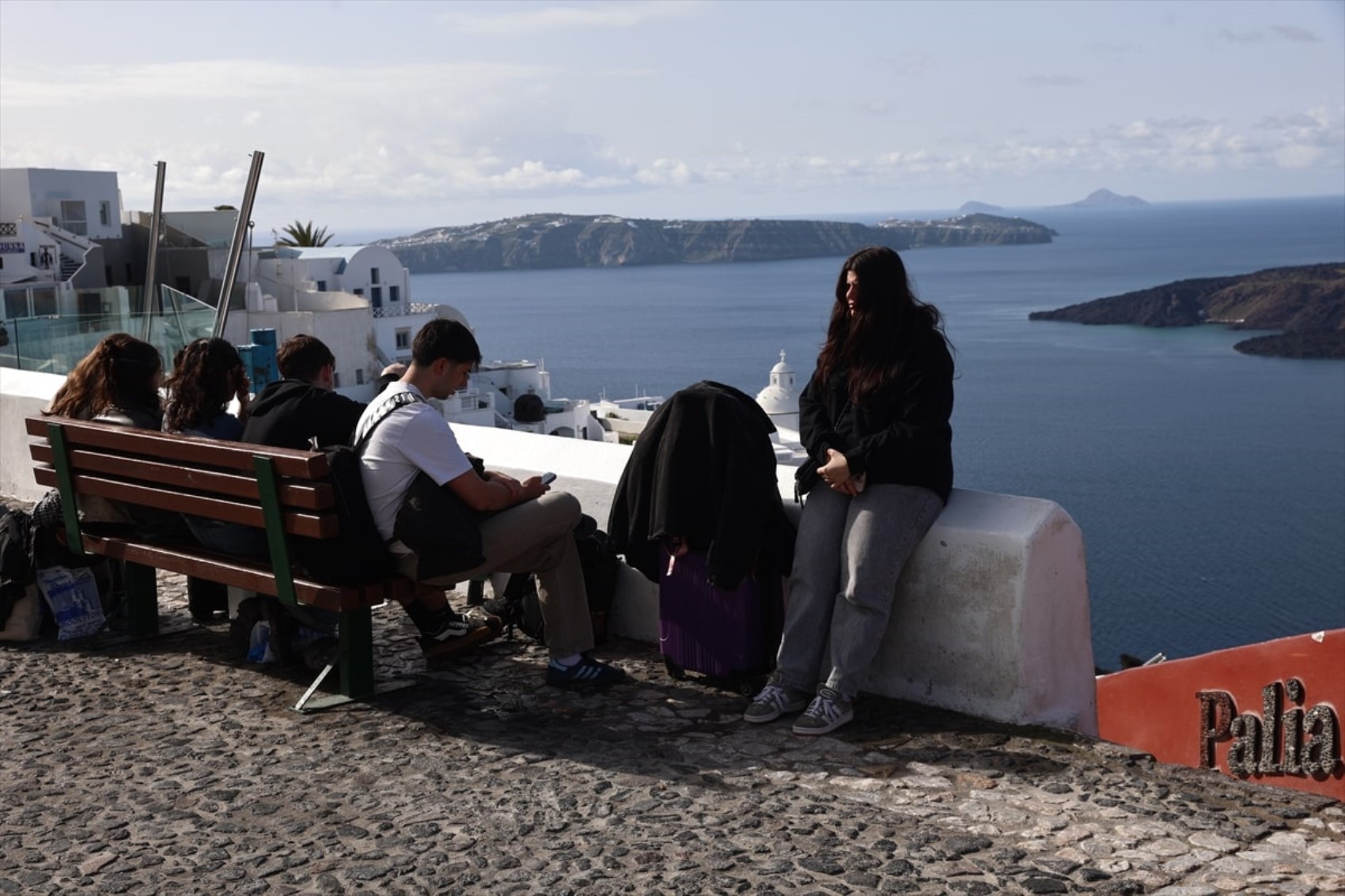
The Greek government is on red alert. Evacuations have begun on Santorini Island, where schools have been closed. Approximately 9,000 tourists and locals have left the island, which has a population of 15,000. Following the earthquake storm in the Aegean Sea, landslides have occurred on Santorini Island.
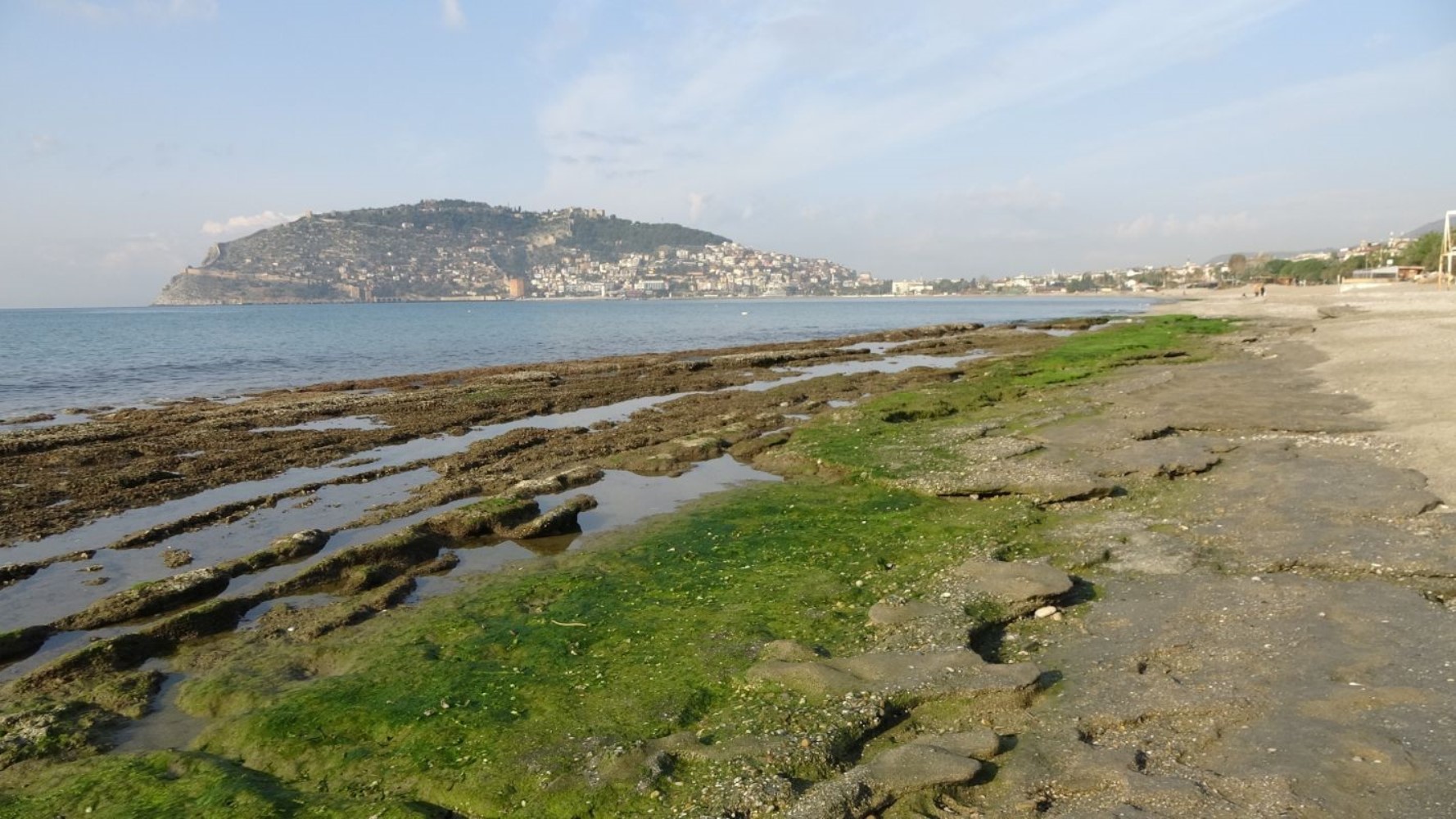
While all this is happening, reports and photos of the sea receding in Alanya have caused concern. Evaluating the 7-8 meter recession of the sea, Geophysical Engineer Erman Kaptanoğlu eased fears by stating, "The earthquakes in the Aegean Sea would not cause such a sea recession. The receding of the sea is a meteorological event that develops seasonally."
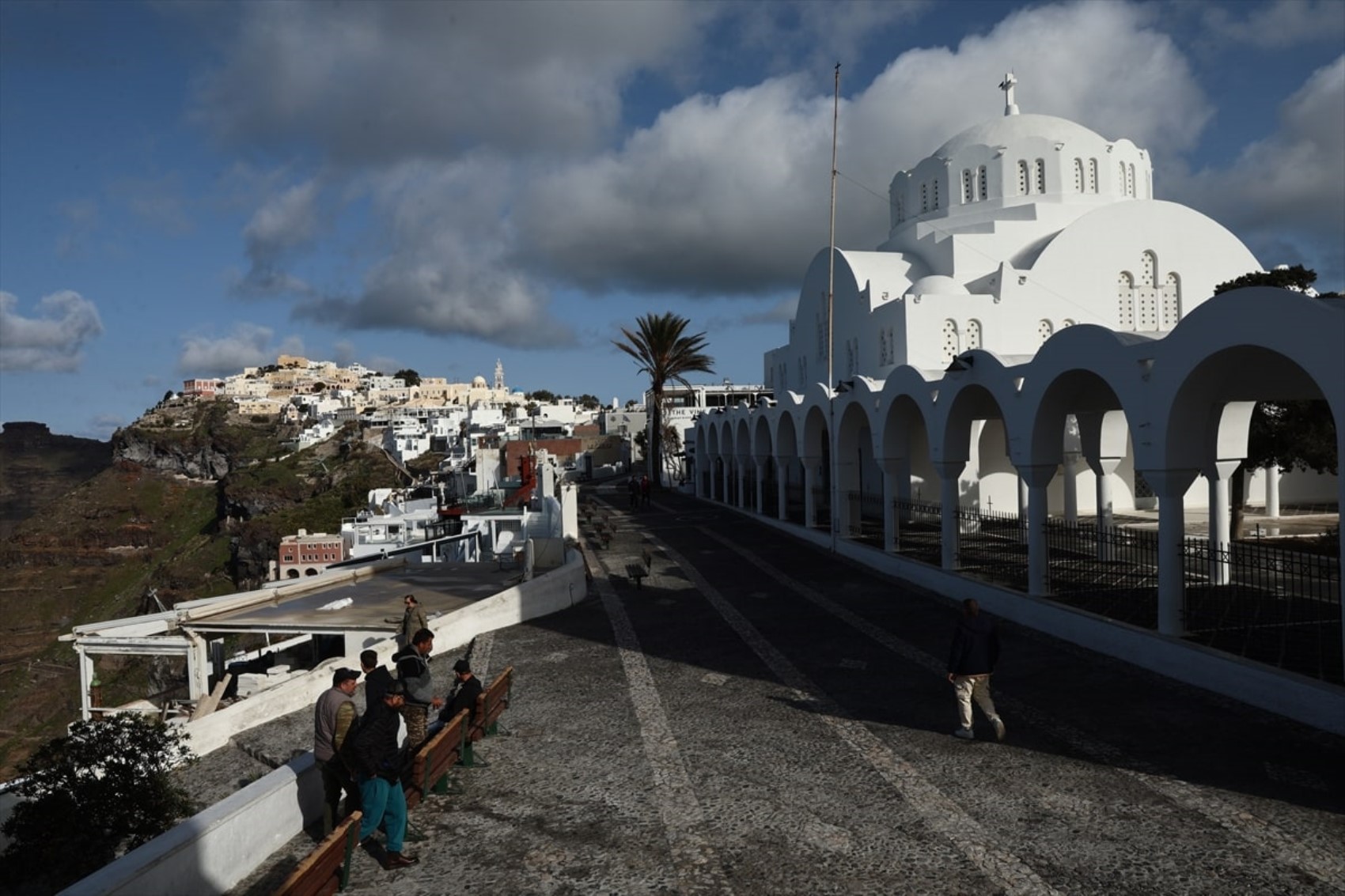
The Santorini volcano erupted in the 1600s BC. This eruption went down in history as the Minoan Eruption. This event caused major changes in the region and redrew the course of history.
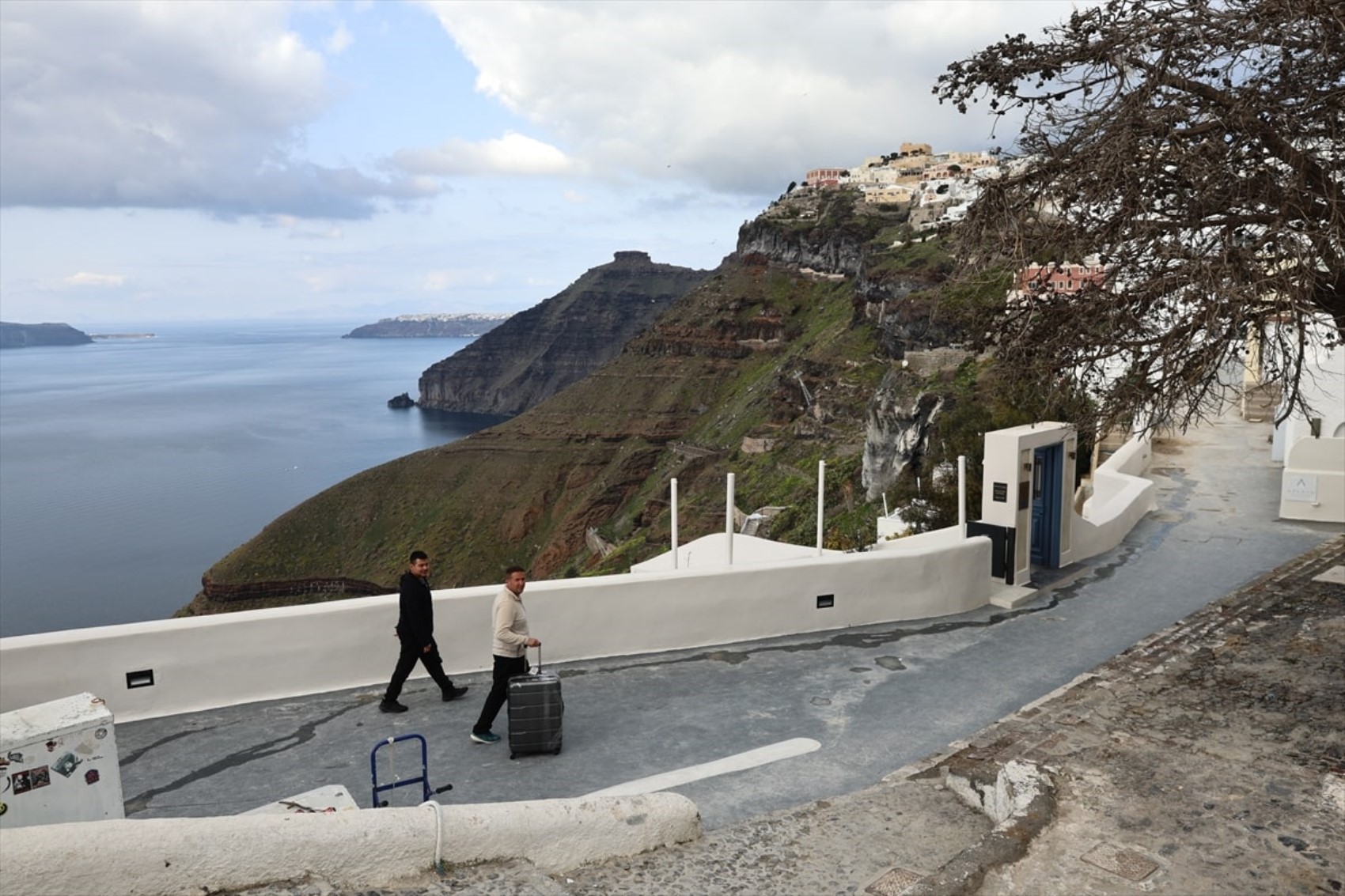
Geological Engineer Prof. Dr. Okan Tüysüz says the following about the Minoan Eruption: "This eruption was so violent that clouds covered the atmosphere, causing climate change for a long time. Research conducted in the Sofular Cave in Zonguldak determined that there was a sudden increase in bromine, sulfur, and molybdenum levels in the atmosphere in that region between 1621 and 1625 BC, and this situation has been attributed to the eruption in Santorini. Furthermore, it is accepted that the Crete-based Minoan culture, considered the most important culture of the Bronze Age, was destroyed by this eruption and the tsunami it created."
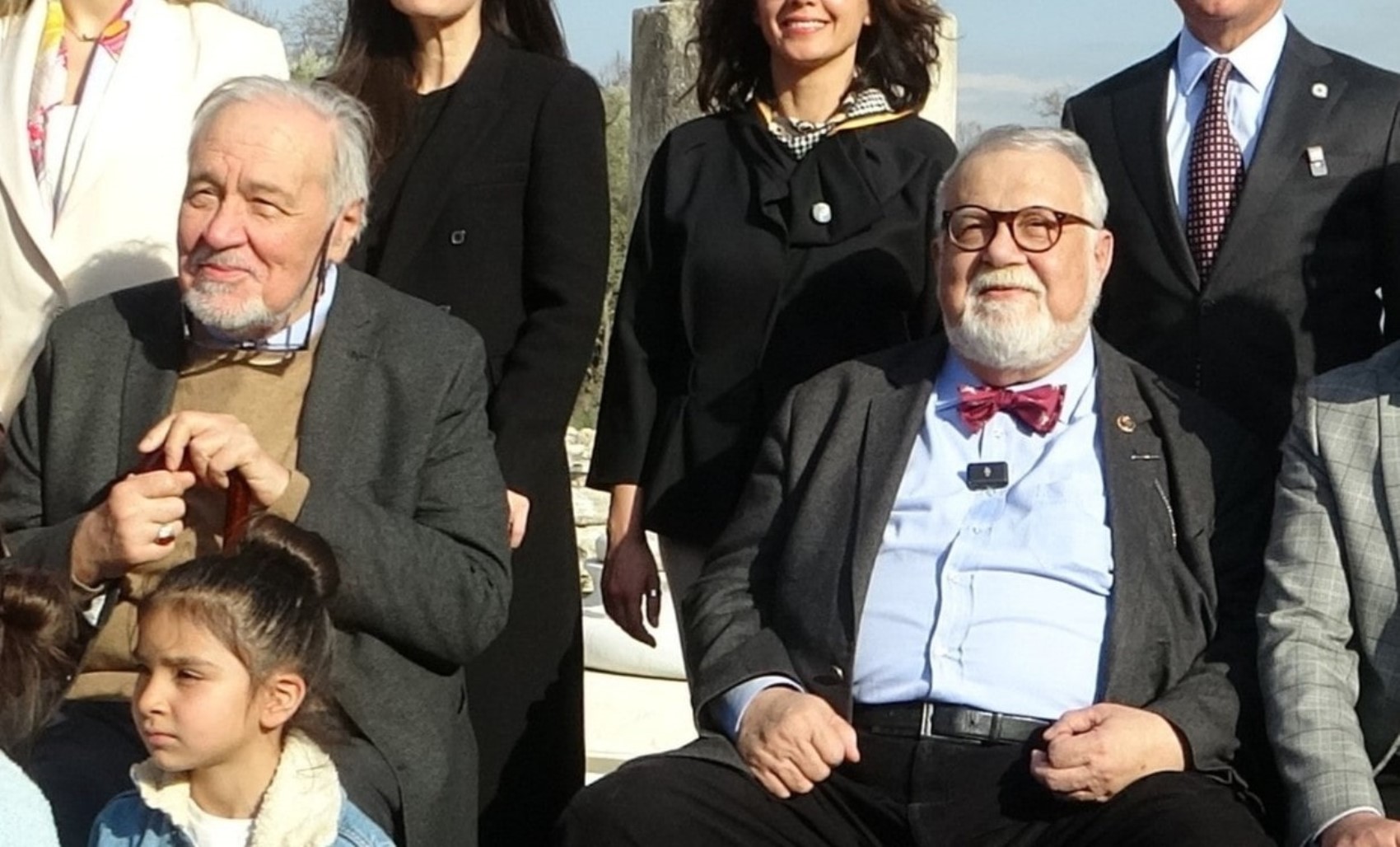
Celal Şengör summarized the situation by saying, "If the volcano erupts, it's goodbye to us all."