What is a cataract? What are the risks of untreated cataracts?
Eye health is one of the most important factors directly affecting quality of life. Cataracts, which are frequently encountered, especially in older age, are a serious eye disease that causes a decrease in vision. So, what are the risks that can arise if a cataract is not treated? Here are the details...
12punto

Assoc. Prof. Dr. Uğur Ünsal, an Ophthalmology Specialist at the Batıgöz Health Group Çankaya Branch, made important statements regarding the risks that may arise if cataracts are not treated.
WHAT IS A CATARACT AND HOW DOES IT PROGRESS?
A cataract is the clouding of the eye's lens as it loses its transparency over time. The disease usually progresses slowly, and patients notice the vision loss over time. It initially manifests as mild blurriness. However, in later stages, visual acuity gradually decreases, and the patient begins to experience serious difficulties in their daily life.
RISKS OF UNTREATED CATARACTS
Emphasizing that if left untreated, cataracts can lead to serious problems in the eye, Ünsal listed the main risks that may occur as the disease progresses as follows:
Increased Vision Loss: As the cataract progresses, the patient begins to see their surroundings blurrily, and over time, daily activities such as reading, driving, and watching television become difficult. He stated, "A cataract that reaches an advanced stage becomes a dense layer that allows almost no light to pass through, and the person experiences significant vision loss."
Glaucoma (Eye Pressure): Over time, cataracts can disrupt the fluid balance within the eye, causing intraocular pressure to rise. This increases the risk of developing glaucoma (eye pressure). Ünsal stated, "Untreated cataracts can pave the way for more serious eye diseases such as glaucoma and can lead to permanent vision loss."
Double Vision and Light Sensitivity: Most patients experience symptoms such as double vision, light scattering, and extreme light sensitivity as the cataract progresses. Ünsal said, "Especially when driving at night, the light from headlights becomes bothersome, and the risk of accidents increases."
Hardening of the Eye Lens: As a cataract progresses, the eye lens hardens and completely loses its transparency. This makes surgery more difficult. Ünsal explained, "Cataract surgeries performed in the early stages are easier and the recovery process is faster. Surgical intervention for an advanced-stage cataract is more difficult and takes longer to heal."
Risk of Total Blindness: The worst-case scenario if a cataract is left untreated is total vision loss. Ünsal said, "Patients may eventually lose even their light perception. At this point, even surgery may be insufficient to restore vision."
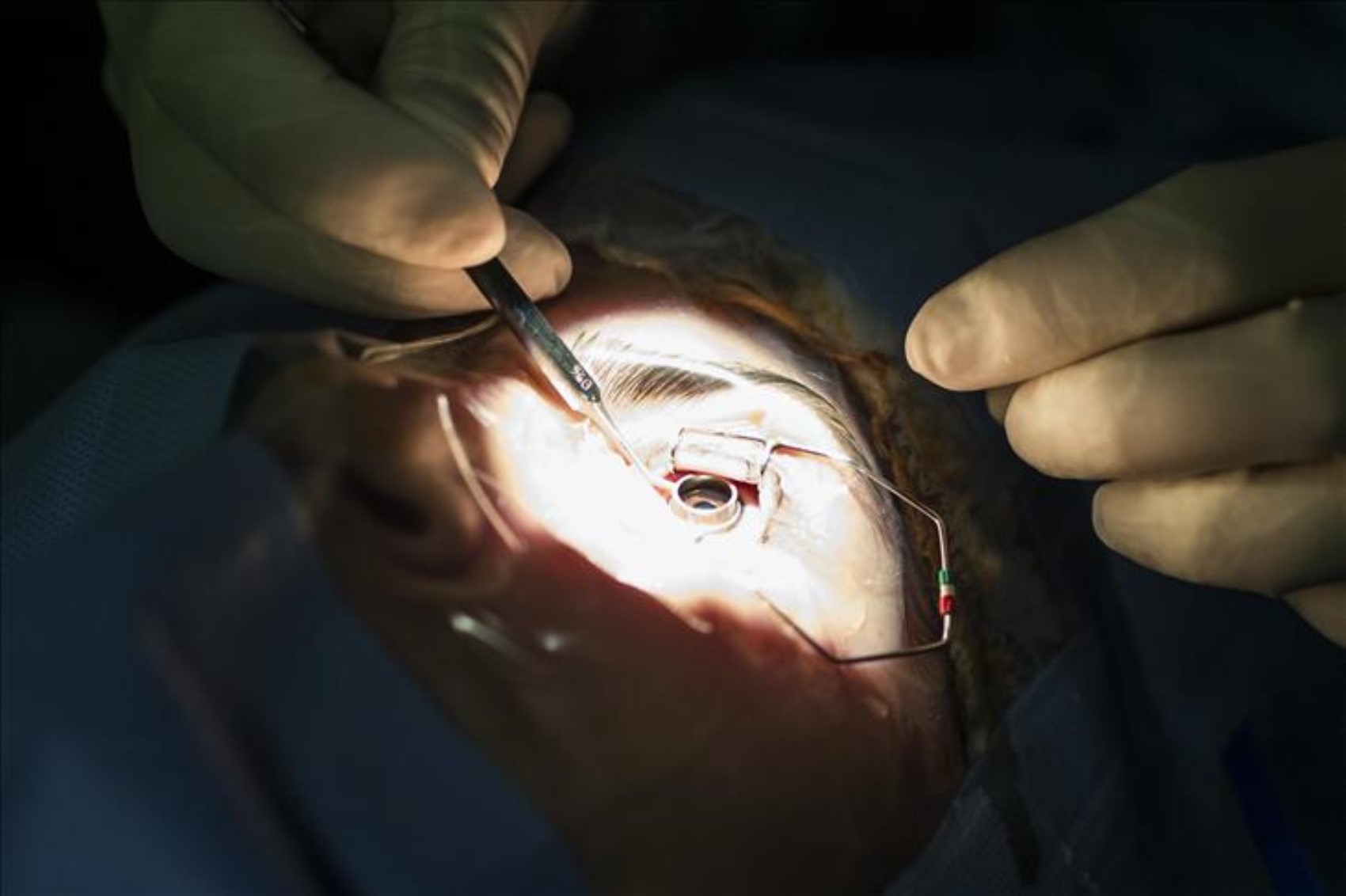
THE IMPORTANCE OF TREATMENT: CATARACT SURGERY
Stating that the only treatment method for cataracts is surgical intervention, Ünsal emphasized that patients should not delay the surgery. "When cataracts are diagnosed early, the surgery is completed in a shorter time and the patient recovers faster. Thanks to modern surgical techniques used today, patients can return to their daily lives in a short time after the surgery," he said.
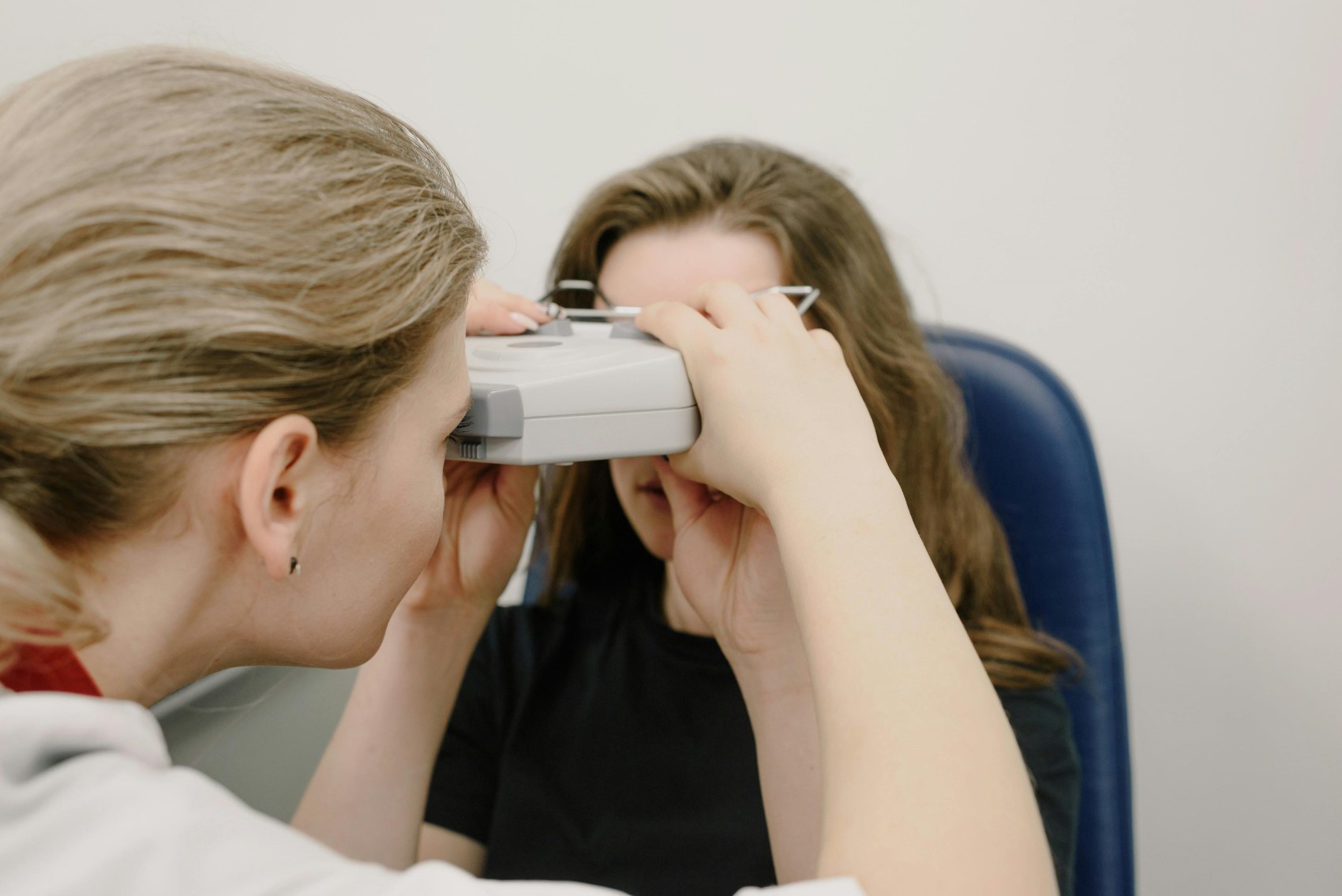
When left untreated, cataracts can lead to vision loss, intraocular pressure problems, and even permanent blindness. Drawing attention to the importance of early diagnosis, Ünsal said, "When cataract symptoms are noticed, an ophthalmologist should be consulted without delay and an appropriate treatment plan should be created."