What is AIDS? How are HIV and AIDS transmitted? How is it diagnosed? Is AIDS treatment possible?
HIV is a virus that weakens the immune system, making it difficult for the body to defend itself against infections and certain types of cancer. If left untreated, HIV can progress to the AIDS stage, where the immune system is severely damaged and opportunistic infections emerge. So, what is AIDS? How are HIV and AIDS transmitted? How is it diagnosed? Is AIDS treatment possible? Here is everything you need to know about HIV and AIDS...
12punto
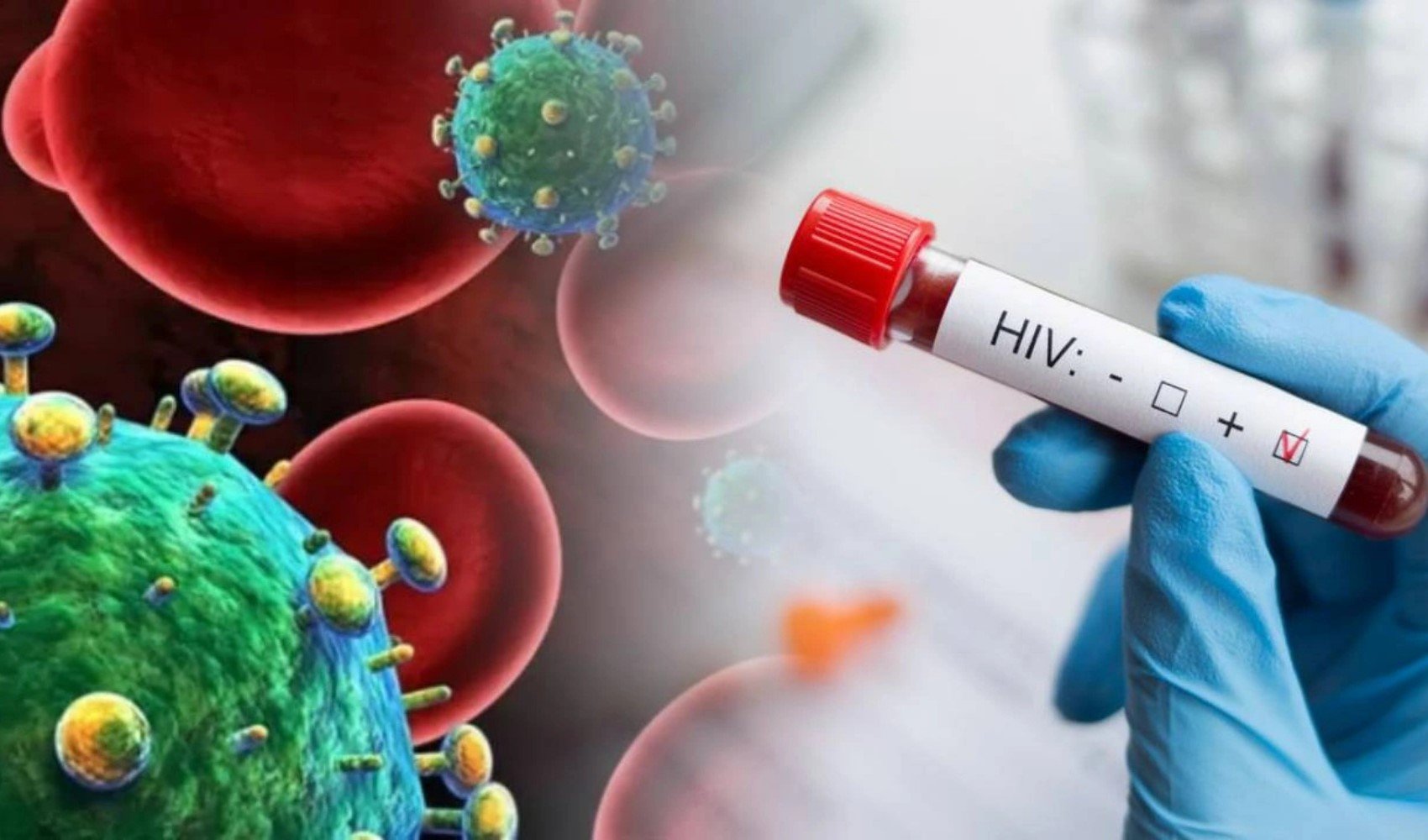
HIV is a virus that damages the immune system, which provides the body's defense against diseases. This virus weakens the immune system, leaving the body vulnerable to germs and illnesses. If left untreated, HIV can progress into a serious condition called AIDS. So, what is AIDS? How are HIV and AIDS transmitted? How is it diagnosed? Is AIDS treatment possible?
HIV AND AIDS: CAN IT BE CONTROLLED?
HIV (Human Immunodeficiency Virus), a significant public health issue worldwide, has led to the loss of approximately 42.3 million lives to date. However, thanks to the capabilities provided by modern medicine, HIV is now considered a manageable chronic disease. Internal Medicine Specialist Dr. Füsun Özkutucu from Batıgöz Health Group Balçova Surgical Medical Center points out the critical role of early diagnosis and treatment in this process.
WHAT IS HIV?
HIV is a virus that damages our body's immune system. The immune system is our defense mechanism that protects us from diseases. HIV weakens this system, leaving the body defenseless against germs and illnesses. If left untreated, HIV can lead to a condition called AIDS, where the immune system almost completely collapses.
HOW IS IT TRANSMITTED?
Dr. Özkutucu states that HIV is transmitted through body fluids such as blood, semen, vaginal fluids, and breast milk, but it is not transmitted through daily contact such as kissing, shaking hands, or sharing food.
RAPID INTERVENTION IS POSSIBLE
To protect against HIV:
- Protected sexual intercourse: Use of condoms and safe sexual behaviors.
- Regular testing: Rapid diagnostic tests, especially for individuals at risk.
- Pre-pregnancy screenings: Testing for expectant mothers can prevent the transmission of the virus to the baby.
Dr. Özkutucu emphasizes that results can be obtained on the same day with rapid diagnostic tests, but expert physician evaluation is required for a definitive diagnosis.
LIVING WITH HIV: TREATMENT AND MANAGEMENT
Antiretroviral therapy (ART) protects the immune system by preventing HIV from multiplying in the body. Dr. Özkutucu states that with this treatment, HIV-positive individuals can lead a healthy life and the risk of transmitting the virus to sexual partners can be reduced to zero. Furthermore, the risk of mother-to-child transmission can be significantly reduced with special medication treatments administered to pregnant women.
THE IMPORTANCE OF PUBLIC AWARENESS
Drawing attention to the World Health Organization's 2022-2030 Global Strategy, which advocates for equal access to health services in the fight against HIV/AIDS, Dr. Özkutucu states that increasing public awareness and expanding early diagnosis opportunities are the cornerstones of the fight against HIV/AIDS.
Access to information about HIV/AIDS is critical for reducing stigma and reaching more people. It is possible for HIV-positive individuals to take control of their lives and contribute to society. This can be achieved not only through individual efforts but also with the support of society.