What is blood sugar? How is it measured? Ways to balance blood sugar!
Does your blood sugar spike and drop frequently? Your dietary habits might be the reason. Foods with a low glycemic index help keep blood sugar balanced, reducing the risk of diabetes, heart disease, and obesity. Experts recommend choosing low-GI foods for a healthy diet plan.
12punto
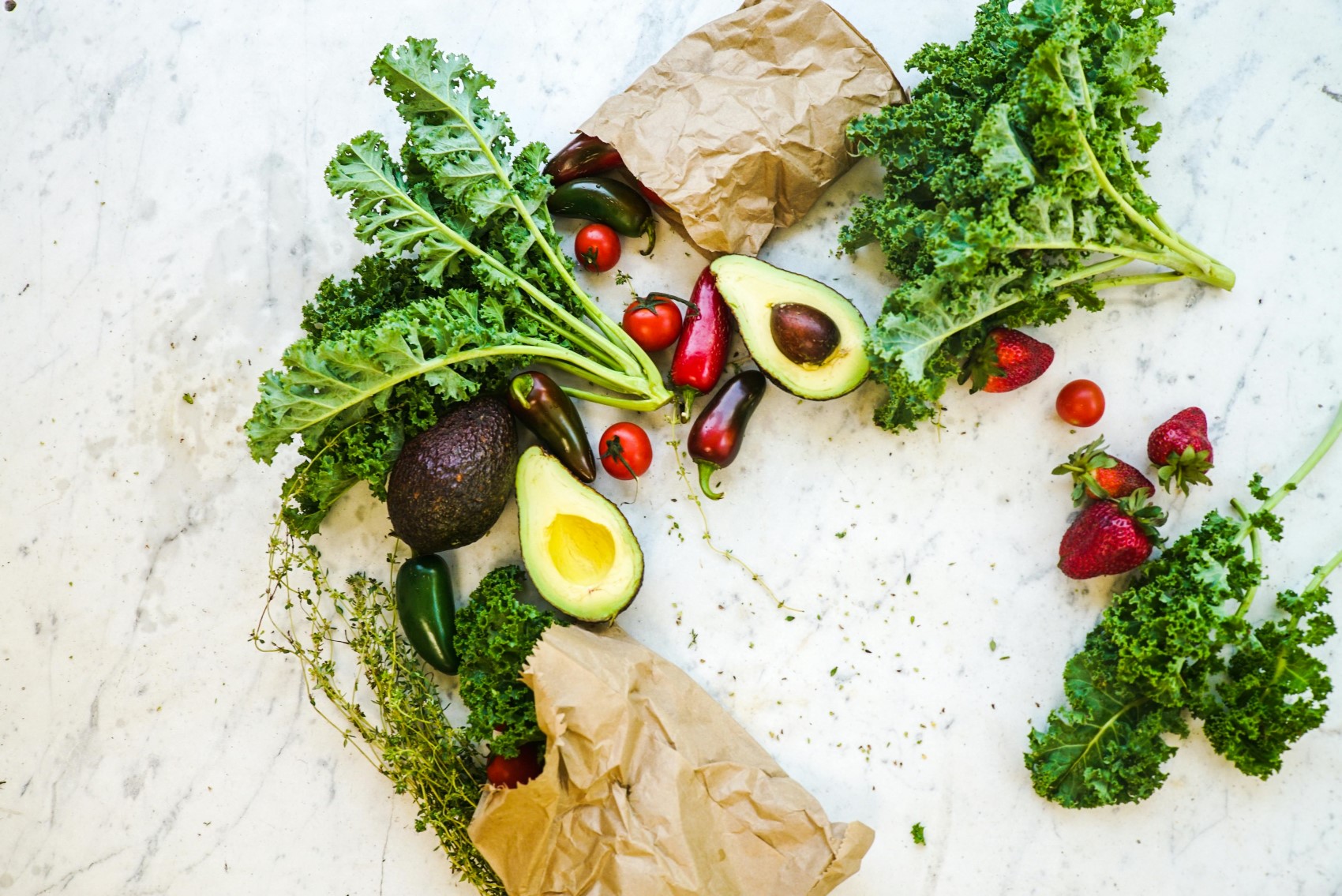
When creating a healthy diet plan, choosing foods with a low glycemic index can help prevent sudden fluctuations in blood sugar.
The glycemic index (GI) is a measure that shows how quickly carbohydrate-containing foods raise blood sugar. The carbohydrates we eat are converted into glucose during digestion and enter the bloodstream, but the speed at which each food initiates this process varies.
GLYCEMIC INDEX CATEGORIES
Low GI (0-55): Whole grains, vegetables, legumes, nuts
Medium GI (56-69): Whole wheat grains, some fruits, brown rice
High GI (70 and above): White bread, white rice, potatoes, cornflakes
Low glycemic index foods raise blood sugar slowly, keeping you full for longer and maintaining insulin balance. In contrast, high-GI foods are digested quickly and can lead to sudden blood sugar spikes.
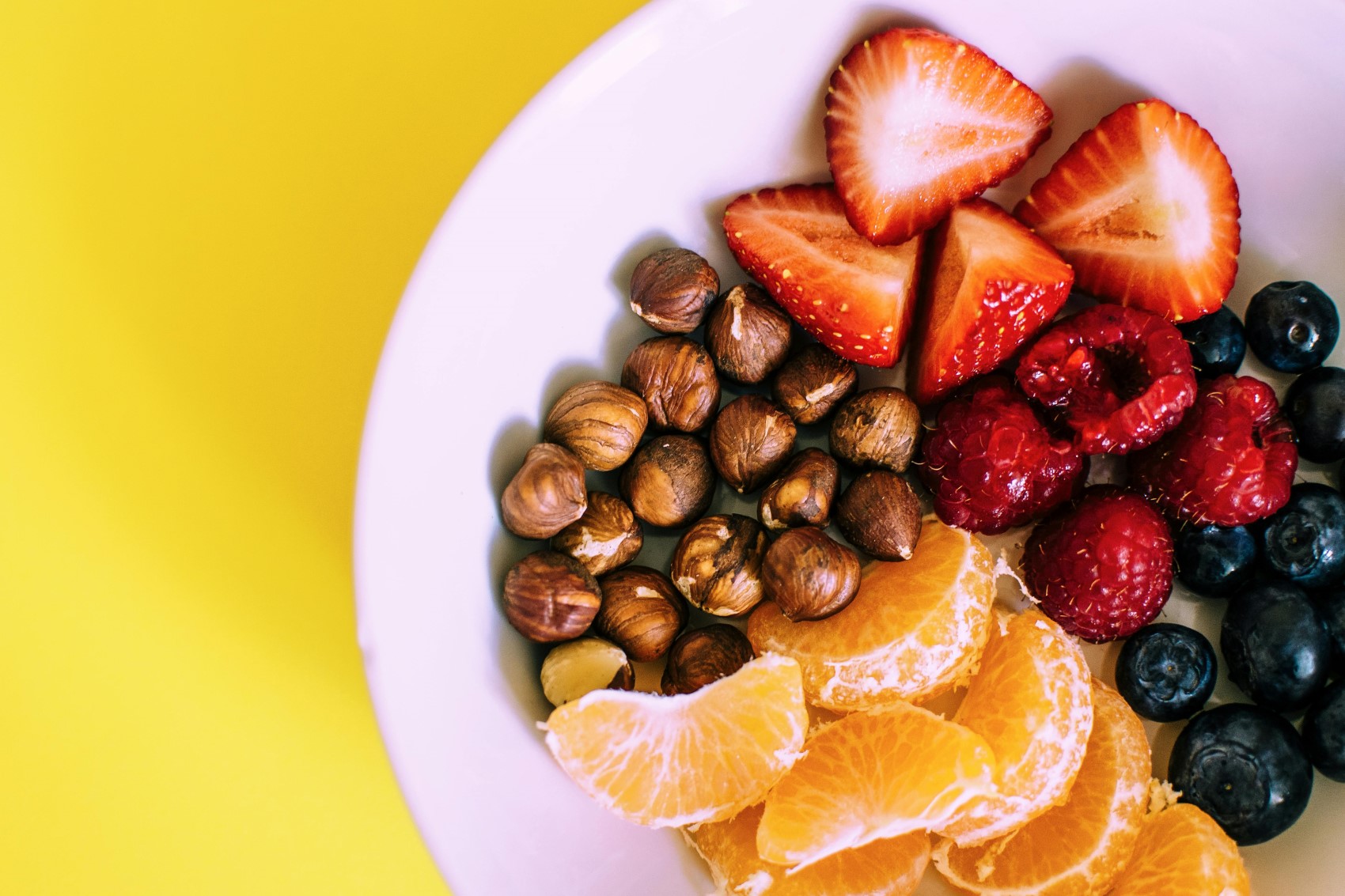
WHY IS THE GLYCEMIC INDEX IMPORTANT?
The glycemic index is of great importance, especially for diabetes management and weight control. Low-GI foods regulate insulin levels by keeping blood sugar in balance. Research shows that a low-GI diet can reduce the risk of type 2 diabetes, heart disease, and obesity. Additionally, such foods:
-Keep you full for longer
-Prevent sudden hunger pangs
-Control blood sugar fluctuations
-Facilitate weight management
Some studies also reveal that low-GI foods improve gut health and boost metabolism.
TIPS FOR LOWERING THE GLYCEMIC INDEX
For a diet plan with a lower glycemic index, not only the amount of carbohydrates but also the cooking method, fiber ratio, and protein content are important. Experts offer the following suggestions:
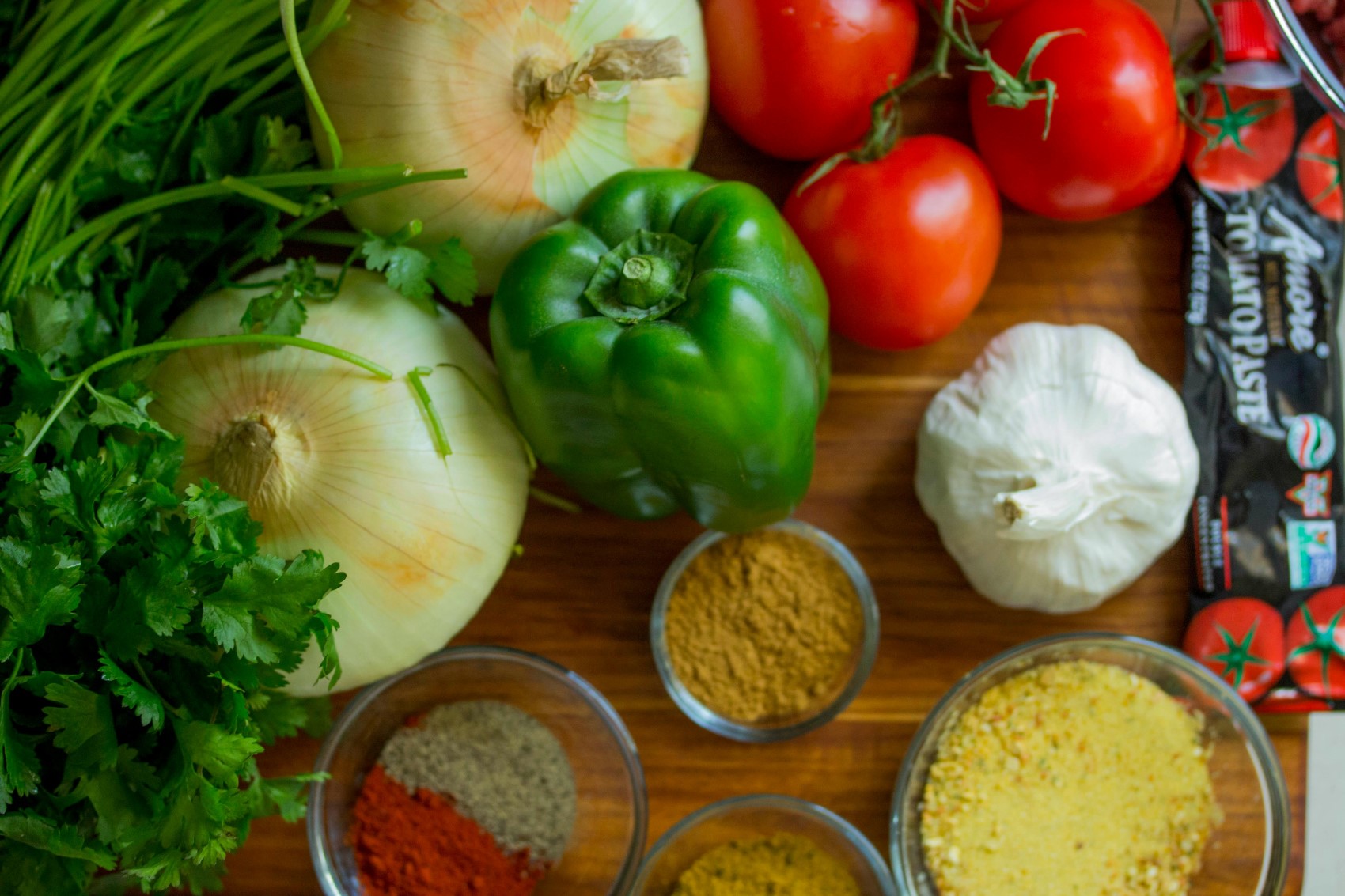
-Whole grain and high-fiber foods should be preferred.
-Foods consumed with vegetables slow down absorption.
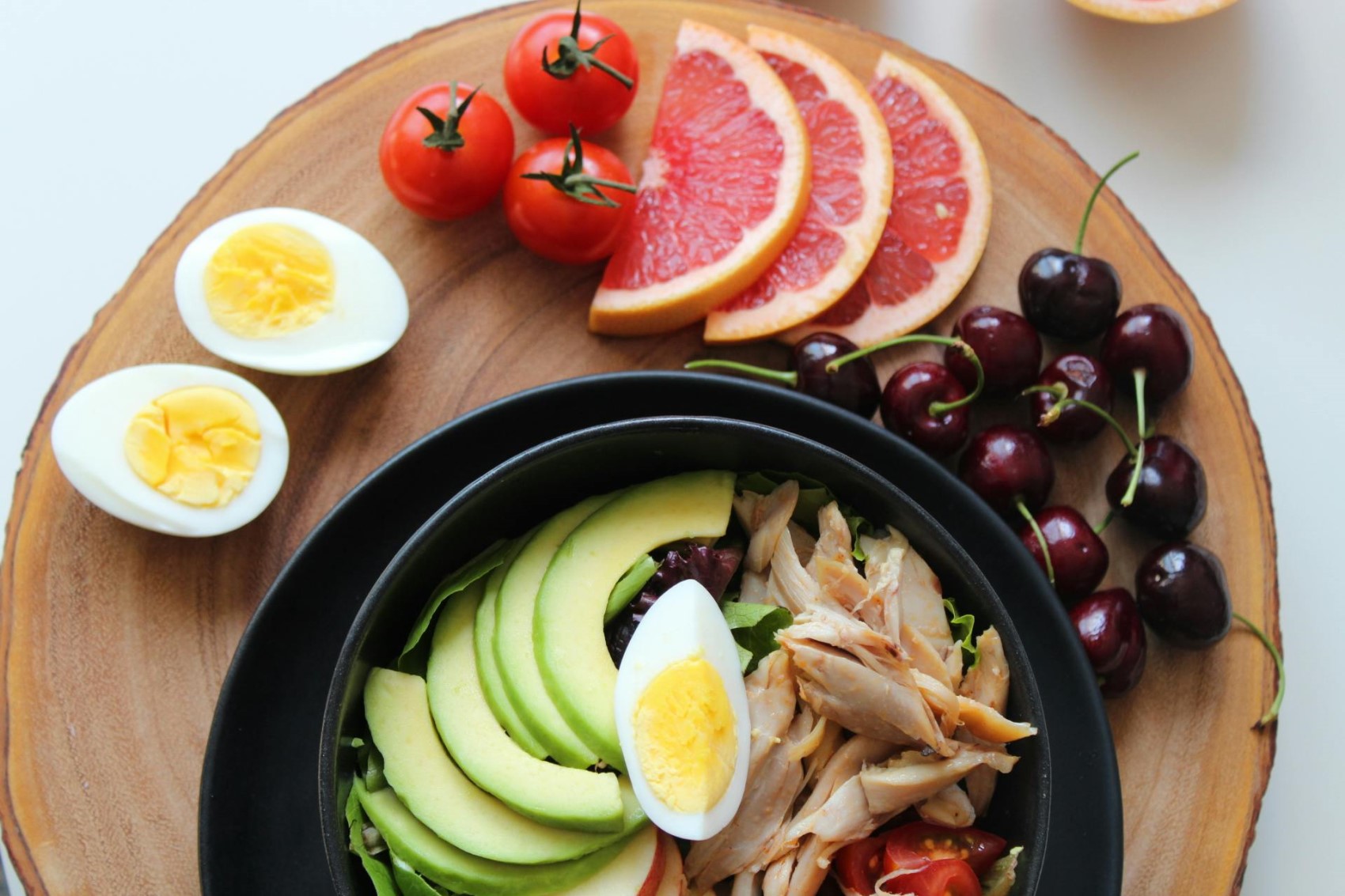
-Combinations made with protein and healthy fats lower the GI.
-By shortening the cooking time, the rapid breakdown of starch can be prevented.
-Instead of fruit juice, the fruit itself should be consumed.
For example, by choosing bulgur and brown rice instead of white rice, a more balanced energy supply can be provided. Additionally, oatmeal leads to a more controlled rise in blood sugar compared to white bread.
WHAT IS GLYCEMIC LOAD?
The glycemic index alone is not sufficient to determine whether a food is healthy. Glycemic load (GL) is a more comprehensive measure that shows how much a food affects blood sugar.
For example, although the glycemic index of watermelon is high, its glycemic load per serving is low because its water content is high. Therefore, it is necessary to pay attention not only to the GI value but also to the amount consumed.
In conclusion, low glycemic index foods are important for keeping blood sugar balanced, ensuring weight control, and reducing the risk of diabetes. When creating a healthy diet, whole grains, protein sources, and high-fiber vegetables should be preferred.
Small dietary changes can make a big difference in providing a more balanced energy level and creating positive effects on health.