What is Candida fungus? How does it form? What are the symptoms?
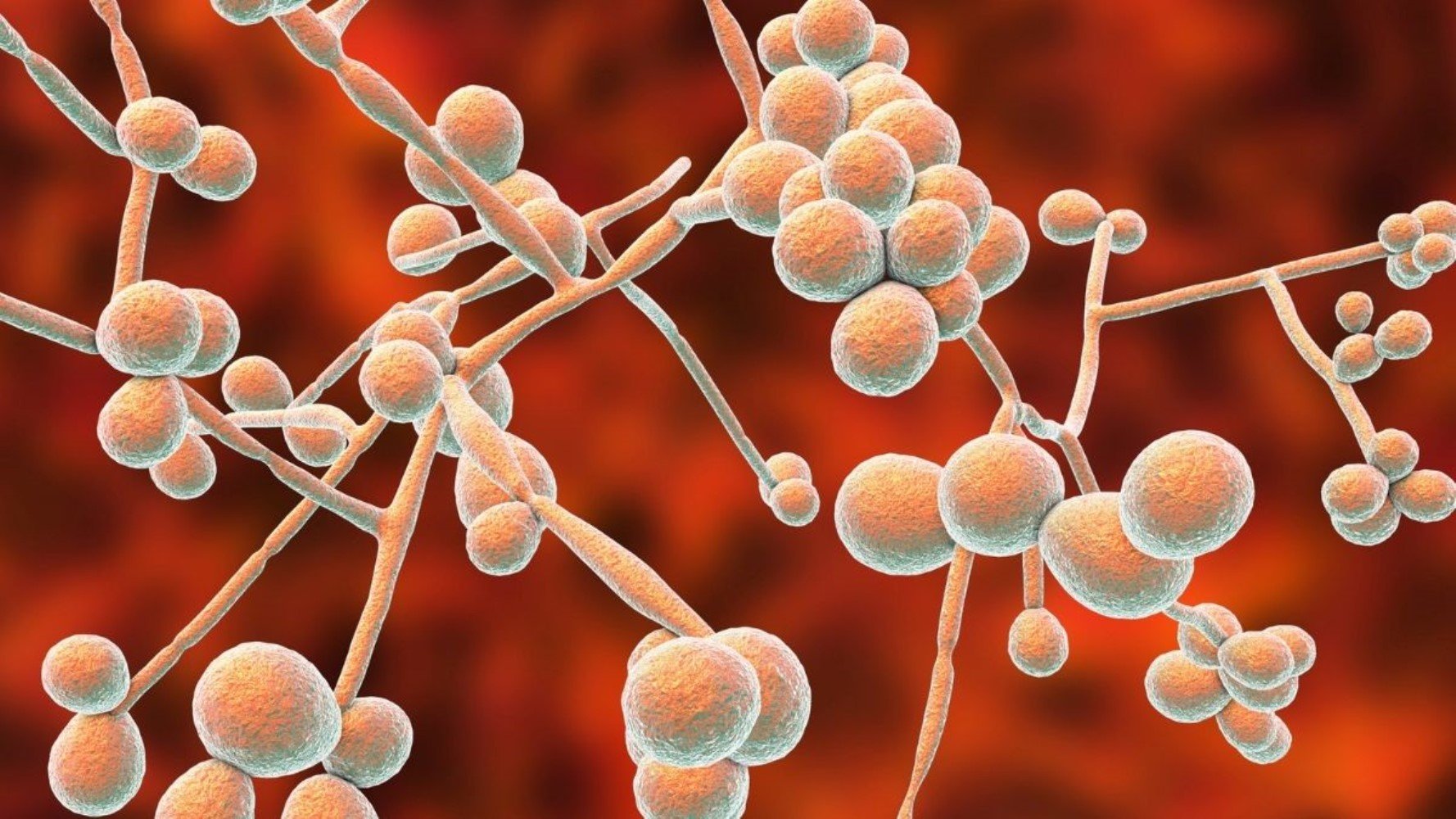
Candida albicans, or by its other common name, Candida fungus, is a type of fungus that lives in the body. It is a fungal infection that occurs due to the overgrowth of yeast resulting from the disruption of the healthy balance between bacteria and yeast. So, what is Candida fungus and how does it form? What are the symptoms? Here are the details...
12punto

WHAT IS CANDIDA FUNGUS?
Candida fungus is a type of fungus that is naturally found in the body and is actually not harmful. Under normal conditions, protective substances in the human gut keep Candida levels at a normal rate. However, when the immune system weakens for various reasons, this fungus begins to increase at the same rate. The areas most frequently affected by Candida fungus are the mouth, intestines, and vagina.
However, if Candida fungus multiplies and gets out of control or enters the depths of the body, it can threaten health.

WHAT DOES CANDIDA FUNGUS CAUSE?
Some symptoms caused by the excessive growth of Candida fungus in the body can be listed as follows:
- Oral thrush
- Sugar cravings
- Digestive problems
- Indigestion
- Urinary tract infections
- Joint and muscle pain
- Skin rashes
- Depression, lack of concentration
WHAT IS THE CAUSE OF CANDIDA?
- Weakened immunity
- Antibiotic use
- Consumption of products such as sugar, gluten, and starch
- Excessive stress
- Excessive alcohol consumption
- Use of birth control pills
- Diabetes

WHAT ARE THE SYMPTOMS OF CANDIDA FUNGAL INFECTION?
- Small, raised bumps and skin rash
- Loss of taste
- Feeling tired and exhausted
- Constipation
- Itching in the vagina and external genital area
- Vaginal discharge
- Raised spots in the mouth
- Gas, nausea, and bloating
- Menstrual irregularities in women, breast enlargement in men
- Restless legs syndrome
HOW DOES CANDIDA FUNGUS GO AWAY?
Treatment for Candida fungus varies depending on the location and severity of the infection.
Commonly used methods in the treatment of Candida fungus are as follows:
Dietary changes: Adopting a low-sugar, low-carbohydrate diet is important to prevent the overgrowth of Candida fungus. Avoiding sugar, yeast, and processed foods can restrict the fungus's nutrition.
Probiotics: Probiotic supplements can balance Candida fungus by increasing the number of beneficial bacteria in the body. Yogurt, kefir, and fermented foods are among the foods rich in probiotics.
Stress management: Stress can suppress the immune system; therefore, stress management methods such as meditation, yoga, and relaxation techniques strengthen the immune system.