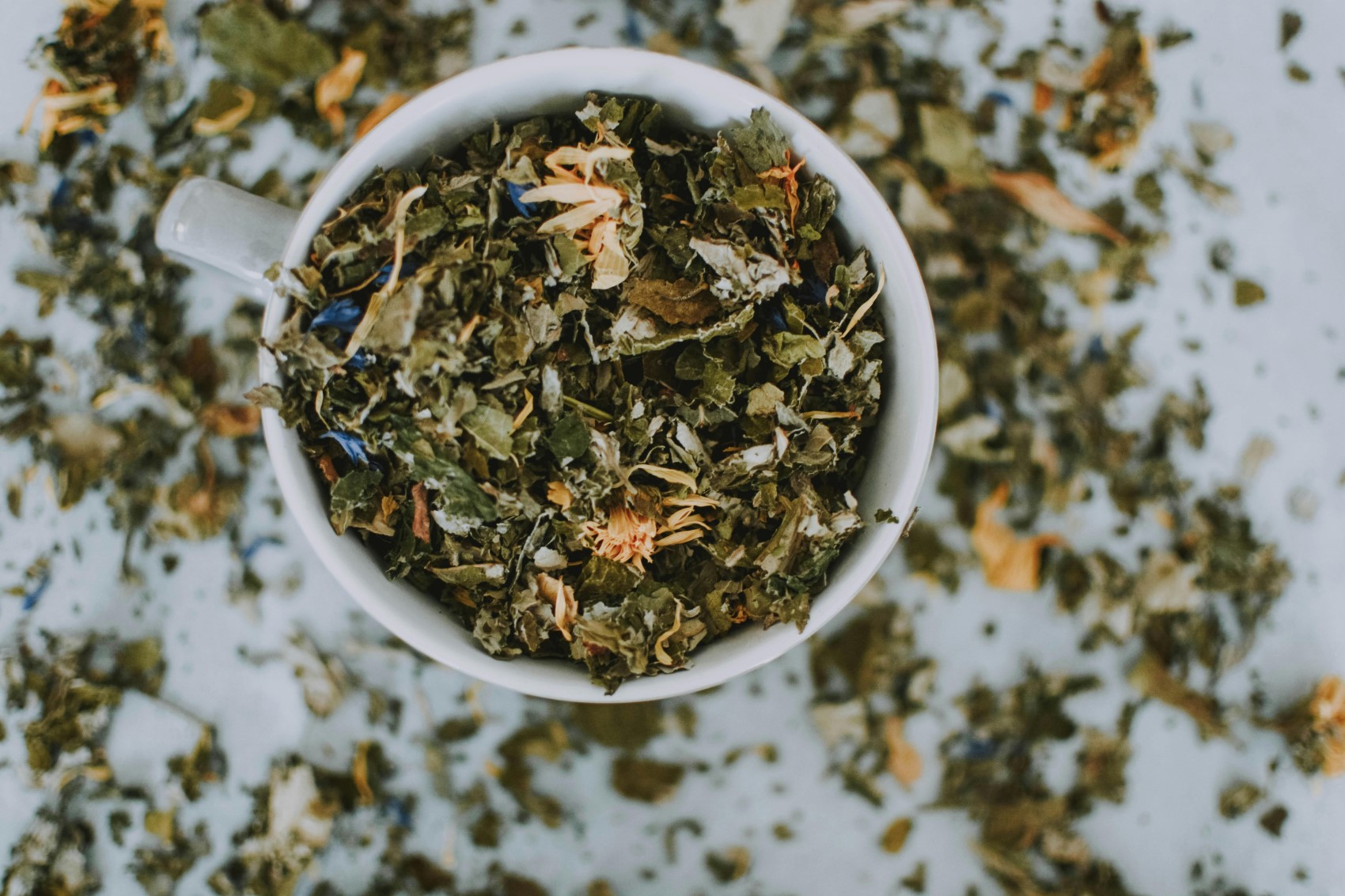
What is spring allergy? What are the symptoms? Natural ways to cope at home!
With the arrival of spring, the increase in pollen levels in the air can cause spring allergies in sensitive individuals. These allergic reactions can sometimes be so intense that they significantly affect an individual's daily quality of life. We have compiled the symptoms of spring allergies—which experts frequently remind us are often confused with the common cold—and suggestions on how to cope with them using natural methods at home.
12punto

The increase in pollen density during the spring months negatively affects the lives of people with allergic constitutions. With the arrival of spring, the rise in pollen can lead to various discomforts in those with spring allergies.
Although spring allergies are often confused with a runny nose or the common cold, it is of great importance to correctly identify this condition and distinguish it from other infections.
Experts recommend that individuals whose spring allergy symptoms recur frequently should consult a specialist doctor rather than relying on individual solutions.
WHAT IS SPRING ALLERGY?
An allergy occurs as a result of the body overreacting to harmless substances. Genetic predisposition plays an important role in the development of allergies.
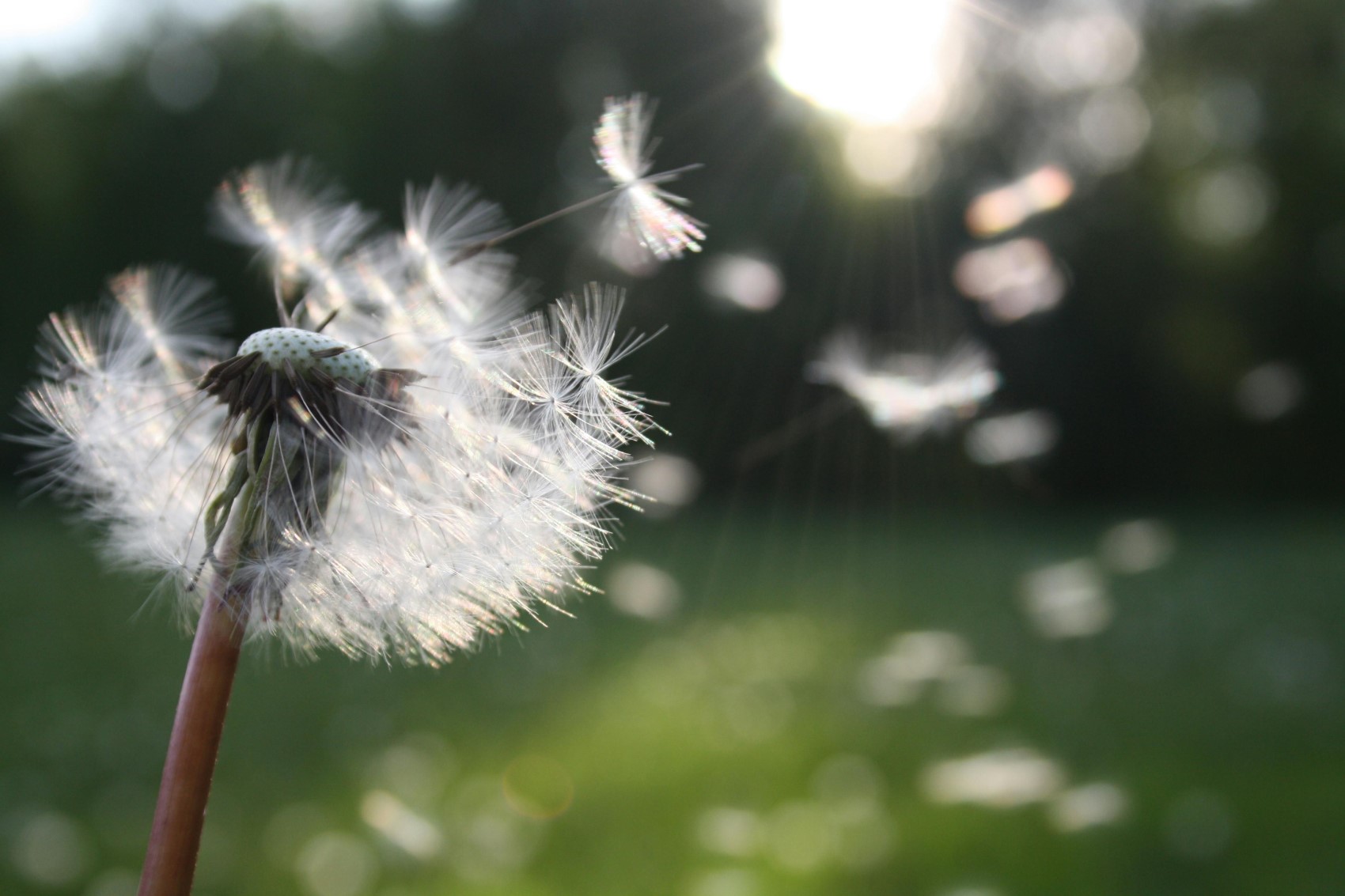
Spring allergy, on the other hand, appears as a condition triggered by environmental factors during periods when pollen is dense. Trees and grasses are among the primary causes of spring allergies.
WHAT ARE THE SYMPTOMS?
Symptoms of spring allergy include sneezing, nasal congestion, watery runny nose, itchy eyes, and sinus pressure. In some individuals, additional symptoms such as itchy palate, headache, and fatigue may also be seen.
People with an allergic history are more prone to spring allergies. Although symptoms cannot be completely eliminated, their severity can be reduced with various treatment methods.
NATURAL METHODS FOR SPRING ALLERGY
Experts state that determining whether an allergy is temporary or chronic is the first step in the treatment process. In chronic cases, symptoms can be alleviated with medications recommended by a doctor.
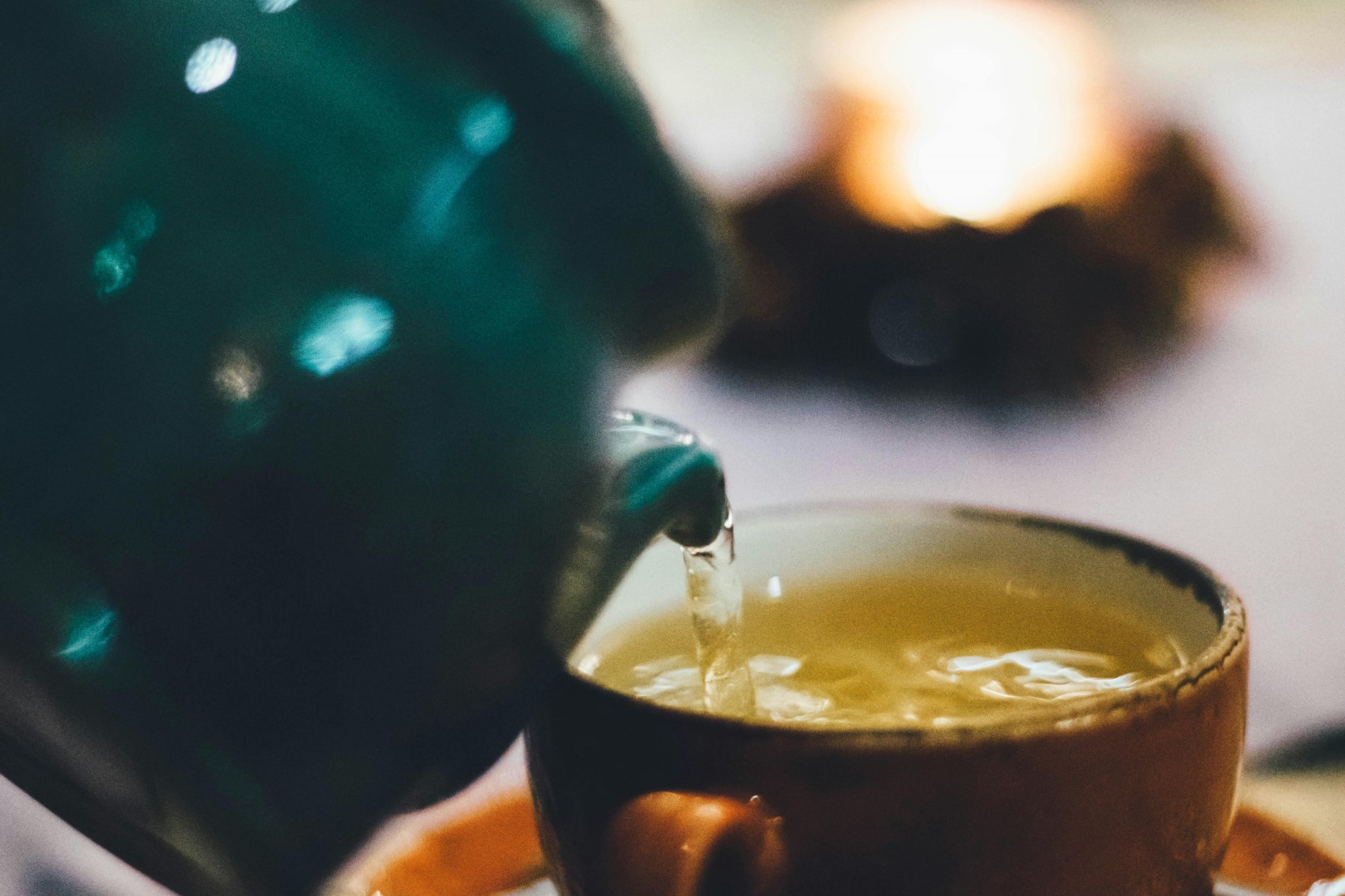
However, those who experience occasional allergic symptoms can benefit from natural methods they can apply at home.
PEPPERMINT TEA
Peppermint tea is recommended to alleviate respiratory discomfort caused by pollen. Additionally, the steam from hot tea can be effective in relieving nasal congestion.
GINGER
Known for its antihistamine properties, ginger alleviates the symptoms of spring allergies.
TURMERIC
With its antioxidant effect, turmeric helps reduce symptoms such as phlegm and coughing.
GARGLE WITH SALTWATER
Gargling with saltwater can help heal inflammation caused by allergies.
HERBAL TEAS
Herbal solutions such as sage and peppermint tea can be used to alleviate allergy symptoms.
APPLE CIDER VINEGAR
Apple cider vinegar, which strengthens the immune system, can be effective in protecting the body against allergies.
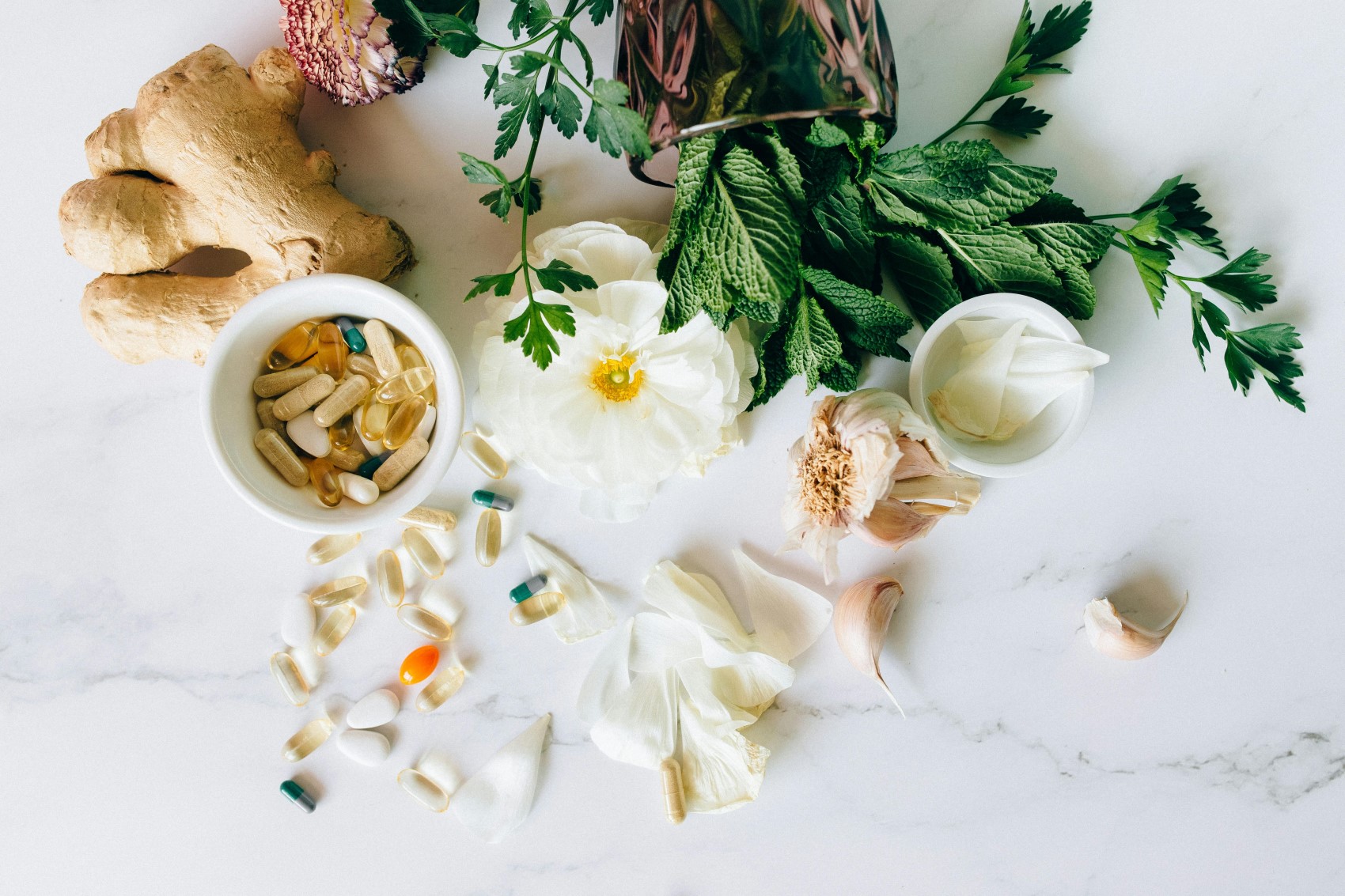
IMMUNE-BOOSTING SUPPLEMENTS
Vitamin supplements such as Vitamin C can also be used to strengthen the immune system.
In conclusion, there are various natural methods and treatment options available to combat spring allergies. However, it is recommended that people experiencing severe allergic reactions seek help from a specialist.
Finding the right ways to cope with allergies can help you spend the spring months more comfortably.