What is the water diet? How is it done?
As the name suggests, this diet, which is primarily based on water consumption, is quite intriguing for those who want to get rid of their excess weight quickly. So, what is the water diet? How is it done?
12punto
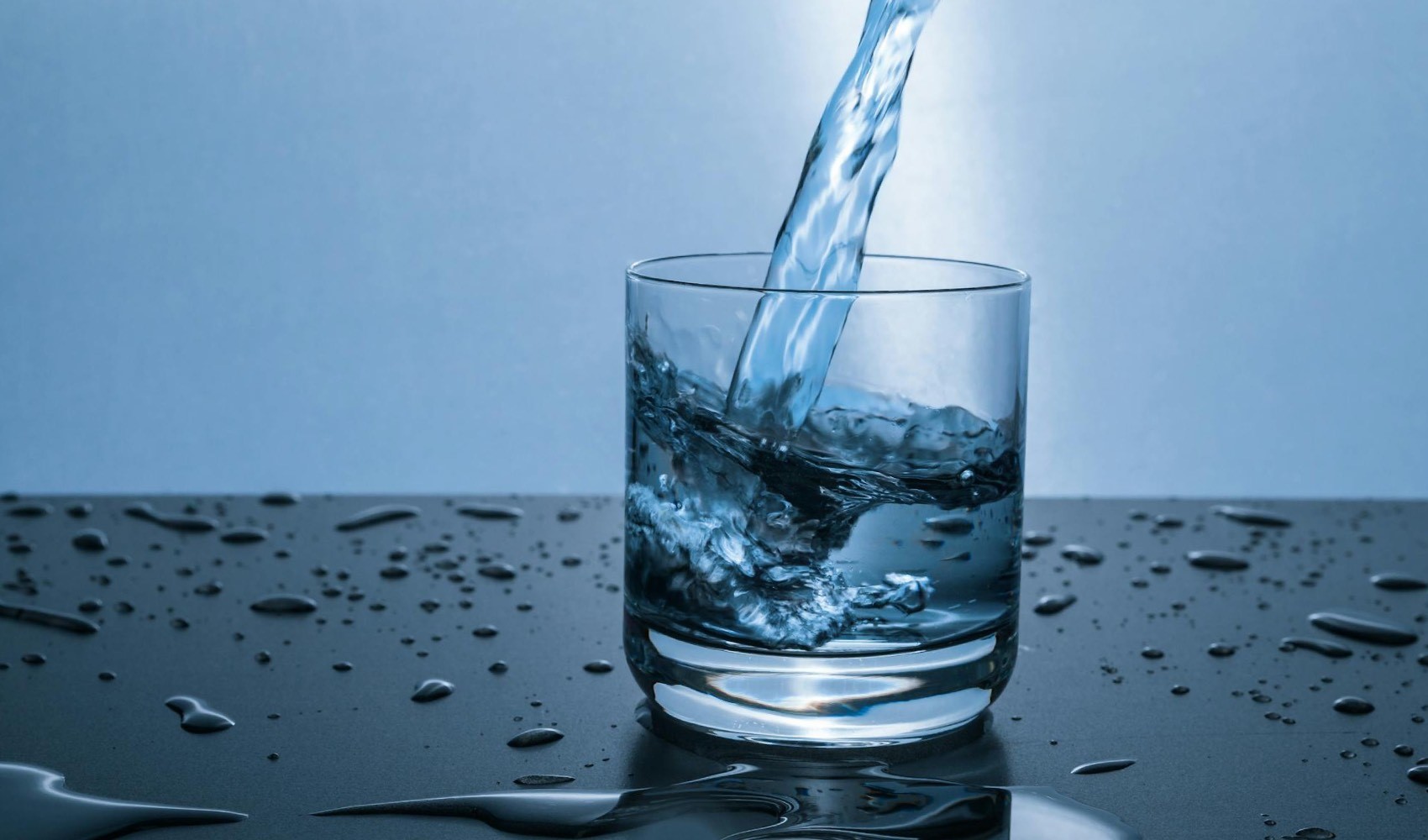
Every person needs to consume 2.5–3 liters of water daily in order to have a healthy body and maintain a healthy life. Drinking plenty of water is one of the most important factors in living a healthy life. Water consumption, which helps not only the body in terms of health but also supports dieting, also makes it easier to lose weight.
WHAT IS THE WATER DIET?
The water diet is a form of diet that focuses especially on water consumption to reduce daily calorie intake and promote and accelerate weight loss. Rather than restricting nutrition for a period by drinking only water, it refers to an approach that encourages drinking water as part of your daily diet.
This diet may be tried by some people for short-term weight loss. However, an excessive and prolonged water diet can be dangerous for health.
WHAT ARE THE BENEFITS OF THE WATER DIET?
The water diet is a short-term diet method that has many different effects in addition to weight loss. Potential benefits of the water diet:
-It contributes to reducing the risk of chronic diseases.
-It helps remove toxins.
-It helps keep blood pressure balanced.
-It contributes to maintaining the appearance of the skin.
-It is a highly effective method for reducing weight gain.
WHAT ARE THE HARMS OF THE WATER DIET?
The water diet is a form of diet that aims to restrict calorie intake based only on water consumption. Applying this kind of diet for a long time and excessively can cause serious harm to health. Some possible harms of the water diet:
-Consuming only water does not meet the essential nutrients the body needs. For this reason, it may cause nutritional deficiencies and vitamin-mineral imbalances.
-Excessive water consumption can disrupt the body's electrolyte balance. Electrolyte imbalance may cause muscle cramps, dizziness, irregular heartbeat and fatigue.
-Restricting calorie intake through only water consumption may slow the body's metabolic rate.
-Excessive water consumption may cause serious health problems such as hyponatremia (low sodium level).
-Because a water-only diet will not meet the body's energy needs, it may make it difficult for a person to maintain normal energy levels.
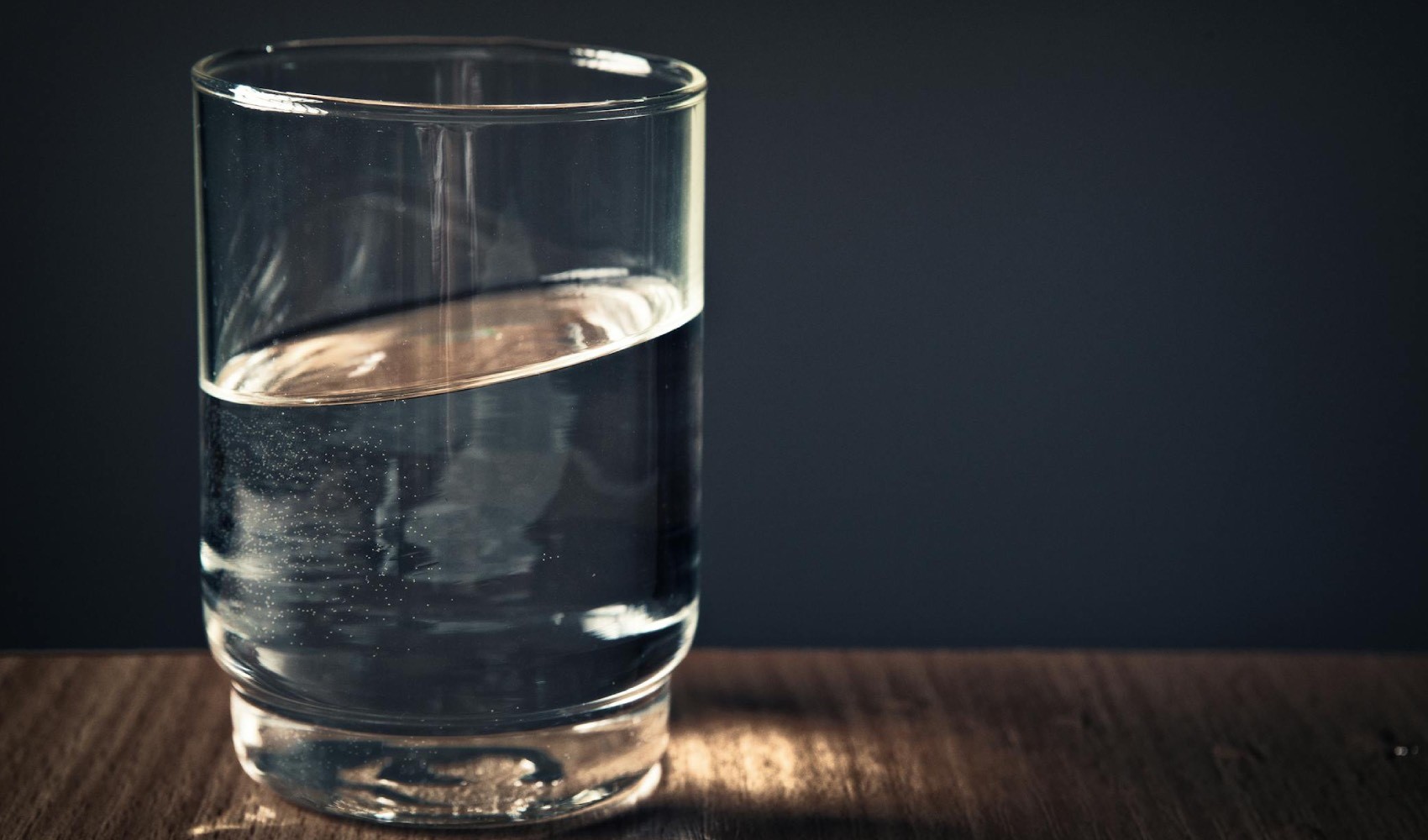
HOW IS THE WATER DIET DONE?
The water diet, which creates a detox effect in the body and accelerates calorie burning, is carried out with daily consumption of at least 2 liters of water or fluids. In addition to water, which gives a feeling of fullness, attention must be paid to other fluids consumed so that blood pressure does not fall and necessary nutrients are taken in.
Sample water diet list:
Breakfast;
1 glass of water
Oatmeal or hazelnut spread and fruit on whole wheat bread
A cup of green tea
Snack
1 glass of milk or yogurt
A handful of almonds or walnuts
Lunch
1 glass of water
Grilled chicken or fish
Boiled vegetables or salad
Whole wheat rice pilaf or bulgur
Snack
1 glass of ayran
Fresh fruit slices
Dinner
1 glass of water
Lentil soup with vegetables
Grilled vegetables and chicken
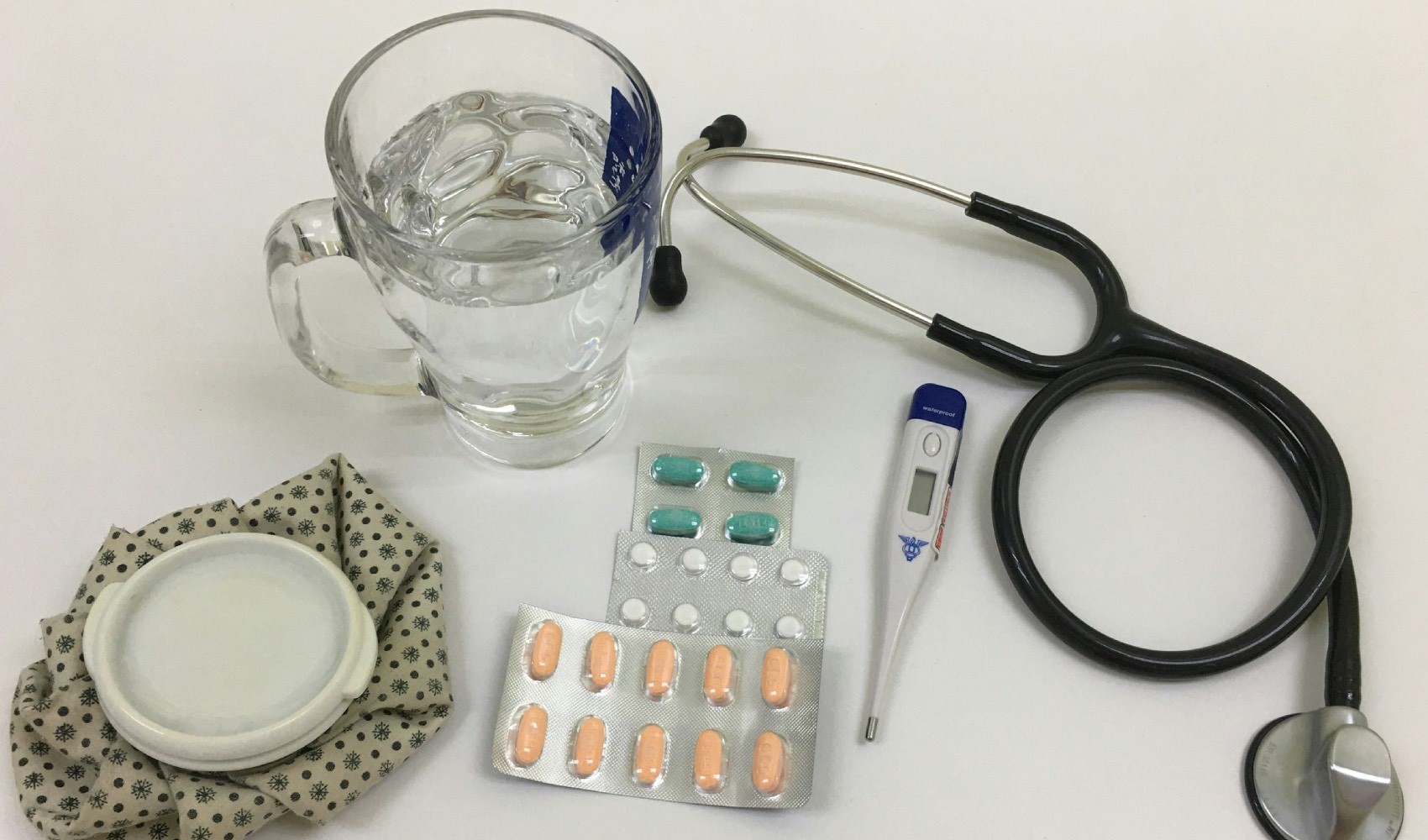
WHO SHOULD NOT DO THE WATER DIET?
If the water diet becomes a diet based only on water consumption, it may involve some health risks. For this reason, people with health issues such as diabetes, heart disease, kidney disease, hypertension, pregnancy or breastfeeding, old age, or chronic diseases should absolutely consult a doctor before following this diet.
Editor's note
Diet varies for everyone in terms of body structure, metabolic rate and health condition. Determining whether a diet is suitable for you can be done in a healthier and more effective way with the guidance of a professional health specialist. Your doctor will evaluate your current health condition and help determine whether the diet is suitable for you or what changes you need to make. Please consult your doctor.