Why do you feel the urge to smoke after a meal? The health impact is surprising!
Do you think the urge to smoke immediately after a meal is just a habit? It turns out there are also psychological reasons for this situation. This urge, which activates the brain's reward system, turns into a psychological habit over time. However, considering the health risks of smoking, this situation can become extremely dangerous for your organs.
12punto
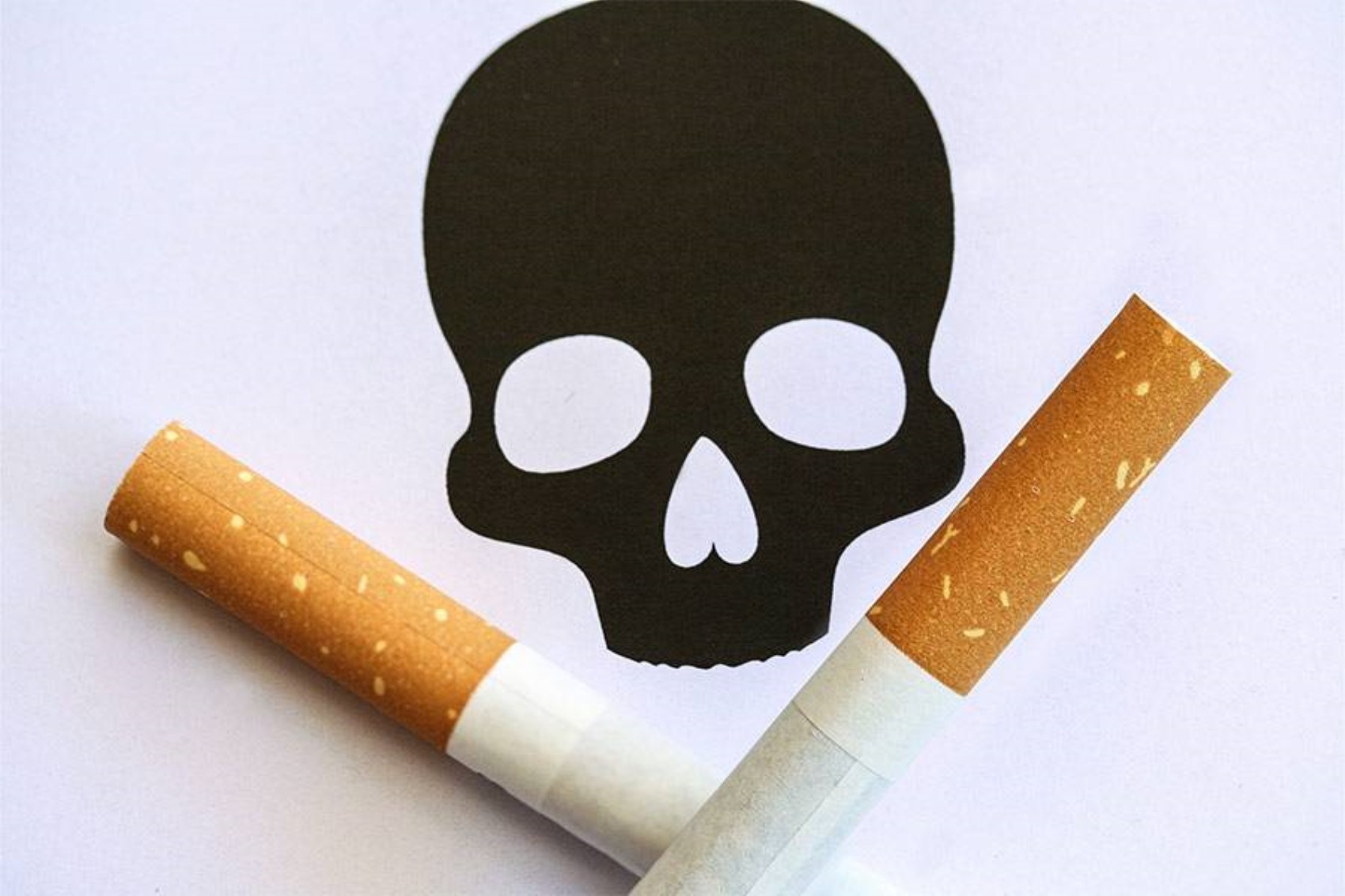
Many smokers have a habit of lighting a cigarette after eating, claiming it is a normal action after a meal.
However, this practice is not entirely a cultural habit or just a matter of choice, because there are also neurobiological and psychological factors that influence this human behavior.
YOU ARE NOT ALONE
If you have ever found yourself feeling the urge to smoke immediately after finishing a meal, you are definitely not alone. It turns out that this post-meal craving is not just a coincidence; it is a habit created by your brain.
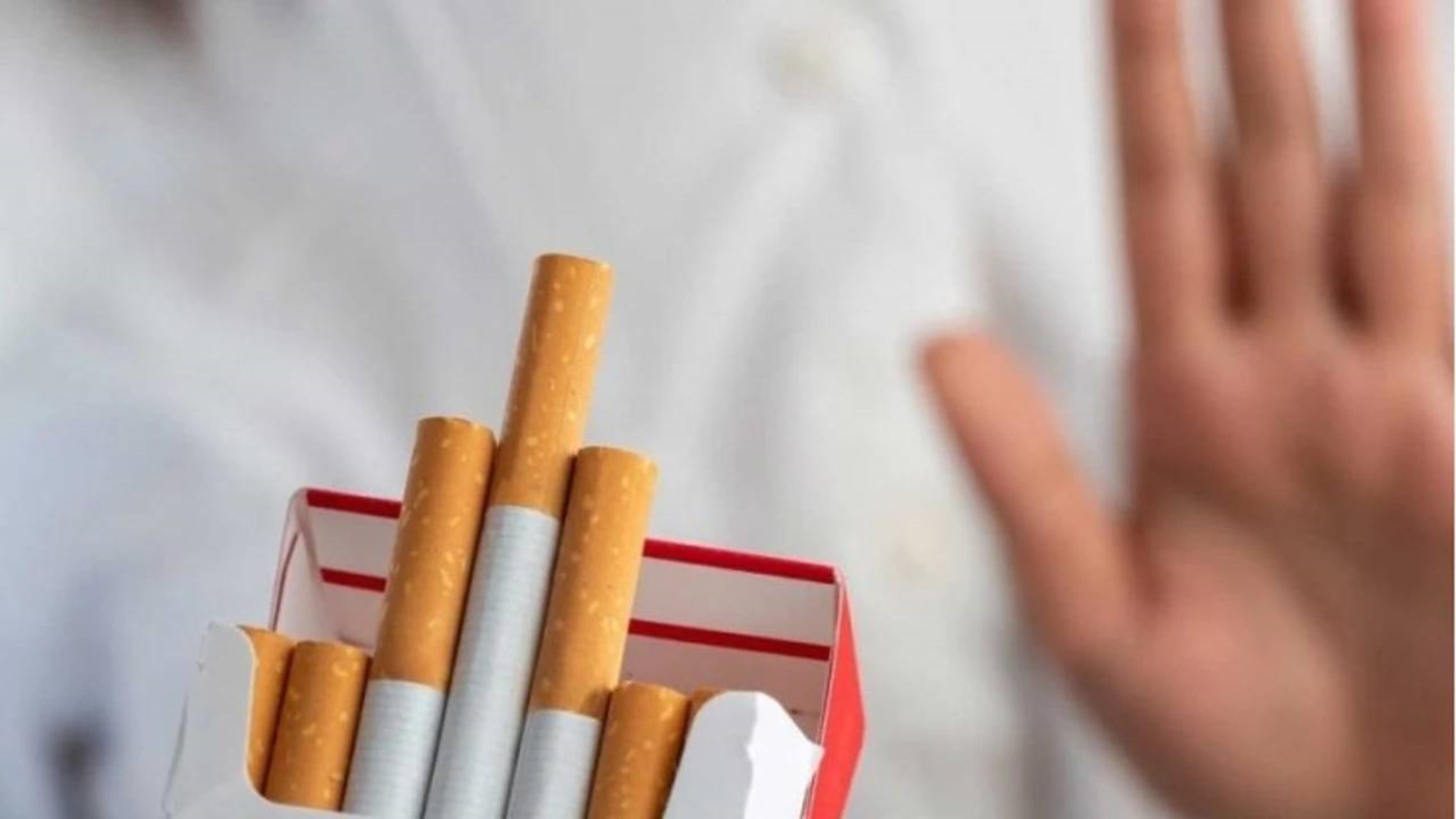
To address this question, it is important to investigate how both nicotine and food work in the brain; specific cravings called post-smoking cravings emerge.
The post-meal cigarette craving is intricately linked to the brain's response to food and nicotine. When individuals consume meals, especially those high in fat and sugar, there is an increase in the release of dopamine, a neurotransmitter that enhances feelings of pleasure and satisfaction.
This is similar to the dopamine release triggered by smoking.
Additionally, nicotine from cigarettes interacts with nicotinic acetylcholine receptors in the brain, which are more receptive after a meal, thereby strengthening the rewarding sensations from smoking.

The digestive process also plays a role by affecting the body's metabolism and potentially enhancing the effects of nicotine.
PSYCHOLOGICAL AND BEHAVIORAL FACTORS
The urge to smoke after eating is often a learned response. Most smokers reinforce this habit based on a formula where smoking follows eating, which then turns into a routine through constant reinforcement.
These patterns can actually be developed through socialization and culture as well, making smoking a norm in post-meal activities both individually and socially.
THE BRAIN'S REWARD EXPECTATION

Every time you eat, your brain receives a small reward through dopamine. Nicotine gives dopamine an even bigger boost, thus giving that specific brain an overloaded reward. That particular brain loves this combination and begins to associate eating with smoking.
Without realizing it, your brain develops the thought "Food + cigarette = happiness" and it becomes automatic.
However, this is not just a habit; it is a routine. Your brain thrives on repetition, and if you have always smoked after meals, this is something you expect. Every time you sit down to eat, your brain begins to prepare for that cigarette after the meal.
This is like an unwritten rule in your brain that becomes harder to break the more you do it.
And this starts with understanding this brain connection, which is the first step to breaking this cycle. The good news is that once you learn what is really going on in your brain, you can start to restructure these habits.
TRY THESE TO SUPPRESS YOUR URGE TO SMOKE!
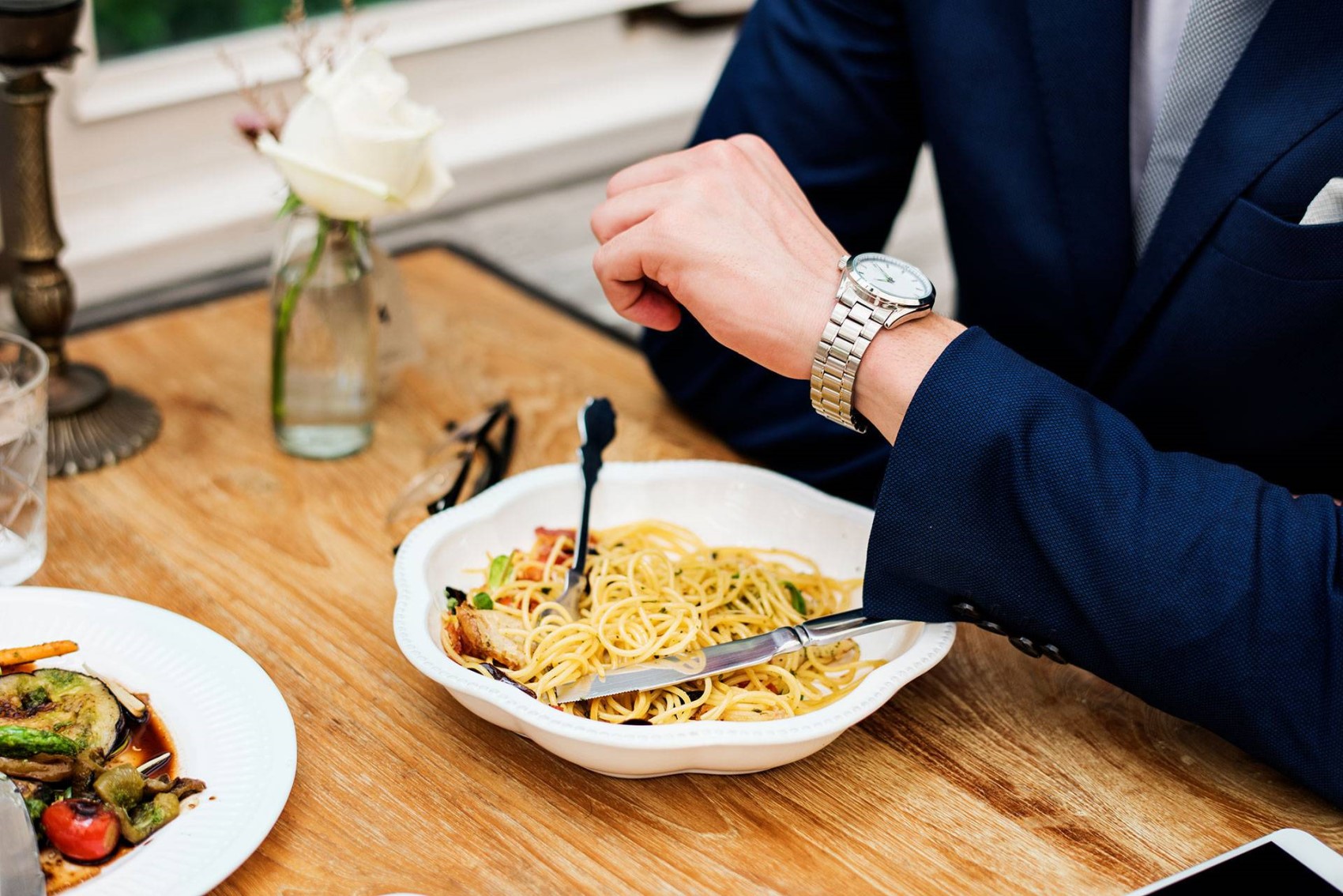
CHANGE YOUR MEAL TIMES
Do not eat at the same time every day. This is to break the pattern your brain has created regarding associating meals with smoking.
ACQUIRE DIFFERENT HABITS INSTEAD
Instead of smoking, go for a walk, sip herbal tea, or do something relaxing that will keep you occupied.
ENJOY IT
Focus on enjoying every bite. When you slow down and savor the flavors, your brain gets everything it needs from the food itself, making the urge to smoke less appealing.
BREAK THE ROUTINE
If you smoke with coffee, try switching to tea. Breaking out of the routine you have created will make it easier for your brain to adapt to your new behavior.
HEALTH HAZARDS OF SMOKING
Smoking increases the risk of lung cancer, chronic bronchitis, emphysema, and other respiratory diseases. Smoking hinders the normal functions of the lungs and can lead to respiratory failure.

Smoking increases the risk of serious cardiovascular diseases such as heart disease, stroke, and atherosclerosis. Smoking raises blood pressure and weakens blood vessel walls. Smoking is the leading cause of lung cancer. It also increases the risk of cancers of the mouth, throat, pancreas, kidney, bladder, and other organs.
MAKES THE BODY VULNERABLE
Smoking weakens the immune system, makes the body more vulnerable to infections, and can increase the risk of developing certain autoimmune diseases.
Smoking, especially during pregnancy, increases the risks of miscarriage, premature birth, and low birth weight. Additionally, babies may have respiratory problems, learning difficulties, and other health issues.
Smoking leads to premature aging of the skin, wrinkles, and a pale complexion. It can also cause yellowing of teeth, gum disease, and bad breath.
There are more than 7,000 chemicals in cigarette smoke, and more than 70 of them have carcinogenic properties.
Smoking poses a serious threat to health as it can lead to many health problems. Therefore, it must be said that not smoking or quitting is very important for your health.