Why does a charger get hot? What happens if a charger overheats? Things to watch out for
When charging mobile phones, it is sometimes common for chargers to overheat, and this situation can pose serious safety risks. While it is generally normal for chargers to warm up, there are certain factors to consider in cases of overheating. So, why does a charger get hot? What happens if a charger overheats? What should you watch out for? Here are the answers...
12punto
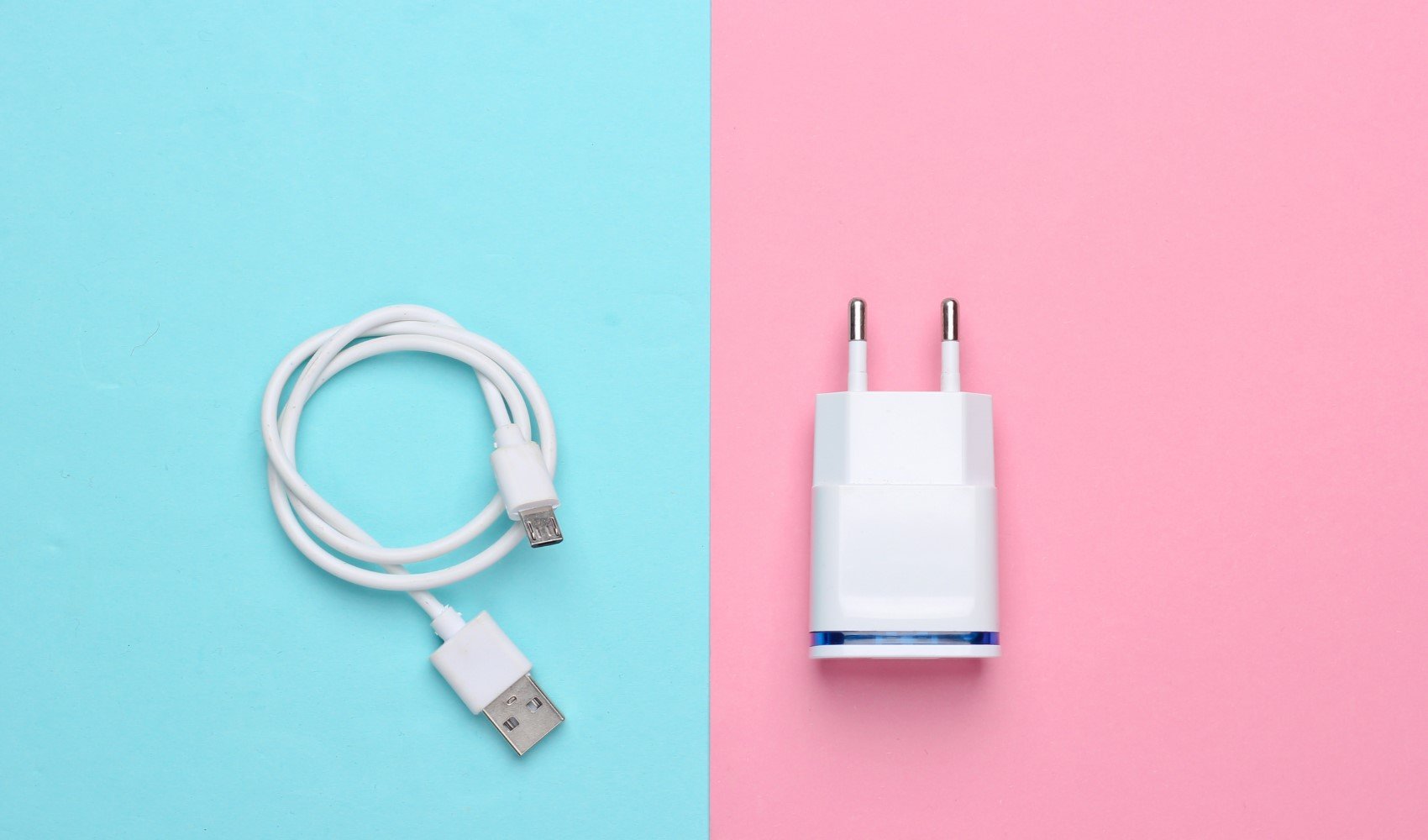
A charger generates a certain amount of heat while correctly converting the electrical current required by the phone. This is an indicator that the device is working properly. However, as the charger attempts to transmit more current, the heat increases, and in some cases, this heating can reach extreme levels.
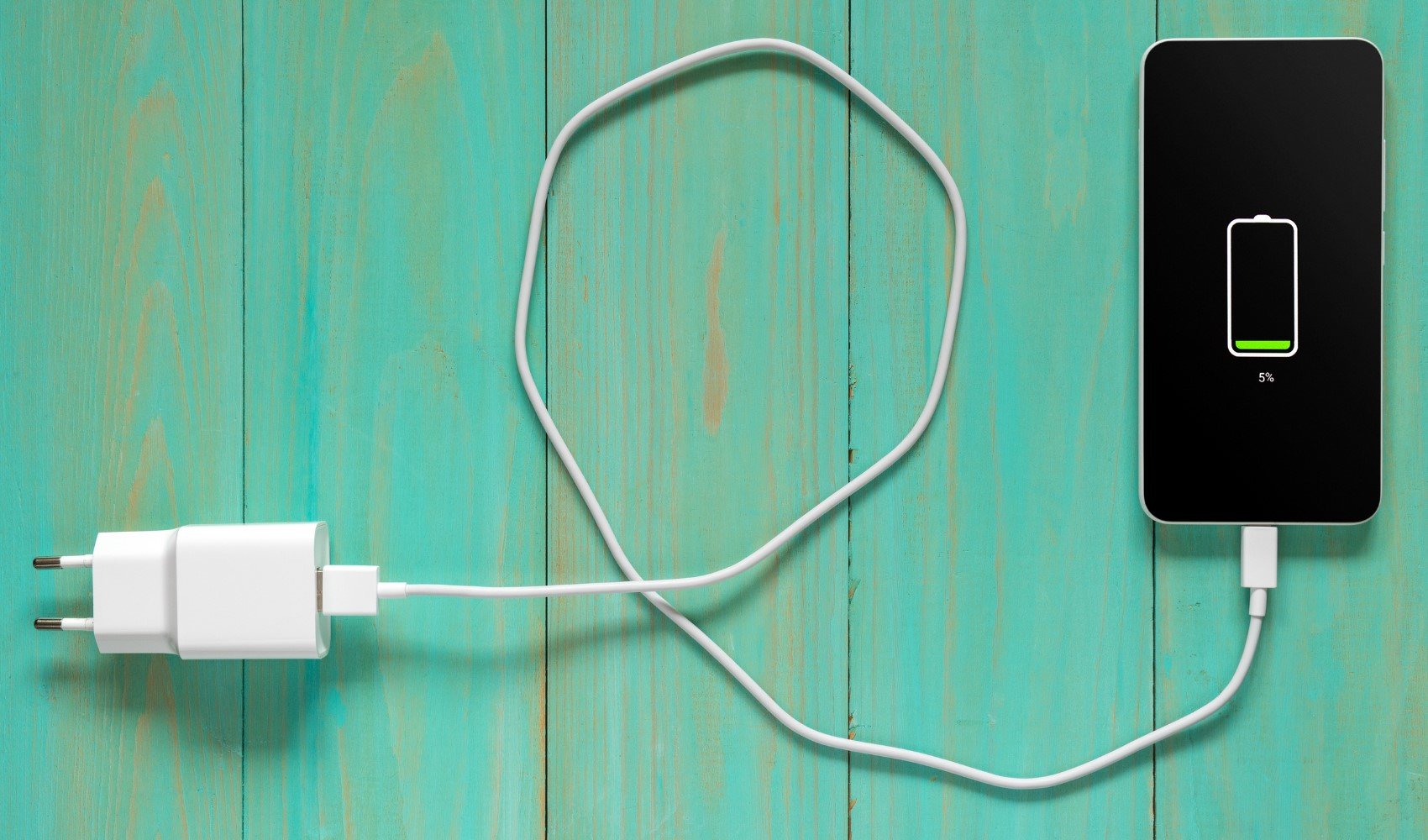
WHAT SHOULD YOU PAY ATTENTION TO IF THE CHARGER HEATS UP?
There is usually no cause for concern when a charger gets warm. However, if the device starts to overheat, it is a sign that there may be a problem. High-quality and original chargers include safety measures such as automatic shut-off to prevent overheating. However, since counterfeit or low-quality devices do not have such protection mechanisms, overheating can pose a serious safety risk. So, what are the possible reasons for a charger heating up?
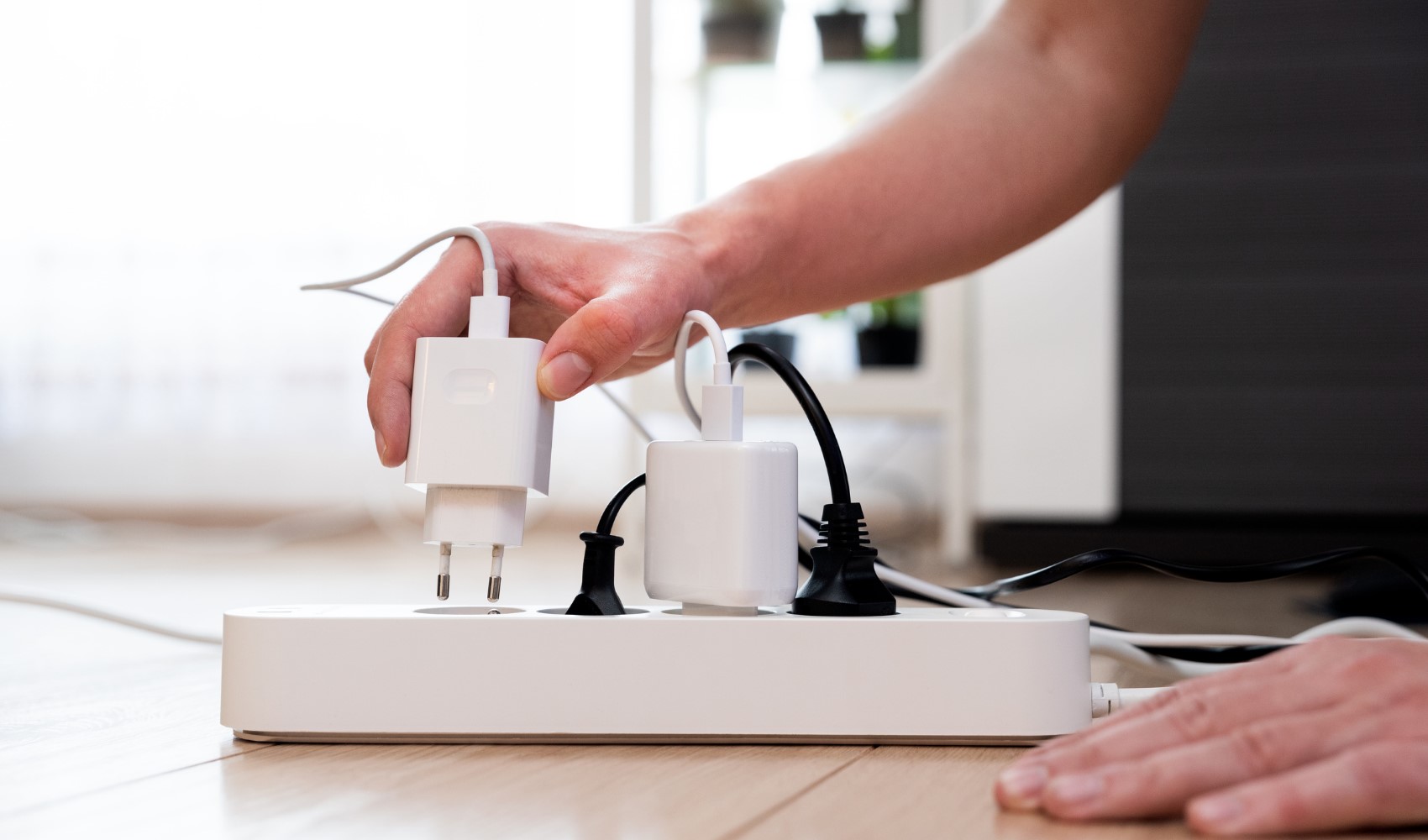
IF THE POWER OUTLET CONNECTION POINT IS BROKEN, THE CHARGER MAY HEAT UP
The power outlet must transmit electrical current properly for the charger to function correctly. If there is dust, dirt, or foreign objects in the outlet, this can lead to inefficient electrical transmission. Failure to transmit electrical current properly can cause the charger to overheat. Additionally, a clogged outlet connection point can prevent the device from being fully inserted and cause a loose connection, which can lead to heating and other issues. Therefore, you should ensure that outlets are clean and not obstructed.
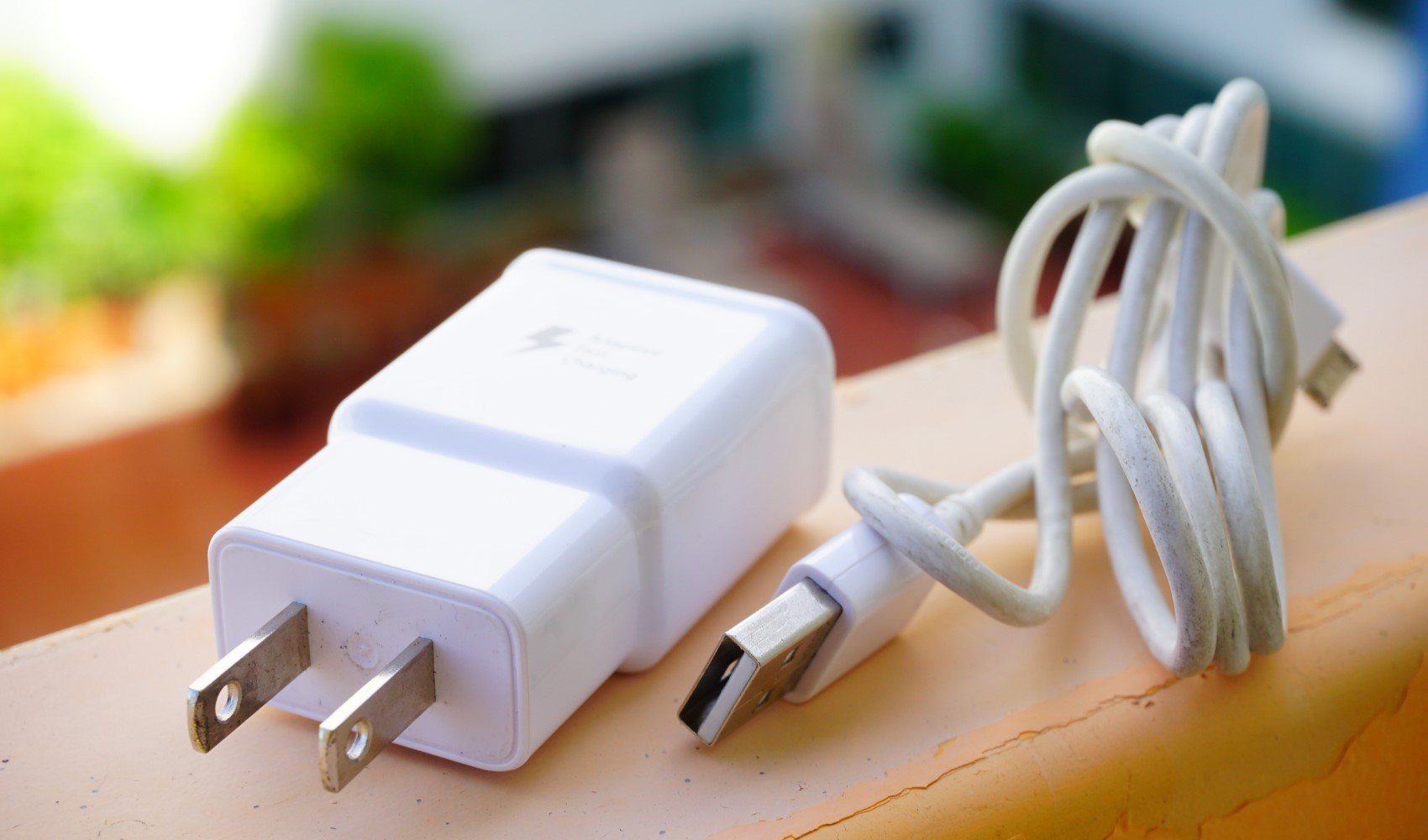
THE PHONE'S CHARGING PORT MUST BE CLEAN
The phone's charging port is a critical point for receiving electrical current to charge the battery. If dust, dirt, lint, or foreign substances have accumulated inside the port, this can cause both connection problems and overheating. A dirty charging port weakens the connection between the charger and the phone, which leads to inefficient current transmission. When current transmission becomes irregular, both the charger and the phone can heat up more. Gentle cleaning materials such as a cotton swab or compressed air can be used to clean the charging port. However, one should be careful when cleaning the port, as the delicate connections inside can be damaged.
CHECK WHETHER THE USB PORT IS WORKING PROPERLY
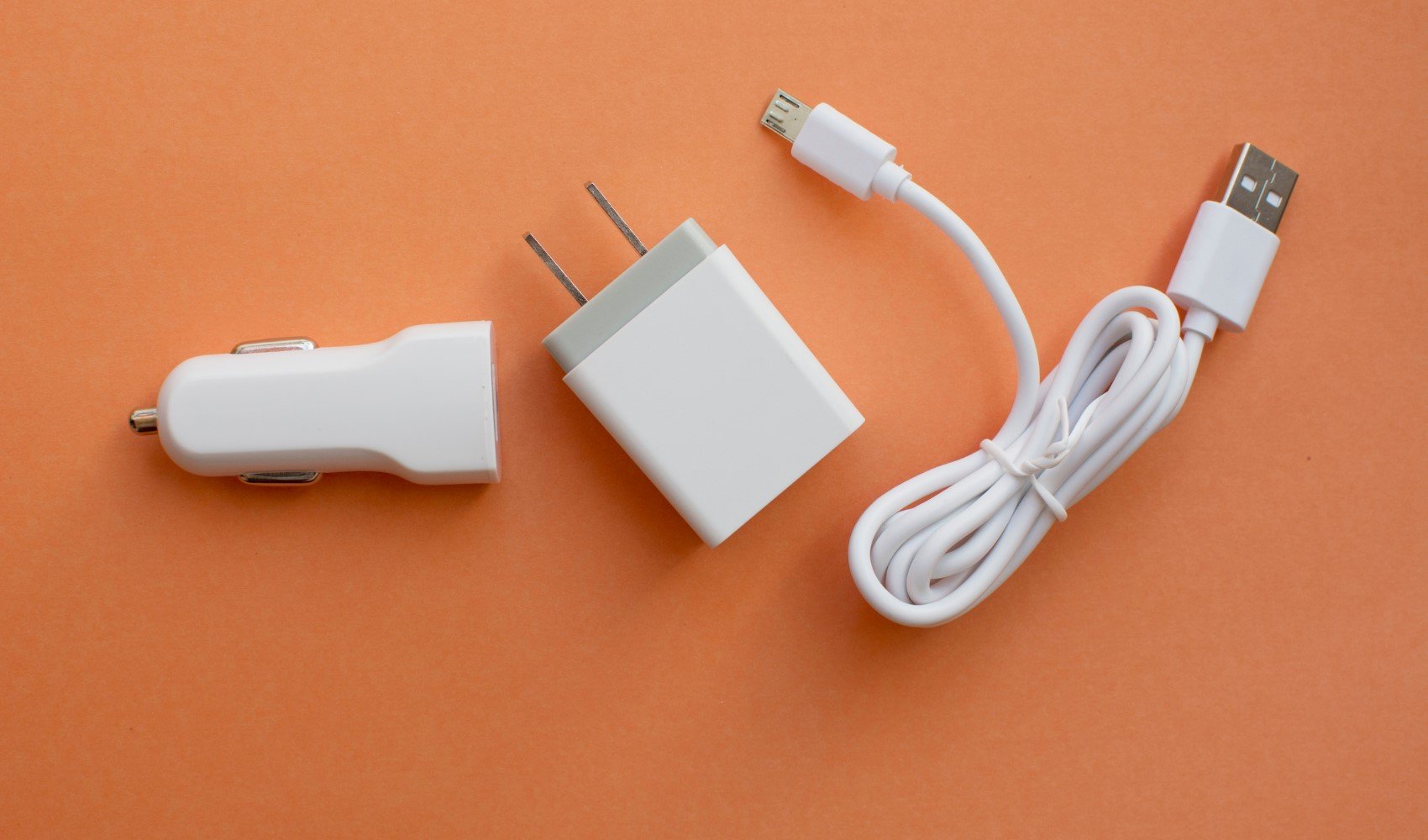
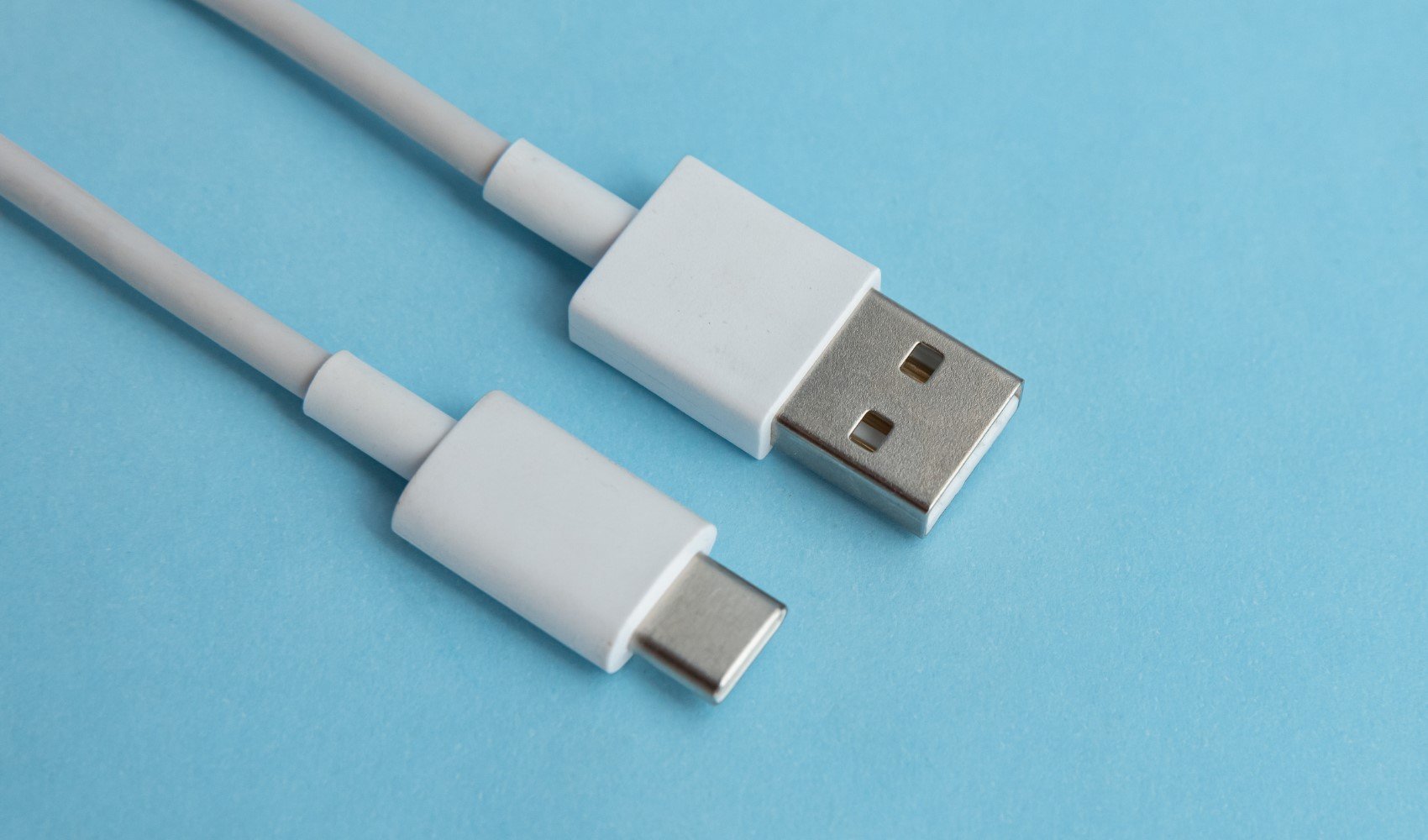
The charger's USB port is where energy exchange with the phone takes place. Checking whether the USB port is working properly can help prevent the charger from overheating. If there is looseness, dirt, or deformation in the USB port, the connection will not be proper, which can cause heating. Additionally, an old or damaged USB cable can also increase the charger's heating. If the USB port is not working properly, you can try plugging the cable into a different USB port or you may need to replace the cable.
PAY ATTENTION TO THE LOCATION OF THE CHARGER
Another factor that increases the risk of the charger heating up is the environment in which the device is located. Leaving your charger in a place exposed to direct sunlight or in very hot environments can lead to overheating. Similarly, having the charger in a closed and unventilated area can cause heat to accumulate. You should ensure that there is sufficient ventilation around the device during the charging process.
THE CONDITION OF THE CABLES IS VERY IMPORTANT
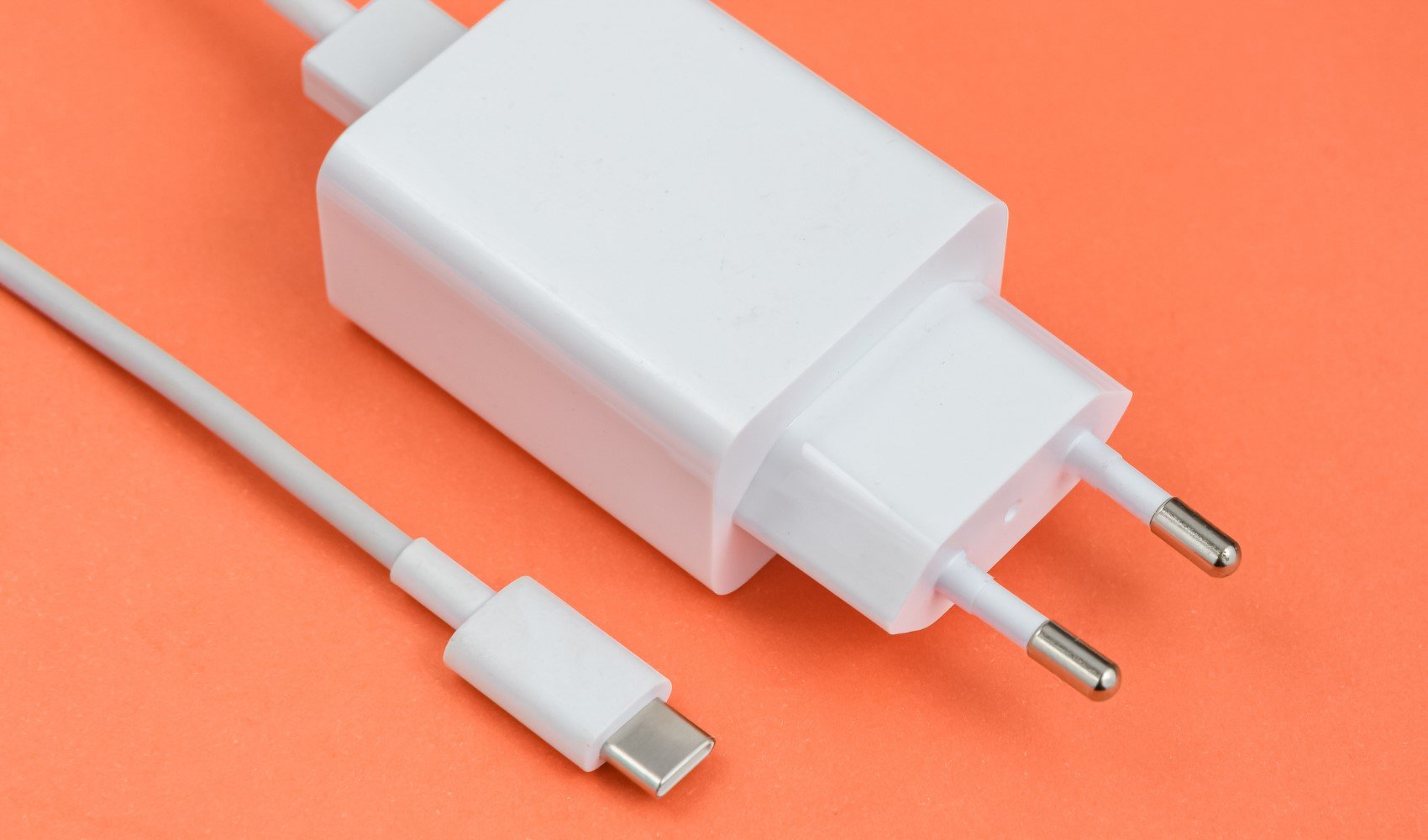
The charger's cable is another important element that causes overheating. Cables can wear out, break, or short-circuit over time. Old or damaged cables can create problems in terms of electrical conductivity and trigger heating. You should ensure that your charging cable is intact and undamaged. Furthermore, avoiding strenuous movements such as bending or pinching the cables ensures their longevity.
WHAT SHOULD BE CONSIDERED WHEN CHOOSING A CHARGER?
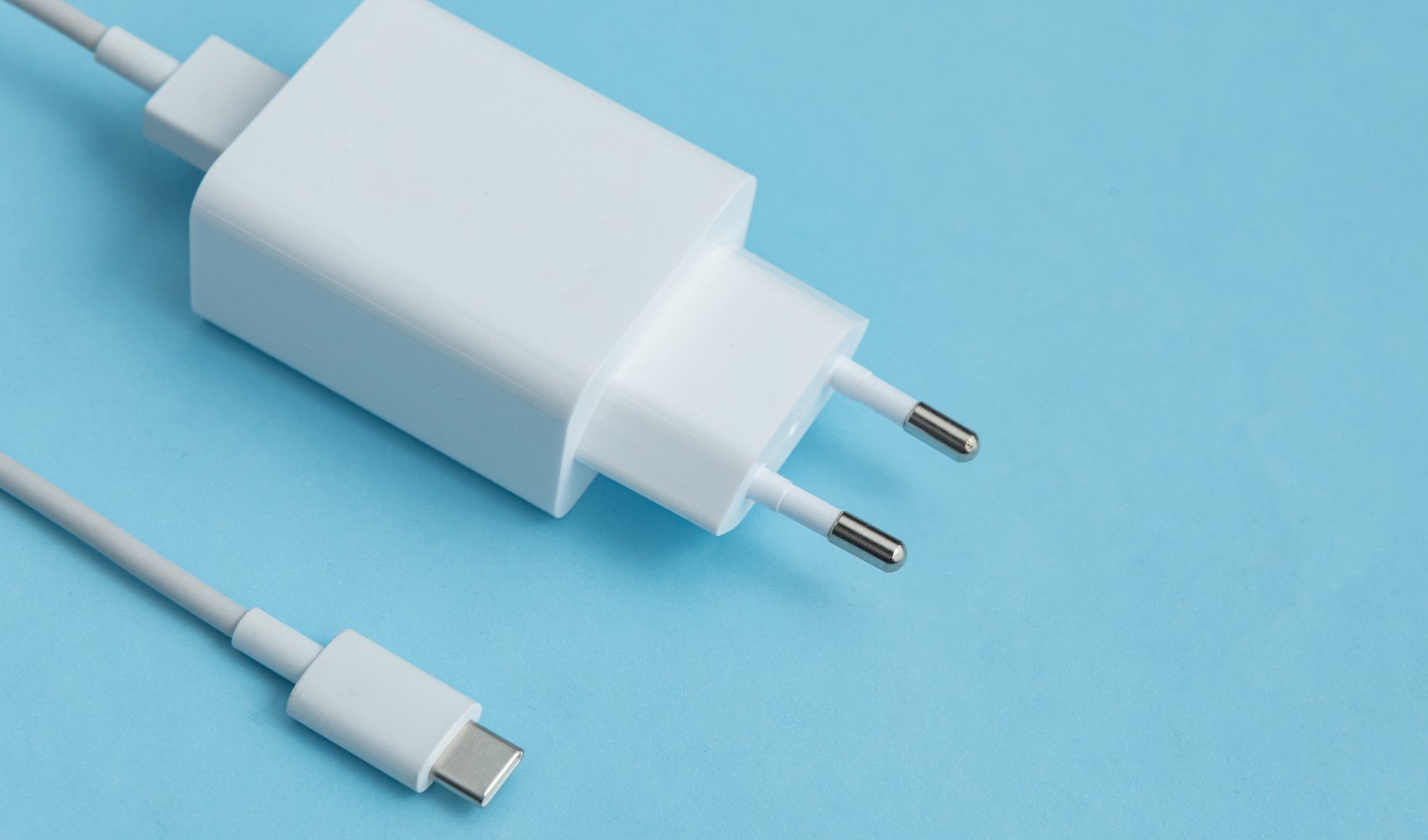
One of the most effective ways to prevent overheating problems is to use high-quality and original chargers. Counterfeit or cheap chargers often lack safety measures, which can lead to heating and other technical malfunctions. Choosing original chargers suitable for your phone's brand protects both the health of your device and your personal safety. Additionally, certifications and labels on the charger can help determine whether the product complies with safety standards.