Zeugma Mosaic Museum sees a surge in visitors
Drawing attention with its 'Gypsy Girl' mosaic, the Zeugma Mosaic Museum hosted 355 thousand visitors in the first nine months of the year
12punto

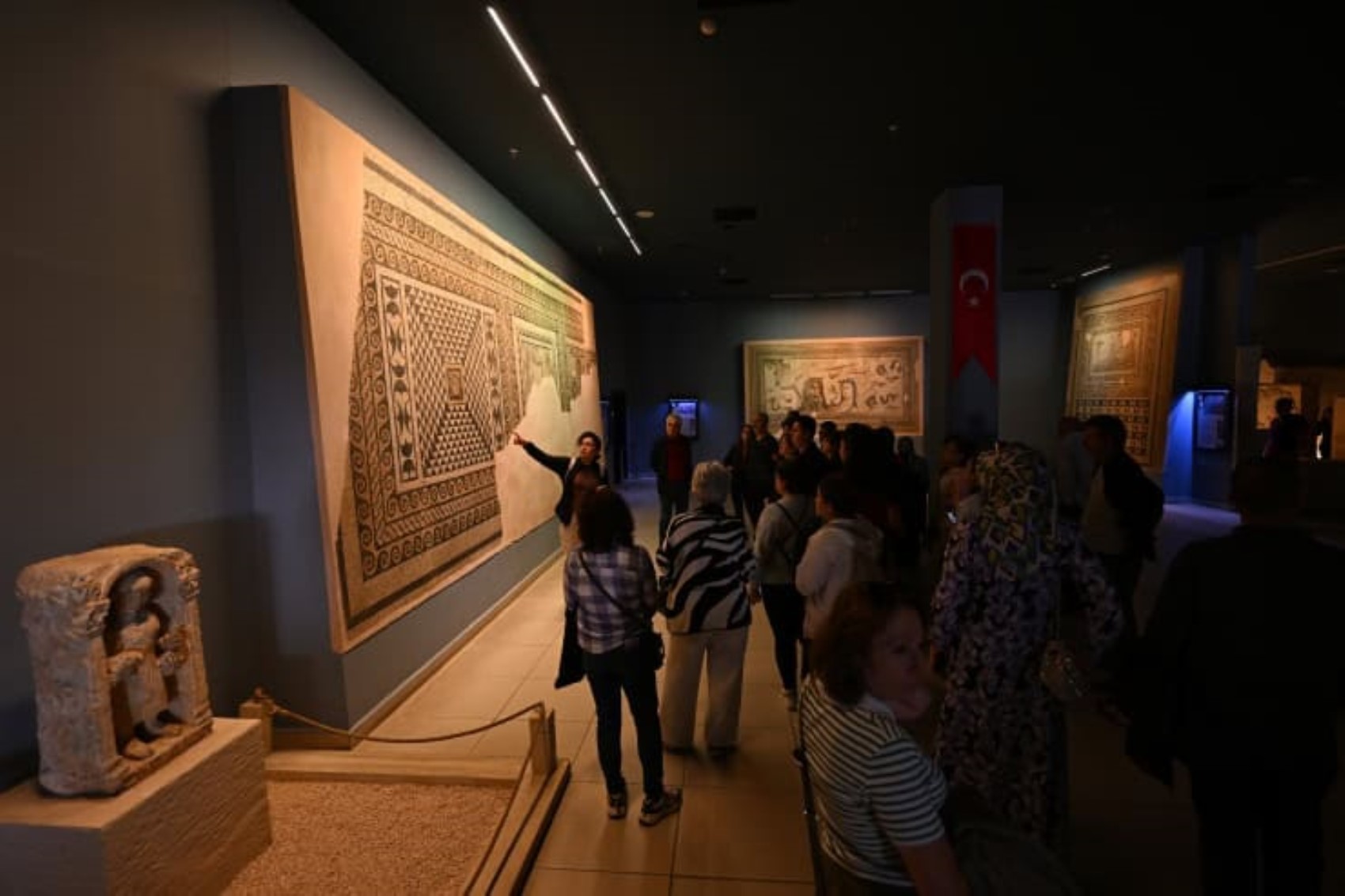
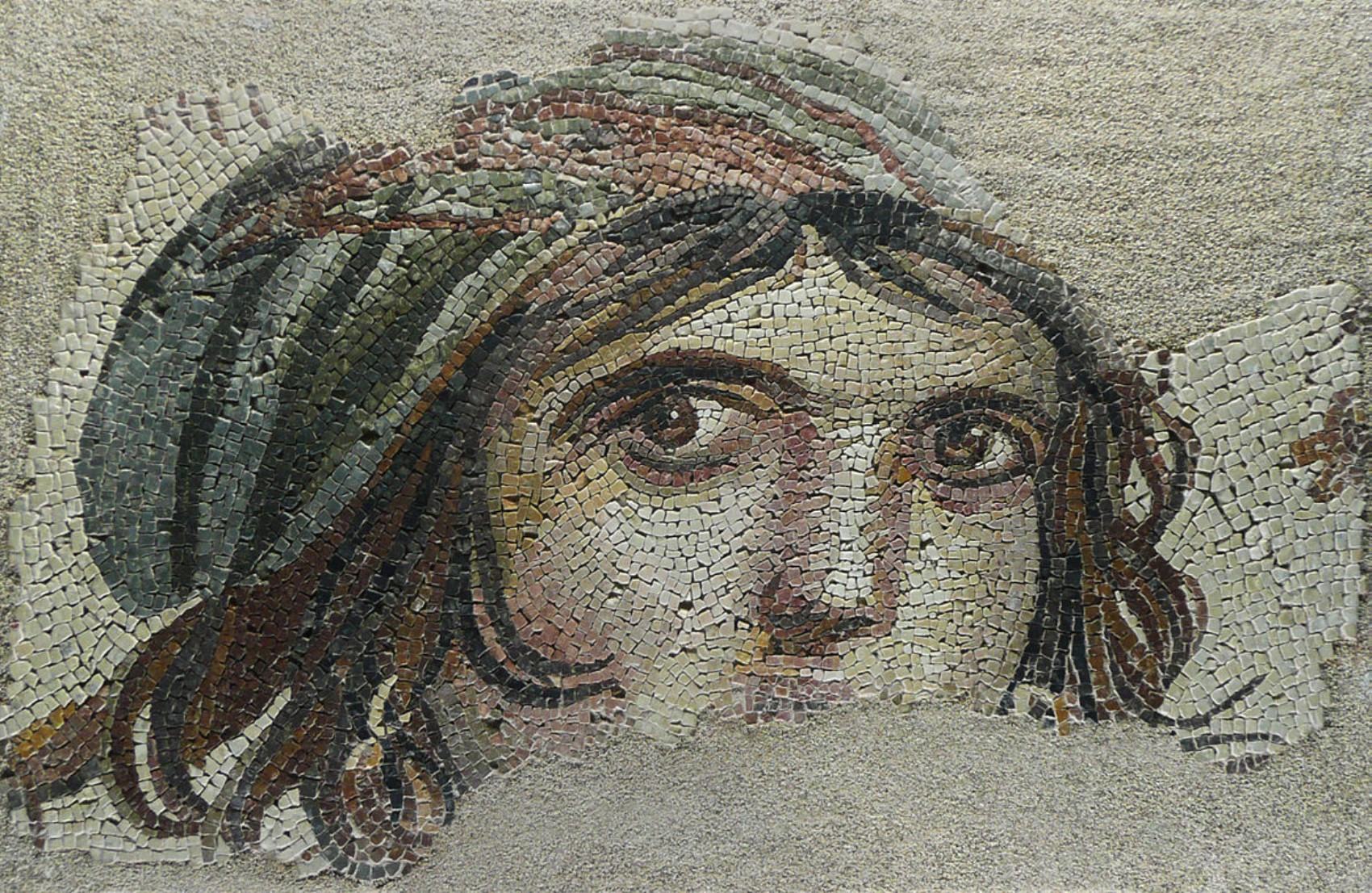
Located in Gaziantep, the Zeugma Mosaic Museum, the second-largest mosaic museum in the world, is experiencing a surge in visitors. The most notable work in the museum, which is met with intense interest from both domestic and international tourists, is the 'Gypsy Girl'.
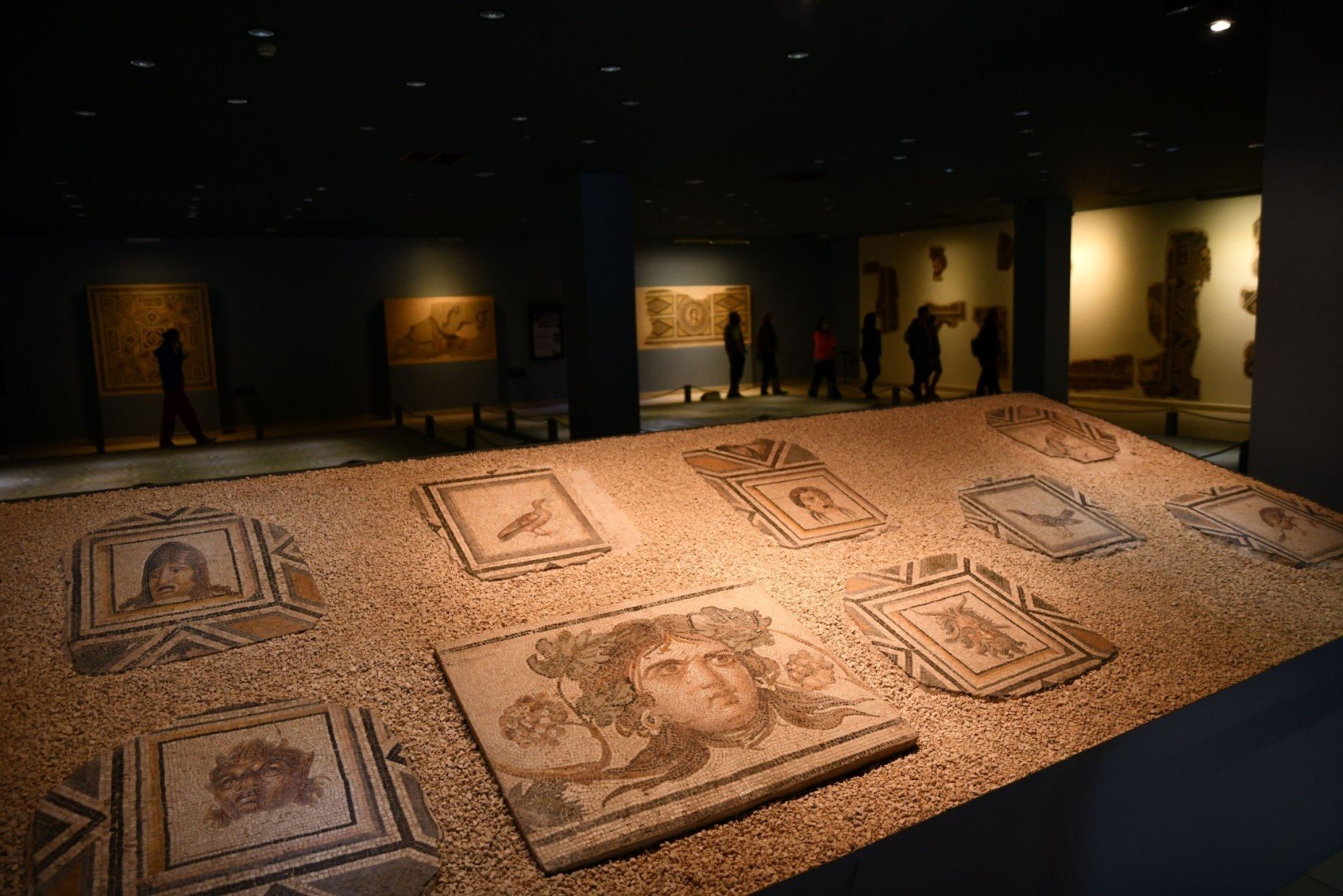
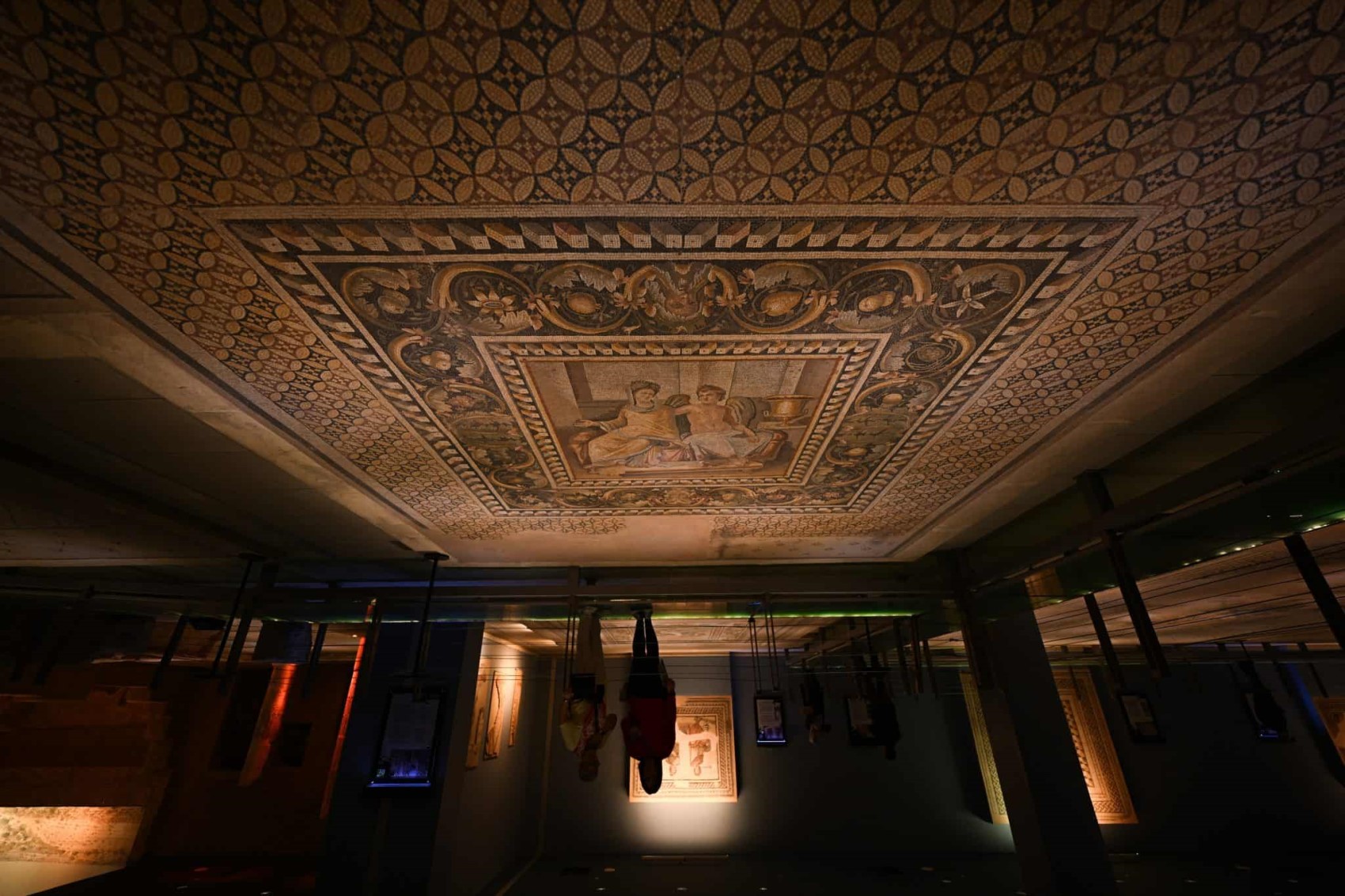
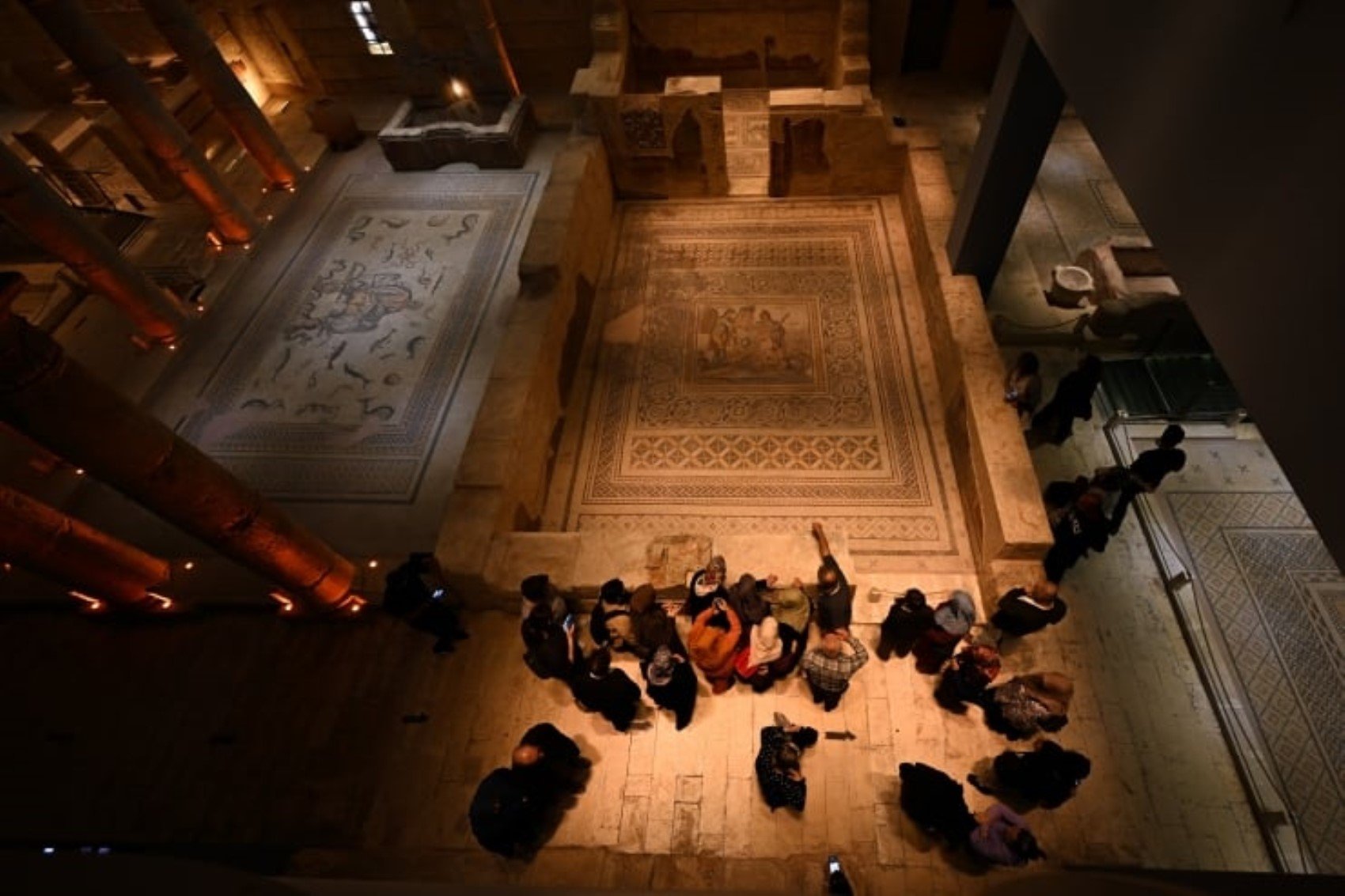
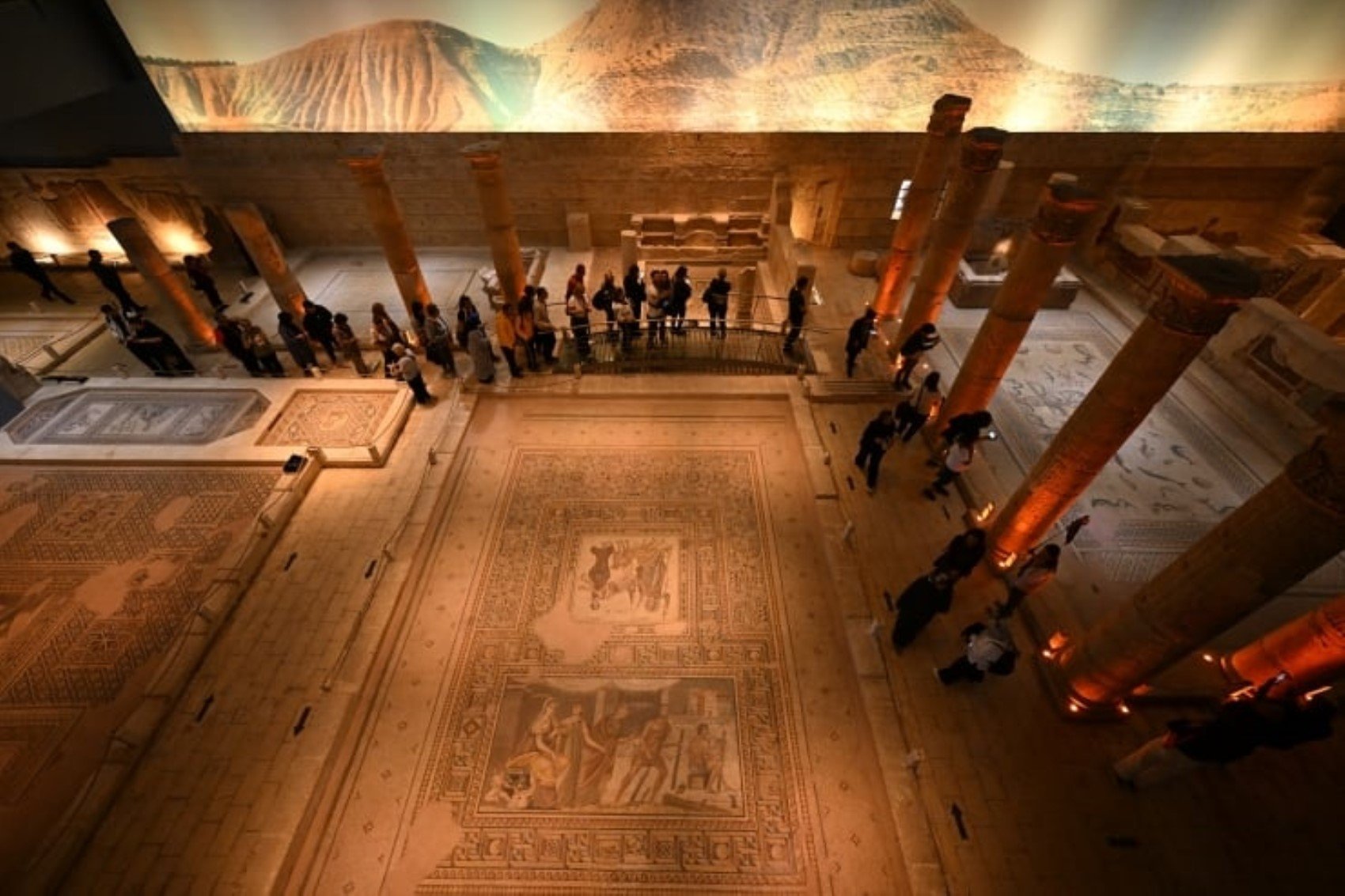
'Gypsy Girl', the 'Mars Statue', mosaics found in villas along the Euphrates River, and fountains from the Roman period are exhibited in the museum, taking its visitors on a journey through history.
Gaziantep Museum Director Özgür Çomak stated that Zeugma houses very important artifacts and spoke as follows:
"The museum, where very important mosaics that have been the subject of Roman and Greek mythologies, especially the Gypsy Girl, are exhibited, is highly valued in our country, and our visitors are coming in droves.
Tourism is already on the rise in our country, and we are seeing the effects of this rise in Gaziantep. This makes us happy.
We will easily surpass the figure of 440 thousand, which is the highest number of visitors the museum has experienced since it opened in 2022, because there is still a long time left until the end of the year; we have reached 355 thousand visitors for now.
There is especially the week of October 29 Republic Day. We are expecting a high number of visitors.
We had hosted nearly 6 thousand 300 visitors in a single day. Afterwards, the same effect continued during the Eid al-Adha holiday.
The number of visitors had decreased slightly during the summer period, especially when sea tourism was intense, but with the effects of the autumn season, we hope to reach figures in the 500 thousands by the end of the year.”