8 signs that cancer has spread to the bones!
Cancer can spread rapidly throughout the body, affecting various organs and tissues. Metastasis to the bones can be a significant indicator that cancer has progressed. While it is possible to manage bone metastases with early detection and proper treatment, recognizing this condition can sometimes be difficult. Here are 8 important signs that cancer has spread to the bones.
12punto
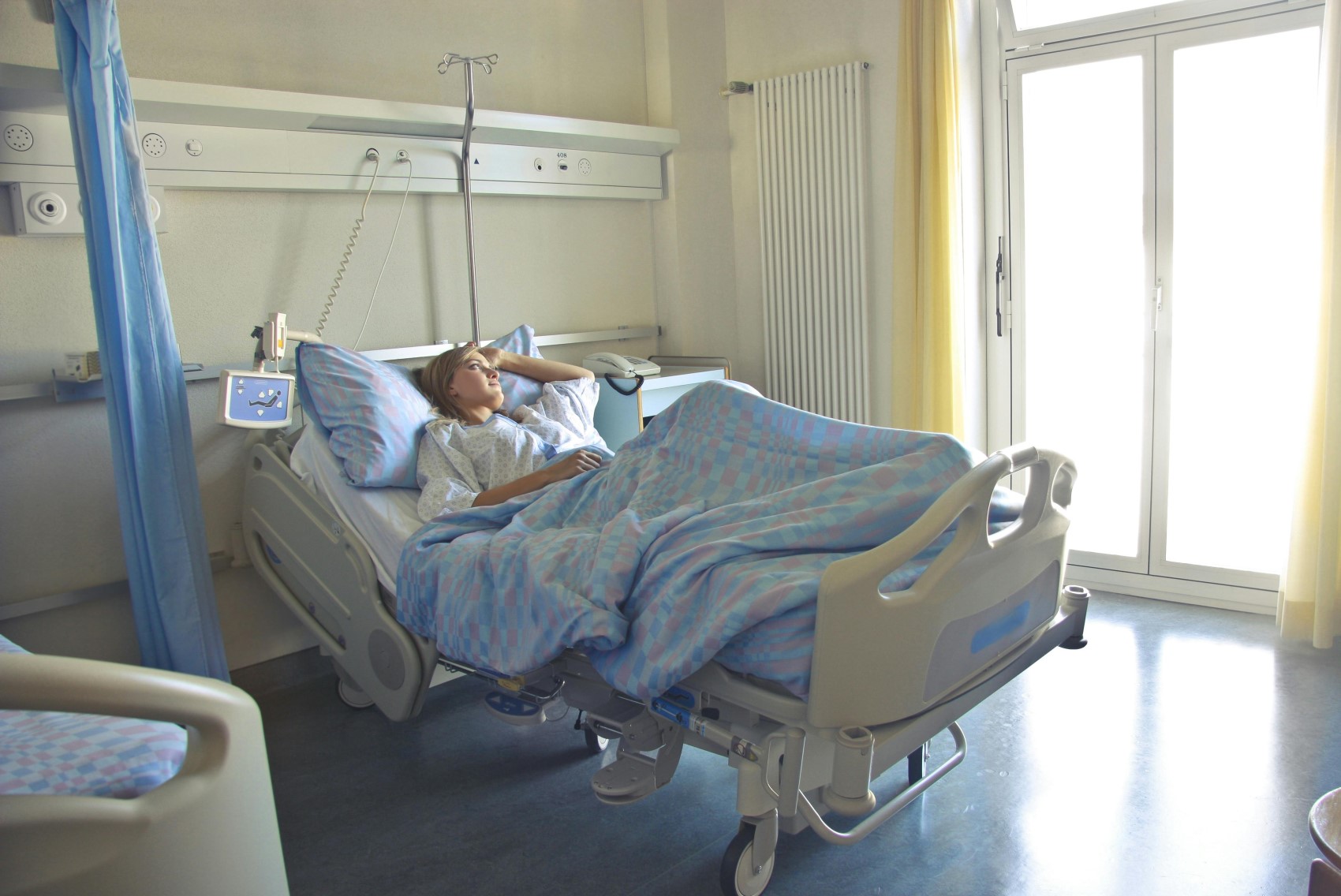
Cancer is a disease that can occur in any individual regardless of age or gender, and in some cases, cancerous cells can spread from their original organ to other organs or body tissues.
Bone metastases, which rank third after lung and liver metastases, can often manifest with symptoms such as bone pain, fractures, or urinary incontinence.
Bone metastases can be brought under control using multidisciplinary approaches along with early diagnosis, accurate treatment planning, and advancements in medicine. Assoc. Prof. Dr. Devrim Özer from the Department of Orthopedics and Traumatology at Memorial Şişli Hospital provided important information regarding bone metastases.

BREAST AND PROSTATE CANCER MORE FREQUENTLY LEAD TO BONE METASTASIS
Bone metastases occur as a result of cancer cells spreading from the original tumor site to the bones. Certain types of cancer, particularly breast and prostate cancer, have a higher probability of spreading to the bone.
This rate can vary between 65-70% for breast and prostate cancers, 30-40% for lung cancer, 20-25% for kidney cancer, and 4-20% for thyroid cancer.
The incidence of bone metastasis is lower in cervical cancer, endometrial cancer, bladder cancer, testicular cancer, and gastrointestinal cancers. The spread of cancer cells to the bones occurs through blood vessels, the lymphatic system, and nearby organs, just as it does with other organ metastases.

SPINE AND THIGH BONES ARE AT GREATER RISK
While bone metastases can sometimes appear as the first sign that a person has cancer, in other cases, they can develop years after cancer treatment.
Although they are generally seen more frequently in the spine, pelvis, and thigh bones, bone metastasis can occur in any bone in any part of the body.

LOSS OF SENSATION IN ARMS AND LEGS CAN BE A SIGN OF BONE METASTASIS
Bone metastases can lead to pain and an increase in calcium levels (hypercalcemia) in the patient.
Especially in spinal (vertebral) metastases, nerves can also be affected in advanced cases, which can lead to loss of sensation and functional impairment in the arms and legs, as well as a risk of fractures and existing fractures.
The risk of fracture in metastases of long bones is seen at a rate of 10-25%. 65% of these fractures occur in the thigh bone (femur) and 20% in the arm bone (humerus).
The main symptoms of bone metastases are as follows:

Bone pain
Bone fractures
Urinary incontinence
Bowel incontinence (fecal incontinence)
Loss of function in the legs or arms

Nausea, vomiting
Constipation
Increased calcium (hypercalcemia)
Treatment must be started before functional losses and fractures occur

The accurate diagnosis, regular follow-up, and treatment planning of patients with bone metastasis are of great importance in terms of improving quality of life.
For this reason, detecting and treating metastases before functional losses and fractures occur plays a critical role.
Patients are evaluated by orthopedic specialists experienced in medical oncology, radiation oncology, and orthopedic oncology, and the treatment methods to be applied are determined specifically for each patient.
In spinal (vertebral) metastases, the surgical treatment option may be preferred for lesions that cause neurological and functional losses, where pain persists despite radiotherapy, and for metastases that carry a high risk of fracture in the extremities or where a fracture has already developed.