Another virus after Covid and Mpox: What is West Nile virus, what are its symptoms?
Following Covid-19 and the Mpox virus, the spread of the West Nile virus has caused concern. So, what is the West Nile virus? What are the ways to protect against this virus?
12punto
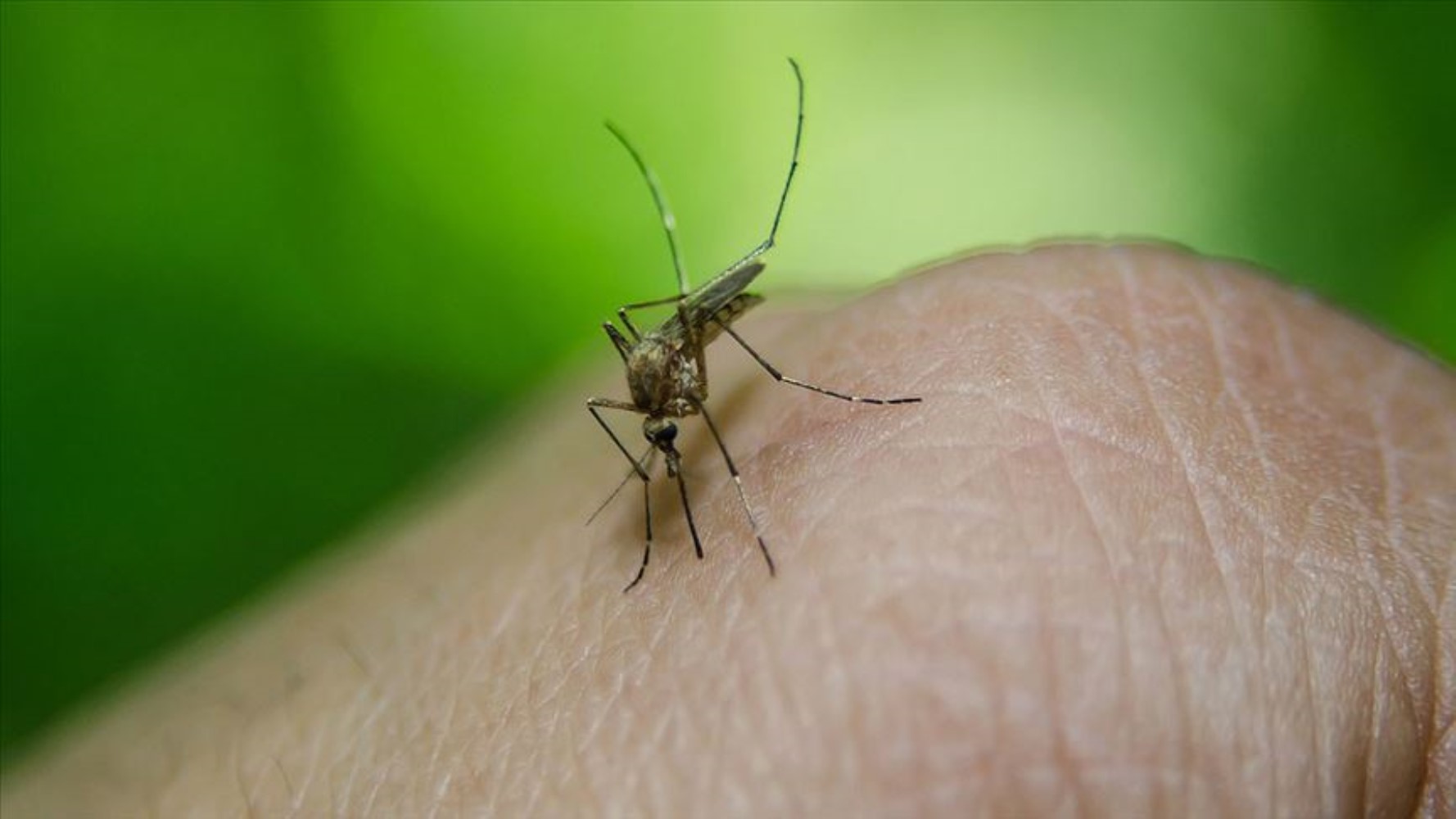
Following recent outbreaks, the West Nile Virus has caused concern among citizens.
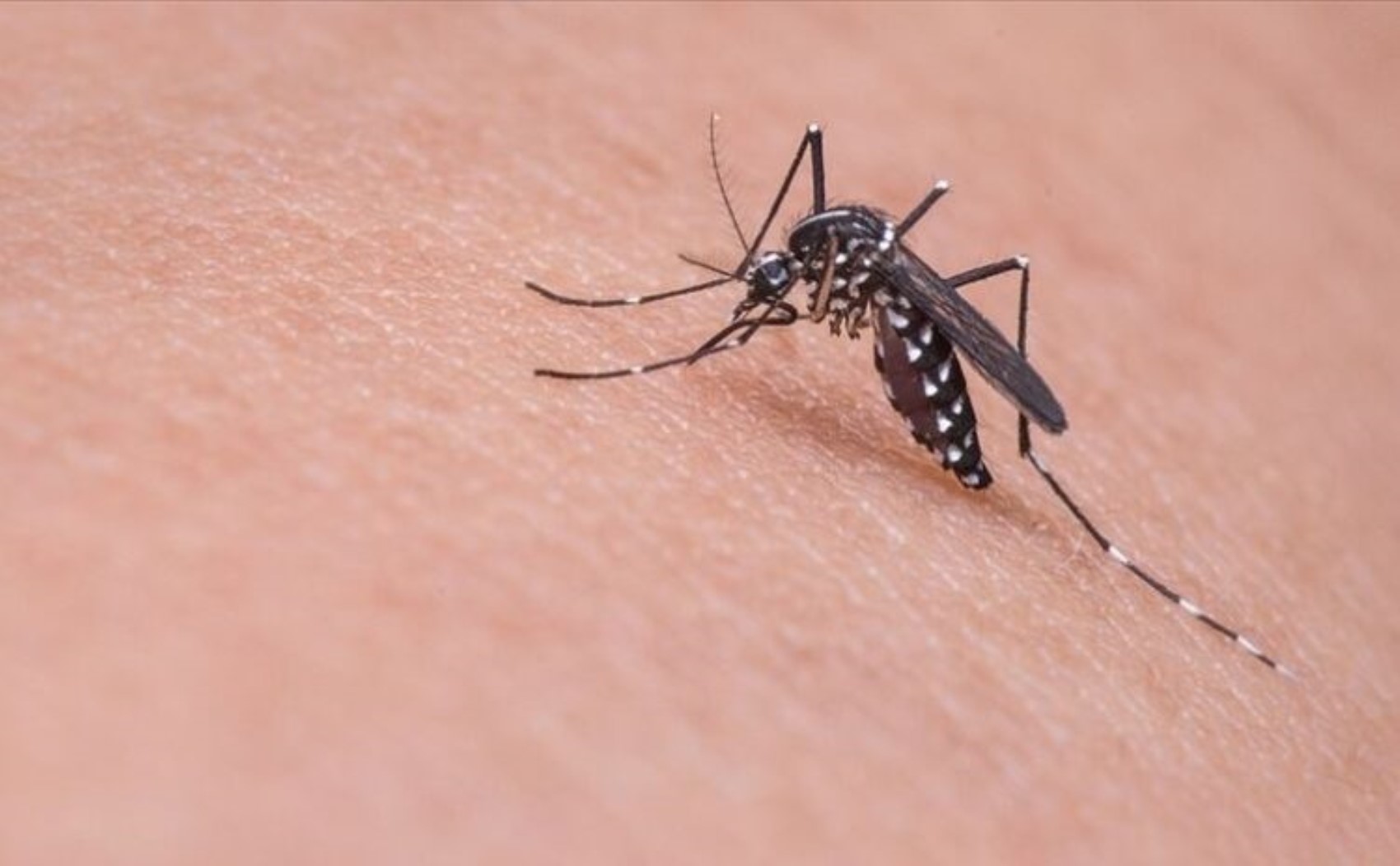
The Ministry of Health has issued a statement regarding the matter. The Ministry stated that West Nile Virus infection is a viral disease transmitted through the bite of mosquitoes carrying the virus.
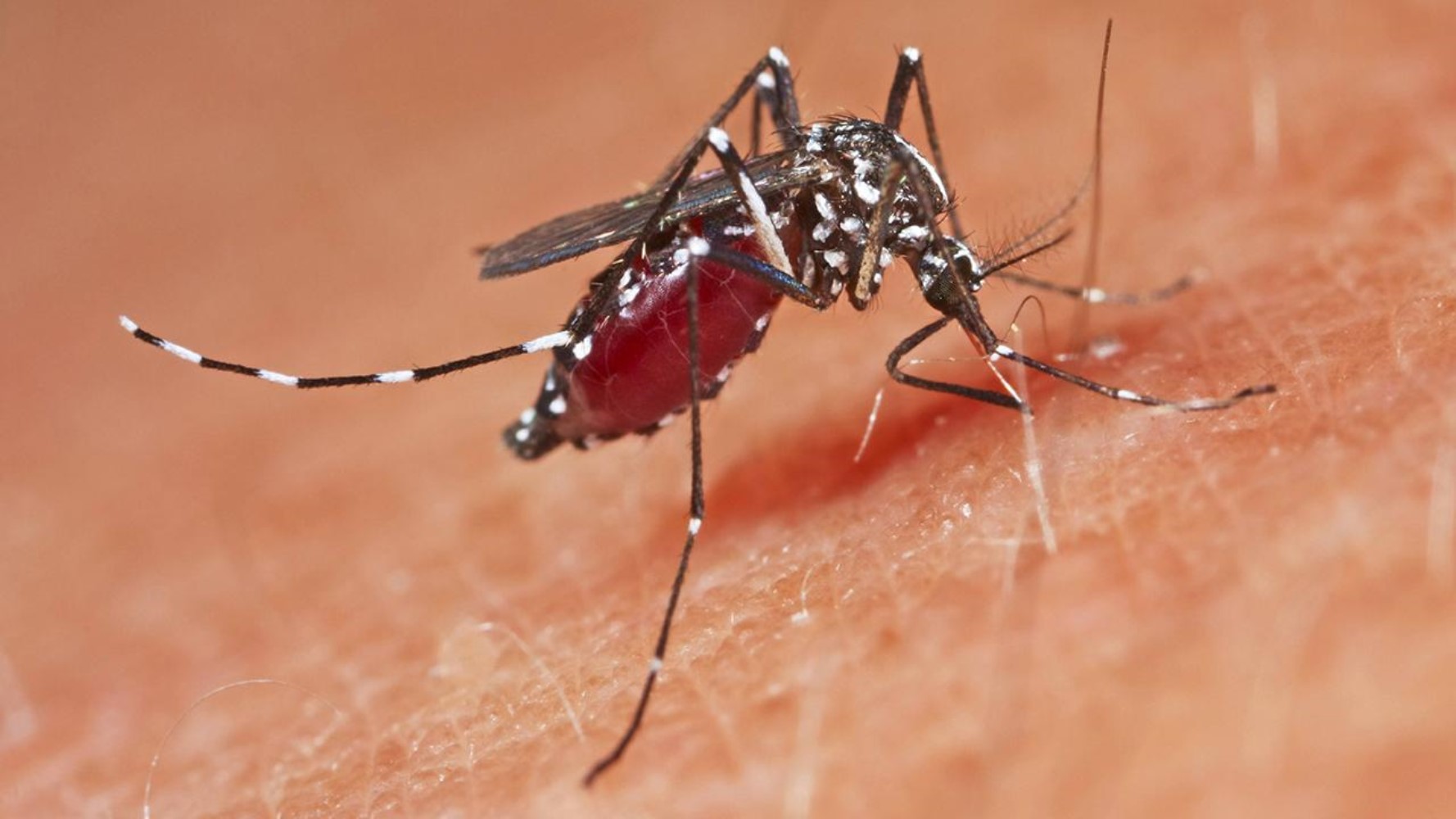
Stating that the disease is not transmitted directly from person to person, the statement said, "West Nile Virus infection, which has been seen in our country since 2010, has been detected in 6 people in 2024."
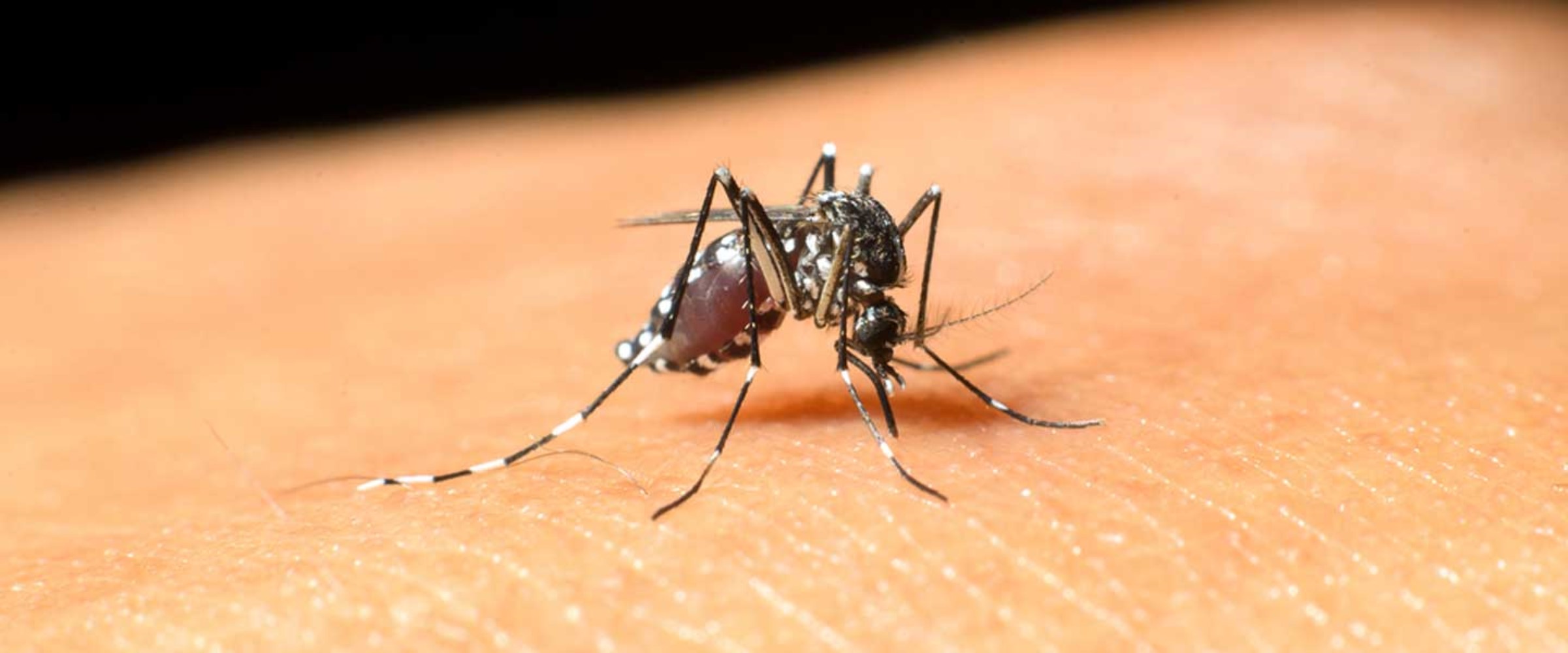
The ministry's statement is as follows:
"West Nile Virus Infection is a viral disease transmitted through the bite of mosquitoes carrying the virus. The disease is generally seasonal and is observed throughout the summer and in the early periods of autumn. The disease is not transmitted directly from person to person.
West Nile Virus Infection, which has been observed in our country since 2010, has been detected in 6 people in 2024. The follow-up and treatment of our patients are ongoing.
The necessary work is being carried out by our Ministry and the process is being followed with sensitivity. Current developments will be presented to the public."
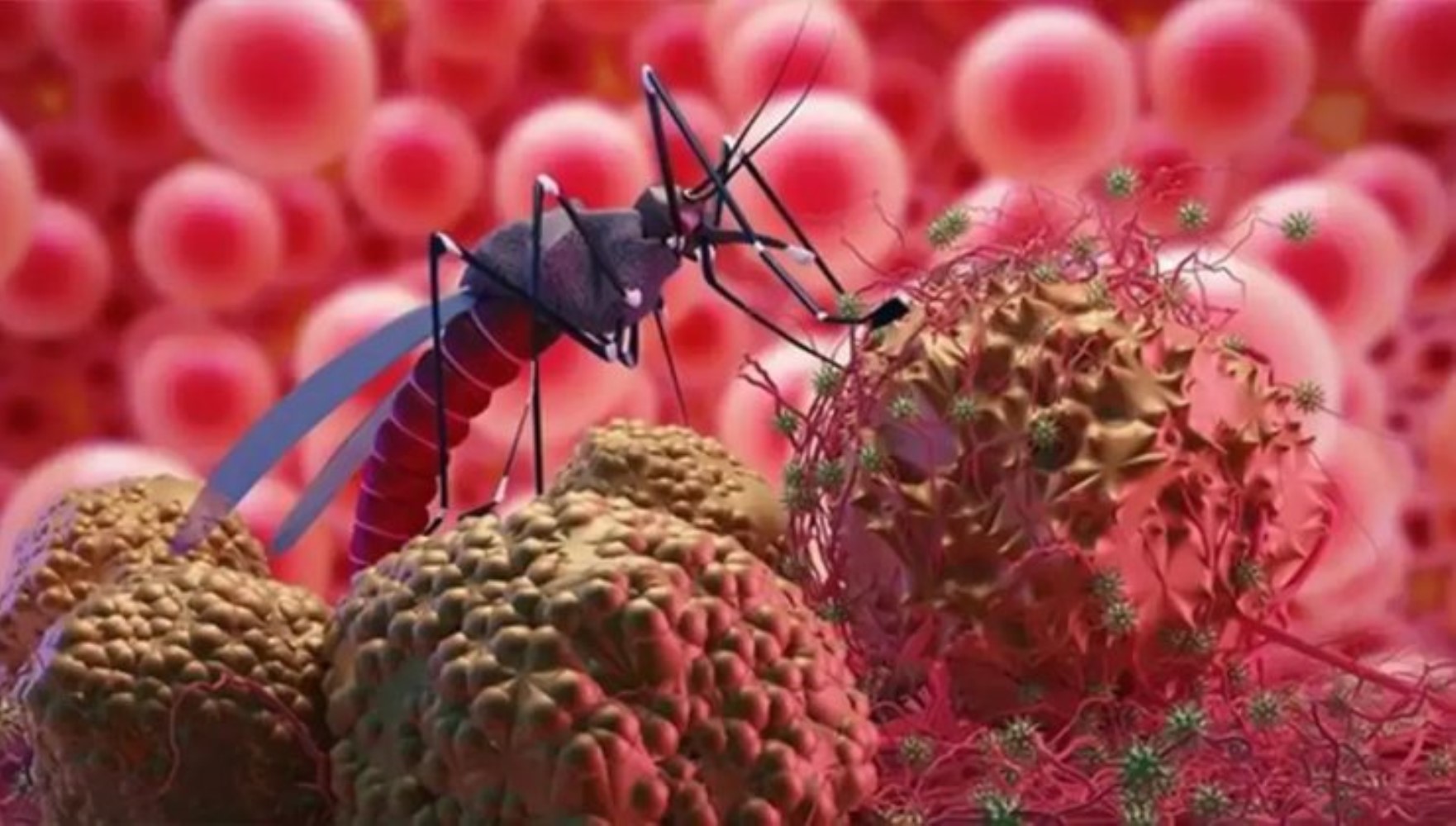
WHAT IS WEST NILE VIRUS?
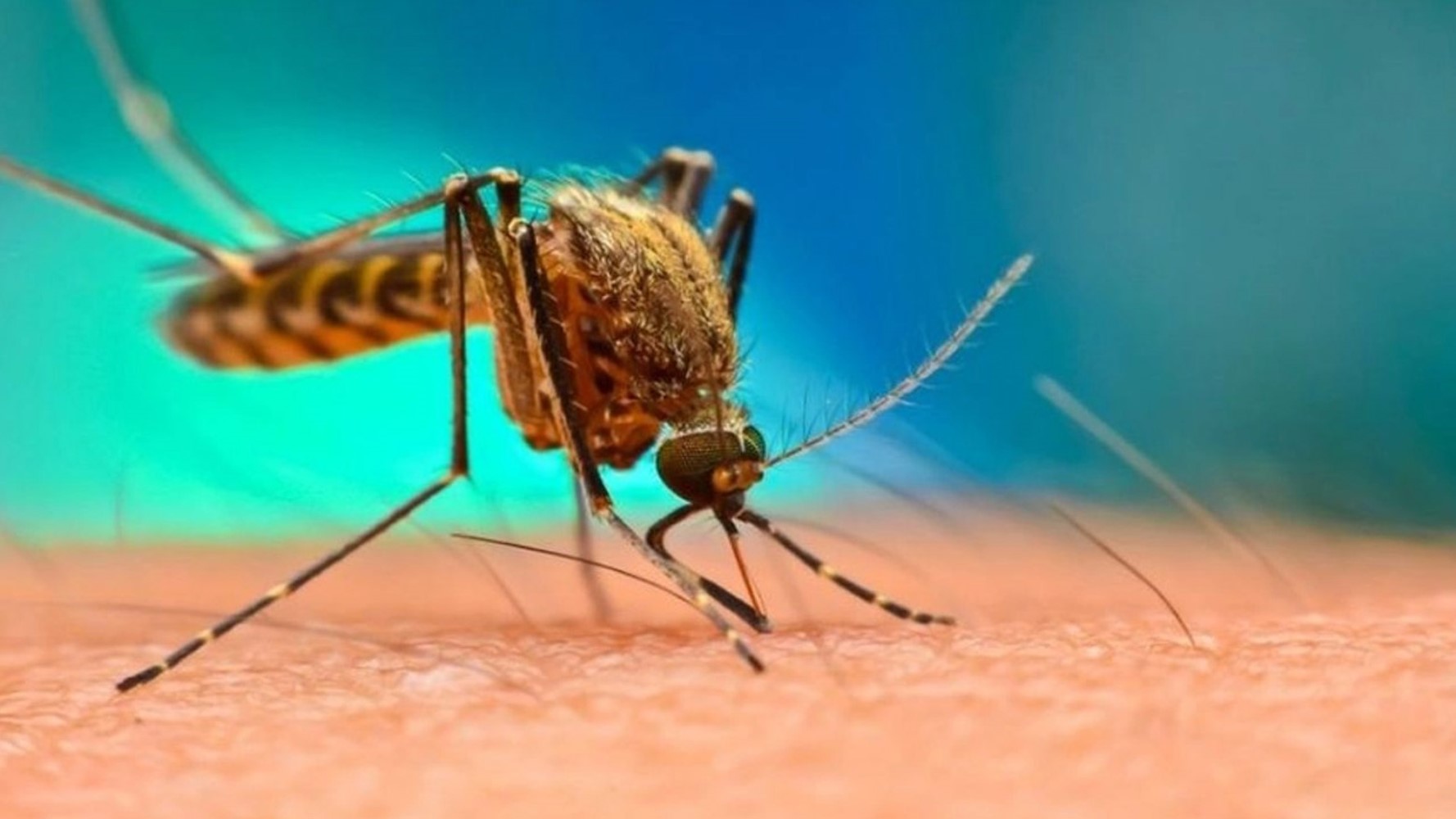
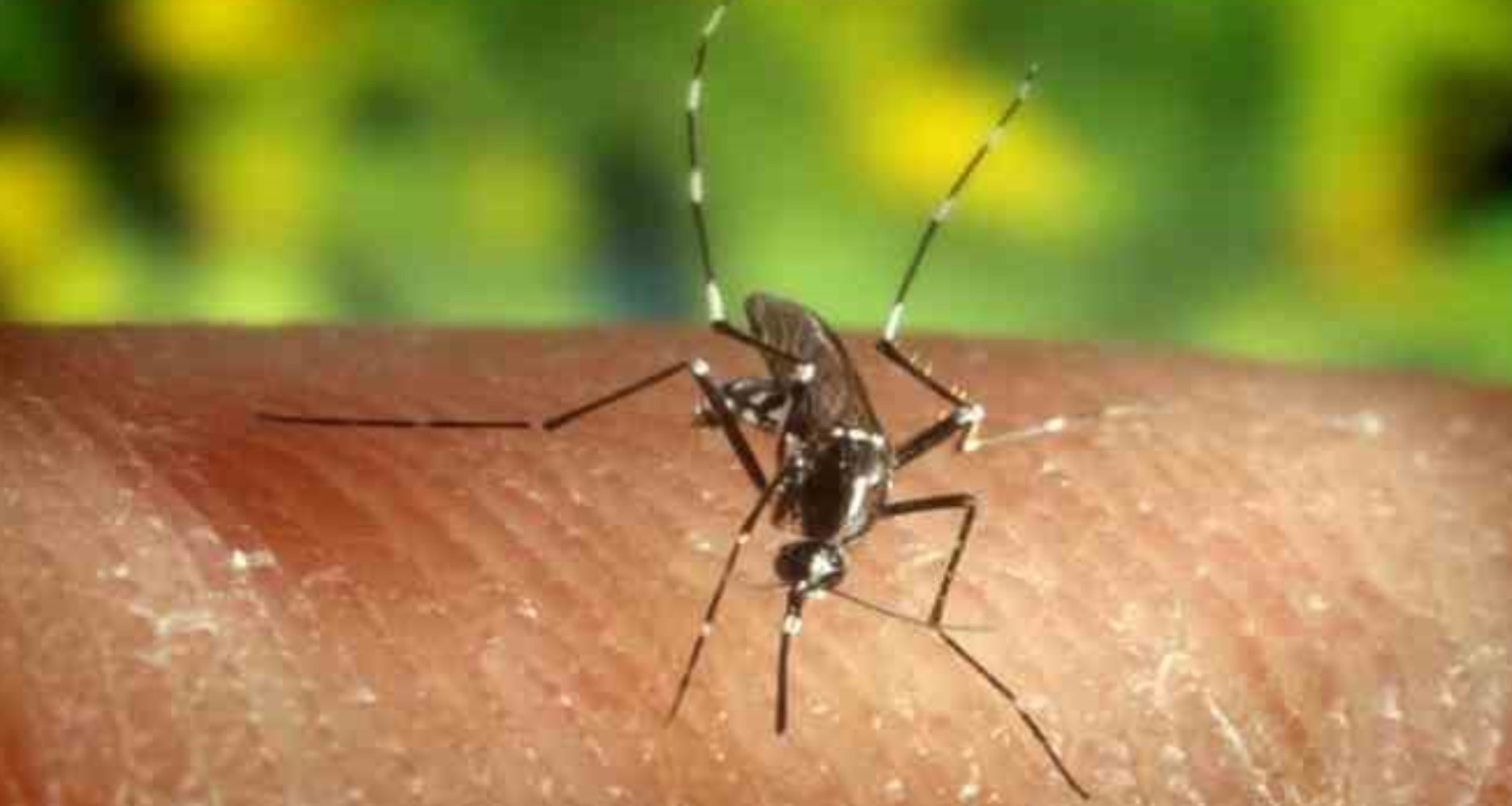
West Nile Virus infection is a viral disease that is often transmitted to humans through the bite of infected mosquitoes.
WHAT ARE THE SYMPTOMS OF WEST NILE VIRUS?
The symptoms of West Nile Virus infection, which has an incubation period of 3-14 days, are listed as fever, headache, fatigue, muscle aches, nausea, vomiting, abdominal pain and diarrhea, skin rash, muscle tremors and convulsions, drowsiness, and coma.
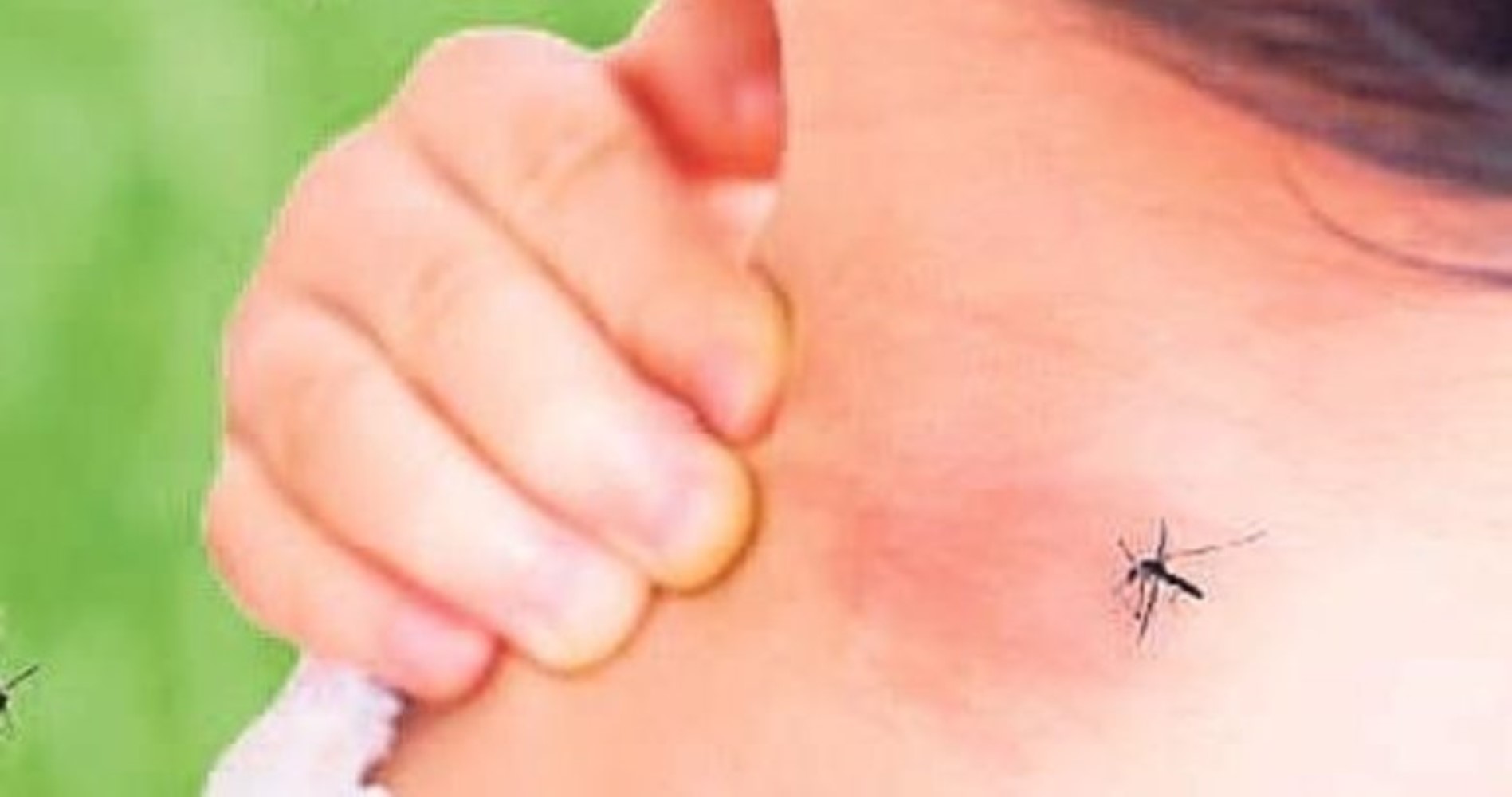
There are certain precautions that can be taken to protect against this viral disease.
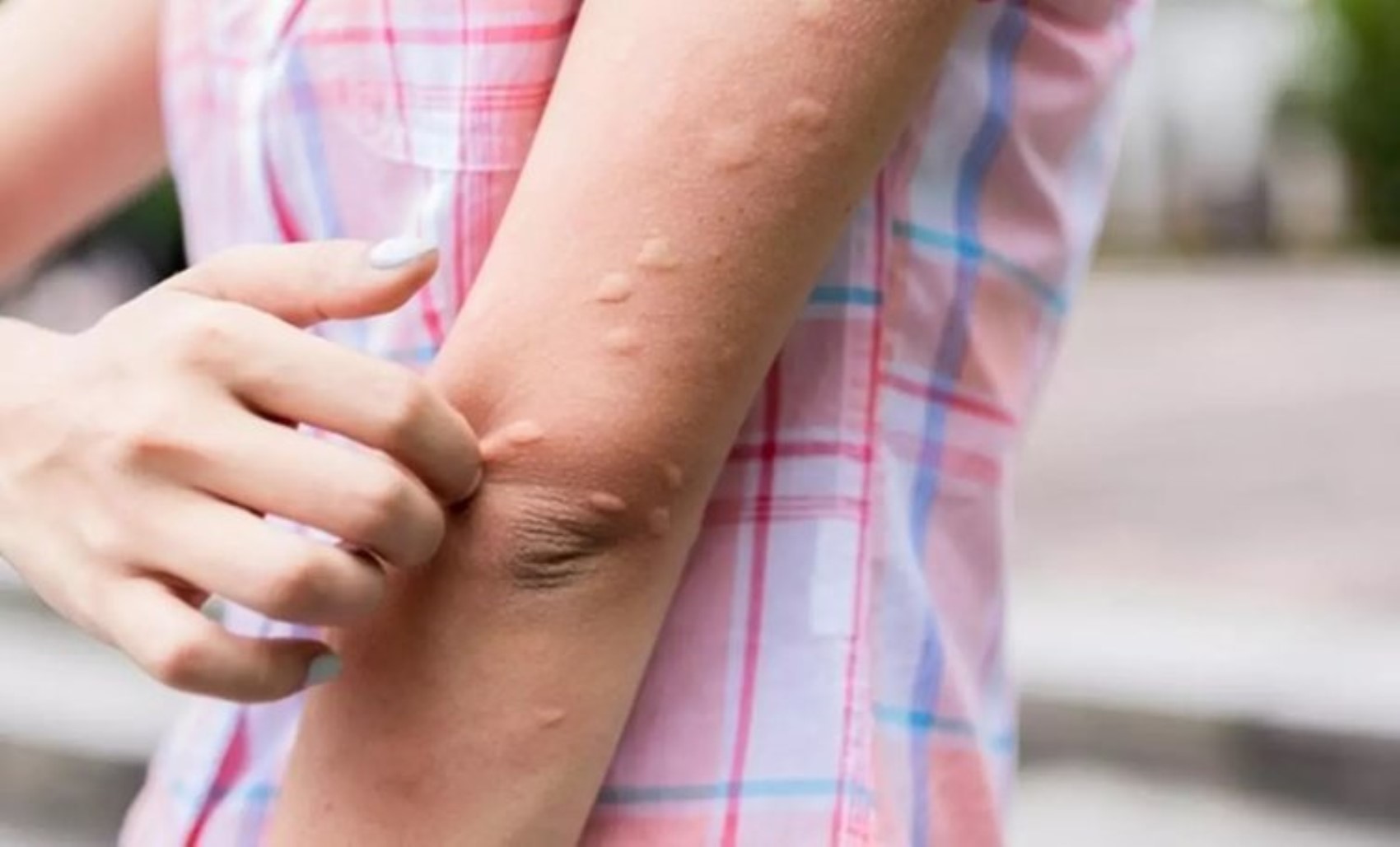
To protect against this disease, precautions should be taken against mosquito bites.
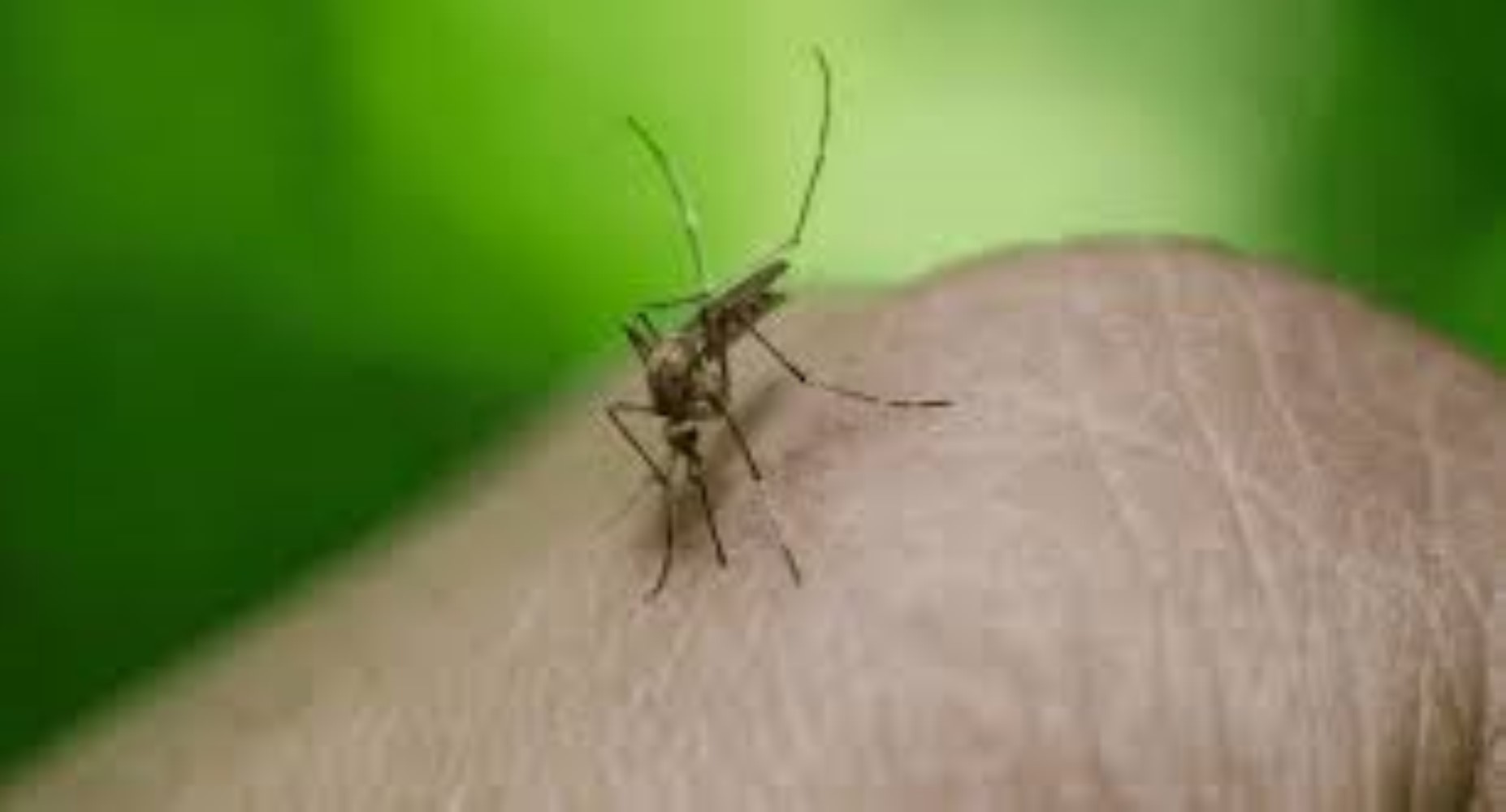
Especially during hours when mosquitoes are active (after sunset), one should not stay outdoors for long; if it is necessary to stay, closed clothing should be worn.
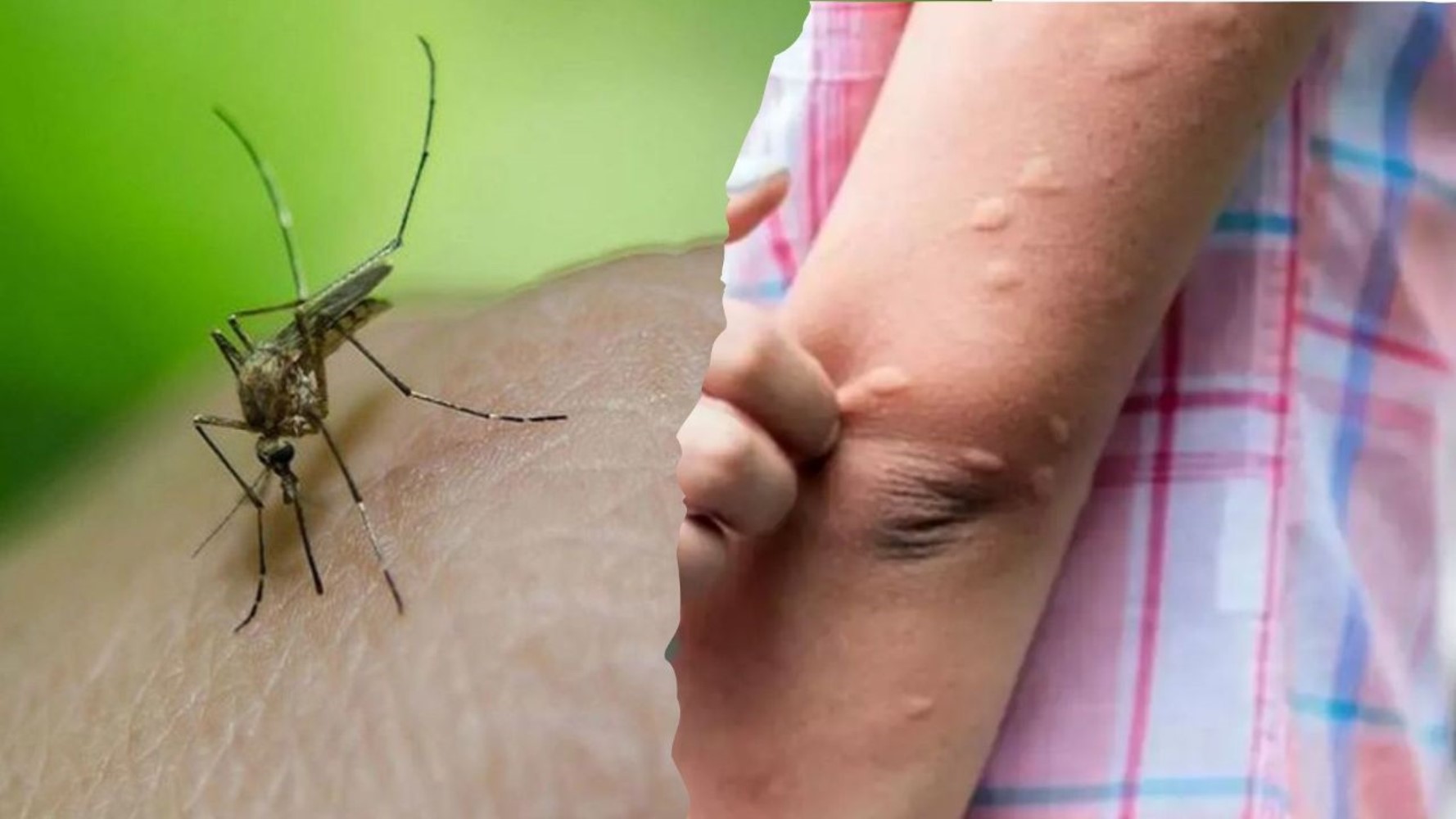
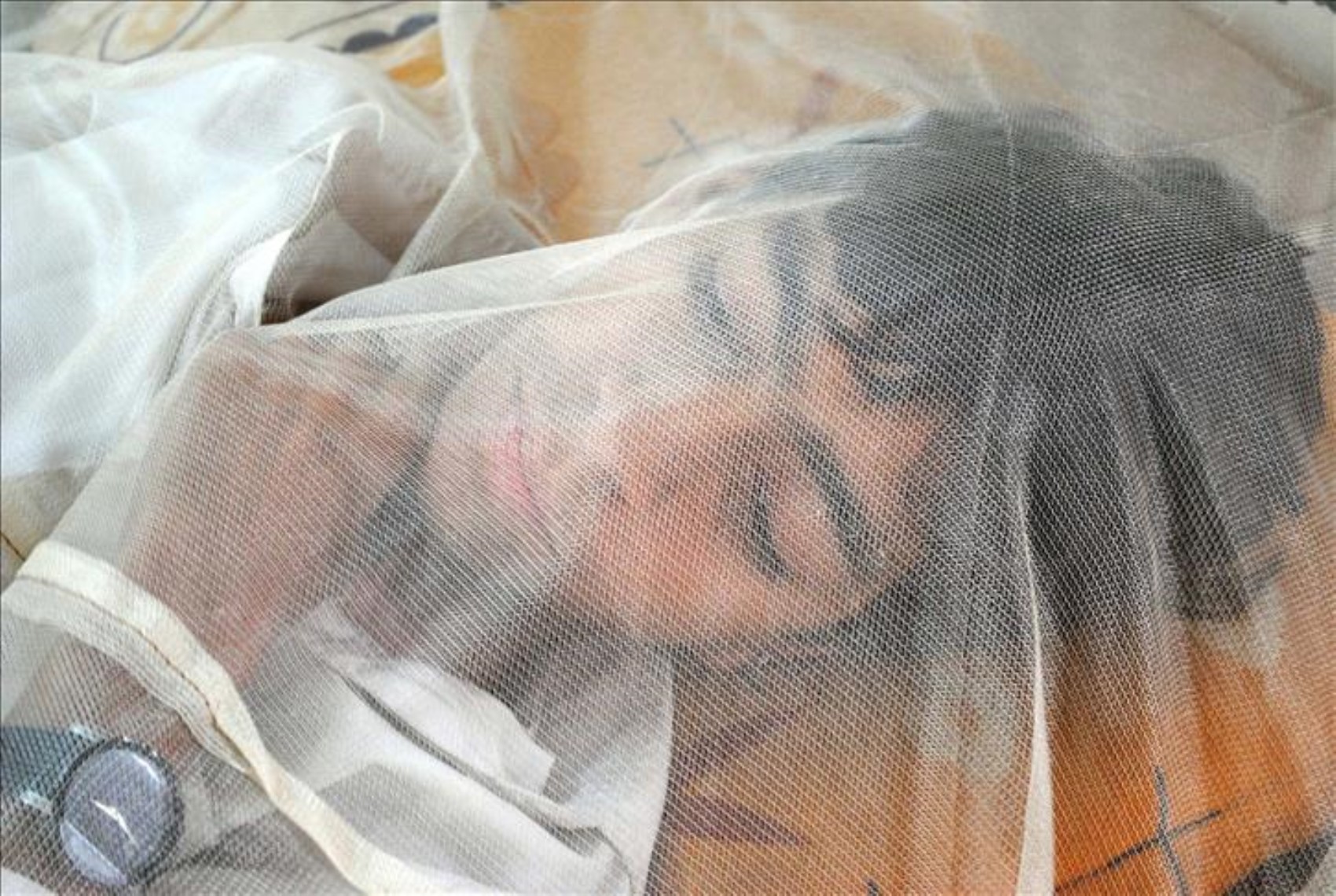
Window and door screens should be installed, and mosquito nets should be used, especially during periods when flies are abundant.
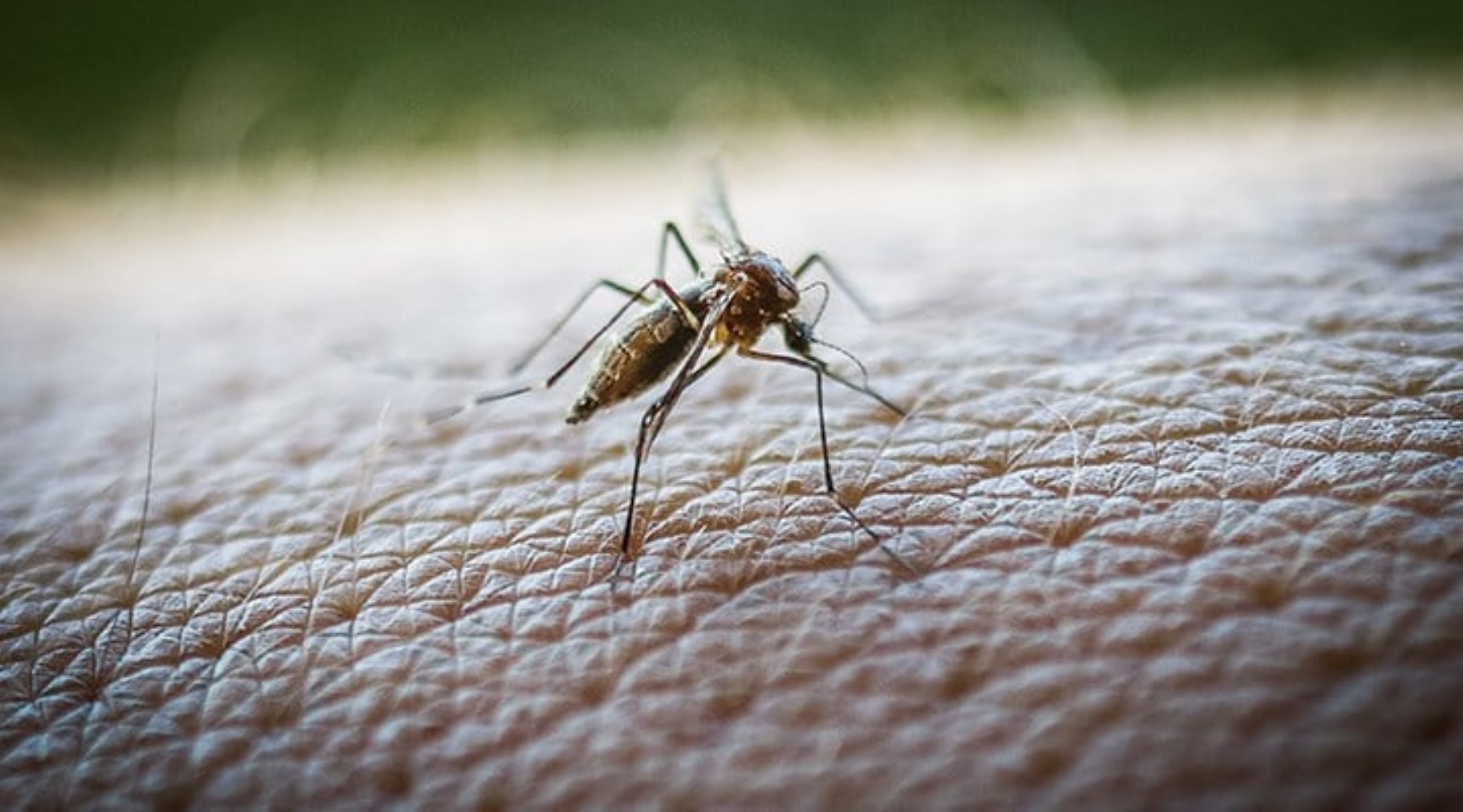
In indoor environments, devices such as fans or air conditioners that create air circulation should be used.
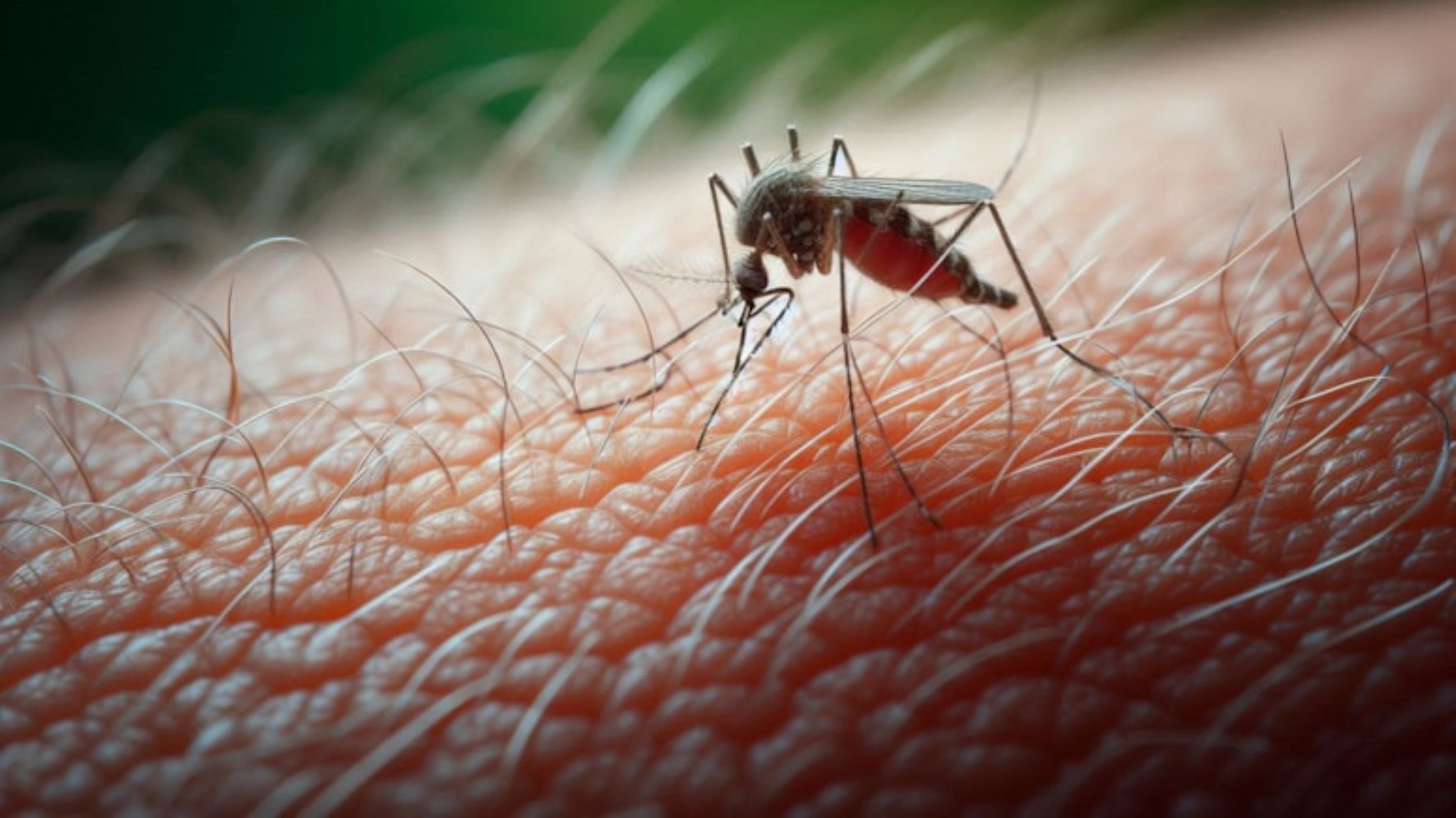
Mosquito breeding grounds must be eliminated. Water accumulation should be prevented in areas where mosquitoes can easily breed, such as inside tires, tin cans, empty flower pots, and water barrels; these areas must be maintained, and water in containers and toys should be emptied and turned upside down when not in use.
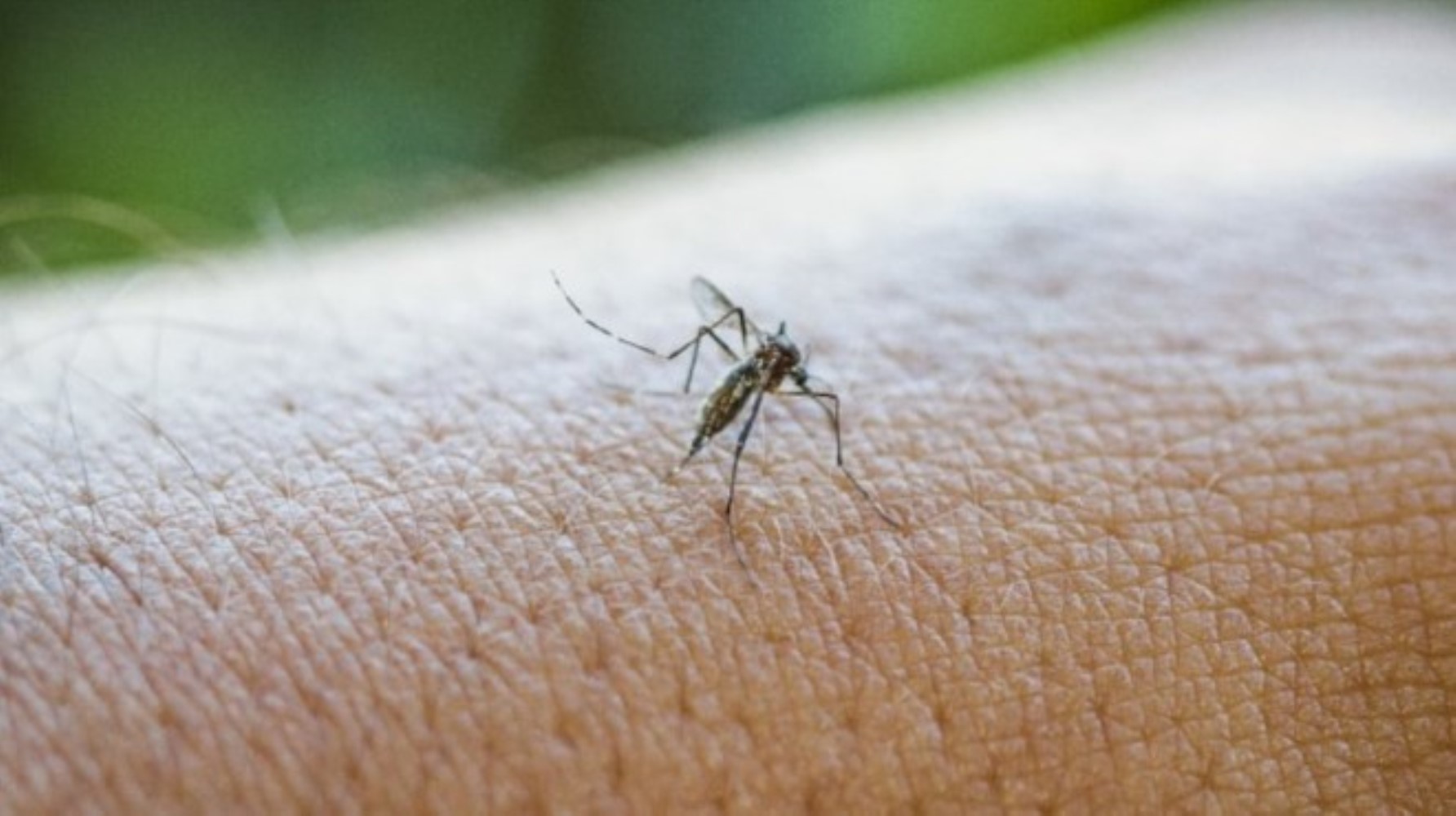
Other measures to protect against the disease include cleaning animal water troughs and basins regularly, changing the water in them at least three times a week, and covering open septic pits.
Small puddles of water near homes should be drained.