Chronic heartburn and esophageal cancer: What you need to know
Esophageal cancer stands out as one of the leading causes of cancer-related deaths. This type of cancer, which is more common in men, develops with tumors that start in the inner lining of the esophagus.
12punto

RISK FACTORS FOR ESOPHAGEAL CANCER
Dietary habits, chronic stomach ailments, and lifestyle play a major role in the development of esophageal cancer. The primary risk factors are as follows:
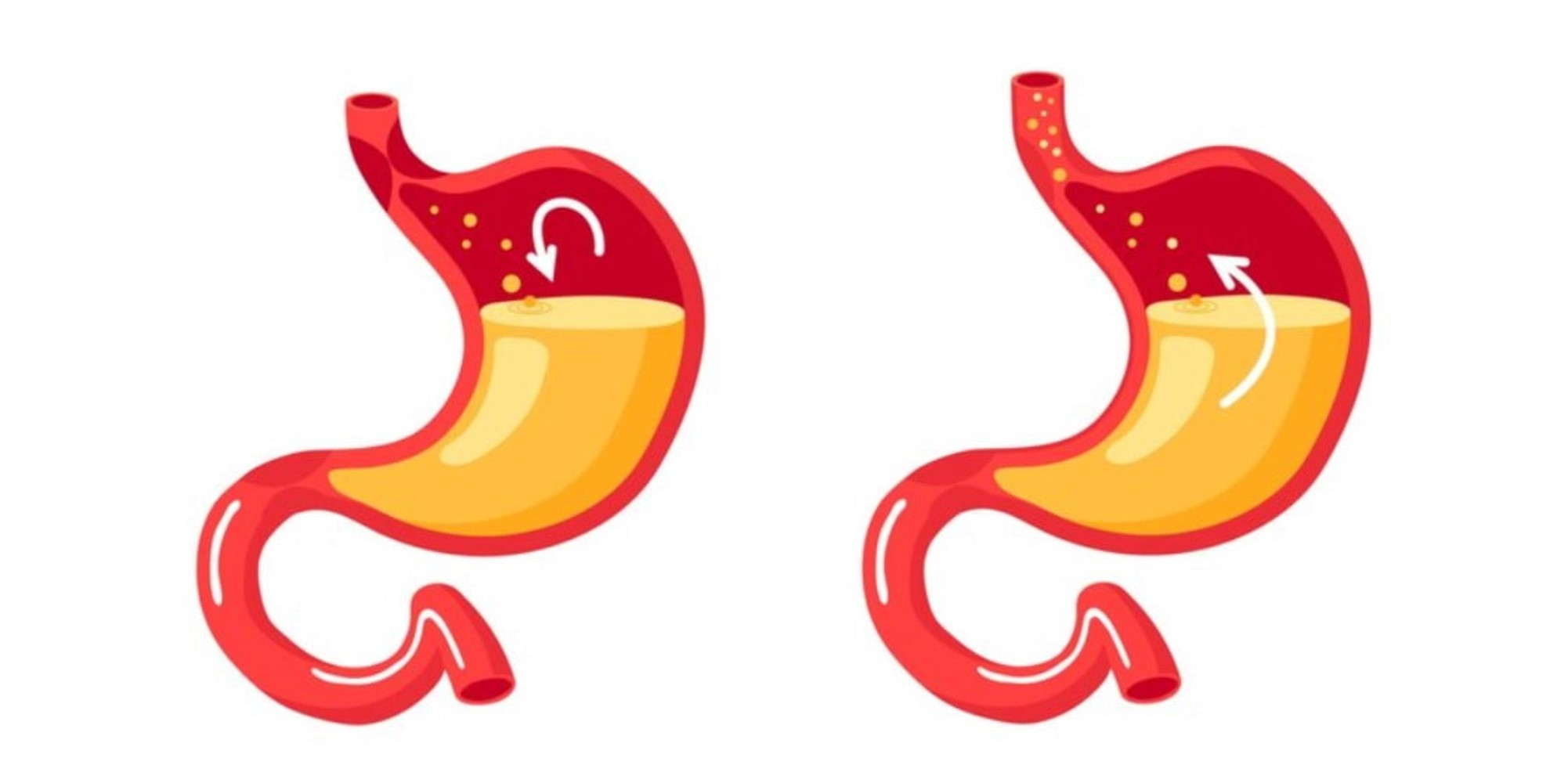
Chronic Heartburn and Reflux: Persistent heartburn and gastroesophageal reflux disease (GERD) can pave the way for esophageal cancer.
Tobacco and Alcohol Consumption: Tobacco products and excessive alcohol use significantly increase the risk of esophageal cancer.
Poor Dietary Habits: Consuming excessively hot tea, smoked fish, and improper grilling methods (cooking until charred) can have a carcinogenic effect.
Other Medical Conditions: Diseases affecting the esophagus, such as Barrett's esophagus and achalasia, are among the risk factors.
WHAT ARE THE SYMPTOMS OF ESOPHAGEAL CANCER?
Early diagnosis is of great importance in esophageal cancer. The most common symptoms of this disease are as follows:
- Difficulty swallowing (noticeable with solid foods)
- Chest pain
- Coughing up blood
- Sudden weight loss (6-7 kilograms in a month)
- Hoarseness
- Worsening heartburn
When one or more of these symptoms are noticed, consulting a specialist is critical for early diagnosis and successful treatment.

EARLY DIAGNOSIS AND TREATMENT METHODS
If esophageal cancer is diagnosed at an early stage, promising results can be achieved with surgical interventions. In the early stages, the esophagus can be removed and a tube can be created from the stomach or intestine. In advanced stages, treatment is shaped according to the spread of the disease. The methods applied in treatment are as follows:
Surgery: Thanks to advanced surgical techniques, operations can be performed that are more comfortable for the patient.
Chemotherapy and Radiotherapy: These are effective methods for controlling the disease before and after surgery.
Stent and Feeding Tube: In advanced stages, the patient's quality of life can be improved by using a stent placed in the esophagus or a feeding tube inserted into the stomach.

WHAT CAN BE DONE TO REDUCE THE RISK?
To reduce the risk of developing esophageal cancer, it is of great importance to adopt healthy eating habits, stay away from tobacco and alcohol use, and not neglect stomach ailments. For people with chronic heartburn or reflux complaints, consulting a doctor at an early stage can be a vital step.