Fighting breast cancer: 5 key factors young women need to know
Breast cancer is one of the most common types of cancer among women, and successful results can be achieved with early diagnosis and proper treatment. However, the risk of breast cancer at a young age and questions surrounding this disease are of particular importance for women with a family history of breast cancer. Here are 5 key factors that young women need to know about breast cancer.
12punto

Breast cancer is one of the most common types of cancer in women. Women who have a first-degree relative with a history of breast cancer, especially at a young age, are in the highest risk group for this disease. Breast cancer diagnosed at an early stage responds more positively to treatment. Prof. Dr. Bülent Çitgez from the Department of Breast and Endocrine Surgery at Memorial Ataşehir Hospital answered frequently asked questions about breast cancer.
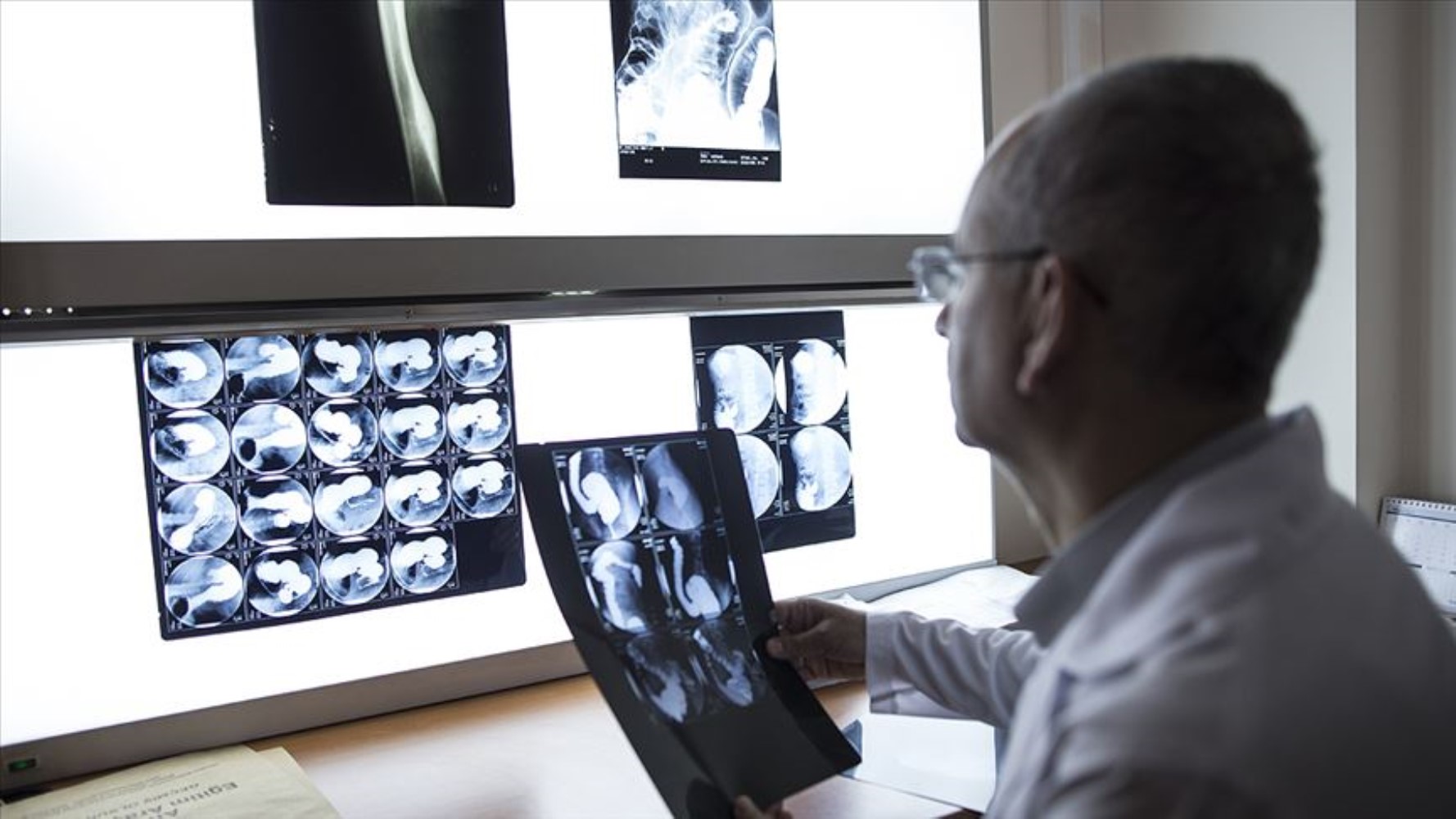
1-) WHAT IS THE STATUS OF BREAST CANCER INCREASE IN YOUNG WOMEN?
The risk of breast cancer in young women is lower compared to women aged 45 and over. The risk of developing breast cancer in one's twenties is around 1/1800, and in one's thirties, it is around 1/230. Women who have first-degree relatives with breast cancer, especially at a young age, constitute the highest risk group for this disease. Considering the age factor, women diagnosed with breast cancer at a young age are more likely to carry a BRCA gene mutation. However, women of all age groups are advised to perform regular self-breast examinations and undergo clinical examinations. This is strongly recommended by medical authorities.
2-) IS BECOMING A YOUNG MOTHER ONE OF THE RISK FACTORS FOR BREAST CANCER?
The risk of breast cancer is generally lower for women who give birth to their first child at age 35 or younger. However, the risk of breast cancer for women who give birth to their first child at an older age may be higher compared to those who give birth at an early age. During pregnancy, breast cells grow rapidly, and if there is genetic damage in the cells during this process, this damage increases as the cells multiply. This increased genetic damage can lead to the development of breast cancer. Since the probability of genetic damage occurring increases with age, becoming a mother at an older age has the potential to increase the risk of breast cancer. This explains the effect of giving birth at an older age on cancer risk.

3-) CAN A WOMAN WHO HAS HAD BREAST CANCER BECOME A MOTHER?
Breast cancer treatment can affect a woman's fertility. For example, chemotherapy treatment can cause damage to the ovaries, which can lead to infertility during or after the treatment process. However, many women are able to conceive after treatment. Getting pregnant after breast cancer treatment is generally safe, but some women worry that increased estrogen levels during pregnancy could lead to a recurrence of the cancer. Nevertheless, there is no increased risk of cancer recurrence or death in women who become pregnant after breast cancer treatment.

4-) CAN ONE GET PREGNANT DURING THE TREATMENT PROCESS?
It is important for the drugs used in breast cancer treatment to be cleared from the body. However, it is difficult to determine the waiting period before getting pregnant after treatment. Chemotherapy can lead to genetic mutations in eggs, and these mutations can cause health problems in children born from these eggs. It is generally recommended to wait at least 1 year before getting pregnant after chemotherapy so that the body has enough time to clear damaged eggs. Chemotherapy and some other cancer treatments can harm a developing embryo or fetus. If pregnancy occurs during these treatments, the likelihood of miscarriage increases or birth defects may be seen. The clearance time for each treatment method varies, so the waiting period depends on the treatment administered. If treatment is interrupted, it can be restarted after the child is born or after the breastfeeding period ends.

5-) WHAT PATH SHOULD WOMEN WITH A FAMILY HISTORY OF BREAST CANCER FOLLOW FOR PREVENTION?
Women with close relatives diagnosed with breast cancer are at a higher risk of developing the disease. If a first-degree female relative (sister, mother, daughter) has been diagnosed with breast cancer, your risk doubles. If two first-degree relatives have been diagnosed, your risk is 5 times the average. In some cases, a strong family history of breast cancer is linked to having an abnormal gene associated with a high risk of breast cancer, such as the BRCA1 or BRCA2 gene. Therefore, genetic counseling is strongly recommended for individuals considered to be at high risk of developing breast cancer.
These individuals are advised to make lifestyle changes such as maintaining a healthy weight, exercising regularly, limiting alcohol consumption, eating a balanced and healthy diet, and not smoking. In addition to adopting these lifestyle changes, alternative risk-reduction methods such as hormonal therapy drugs and risk-reducing surgery are also available for women with a family history of breast cancer. Furthermore, patients are strongly advised to communicate with their doctors and participate in a personalized and appropriate screening program.