Naturalness or risk? 5 important points to know about raw milk!
Preferred for the belief that it is natural and economical, raw milk can carry serious health risks if not stored under proper hygienic conditions. So, what should you pay attention to when consuming raw milk? Here are 5 important points you must know about raw milk!
12punto
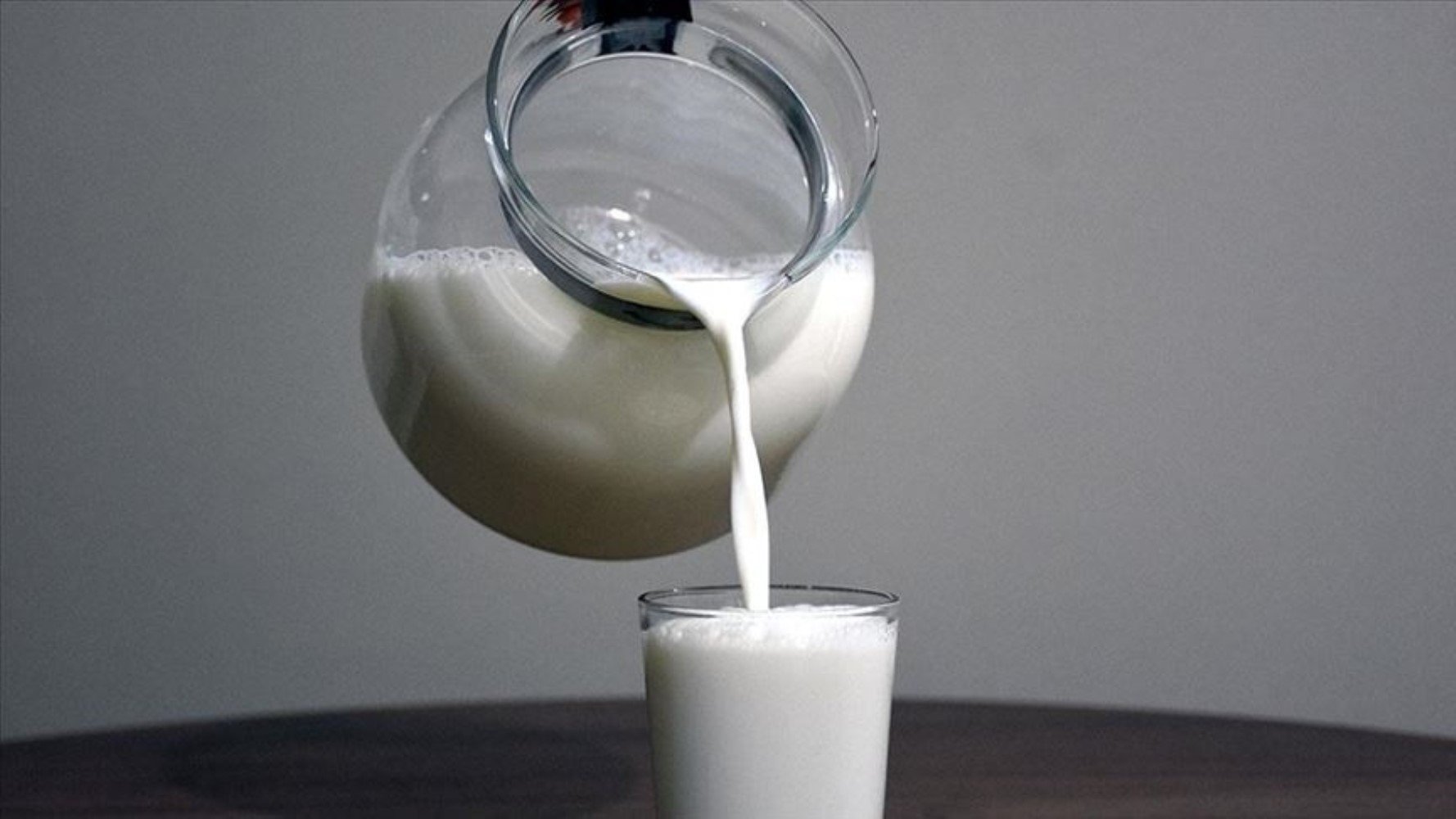
While some people prefer raw milk thinking it is healthier because it is natural, unprocessed, and fresh, others choose to buy it because they think it is more economical than packaged milk. Although the days when street milk sellers would come to homes and pour milk from buckets into pitchers remain a nostalgic memory, the consumption of raw milk continues today. However, if not handled with care, raw milk consumption can lead to serious infections and even life-threatening situations.
Research reveals that raw milk consumed without ensuring proper hygiene and storage conditions can lead to serious health problems such as kidney failure or paralysis in some individuals. Experts issue important warnings regarding the consumption of milk that has not undergone heat treatment and list the points that must be considered.
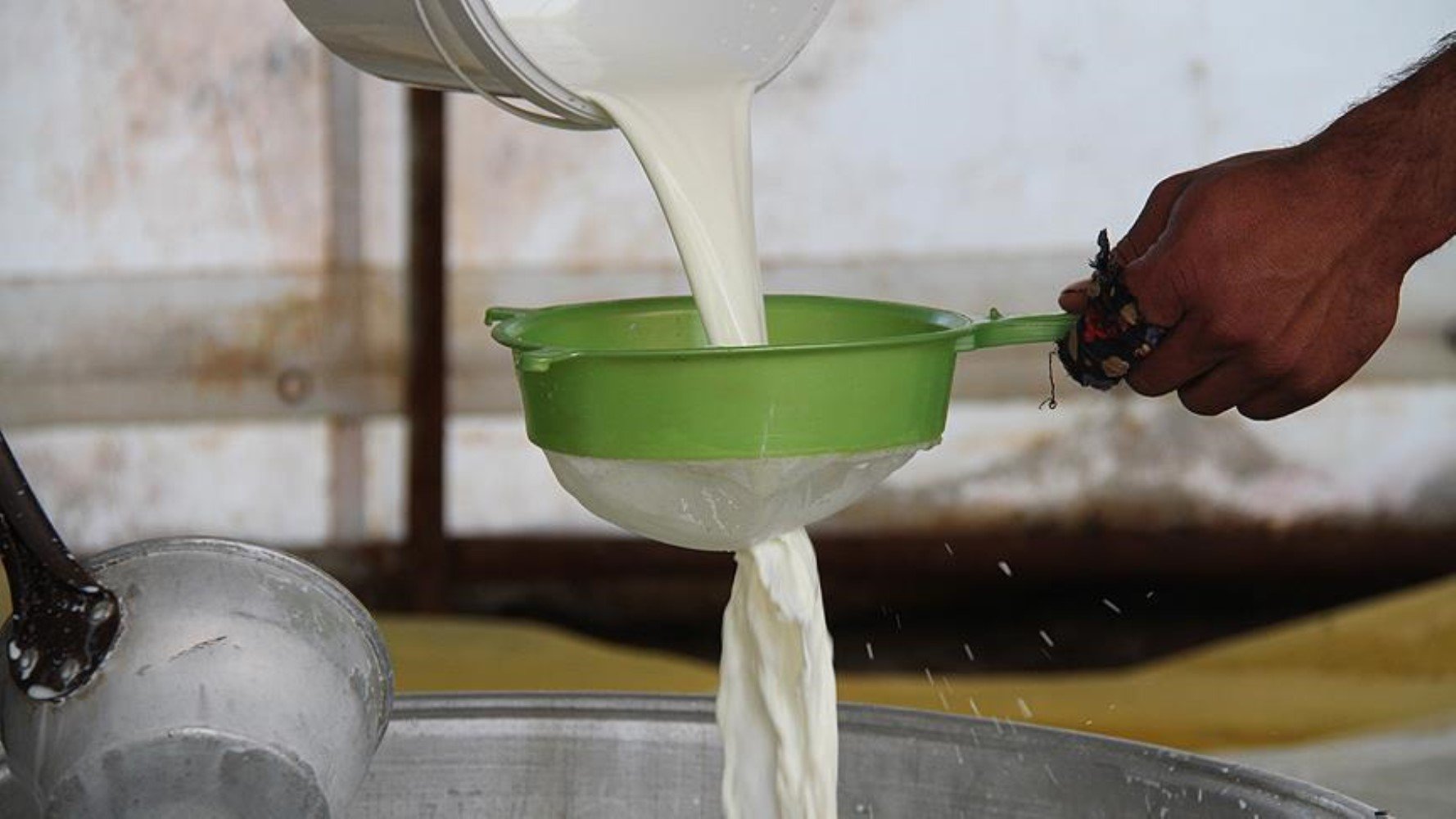
PAY ATTENTION TO THE BOILING TIME!
Raw milk can threaten human health because it may contain harmful microorganisms. To eliminate these risks and ensure microbiological safety, milk must be purified of germs using methods such as boiling, pasteurization, or sterilization. Due to health risks, the World Health Organization (WHO) emphasizes that raw milk and products made from raw milk, such as fresh, soft cheese, ice cream, or yogurt, should not be consumed without undergoing any processing. The boiling method, which is commonly used for raw milk at home, should be applied for an average of 15-20 minutes to neutralize microorganisms and the toxins they produce.
CAN LEAD TO SERIOUS DISEASES!
Raw milk can contain Salmonella, E. coli, and many other dangerous bacteria whose names are not widely known in the community. It has been determined that the H5N1 (bird flu) virus is present in raw milk taken from cows infected with this virus.
Raw milk and raw milk products (cheese, cream, ice cream, etc.) also carry a serious risk, especially in terms of toxoplasmosis infection, and when transmitted to pregnant women, they carry the risk of causing permanent damage to the baby. Such foods also pose a significant risk in terms of infectious diseases during travel.
COLD CHAIN IS VERY IMPORTANT
Raw milk must be purified of germs throughout all processes from the milking of the animal until it reaches the consumer, and great care must be taken in the application of the cold chain to ensure it does not harm human health. For this reason, milk should be included in the cold chain system as soon as possible after the milking process. This process must be completed within a maximum of 4 hours.
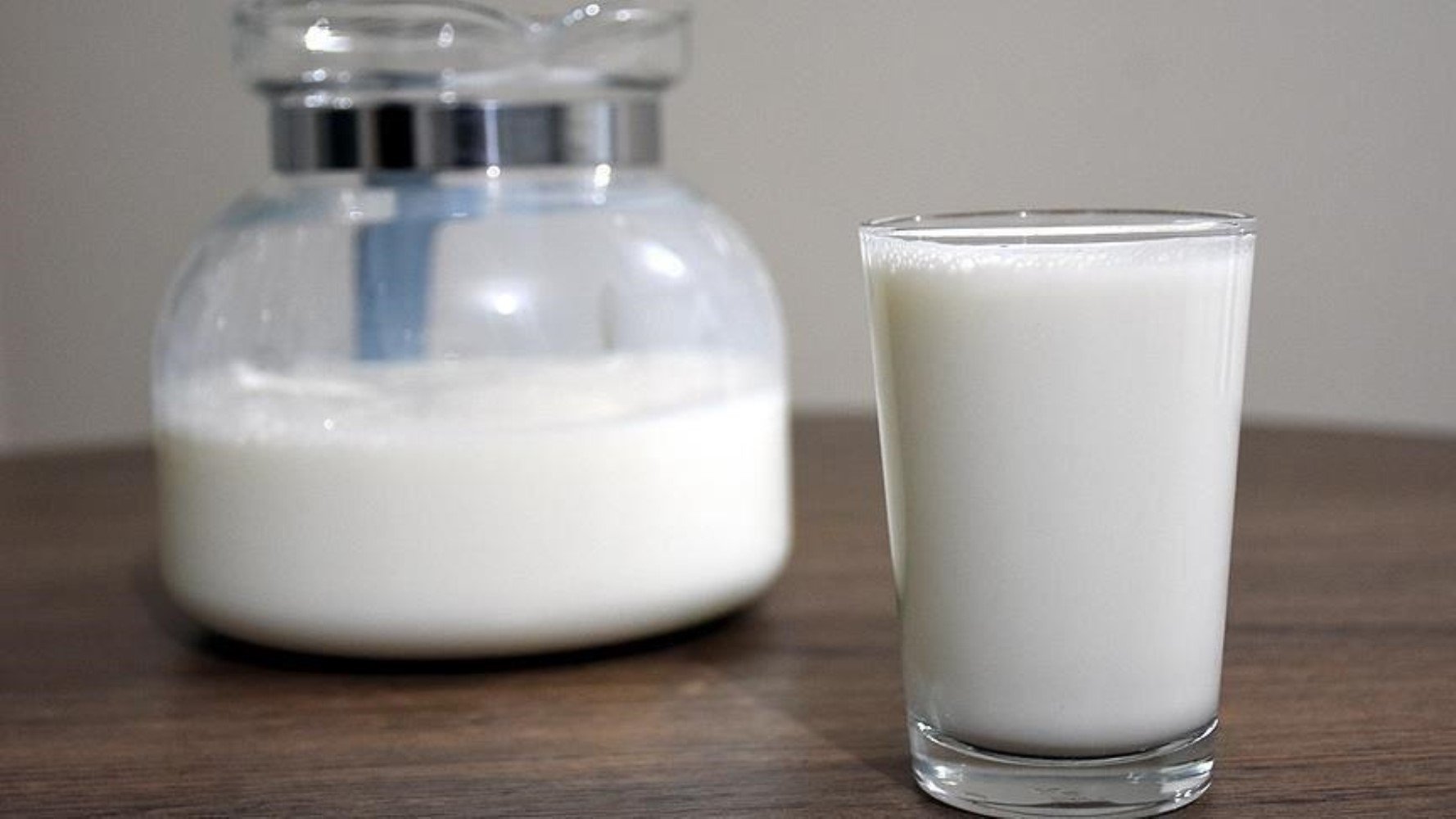
THOSE IN THE RISK GROUP SHOULD BE CAREFUL!
Bacteria found in raw milk can seriously threaten the health of anyone who consumes raw milk or eats foods made from this milk. While these bacteria cause diseases in some people characterized by symptoms such as abdominal pain, vomiting, bloody diarrhea, fever, headache, and muscle aches, they can result in death in more severe cases. Groups particularly at risk include: pregnant women, children under 5 years old, individuals over 65, people with weakened immune systems, heart and kidney patients, diabetics, those carrying HIV, and organ transplant recipients.
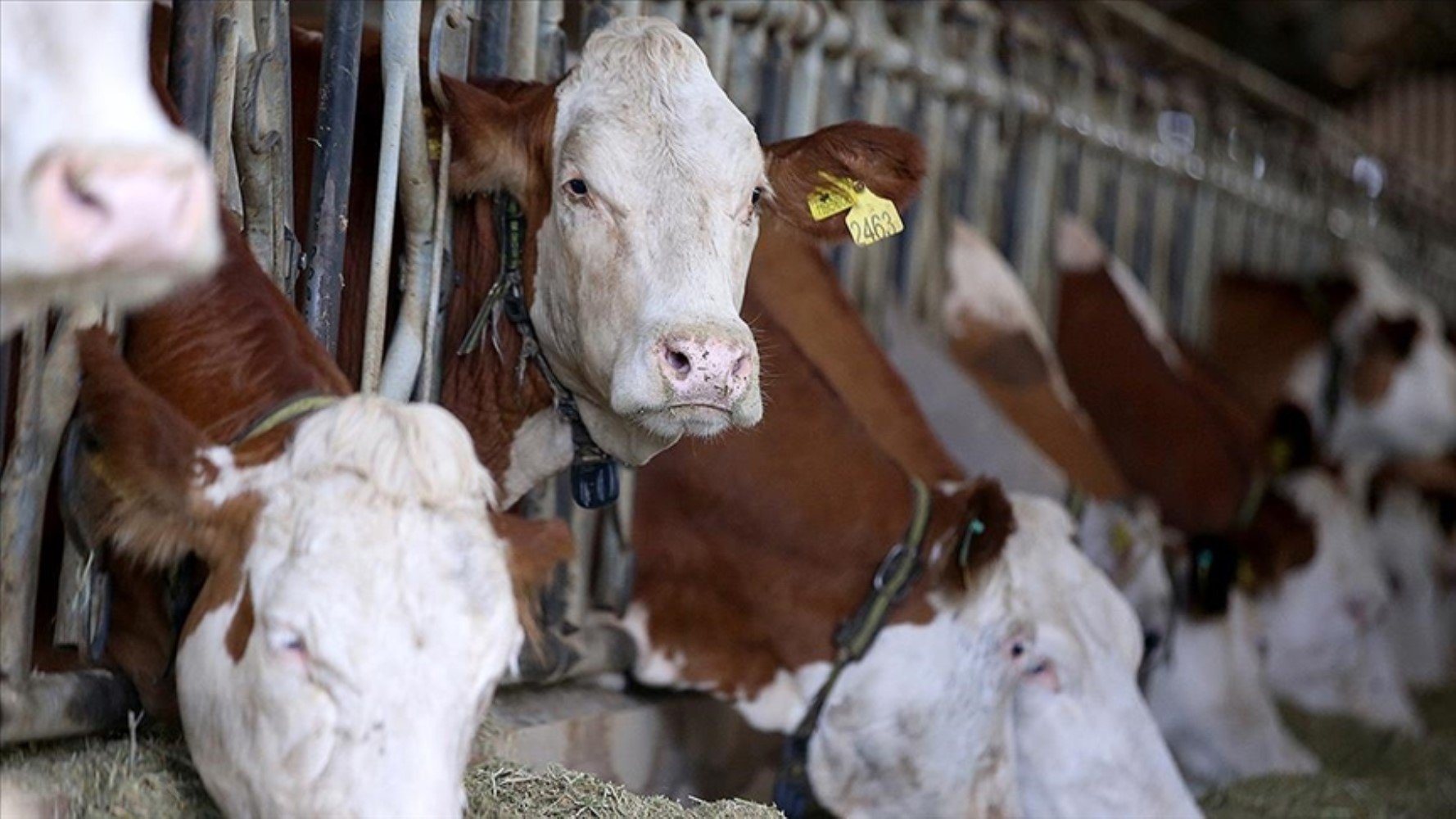
PASTEURIZATION DOES NOT REDUCE THE NUTRITIONAL VALUE OF MILK!
Many people in society fall into the misconception that the pasteurization process damages the nutritional value of milk and that raw milk is healthier. However, this view is not correct.
While pasteurization destroys harmful microorganisms in milk, it does not cause a significant change in its nutritional value. The decrease in vitamin and protein levels is not significant enough to cause concern. Similarly, the UHT (Ultra High Temperature) process also purifies raw milk of germs while largely preserving its chemical, physical, and sensory properties. Changes in nutritional values such as vitamins in milk during the high heat applied are at an insignificantly low level in terms of food efficacy. Thanks to these processes, both the risk of microorganisms is eliminated and the nutritional value of the milk is preserved.