Pay attention to eye movements in children! If not treated early, permanent vision loss may occur
While behaviors such as blinking, staring fixedly at a point, or eye drifting are common in children, they may not always be innocent. According to experts, these behaviors may be caused by underlying health issues such as tic disorders or amblyopia (lazy eye). So, what can be done to prevent this? Here are the details...
12punto

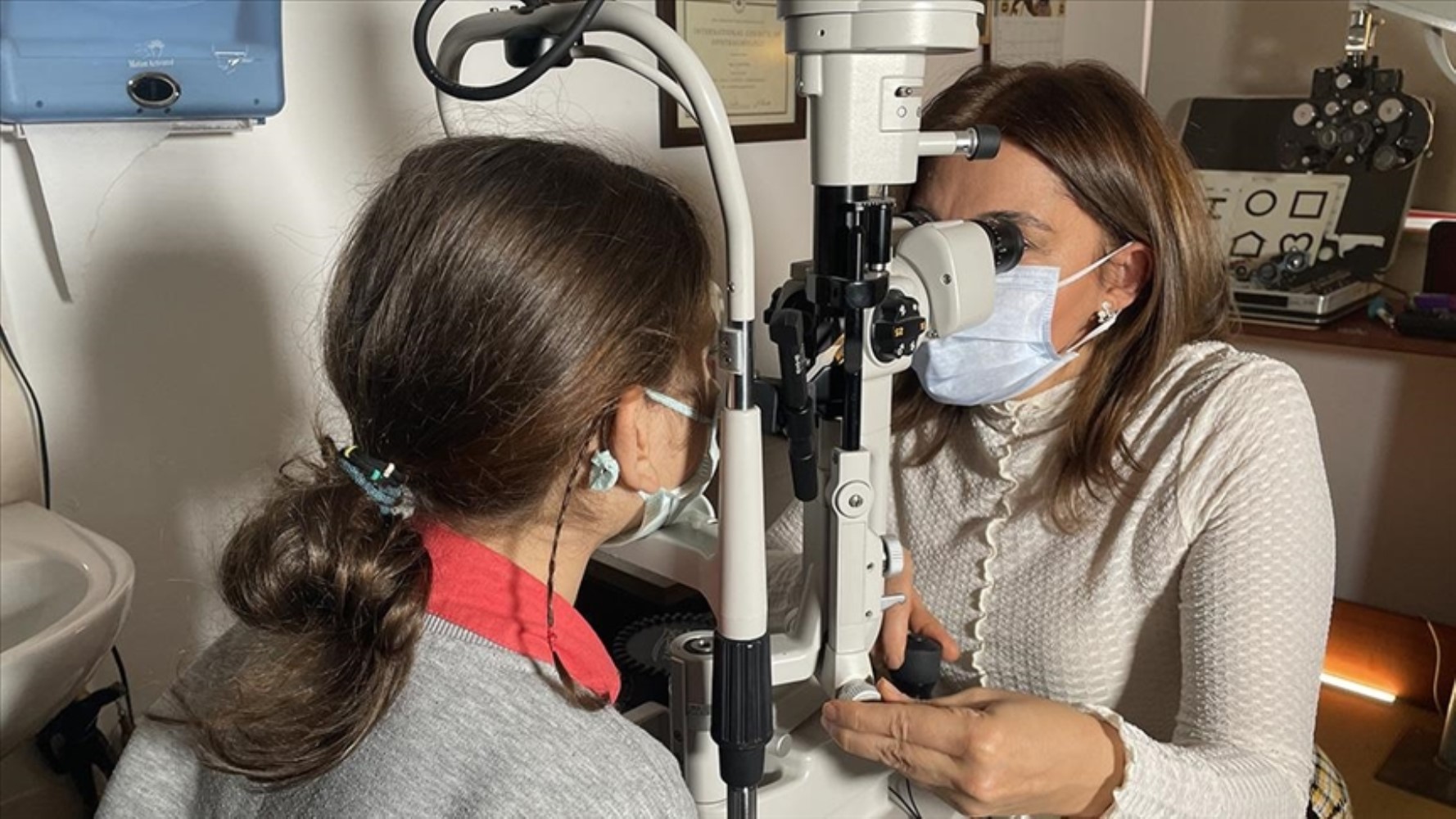
Op. Dr. Aziz Serkan Topaloğlu, an ophthalmologist at the Batıgöz Health Group Çankaya Branch in İzmir, warned parents that eye movements in children should be taken seriously.
TIC OR AMBLYOPIA?
Stating that the eye-blinking tic seen in children can be temporary, Topaloğlu said, "However, if the tic behavior persists for weeks, increases in intensity, or affects the child's social life, it must be evaluated by an ophthalmologist."
Amblyopia, or lazy eye, is a neurological developmental disorder caused by the visual center in the brain not developing sufficiently. If it is not noticed and treated in early childhood, it can lead to permanent vision loss. Topaloğlu explained, "In amblyopia, one eye is used less, which can manifest itself through misalignment, impaired depth perception, and focusing difficulties."
WHAT IS AN EYE-BLINKING TIC?
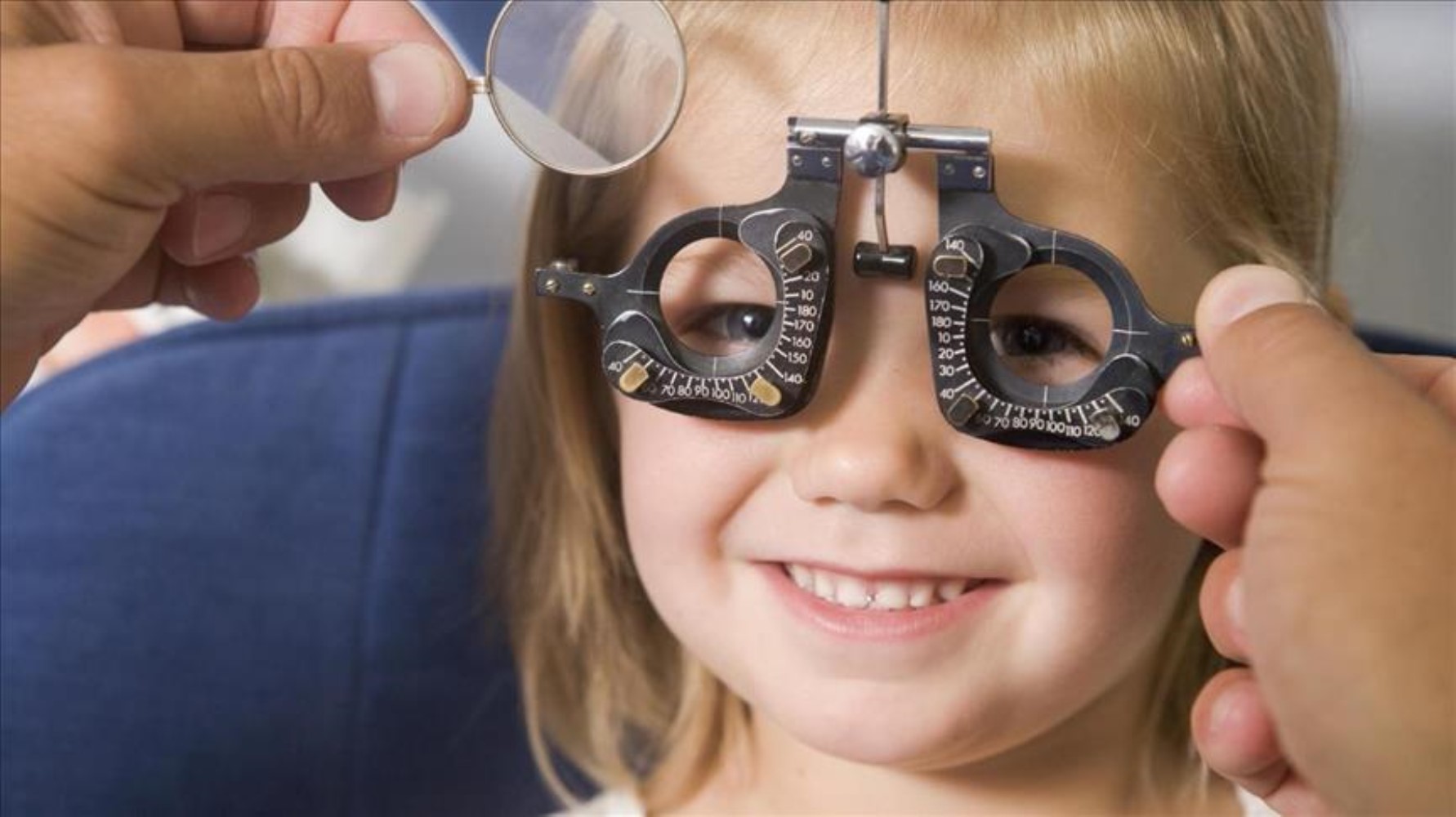
One of the common tics in childhood, the eye-blinking tic, occurs with involuntary muscle movements.
Factors such as stress, fatigue, and excessive screen time can trigger this condition. These movements, which are generally temporary, can last for weeks in some children and reach a level that affects daily life. For this reason, it is recommended that eye tics be observed carefully and that a specialist evaluation be sought if necessary.
EYE MOVEMENTS SHOULD BE MONITORED FOR SCHOOL SUCCESS
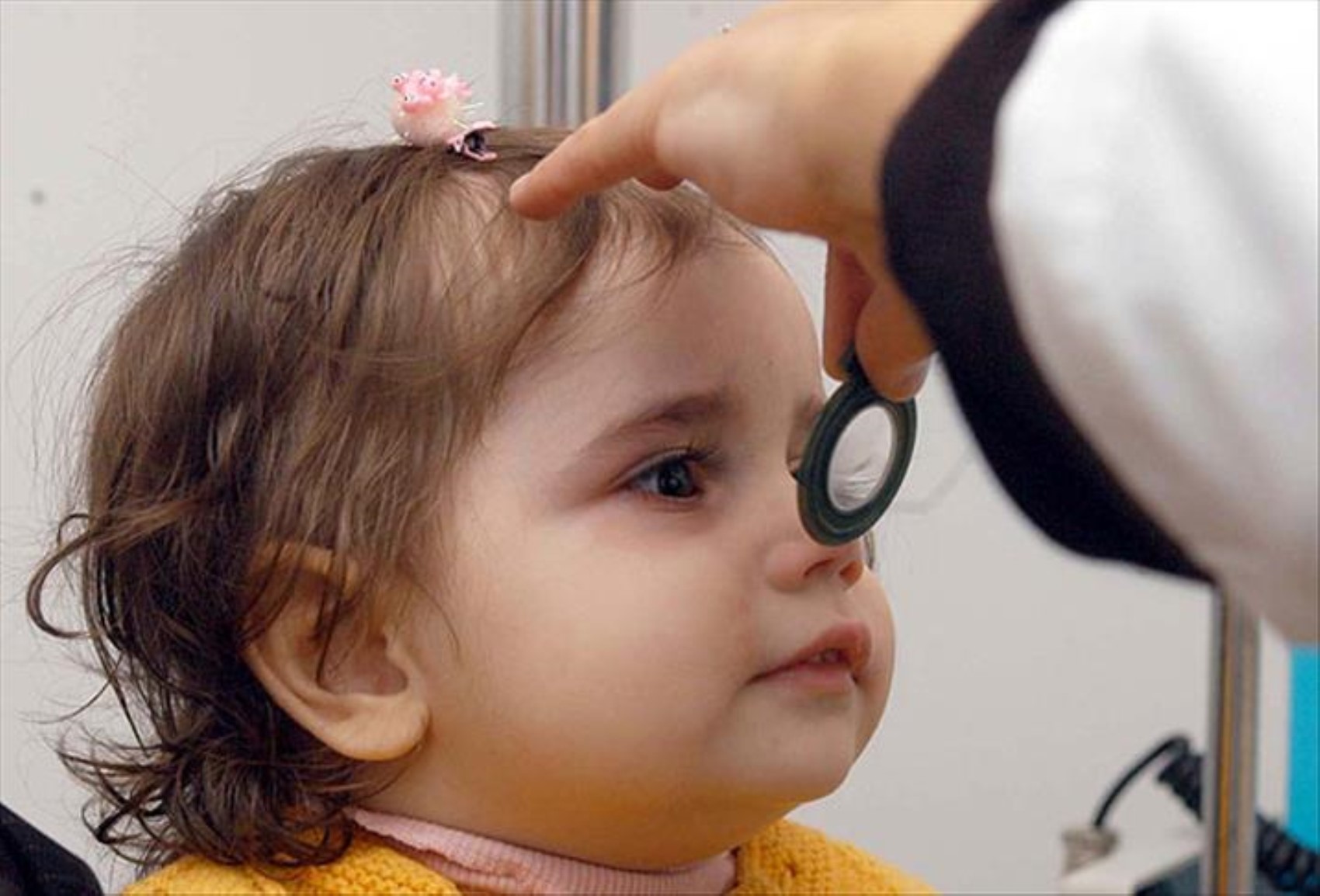
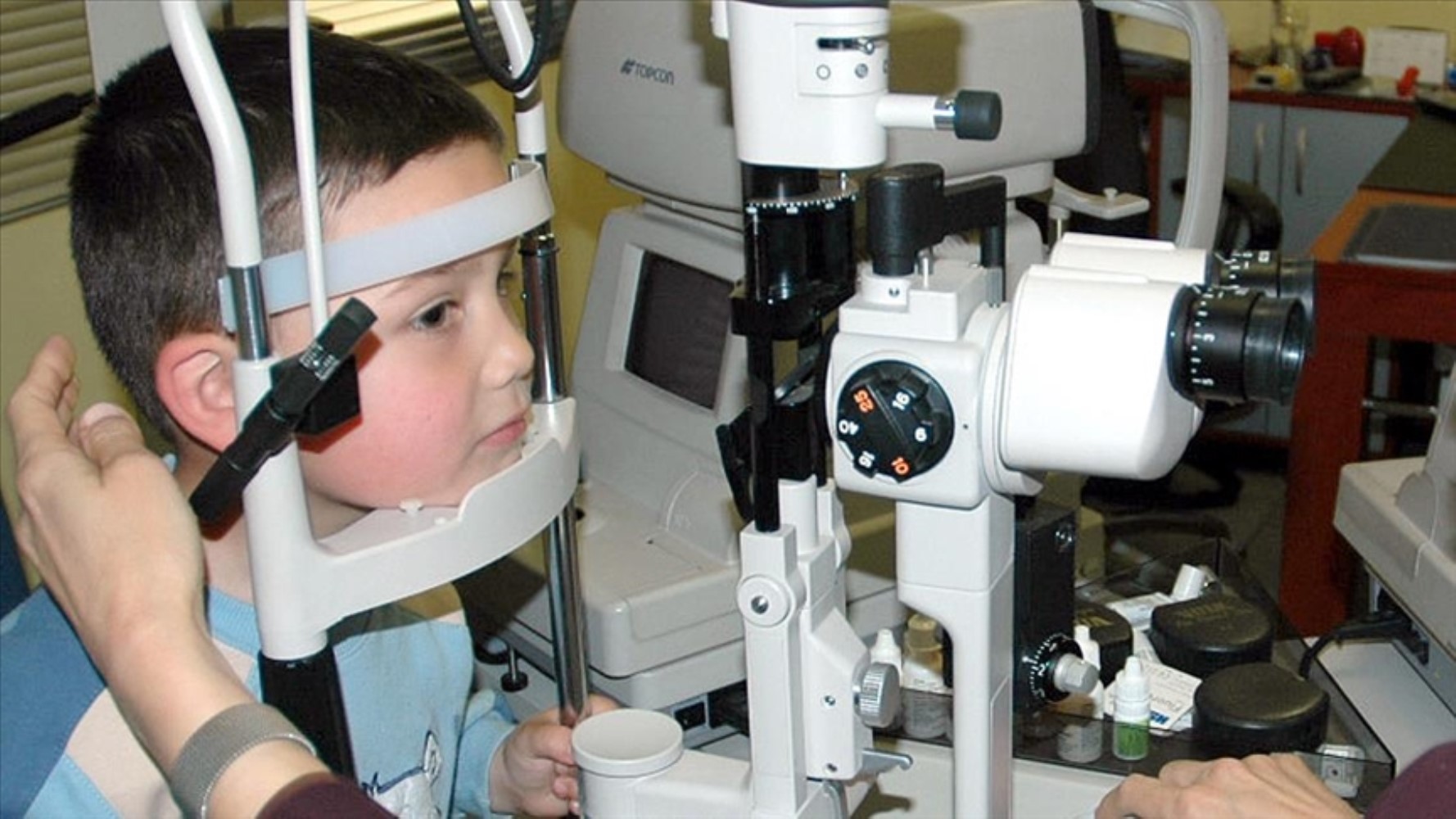
Highlighting the importance of regular eye exams for children, Topaloğlu stated that the first check-up should be done between 6 months and 1 year of age, and that it is critical to review it again at age 3 and around age 5-6, which is the preschool period.
Different methods can be applied in the treatment of amblyopia depending on the child's age and the severity of the condition. These include the use of glasses, patching the healthy eye (occlusion therapy), visual exercises, and digital gamified treatments.

EARLY TREATMENT IS THE KEY TO SUCCESS
Topaloğlu stated, "The success rate in treatments started between the ages of 3 and 8 can reach up to 90%. Families noticing the symptoms early and consulting a specialist is the key to treatment success."
HOW TO DISTINGUISH BETWEEN A TIC AND AMBLYOPIA?
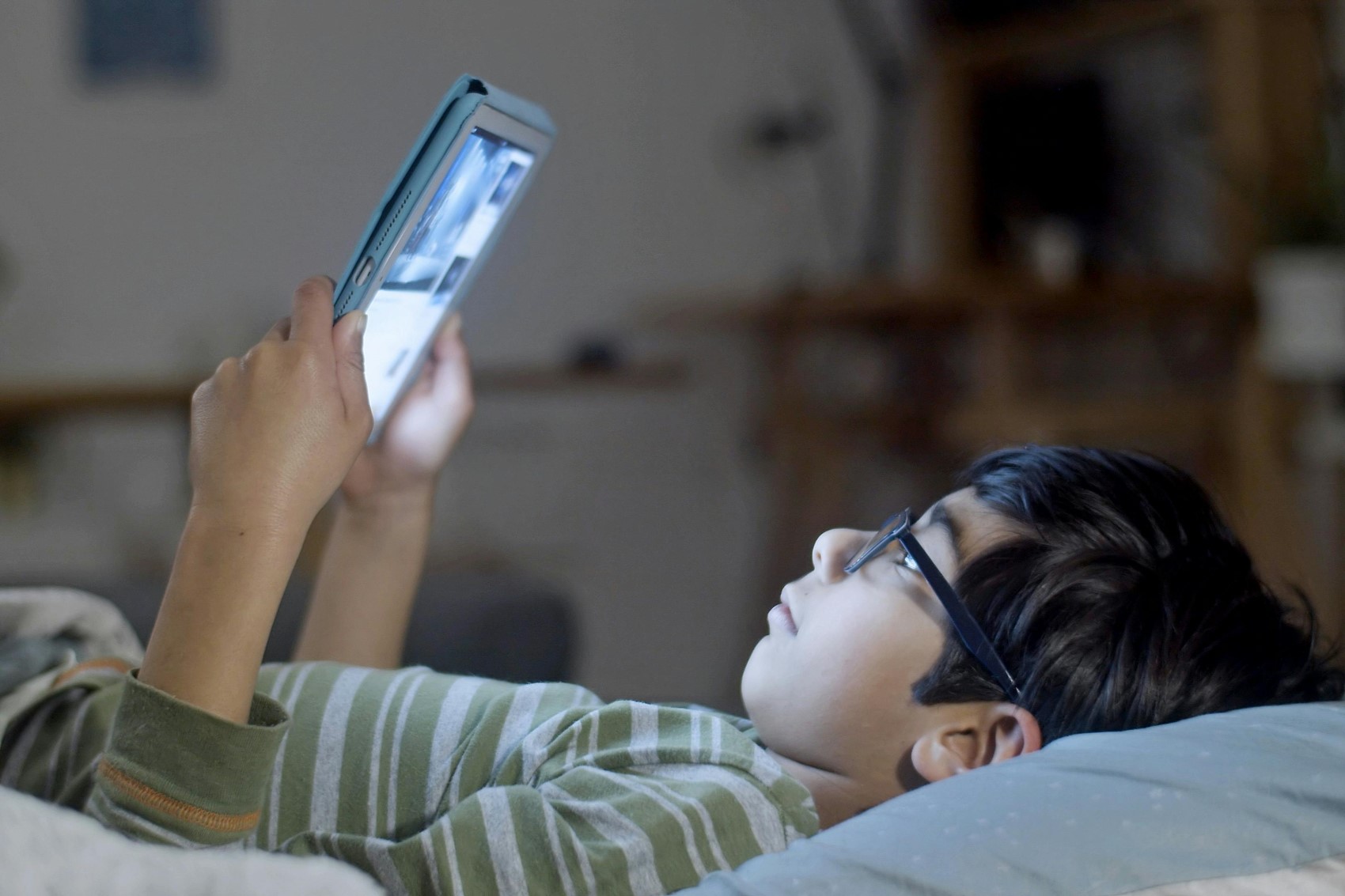
While tics show fluctuations throughout the day, amblyopia persists in a more stable manner. In tics, the child's visual acuity remains normal, whereas in amblyopia, there are permanent focusing problems. While tic movements may decrease during play or distraction, amblyopia does not change based on such external factors.
BOTH CONDITIONS CAN BE SEEN TOGETHER
"For a definitive distinction, an eye exam and vision tests must be performed. It should not be forgotten that both conditions can be seen together in some children," said Topaloğlu, noting that they work in cooperation with pediatric neurologists or psychiatrists when necessary.
Topaloğlu warned families and shared the following statement:
"Do not consider every eye movement you notice in your child as a habit. Conditions such as tics or amblyopia can be brought under control with early diagnosis. Eye health affects not only children's development but also their future. Therefore, regular check-ups should not be postponed."