The gluten-free diet trap: Common misconceptions can threaten your health!
Warnings that the unconscious adoption of a gluten-free diet can lead to weight gain have become quite common recently. Experts emphasize that one should be particularly careful when consuming processed gluten-free products. So, what are the points that need to be considered in this regard?
12punto
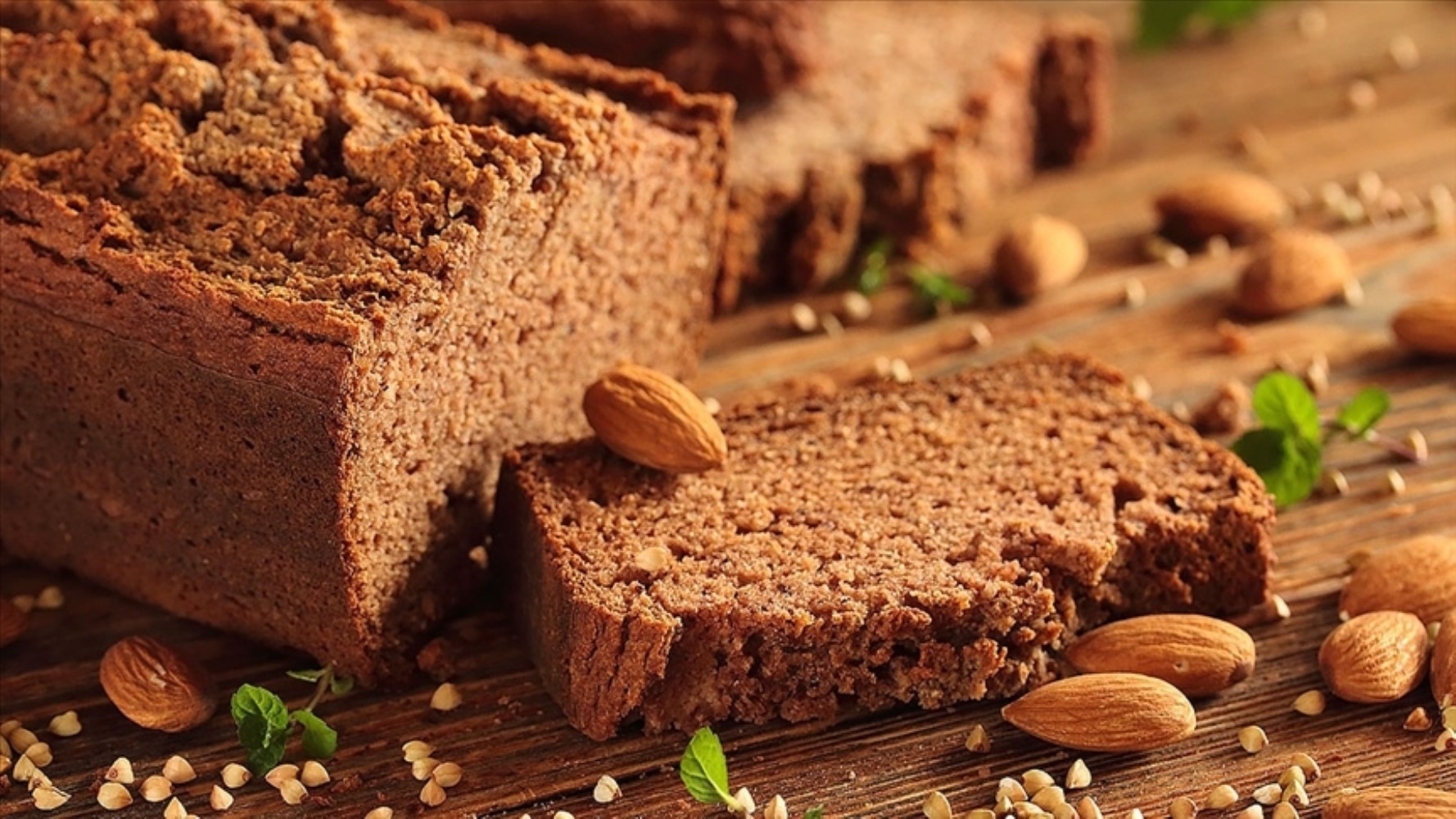
Gluten is a group of proteins found in wheat, barley, and rye, and it can cause health problems for individuals with celiac disease and gluten intolerance. However, many people who do not have these conditions also choose to eat gluten-free for the purpose of losing weight.
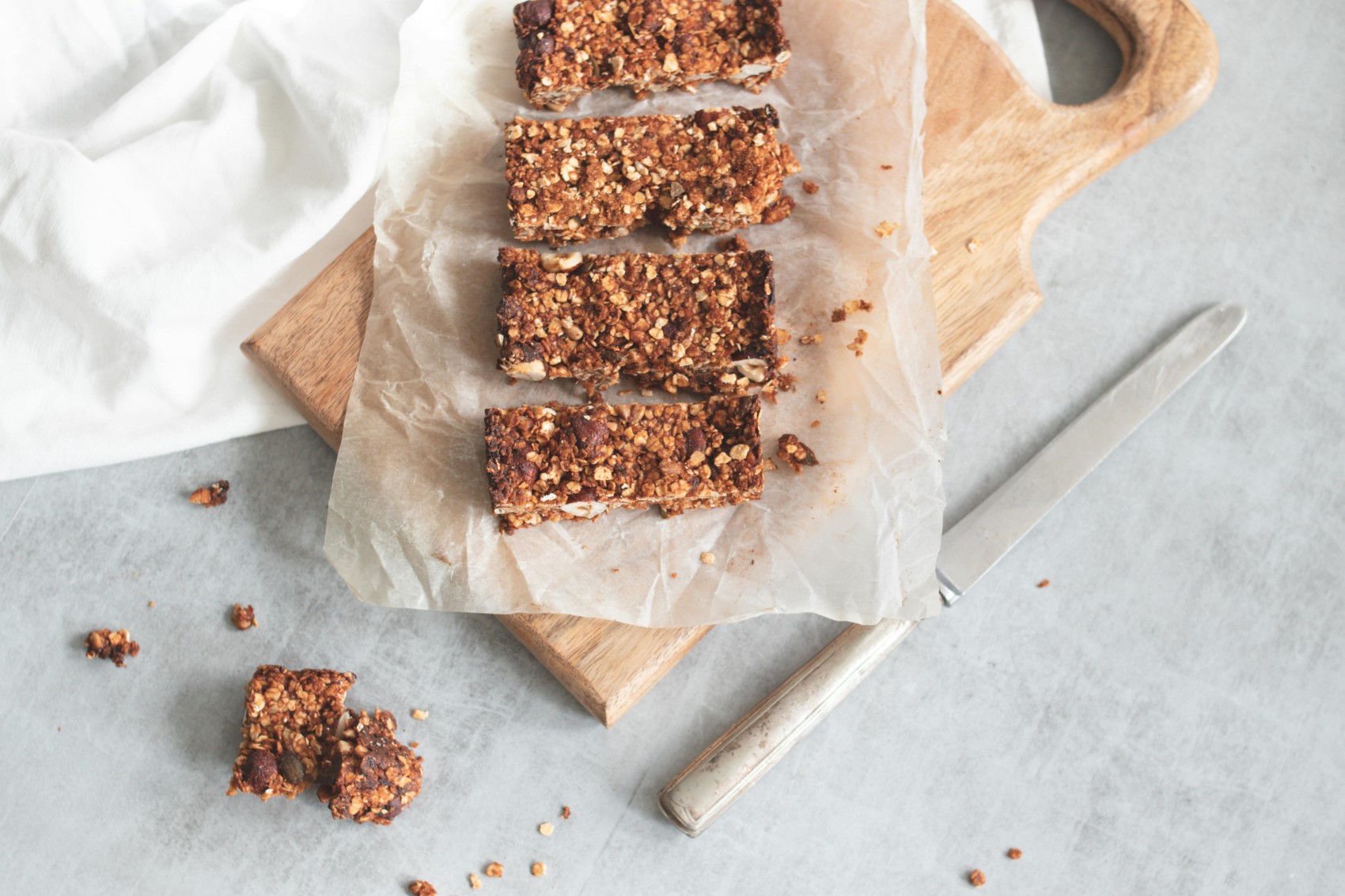
HEALTHY BUT LOW IN NUTRITIONAL VALUE
Dietitian Sedef Aksu stated that a gluten-free diet can improve gut health and alleviate some digestive issues. However, she noted that gluten-free products are generally more processed and may have lower nutritional values. 'These products may be deficient in fiber, vitamins, and minerals, and may contain more fat and carbohydrates than regular products,' she said.
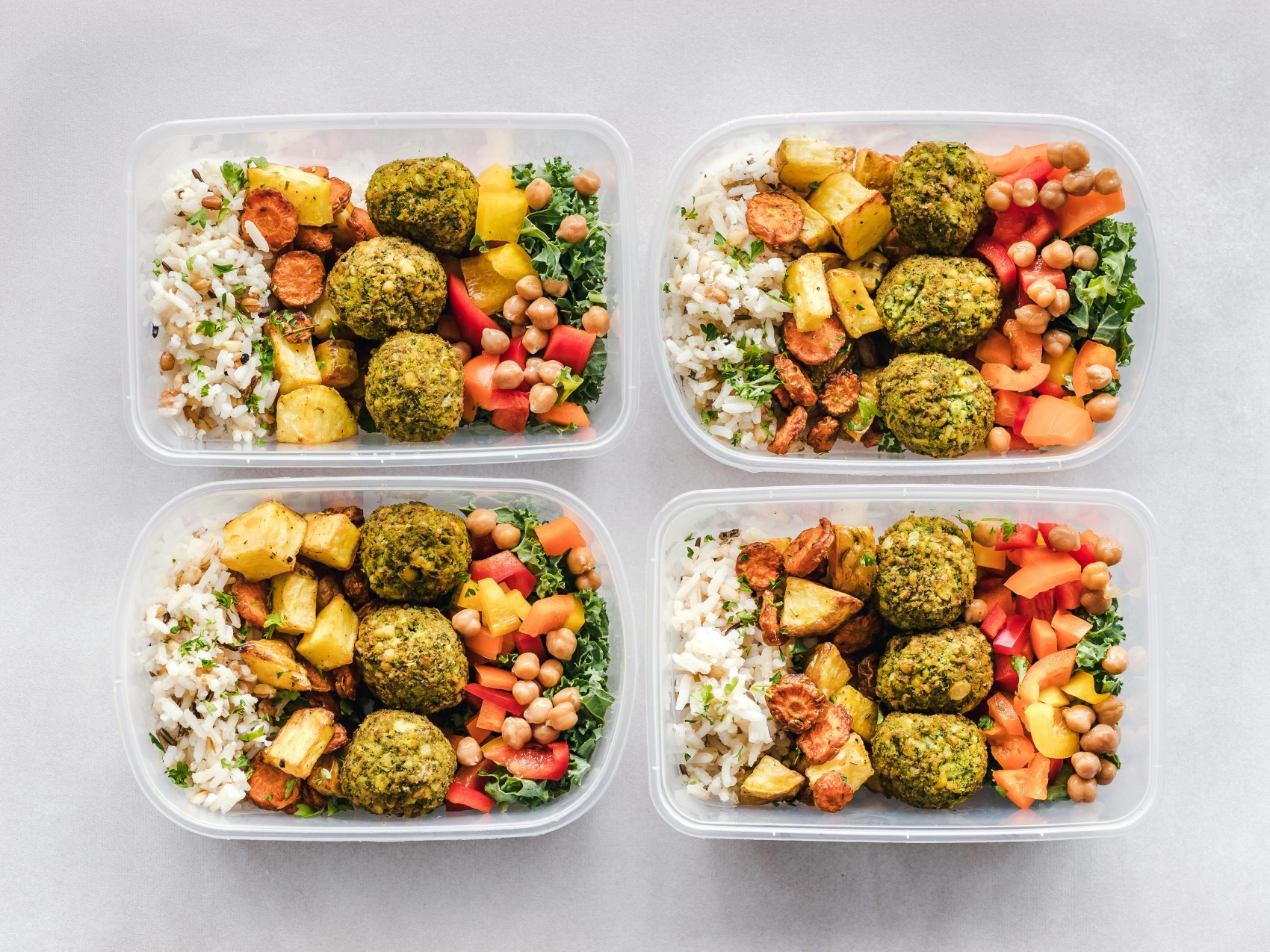
A NUTRITION PLAN MUST BE CREATED
Aksu emphasized that while there is a common belief that gluten-free diets can help with weight loss, applying these diets incorrectly can also lead to weight gain. She stated that the correct consumption of foods that are naturally gluten-free is the key to creating a healthy gluten-free nutrition plan.
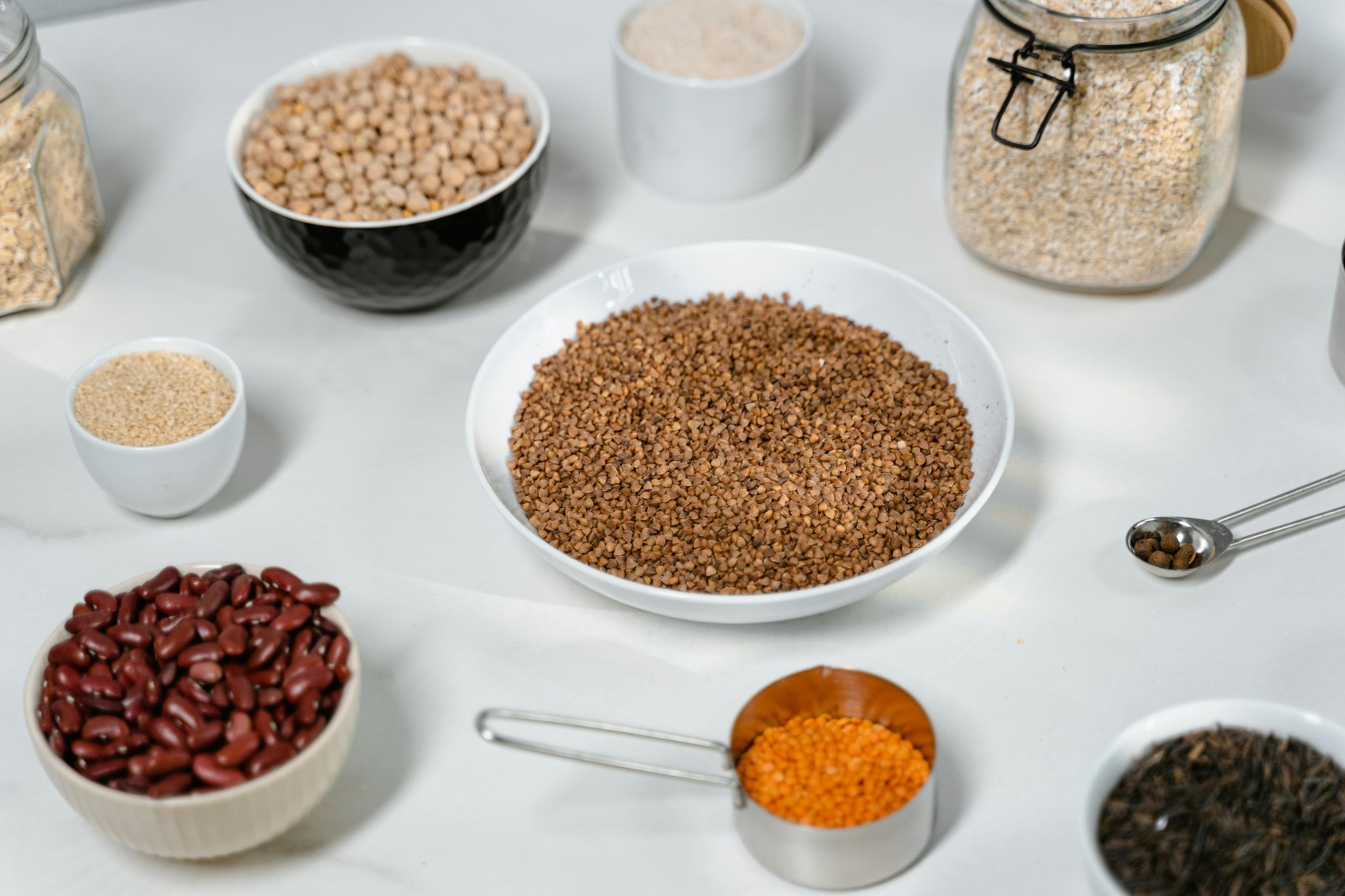
CAN LEAD TO NUTRIENT DEFICIENCIES
Reminding that a gluten-free diet is a necessity for celiac patients and individuals with gluten sensitivity, Aksu said that this way of eating can lead to nutrient deficiencies if not planned correctly for other individuals. She stated that those who choose a gluten-free diet should follow carefully planned nutrition programs to prevent nutritional deficiencies.