What is depression? Symptoms, causes, and treatment methods
Depression is a common mental health problem that negatively affects quality of life, disrupts daily routines, and manifests itself with intense feelings of sadness and hopelessness. In this article, we examine the symptoms, causes, and treatment methods of depression to better understand this condition.
12punto
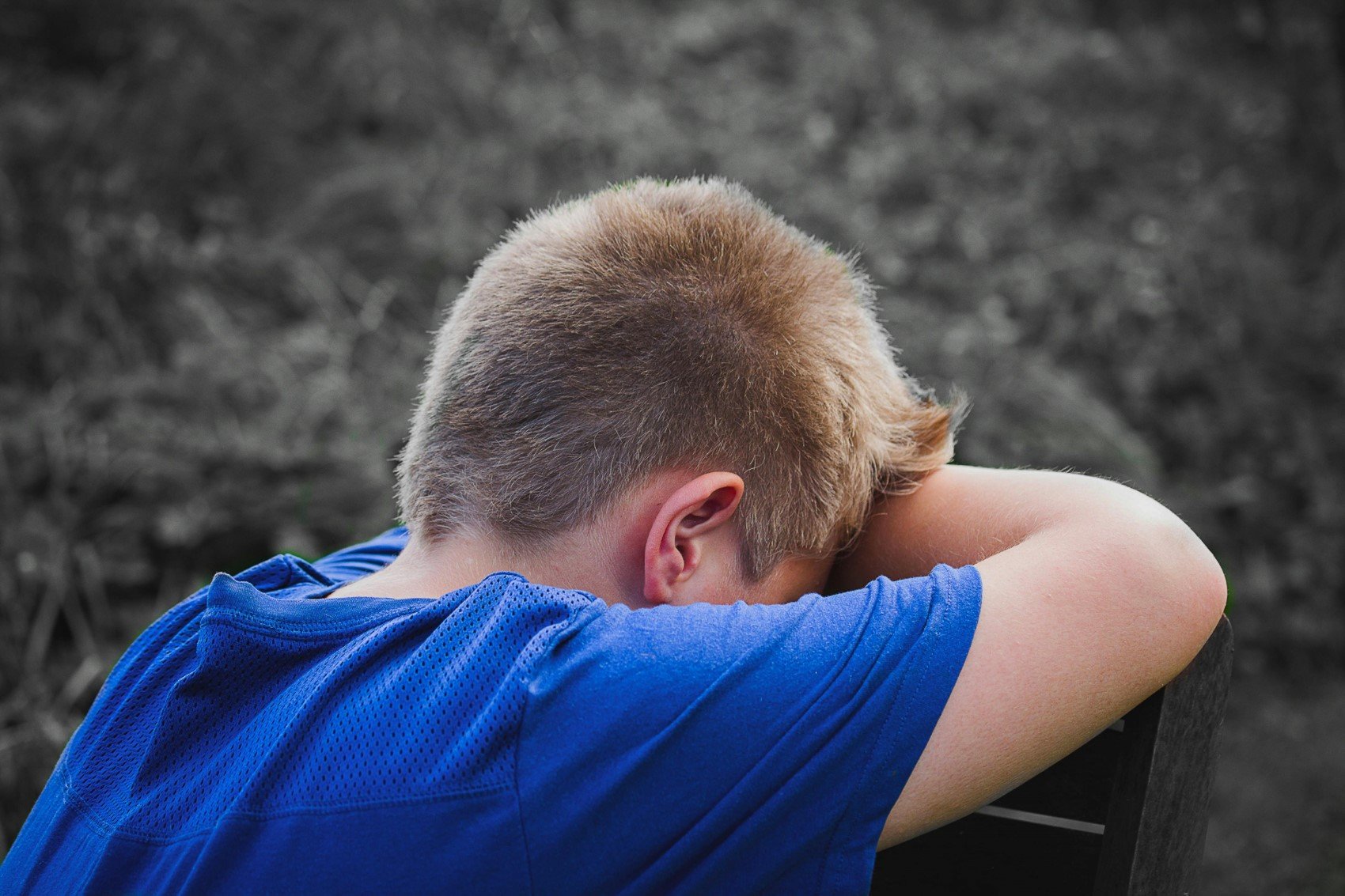
The stress and challenges brought by modern life are causing mental health issues like depression to become increasingly common. Understanding the symptoms, causes, and effective treatment methods for depression can be a major step toward recognizing and combating this significant health problem early.

WHAT ARE THE SYMPTOMS OF DEPRESSION?
Depression is a serious condition that affects both physical and mental health. According to experts, the most common symptoms of depression are:
Feeling constantly sad and pessimistic
Lack of interest or inability to enjoy things that were previously enjoyed
Changes in sleep patterns (sleeping too much or inability to sleep)
Lack of energy and a constant feeling of fatigue
Difficulty concentrating and making decisions
In children and adolescents, irritability, a decline in school performance, and withdrawal from social circles may be observed in addition to these symptoms. In older individuals, exhaustion, loss of appetite, and memory problems may be more prominent.
If these symptoms persist for more than two weeks, it is of great importance to seek professional support from a specialist.
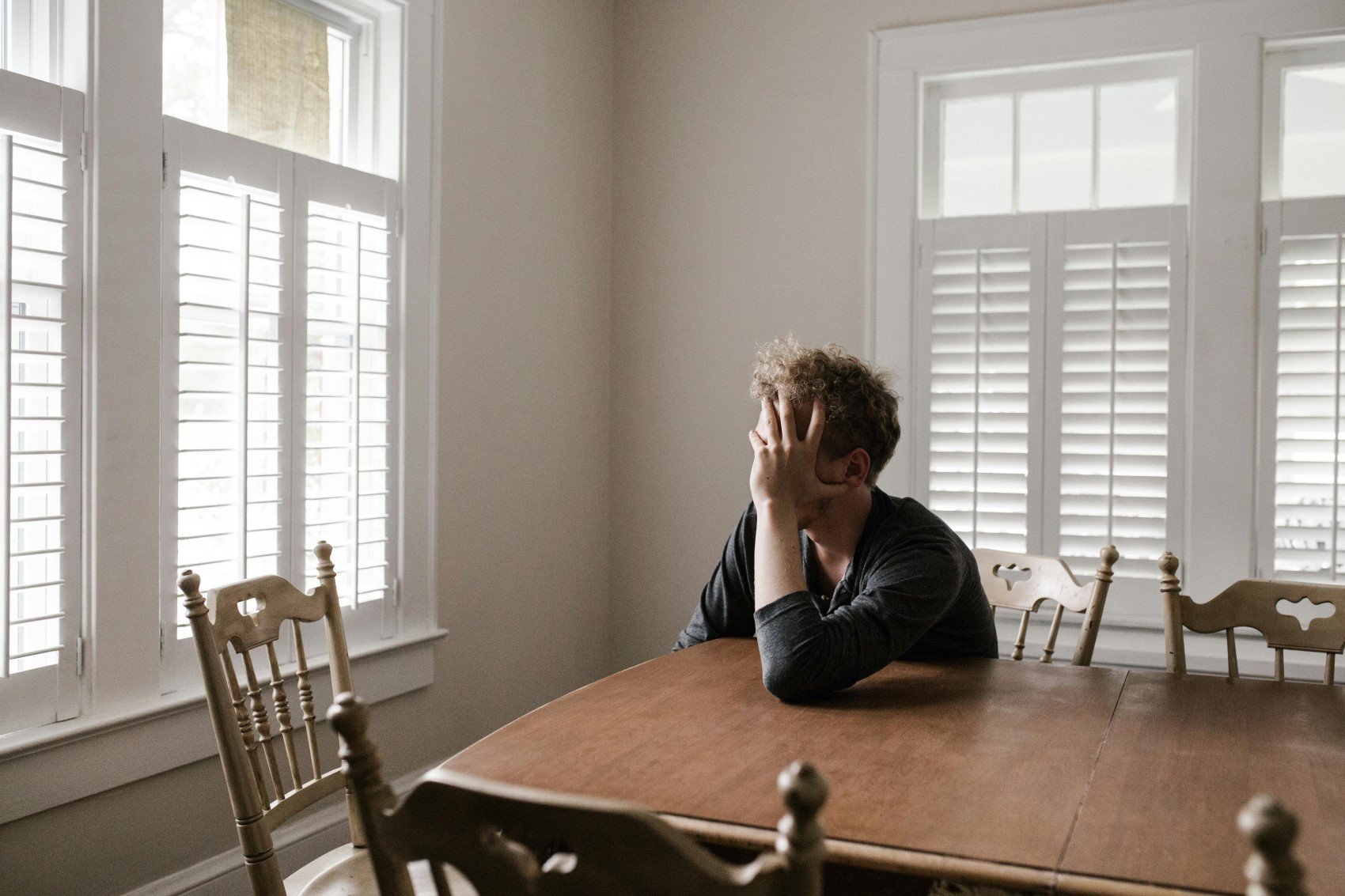
WHAT ARE THE CAUSES OF DEPRESSION?
Many factors play a role in the development of depression, and these factors can vary from person to person. The most common causes of depression are:
Genetic predisposition: Having a family history of depression can increase susceptibility to this condition.
Hormonal changes: Periods such as puberty, pregnancy, and menopause can increase the risk of depression.
Environmental factors: Difficult living conditions, job loss, family problems, or childhood trauma can trigger depression.
Health-related problems: Conditions such as chronic illnesses, alcohol, or substance use are factors that increase the risk of depression.
Being aware of these factors that can lead to depression is quite important for early diagnosis and providing support.

HOW TO COPE WITH DEPRESSION?
The first step in treating depression is to seek professional help. The main treatment methods applied by psychiatry specialists are:
Medication: Antidepressant drugs can alleviate symptoms of depression by balancing the brain's chemistry.
Psychotherapy: Cognitive behavioral therapy (CBT) and talk therapy, in particular, are highly effective in bringing depression under control.
Lifestyle changes:
Adopting regular sleep and healthy eating habits
Making time for daily physical activities
Learning stress management techniques
Strengthening social relationships and seeking support

Social support: A supportive and understanding attitude from family and friends contributes positively to the treatment process.
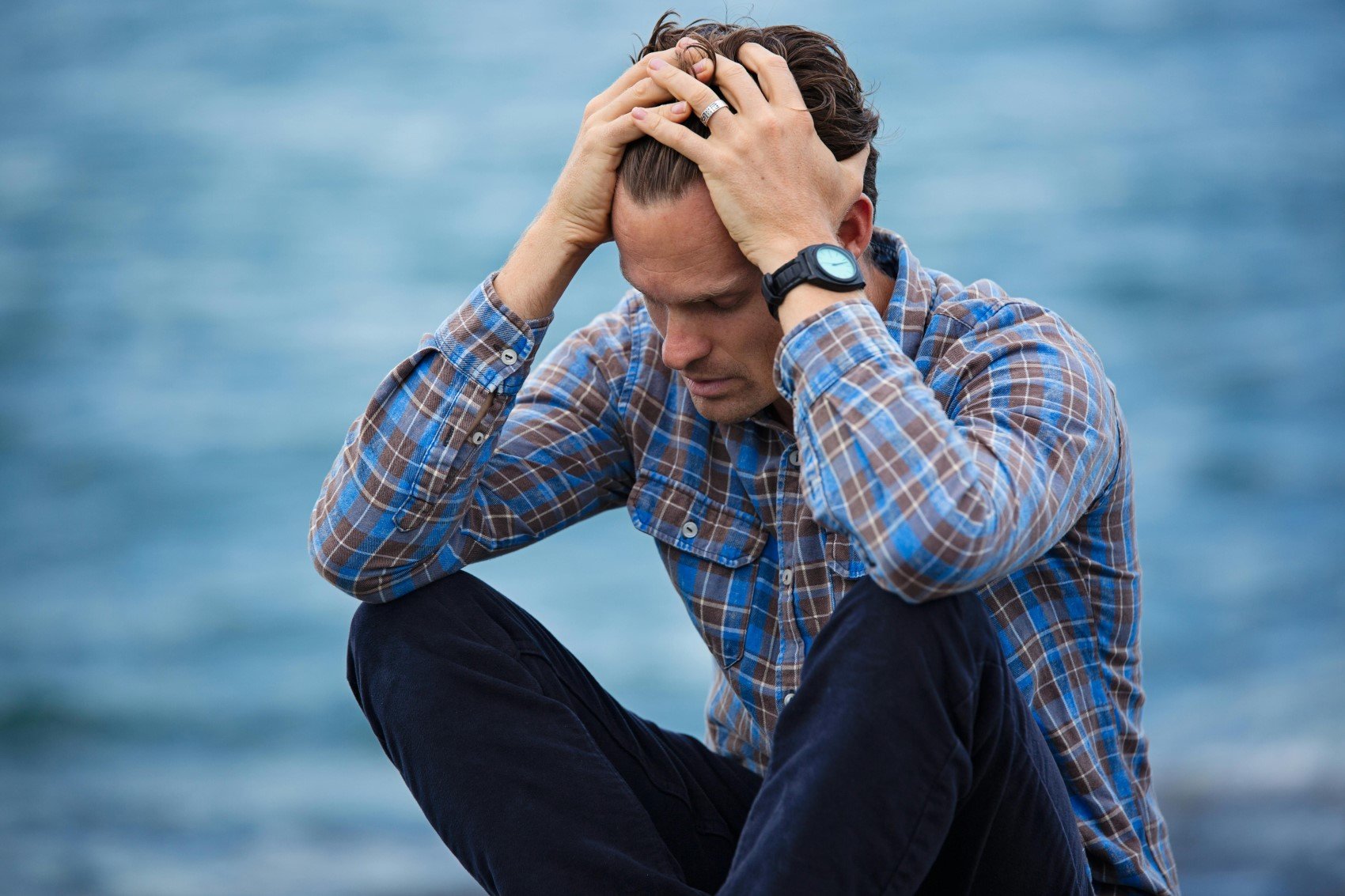
ADVICE FOR FAMILY AND FRIENDS
For a person struggling with depression, the support of their close circle is of great importance. Here are things to pay attention to during this process:
Be patient and adopt an understanding approach.
Avoid criticizing or judgmental attitudes.
Take care to create a safe and supportive environment for the person.
Encourage them to spend time together, but do not pressure them about anything.
It should not be forgotten that depression is not just an individual problem, but also an important health issue that society must address with awareness.