What should be considered in children with a teeth-grinding habit?
Teeth grinding in children, just as in adults, is a condition that develops as a result of the unconscious overuse of chewing and jaw muscles. So, what are the effects of a teeth-grinding habit, and what should be done to prevent this situation?
12punto
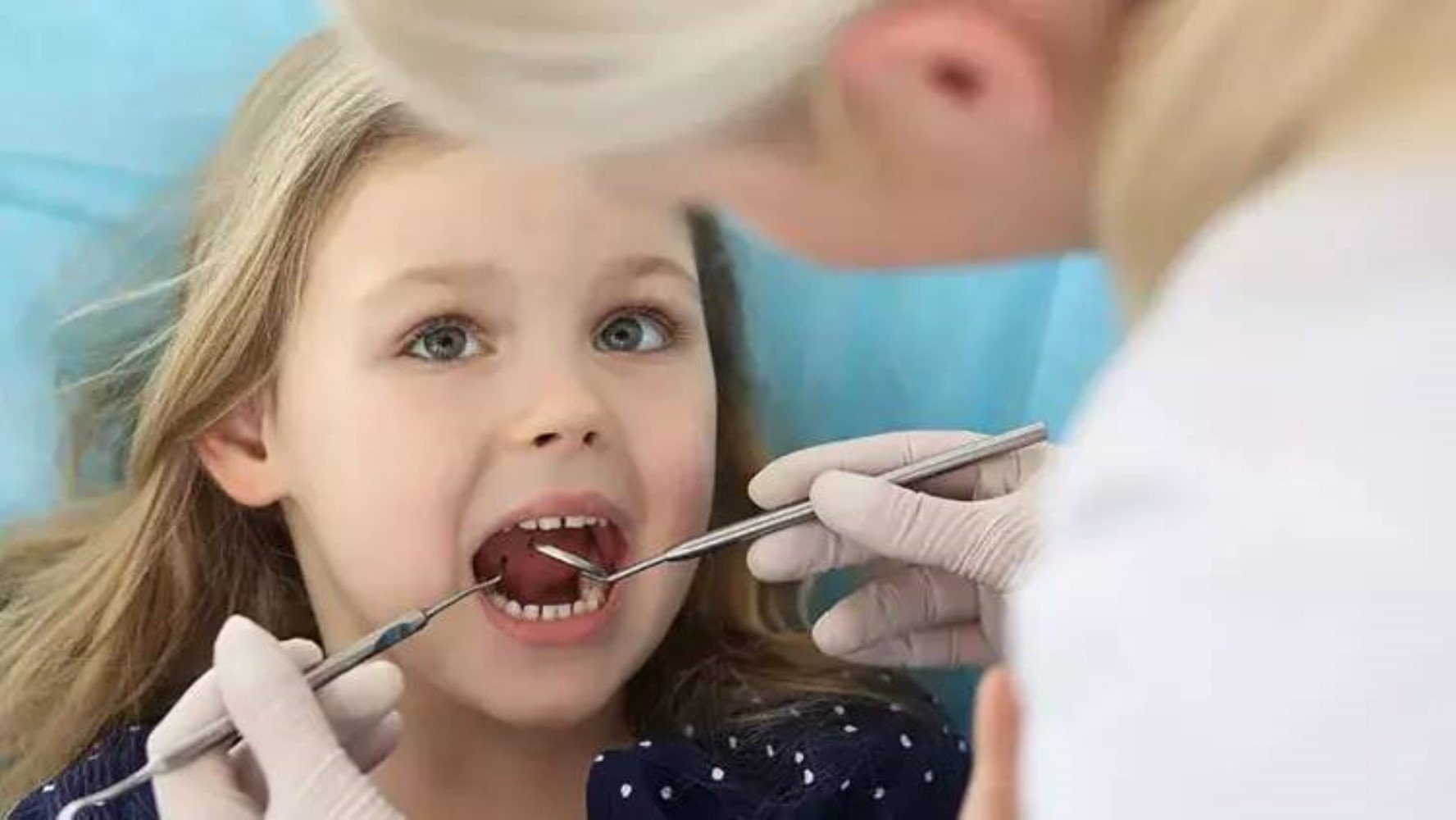
The habit of teeth clenching, in children as in adults, mostly occurs unconsciously during stressful activities or while sleeping, when the jaw and chewing muscles work beyond their normal capacity, placing strong pressure on the temporomandibular joint. Pediatric Dentistry Specialist Dt. Nurgül Demir states that this condition can lead to temporary problems at a young age, as well as joint diseases that require complex treatments in later years. She said, "While it is not yet possible to completely control the teeth-clenching habit or recommend a permanent treatment even in adults, taking the right steps for children is of great importance."
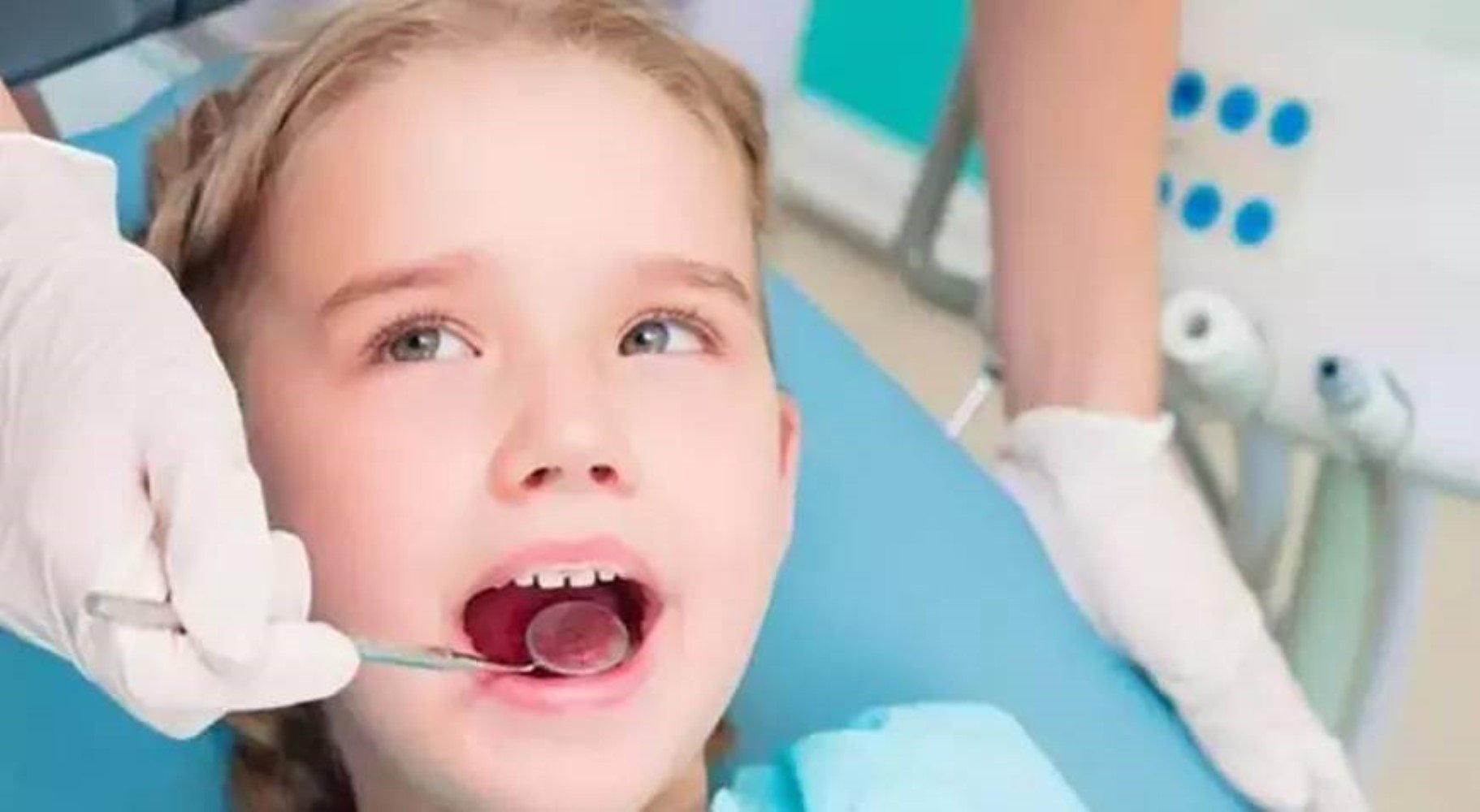
The specialist doctor explained, "Children's active sports lives, intense stress during exam periods, peer bullying at school, first separations from parents and adjustment processes to new schools, communication problems with parents, or unrest at home lead us to monitor our children for bruxism (teeth-clenching habit) from a very young age." She added, "The teeth-clenching habit in young people, as in adults, can start during sleep or recur during the day. Teeth clenching can sometimes be seen together with teeth grinding. Since it is more difficult to create awareness in our young patients, the main responsibility lies with the parents in children diagnosed with bruxism."
Pay attention if there is ear pain, headache, or sleep disturbances!
Touching upon the importance of parents carefully observing their children during sleep, Nurgül Demir stated, "If teeth grinding also accompanies the teeth-clenching habit, parents may notice that their children are clenching their teeth; however, in children who only have a teeth-clenching habit, the diagnosis is usually made when complaints such as ear pain, headache, and sleep disturbances arise. In bruxism patients who do not yet have severe complaints, the first diagnosis is made during a dental examination. Early diagnosis through findings such as wear on tooth surfaces, cracks, damage to fillings, or tooth fractures and pain in the jaw joint can prevent serious problems that may occur in the future. After taking the patient's medical history in detail, creating a follow-up plan appropriate to the cause and the patient helps prevent potential problems." Pointing out that damage to the jaw joints can occur in severe cases of bruxism, Demir said, "It is also known that the habit of holding one's breath during sleep may be associated with childhood bruxism. It should be remembered that methods such as splints and Botox are not appropriate in the treatment of bruxism in children. The important points to consider in children with a teeth-clenching habit are as follows:"
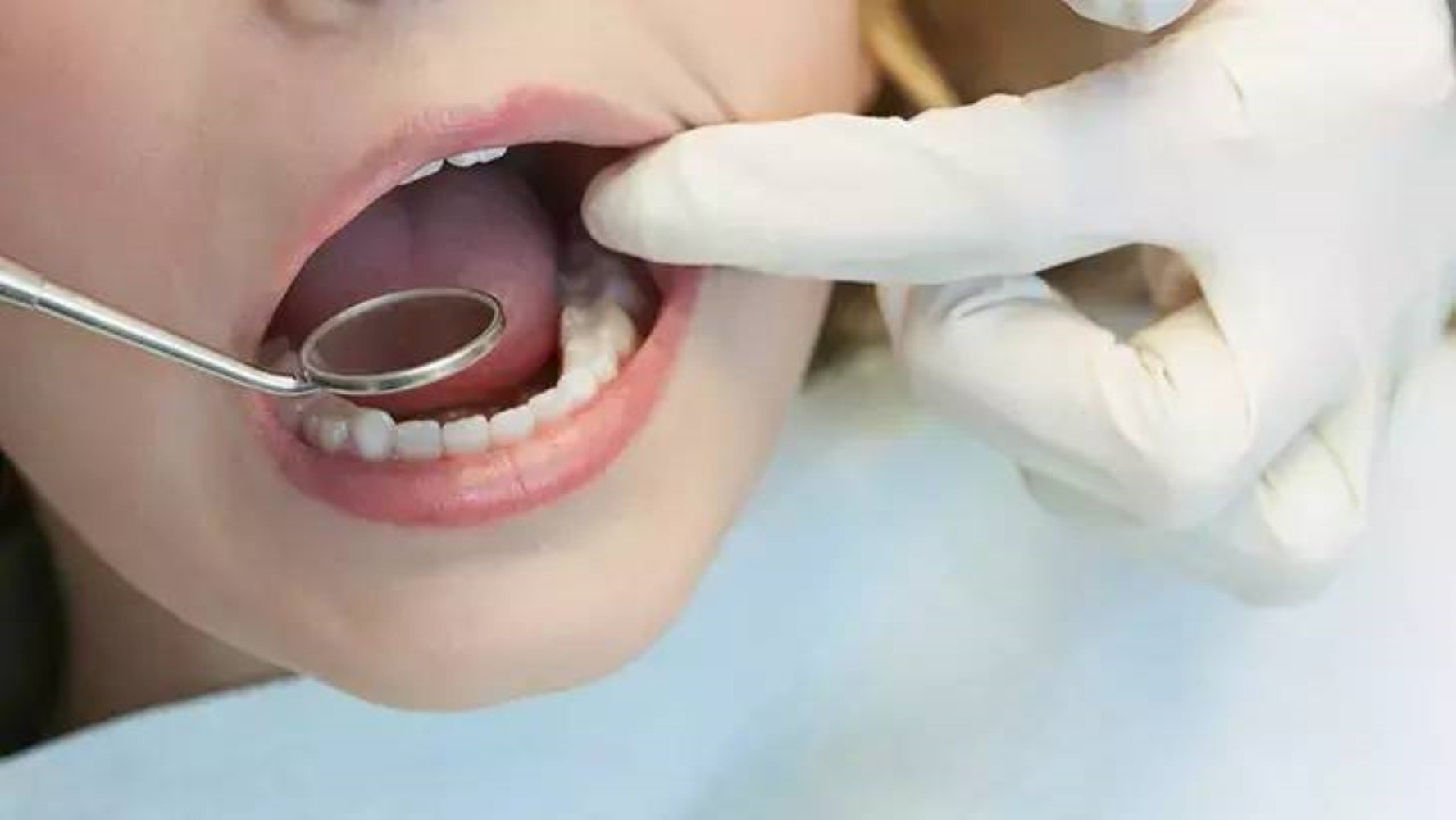
1-If the child is heard grinding their teeth while sleeping at night, waking them from deep sleep can help reduce the force transmitted to the chewing muscles, thereby mitigating the damage caused. Furthermore, reducing the frequency of the habit can contribute to weakening muscle memory and the gradual disappearance of bruxism over time.

2-Chewing gum can cause the chewing muscles to be constantly activated and strengthened, which may lead to more force being transmitted to the jaw joint and teeth during clenching. Until the teeth-clenching habit is brought under control, children's gum chewing should be limited as much as possible.
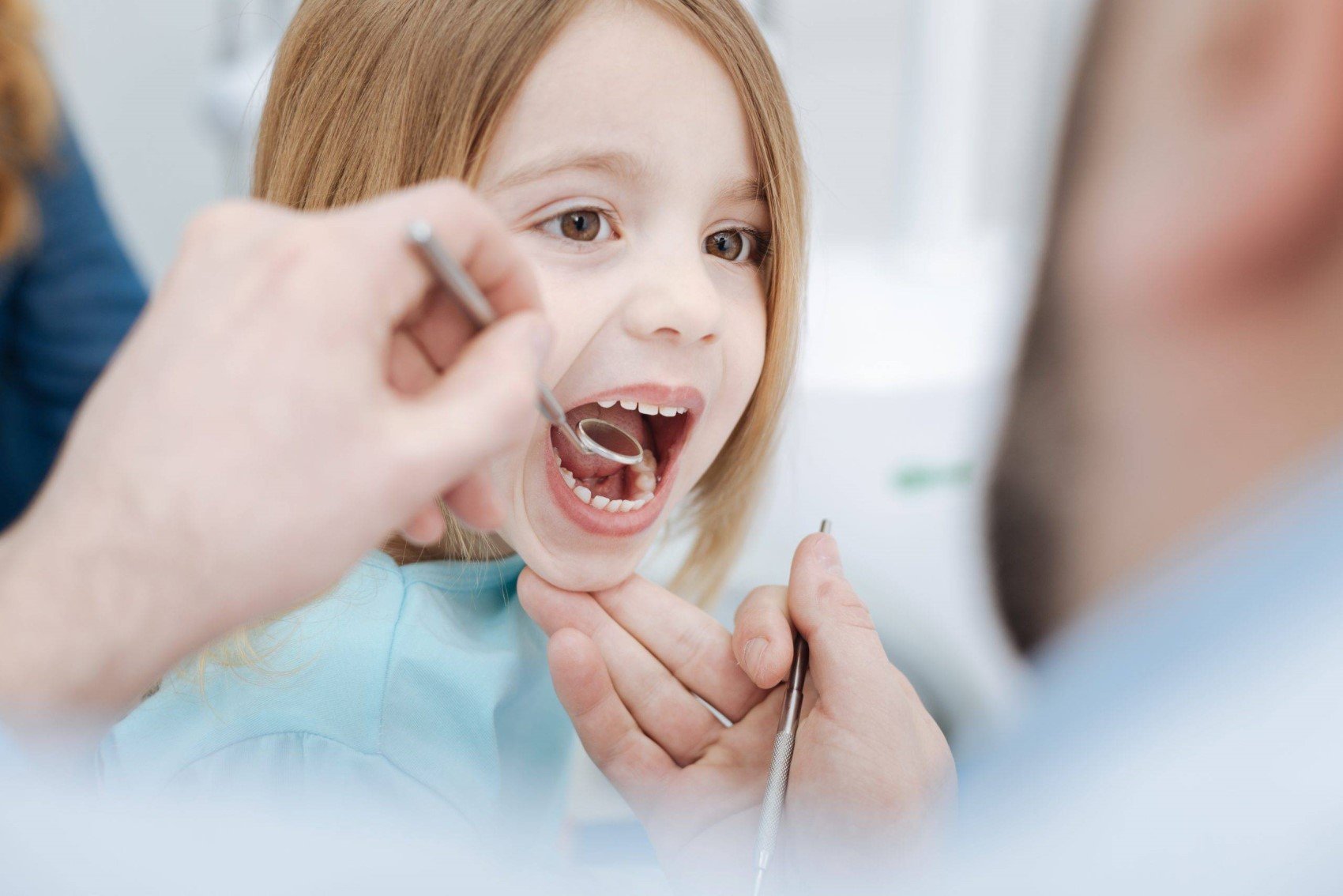
3-Considering the damage that the teeth-clenching habit may have caused to the jaw joint, foods such as apples and hamburgers should be consumed by cutting them into pieces, and uncontrolled force on the jaw joint in an open-mouth position should be avoided.
4-In children who clench their teeth at an advanced level, since wear on the teeth and a reduction in the dimensions of the lower jaw may be seen over time, prefabricated crowns should be used when necessary to ensure that the teeth remain in the mouth until their natural shedding age.
5-Until the habit of teeth clenching and grinding is brought under control, routine pediatric dental check-ups should not be neglected.