Hababam Sınıfı's Mahmut Hoca files a lawsuit against production companies!
The heirs of Münir Özkul, a legendary figure of Turkish cinema, have filed a copyright lawsuit regarding the films for which the master artist is known for his unforgettable performances. Güner Özkul, the daughter of Özkul, stated that the productions identified with her father's name have been used without permission for years and that they have received no income during this process, and she has demanded their rights from the production companies.
12punto
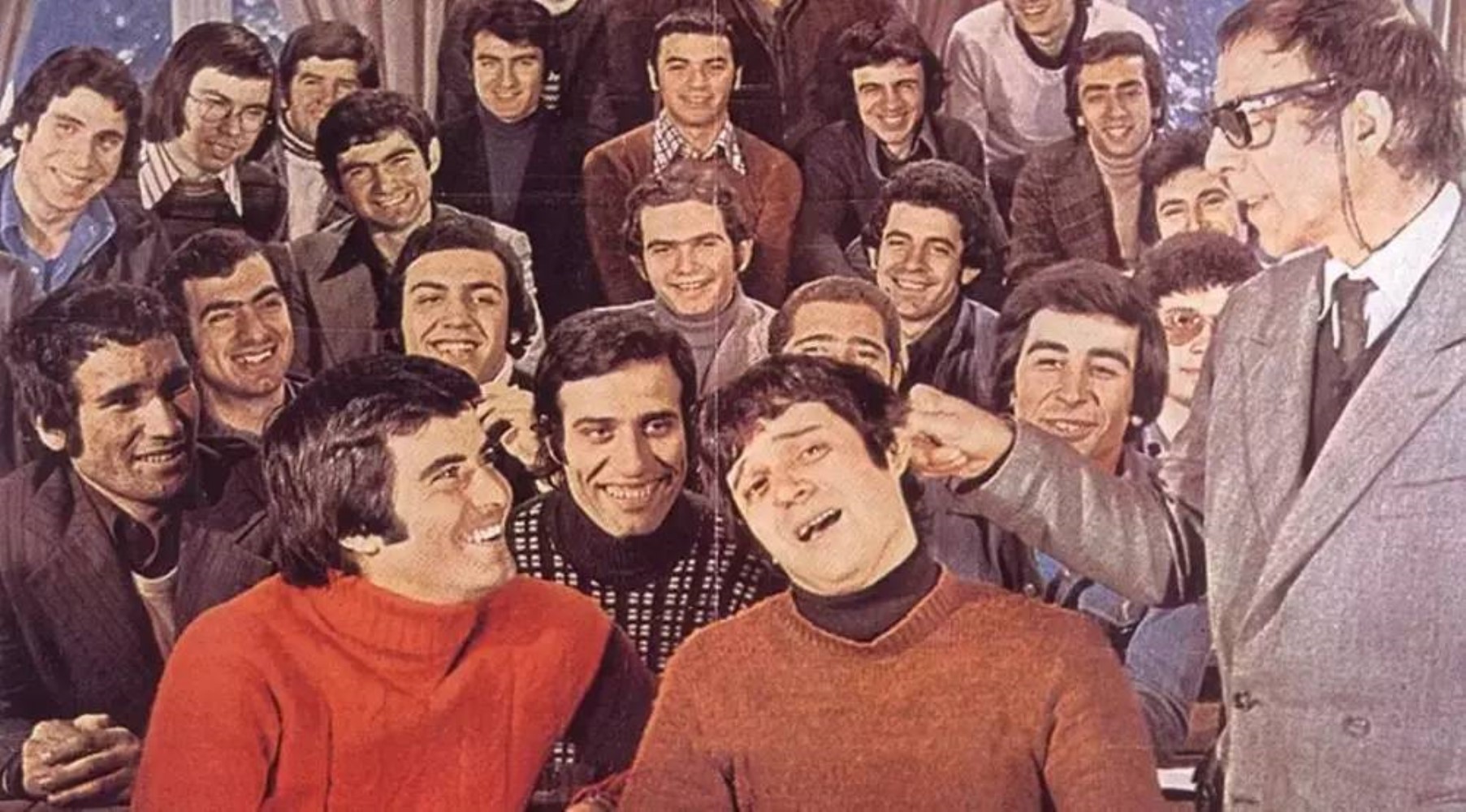
According to a report by T24, the heirs of master artist Münir Özkul, who brought the "Mahmut Hoca" character to life in the legendary Turkish film Hababam Sınıfı, have filed a copyright lawsuit against production companies. His daughter, Güner Özkul, stated that the films known by her father's name have been copied and used without permission for years and that Münir Özkul received no compensation for them throughout his life.
The petition emphasized that production companies have been generating significant revenue for many years through copies and advertisements of Yeşilçam-era films broadcast on television channels and digital platforms such as YouTube and Facebook, and requested an injunction. If the lawsuit is successful, many films such as Hababam Sınıfı, Neşeli Günler, and Gülen Gözler will be broadcast on television and digital platforms within the framework of copyright laws.
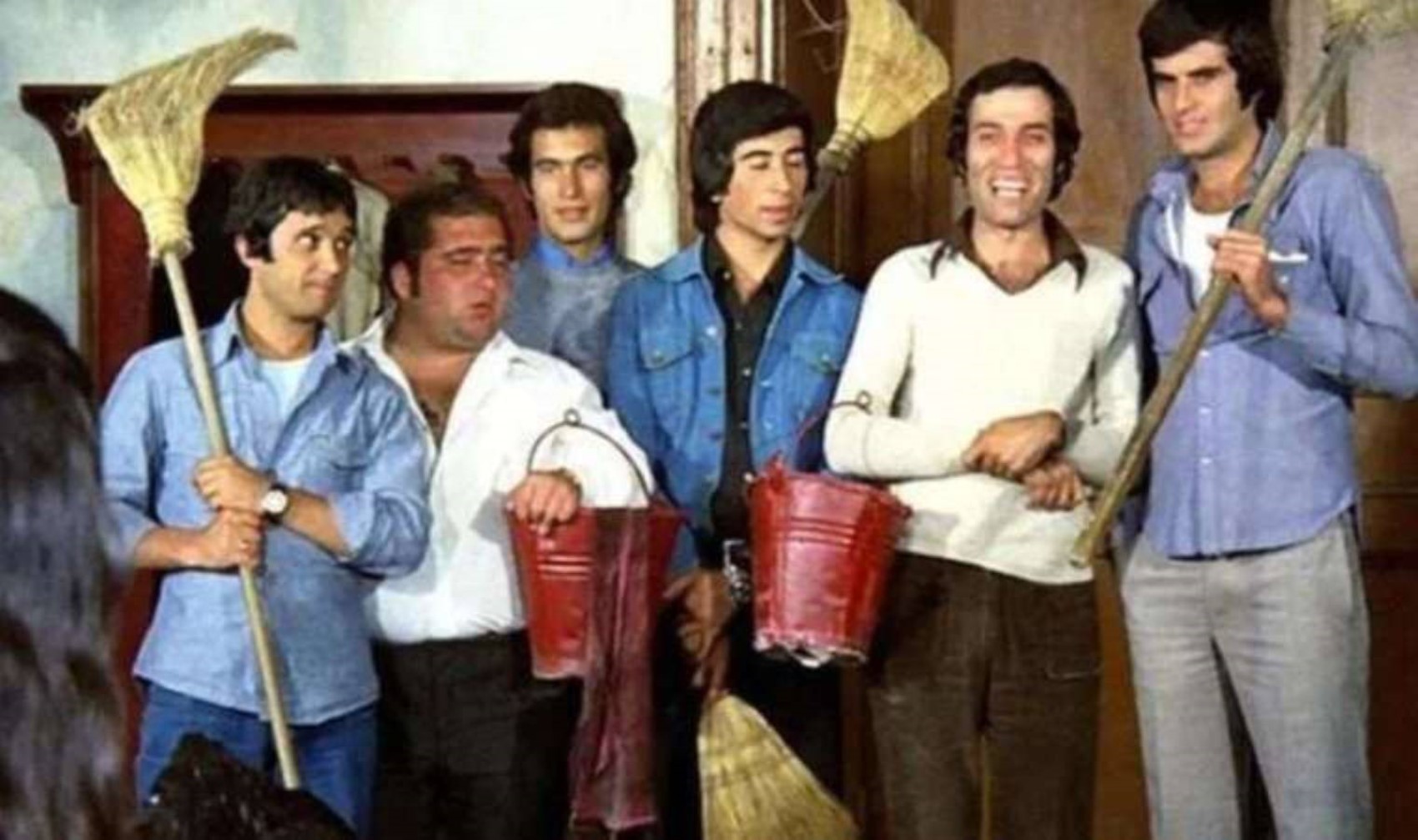
Münir Özkul, an unforgettable name in Turkish cinema and theater, passed away in 2018 at the age of 92. Özkul, who was awarded the title of "state artist" by the Ministry of Culture in 1998, secured an important place in Turkish cinema with his "Mahmut Hoca" character in Hababam Sınıfı, "Yaşar Usta" in Neşeli Günler, and productions such as Gülen Gözler and Aile Şerefi, and appeared in more than 100 projects.
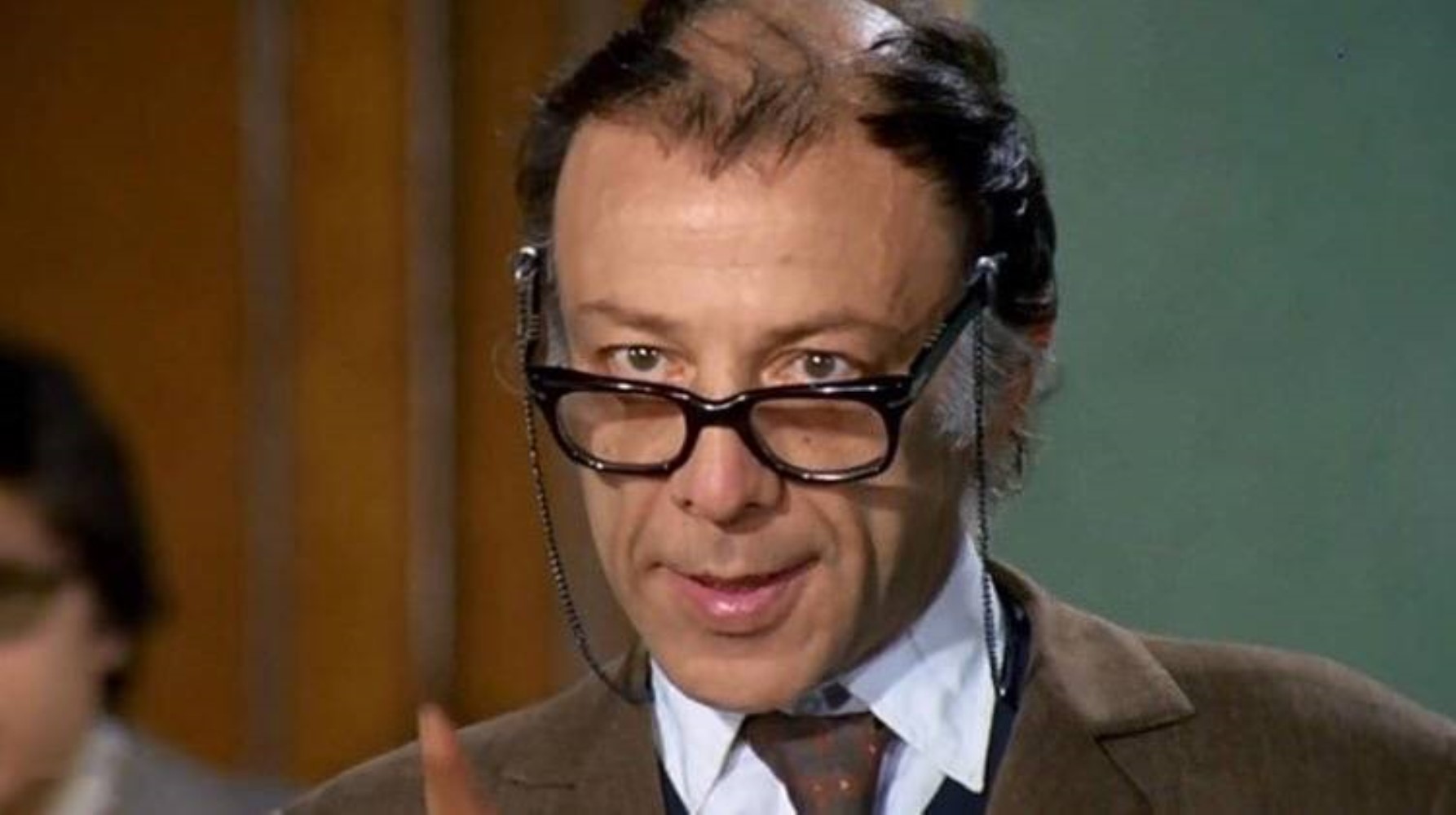
However, Münir Özkul's daughter, Güner Özkul, filed a lawsuit against the production companies on the grounds that they still have not received any copyright income from these films. Applying to the Istanbul Intellectual and Industrial Property Rights Court, Güner Özkul stated that in her father Münir Özkul's Yeşilçam-era projects, neighboring rights—which did not exist at the time—were naturally not transferred, and that in most productions, not even a written contract was made. Güner Özkul expressed that the productions known by her father's name, which have been used without permission for decades, provided no financial return to Münir Özkul throughout his life.
'NO NEW PERMISSIONS OBTAINED'
In the petition submitted by Özkul's lawyer, Bişar Abdi Alinak, it was requested that the unlawful uses be identified, stopped, and that the transfer of the productions to other companies be prevented as a precautionary measure, and an injunction was requested against the production companies.
The petition, citing the Law on Intellectual and Artistic Works (FSEK), stated that for many productions known as "Münir Özkul films," no contract was made between the production companies and Münir Özkul; that at the time the films were shot, there was no licensing for digital platforms (YouTube, Netflix), CD/DVD/Blu-Ray, or television channels from which production companies now generate revenue; and that contracts were only made for screenings in movie theaters, and therefore no new permissions were obtained.
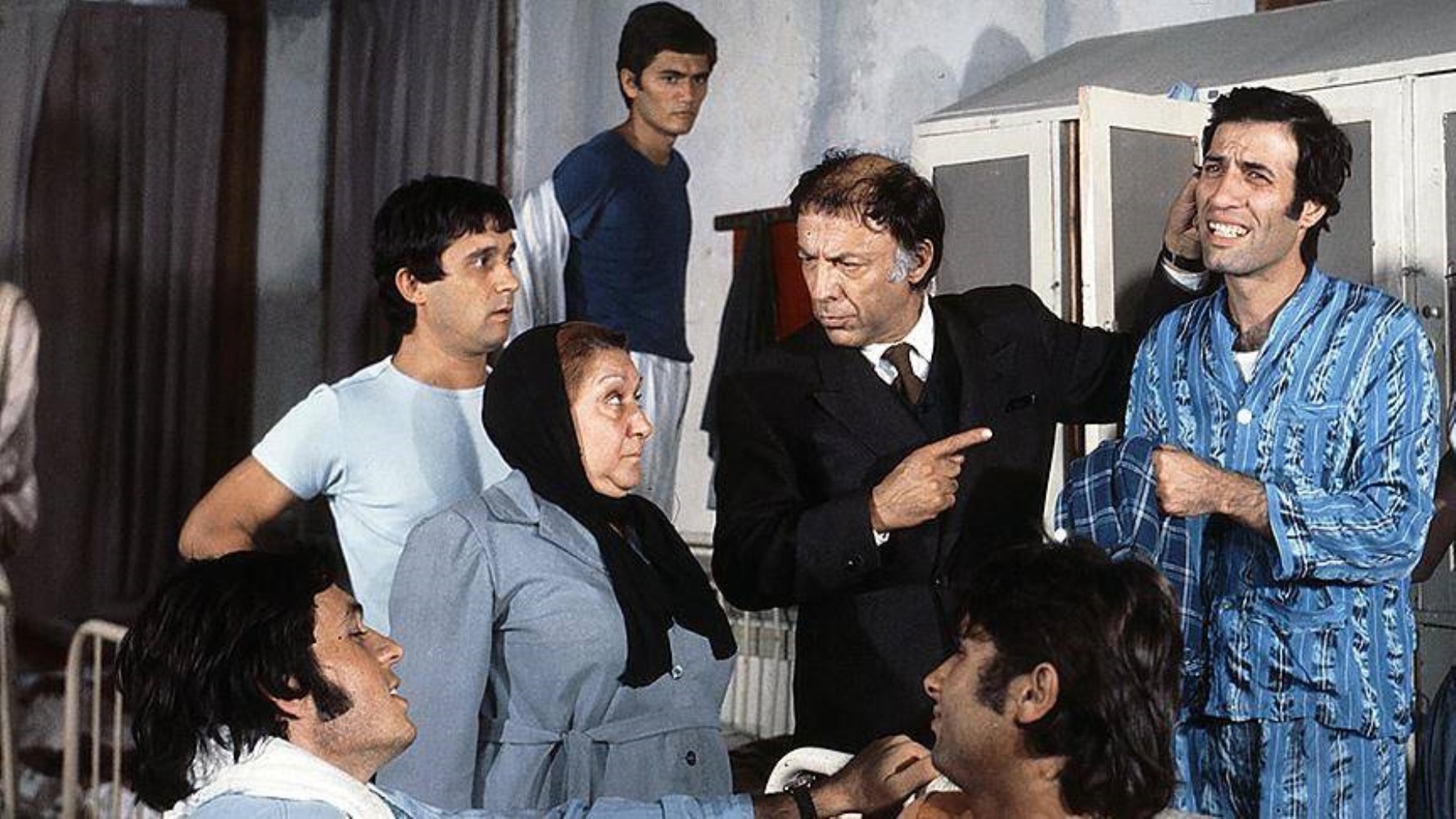
Furthermore, it was stated that by selling copies of the films on data storage media without Özkul's permission, and by making them accessible in their entirety or in short clips on YouTube, Facebook, and similar platforms, millions of views and advertising revenues were generated; however, despite this, no contract was made, and therefore Özkul could not benefit from this income.
If the lawsuit is successful, the future broadcasting of films featuring Münir Özkul on television channels and digital platforms such as ATV, Now TV, Kanal D, Star TV, Show TV, TV8, DigiTürk, TV+, TiviBu, YouTube, and Netflix, as well as via CD/DVD/Blu-Ray, will take place within the framework of copyright laws.
Lawyer Bişar Abdi Alinak made the following statements to T24 regarding the legal process: "Unfortunately, it has become a common situation for artists who acted in Yeşilçam-era films not to receive their copyright royalties to date. Once the legal processes are completed, important names of Turkish cinema will hold all their copyright rights in Turkey, just as they do in Europe and other countries around the world. We will continue to inform the public about the lawsuit process."