What is Martenitsa? The spring ritual and how to make a Martenitsa bracelet
As nature awakens with the arrival of March, a deep-rooted tradition from the Balkans is being worn on wrists. Woven with red and white threads, Martenitsa bracelets symbolize the joy of spring and new beginnings. This ancient ritual, still kept alive in Thrace, represents the strong bond between humans and nature. So, where does the Martenitsa tradition come from, how are these bracelets made, and what do they signify? Here is the story and creation of the Martenitsa bracelet...
12punto
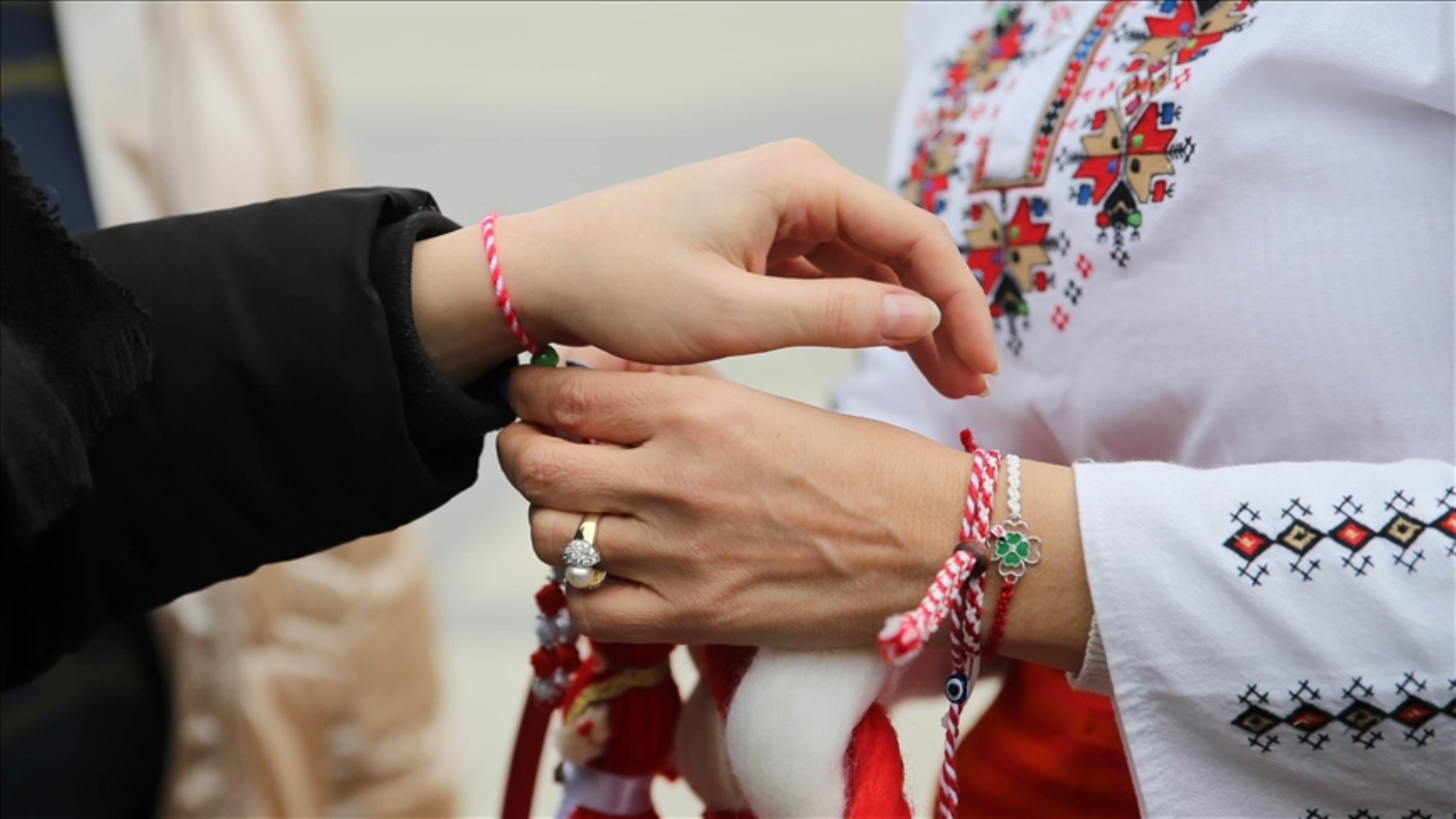
As we enter March, the harbinger of spring, a deep-rooted tradition brought from the Balkans to the present day is coming back to life: Martenitsa! Woven with a combination of red and white threads, these bracelets symbolize the awakening of nature and new beginnings. This meaningful ritual, especially kept alive in Thrace, is one of the most elegant ways to carry spring on your wrist. So, what is the story behind Martenitsa bracelets? Here is what you need to know about the origin and making of this special tradition...

WHAT IS MARTENITSA?
Martenitsa, also known as Martipi or Martenitsa, is the name used for the bracelets and ornaments worn on the wrists throughout the month starting from March 1st in the Balkans and the Thrace region. Although its origin is based on an old Bulgarian tradition, Martenitsa is a spring ritual known throughout the entire Balkan geography and celebrated every year in Turkey through Balkan immigrants.
According to the natural calendar, it is known that storks begin their migration journey at the end of February. The movement of storks is accepted as a sign of the arrival of spring.

In March, these bracelets and ornaments prepared with red and white threads are tied to wrists with wishes for goodness, health, and abundance, and are worn throughout the month.
When the first stork of the year is seen, the bracelets are removed and tied to a fruit-bearing tree. It is believed that the wishes made while wearing the Martenitsa will come true when a stork is spotted.
WHAT IS THE STORY OF MARTENITSA?
Various legends are told about Martenitsa in Bulgarian folklore. The most well-known of these is Baba Marta. Bulgarians believe that the days of Baba Marta (Grandma Marta) begin as of March 1st.

Baba Marta - Grandma Marta is one of the most deep-rooted and respected traditions that has reached the present day. Martenitsas are not only worn on wrists but also attached to fruit trees, houses, and pets. This ritual symbolizes making wishes for the new agricultural year to be abundant and productive.
The first Martenitsas were made only of red and white threads without any added ornaments and were worn by people and animals to protect against the evil eye. In some regions, a gold or silver coin was added to this twisted red-white thread and used as a symbol of protection against diseases.

Martenitsas, which carry an authentic artistic value, have begun to reflect the public's understanding of aesthetics and elegance over time. Initially made only of red and white wool, these bracelets took on different forms such as tassels, balls, and human figures in later periods. The most special figures in the Martenitsa tradition are the dolls named "Pijo and Penda" made from red and white thread.
In Martenitsas, the white color symbolizes longevity and purity, while the red color symbolizes health and strength.

HOW IS MARTENITSA MADE?
Traditionally, Martenitsas are not bought; they are made by weaving or given as gifts. In the Balkans, people gift Martenitsas to each other on March 1st. Making them is quite simple; you can weave them by tying a red and white thread at one end and twisting the other ends. Those who wish can also create different models using a crochet hook or knitting needles. Beads and ornaments can be added optionally.