Selahattin Demirtaş writes from prison: Draws attention to operations against CHP
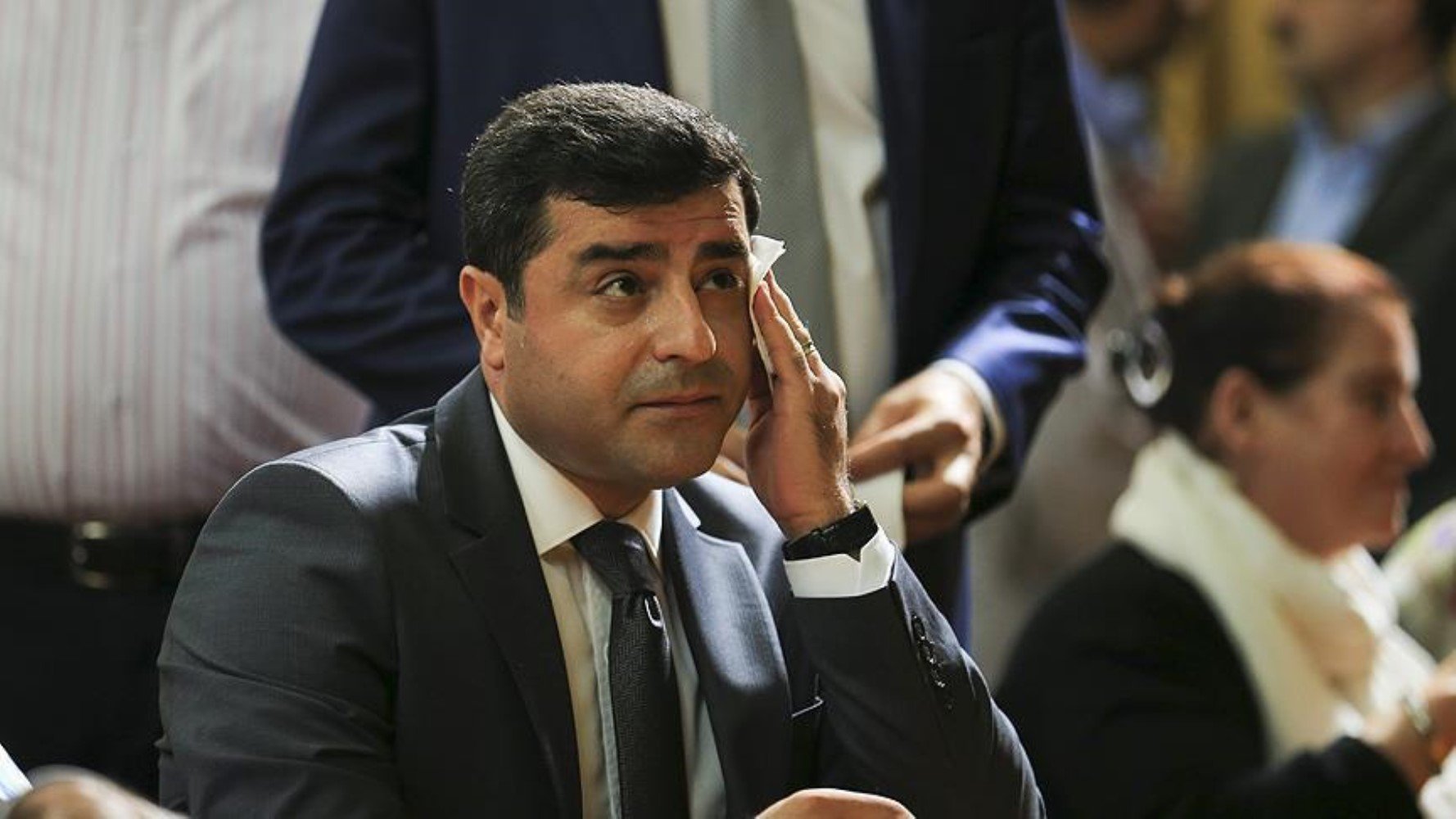
Imprisoned former HDP Co-Chair Selahattin Demirtaş, in an article he wrote regarding the current process, criticized the operations and other steps taken against the CHP, stating that these moves increase social polarization.
12punto
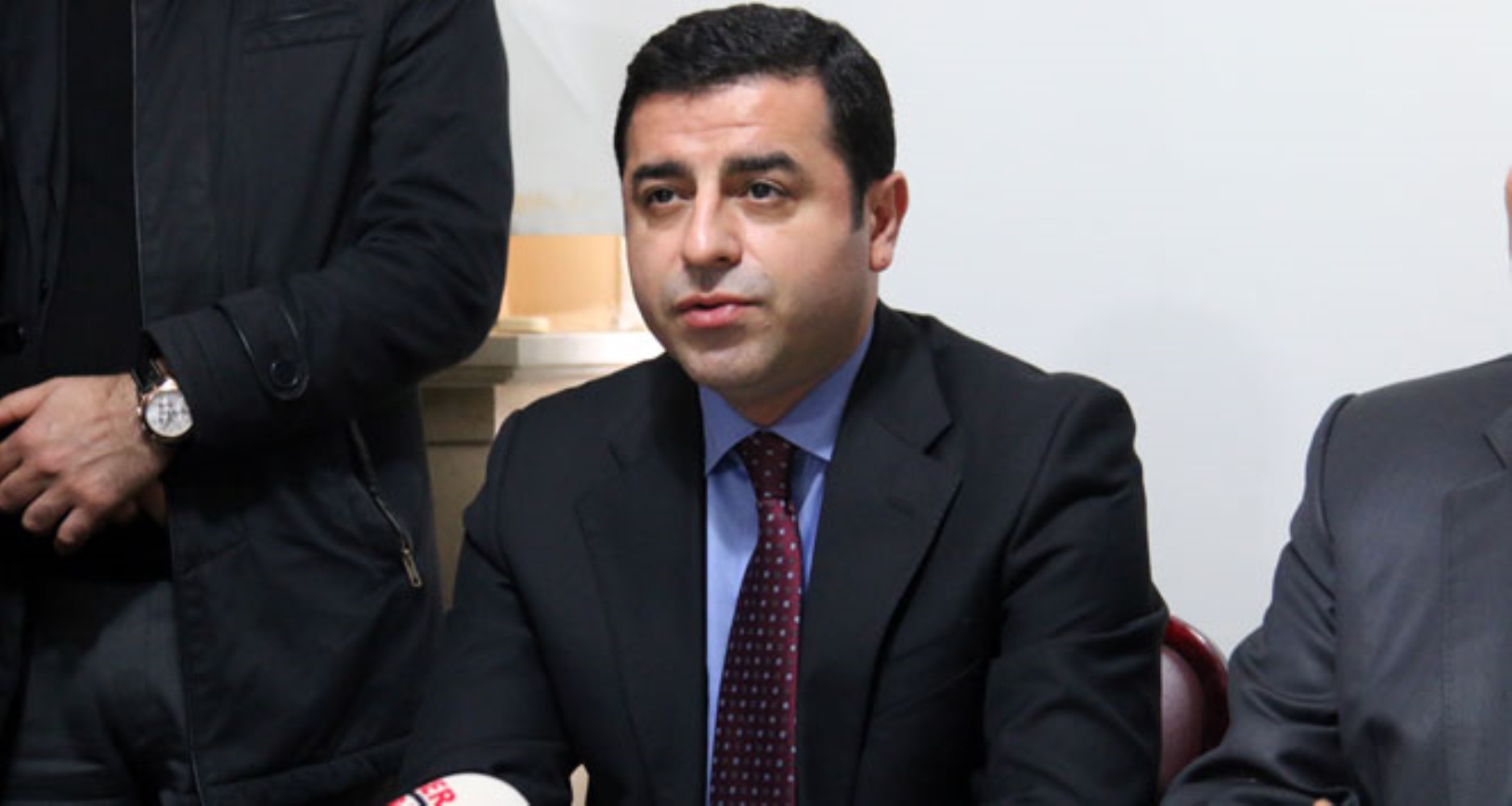
Imprisoned former HDP Co-Chair Selahattin Demirtaş evaluated the government's recent steps and social processes in an article he penned for T24. In his article titled "An accounting of the process: What could we have done or what can we do?", Demirtaş emphasized that the operations carried out against the CHP have further polarized society.
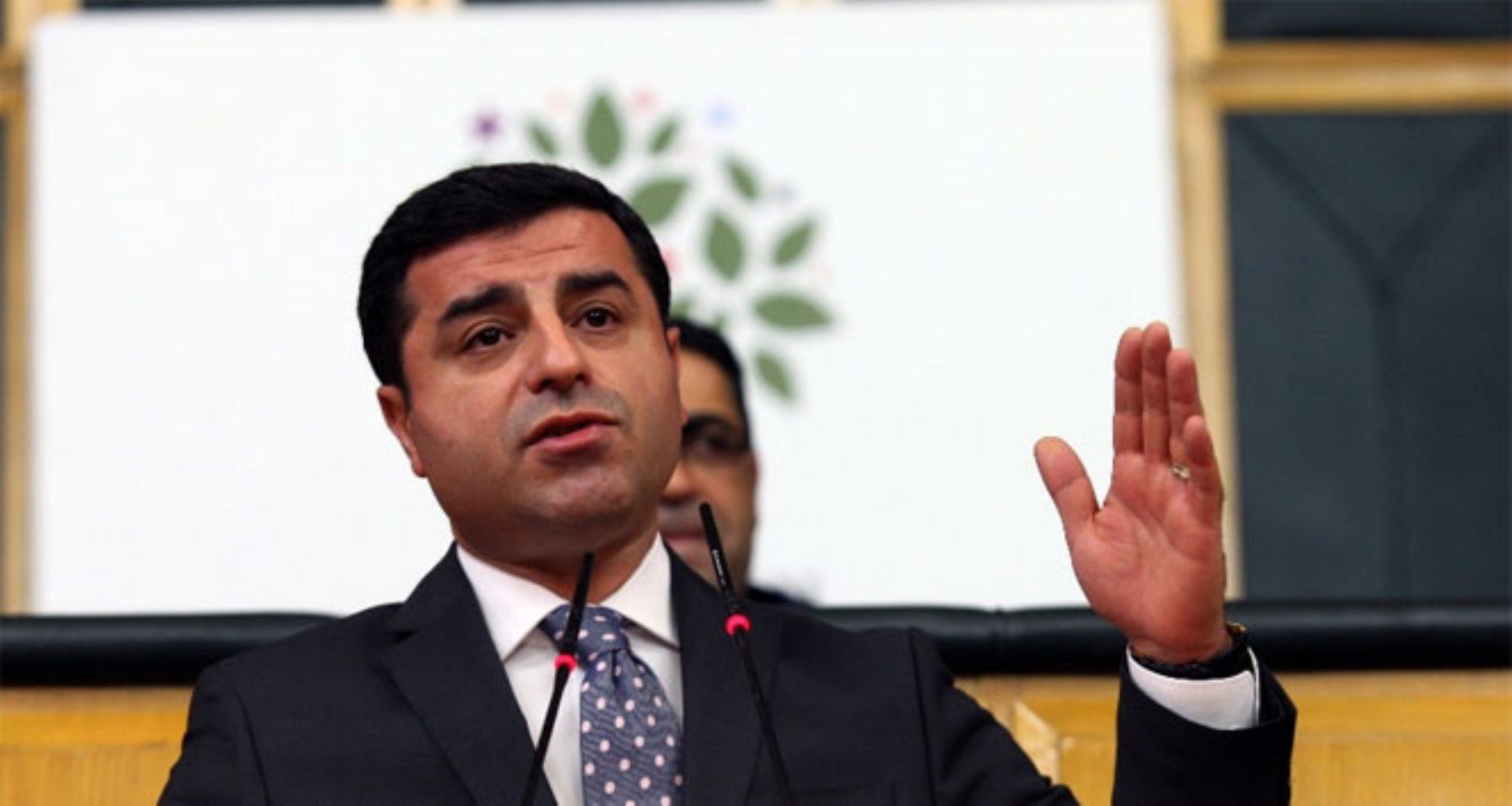
Demirtaş listed the important steps the government should have taken at the beginning of the process. However, he stated that practices such as the operations against the CHP and the failure to return municipalities where trustees were appointed have further deepened the division.
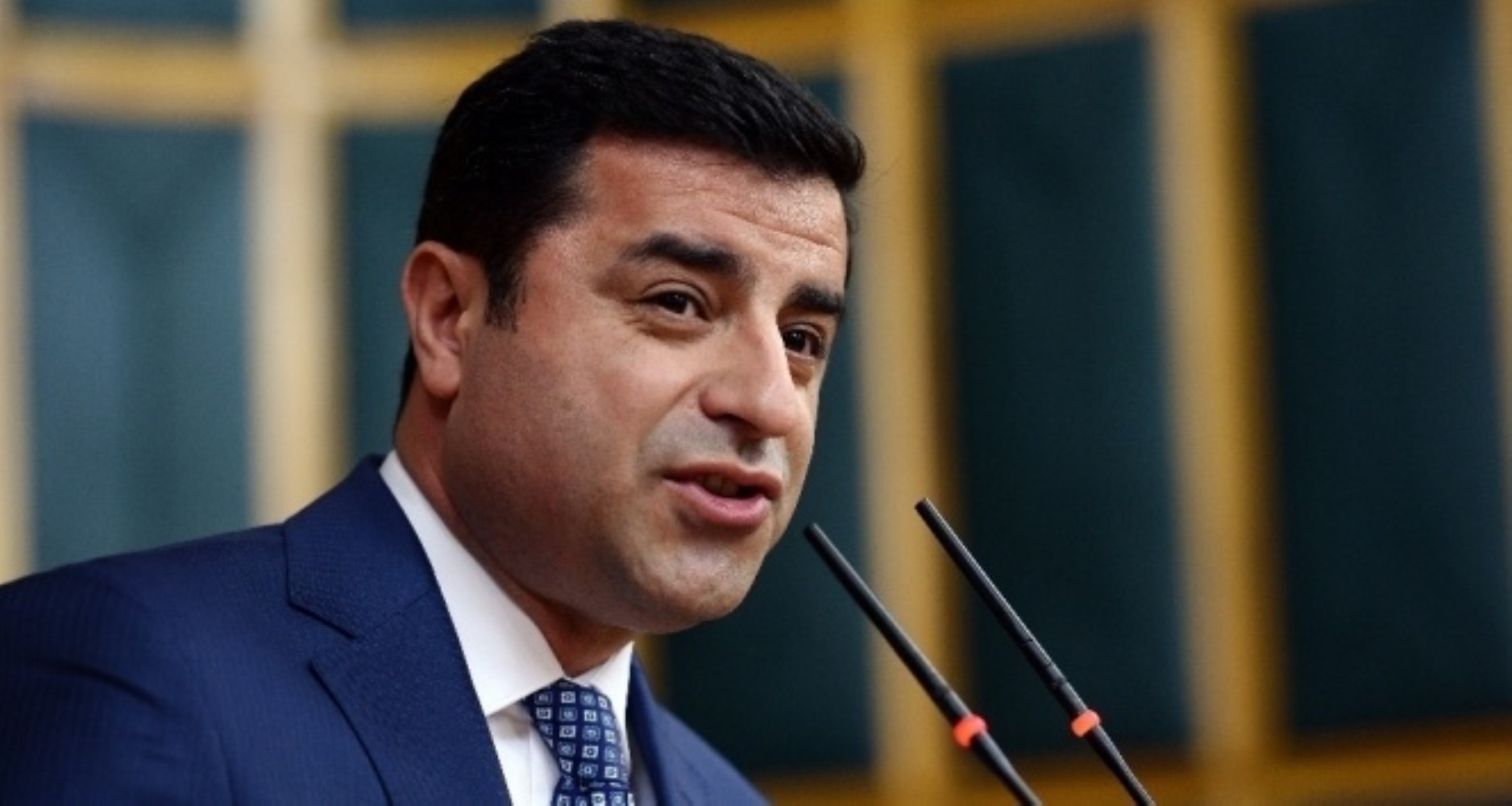
Selahattin Demirtaş expressed that elements such as the appointment of trustees and the failure to release sick prisoners have harmed social reconciliation and peace. "These steps have weakened social bonds and hindered the progress of the process," he said.
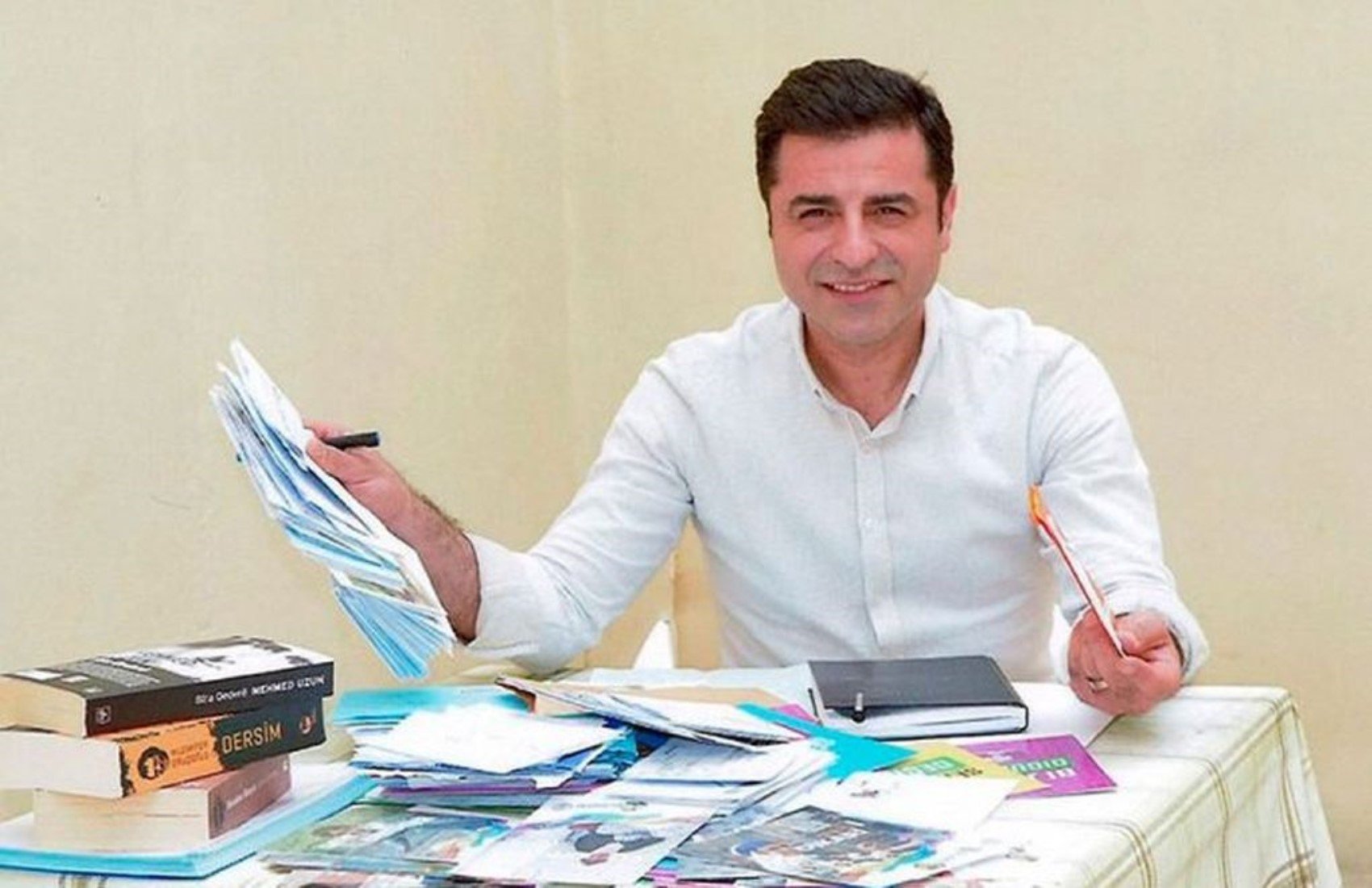
"KURDISH – TURKISH BROTHERHOOD HAS BECOME MORE DIFFICULT"
In his article, Demirtaş also made assessments regarding Kurdish-Turkish brotherhood. He used the expressions, "Before Kurdish-Turkish brotherhood could be consolidated, a Turkish-Turkish division was added on top of it." Demirtaş stated that he watches this situation with sadness. "A friend speaks bitter truths; as a friend of peace and brotherhood, I see these things from my 12-square-meter cell and I am saddened," he said.
‘WHAT COULD WE HAVE DONE OR WHAT CAN WE DO’
The full text of the article written by Selahattin Demirtaş is as follows:
“An accounting of the process: What could we have done or what can we do?”
The key concept of the process is not “weapons” but “brotherhood.” Since weapons bruise and wound the law of brotherhood, naturally, weapons should have been removed from the equation first. Simultaneously, the law and sentiment of brotherhood should have been repaired. Yet, not a single effective, result-oriented step was taken regarding this... So, what could we have done or what can we do? Let me list the first things that come to my mind, please add to them, expand them...
Important developments have occurred and serious steps have been taken in the last year through the initiatives of Recep Tayyip Erdoğan, Devlet Bahçeli, and Abdullah Öcalan.
- Bahçeli’s initiative and call in October 2024
- Öcalan’s February 27 call
- Erdoğan’s ownership of the process
- The PKK’s dissolution congress
- The establishment of a commission in the TBMM (Grand National Assembly of Turkey)
- Holding a ceremony to burn weapons in Sulaymaniyah
- The complete withdrawal of the PKK from Turkey
- The SDF reaching an integration agreement with Damascus
These are not steps to be underestimated or trivialized. All of them are valuable and historic moves. All of them are serious, positive developments that closely concern Turkey’s internal and external security. In other words, great distance has been covered in the “security” dimension of the issue in one year. This is the positive side of the matter.
‘THE KEY CONCEPT OF THE PROCESS IS NOT WEAPONS BUT BROTHERHOOD’
Now the question is this: Does the process consist only of the “security” heading, and does the “security” heading consist only of weapons? Those who answer yes to this question have either never understood the concept of “security” or the process, at least not in the way we understand it.
However, the key concept of the process is not “weapons” but “brotherhood.” Since weapons bruise and wound the law of brotherhood, naturally, weapons should have been removed from the equation first. Simultaneously, the law and sentiment of brotherhood should have been repaired. Yet, not a single effective, result-oriented step was taken regarding this. I am not talking about the laws that need to be passed; there has been no progress on that matter yet either, but the thing that needs to be done before the law is work aimed at ensuring unity in sentiment; these were not done.
‘THE LAW MUST BE MADE IN THE CONSCIENCE OF THE PEOPLE BEFORE THE PARLIAMENT’
If one were to ask “Where is a law made?”, everyone would clearly answer “In Parliament,” but this answer is not correct. Law is made in society, among the people, in the nation; Parliament turns that law into a norm and makes it binding. Therefore, the laws of brotherhood must first be made in the bosom, heart, self, and conscience of the people.
The essence of the matter is not ideology, theory, or norm, but sentiment. Brotherhood is first established in sentiment, then Parliament turns it into a norm, into a law. If you try to make a law while there is no sentiment, you will both struggle and take a step contrary to the will of the people. It is a big mistake to tie everything to the law and to have an expectation as if all problems would be solved that very hour if laws were passed. For example, if Parliament were to pass a law tomorrow saying, “Kurds and Turks are brothers and must love each other,” would the issue be resolved? Would everyone start loving each other the next morning?
Yes, the Kurd and the Turk are brothers; they should love each other like brothers, like a mother, like a lover. However, due to the mistakes of the last hundred years, blood entered between them, weapons entered, discrimination entered. 50 thousand of our brothers, all of whom were children of Turkish and Kurdish mothers, were buried in the ground in every cemetery in Turkey; some do not even have graves. Anger, resentment, hurt, hatred, and feelings of revenge have accumulated and accumulated, and have come between brothers. Eliminating these, sharing our mourning and pain, healing our wounds mutually, looking into each other’s eyes and embracing like brothers, and shedding tears of sorrow and joy at the same time would be much more of a priority, constructive, and permanent than a law. Once these are done, making the law is very easy, and that task is just a small detail by then.
Saturday Mothers and Peace Mothers in the National Solidarity, Brotherhood and Democracy Commission
‘WHAT COULD HAVE BEEN DONE?’
So, what could we have done or what can we do to ensure what I have stated? Let me list the first things that come to my mind, please add to them, expand them. For example, wouldn't it have been much more effective if the Parliamentary Commission had done the following instead of spinning its wheels for months under the name of “listening”? Wouldn't the result have been much more constructive if political party leaders had also taken part in these activities? What, for example?
• If the leaders and commission members had visited the graves of Adnan Menderes, Alparslan Türkeş, Orhan Doğan, and Mehmet Sincar, and then gone to Anıtkabir from there.
• If they had visited Mevlana in Konya and Ehmedê Xanî in Doğubayazıt.
• If they had organized a brotherhood match between Amedspor and Trabzonspor in Diyarbakır. If all of Diyarbakır had been decorated with Trabzonspor and Amedspor flags. If our brothers coming in droves from the Black Sea had been hosted in the homes of Diyarbakır residents, and they had gone to the stadium together to watch the match. If Vanspor had similarly been a guest of Kayserispor and our Kurdish brothers had gone to Kayseri in droves and been hosted in homes.
• If the national football team had played one of its matches at the Diyarbakır Stadium and the people of Diyarbakır had embraced the National Team with all their hearts.
• If a busload of young people had set off from Edirne and a busload of young people from Hakkari, met at Anıtkabir, read a brotherhood declaration in Turkish and Kurdish, and written the declaration in the Anıtkabir memorial book.
• If a busload of young people had set off from İzmir and a busload from Kars, met at the Çanakkale Martyrs' Memorial, read the brotherhood declaration in Turkish and Kurdish, and then gone to Ankara together to the Parliament to deliver the declaration to the Speaker of the Parliament.
• If, with the initiative of the Ministry of Culture, brotherhood concerts had been organized in seven regions and TRT artists and Mesopotamia Cultural Center (MKM) artists had sung Turkish and Kurdish brotherhood folk songs and songs on the same stage.
• If, with the initiative of the Ministry of National Education, a Kurdish-Turkish and Turkish-Kurdish dictionary and grammar book had been printed and distributed to all students for free.
• If a brotherhood sermon had been read in Turkish and Kurdish simultaneously at the Bursa Grand Mosque and the Diyarbakır Grand Mosque.
• If Turkish and Kurdish mothers who had lost their children in the conflicts had linked arms and visited the cemeteries together, and in the evening had been hosted by the President at Beştepe.
These were not done, but
If I continued to write, pages would not be enough, but I hope I have been able to explain my point. In other words, the law and statutes of brotherhood must first be made in hearts so that when the remaining normative steps are taken and laws are made, new fractures and divisions do not occur. If work like what I have mentioned had been done, the issue of the Parliamentary Commission going to İmralı would not have turned into a crisis.
These were not done, but as I mentioned at the beginning, there was plenty of listening. Slogans were chanted unnecessarily here and there, those speaking on television could not control their tongues; insults, threats, and blackmail were poured onto the public from the screens.
That was not enough; the division was further deepened with operations of “absolute nullity, cancellation, arrest, trustee, espionage, bribery” targeting the opposition and especially the CHP. Political prisoners who had finished their 30-year prison sentences, and even sick prisoners, could not get out of prison. Not a single municipality where a trustee was appointed was returned to the people. Before Kurdish-Turkish brotherhood could be consolidated, a Turkish-Turkish division was added on top of it.