Statement on Öcalan from the Imralı delegation: What will the content of the call be?
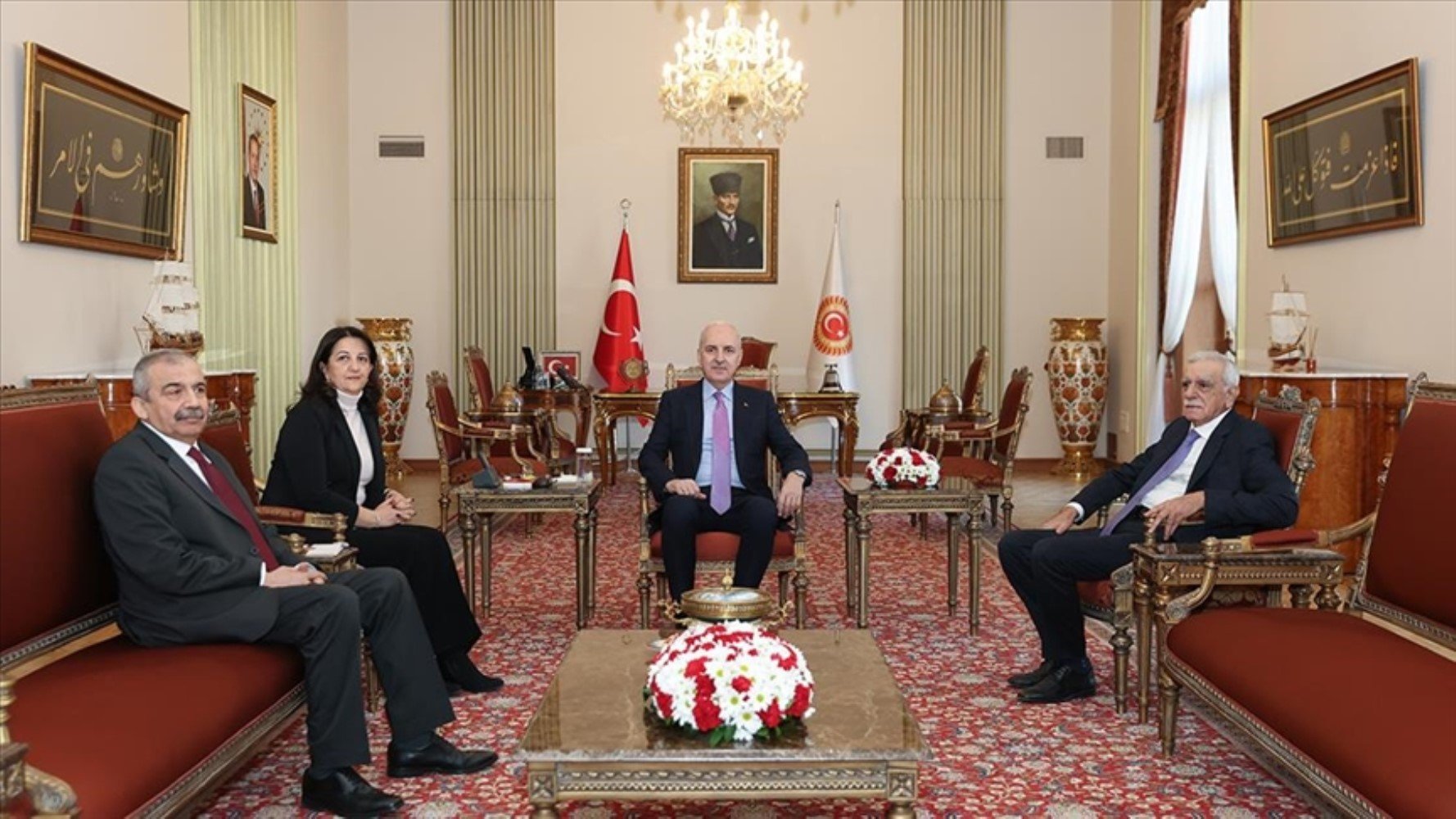
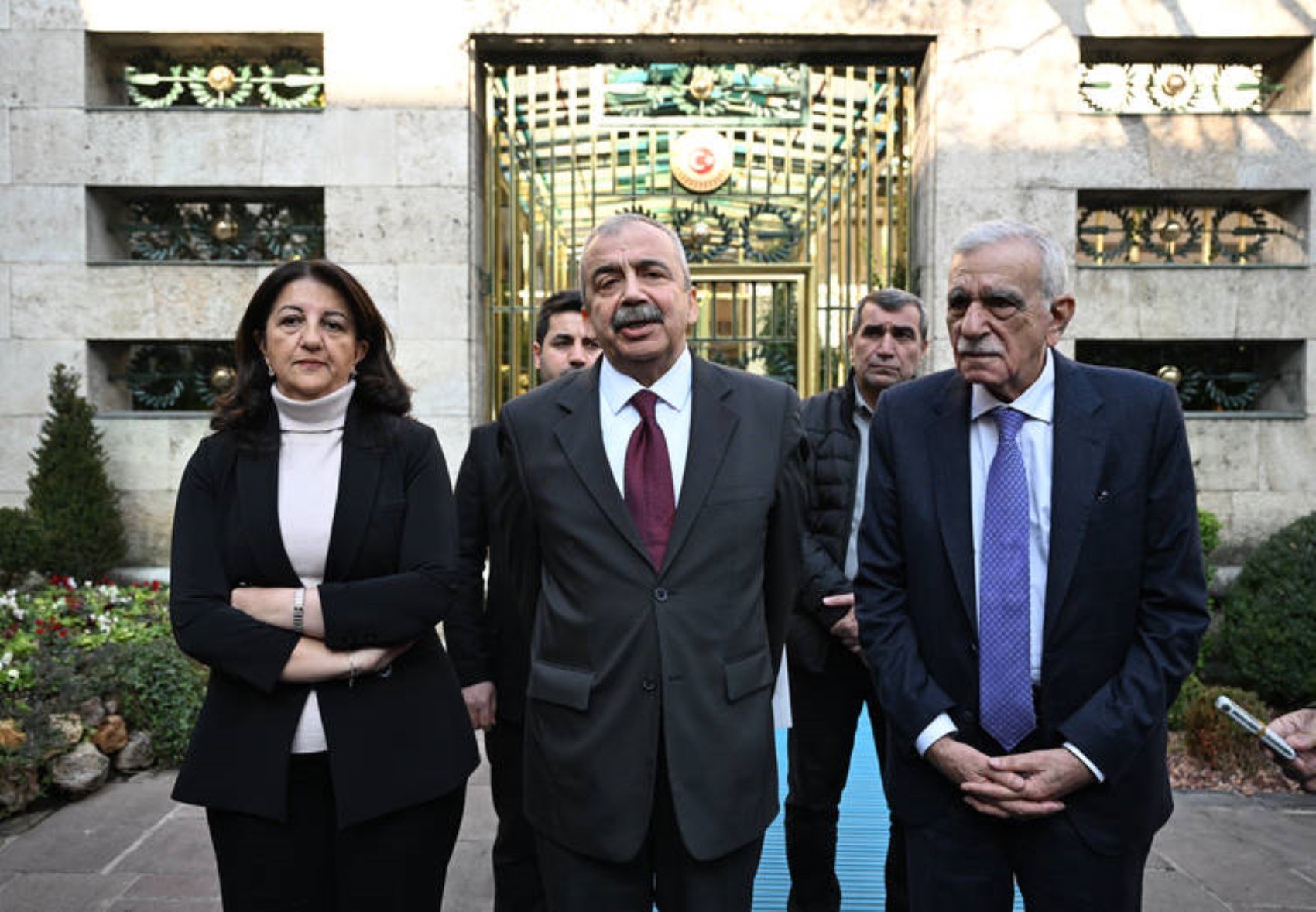
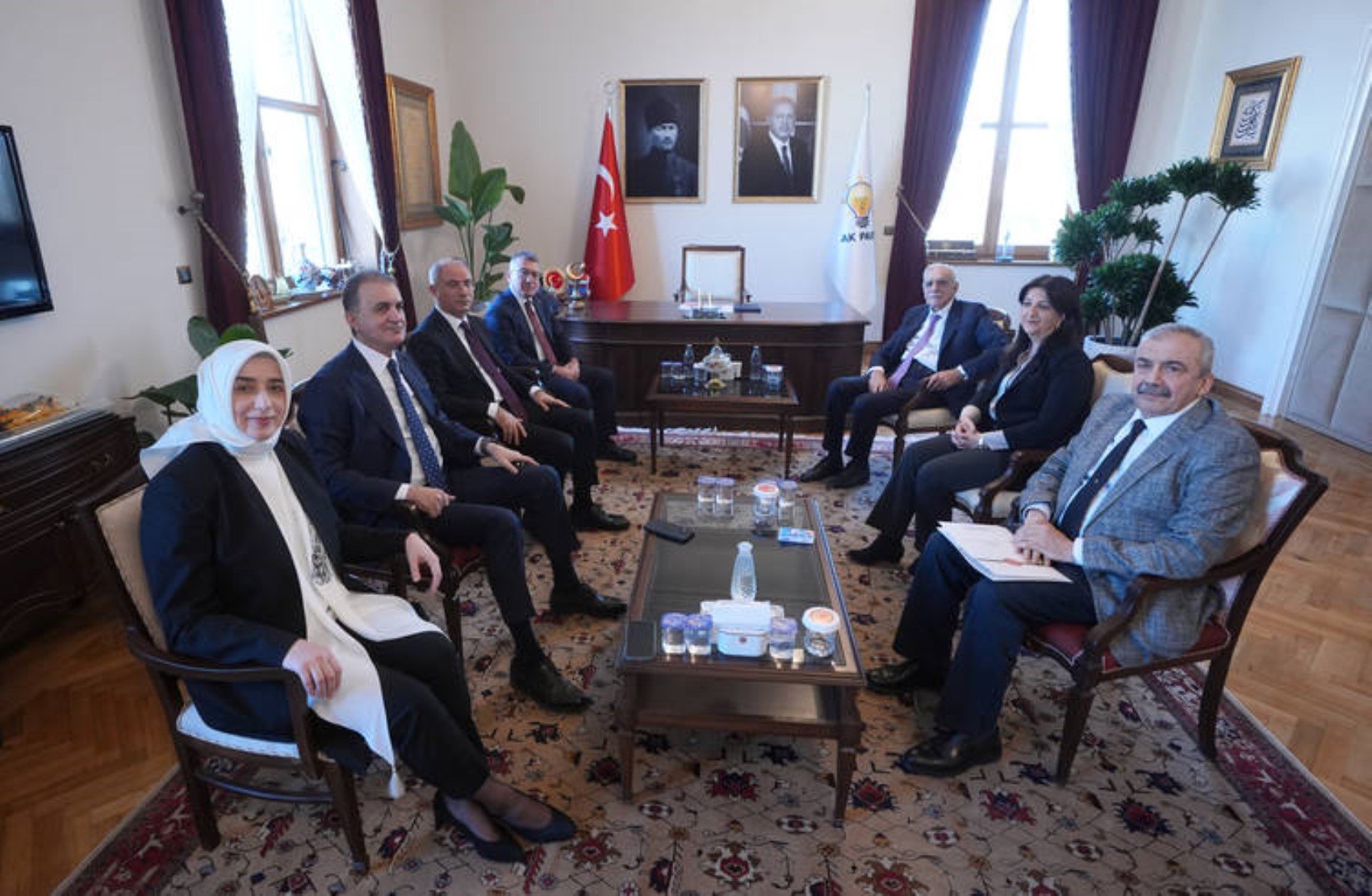
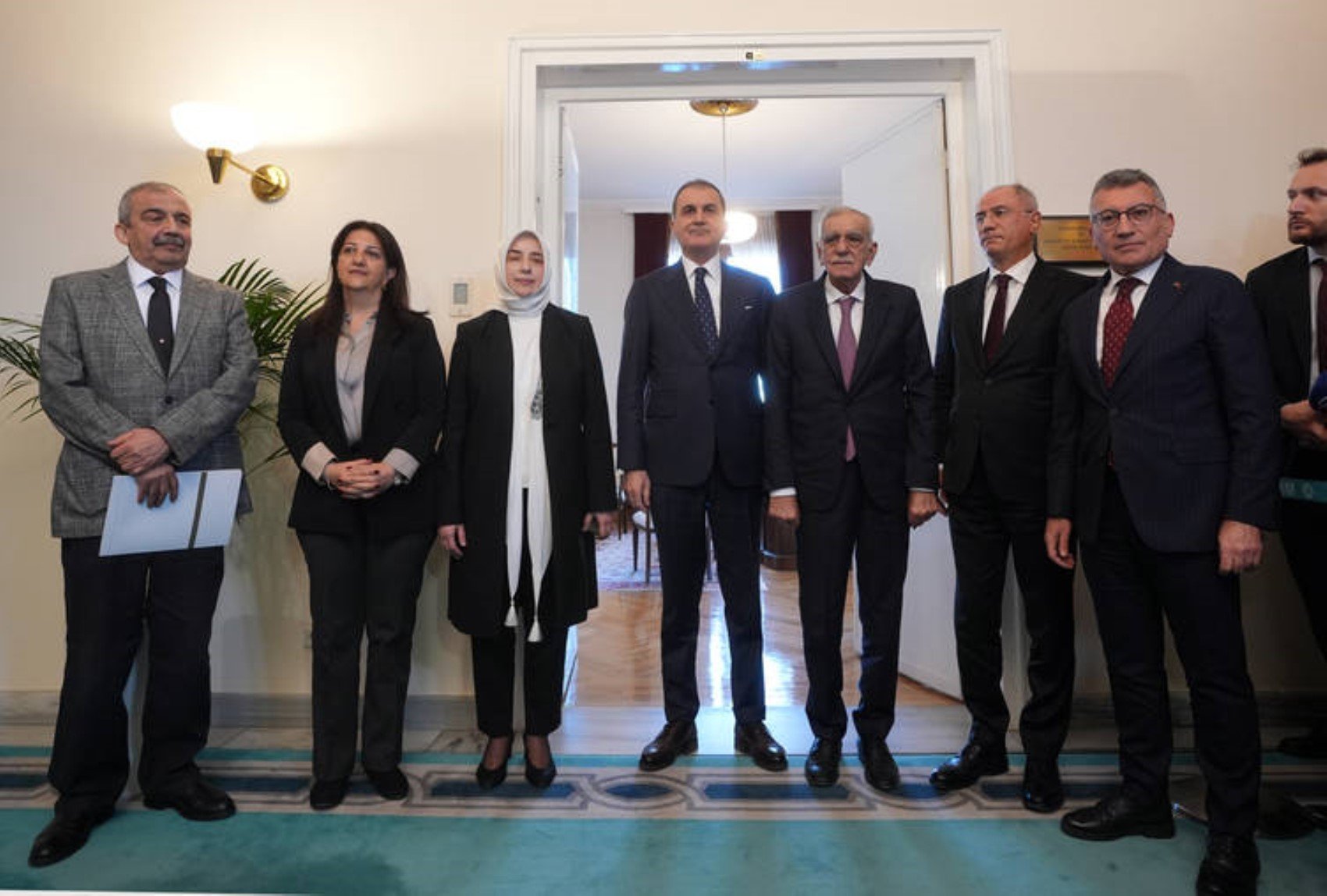
Sırrı Süreyya Önder, who was part of the Imralı delegation and held meetings with PKK terrorist organization leader Öcalan, made statements regarding the new process and Öcalan's potential call. Önder stated, "The duty that falls upon both society and us is to build the garden of peace in the envisioned place." Önder also spoke about the message that Imralı will deliver.
12punto
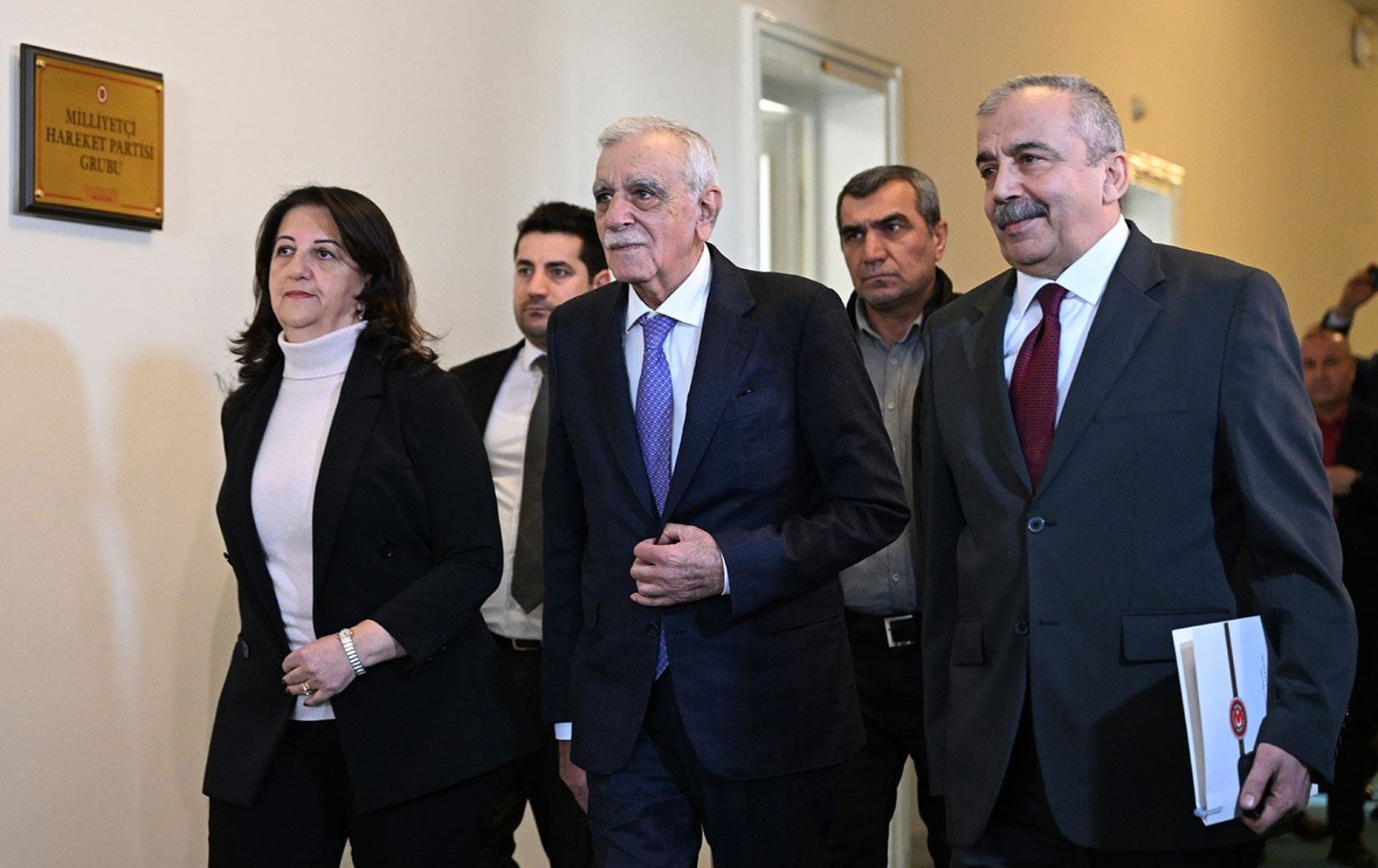
There are active days in the 'solution process,' which has been revitalized by the call from MHP leader Devlet Bahçeli.
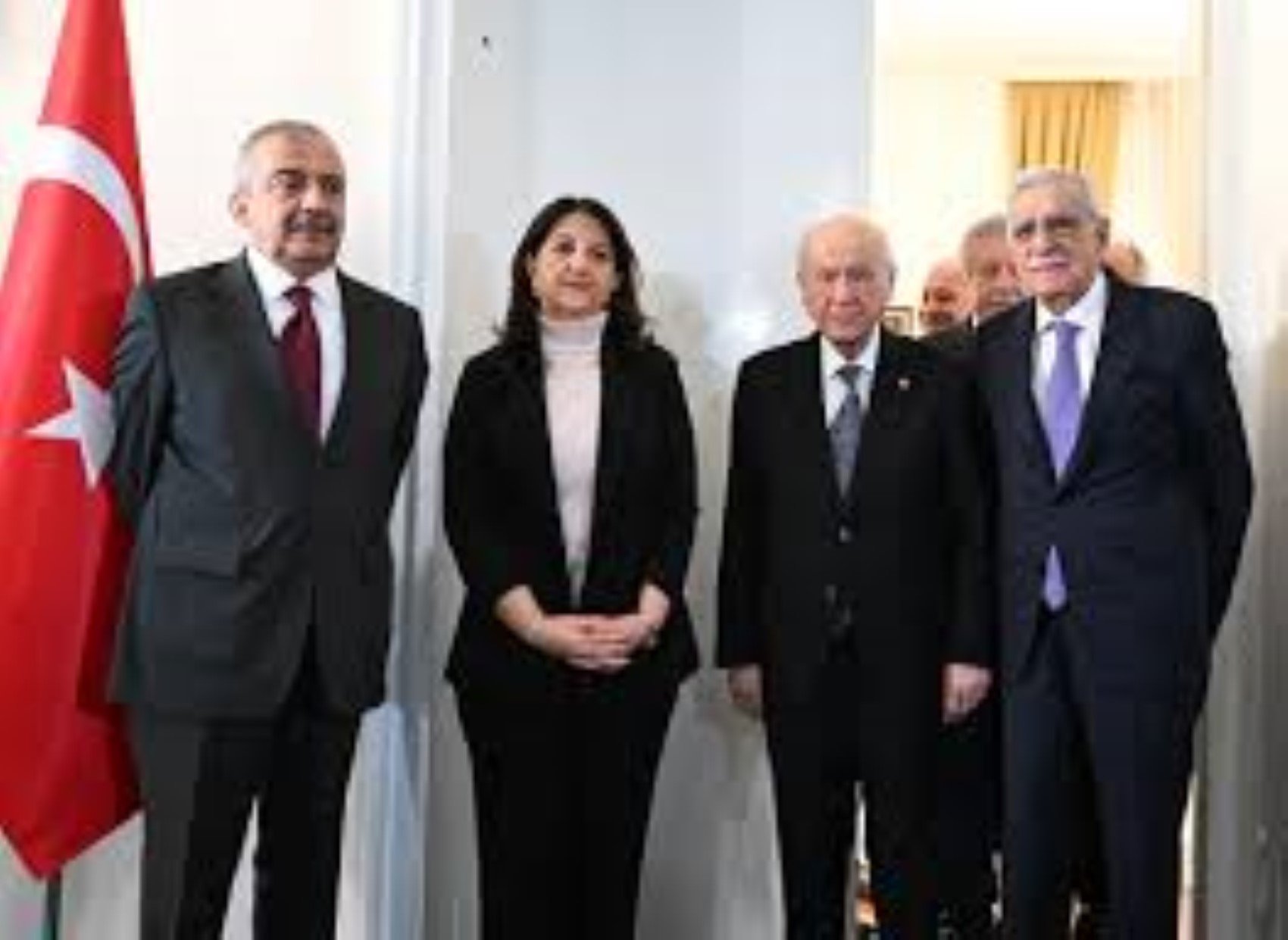
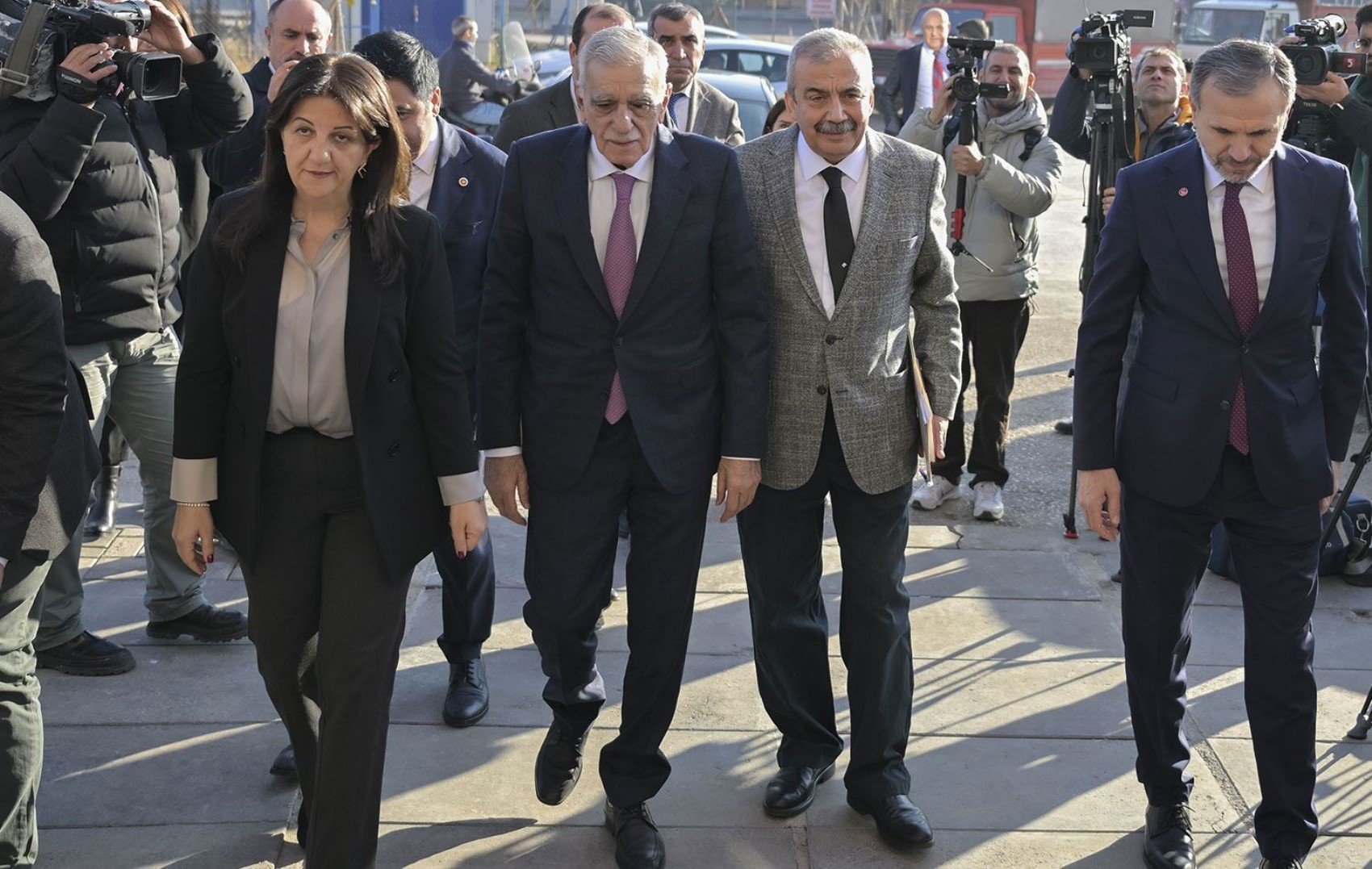
It had been stated that the Imralı delegation, which visited PKK leader Öcalan, would also hold a meeting with Barzani, the leader of the Kurdistan Regional Government in Northern Iraq. At the same time, a message is expected from PKK leader Öcalan in the near future.
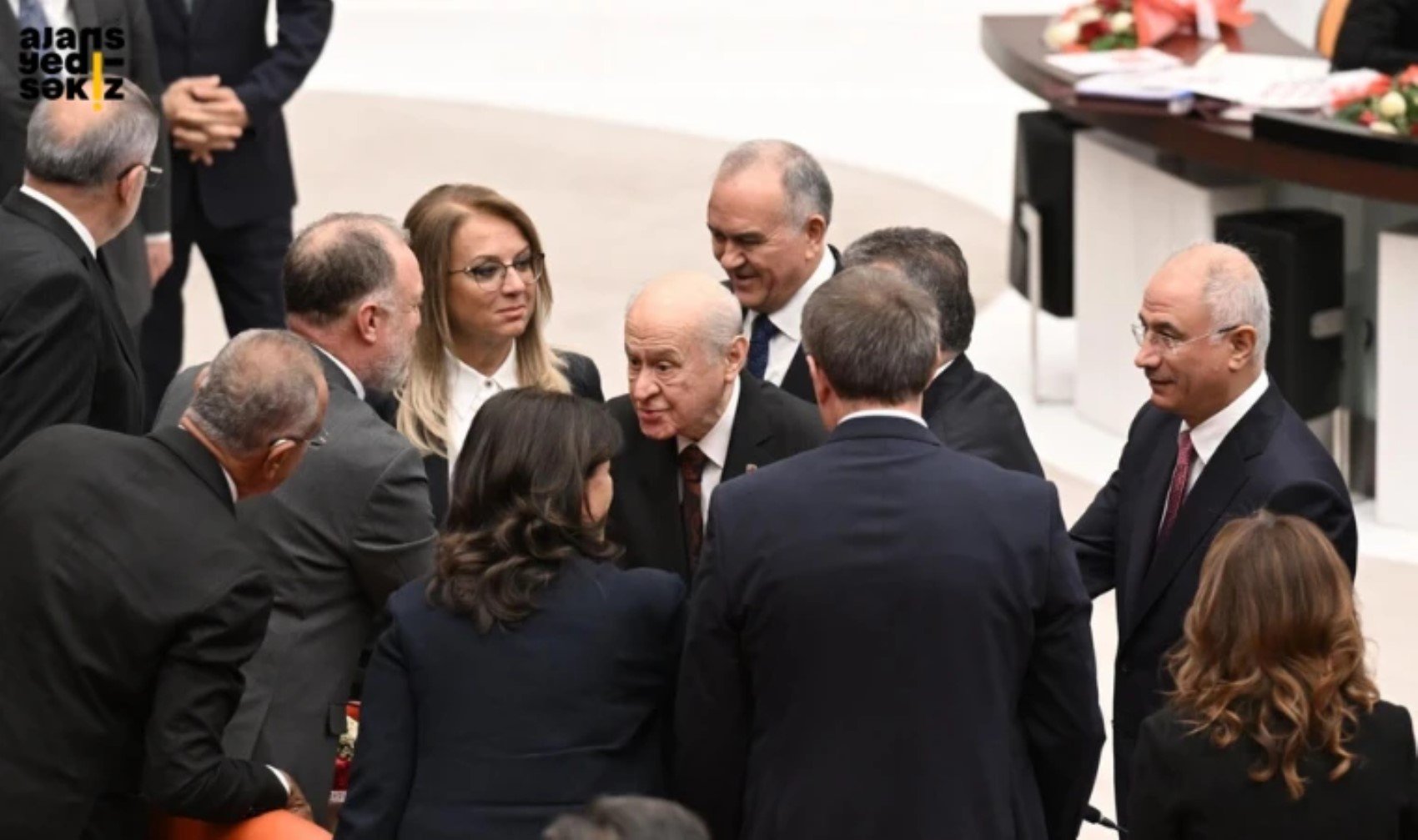
Following all these developments, Sırrı Süreyya Önder, one of the prominent figures of the Imralı delegation, made important statements regarding the process. Here are the highlights of Önder's statements:
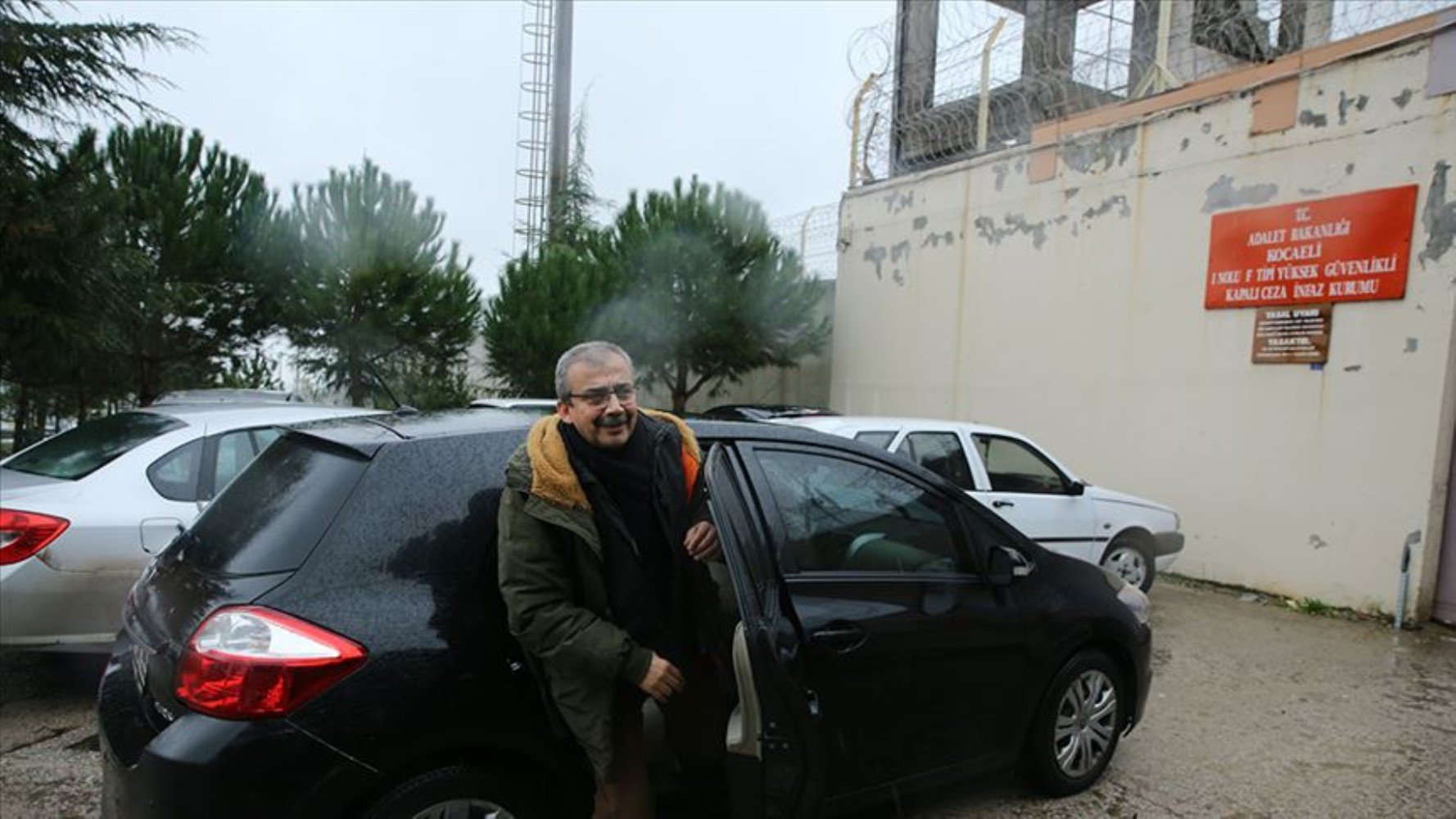
Despite the recent increase in operations and orientations, as well as the opposing rhetoric in government circles, how do you think this process will progress? How hopeful is Abdullah Öcalan that this process can develop?
It is a famous story, mentioned in Tomris Uyar’s diaries: Two friends talk among themselves about the Charterhouse of Parma. One says the monastery is just like in the novel, the other says such a monastery does not exist. Eventually, they go to Parma. The one who said such a monastery does not exist is baffled. He is sure it does not exist, but there stands a monastery. The priest explains the situation; after the novel, a monastery was built in the same way by the municipality.
Yes, on one hand, there are calls for brotherhood, and on the other, there are trustee policies and operations. These lead to serious doubts about the development of this process. It naturally makes one ask whether there is a clear or shared will at the state and administration level. Along with this, and without ever legitimizing these negative experiences, we must keep in mind the knowledge that in conflict resolutions, negatives can occur until the final stage. I must also state this; it is not necessary to turn negatives into certain knowledge and knowledge into pleasure. If we do this, we will only compound the existing pain. Here, politics takes the form of talking again, and we cannot achieve anything.
I need to repeat the Parma example. Now, as a delegation, we have come together with Mr. Öcalan twice. This means: We are at the writing stage of a work. I think it is necessary to correctly understand the attitude displayed by Mr. Öcalan. We are talking about the possibility of solving a very painful, protracted problem that is exhausting for society and its dynamics. One cannot expect everyone and everything to change from one day to the next. A completely rosy picture was never painted. There is no room for excessive expectations or excessive pessimism in this period. We saw Mr. Öcalan as extremely hopeful and enthusiastic. Because he is striving for the realization of the targeted peace possibility, he aims to end the negatives, and he embraces the idea that this process will keep everyone, all of us, alive. This is what is truly hopeful.
For my own part, I can say this for this dying state: A monk and a butcher appear before every good wish. But we are not in a position to surrender even the smallest possibility to either a monk's sermons or a butcher's knife. The road to peace is never straight; sometimes there are even peaks and bottomless pits. The duty that falls upon both society and us, the laborers of peace, is to build the garden of peace in the envisioned place.
All assessments point to the fact that Abdullah Öcalan will make a call; so what will this call mean and what will it target?
The traffic of meetings taking place today, the statements made, and what Mr. Öcalan has said and prepared for undoubtedly point to a new situation and process. However, we should not evaluate this new period by comparing it with what was experienced between 2013 and 2015. At that time, there was a state of ceasefire between the parties, and the legal framework of the process was being established. But ultimately, we know from the way that process collapsed that what is decisive is the strength of the parties' will for peace. Therefore, we must read today's initiative and determinations according to this new situation.
We, like you, are waiting with excitement for Mr. Öcalan's call. We can talk about many things, we can foresee many things, but what is essential is what he will say. I am of the opinion that a possible call will not have a single meaning, but will have many dimensions. The emphasis on and call for democratic politics can certainly be striking. However, we can also expect emphases on the legal, cultural, and social dimensions of the democratic solution to the Kurdish issue, and above all, the opening of communication channels is important. Society is clogged. We are facing a considerable mass that does not come face to face, does not talk, does not discuss, and is in conflict with itself but blames others for it. One has an allergy to the other, and I think Öcalan will break this allergy.
Abdullah Öcalan has done his part and the expected call has taken place; what do you expect to change afterwards?
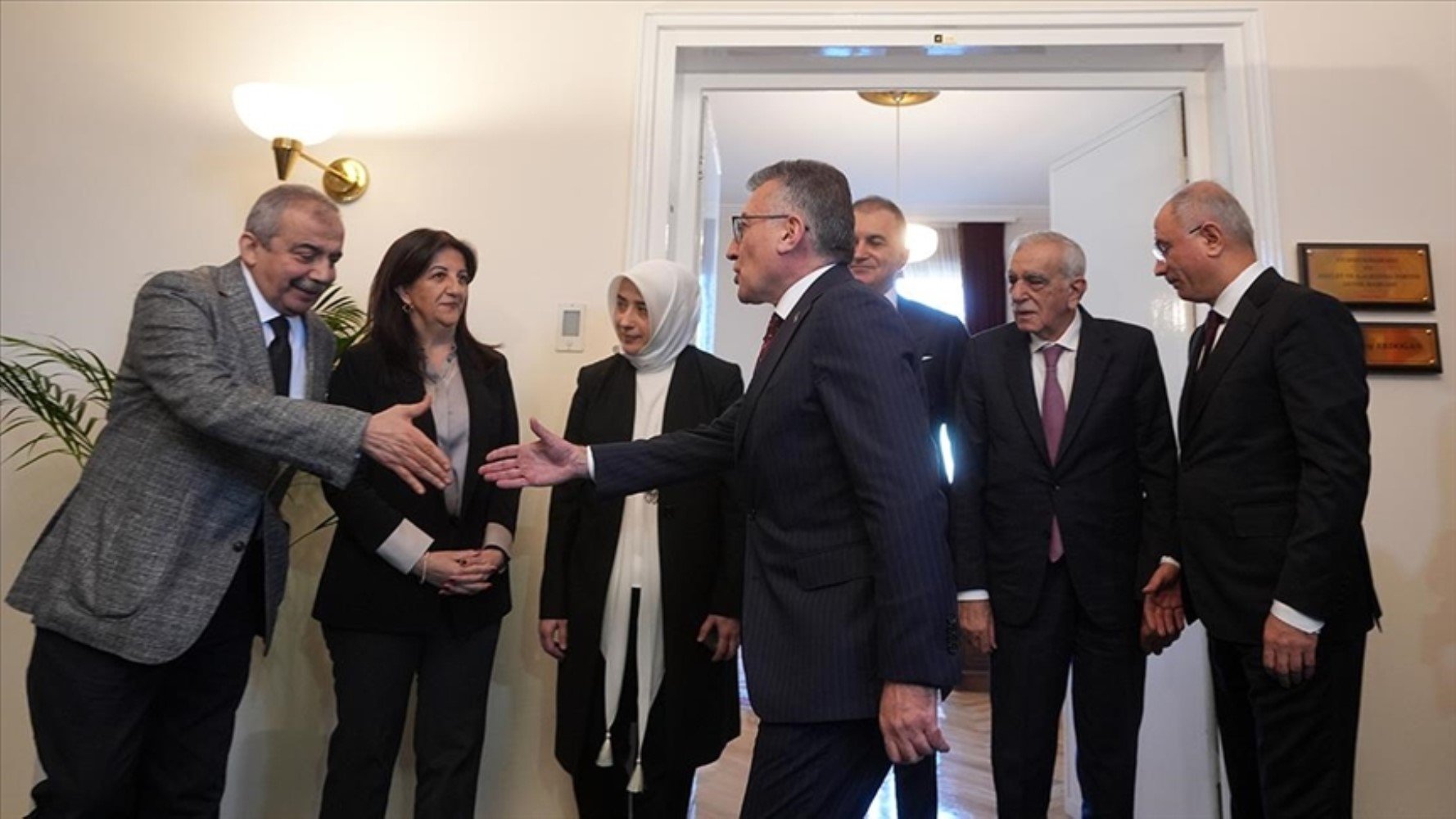
We cannot ignore the attitudes of our other political parties, which are far from rejectionism in their approach to the problem, with the recent moves by Mr. Erdoğan and recently Mr. Bahçeli. If we are to live together as brothers for another thousand years in this geography—which is what will benefit everyone—we all need to realize a mental change and transformation. First and foremost, a political will that embraces this process and expresses the will for a solution must take shape. There is a need to develop democratic governance, a language of democratic consensus, cultural freedoms, and a democratic legal practice as a whole. Of course, it would not be a realistic attitude to expect all these changes from the state. However, it is expected that the state and the government will not limit the democratic political ground for the search and discussion of solutions to these problems, but rather encourage it. If the process proceeds successfully, there will be a long road ahead for which we must all strive together. But most importantly, it is the idea that this new path will be walked with the tools and methods of democratic politics.