The Ministry of Justice had denied it: Will there be a meeting between Bahçeli and Demirtaş?
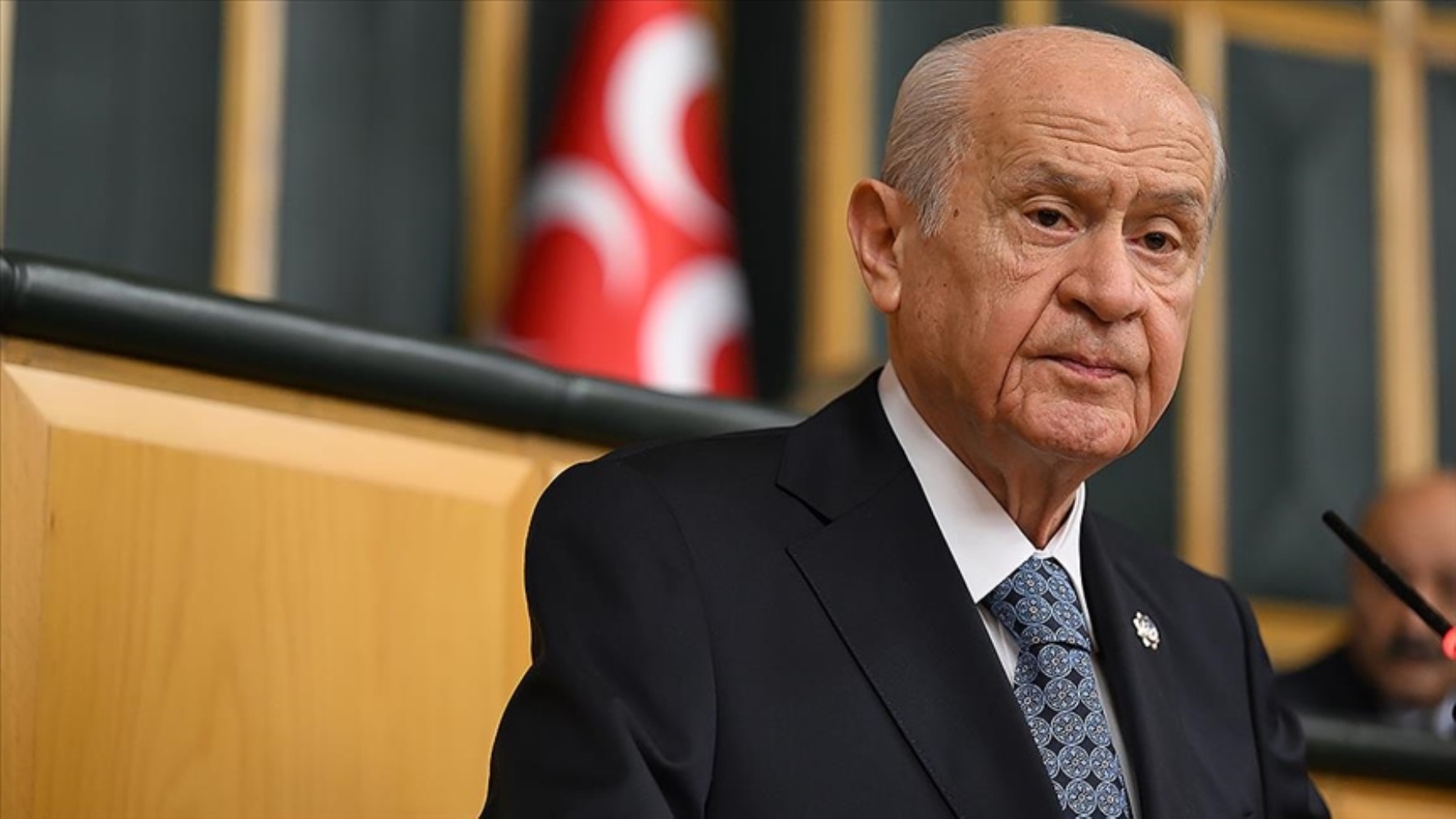
Following the PKK's decision to dissolve, it was claimed that MHP Chairman Devlet Bahçeli would meet with Selahattin Demirtaş, who is imprisoned in Edirne Prison. It was alleged that an application had been made to the Ministry of Justice for the meeting.
12punto
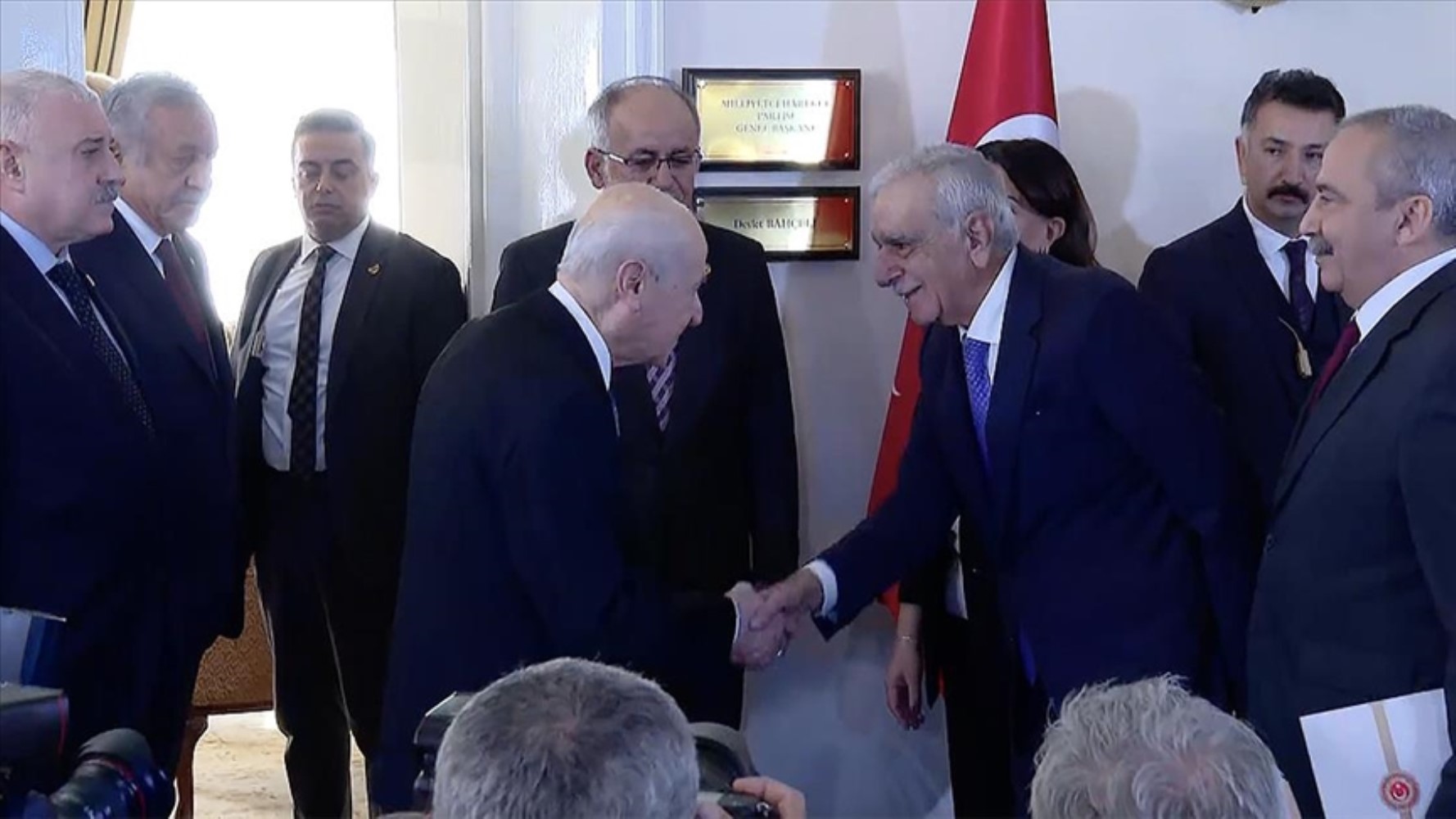
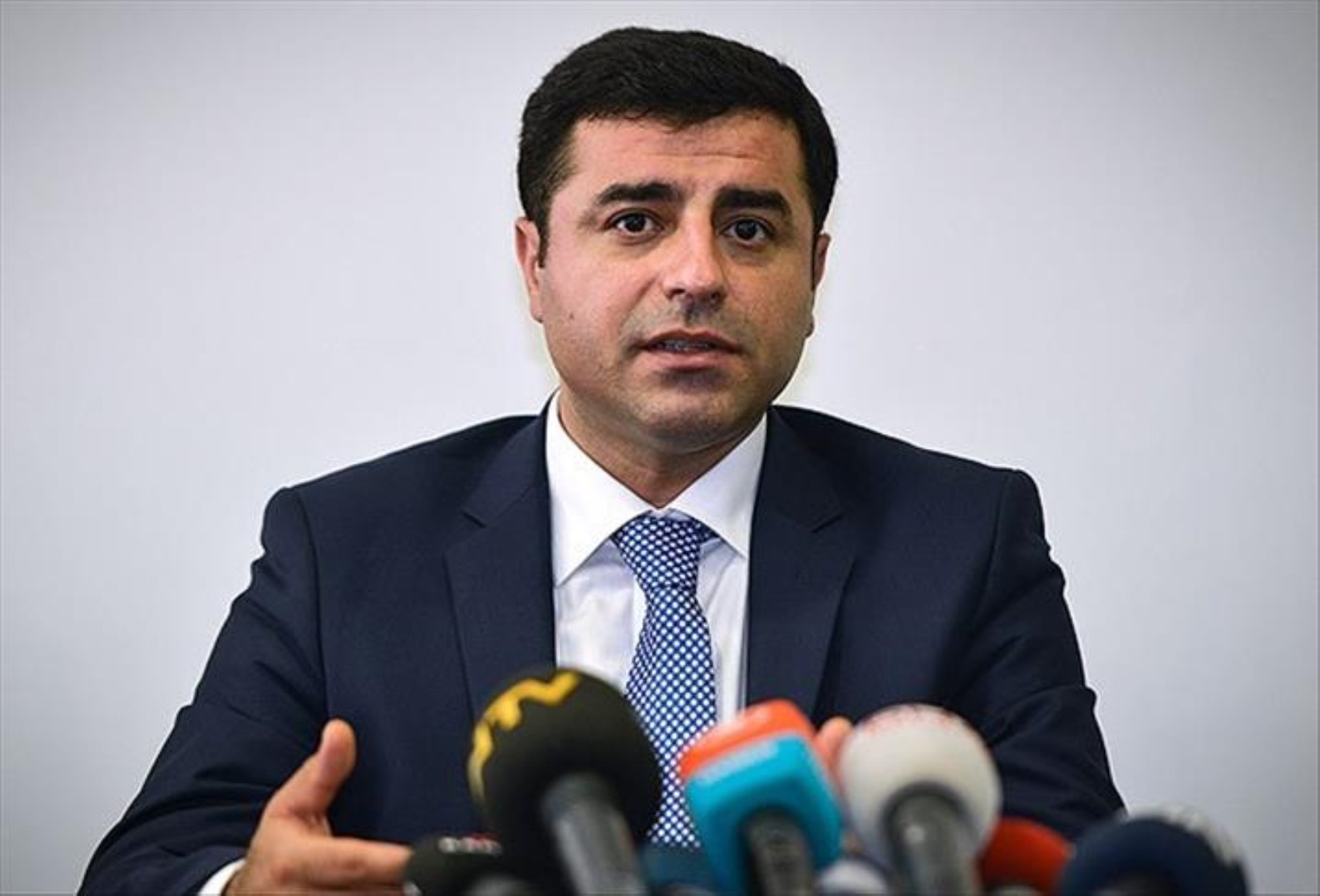
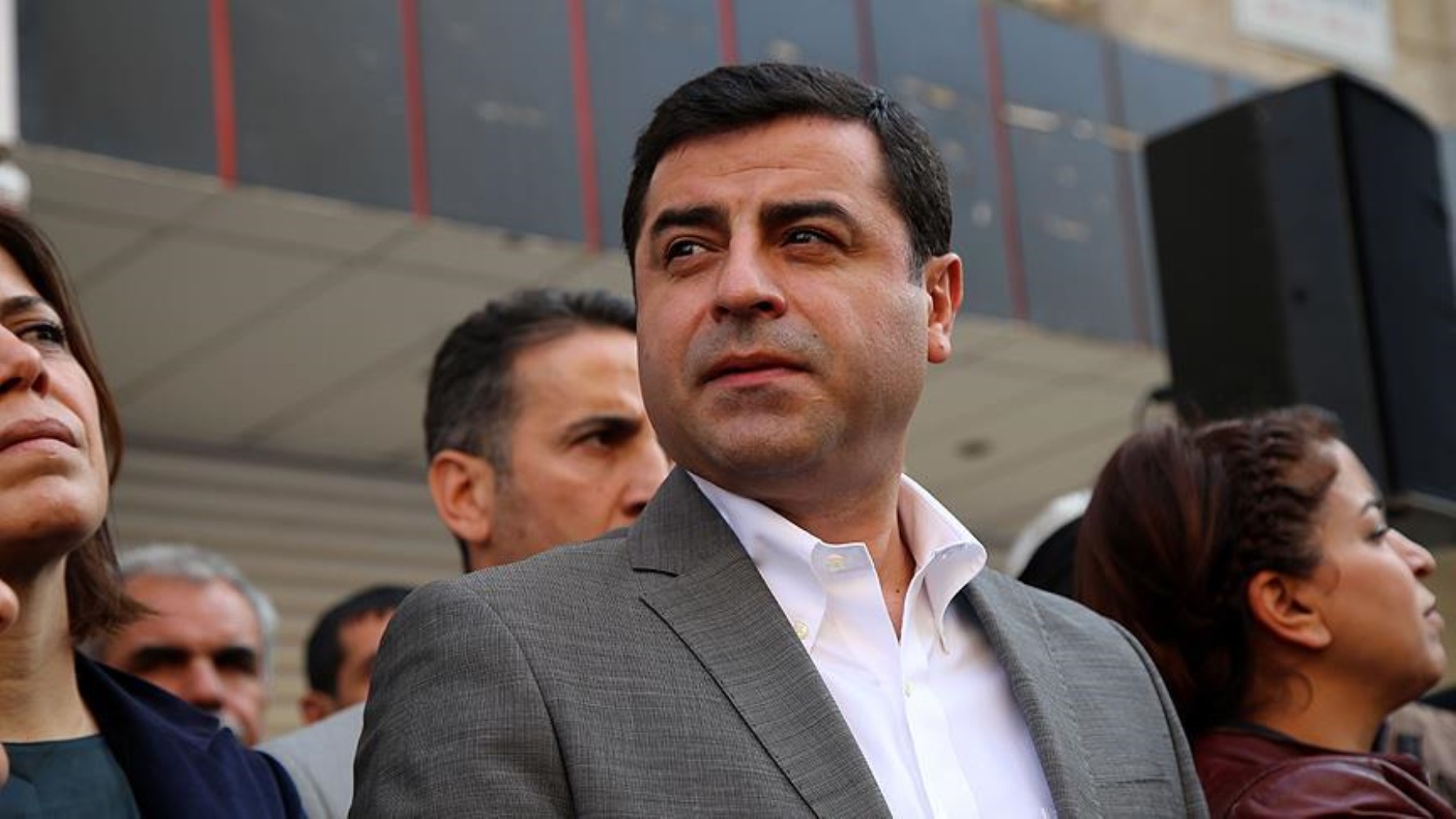
The terrorist organization PKK announced that it had dissolved itself on May 11, following its so-called congress held between May 5-7. After this historic announcement, a new claim emerged regarding former HDP Co-Chair Selahattin Demirtaş, one of the symbolic figures of the resolution process. It was alleged that MHP Chairman Devlet Bahçeli would meet with Demirtaş, who is being held in Edirne Prison.
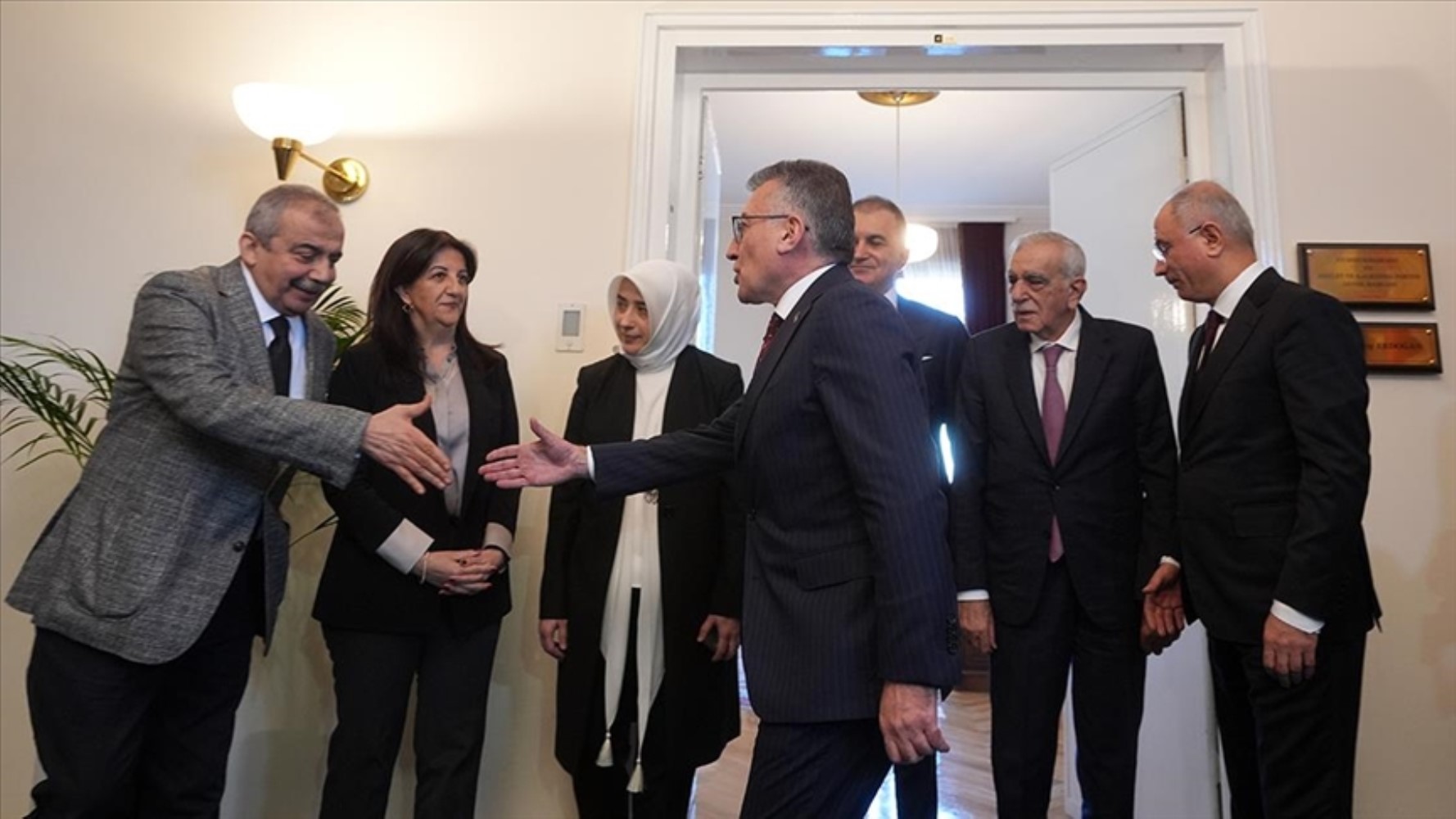
According to Sözcü TV Ankara News Editor Serkan Alan, an application was made to the Ministry of Justice for a direct phone call between Demirtaş and Bahçeli, stating that the meeting is technically possible but that political approval is awaited.
'MEETING REQUEST SUBMITTED'
According to the information provided by Alan, the request for a meeting with Bahçeli was submitted to the Edirne Prison administration through Selahattin Demirtaş's lawyers. It was reported that the Bahçeli camp also views this meeting favorably. However, due to current prison regulations, official approval from the Ministry of Justice is required for such a meeting to take place.
Stating that neither the MHP nor Demirtaş's lawyers view this meeting attempt as a crisis, Alan said, "A basis for the meeting could be formed following the official application to be made to the ministry in the coming days."
NO RELEASE
Alan said that the meeting does not bring up an expectation of a direct release, but it could be interpreted as the first step of a possible political transformation. He noted that there is an expectation that some steps could be taken for symbolic figures, particularly within the framework of the Judicial Package.

Answering the question, "Does the People's Alliance's new model also include the DEM Party?", Serkan Alan made the following observations:
“The stance of the DEM Party will be critical in this process. Until today, there was a DEM profile that opposed loudly. However, recently, we see that they prefer to remain silent on some issues, especially in parliamentary work. Although this is not characterized as a direct alliance, a new political position may be being taken to avoid conflict with the process.”
Alan also recalled that this approach resembles the process of the MHP's participation in the People's Alliance after 2015, noting that at that time, objections were first raised in the commission, and then shared policies came to the fore.
SIGNAL OF CONSTITUTIONAL AMENDMENT
Pointing out that these developments point to a larger political plan, Serkan Alan said that it could signal a new alliance ground in the constitutional amendment discussions likely to come to the agenda as the 2028 elections approach. He commented, "It can be expected that the DEM Party will not join the People's Alliance directly, but will take a position that does not conflict with the process and occasionally provides support."